Top 5 Natural Monuments around Polopos
Best natural monuments around Polopos are found within a region characterized by the Sierra de la Contraviesa, a mountain range offering panoramic views and a landscape of vineyards and almond trees. The area features traditional agricultural landscapes and distinctive natural formations. This diverse environment provides opportunities for exploring various natural features, from mountain peaks to unique seasonal displays.
Best natural monuments around Polopos
- The most popular natural monuments is Nacimiento de Lújar Spring, a natural monument that provides a…
Last updated: July 1, 2026
Pico del Águila
Highlight • Summit
Translated by Google •
Tip by

Nacimiento de Lújar Spring
Highlight • Natural Monument
Translated by Google •
Tip by
Sign up now to discover places like this
Get recommendations on the best single tracks, peaks, & plenty of other exciting outdoor places.
Sign up for free
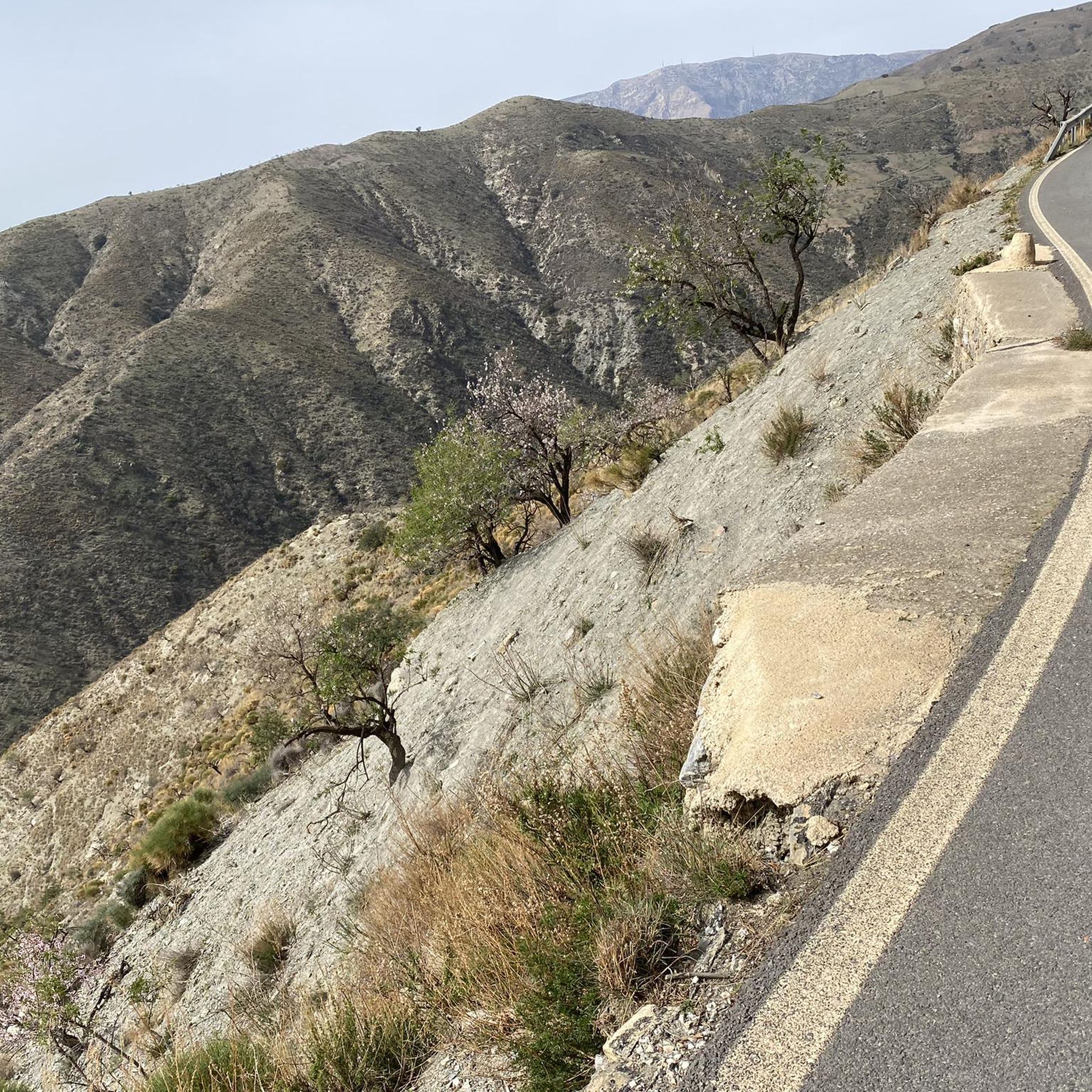
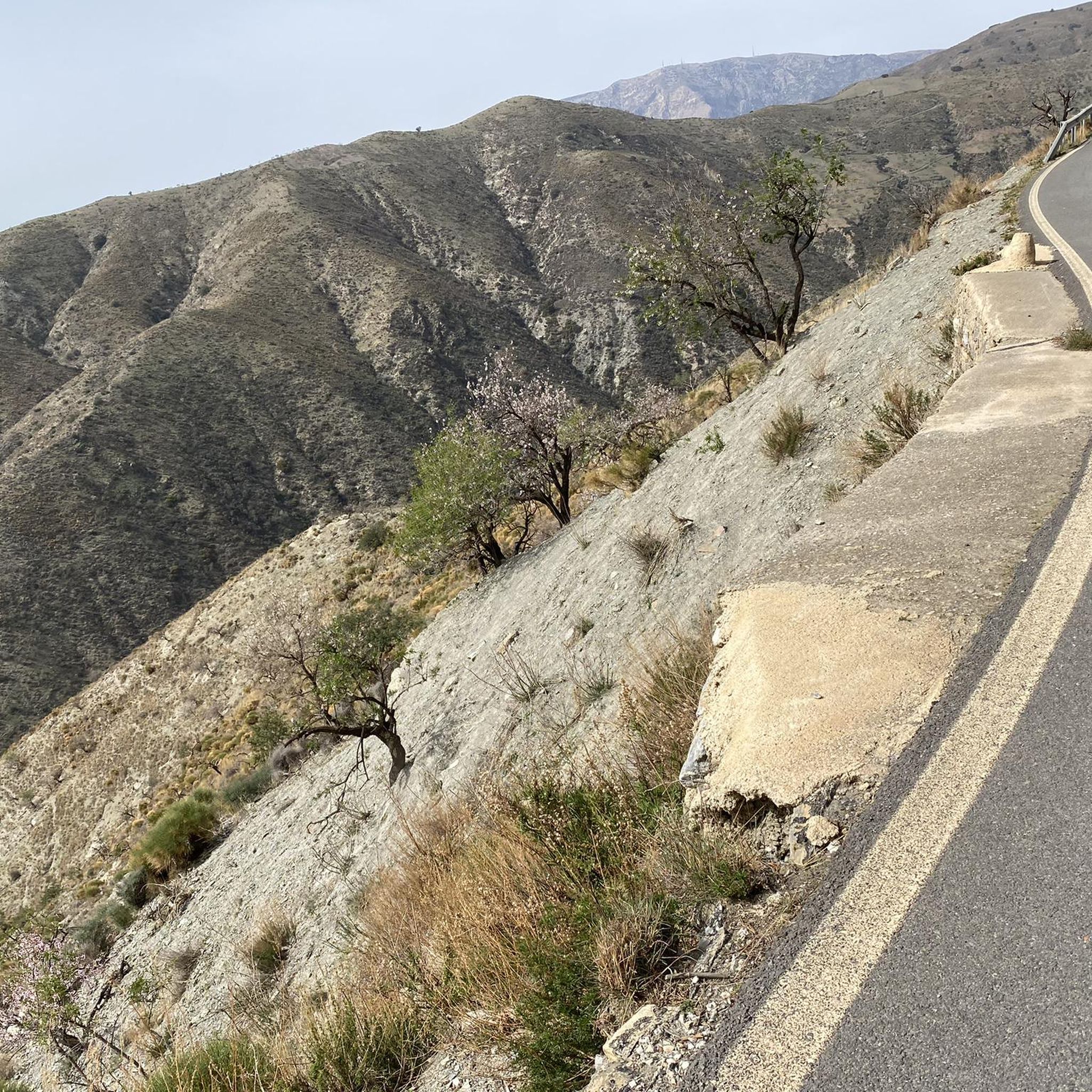
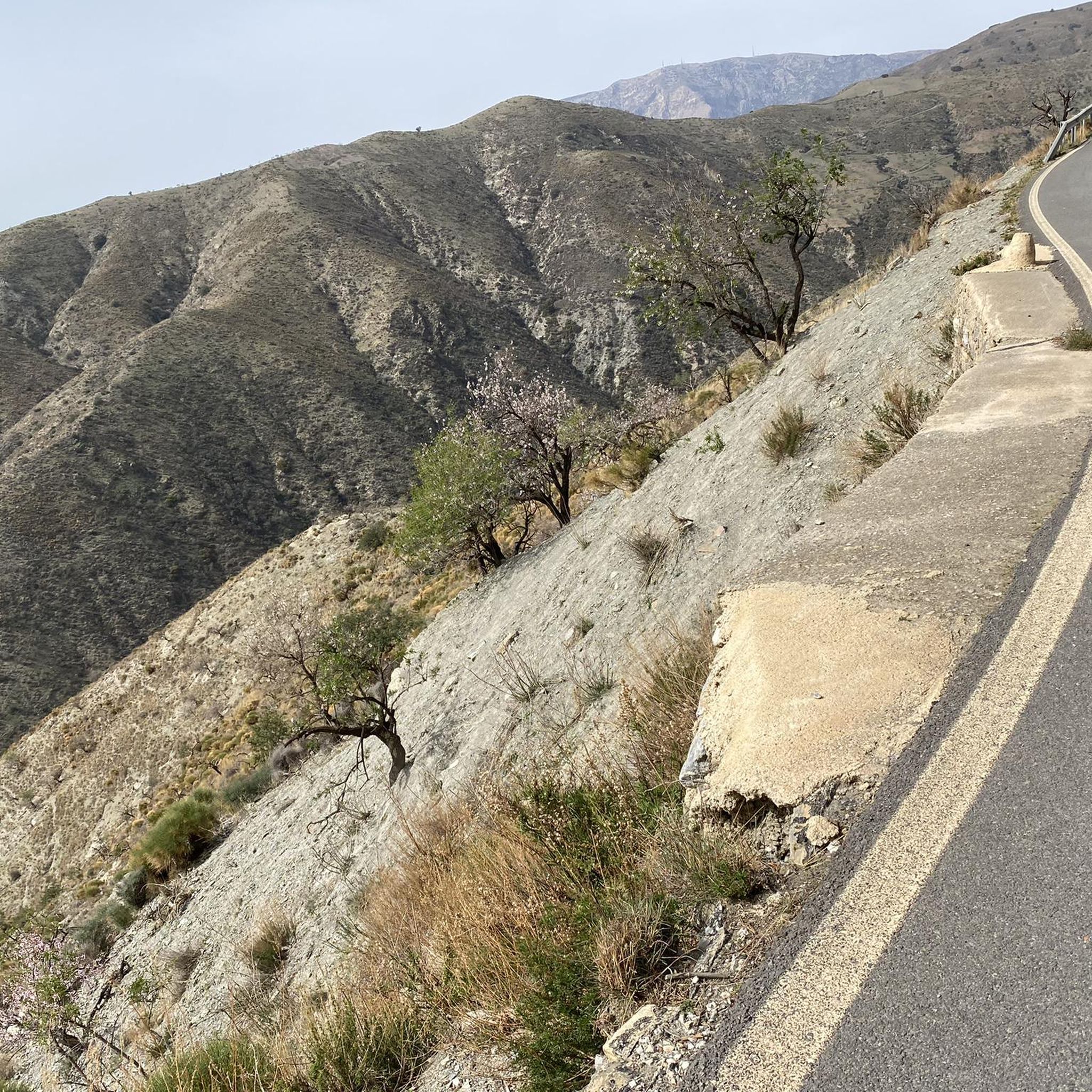
Almond Trees in Bloom
Highlight • Natural Monument
Translated by Google •
Tip by

Fountain on the Camino de Torvizcón
Highlight • Natural Monument
Translated by Google •
Tip by
Fuente del Avispero
Highlight • Natural Monument
Translated by Google •
Tip by
Start today with a free account
Your next adventure awaits.
Login or Signup
Tips from the Community

This is a small fountain under the road on the way to Torvizcon, you have to know the place because it is rather hidden, a relief for a summer afternoon
0
0
Here we have a splendid source of lujar for the thirsty to cool off after the intense climb from Castell de Ferro to lujar or from Motril here you can quench your thirst hot friend in winter and cold in summer.
1
0
Rockroses, male rosemary, torvizco shrubs, junipers, small olive trees, wild olive trees, thyme, broom, espartal grass and many other species typical of a coastal ecosystem, which receives a high level of humidity, with real surprises among its most characteristic species. This is the case of Teucrium rixanense, whose name refers to the Rijana and is considered an endemic species of this small territory, where it is also possible to find Mediterranean orchids, some of them very rare.
1
0
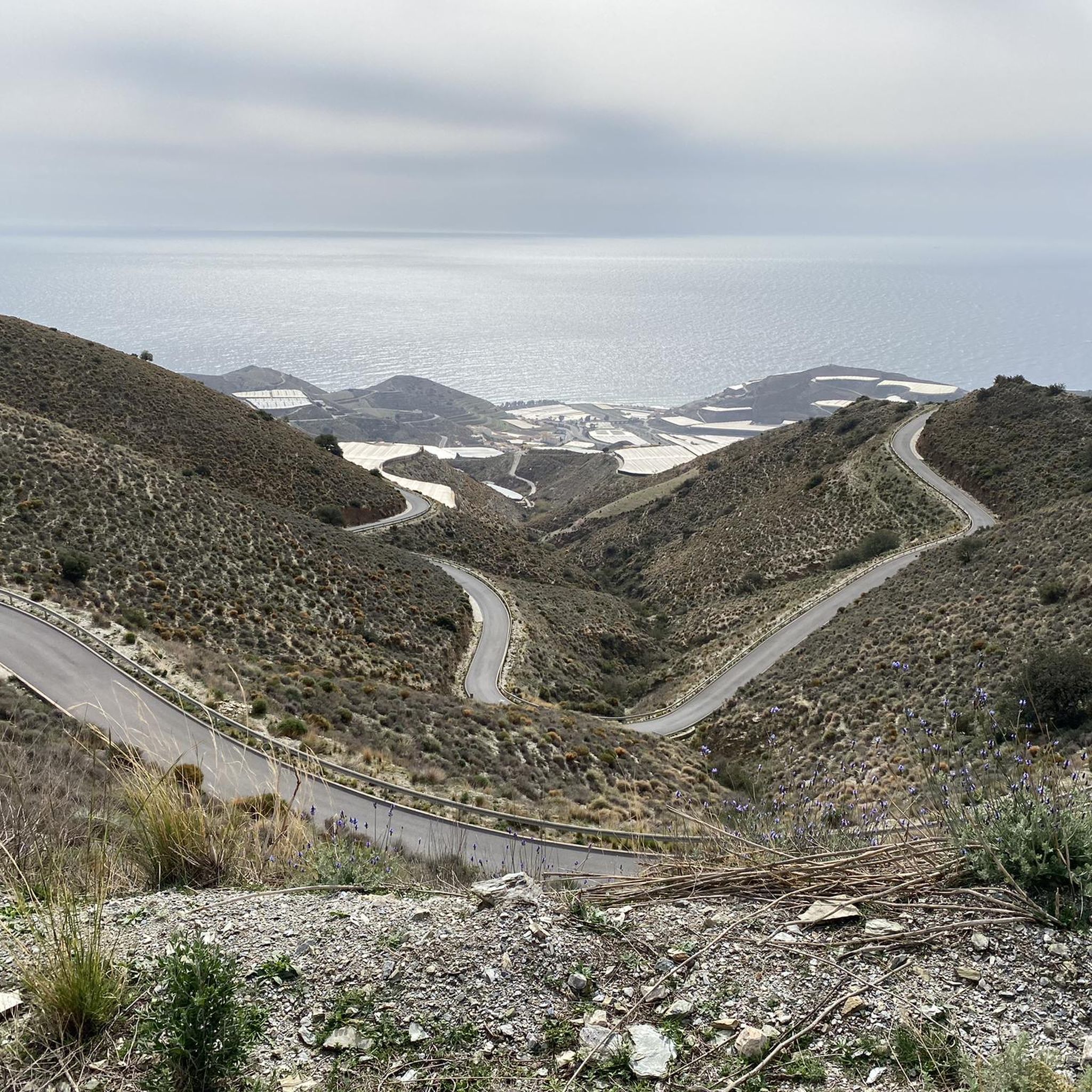
Going up to the Águila peak is one of the most attractive and easy routes that can be done on the eastern coast of Granada, since it combines landscape, with impressive views of both the marine strip and the interior, with the Lújar and Contraviesa mountains, and They show a sequence of ecosystems that are part of the purest thermo-Mediterranean and Mesomediterranean bioclimatic floor in the highest areas. From the road between Gualchos and El Conjuro, a little more than two kilometers away, there is a lane that connects directly with the trails to the highest peak on the Granada coast. Only 1.5 kilometers that show slopes cultivated with almond trees and areas of esparto trees where the original ecosystem degraded by the passage of time and climate emerges. After the lane, the path continues towards an old disused shooting range, a point where the calar begins, an ecosystem of limestone rocks and marble that becomes karstic towards the highest point of the Águila summit.
1
0
The osprey was habitual on the cliffs located between Calahonda and Castell de Ferro and its flights over the sea and the summits of the surrounding hills gave its name to the highest of the watchtowers that dominate the coast, the Pico del Águila, located on the town of Gualchos, a hill that rises between two ravines that flow into Rijana and Rijanilla, two anchorages used since the dawn of navigation and especially by the Romans and the first Umayyads to arrive on the Peninsula. The peak is the great vantage point from which you can see the entire eastern coastline of Granada and the rocky cliffs and cliffs that plunge down to the Calahonda and Carchuna delta, a karstic area, a cove of rocks sharpened by the wind, which They generate a peak on the ridged orography of the hill. settlers It is a territory in which the last Roman settlers of the coast of Granada sought refuge, forgotten by Rome at the time of the fall of the Empire.
1
0
This fountain Known as the wasp nest, is on the track that goes up from Olias to the antennas of Lujar or on the way down, it receives its name from the large number of wasps that usually gather in summer next to the water pipe due to its scarce water flow throughout the territory.
0
0
Pico de el Águila, the point from which you can see a 360° panoramic view of the horizon and on clear days we can appreciate the Moroccan coast.
1
0
Frequently Asked Questions
What kind of natural features can I expect to see around Polopos?
The Polopos region, nestled in the Sierra de la Contraviesa, offers a diverse natural landscape. You can find mountain summits like Pico del Águila, natural springs such as Nacimiento de Lújar Spring, and unique seasonal displays like the Almond Trees in Bloom. The area is characterized by rolling countryside, vineyards, and ravines.
Are there any viewpoints offering panoramic vistas in the Polopos area?
Yes, Pico del Águila is a prominent summit offering 360° panoramic views. On clear days, you can even see the Moroccan coast. The Sierra de la Contraviesa itself provides stunning views of both the Sierra Nevada mountains to the north and the Mediterranean Sea to the south.
When is the best time to see the almond blossoms around Polopos?
The Almond Trees in Bloom transform the landscape at the end of winter. This is the ideal time to visit if you wish to see the terraces covered in picturesque pink and white flowers.
Are there family-friendly natural monuments in the Polopos area?
Absolutely. The Nacimiento de Lújar Spring is considered family-friendly, offering a refreshing stop. The Almond Trees in Bloom also provide a beautiful and accessible experience for families. Additionally, the calm waters of La Mamola Beach, within the Polopos municipality, are suitable for family bathing.
What outdoor activities can I do near Polopos' natural attractions?
The region around Polopos is excellent for various outdoor activities. You can find numerous running trails, mountain biking routes, and road cycling routes. The Sierra de la Contraviesa is particularly well-suited for peaceful walks and hiking.
Does Polopos offer any natural coastal attractions?
Yes, the municipality of Polopos extends to the coast, featuring charming seaside areas like La Mamola and Castillo de Baños. La Mamola Beach, in particular, is known for its fine dark sand and gravel, calm waters, and a seafront promenade, making it ideal for swimming and relaxing by the sea.
Are there any natural springs or water sources to visit for refreshment?
Yes, you can visit the Nacimiento de Lújar Spring, known for its refreshing water. There's also a small, somewhat hidden Fountain on the Camino de Torvizcón and the Fuente del Avispero, both offering a welcome relief, especially on a warm day.
What makes the Sierra de la Contraviesa a significant natural area around Polopos?
The Sierra de la Contraviesa is significant for its rolling countryside, 360-degree panoramic views, and a landscape rich with vineyards, almond, and fig trees. It offers an authentic rural experience, distinct from busier coastal areas, and is perfect for hiking and enjoying spectacular views of both the Sierra Nevada and the Mediterranean Sea.
Are there historical aspects associated with any of the natural monuments?
Yes, Pico del Águila has historical significance. It served as a great vantage point and refuge for the last Roman settlers of the coast of Granada, and its name is linked to the osprey that was once habitual on the cliffs below.
What do visitors enjoy most about the natural monuments around Polopos?
Visitors appreciate the stunning panoramic views, especially from spots like Pico del Águila. The refreshing water sources like Nacimiento de Lújar Spring are also highly valued after a climb. The seasonal beauty of the Almond Trees in Bloom is another highlight, transforming the landscape into a picturesque scene.
Can I find trails for hiking near these natural monuments?
Yes, the Sierra de la Contraviesa, where many of these natural monuments are located, offers ample opportunities for hiking. You can explore various trails that wind through the vineyards and almond groves, providing both scenic beauty and a tranquil outdoor experience. For more specific routes, you can check out the running trails around Polopos, many of which are suitable for hiking.
Most popular attractions around Polopos

Get inspired with the komoot mobile app


Explore more
Extend your search for the best caves by checking out these guides of the top ones around Polopos:
