Top 5 Natural Monuments around Cardeñadijo
Best natural monuments around Cardeñadijo include a variety of natural and man-made features. The landscape around Cardeñadijo offers diverse natural settings, from tranquil lagoons to impressive caves and waterfalls. These areas provide opportunities to explore the region's geographical characteristics and natural beauty. The province of Burgos, where Cardeñadijo is located, is known for its significant natural sites.
Best natural monuments around Cardeñadijo
- The most popular natural monuments is Quintanilla de las Viñas Park, a facilities that features a beautiful…
Last updated: July 1, 2026
Rosette Monument, Paseo de la Isla
Highlight • Monument
Translated by Google •
Tip by

Carcedo Lagoons
Highlight • Lake
Translated by Google •
Tip by

Sign up now to discover places like this
Get recommendations on the best single tracks, peaks, & plenty of other exciting outdoor places.
Sign up for free
Quintanilla de las Viñas Park
Highlight • Rest Area
Translated by Google •
Tip by

Cave of the Spring
Highlight • Cave
Translated by Google •
Tip by

Olea Spring and Waterfall
Highlight • Waterfall
Translated by Google •
Tip by
Start today with a free account
Your next adventure awaits.
Login or Signup
Tips from the Community

A very beautiful cave with a spring
0
0

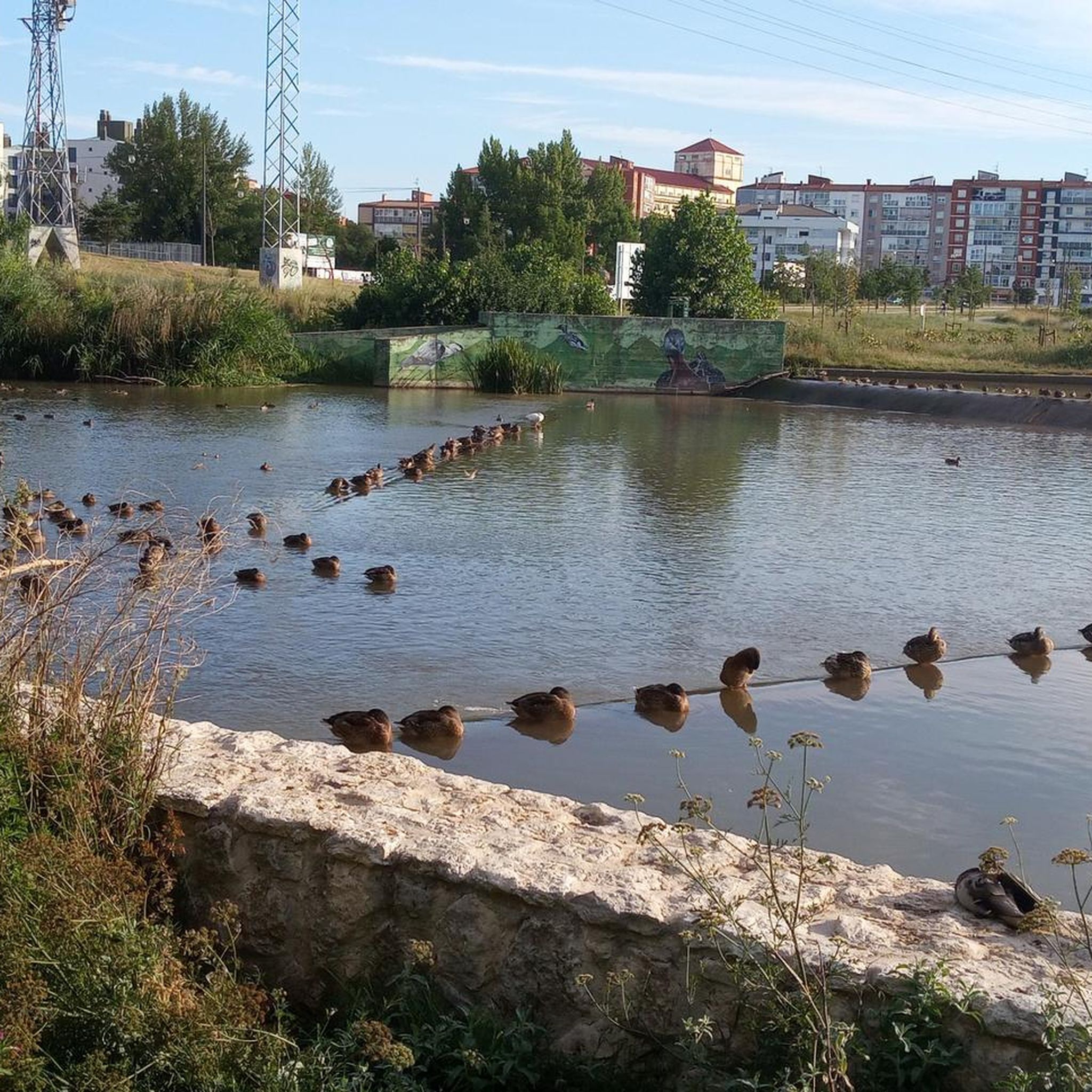
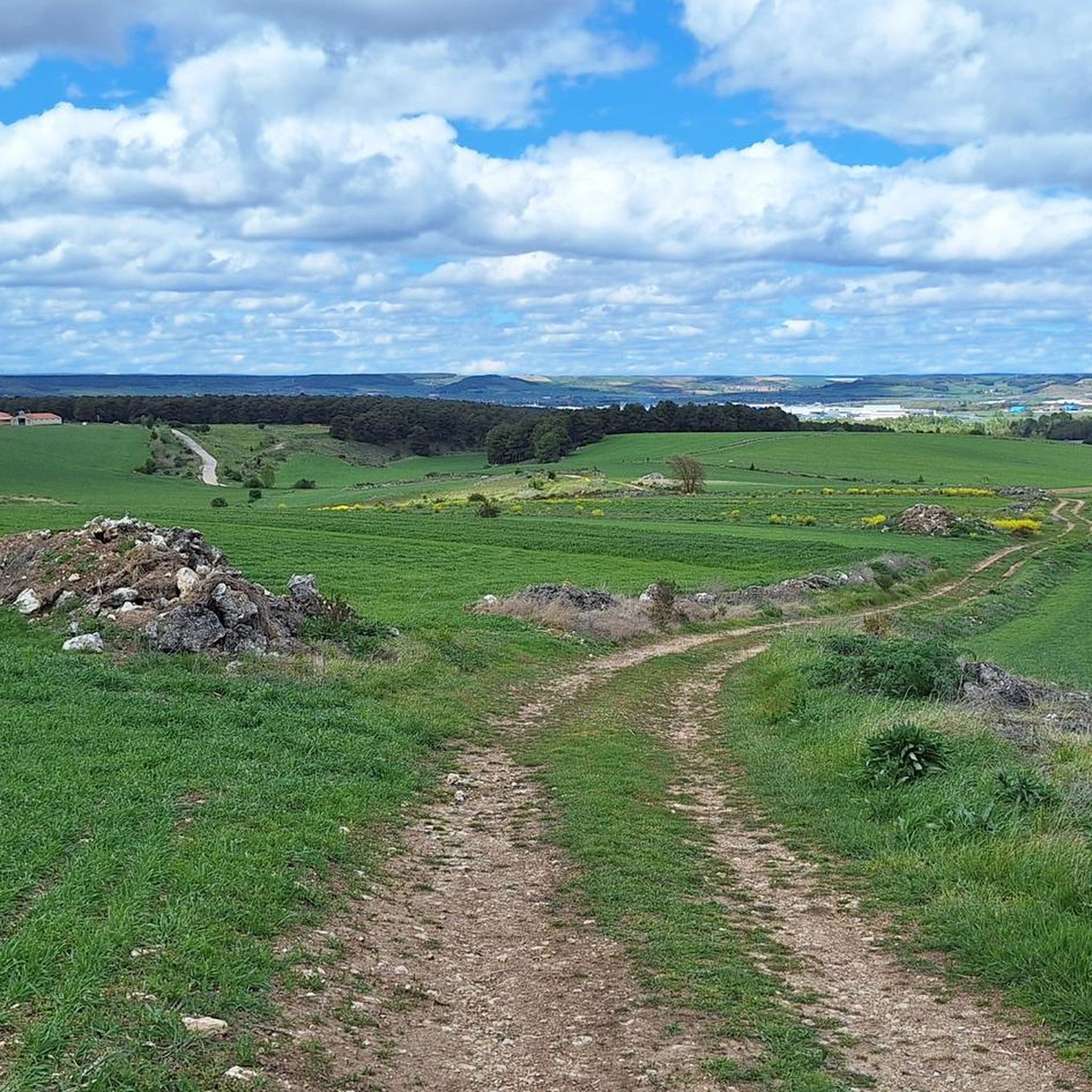
A small wetland near Carcedo, ideal for a quick stop, enjoying the scenery, and birdwatching.
0
0
The beautiful cave welcomes travelers; the spring that gives the town its name and provides drinking water to its population.
0
0
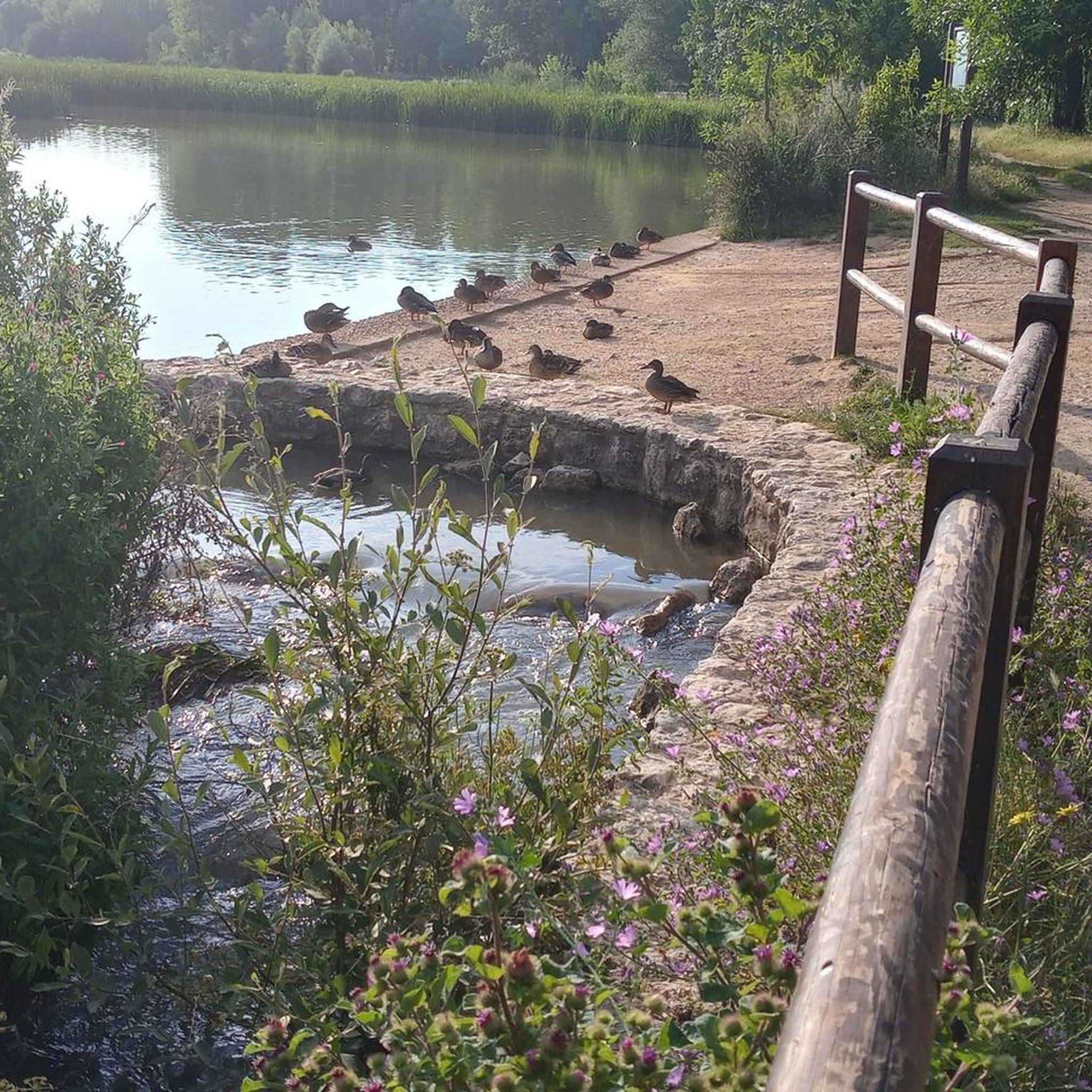
Fountain next to the Camino del Cid, ideal for taking a break and filling up your bottle. A few metres away is the Olea waterfall, although I have never seen it with water.
0
0

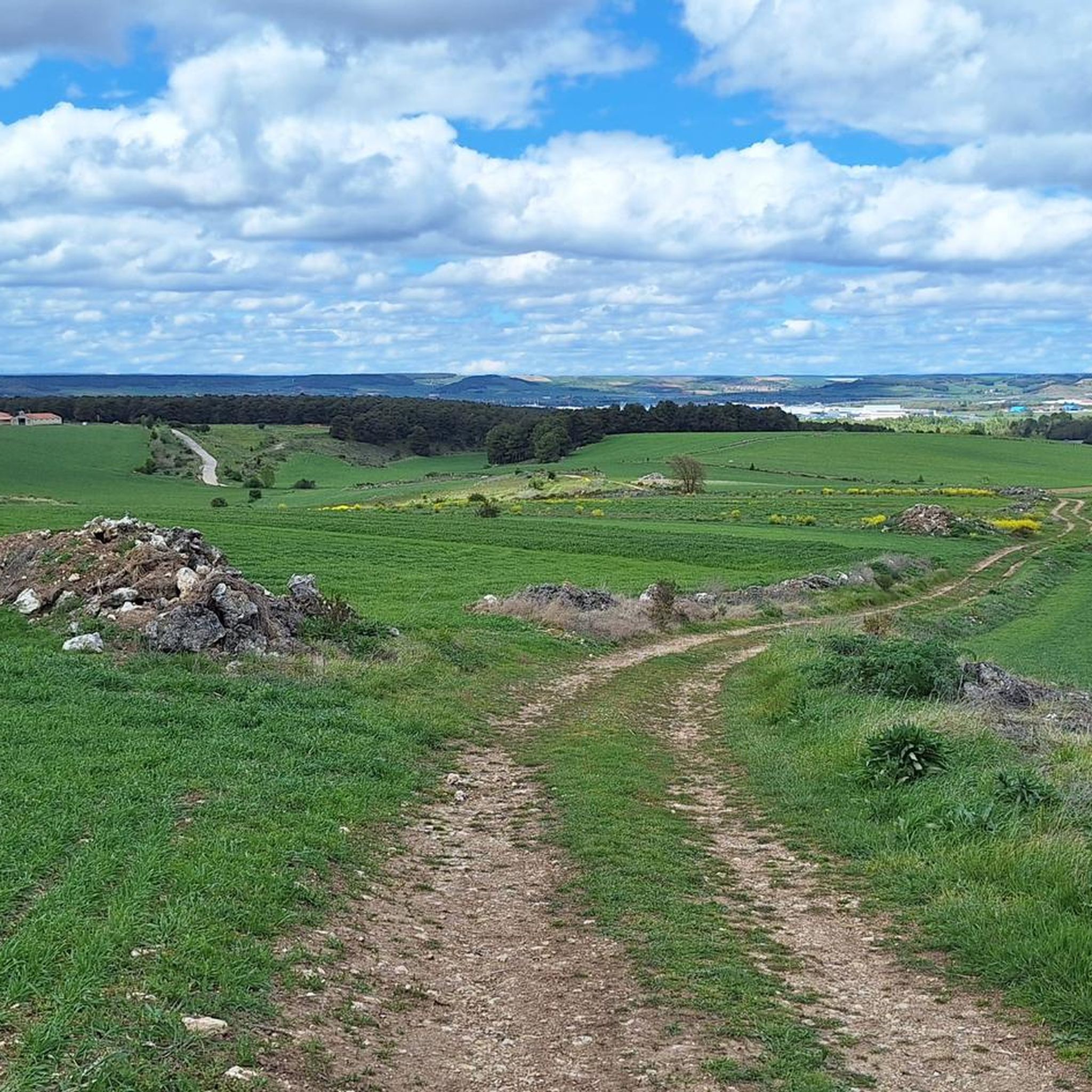
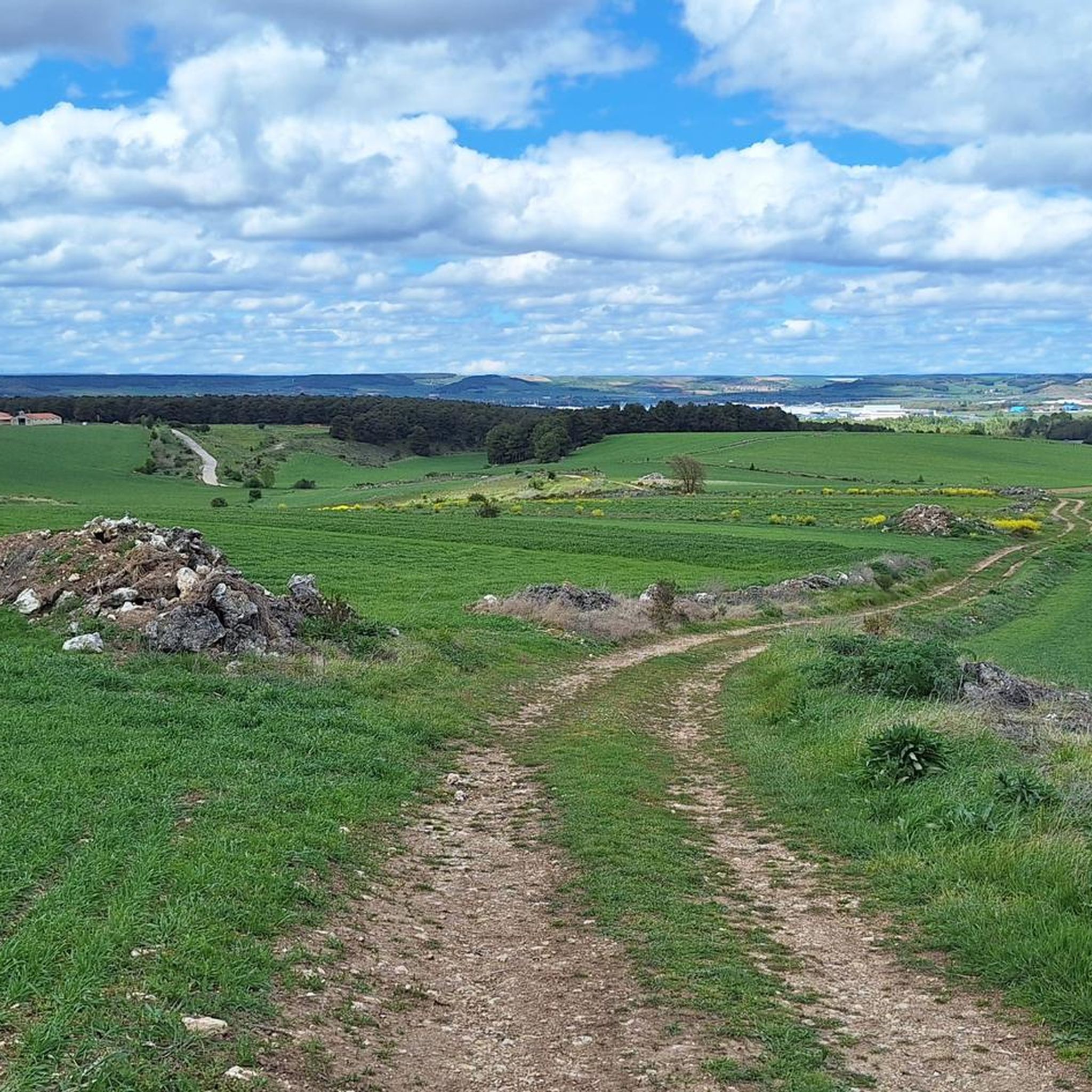
Ideal places for mountain biking and hiking routes
1
0


Burgos has the privilege of being one of the greenest cities in Spain. According to a municipal study from 2018, we have 37 square meters of green areas per inhabitant, with the national average being 11 square meters per inhabitant. The creation of what would later be called Paseo de la Isla was born during the Napoleonic occupation of the city. Today it is an authentic botanical garden in which we find various species of trees and bushes perfectly identified with cartouches. We find chestnut trees, maples, firs, firs, plane trees, beeches, poplars, redwoods, cedars, cypresses, hollies, alders, strawberry trees, birches, catalpas, hawthorns, ashes, acacias... In 2012 the rehabilitation carried out in the Parque de la Isla received the Alhambra award for the best public gardening project. This award is granted by the Spanish Society of Parks and Gardens.
24
0

The rosette, one of the most famous decorative elements on the promenade. The roundabout is the start of a romantic promenade about 800m long and is known as an island walk. I look forward to photos from your journey of discovery…
4
0
Frequently Asked Questions
What natural attractions can I explore near Cardeñadijo?
While Cardeñadijo itself offers local spots like the Cave of the Spring, the broader province of Burgos features significant natural monuments. These include the vast underground complex of Ojo Guareña, the dramatic Salto del Nervión waterfall at Monte Santiago, and the glacial lakes of the Neila Glacier Lagoons.
Are there family-friendly natural monuments around Cardeñadijo?
Yes, several spots are suitable for families. The Quintanilla de las Viñas Park offers a beautiful riverside setting with a natural pool, ideal for outings. The Carcedo Lagoons provide a tranquil wetland for a quick stop and birdwatching. Additionally, the Rosette Monument, Paseo de la Isla in Burgos is a botanical garden with identified tree species, perfect for a leisurely stroll.
What kind of outdoor activities can I do near these natural monuments?
The area around Cardeñadijo and the natural monuments in Burgos province offer diverse outdoor activities. You can find numerous routes for cycling, mountain biking, and gravel biking. For example, there are many cycling routes detailed in the Cycling around Cardeñadijo guide, and challenging trails for mountain biking in the MTB Trails around Cardeñadijo guide.
Where can I see impressive waterfalls in the region?
The most spectacular waterfall in the region is the Salto del Nervión, located within the Monte Santiago Natural Monument. It plunges nearly 300 meters and is particularly impressive after heavy rainfall or during thaw. Closer to Cardeñadijo, you can also find the Olea Spring and Waterfall, though it may not always have water.
Are there any significant caves to visit?
Yes, the province of Burgos is home to the Natural Monument of Ojo Guareña, one of the largest karst complexes in the world. It features over 110 kilometers of interconnected underground galleries, with archaeological sites and unique cave-dwelling species. Guided tours are available to explore parts of this extensive cave system. Locally, Cardeñadijo has the Cave of the Spring, which provides drinking water to the town.
What is the best time to visit the natural monuments in Burgos province?
The best time to visit depends on the specific monument and your preferred activity. For waterfalls like Salto del Nervión, spring (after snowmelt) or autumn (after heavy rains) are ideal. For exploring caves like Ojo Guareña, conditions are generally stable year-round. Summer offers pleasant weather for hiking around the Neila Glacier Lagoons, while autumn provides beautiful foliage in areas like Monte Santiago and Montes Obarenes-San Zadornil.
Can I find historical or cultural sites within these natural areas?
Yes, many natural areas in Burgos province also hold historical significance. Ojo Guareña caves contain numerous archaeological sites from the Palaeolithic to the Middle Ages, including ancient paintings and engravings. The Cave and Hermitage of San Bernabé within Ojo Guareña is a notable cultural and religious center. Monte Santiago also features archaeological remains from the Neolithic and medieval periods, such as the ruins of the Monastery of Santiago de Langrériz.
What kind of wildlife can I expect to see?
The diverse ecosystems of Burgos province support a variety of wildlife. In Ojo Guareña, you can find over 190 animal species, including many endemic cave-dwelling invertebrates, as well as golden eagles and griffon vultures above ground. Monte Santiago is a nesting ground for birds of prey and carrion-eating birds like griffon vultures, and mammals such as foxes, badgers, wild boars, and roe deer. Montes Obarenes-San Zadornil also boasts griffon vultures, golden eagles, wildcats, and otters.
Are there opportunities for hiking near Cardeñadijo's natural monuments?
Yes, the natural areas around Cardeñadijo and in the wider Burgos province offer many hiking opportunities. The Natural Park of the Neila Glacier Lagoons has routes like the Sendero de las Lagunas de Neila. Monte Santiago features trails leading to viewpoints of the Nervión canyon. For local trails, you can explore routes around the Quintanilla de las Viñas Park. You can find more detailed hiking routes in the Cycling around Cardeñadijo guide, which also covers walking paths.
What makes the Montes Obarenes-San Zadornil Natural Park worth visiting?
Montes Obarenes-San Zadornil Natural Park is characterized by dramatic landscapes, including deep gorges carved by rivers like the Ebro and Purón. It's a biological crossroads with rich arboreal diversity, featuring extensive forests of holm oaks, pines, and beech stands. The park is excellent for hiking, cycling, birdwatching, and observing wildlife such as griffon vultures, golden eagles, and wildcats.
What do visitors enjoy most about the natural areas around Cardeñadijo?
Visitors appreciate the tranquility and natural beauty of the local spots, such as the peaceful Carcedo Lagoons. The Quintanilla de las Viñas Park is loved for its riverside setting and natural pool, making it ideal for relaxation and outdoor activities. The region's diverse landscapes, from caves to waterfalls and glacial lakes, also offer a wide range of experiences for nature enthusiasts.
Most popular routes around Cardeñadijo
Most popular attractions around Cardeñadijo

Get inspired with the komoot mobile app


Explore more
Extend your search for the best caves by checking out these guides of the top ones around Cardeñadijo:
