Top 8 Natural Monuments around Cardeñajimeno
Best natural monuments around Cardeñajimeno offer a diverse landscape characterized by significant geological formations and historical sites. The region features a mix of natural and archaeological wonders, including extensive cave systems and ancient human settlements. These areas provide insights into prehistoric life and the natural evolution of the terrain. The varied topography supports different ecosystems, contributing to the area's ecological richness.
Best natural monuments around Cardeñajimeno
- The most popular natural monuments is Atapuerca Archaeological Site, a historical site known…
Last updated: October 17, 2026
Atapuerca Archaeological Site
Highlight • Historical Site
Translated by Google •
Tip by

Rosette Monument, Paseo de la Isla
Highlight • Monument
Translated by Google •
Tip by

Sign up now to discover places like this
Get recommendations on the best single tracks, peaks, & plenty of other exciting outdoor places.
Beginning of human being in Europe
Highlight • Historical Site
Translated by Google •
Tip by

Park in Quintanilla, Los Ausines
Highlight • Rest Area
Translated by Google •
Tip by

Carcedo Lagoons
Highlight • Lake
Translated by Google •
Tip by

Sign up for free to discover even more natural monuments around Cardeñajimeno.
Already have an account?
Start today with a free account
Your next adventure awaits.
Tips from the Community

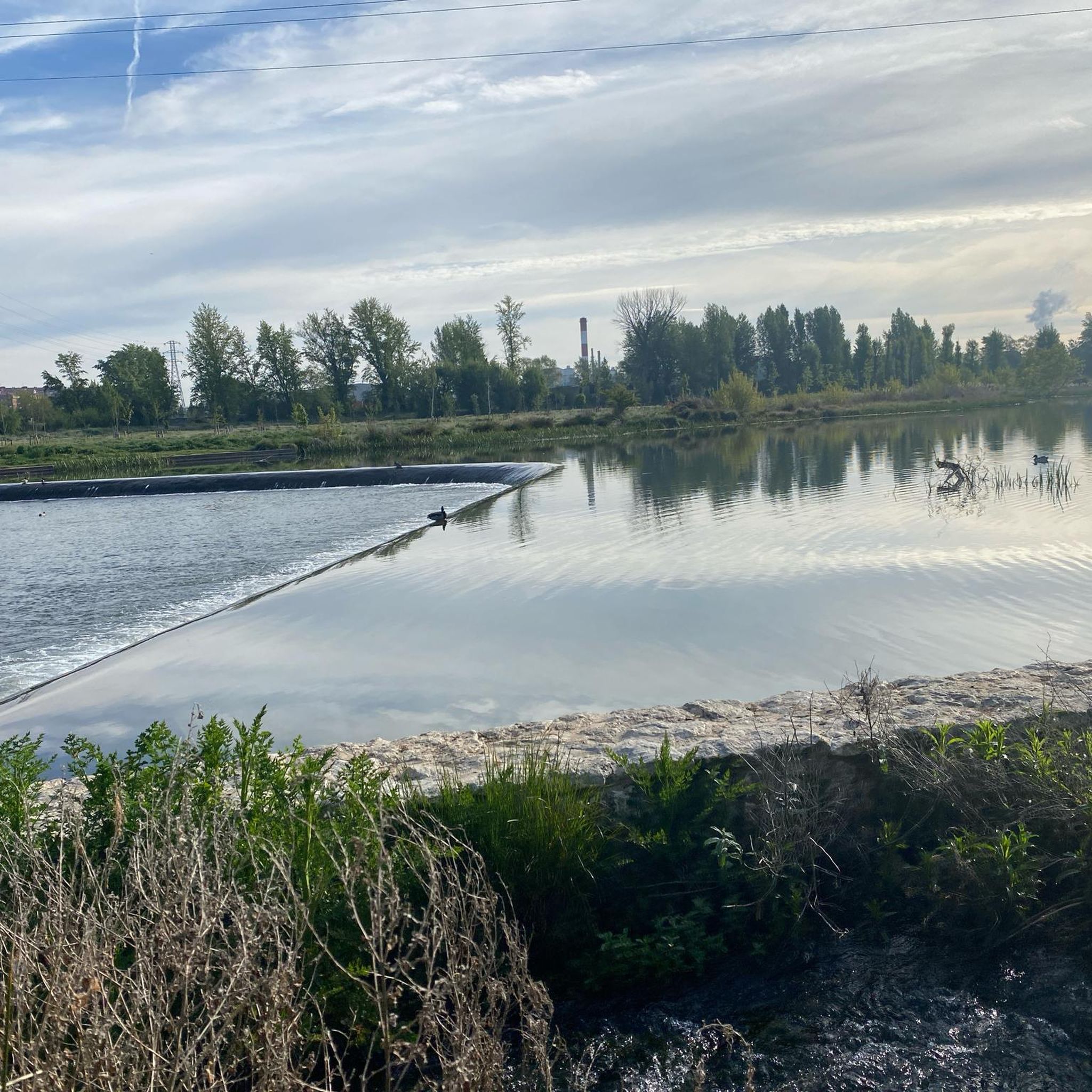
A small wetland near Carcedo, ideal for a quick stop, enjoying the scenery, and birdwatching.
0
0

Ideal places for mountain biking and hiking routes
1
0


Burgos has the privilege of being one of the greenest cities in Spain. According to a municipal study from 2018, we have 37 square meters of green areas per inhabitant, with the national average being 11 square meters per inhabitant. The creation of what would later be called Paseo de la Isla was born during the Napoleonic occupation of the city. Today it is an authentic botanical garden in which we find various species of trees and bushes perfectly identified with cartouches. We find chestnut trees, maples, firs, firs, plane trees, beeches, poplars, redwoods, cedars, cypresses, hollies, alders, strawberry trees, birches, catalpas, hawthorns, ashes, acacias... In 2012 the rehabilitation carried out in the Parque de la Isla received the Alhambra award for the best public gardening project. This award is granted by the Spanish Society of Parks and Gardens.
24
0

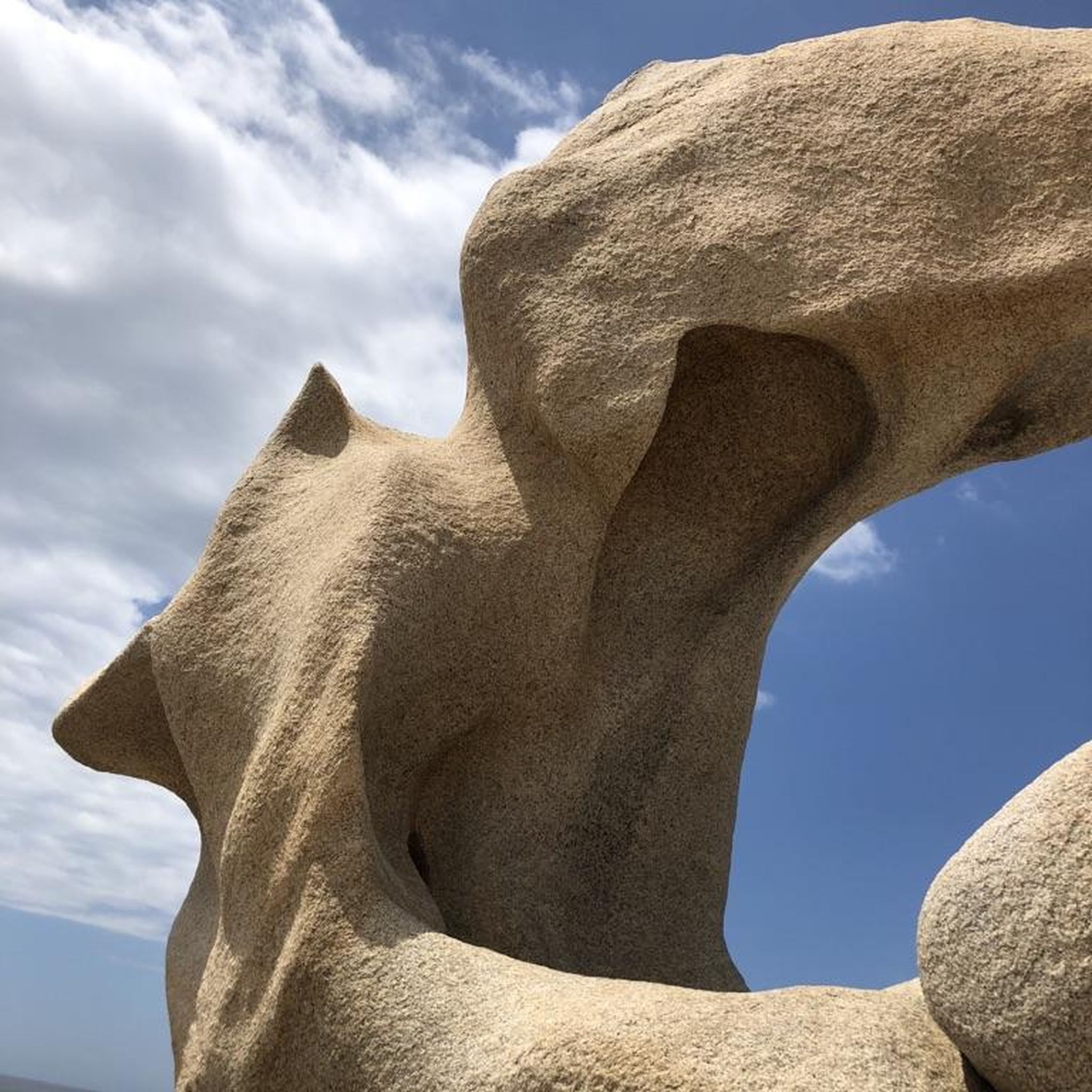
The rosette, one of the most famous decorative elements on the promenade. The roundabout is the start of a romantic promenade about 800m long and is known as an island walk. I look forward to photos from your journey of discovery…
4
0

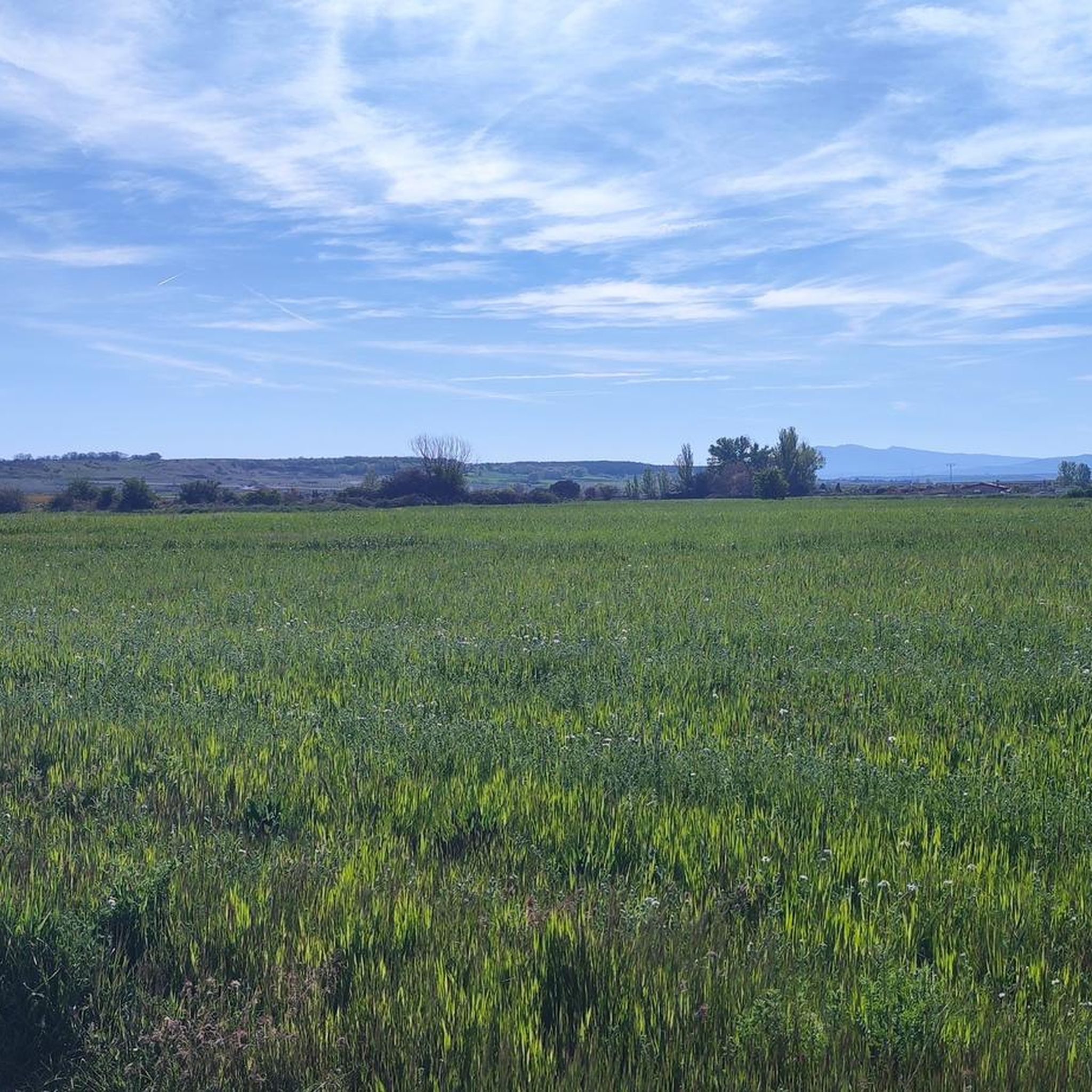
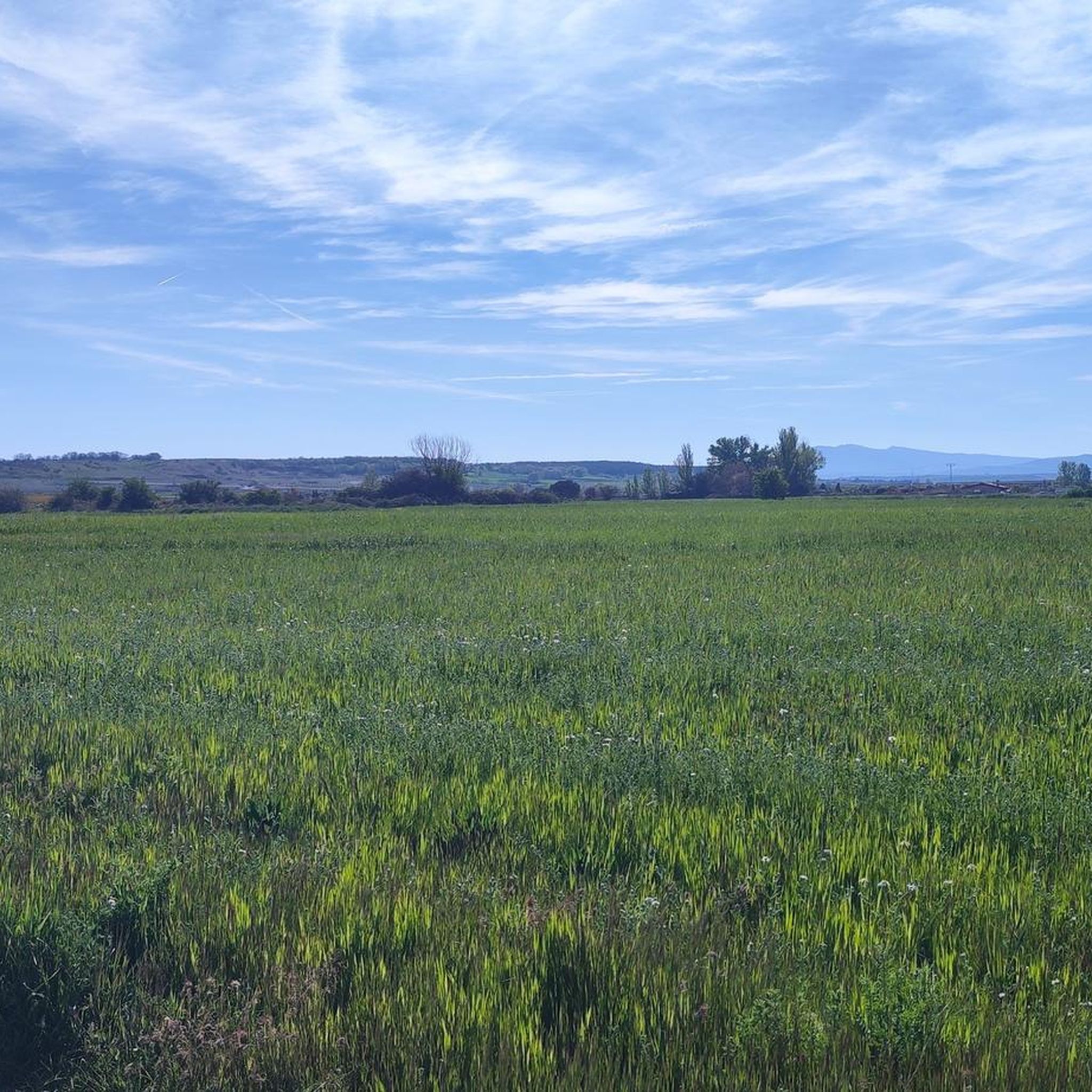
One of the best-known names in Spain because this town is known for the set of prehistoric excavations that are unique in southern Europe.
0
0

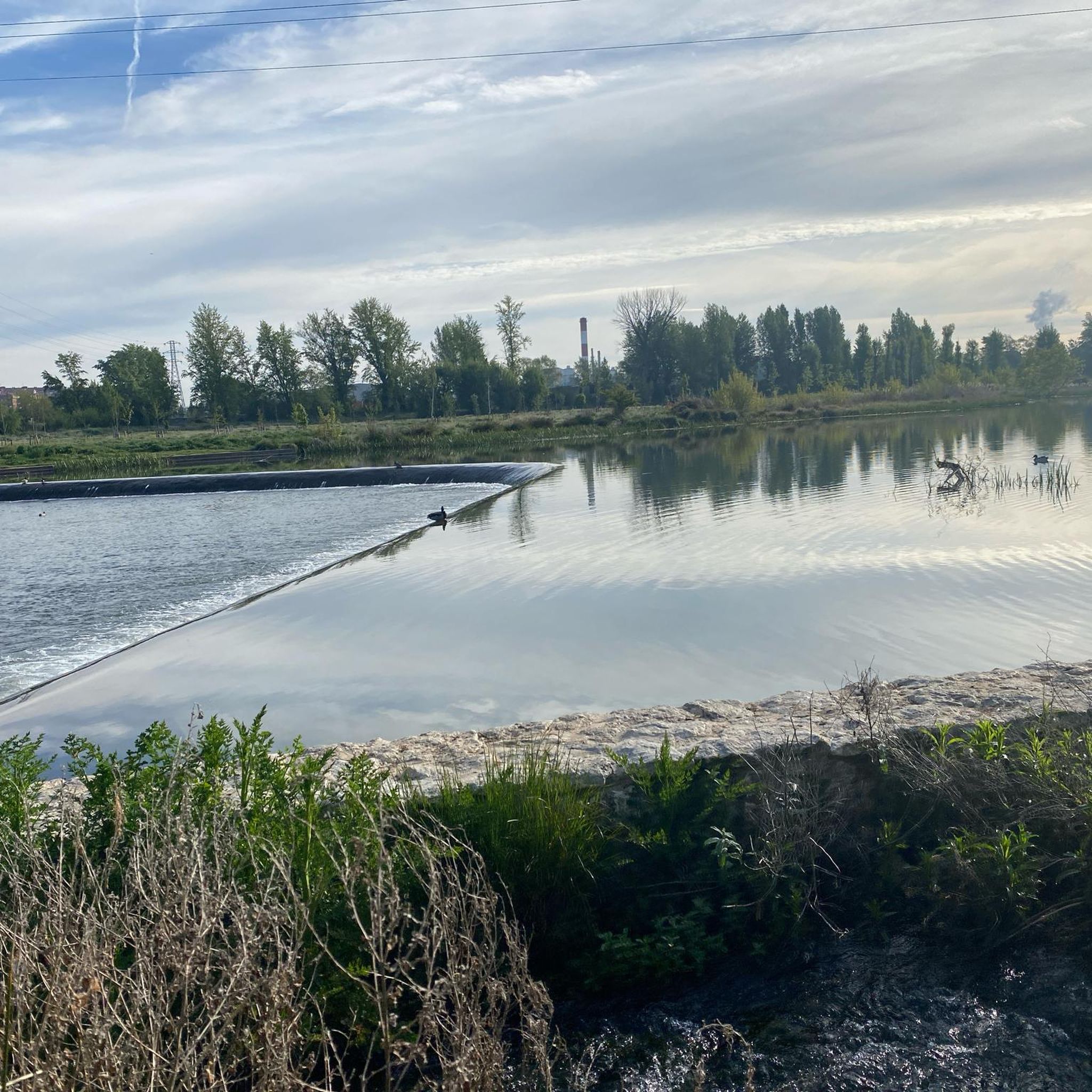
Beautiful park next to the river with a natural pool
1
0

Atapuerca is a World Heritage site with its famous Paleolithic excavations, which can also be visited by prior arrangement. The Gran Dolina is famous, place where the Homo antecessor (probably H.erectus - experts are not yet sure whether it is a human species of its own) dates to > 850,000 a. A UK remnant was found in the Sima del Elefante that was even older and is estimated at > 1 million a. In the Sima de los Huessos (Bone Cave) 29 complete H.Heidelbergensis skeletons (>400000 a old) were found. (i.e. 80% of all fossil human finds) They are the ancestors of the Neanderthals (200000-40000 a), who in turn lived approx. 40000 a , replaced by H.sapiens (d.s. we), became extinct. To emphasize the importance of this site, it is the cradle of the European natives, here are the testimonies of the first people who immigrated from Africa and therefore they have also been rightly named a UNESCO World Heritage Site. The skeleton finds can be seen in the Museo de la Evolución Humana in Burgos (located in the middle of the old town of Burgos and is a hot tip)
0
0
Frequently Asked Questions
What unique natural features can I explore near Cardeñajimeno?
The region offers diverse natural features. You can visit the impressive Carcedo Lagoons, a tranquil wetland ideal for relaxation and birdwatching. Further afield, the Ojo Guareña Natural Monument, one of the largest cave systems in the world, showcases vast karstic networks, underground rivers, and unique cave formations.
Are there any significant historical or archaeological natural monuments in the area?
Yes, the Atapuerca Archaeological Site is a UNESCO World Heritage site renowned for its prehistoric excavations, offering insights into early human presence in Europe. The Ojo Guareña Natural Monument also holds archaeological importance, with evidence of human habitation since prehistoric times, including cave paintings and unique footprints.
What kind of outdoor activities can I do near these natural monuments?
The area around Cardeñajimeno provides various outdoor activities. You can find numerous hiking trails, including routes like 'El Cid's Exile Trail' or loops around Cueva Carrera. For cyclists, there are road cycling routes such as 'The Monastery of San Pedro Cardeña from Burgos'. The Ojo Guareña area also offers opportunities for caving, climbing, and nature sports.
Are there family-friendly natural monuments or parks suitable for children?
Absolutely. Quintanilla de las Viñas Park is a great option, featuring a natural pool and riverside setting suitable for family outings and gentle walks. The Carcedo Lagoons also offer a peaceful environment for families to enjoy nature and birdwatching.
What makes the Ojo Guareña Natural Monument so special?
Ojo Guareña is exceptional due to its status as one of the largest cave systems globally and the most extensive in the Iberian Peninsula, with over 110 kilometers of galleries. It's a site of immense geological, archaeological, and ecological significance, housing diverse cave-dwelling species and prehistoric human traces, including unique barefoot prints.
Can I visit the caves at Ojo Guareña?
Yes, parts of the Ojo Guareña cave system are accessible to the public. The Palomera Cave, for instance, became the largest visitable cave in Spain when it opened in 2013. Additionally, the Ermita de San Bernabé, an 18th-century chapel, is built over a prehistoric cave within the system and features ancient wall paintings.
What kind of wildlife can I expect to see in the natural monuments around Cardeñajimeno?
The region is rich in biodiversity. At Ojo Guareña, you can find a refuge for various species, including bats and numerous endemic cave-dwelling creatures. Outside the caves, the area is home to goshawks, martens, wild cats, otters, birds of prey, vultures, wild boar, and foxes. The Carcedo Lagoons are also excellent for birdwatching.
What do other visitors enjoy most about the natural monuments here?
Visitors appreciate the blend of natural beauty and historical depth. The Atapuerca Archaeological Site is highly regarded for its unique prehistoric excavations. The tranquil setting of places like Carcedo Lagoons and the natural pool at Quintanilla de las Viñas Park are also popular for relaxation and outdoor activities.
Are there any natural monuments that offer scenic viewpoints?
While not explicitly a viewpoint, the area around the Ojo Guareña Natural Monument offers majestic scenery and opportunities for panoramic views of the karstic landscape. The Carcedo Lagoons provide a serene setting to enjoy the natural surroundings.
What is the terrain like for hiking near these natural monuments?
The terrain varies. Around the Ojo Guareña Natural Monument, you'll encounter a limestone massif with karstic features. Hiking trails near Cardeñajimeno, such as those mentioned in the hiking guide, can range from easy to difficult, traversing riverbanks, forests, and open landscapes.
Can I find places for a short walk or easy natural monument exploration?
Yes, for shorter, easier explorations, the Carcedo Lagoons offer a small, tranquil wetland perfect for a quick stop and enjoying the scenery. The Quintanilla de las Viñas Park also provides a pleasant riverside setting for leisurely strolls.
Most popular routes around Cardeñajimeno
Most popular attractions around Cardeñajimeno

Get inspired with the komoot mobile app


Explore more
Extend your search for the best caves by checking out these guides of the top ones around Cardeñajimeno:
