Top 7 Mountain Passes around Hoyos De Miguel Muñoz
Best mountain passes around Hoyos De Miguel Muñoz are found within the Sierra de Gredos range, located in the province of Ávila, Spain. This region features diverse landscapes, from oak and chestnut forests to expansive pastures and high-altitude terrain. The passes offer various routes for outdoor activities and provide access to viewpoints across the surrounding valleys and peaks. The area is characterized by its mountainous geography and natural features.
Best mountain passes around Hoyos De Miguel Muñoz
- The most popular…
Last updated: May 20, 2026
Centenera Pass
Highlight (Segment) • Mountain Pass
Translated by Google •
Tip by

Chía Pass (1,663 m)
Highlight (Segment) • Mountain Pass
Translated by Google •
Tip by

Sign up now to discover places like this
Get recommendations on the best single tracks, peaks, & plenty of other exciting outdoor places.
Sign up for free
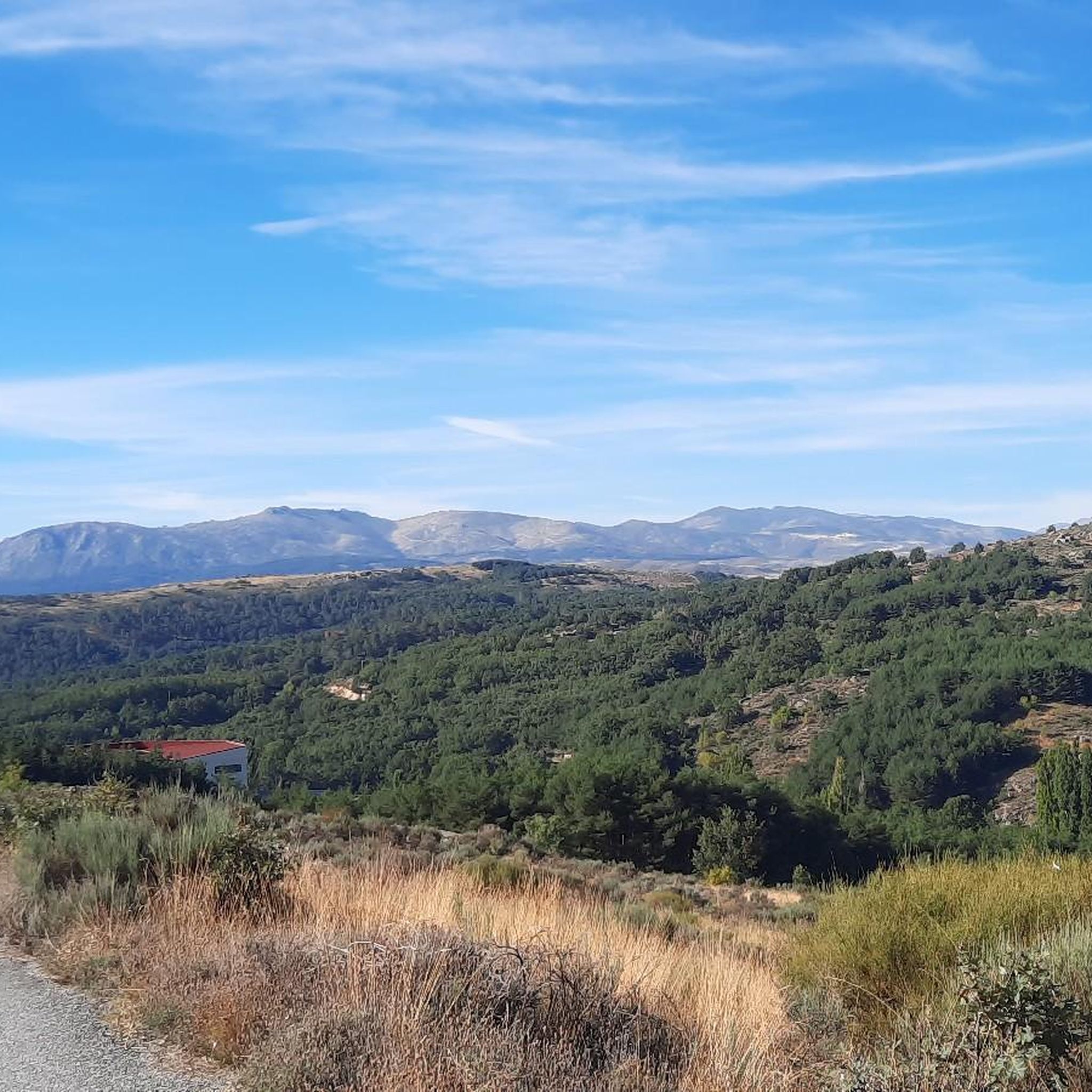
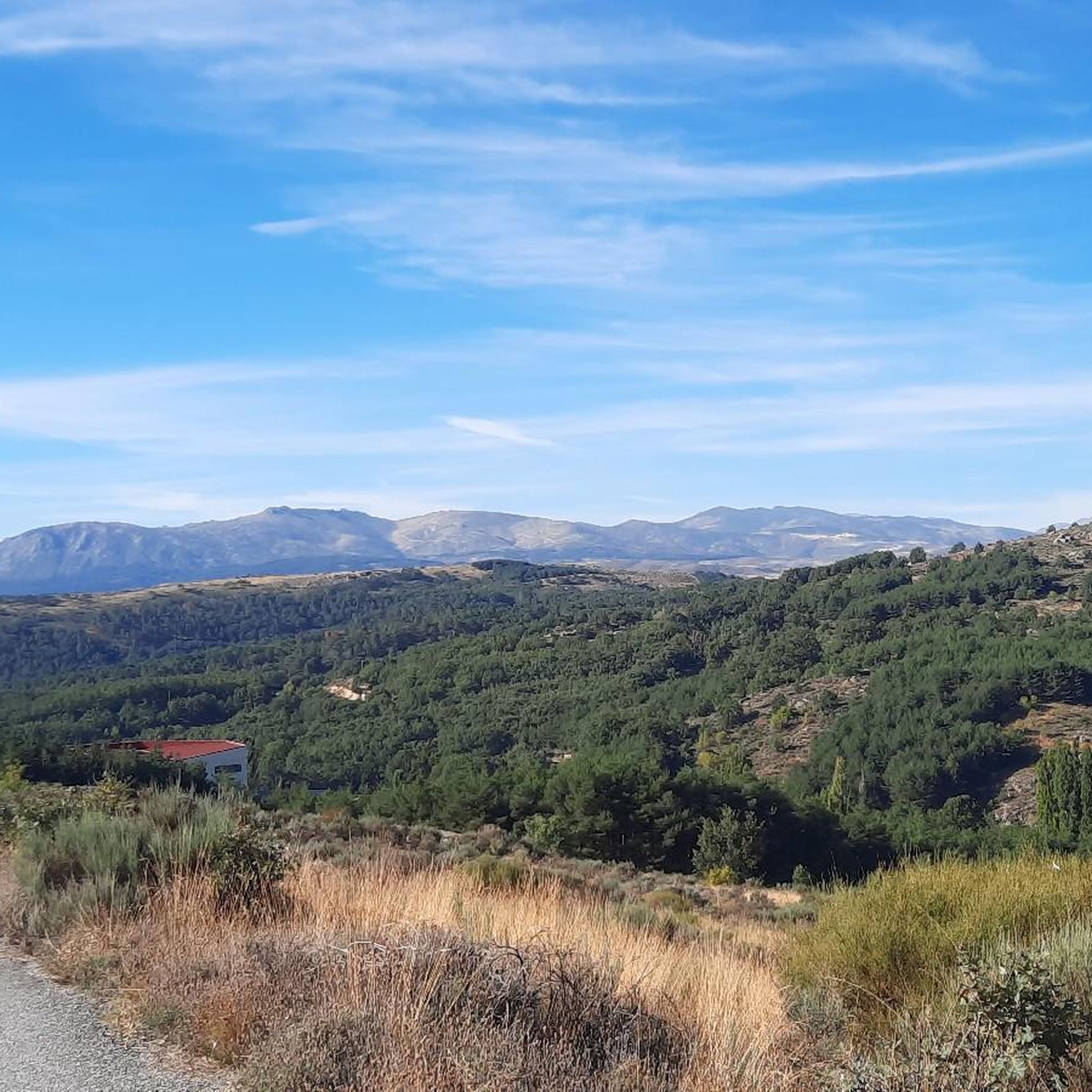
View of the Sierra de Gredos
Highlight • Viewpoint
Translated by Google •
Tip by

Puerto de la Cañada del Horno
Highlight • Mountain Pass
Translated by Google •
Tip by
Trail between mountains
Highlight • Trail
Translated by Google •
Tip by

Sign up for free to discover even more mountain passes around Hoyos De Miguel Muñoz.
Sign up for free
Already have an account?
Start today with a free account
Your next adventure awaits.
Login or Signup


Tips from the Community

The Navarredonda de Gredos Stargazing Viewpoint is one of the most outstanding spots for astronomical observation in the Sierra de Gredos mountain range, within the Starlight Reserve, which guarantees dark skies free from light pollution. It is located in Navarredonda de Gredos (Ávila), at an altitude of approximately 1,600 meters, ensuring clear, unobstructed skies. It forms part of the network of stargazing viewpoints in the Gredos Regional Park, designed for astrotourism and night photography. It is near the Parador de Gredos hotel and the Navarredonda Children's Park, with easy access by car and a parking area.
1
0

It's a very quiet pass with hardly any traffic, especially in its final section. The eastern slope, which starts from Arenas De San Pedro, has two very distinct sections. The first, to the village of El Arenal, is very gentle and always runs under an extensive pine forest. When you reach El Arenal, in the village itself, the gradient increases, and then there are 6 km left with an average gradient of 7% and some 10% slopes. The views from the pass are beautiful and it exudes a spiritual tranquility. In summer, it's highly recommended to climb it early in the morning to take advantage of the cool morning air. The western slope connects with the climb to Puerto del Pico, and the climb begins in Ramacastañas. Although not as well-known as other passes in the Sierra de Gredos, I have to admit that I loved it. Here's the link to visit the altimetry created by @cyclingcols, the best at this --> cyclingcols.com/col/Centenera
0
0
It is a very quiet port with hardly any traffic, especially in its final part. The eastern slope, which starts from Arenas De San Pedro, has two very well differentiated parts. The first, to the town of El Arenal, is very gentle and always passes under an extensive pine forest. When you reach El Arenal, in the same town, the slope increases and then we have 6 km left with an average slope of 7% and some ramps of 10%. The views of the port are very beautiful and there is spiritual tranquility. In summer it is highly recommended to climb it first thing in the morning to take advantage of the coolness of the morning. The west slope connects with the climb to Puerto del Pico and the climb begins in Ramacastañas. Without being as well known as other ports in the Sierra de Gredos, I have to admit that I loved it. I leave you the link to visit the altimetry prepared by @cyclingcols, the best at this --> http://www.cyclingcols.com/col/Centenera
0
0
Small tack between Navarreonda de Gredos and San Martín De la Vega del Alberche of just 4 km, being harder in the northern area than in the southern area. It is also known by the name of Alto de Barajas. Like all secondary roads in the Gredos area, the asphalt is irregular and rough, of acceptable width, without a shoulder and with very little traffic. Despite the little traffic, it is highly recommended to have your rear light because locals usually travel quickly and hardly expect to encounter cyclists. This small limit can be used on many routes in the northern area of Gredos.
0
0
This slope is gentler than the northern slope and much shorter, with just 4 km and 2 of them hard, with some considerable ramps in the pair of horseshoe curves that there are. The road is inhospitable and therefore with very little traffic. The asphalt is uneven and rough, which adds hardness to the climb. Most of the secondary roads in this area are like this, which gives it a lot of charm. The landscape in summer is dry land, very typical of the northern area of Gredos and the northern plateau in general. I climbed the pass one early morning in August and I really enjoyed the solitude and silence of nature.
0
0

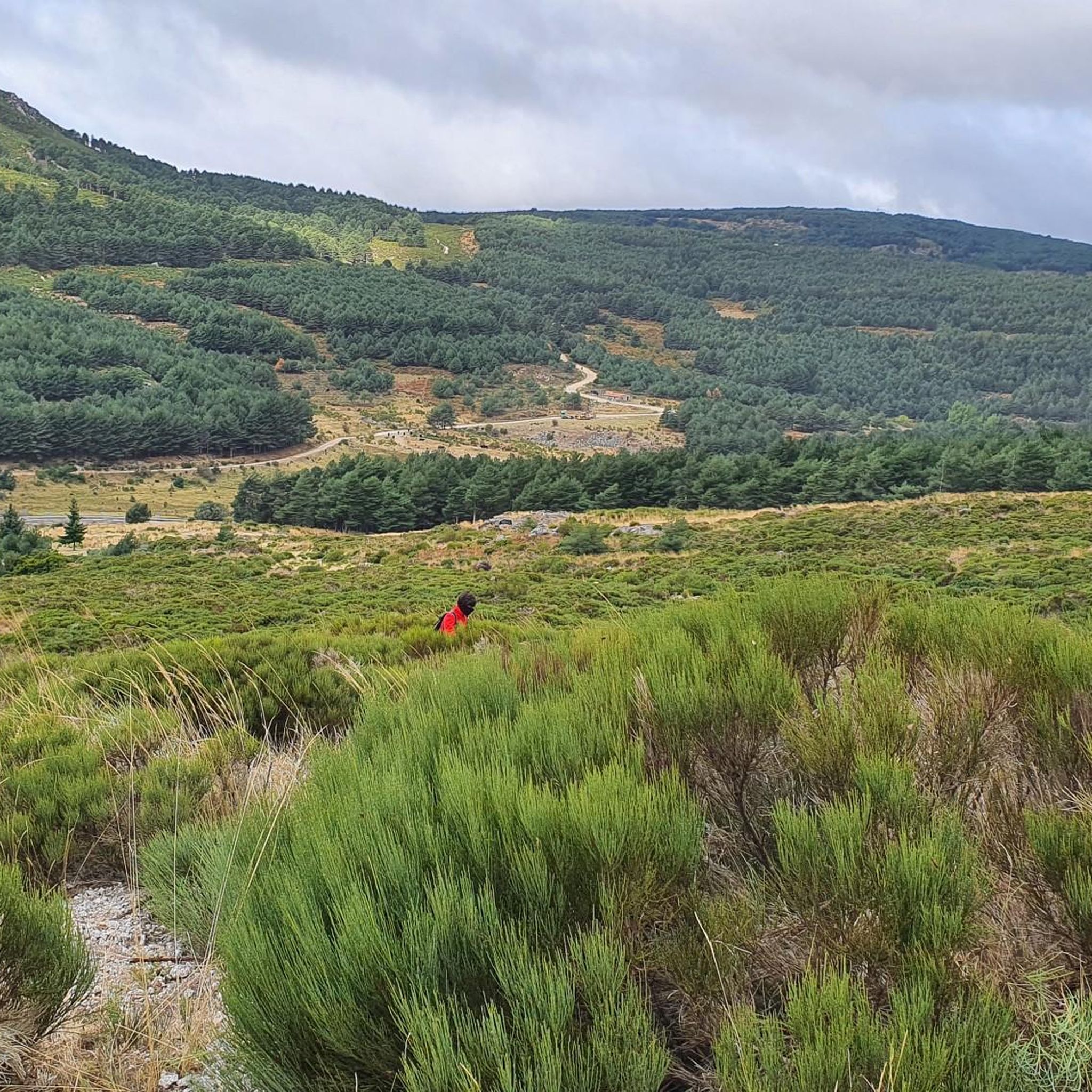
This track communicates with the Pico pass and passes through a beautiful pine forest and other mountain vegetation.
2
0

It is 1,663 meters above sea level and connects the Corneja Valley (Valdecorneja) with the Alto Valle del Alberche through a local road that connects the towns of Navacepedilla de Corneja and San Martín de la Vega del Alberche. It separates the Sierra de Villafranca and the massif of La Serrota.
0
0
It is 1,767 meters above sea level and connects the Alto Alberche valley with that of Alto Tormes, through a local road that connects the towns of San Martín de la Vega del Alberche and Barajas, annexed to Navarredonda de Gredos, in whose municipal area it is located. located the coronation of the same.
0
0
Frequently Asked Questions
Which mountain passes offer the most impressive panoramic views?
For breathtaking vistas, consider visiting Centenera Pass, known for its wide-ranging panoramas. Peña Negra Pass is also renowned for its beautiful views, often featuring paragliders. Additionally, the View of the Sierra de Gredos highlight offers impressive panoramas over the Valle de Tormes and the Gredos massif.
Are there mountain passes with historical significance in the area?
Yes, Puerto del Pico is particularly distinguished by its remarkably well-preserved Roman road, which dates back two centuries before Christ. This ancient route was vital for Roman military movements, trade, and later for transhumance, offering a unique blend of history and nature.
Which mountain passes are recommended for cycling enthusiasts?
Several passes offer excellent cycling opportunities. Centenera Pass is appreciated by cyclists for its consistent and regular slopes. Puerto de Mijares is considered a challenging 'highest category (HC)' climb, spanning 24.9 kilometers with an average gradient of 4.5%. Puerto de Serranillos also has a rich cycling history, having been featured in the Vuelta a España.
What kind of wildlife can be observed around the mountain passes?
The diverse natural environments around passes like Puerto del Pico, which features Scots pine forests and Pyrenean oak groves, are home to various wildlife. Raptors and otters can be spotted in this area. Puerto de Mijares is also a significant migratory route for various bird species, making it ideal for birdwatching during migration seasons.
Are there any mountain passes suitable for family visits or easy walks?
While many passes offer challenging routes, the areas around them often provide gentler options. Puerto del Pico, with its Roman road, offers a unique historical walk through diverse natural surroundings. For specific family-friendly trails, you might explore the general hiking guides for the region, which often include easier routes. The Chía Pass (1,663 m) area, with its local road and low traffic, could also offer a quieter experience.
What outdoor activities can I do near these mountain passes?
The region around Hoyos de Miguel Muñoz is excellent for various outdoor activities. You can find numerous hiking routes, such as the moderate Navarredonda Pine Forest Trail or the more difficult Senda del Puerto del Arenal. For cyclists, there are challenging routes like the Tormes River – Peña Negra Pass loop. You can explore more options in the Hiking around Hoyos De Miguel Muñoz and Cycling around Hoyos De Miguel Muñoz guides.
When is the best time of year to visit the mountain passes?
The best time to visit generally depends on your planned activities. Spring and autumn offer pleasant temperatures for hiking and cycling, with vibrant foliage or blooming wildflowers. Summer provides warmer weather, ideal for longer days outdoors, though some passes can be quite exposed. Winter can bring snow, making some passes challenging or inaccessible, but also offering unique snowy landscapes for experienced winter hikers.
What are the road conditions like on the less-trafficked mountain passes?
Passes like Chía Pass (1,663 m) and Puerto de la Cañada del Horno feature local roads with varied and often uneven or rough asphalt conditions. While this adds to their charm and offers a sense of solitude due to very low traffic, cyclists should be prepared for less smooth surfaces. Despite low traffic, it's advisable to use a rear light for safety, as local drivers may travel quickly.
Are there opportunities for birdwatching at these mountain passes?
Yes, Puerto de Mijares is particularly noted as a significant migratory route for various bird species. It offers unique birdwatching opportunities, especially during the pre-nuptial and post-nuptial migration periods, thanks to its diverse landscapes of oak forests, pastures, and scrubland.
What natural features can I expect to see around the passes?
The passes are nestled within the Sierra de Gredos range, offering diverse natural features. You'll encounter oak and chestnut forests, expansive pastures, and broom scrubland. Higher altitudes feature Scots pine forests and junipers. Clear streams are also common, and the region forms the watershed between the Duero and Tajo river systems.
What do visitors enjoy most about the mountain passes in this region?
Visitors frequently highlight the stunning panoramic views, the challenging yet rewarding cycling routes, and the sense of solitude and connection with nature. The historical significance of places like Puerto del Pico, with its Roman road, also receives high praise. The komoot community has contributed 16 upvotes and 11 photos, reflecting a strong appreciation for the area's natural beauty and outdoor opportunities.
Most popular routes around Hoyos De Miguel Muñoz
Most popular attractions around Hoyos De Miguel Muñoz

Get inspired with the komoot mobile app


Explore more
See even more epic mountain passes by checking out these guides around Hoyos De Miguel Muñoz:
