Top 6 Mountain Passes around Villayón
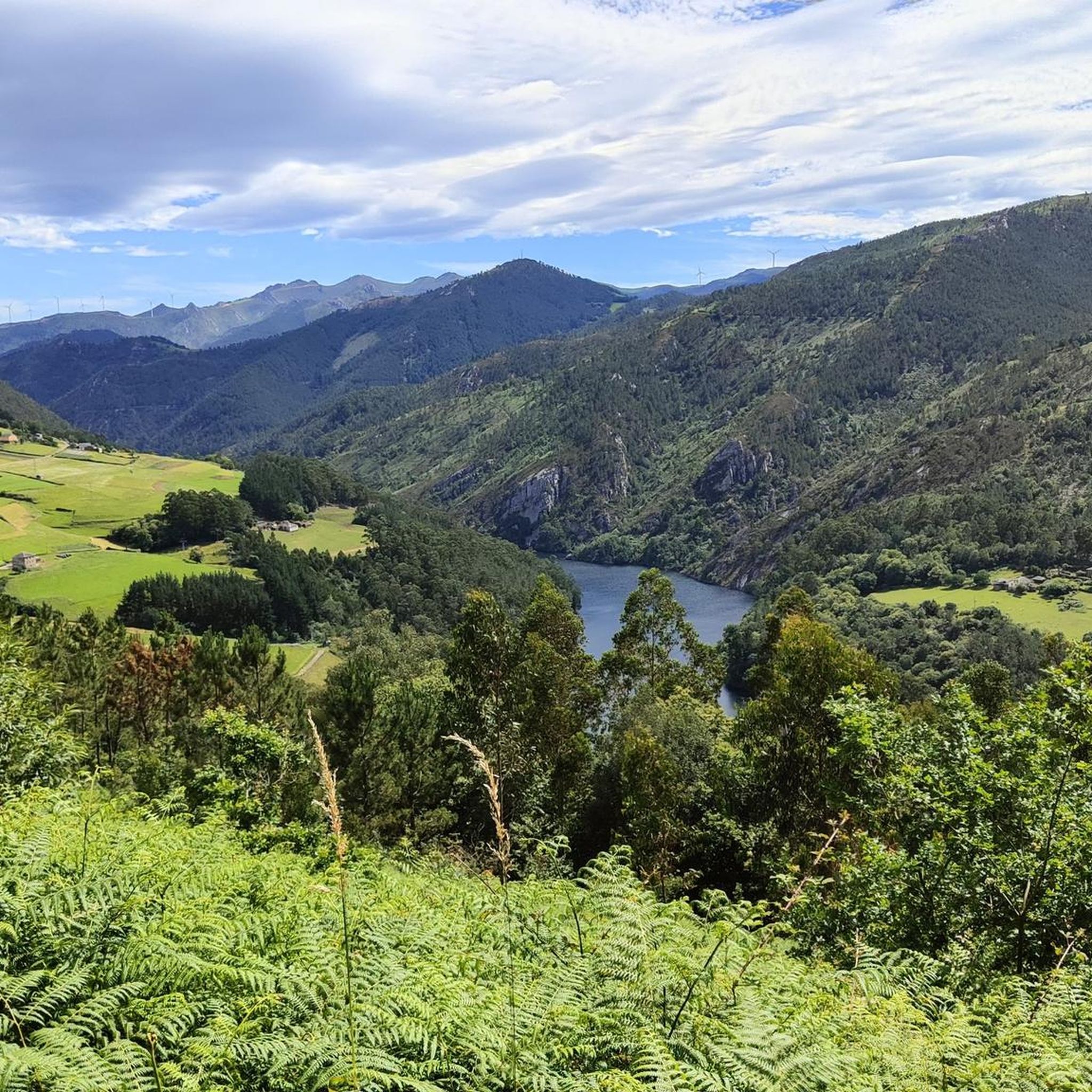
Best mountain passes around Villayón are found within a mountainous region of Asturias, Spain. This area is characterized by its elevated features and varied terrain. The landscape offers routes that include significant climbs and expansive views. Villayón's natural features provide an environment for outdoor exploration.
Best mountain passes around Villayón
- The most popular mountain pass is Alto de La Marta, a mountain_pass with an altitude of 1105 meters, offering views from the Cantabrian Mountains to the Cantabrian Sea. This…
Last updated: July 1, 2026
Alto de La Marta
Highlight • Mountain Pass
Translated by Google •
Tip by

Puerto del Palo Pass
Highlight • Mountain Pass
Translated by Google •
Tip by
Sign up now to discover places like this
Get recommendations on the best single tracks, peaks, & plenty of other exciting outdoor places.
Sign up for free
Ascent to Alto de la Marta via Villayón
Highlight (Segment) • Mountain Pass
Translated by Google •
Tip by

Alto de Penouta
Highlight • Summit
Translated by Google •
Tip by

Alto de Pandarboso
Highlight • Mountain Pass
Translated by Google •
Tip by

Start today with a free account
Your next adventure awaits.
Login or Signup
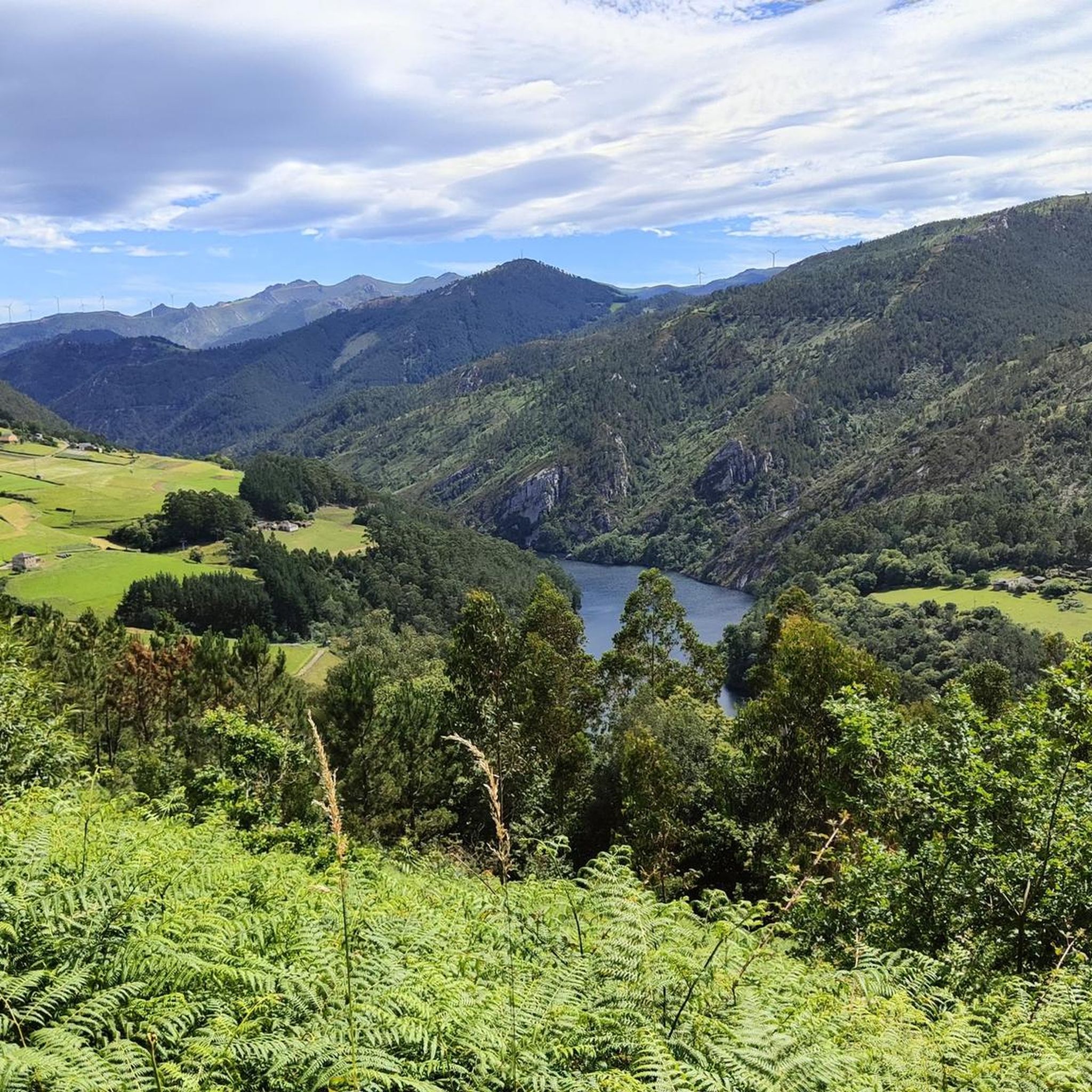
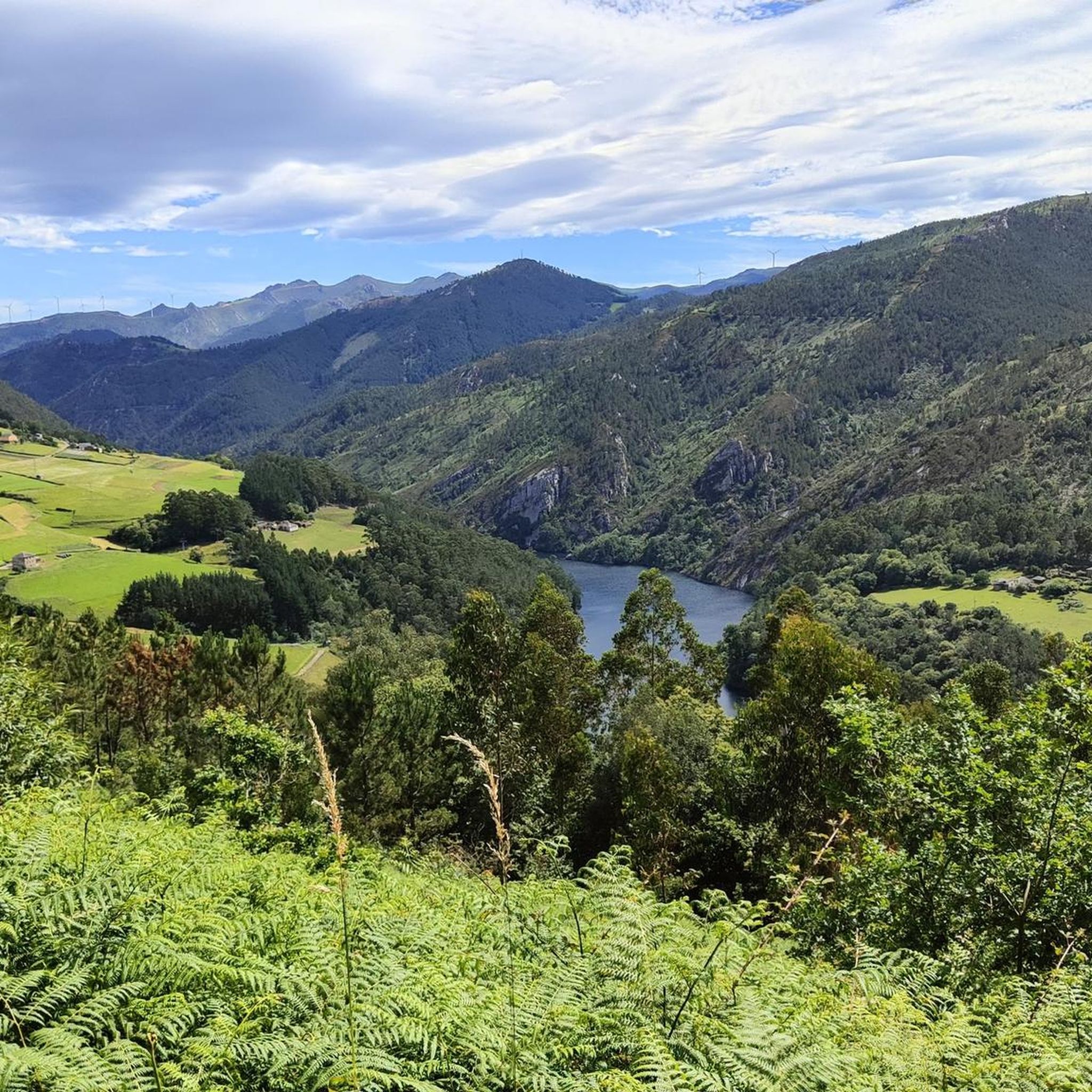
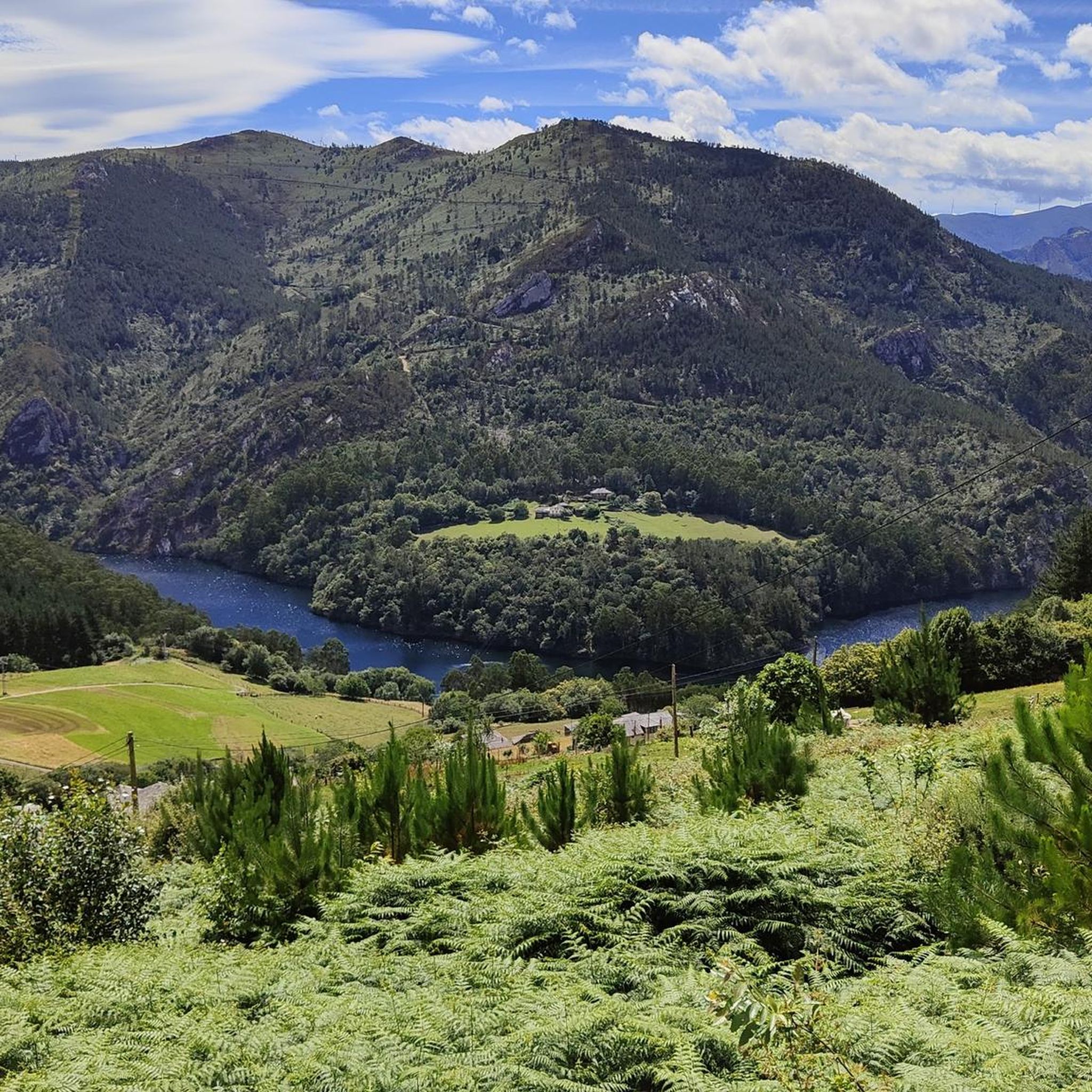
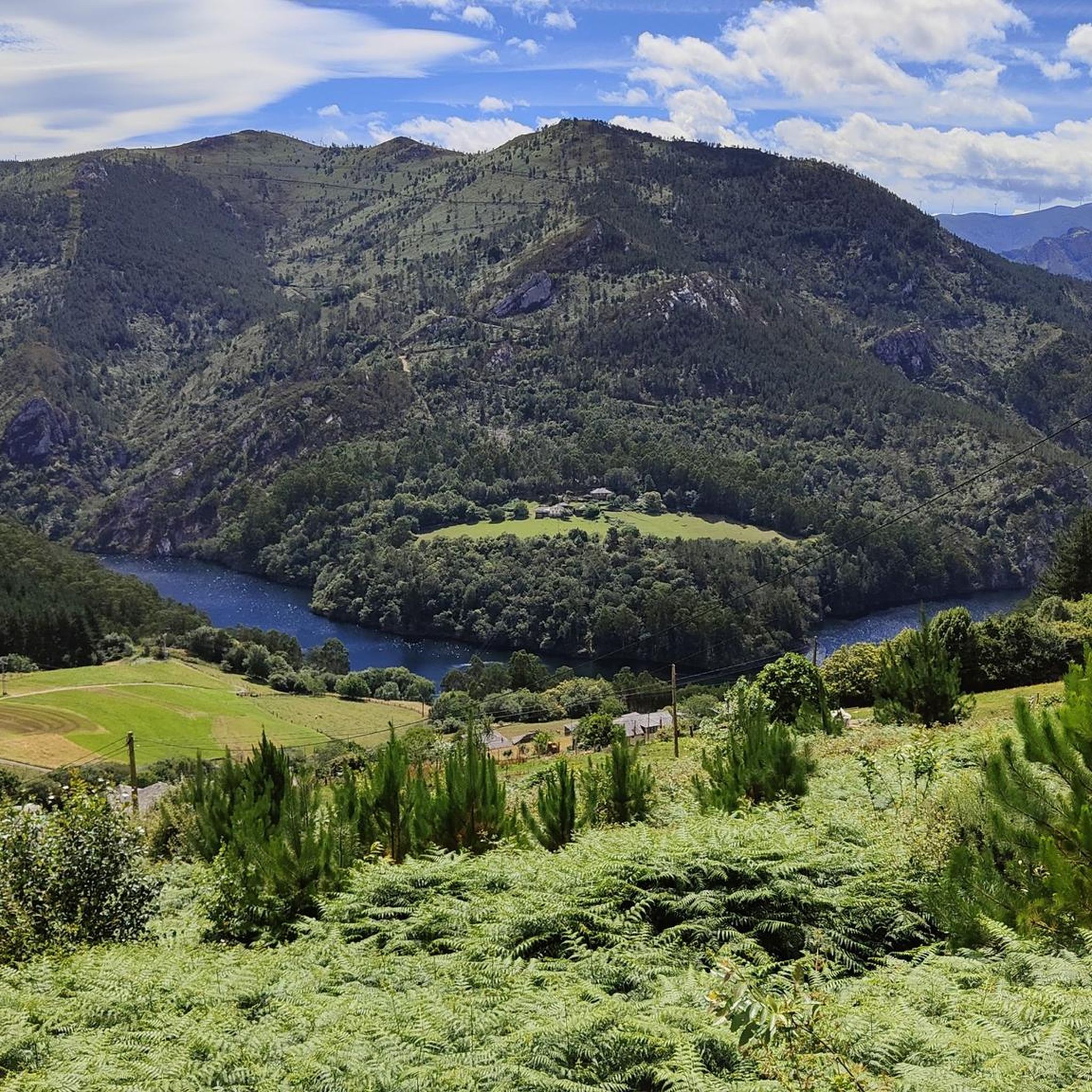
Tips from the Community

One of the great Asturian mountain passes, without a doubt. Generally unknown to the general public, it's rarely used in professional races. It has two clearly distinct slopes. The southern slope, which begins in Pola de Allande, is gentle and steady, along a road in good condition. It shares much of its climb with Puerto del Palo, which it turns off from just 3 km from the summit of Puerto de la Marta. The northern slope, which comes from Villayon, is uneven, with very tough sections and several rest stops and descents. It reminds me a lot of the Croix-de-Fer from Sant Jean de Maurienne, not because of the landscape, but because of the type of pass.
0
0
It's one of the major mountain passes in southwestern Asturias. It connects Pola de Allande with Berducedo. It's part of the northern variant of the Camino de Santiago. Highly recommended for its views, whether climbing its two slopes or from its summit.
0
0

Spectacular climb, quite comfortable because it doesn't have steep ramps, but be careful, it goes up a steep slope.
0
0
Highly recommended, it can be done together with the Palo departing from Pola, the Marta is shorter but with a steeper slope
0
0
a spectacular and pleasant climb without large ramps
0
0

Beautiful climb with stunning views to Pola and El Palo. The pass will take you towards Bustantigo, with stunning views to the ancient Roman gold mine "La Freita" to then descend towards Viyallon or down to the enchanting village of Pontenova to then ascend to Montefurau. From Montefurau continue back to Pola de Allande via El Palo (enjoying a different perspective of La Freita) or towards Berducedo.
1
0
Nice pass from Pola de Allande that takes you to Bustantigo via Brana el Campel along a stunning road with views to the Ancient Roman gold mine "La Freita" to your left. Alternative route to descend to the magical village of Pontenova sitting in a deep valley to then return along a steep climb to Montefurau. Continue back to Pola de Allande vial El Palo or towards Berducedo. Plenty of options.
0
0

Tremendous ascent of the Camino Primitivo, it is done entirely by road (there is an alternative for walkers, but frankly little or not at all cyclable). It is long, although the slopes are not great and there is little traffic, so it is pleasant, especially for the views.
1
0
Frequently Asked Questions
What makes the mountain passes around Villayón unique?
The mountain passes in Villayón are characterized by their challenging routes, significant climbs, and spectacular scenery. They offer panoramic views that can extend from the Cantabrian Mountains all the way to the Cantabrian Sea. Many passes feature varied terrain, including steep ramps and hairpin turns, often through secluded, pristine Asturian landscapes.
How challenging are the mountain passes in Villayón for cyclists?
Many of the mountain passes around Villayón are considered quite demanding, especially for cyclists. For example, Alto de La Marta is renowned for its considerable length, demanding climbs, and sections with steep ramps reaching up to 18%. The ascent to Alto de la Marta via Villayón is considered one of the most demanding in western Asturias, featuring chained ports and some hard sections, though rarely exceeding 15%.
What natural features can I expect to see when exploring the mountain passes?
When exploring the mountain passes, you can expect breathtaking natural features. Many passes offer expansive panoramic views of the surrounding Asturian terrain, including distant mountains and the Cantabrian Sea. You'll encounter diverse landscapes, from rugged ascents to secluded valleys, and potentially historical elements like ancient Roman gold mining areas visible from spots like Alto de Pandarboso.
Are there any family-friendly or easier mountain passes to explore in the Villayón area?
While many passes are challenging, the region offers a variety of routes. For easier options, you might look for trails categorized as 'intermediate' or those with less traffic, like the ascent to Puerto del Palo Pass, which is described as pleasant due to its long ascent with little traffic and moderate slopes. For specific family-friendly routes, it's best to check individual tour details on komoot, as difficulty can vary greatly.
When is the best time of year to visit the mountain passes around Villayón?
Given the challenging nature and elevated terrain of Villayón's mountain passes, the best time to visit is generally during the warmer, drier months, typically from late spring to early autumn. This period offers more stable weather conditions, clearer views, and safer passage on the demanding climbs and descents. Winter can bring snow and ice, making many routes impassable or significantly more hazardous.
What outdoor activities can I do near these mountain passes?
Beyond exploring the mountain passes themselves, Villayón offers a range of outdoor activities. You can find numerous cycling routes, including touring bicycle options like the 'Senda Costa Naviega Loop' or 'Navia a Tapa de Casariesgo — circular by the Arbón Reservoir'. There are also dedicated MTB trails, such as 'Navia a El Segredal – circular por la costa', and hiking trails like the 'Senda Ría de Navia — circular from the old town of Navia' or 'Oneta Waterfalls loop'. You can find more details on these activities in the Cycling around Villayón, MTB Trails around Villayón, and Hiking around Villayón guides.
Are there any historical sites or cultural points of interest near the mountain passes?
Yes, some mountain passes in the Villayón area are steeped in history. For instance, Puerto del Palo Pass is a significant crossing point of the Camino de Santiago Primitivo. Additionally, from Alto de Pandarboso, you can observe large 'fanas' or gullies, which are remnants of Roman-era gold mining activities.
What are some specific safety considerations for exploring Villayón's mountain passes?
Due to the challenging nature of many passes, safety is important. Routes like the ascent to Alto de la Marta via Villayón include a rapid descent without a guardrail after Lendequintana, where extreme caution is advised. Always be prepared for varied road surfaces, steep ramps, and potentially isolated sections. It's recommended to check weather conditions before heading out and ensure your equipment is suitable for demanding climbs.
What do visitors enjoy most about the mountain passes in Villayón?
Visitors frequently highlight the stunning views and the sense of accomplishment after conquering the challenging climbs. The panoramic vistas from passes like Alto de La Marta, stretching from the Cantabrian Mountains to the sea, are particularly appreciated. The isolation and untouched natural surroundings also provide an immersive experience for those seeking adventure and tranquility.
Are there any lesser-known mountain passes worth discovering in Villayón?
Beyond the most prominent passes, the region offers other elevated points with great views. Alto de Penouta, for example, is another classic from western Asturias, offering views of the coast and the distant town of Tapia de Casariego, or the spectacular valley of the Navia river. These can provide a different perspective and a rewarding experience away from the more frequented routes.
Most popular attractions around Villayón

Get inspired with the komoot mobile app


