Top 6 Mountain Passes around Vall D'Alba
Best mountain passes around Vall D'Alba are located within the surrounding province of Castellón, a notably mountainous region despite Vall D'Alba's more level immediate landscape. This area provides access to significant ascents and scenic routes. The diverse terrain offers varied options for outdoor activities, particularly for cycling and hiking enthusiasts.
Best mountain passes around Vall D'Alba
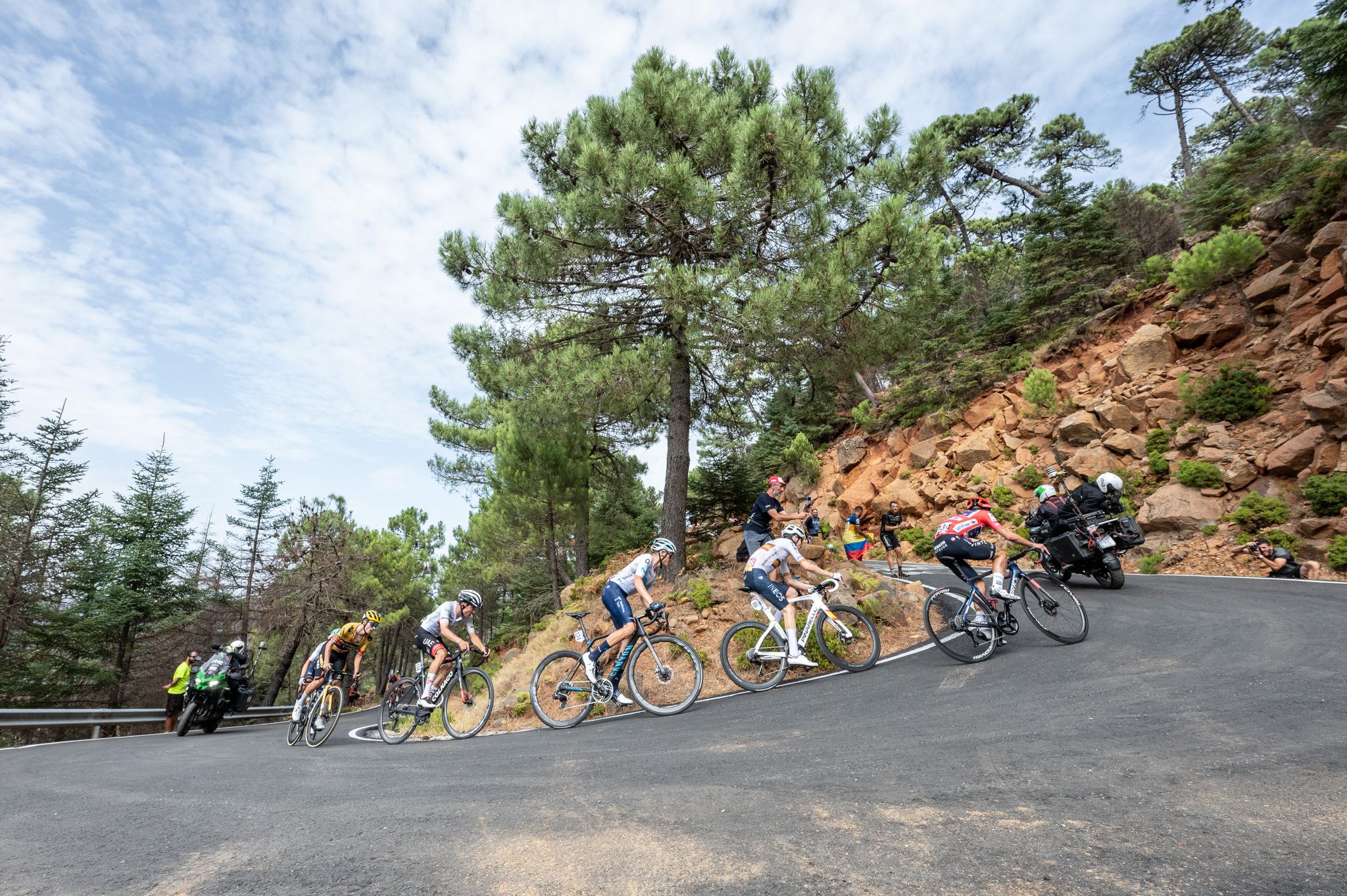
- The most popular mountain passes is Desert de les Palmes Pass, a mountain pass recognized for its challenging climb and impressive views. It…
Last updated: July 1, 2026
Bandereta Pass
Highlight • Mountain Pass
Showing Translation
Tip by

Puerto de la Serratella
Highlight (Segment) • Mountain Pass
Showing Translation
Tip by
Sign up now to discover places like this
Get recommendations on the best single tracks, peaks, & plenty of other exciting outdoor places.
Sign up for free
Santa Àgueda Needles Pass
Highlight • Mountain Pass
Translated by Google •
Tip by

Desert de les Palmes Pass
Highlight • Mountain Pass
Translated by Google •
Tip by
Cabanes Pass
Highlight • Mountain Pass
Translated by Google •
Tip by
Sign up for free to discover even more mountain passes around Vall D'Alba.
Sign up for free
Already have an account?
Start today with a free account
Your next adventure awaits.
Login or Signup
Popular around Vall D'Alba
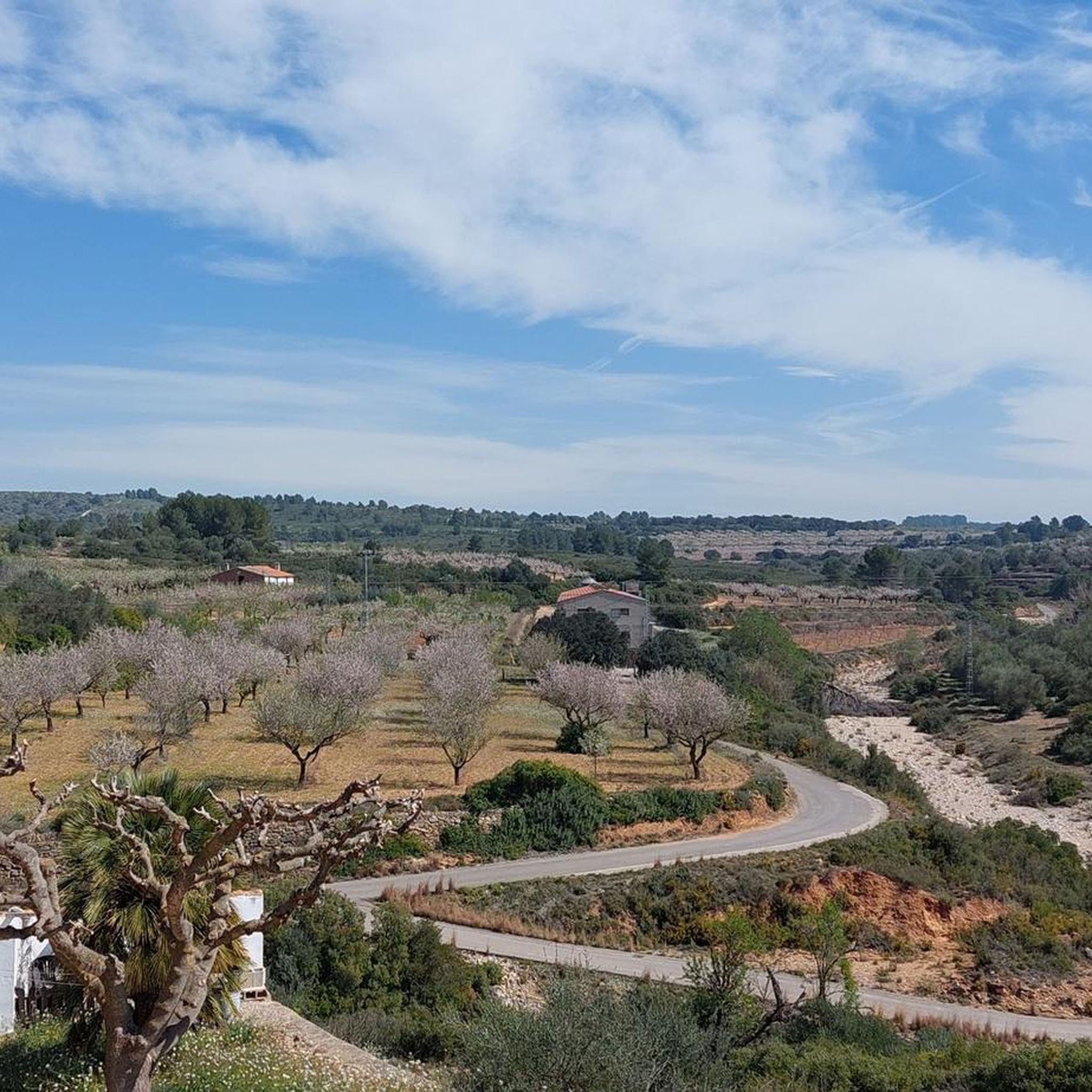
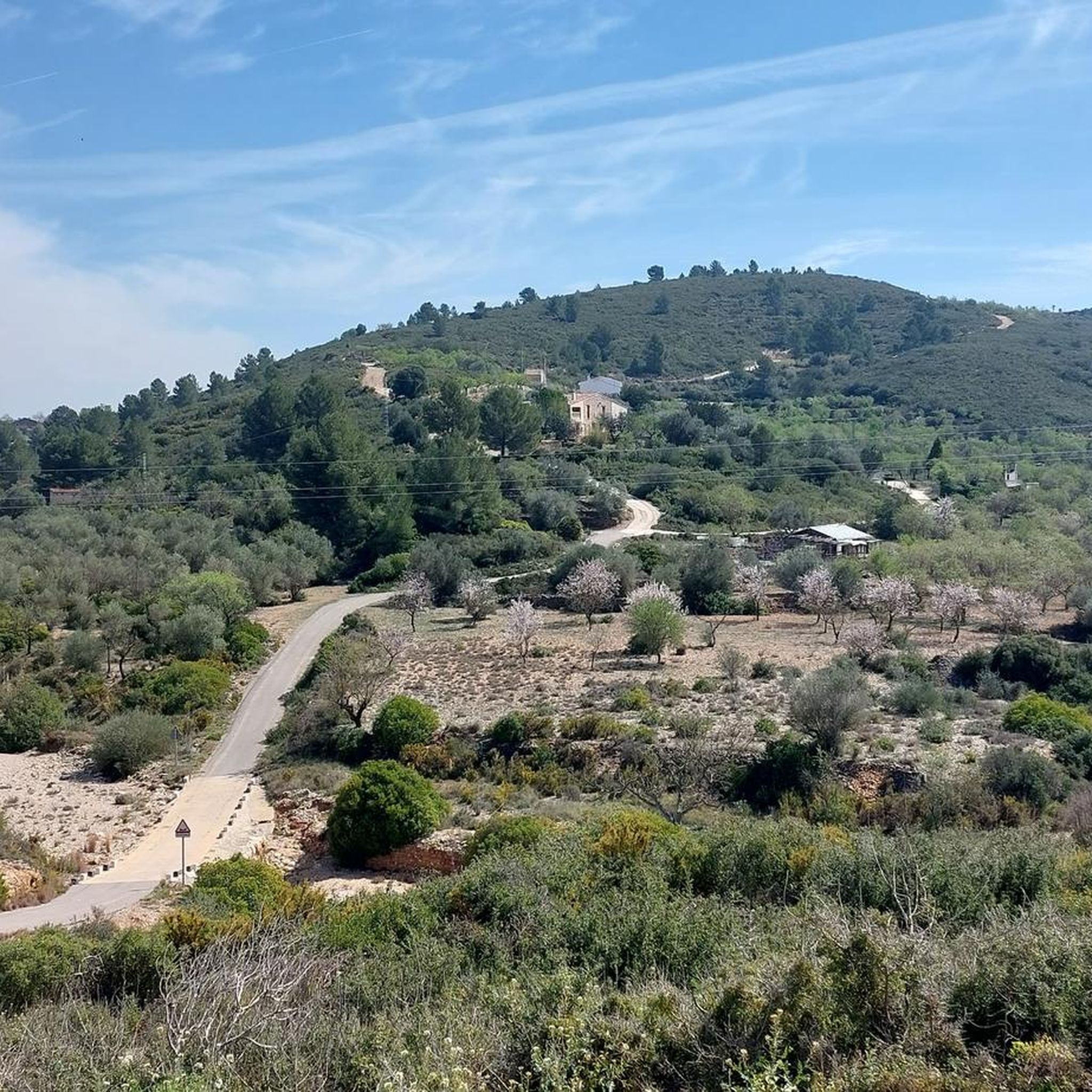
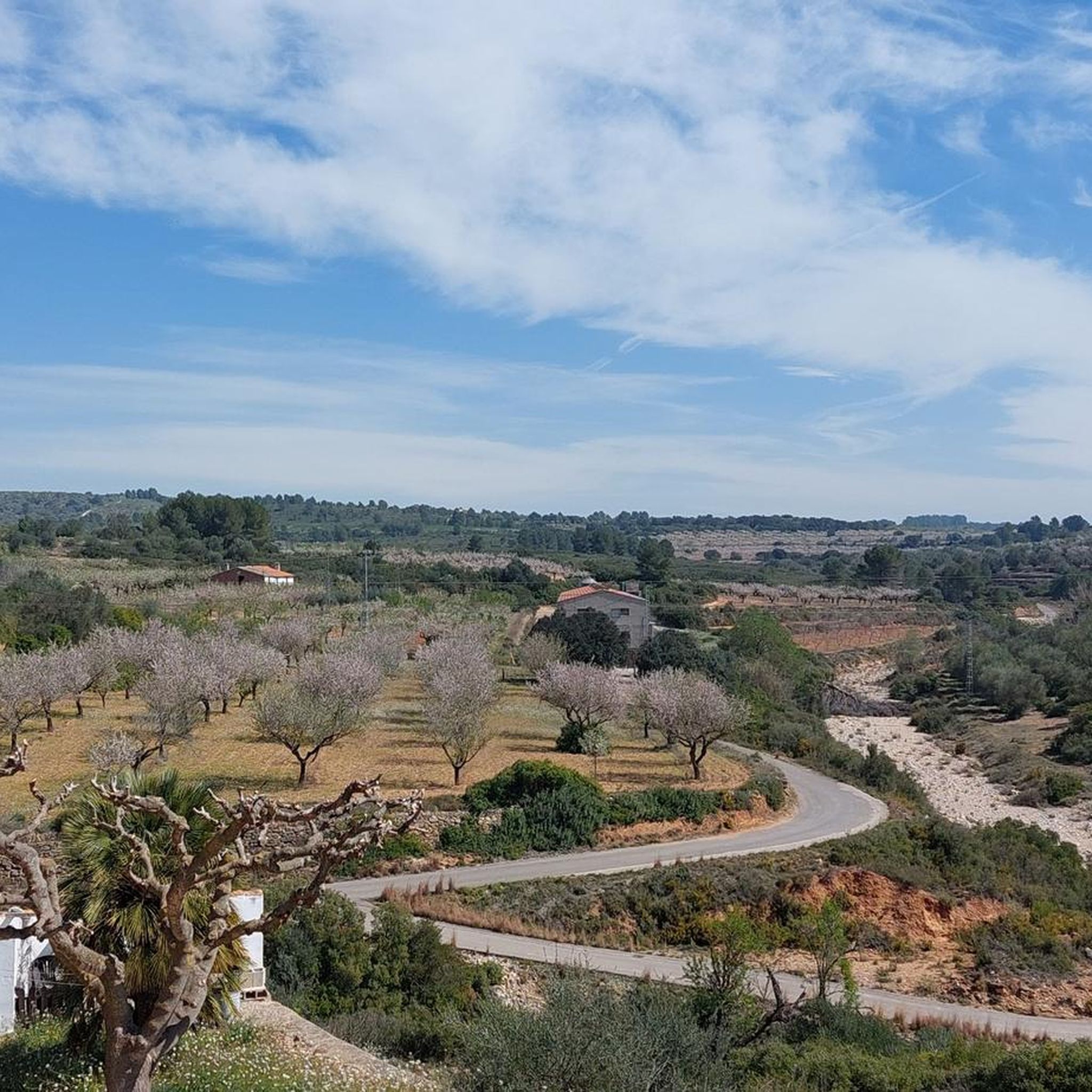



Tips from the Community

Excellent and relaxing place... the bells help you rest well!!
0
0

The tour is beautiful but very demanding. Please only do the tour if you have experience.
0
0

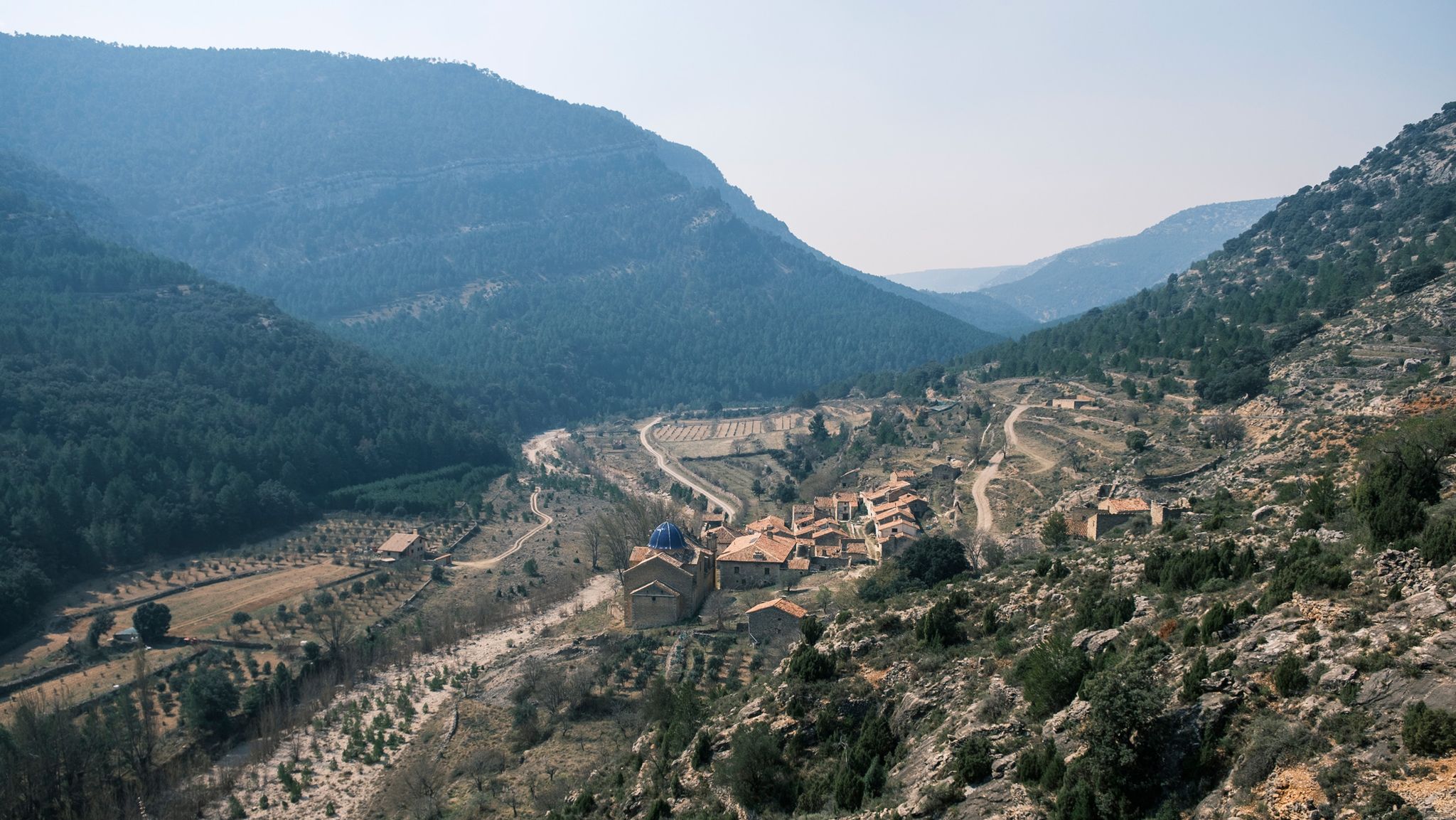
It is a beautiful and entertaining climb, without major complications and with magnificent views. In the first part, we start with gentle slopes, which will be very useful for "warming up" the legs, as from km. 4 things get a bit more serious. The gradient will start to increase, with some ramps close to 10%, and hairpin bends will appear, until we reach a first pass at km. 12. Afterwards, we will have a short rest with a descent included to the village of Serratella, and we will only have the final stretch, quite gentle, until we reach the summit at 844 m. altitude. At that point, we can decide between descending towards Albocàsser, or giving ourselves a little "warm-up" by climbing to the hermitage of S. Juan Nepomuceno via a paved track that goes off to our left, about 500 m. long and with ramps of 20%, until we reach an altitude of 920 m.
1
0
It is a short but very hard ascent, which will probably surprise us with its difficulty. We will start the climb with an initial section up to the crossroads of the CV-15 with some hard ramps already, we will cross the town of Rosildos, going around the church to look for the street that leads us towards Mas de Cervera, where we will join the "main" road towards Serra Engarcerán. Upon reaching a somewhat more wooded area, we will find a small rest, but let's not be overconfident, because after taking a left turn and the trees disappear, we will encounter the hardest part of the ascent, where the gradient reaches a maximum of 16% on a 500 m section that does not drop below 10%. We will finish somewhat more easily, but undoubtedly this climb will have pleasantly surprised us.
0
0

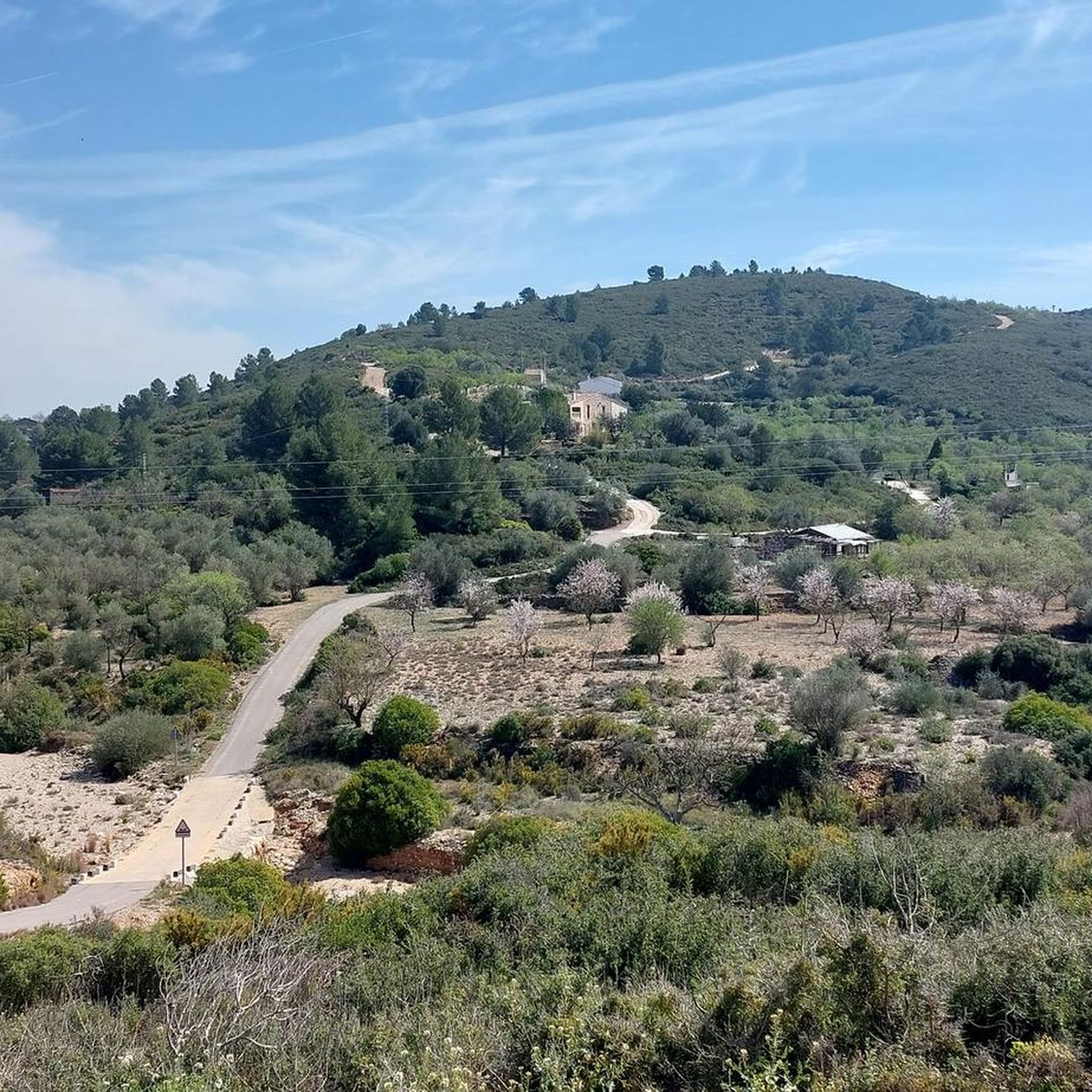
La Plana Alta has several road passes, but this one is undoubtedly among the most picturesque. You can reach it either by road or with some gravel track variants from many directions.
4
0
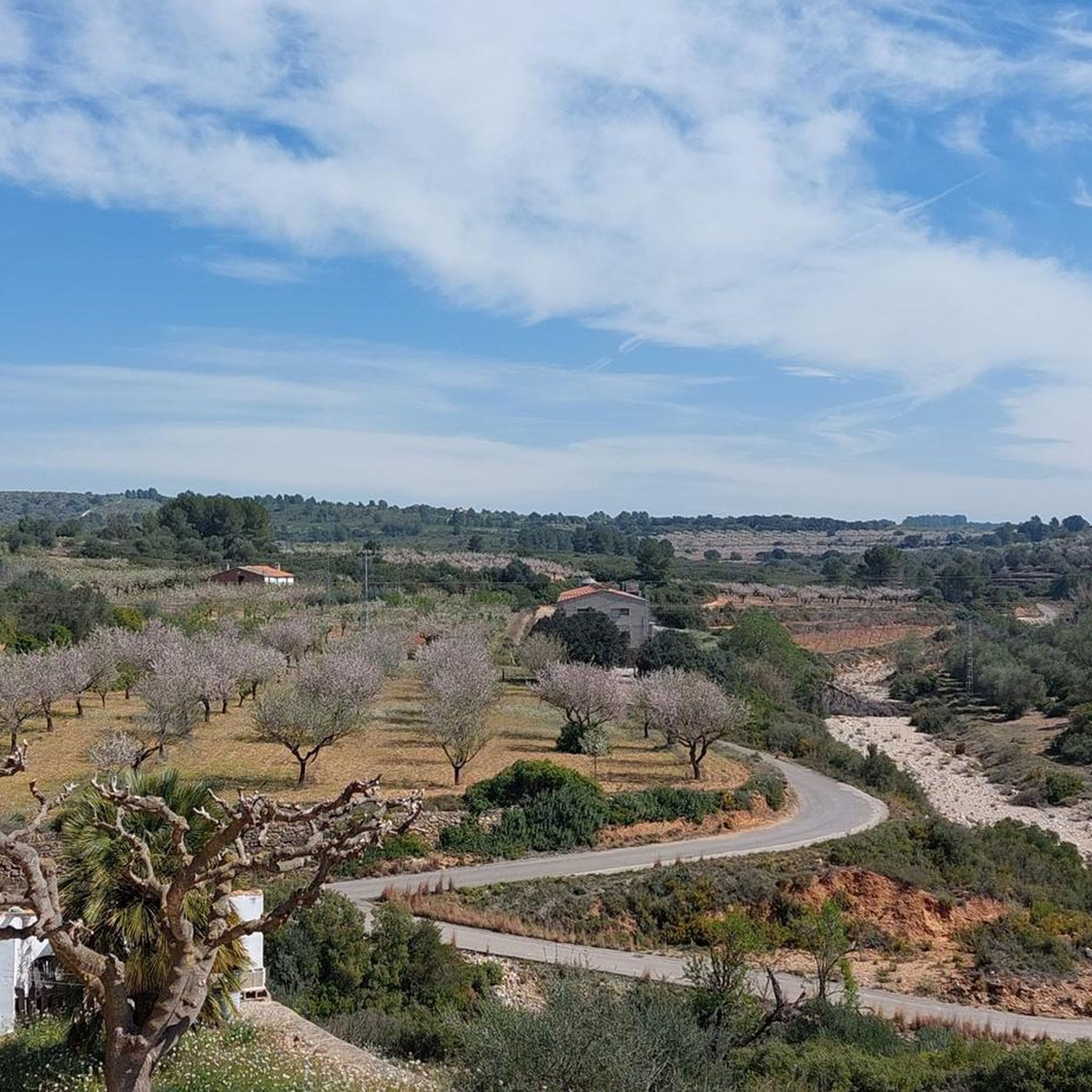
One of the most picturesque ports in the Plana Alta. Very beautiful landscapes rolling on asphalt in perfect condition and practically without traffic. It is short but intense and depending on where you attack it from, the slopes will be more abrupt.
3
0
The Port of Cabanes is a classic Plana Alta cyclist. It presents gentle slopes around 2-3% at the beginning, after 5 km the slope increases to the maximum with ramps at 8%. The surface is very good and the width of the road is normal, although it can be narrow in sections. In the summer months it can be quite demanding due to the lack of shade. In general, it is usually crowded by cyclists, although less so by car traffic.
5
3
Port recognized by everyone in the province of Castellón for its challenging climb and impressive views! It is listed as a 3rd category port, about 4 km long with an average slope of 7%. Depending on where you climb from, it will be more or less demanding but still entertaining.
5
0
Frequently Asked Questions
What are some notable mountain passes to explore near Vall D'Alba?
While Vall D'Alba itself is in a flatter area, the surrounding Castellón province offers several significant ascents. Notable passes include Coll de la Bandereta, known for its picturesque scenery, and Puerto de la Serratella, which provides extensive views. The Desert de les Palmes Pass is also popular for its challenging climb and impressive vistas.
Which mountain passes offer the best scenic viewpoints?
For breathtaking views, consider the Desert de les Palmes Pass, where you can contemplate the park from the top. Puerto de la Serratella also offers extensive views throughout the journey and from its summit. The Santa Àgueda Needles Pass provides spectacular views of the Castellón coast, and the ascent to Pico Bartolo offers expansive panoramic views over Benicàssim and the rugged foothills.
Are there challenging mountain passes for experienced cyclists or hikers?
Yes, the region boasts several challenging passes. The Desert de les Palmes Pass is recognized for its demanding climb with an average slope of 7%. Puerto de la Serratella is a demanding 14 km pass. The Xodos / Chodos Pass is considered one of the great colossi of the province, with over 16 kilometers in length and significant ascent. For hikers, the ascent to Penyagolosa Summit is a moderate mountaineering challenge.
Can I find mountain biking trails around the passes near Vall D'Alba?
Absolutely. The Sierra de los Albares, within Castellón province, is highlighted for mountain biking with huge dirt tracks and challenging climbs. You can find various MTB routes, including those connected to the Ojos Negros Greenway. For more details, explore the MTB Trails around Vall D'Alba guide.
Are there family-friendly options for exploring the mountain passes?
While many passes offer challenging terrain, the immediate vicinity of Vall D'Alba is relatively flatter, which can be suitable for easier family walks or cycling. For specific family-friendly routes, it's best to check individual trail descriptions for difficulty ratings. The Running Trails around Vall D'Alba guide might offer some moderate, shorter loops suitable for families.
What historical or cultural landmarks can be found near these mountain passes?
Near Pico Bartolo, you can find the Hermitage of Saint Michael (Hermitage San Miguel Arcángel) at the summit, combining a religious site with stunning natural vistas. The town of Xodos, accessible via the Xodos / Chodos Pass, offers a beautiful picture with the town perched on a cliff and views of Penyagolosa.
What types of outdoor activities are popular near the mountain passes around Vall D'Alba?
The region is popular for cycling, including road cycling and gravel biking, due to its diverse terrain and scenic routes. Hiking and running are also prominent activities, with numerous trails available. You can find detailed routes in the MTB Trails around Vall D'Alba, Running Trails around Vall D'Alba, and Gravel biking around Vall D'Alba guides.
What do visitors enjoy most about the mountain passes around Vall D'Alba?
Visitors frequently praise the challenging climbs and the rewarding, impressive views from the summits. The diverse landscapes, ranging from picturesque roads to rugged trails, are also highly appreciated. Many enjoy the sense of accomplishment after tackling a demanding pass and the opportunity to connect with nature.
Are there any less crowded mountain passes for a more tranquil experience?
While specific crowd levels can vary, exploring passes slightly further from major towns or opting for routes with gravel tracks, like some variants of Coll de la Bandereta, can offer a more tranquil experience. The longer and more demanding passes, such as Puerto de la Serratella or Xodos / Chodos Pass, might also see fewer visitors compared to more accessible spots.
What is the best time of year to visit the mountain passes near Vall D'Alba?
The region generally enjoys a Mediterranean climate. Spring and autumn are often ideal for outdoor activities, offering pleasant temperatures for cycling and hiking. Summers can be hot, especially at lower elevations, so early mornings or late afternoons are recommended. Winters are generally mild, but higher passes like Penyagolosa might experience colder conditions and occasional snow.
Can I find cafes or accommodation near the mountain pass trails?
Yes, many routes pass through or near small towns where you can find cafes for a break or local accommodation. For example, after climbing Puerto de la Serratella, you can enjoy a coffee in the nearby town. It's always a good idea to check local amenities in advance, especially in smaller villages.
Most popular routes around Vall D'Alba
Most popular attractions around Vall D'Alba

Get inspired with the komoot mobile app


Explore more
See even more epic mountain passes by checking out these guides around Vall D'Alba:
