Top 9 Natural Monuments around Alfarnatejo
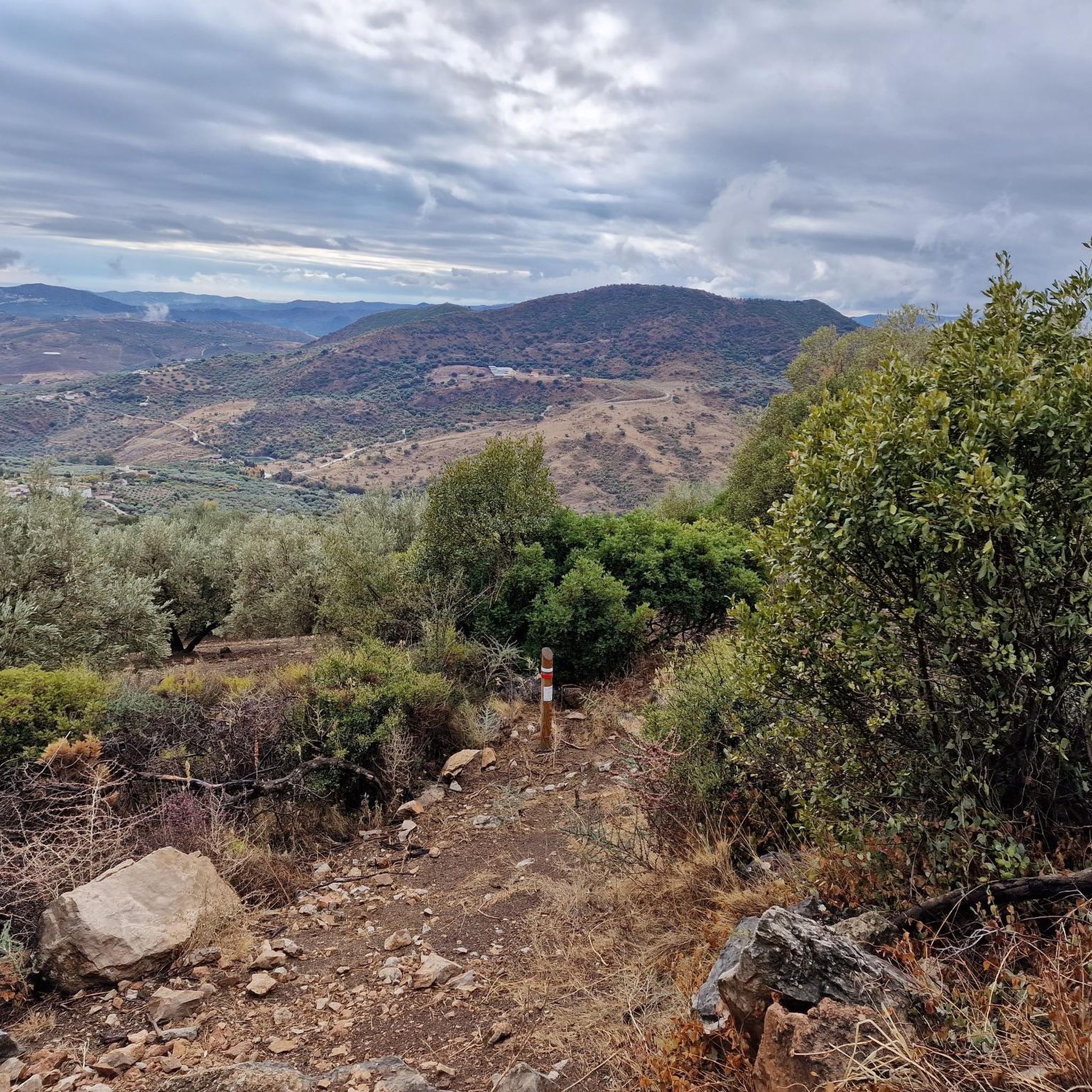
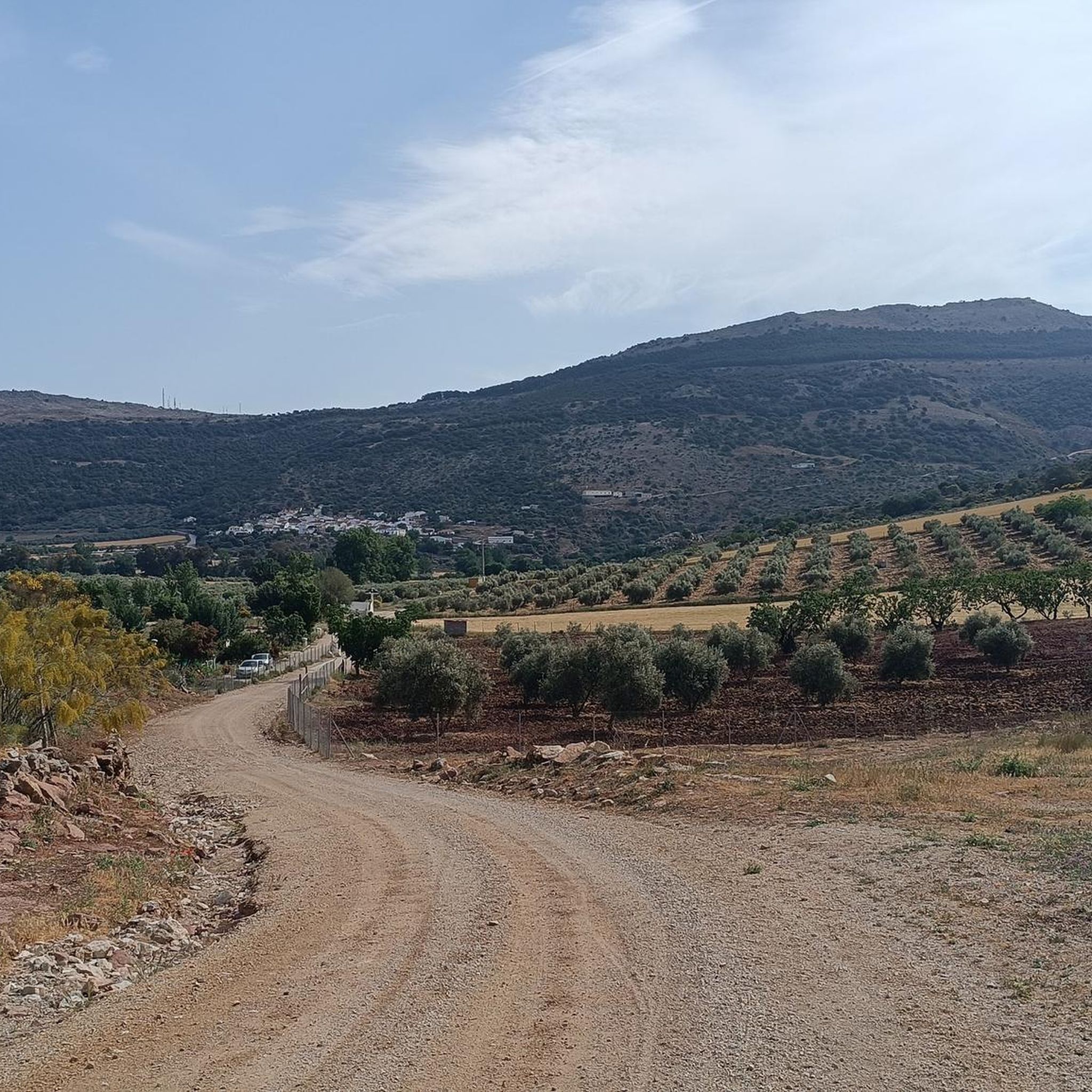
Best natural monuments around Alfarnatejo are found in a region characterized by its rugged and mountainous terrain. This area features impressive peaks, gorges, and a river, making it a destination for outdoor activities. The landscape offers diverse natural attractions, from significant geological formations to natural water sources. These natural monuments around Alfarnatejo provide opportunities for exploration and experiencing the region's natural beauty.
Best natural monuments around Alfarnatejo
- The most popular natural monuments is Hundred‑Spout Fountain, a natural monument and…
Last updated: July 1, 2026
Hundred‑Spout Fountain
Highlight • Natural Monument
Translated by Google •
Tip by

Baños de Vilo Hot Springs
Highlight • Natural Monument
Translated by Google •
Tip by

Sign up now to discover places like this
Get recommendations on the best single tracks, peaks, & plenty of other exciting outdoor places.
Sign up for free
Zafarraya Plain
Highlight • Natural Monument
Tip by

View of the Gomer and Doña Ana cliffs
Highlight • Viewpoint
Translated by Google •
Tip by

Mirador de la Corona de la Axarquía
Highlight • Viewpoint
Translated by Google •
Tip by

Sign up for free to discover even more natural monuments around Alfarnatejo.
Sign up for free
Already have an account?
Start today with a free account
Your next adventure awaits.
Login or Signup
Other adventures around Alfarnatejo

Tips from the Community

I was there mid november and the fountain was empty...
0
1

A colorful route with many beautiful areas. The 101 channels are truly breathtaking with so much water. The Rosario River is full of beauty with those spectacular waterfalls.
1
1

The Fuente de los Cien Caños is an impressive natural monument located in Villanueva del Trabuco, on the limestone slope of the Sierra de San Jorge. The fountain is known for being the source of the Guadalhorce River, the longest and most voluminous river in the province of Malaga.
5
0

The Zafarraya polje is a closed depression with a flat bottom, surrounded by limestone mountains that are strongly karstified. The waters of the polje are absorbed by several ponors (sinkholes), and during heavy rainfall the polje can be temporarily flooded. This makes it an interesting example of karst landscape and geological processes.
8
3


A natural water spring is the origin of this fantastic fountain that has 100 taps through which the water comes out, hence its name. It is a very popular place in the area and is located in a picturesque landscape.
1
1

This gigantic fountain channels the water that flows from the San Jorge mountain range, constituting the most important contribution of the Guadalhorce river in its initial section. Despite its name, the fountain actually has 101 spouts!
2
0

The Zafarraya field or plain is a spectacular "polje" formation, a depression of karstic origin, which with an extension of ten square kilometers is one of the largest in the Iberian Peninsula. Cycling around here is really interesting.
1
2
Frequently Asked Questions
What are some of the most prominent natural features or monuments to explore around Alfarnatejo?
Alfarnatejo is rich in diverse natural monuments. You can explore impressive peaks like Pico de Vilo, offering amazing views, or the spectacular gorges such as Tajos del Alto del Fraile, Doña Ana, and Tajo de Gomer. Don't miss the unique Hundred‑Spout Fountain, known as the source of the Guadalhorce River, or the vast Zafarraya Plain, a significant karstic depression.
Are there any natural monuments suitable for families with children?
Yes, the Hundred‑Spout Fountain is considered family-friendly and offers an engaging natural spectacle. Additionally, the Bosque de las Morillas (Forest of Las Morillas) provides an entertaining and undemanding circular hiking route with beautiful views towards Alfarnate, which is great for families.
What kind of hiking opportunities are available near Alfarnatejo's natural monuments?
The region offers a variety of hiking trails. You can undertake the demanding but rewarding ascent to Pico de Vilo for panoramic views, or explore routes around the impressive Tajos Gomer and Summit of Tajo de Fraile. For an easier option, consider the circular route through the Bosque de las Morillas. Find more details and routes in the Hiking around Alfarnatejo guide.
Can I find viewpoints with panoramic vistas in the Alfarnatejo area?
Absolutely. The Mirador de la Corona de la Axarquía offers expansive views over the Axarquía region, including La Maroma and the Sierra Nevada mountains. The View of the Gomer and Doña Ana cliffs provides stunning vistas of the Sábar pits. Additionally, the summit of Pico de Vilo (1415 meters) is renowned for its amazing views, including the La Vinuela reservoir and the coast on clear days.
Are there any unique natural water features to visit?
Beyond the Hundred‑Spout Fountain, which is the source of the Guadalhorce River, you can also visit the Baños de Vilo Hot Springs. These hot springs feature a pool with healing calcium and sulfur water, known for its medicinal properties and beautiful, serene setting.
What geological formations are notable in the Alfarnatejo region?
The region is characterized by significant geological formations. The Zafarraya Plain is a spectacular 'polje,' a large tectonic, karstic depression. The impressive cliffs of Gomer and Doña Ana are part of the Central Malagueño Limestone Arch. You can also find curious rock formations, some with caves, near Morrón de Mal Infierno.
What is the best time of year to visit the natural monuments around Alfarnatejo?
The mountainous terrain and outdoor activities make spring and autumn ideal for visiting, when temperatures are milder for hiking and exploring. Winter can also be beautiful, though some higher elevations might be colder. Summers can be hot, so early mornings or late afternoons are best for outdoor activities during that season.
Are there opportunities for cycling near Alfarnatejo's natural monuments?
Yes, the area is popular for cycling. The Zafarraya Plain is particularly interesting for cycling due to its unique landscape. You can find various routes for mountain biking and road cycling in the area. Explore options in the MTB Trails around Alfarnatejo guide and the Road Cycling Routes around Alfarnatejo guide.
What makes the natural monuments around Alfarnatejo unique?
The natural monuments around Alfarnatejo are unique due to the region's dramatic mountainous landscape, often called the 'Pyrenees of the Costa del Sol.' This includes prominent peaks, spectacular gorges, and significant karstic formations like the Zafarraya Plain. The area offers a blend of challenging hikes, serene walks, and breathtaking vistas, providing a sense of tranquility amidst its natural beauty.
Are there any natural monuments that are less known but worth discovering?
The Baños de Vilo Hot Springs are described as one of the most unknown places in the province, yet they offer a very beautiful setting and unique healing waters. The curious rock formations near Morrón de Mal Infierno, some featuring caves, also provide an intriguing natural discovery off the main path.
What kind of wildlife can I expect to see around Alfarnatejo's natural monuments?
The rugged and natural landscape of Alfarnatejo supports diverse wildlife. While specific species are not detailed, mountainous regions like this are typically home to various birds of prey, small mammals, and reptiles. The Sabar River and surrounding forests also provide habitats for different animal and plant species, making it a good area for nature observation.
Most popular routes around Alfarnatejo
Most popular attractions around Alfarnatejo

Get inspired with the komoot mobile app


Explore more
Extend your search for the best caves by checking out these guides of the top ones around Alfarnatejo:
