Top 13 Natural Monuments around Santa María Del Val
Natural monuments around Santa María Del Val showcase a diverse landscape in the Serranía de Cuenca, Spain. This region is characterized by unique geological formations, varied ecosystems, and opportunities for outdoor exploration. The area features impressive karst landscapes, significant river sources, and tranquil reservoirs. It offers a range of natural attractions for visitors interested in geology and nature.
Best natural monuments around Santa María Del Val
- The most popular natural monuments is Cuervo River Waterfall, a waterfall that features…
Last updated: July 1, 2026
Laguna Grande de El Tobar
Highlight • Lake
Translated by Google •
Tip by

Cañamares natural pool
Highlight • Lake
Translated by Google •
Tip by

Sign up now to discover places like this
Get recommendations on the best single tracks, peaks, & plenty of other exciting outdoor places.
Sign up for free
Cucurucho Viewpoint
Highlight • Viewpoint
Translated by Google •
Tip by

Puerta del Infierno
Highlight • Structure
Translated by Google •
Tip by

Armentero Cave and Beteta Viewpoint
Highlight • Cave
Translated by Google •
Tip by
Sign up for free to discover even more natural monuments around Santa María Del Val.
Sign up for free
Already have an account?
Start today with a free account
Your next adventure awaits.
Login or Signup

Tips from the Community

Be careful when starting the descent from the peak to the village; it's easy to leave the path. The gradient is 16%.
0
0

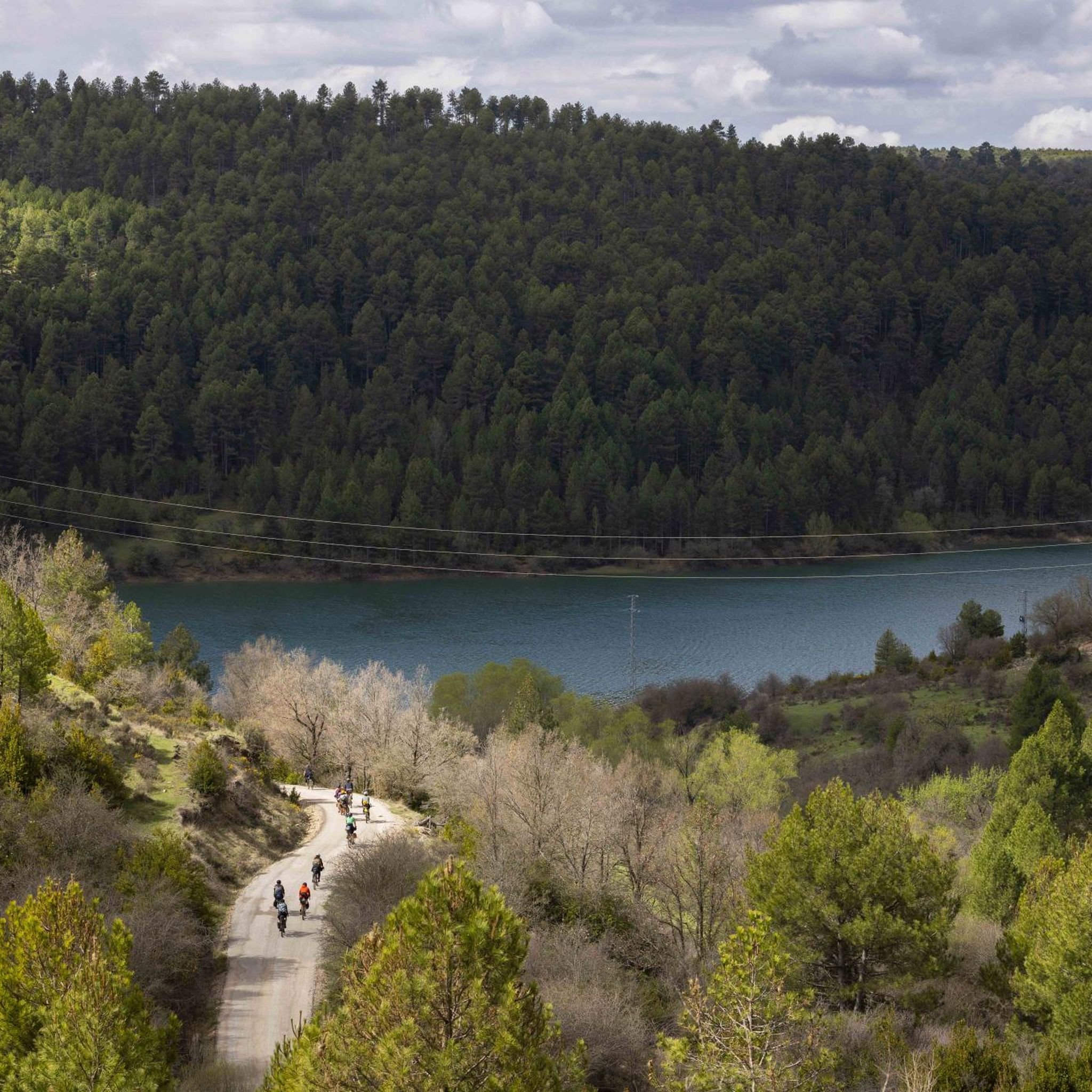
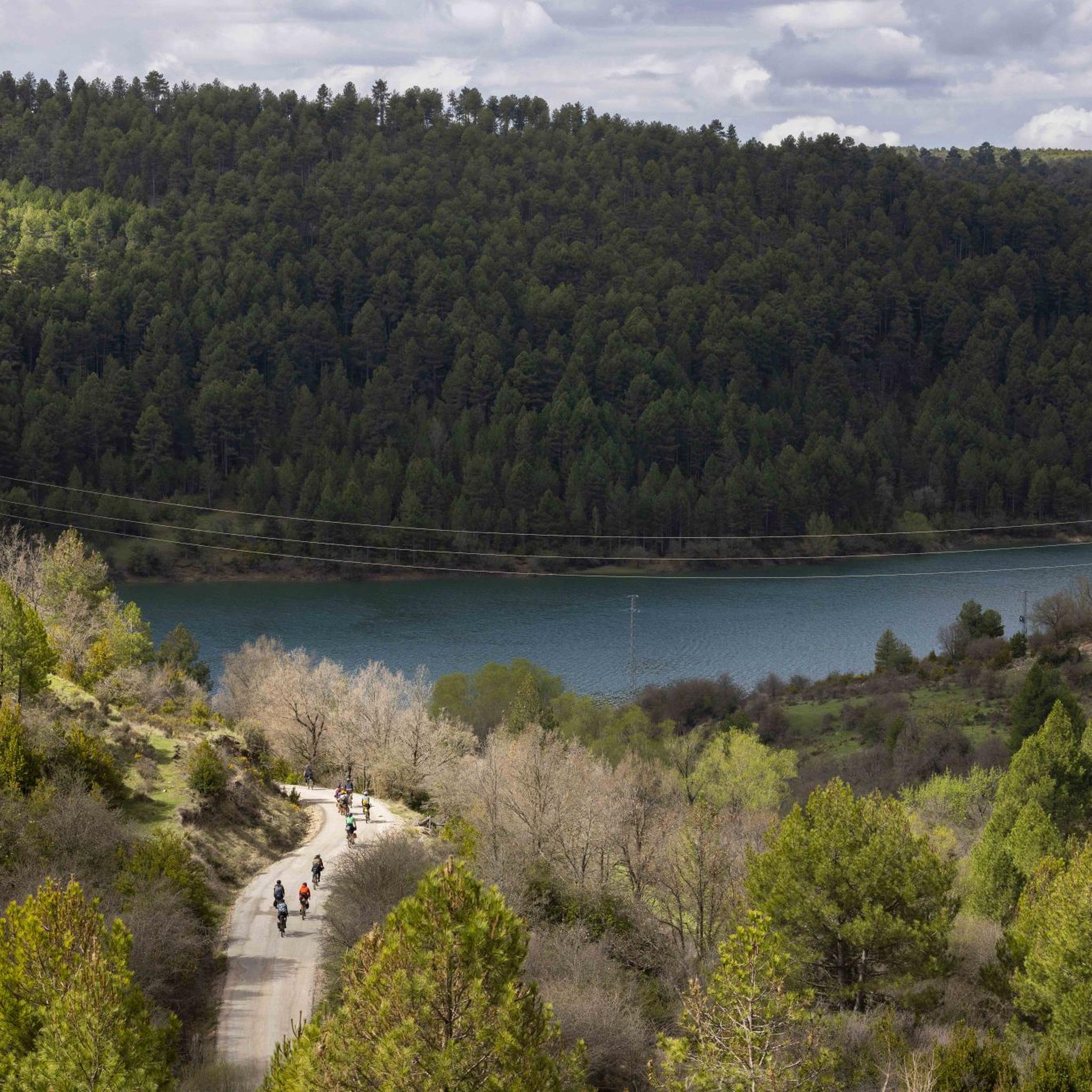
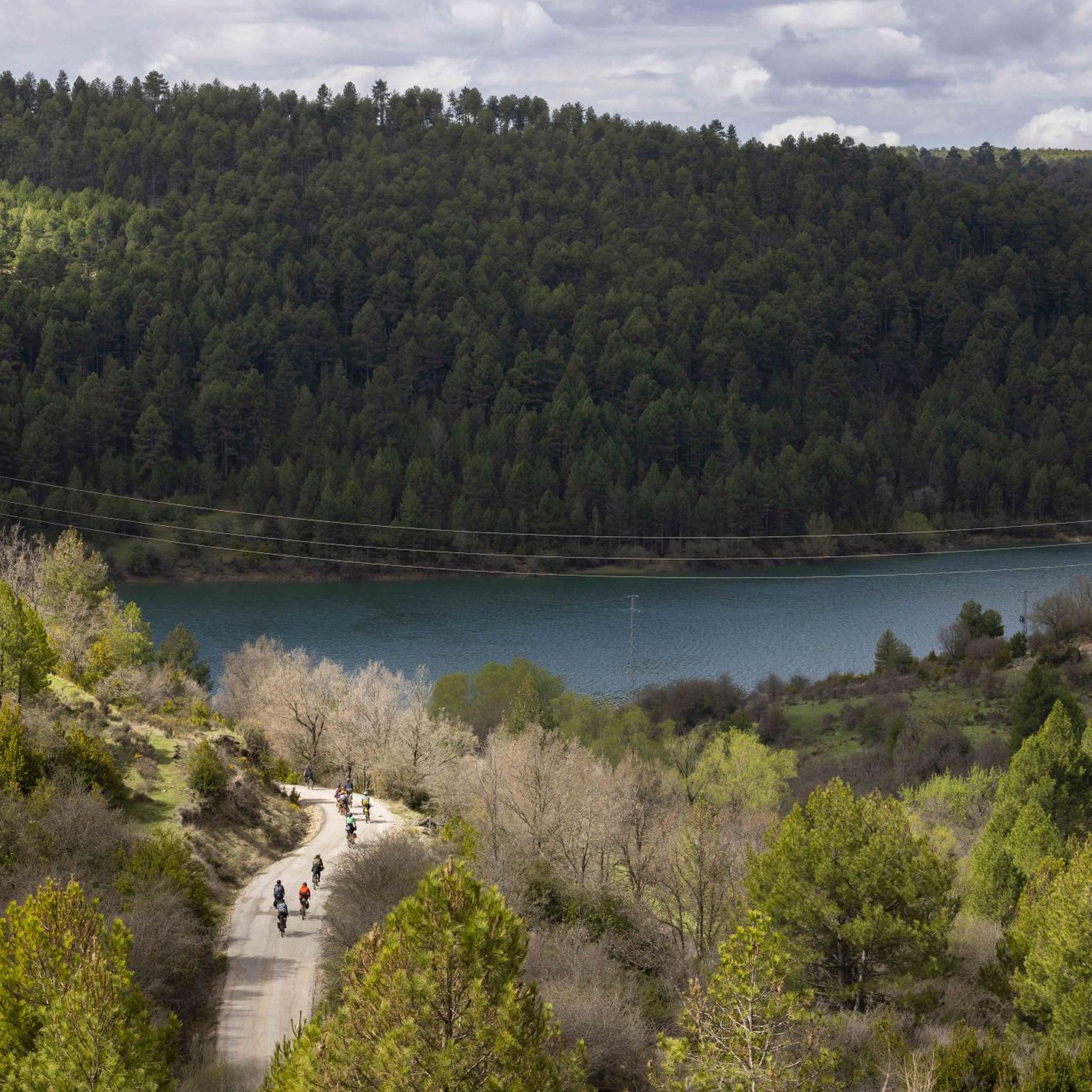
Laguna Grande is located near Masegosa, in the Serranía de Cuenca. It is part of the Lagunas de El Tobar, which also include Laguna Pequeña and Laguna Ciega. Laguna Grande has a perimeter of about three kilometres and a depth of approximately 20 metres in the centre. Laguna Grande is a wildlife refuge, where otters and various aquatic birds can be observed. It is also an authorised bathing area during the summer, making it a popular destination for visitors.
6
0

From it you can see a large part of the Cuenca Mountains and the entire valley of the Escabas River.
0
0
On the right bank of the Escabas River, it is a narrow pass between rocks. To make the road they had to drill a large mouth in these rocks.
0
0

Short detour from our itinerary (Beteta - Laguna del Marchesado), a solitary and enchanting place, worth a visit.
1
0

Beautiful lagoon. Here you can linger, relax and swim.
1
0
The cave of the Armentero. The steep drop is offset by the spectacular view from the Beteta viewpoint, the end point of the trail where one of the most beautiful anticlines of the Iberian system can be seen.
9
0

This lake is really beautiful. It is a wonderful place to camp.
1
0
Frequently Asked Questions
What unique natural features can I explore around Santa María del Val?
The region around Santa María del Val is rich in diverse natural features. You can discover impressive karst landscapes, such as the Torcas de Lagunaseca, which are large circular depressions formed by water erosion. Another highlight is the spectacular Cuervo River Waterfall, known for its unique tuff rock formations and cascades. Additionally, there are tranquil water bodies like Laguna Grande de El Tobar and the Embalse de La Tosca reservoir.
Are there family-friendly natural monuments to visit near Santa María del Val?
Yes, several natural monuments are ideal for families. The Cuervo River Waterfall is considered one of the most emblematic places in the Serranía de Cuenca for family visits, with accessible trails. Laguna Grande de El Tobar is also family-friendly, offering a wildlife refuge and an authorized bathing area in summer. The Cañamares natural pool is another excellent spot for families to enjoy a refreshing swim.
What is the best time of year to visit the natural monuments around Santa María del Val?
The best time to visit depends on your interests. The Source of the Cuervo River, with its spectacular waterfalls, is particularly impressive in winter and spring due to higher water flow. For activities like freshwater bathing at Cañamares natural pool or the Embalse de La Tosca, the summer months are ideal. Spring and autumn offer pleasant temperatures for hiking and exploring the diverse flora and fauna.
What kind of outdoor activities can I do near these natural monuments?
The area offers a variety of outdoor activities. You can enjoy hiking on trails like the 'Laguna del Tobar Interpretive Trail' or the 'Route of the Embalse del Molino de Chincha'. For running enthusiasts, there are routes such as 'Natural Monument Torcas de Lagunaseca – circular running'. Cyclists can explore longer routes like 'Cuervo River Source via Santa María del Val and Poyatos Loop from Beteta'. You can find more details on these activities in the hiking, running, and cycling guides for Santa María del Val.
Are there any notable viewpoints or scenic spots in the natural monuments area?
Yes, the region offers several stunning viewpoints. The Beteta Viewpoint, near the Armentero Cave, provides a spectacular view of one of the most beautiful anticlines of the Iberian system. The Cuervo River Waterfall itself is a highly scenic spot, especially when the water is abundant. Additionally, the Torcas de Lagunaseca offer unique perspectives of the karst landscape.
What are the Torcas de Lagunaseca and why are they significant?
The Torcas de Lagunaseca are a Natural Monument characterized by impressive geological formations known as 'torcas,' which are large, circular sinkholes formed by the dissolution of limestone. They range from 30 to 500 meters in diameter and are a prime example of a karst landscape. The area is significant for its unique geology, diverse vegetation including Scots pine forests and savin junipers, and opportunities for hiking and birdwatching. A signposted circular route allows visitors to explore notable torcas like Torca de Miguel Orea and Torca de Las Cabras.
Can I swim in any of the natural water bodies?
Yes, during the summer months, freshwater bathing is permitted at the Embalse de La Tosca reservoir, offering a refreshing activity in a scenic setting. Laguna Grande de El Tobar is also an authorized bathing area in summer, making it a popular destination for visitors seeking to cool off.
What kind of wildlife can I expect to see in the natural monuments area?
The diverse ecosystems support a variety of wildlife. At the Torcas de Lagunaseca, you might spot species like the wildcat, booted eagle, and European nightjar. The area around the Source of the Cuervo River is home to roe deer, wild boars, deer, various birds of prey, smaller birds like robins, and aquatic life such as trout and dragonflies. Laguna Grande de El Tobar is a wildlife refuge where otters and various aquatic birds can be observed.
Are there any challenging trails or natural monuments for experienced hikers?
For experienced hikers, the trail leading to the Armentero Cave and Beteta Viewpoint is considered challenging, with a significant drop in the last 800 meters. The 'Puerta del Infierno' is another natural monument that involves navigating a narrow pass between rocks, offering a more adventurous experience. Some running and cycling routes in the area are also graded as 'difficult'.
Is there parking available at the natural monuments?
Yes, for popular sites like the Cuervo River Waterfall, there is a recreational area with a picnic area and parking. The Cañamares natural pool also has parking available, making it convenient for visitors to access the area and start their routes.
What geological formations are prominent in the region?
The region is renowned for its karst landscapes. The Torcas de Lagunaseca are a prime example, featuring large sinkholes, dolines, uvalas, and poljes formed by the dissolution of limestone. The Source of the Cuervo River showcases unique tuff rock formations created by mineral-rich water depositing calcium carbonate over time, resulting in spectacular waterfalls and pools.
Are there any historical or cultural sites near the natural monuments?
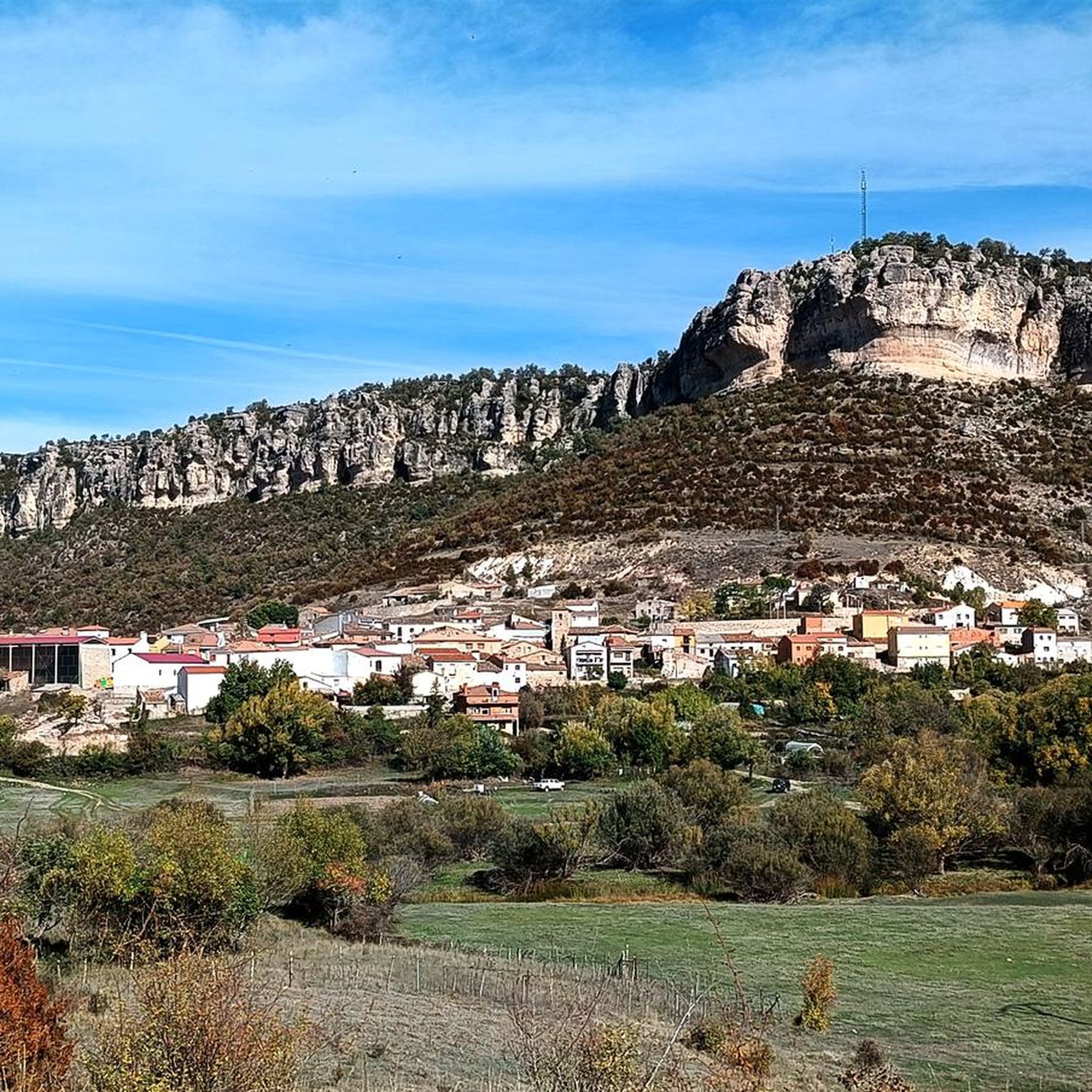
While the focus of this guide is natural monuments, the village of Santa María del Val itself is nestled in the Serranía de Cuenca, an area with a rich history. Exploring the local villages and their traditional architecture can offer a glimpse into the region's cultural heritage alongside its natural beauty.
Most popular routes around Santa María Del Val
Most popular attractions around Santa María Del Val

Get inspired with the komoot mobile app


Explore more
Extend your search for the best caves by checking out these guides of the top ones around Santa María Del Val:
