Top 20 Natural Monuments around Mollet De Peralada
Natural monuments around Mollet De Peralada are largely defined by the Serra de l'Albera, which forms the easternmost part of the Pyrenees. This mountain range, recognized as a natural area of national interest, features diverse ecosystems from Mediterranean scrubland to rare beech forests. It serves as a natural divide between the Empordà and Roussillon plains, offering varied landscapes and significant biodiversity. The region provides opportunities to explore its natural beauty through numerous trails and historical sites.
Best natural monuments around…
Last updated: May 3, 2026
Ascent to Coll de Banyuls from Espolla
Highlight (Segment) • Mountain Pass
Translated by Google •
Tip by

Summit of Puig d'Esquers
Highlight • Summit
Translated by Google •
Tip by

Sign up now to discover places like this
Get recommendations on the best single tracks, peaks, & plenty of other exciting outdoor places.
Sign up for free
Menhir Quer Afumat I
Highlight • Monument
Translated by Google •
Tip by

Natural Area of National Interest of the Albera Massif
Highlight • Natural Monument
Translated by Google •
Tip by
La Caula Waterfall
Highlight • Waterfall
Translated by Google •
Tip by

Sign up for free to discover even more natural monuments around Mollet De Peralada.
Sign up for free
Already have an account?
Start today with a free account
Your next adventure awaits.
Login or Signup

Tips from the Community

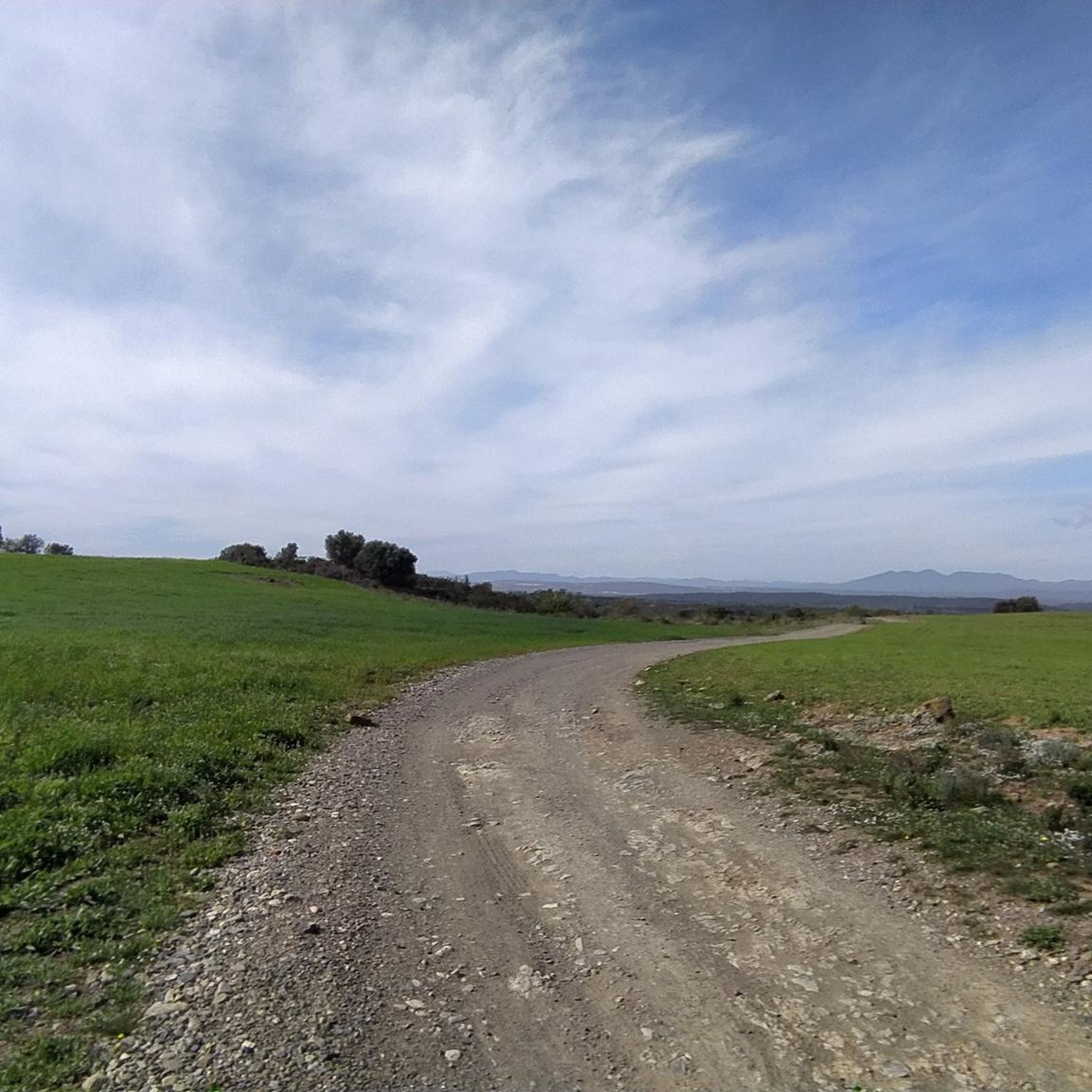
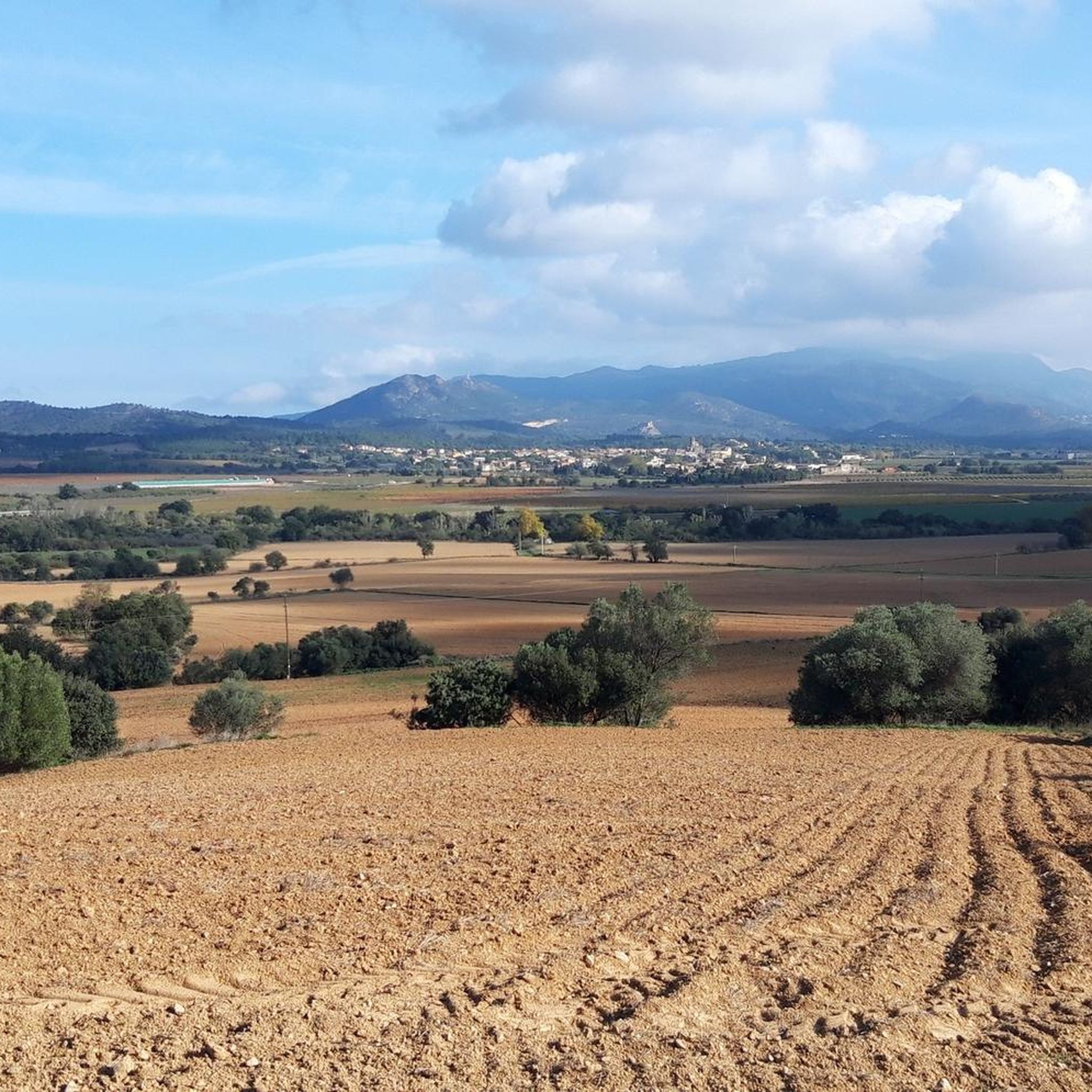
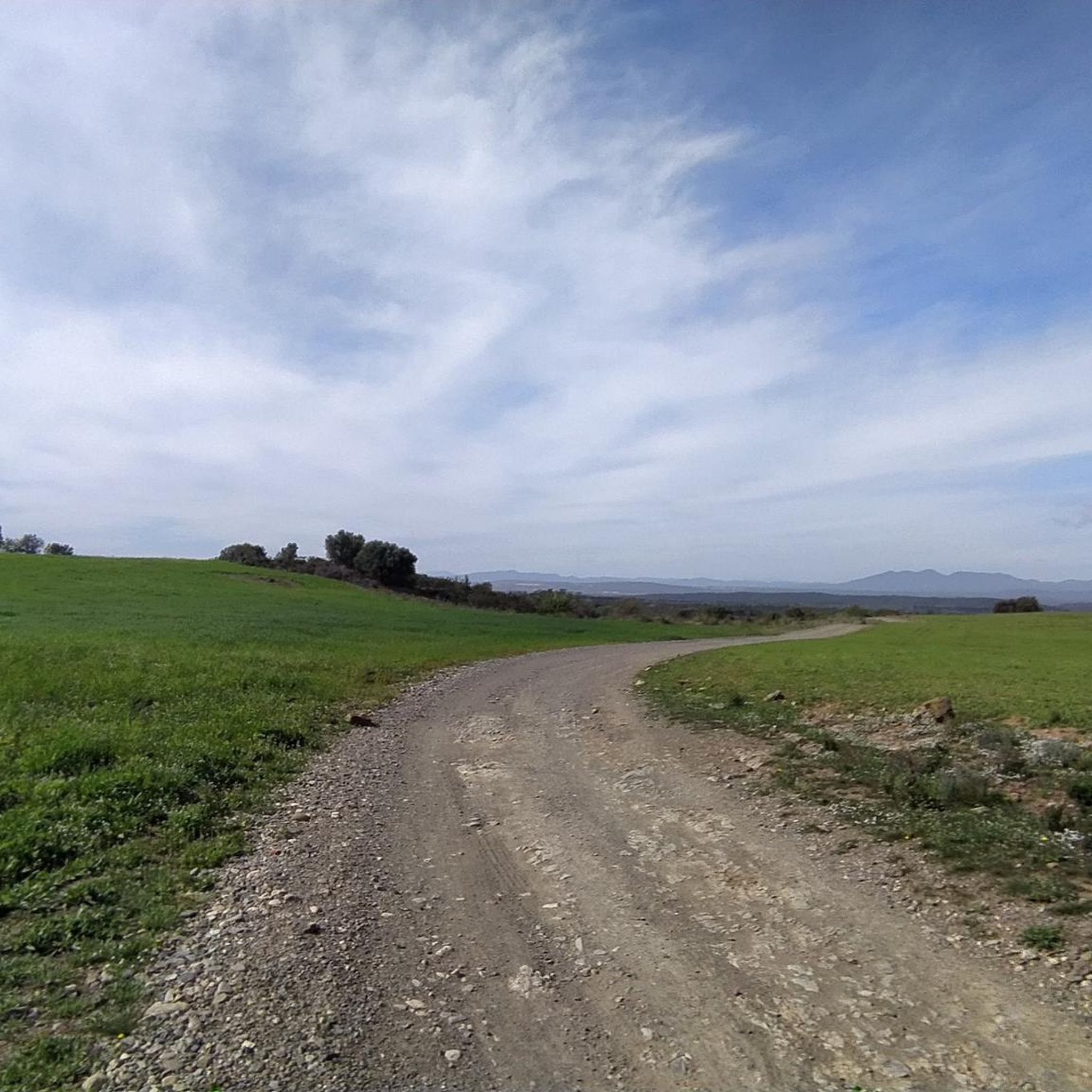
Beautiful route and a great view
0
0


Very beautiful but better to visit on foot or with a MTB instead of a gravel bike :-)
2
0

very nice to drive with great views
1
0

There is still much for historians to discover here. The area is littered with stones, there is a good chance that many stones in the area were used in memory of the deceased. More research is needed to demonstrate the historical value of this area.
6
0
Three fields of menhirs have now been discovered.
19
0

The Natural Site of National Interest of La Albera, located in the easternmost sector of the Pyrenees, is an area of great natural and cultural value. It stands out for its abundance of megalithic monuments and Romanesque art. The Sierra de la Albera extends along the eastern section of the Pyrenees, from the Pertús pass to the Mediterranean. It is an area of natural and landscape interest of the first order, with areas of lush, ancient and varied vegetation, and ancient buildings and human remains. It separates the two plains of Rosselló and L'Empordà. The highest summits are Monte Neulós (1,257 meters), Monte de los Pastors (1,167 meters), Monte de los Quatre Termes (1,156 meters) and Pico de Sallafort (992 meters). Within the mountain range there are two sectors with special protection as a Natural Area of National Interest: the western one, Requesens-Baussitges, and the eastern one, Sant Quirze de Colera - Balmeta, separated by the area of the Banyuls hill. The territory has a considerable density of megalithic monuments, the highest in Catalonia, with a large number of dolmens and menhirs, such as La Murtra or Pedra Gentil. The heritage of Romanesque art, with a large number of parishes and hermitages, and the monumental Benedictine monastery of Sant Quirze de Colera, a jewel of Catalan Romanesque, currently undergoing restoration, are also noteworthy. At the end of La Jonquera, to the south of Monte Neulós, the Requesens castle stands out among the treetops, which was renovated at the end of the 19th century according to the model of architectural romanticism, which gave it the stamp of a legendary castle and fancy you currently have. It is also worth highlighting the Albera Tortoise Reproduction Center (Centro de Reproducción de Tortugas de l'Albera), located in the sanctuary of the Virgin of the Camp, in Garriguella.
4
0
Frequently Asked Questions
What are the most popular natural monuments around Mollet De Peralada?
Visitors frequently enjoy the Ascent to Coll de Banyuls from Espolla, a mountain pass offering views of the Orlina River area and ancient oaks. Another favorite is the Summit of Puig d'Esquers, which provides exceptional panoramic views of the Empordà plain and the Mediterranean coast. The Natural Area of National Interest of the Albera Massif is also highly regarded for its natural beauty and cultural significance.
What natural features can I expect to see in the Serra de l'Albera near Mollet De Peralada?
The Serra de l'Albera, the easternmost part of the Pyrenees, boasts diverse ecosystems. You'll find everything from Mediterranean scrubland and extensive holm oak forests to rare beech forests at higher elevations. The region is also characterized by an extensive fluvial network, including the Orlina and Anyet rivers, which are tributaries of the Muga River. Prominent peaks like Puig Neulós and Puig d'Esquers offer breathtaking panoramic views.
Are there family-friendly natural monuments or trails near Mollet De Peralada?
Yes, several natural monuments are suitable for families. The Summit of Puig d'Esquers is considered family-friendly, offering rewarding views. Additionally, the La Caula Waterfall is a pleasant spot for a family outing, with an easy walk and a picturesque setting.
What kind of wildlife can be spotted in the Serra de l'Albera?
The Serra de l'Albera is rich in biodiversity, serving as a transition zone between Pyrenean and Mediterranean species. Keep an eye out for interesting wildlife such as the Hermann's tortoise, Spanish pond turtle, and various bat species. The rare Albera cow, with only about four hundred specimens globally, also inhabits this region.
What outdoor activities can I do near these natural monuments?
The region around Mollet De Peralada offers numerous opportunities for outdoor activities. You can explore the Serra de l'Albera through various hiking and mountain biking trails. For cycling enthusiasts, there are several routes, including the 'Peralada and Albera Foothills Loop' or the 'Sant Jaume Church – Banyuls Pass loop'. Runners can enjoy trails like the 'Sant Jaume Church – Dolmen of Espolla loop'. Find more details on these activities in the Road Cycling Routes, Running Trails, and Cycling Guides for Mollet De Peralada.
Are there historical or cultural sites integrated with the natural monuments?
Yes, the Serra de l'Albera is not only naturally significant but also boasts a rich history. The Natural Area of National Interest of the Albera Massif is particularly known for its high density of megalithic monuments, including dolmens and menhirs like La Murtra or Pedra Gentil. The region also features Romanesque art, with numerous parishes, hermitages, and the monumental Benedictine monastery of Sant Quirze de Colera.
What is the best time to visit the natural monuments around Mollet De Peralada?
The diverse ecosystems of the Serra de l'Albera make it appealing throughout the year. Spring and autumn offer pleasant temperatures for hiking and cycling, with vibrant flora or changing leaves. Summer is ideal for enjoying the cooler, higher elevations. Even winter walks can be rewarding, especially in areas with holm oak forests.
Is the La Caula Waterfall accessible, and what amenities are nearby?
The La Caula Waterfall is easily accessible and offers a pleasant walk. Historically, there was a restaurant with a terrace facing the waterfall, though it has been closed. However, the area itself, flanked by riverbank trees and featuring fountains, remains a beautiful spot for a stroll. You might find amenities in the nearby village of Les Escaules.
Can I find ancient megalithic structures near Mollet De Peralada?
Absolutely. The region is renowned for its megalithic heritage. The Menhir Quer Afumat I is one such example, part of several discovered menhir fields. The Natural Area of National Interest of the Albera Massif has the highest density of megalithic monuments in Catalonia, including numerous dolmens and menhirs.
What are the highest peaks in the Serra de l'Albera that offer views?
The Serra de l'Albera features several prominent peaks that provide extensive panoramic views. These include Puig Neulós (1,257 meters), Puig dels Pastors (1,167 meters), and Puig dels Quatre Termes (1,156 meters). The Summit of Puig d'Esquers, at 606 meters, also offers exceptional views of the Empordà plain and the Mediterranean coast.
Are there any specific viewpoints recommended for scenic photography?
For scenic photography, the Summit of Puig d'Esquers is highly recommended for its exceptional views of the Empordà plain and the Mediterranean coastline. The Ascent to Coll de Banyuls from Espolla also provides great photo opportunities, particularly of the Orlina River area and the surrounding ancient oaks.
What is the significance of the Serra de l'Albera as a natural area?
The Serra de l'Albera is recognized as a natural area of national interest and forms the easternmost buttress of the Pyrenees. It's significant for its role as a natural divide between the plains of Empordà and Roussillon, fostering a unique transition of Pyrenean and Mediterranean species. Its diverse ecosystems, rich biodiversity, and extensive fluvial network contribute to its status as a protected Natura 2000 Network site.
Most popular routes around Mollet De Peralada
Most popular attractions around Mollet De Peralada

Get inspired with the komoot mobile app


Explore more
Extend your search for the best caves by checking out these guides of the top ones around Mollet De Peralada:
