Top 16 Natural Monuments around Masarac
Best natural monuments around Masarac are found within the Empordà region of Catalonia, offering diverse natural features and historical significance. The area is characterized by its proximity to the Pyrenees and the Mediterranean, providing varied landscapes from river environments to mountain peaks. These natural features are accessible from Masarac and present opportunities for outdoor activities and experiencing the local geography. The region's natural monuments include geological formations, significant summits, and protected natural areas.
Best natural monuments around Masarac
- The most…
Last updated: June 17, 2026
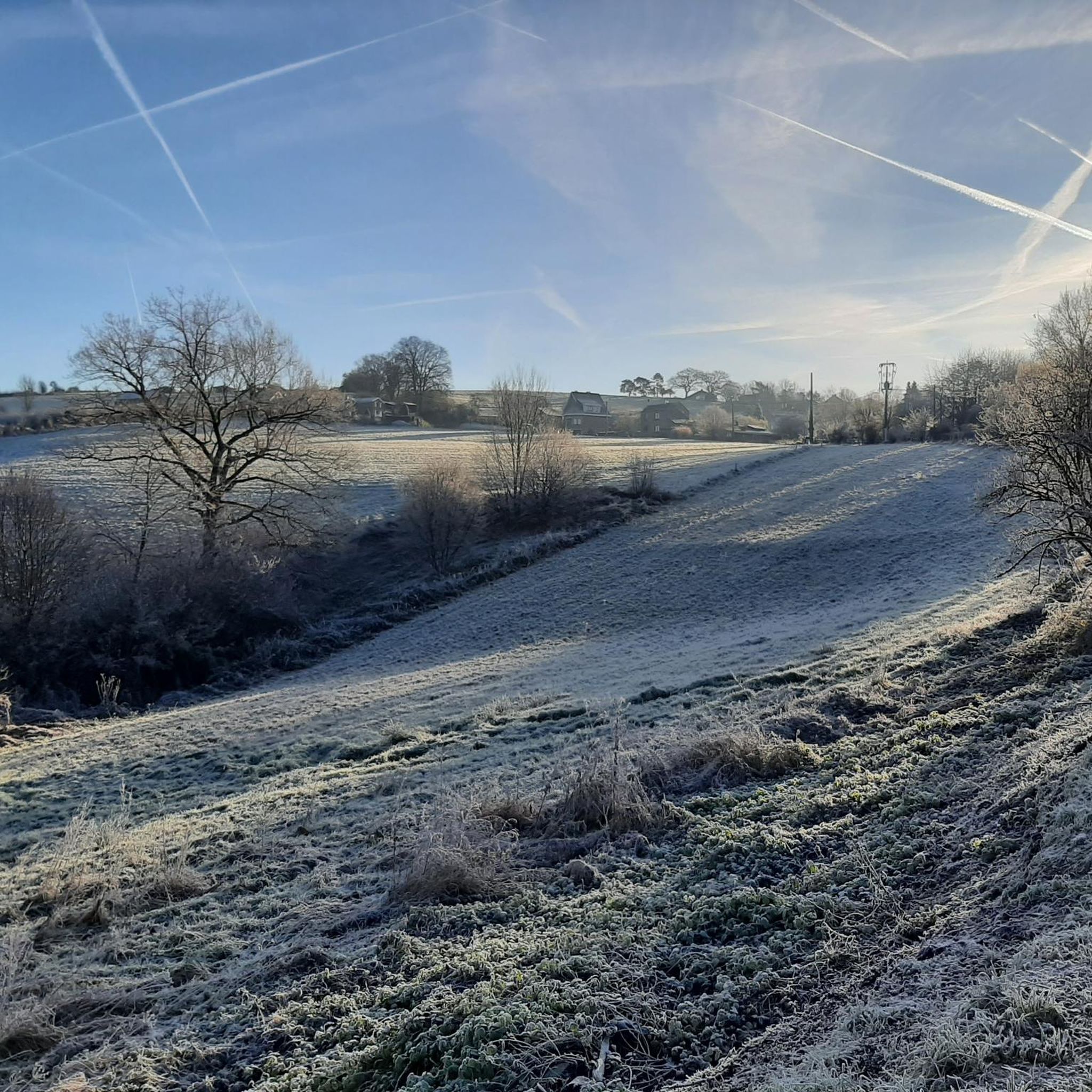
Ascent to Coll de Banyuls from Espolla
Highlight (Segment) • Mountain Pass
Translated by Google •
Tip by

Summit of Puig d'Esquers
Highlight • Summit
Translated by Google •
Tip by

Sign up now to discover places like this
Get recommendations on the best single tracks, peaks, & plenty of other exciting outdoor places.
Sign up for free
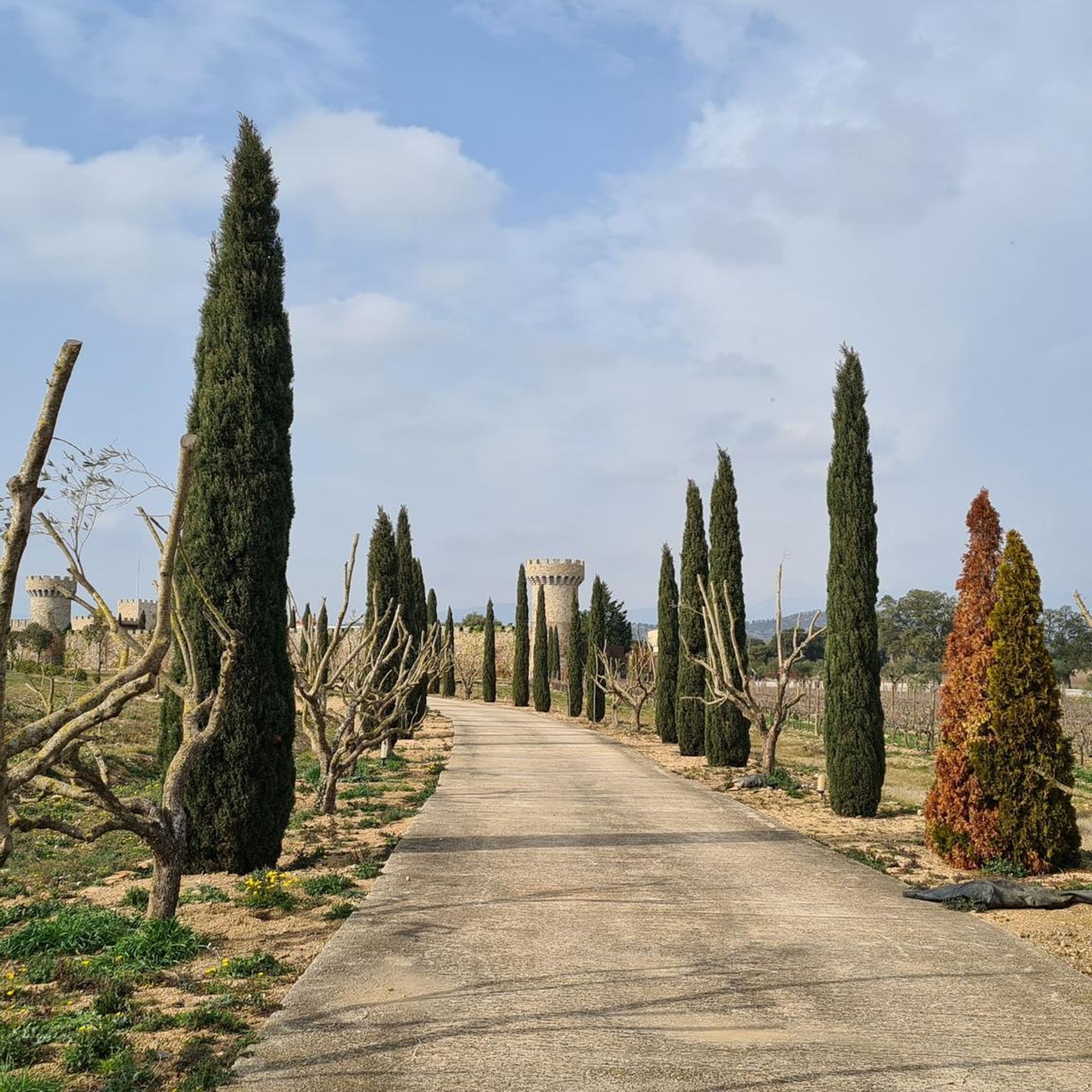
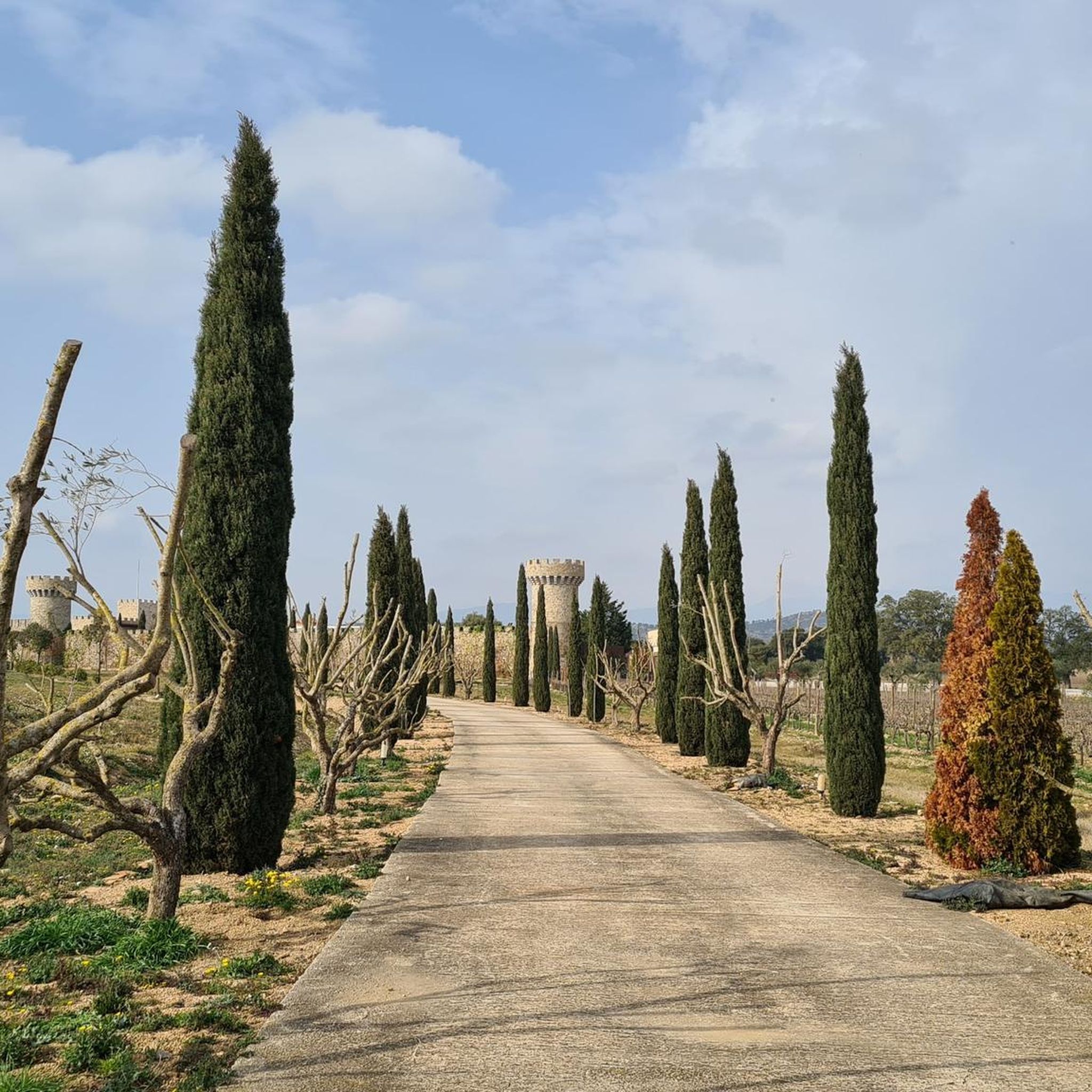
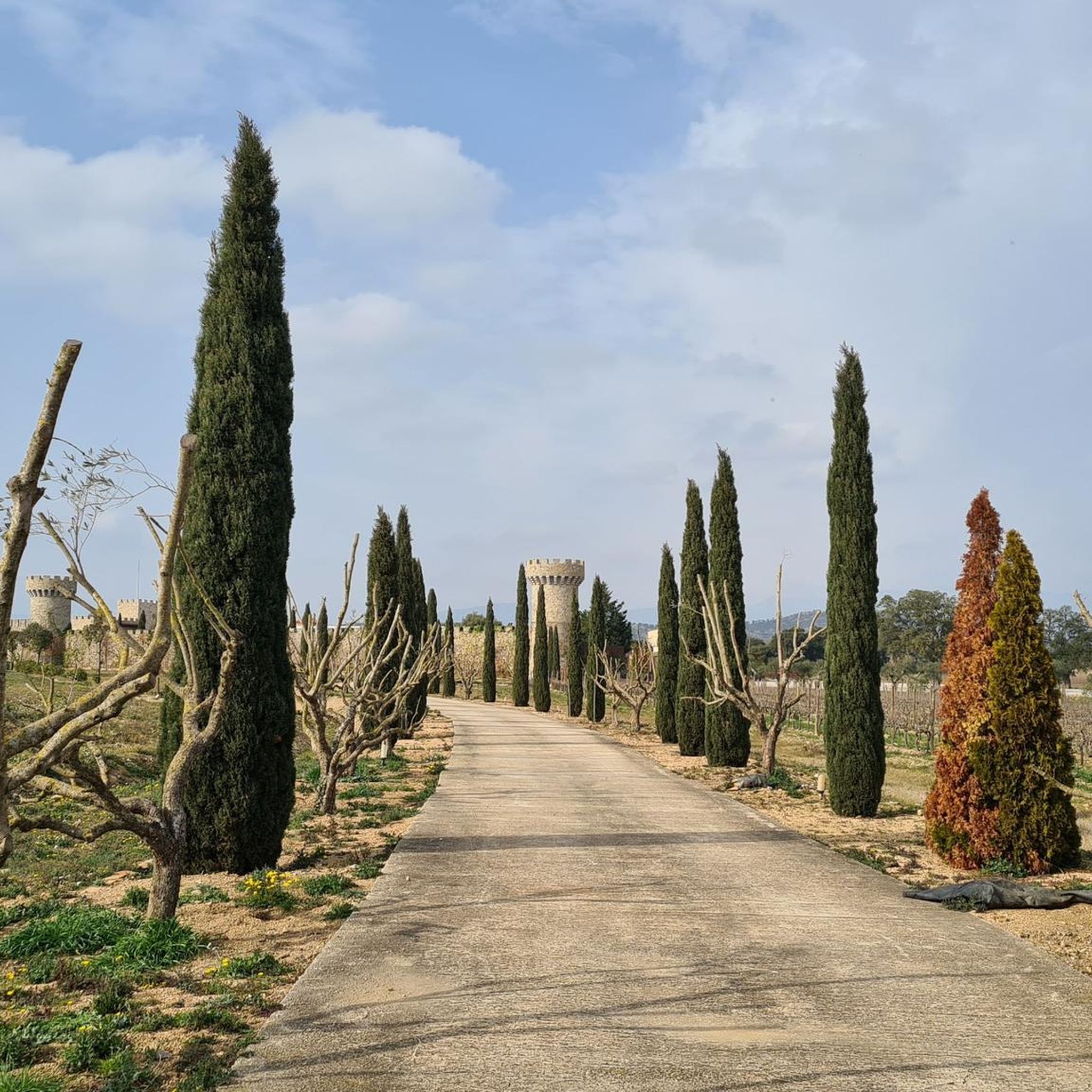
Menhir Quer Afumat I
Highlight • Monument
Translated by Google •
Tip by

Natural Area of National Interest of the Albera Massif
Highlight • Natural Monument
Translated by Google •
Tip by
La Caula Waterfall
Highlight • Waterfall
Translated by Google •
Tip by

Sign up for free to discover even more natural monuments around Masarac.
Sign up for free
Already have an account?
Start today with a free account
Your next adventure awaits.
Login or Signup

Tips from the Community

Beautiful route and a great view
0
0


Very beautiful but better to visit on foot or with a MTB instead of a gravel bike :-)
2
0

very nice to drive with great views
1
0

There is still much for historians to discover here. The area is littered with stones, there is a good chance that many stones in the area were used in memory of the deceased. More research is needed to demonstrate the historical value of this area.
6
0
Three fields of menhirs have now been discovered.
19
0

The Natural Site of National Interest of La Albera, located in the easternmost sector of the Pyrenees, is an area of great natural and cultural value. It stands out for its abundance of megalithic monuments and Romanesque art. The Sierra de la Albera extends along the eastern section of the Pyrenees, from the Pertús pass to the Mediterranean. It is an area of natural and landscape interest of the first order, with areas of lush, ancient and varied vegetation, and ancient buildings and human remains. It separates the two plains of Rosselló and L'Empordà. The highest summits are Monte Neulós (1,257 meters), Monte de los Pastors (1,167 meters), Monte de los Quatre Termes (1,156 meters) and Pico de Sallafort (992 meters). Within the mountain range there are two sectors with special protection as a Natural Area of National Interest: the western one, Requesens-Baussitges, and the eastern one, Sant Quirze de Colera - Balmeta, separated by the area of the Banyuls hill. The territory has a considerable density of megalithic monuments, the highest in Catalonia, with a large number of dolmens and menhirs, such as La Murtra or Pedra Gentil. The heritage of Romanesque art, with a large number of parishes and hermitages, and the monumental Benedictine monastery of Sant Quirze de Colera, a jewel of Catalan Romanesque, currently undergoing restoration, are also noteworthy. At the end of La Jonquera, to the south of Monte Neulós, the Requesens castle stands out among the treetops, which was renovated at the end of the 19th century according to the model of architectural romanticism, which gave it the stamp of a legendary castle and fancy you currently have. It is also worth highlighting the Albera Tortoise Reproduction Center (Centro de Reproducción de Tortugas de l'Albera), located in the sanctuary of the Virgin of the Camp, in Garriguella.
4
0
Frequently Asked Questions
What kind of natural features can I expect to see around Masarac?
The area around Masarac, within the Empordà region, offers a diverse landscape. You can explore significant summits like Puig d'Esquers, which provides exceptional views of the Empordà plain and the Mediterranean coast. There are also mountain passes such as Ascent to Coll de Banyuls from Espolla, offering quiet routes through natural scenery. The region also features river environments, including the Muga River with its scenic banks and waterfalls like La Caula Waterfall, which plunges 30 meters into a natural pool.
Are there any historical or cultural sites integrated with the natural monuments?
Yes, the region beautifully blends natural beauty with historical significance. The Natural Area of National Interest of the Albera Massif is particularly rich in megalithic monuments and Romanesque art. You can also find ancient structures like Menhir Quer Afumat I, which is part of a field of menhirs, and the Dolmen del Mirgoler near Capmany, nestled within tranquil rural landscapes.
What outdoor activities can I do near these natural monuments?
The natural monuments around Masarac are excellent for various outdoor activities. You can enjoy road cycling on routes like the 'Banyuls Pass – Collioure loop' or 'Peralada loop' found in the Road Cycling Routes around Masarac guide. For mountain biking, consider trails such as the 'Old Bridge of Pont de Molins – Small Waterfalls of the Muga loop' from the MTB Trails around Masarac guide. Hiking and running are also popular, with options like the 'Menhir of the Serra de l'Albera loop' available in the Running Trails around Masarac guide.
Are there family-friendly natural monuments or walks in the Masarac area?
Absolutely. Several natural monuments are suitable for families. Summit of Puig d'Esquers offers rewarding views and is considered family-friendly. The area around La Caula Waterfall provides a pleasant walk and a picturesque spot for families to enjoy. Additionally, the ancient Menhir Quer Afumat I is also noted as family-friendly, offering a blend of history and nature.
What is the best time of year to visit the natural monuments around Masarac?
The Empordà region, including Masarac, generally enjoys a Mediterranean climate. Spring (April-June) and autumn (September-October) are often ideal, offering pleasant temperatures for hiking and exploring without the intense heat of summer. These seasons also showcase the region's natural beauty with blooming flora or vibrant autumn colors. Summer can be warm, but areas near rivers or higher elevations like the Albera Massif offer cooler retreats.
Are there any natural monuments with particularly scenic views?
Yes, for exceptional views, head to the Summit of Puig d'Esquers, which is the highest mountain in Llança and provides panoramic vistas of the Empordà plain and the Mediterranean coast. The Ascent to Coll de Banyuls from Espolla also offers beautiful views, particularly of the Orlina River area. The Natural Area of National Interest of the Albera Massif, being in the eastern Pyrenees, also boasts significant viewpoints.
How difficult are the hiking trails around the natural monuments near Masarac?
Many trails around Masarac's natural monuments are rated as intermediate difficulty, suitable for those with some hiking experience. For example, the routes to Ascent to Coll de Banyuls from Espolla and the Summit of Puig d'Esquers are considered intermediate. The Natural Area of National Interest of the Albera Massif also features intermediate trails. There are also easier options, such as the 'Old Bridge of Pont de Molins – Small Waterfalls of the Muga loop' for MTB, which can be adapted for hiking.
Can I find wild swimming spots near the natural monuments?
The Muga River and its associated waterfalls offer opportunities for refreshing dips. La Caula Waterfall, for instance, forms a natural pool that is ideal for nature lovers and offers a refreshing stop. The broader Muga River environment, which guides a nature trail, features various spots where you might find suitable places for wild swimming, especially during warmer months.
What makes the Albera Massif a significant natural monument?
The Natural Area of National Interest of the Albera Massif is significant because it's located in the easternmost sector of the Pyrenees and holds immense natural and cultural value. It's known for its lush, varied vegetation, ancient buildings, and a high density of megalithic monuments, including dolmens and menhirs. It also features notable Romanesque art, such as the Benedictine monastery of Sant Quirze de Colera.
Are there any specific geological formations to observe in the Masarac area?
While not explicitly detailed as specific geological formations, the region's landscape itself is a result of significant geological processes. The Albera Massif, as part of the Pyrenees, showcases mountainous terrain and ancient rock formations. The presence of megalithic structures like Menhir Quer Afumat I and the Dolmen del Mirgoler also points to the use of local stone in prehistoric times, reflecting the area's geological makeup.
What do visitors enjoy most about the natural monuments around Masarac?
Visitors frequently appreciate the combination of natural beauty and historical elements. The quiet, vehicle-free roads and scenic views from places like Ascent to Coll de Banyuls from Espolla are highly valued. The exceptional panoramic views from the Summit of Puig d'Esquers are also a major draw. Many enjoy the tranquility and the opportunity to explore ancient sites nestled within beautiful natural settings, such as the megalithic monuments within the Albera Massif.
Are there opportunities for cycling near the natural monuments?
Yes, cycling is a popular activity. The route to Ascent to Coll de Banyuls from Espolla is noted for its road without vehicle traffic, making it ideal for cyclists. The Natural Area of National Interest of the Albera Massif is also recommended for exploration by MTB. The Muga River environment also offers paths suitable for cycling, connecting various natural spaces.
Most popular routes around Masarac
Most popular attractions around Masarac

Get inspired with the komoot mobile app


Explore more
Extend your search for the best caves by checking out these guides of the top ones around Masarac:
