Top 6 Natural Monuments around Pozo De Guadalajara
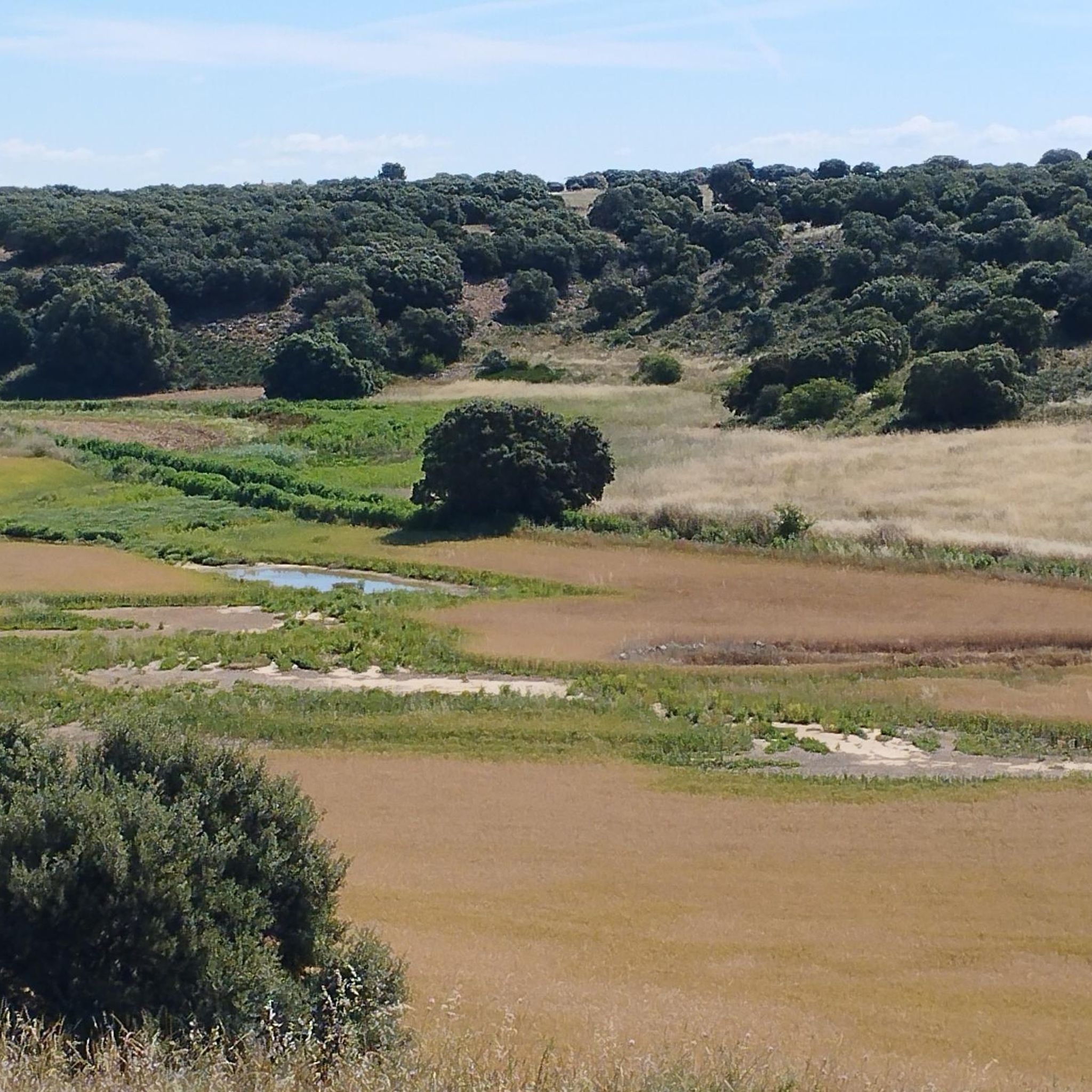
Best natural monuments around Pozo De Guadalajara are found within this municipality in the province of Guadalajara, Spain. The area is characterized by its natural springs and geological formations. These natural attractions offer opportunities for exploration and provide insights into the region's natural heritage. The landscape features a mix of water sources and unique rock structures.
Best natural monuments around Pozo De Guadalajara
- The most popular natural monument is Fuente Grande de Corpa, a natural monument that provides fresh…
Last updated: July 1, 2026
Fuente Grande de Corpa
Highlight • Natural Monument
Translated by Google •
Tip by

Fountain of Joy
Highlight • Natural Monument
Translated by Google •
Tip by

Sign up now to discover places like this
Get recommendations on the best single tracks, peaks, & plenty of other exciting outdoor places.
Sign up for free
Los Cerros Natural Park
Highlight • Natural Monument
Translated by Google •
Tip by
Cuevas Blancas Rock Formations
Highlight • Natural Monument
Translated by Google •
Tip by

Cueva del Pastor
Highlight • Cave
Translated by Google •
Tip by
Start today with a free account
Your next adventure awaits.
Login or Signup
Tips from the Community

Super cool water to replenish your strength
0
0

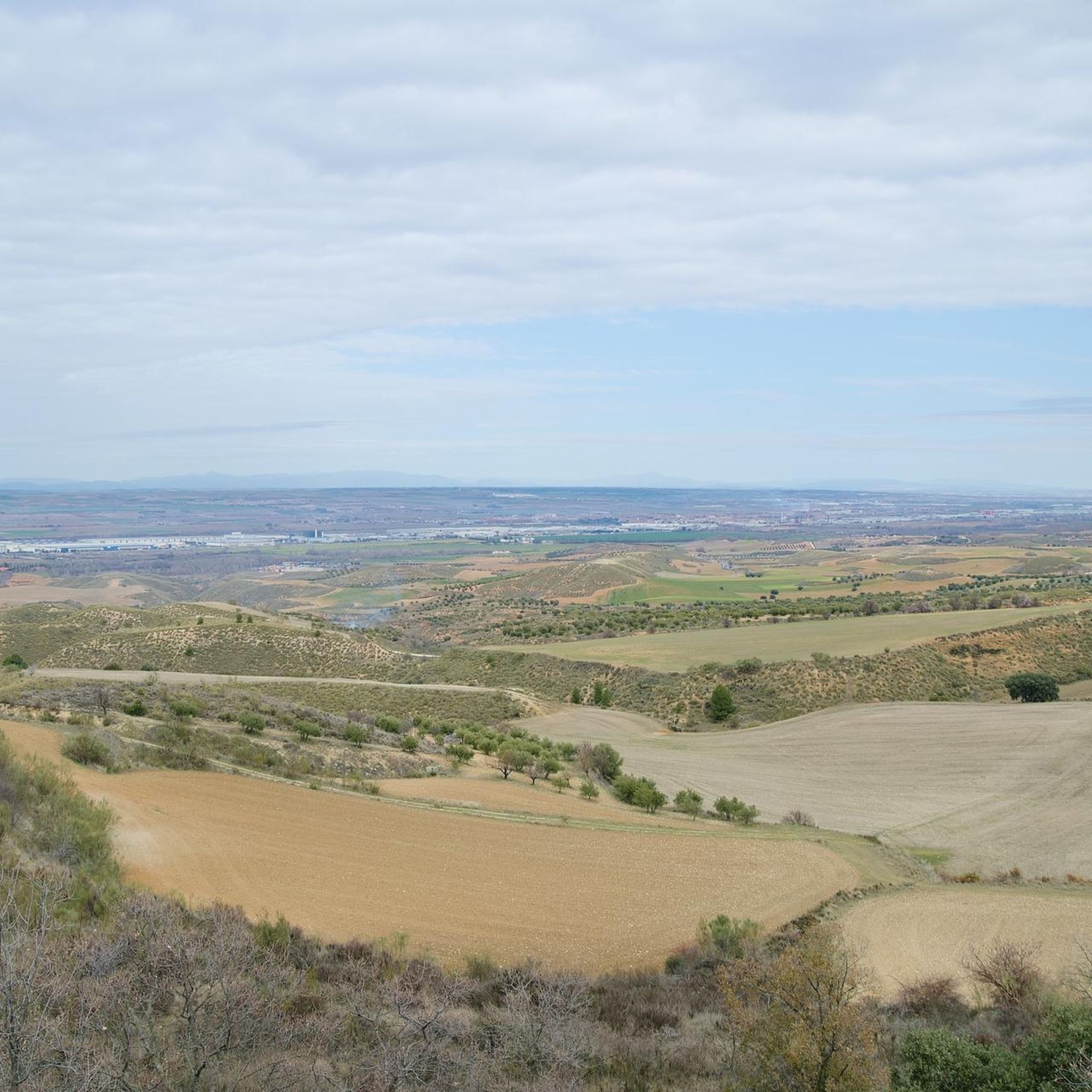
The narrow ravines of Pezuela that fall towards the valley of the Tajuña river are rich in clays and dolomitic limestones from the Miocene, a top quality raw material for cooking in lime kilns and making mortars and construction materials. Pezuela had several Moorish kilns for plaster and lime until the sixties of the last century. There are remains of the installations and cavities of the mines in Cuevas Blancas and other slopes of the plains, although they have little identity and complicated location, they are cultural landscapes because they condense the popular wisdom of an essential trade in the life of the rural world.
0
0
The ethnographic complex of the Fuente Grande de Corpa is an important element of the local heritage. It was built in 1897 by local stonemasons Francisco and Vicente, according to an inscription attached to the wall of the watering hole. The water reaches the stone basins from two different springs in an old cattle rest area at the Cordel de la Senda de la Galiana, although there had been a powerful spring for a long time before. The largest pond was a public washhouse and one of the jets has its own name, it is the Collantes spout and was an old war cannon.
0
0
The Cueva del Pastor shelter is a curious geological formation, there are not many such natural shelters in the area, it is located at the passage of several cattle drives and it would surely be a small cavity under the limestone slab and with the passage of centuries and the constant use by the shepherds, enabling space and comfort inside, it has become a good shelter for shepherds, farmers and hikers.
0
0

Waterfall and fountain are a few meters from each other
0
0

Durilla route ... very demanding last sections you have to have strong legs.
1
0

If you want to test yourself climbing and your skill with trialeras, you have to go.
2
0
It is recommended to be strong too.
0
0
Frequently Asked Questions
What natural features can I expect to see around Pozo De Guadalajara?
The area around Pozo De Guadalajara is characterized by unique natural features, including magnificent springs, distinctive rock formations, and geological shelters. You can explore sites like Fuente Grande de Corpa, known for its fresh water, the narrow ravines of Cuevas Blancas Rock Formations with their geological history, and the natural shelter of Cueva del Pastor.
Are there any natural monuments with historical significance in Pozo De Guadalajara?
Yes, several natural monuments in the region hold historical importance. Fuente Grande de Corpa is a prime example, historically serving as a vital water source, laundry area, and watering hole, with mentions dating back to Miguel de Cervantes. The Cuevas Blancas Rock Formations also feature remnants of old lime kilns, showcasing past industrial activity, while Cueva del Pastor has long provided shelter for shepherds and travelers.
What outdoor activities can I do near the natural monuments?
The natural monuments around Pozo De Guadalajara are excellent starting points for various outdoor activities. You can find numerous hiking, mountain biking, and running trails. For hiking, explore routes like the easy Peñalba Viewpoint Trail or the more challenging Alcalá de Henares to Los Santos de la Humosa Loop. Mountain bikers can enjoy routes such as the Pioz and Pezuela de las Torres Loop. For more options, check out the dedicated guides for hiking, MTB, and running around Pozo De Guadalajara.
Are there family-friendly natural monuments to visit?
Yes, Fuente Grande de Corpa is considered family-friendly. It offers a refreshing stop with cool, drinkable water and shade, making it a pleasant spot for all ages to enjoy the natural surroundings and historical ambiance.
What is the best time to visit the natural monuments around Pozo De Guadalajara?
While specific seasonal recommendations are not available, natural springs like Fuente Grande de Corpa provide fresh water year-round, making them accessible in any season. For outdoor activities like hiking, spring and autumn generally offer milder temperatures, which are ideal for exploring the rock formations and trails.
What makes Fuente Grande de Corpa a significant natural monument?
Fuente Grande de Corpa is significant for several reasons: it's a magnificent spring providing fresh, potable water year-round, characterized by a large masonry facade with three spouts. Historically, it served as a crucial water source, a public washhouse, and a watering hole for livestock. Its waters were prized centuries ago, even mentioned by Miguel de Cervantes, and it continues to be a refreshing stop and a social gathering place.
Are there any challenging natural monuments for experienced hikers?
Yes, reaching the Fountain of Joy involves a demanding route, particularly the last sections, which require strong legs. This natural monument features a waterfall and fountain, offering a rewarding experience for those seeking a more strenuous hike.
What kind of geological features can be observed at Cuevas Blancas Rock Formations?
The Cuevas Blancas Rock Formations are notable for their narrow ravines and geological composition. The area is rich in clays and dolomitic limestones from the Miocene period, which were historically used in lime kilns. Visitors can observe these unique rock structures and the remnants of past mining activities.
Is there a natural shelter or cave worth visiting in the area?
Yes, the Cueva del Pastor is a curious geological formation and a notable natural shelter. It's unique in the area and has been used for centuries by shepherds, farmers, and now hikers, providing a natural refuge along cattle drives.
What do visitors enjoy most about the natural monuments around Pozo De Guadalajara?
Visitors particularly appreciate the refreshing qualities of the springs, such as the 'best spring water in the region' found at Fuente Grande de Corpa, which is an 'ideal place for a shaded refreshment stop.' The historical and ethnographic significance of these sites, along with the unique geological formations and the challenge of reaching spots like the Fountain of Joy, are also highly valued.
Are there any natural attractions in the broader province of Guadalajara that are worth exploring?
While not within the immediate municipality of Pozo De Guadalajara, the broader province offers other significant natural sites. For instance, the Sima de Alcorón, a natural pit, is located in the Alto Tajo Natural Park. The Barranco de la Hoz, also in Alto Tajo, is another notable natural canyon. You can find more information about Barranco de la Hoz here.
Most popular routes around Pozo De Guadalajara
Most popular attractions around Pozo De Guadalajara

Get inspired with the komoot mobile app


Explore more
Extend your search for the best caves by checking out these guides of the top ones around Pozo De Guadalajara:
