Comunidad de Herrera de Soria Nafría de Ucero y Ucero
Comunidad de Herrera de Soria Nafría de Ucero y Ucero
Top 10 Natural Monuments around Comunidad de Herrera de Soria Nafría de Ucero y Ucero
Best natural monuments around Comunidad de Herrera de Soria Nafría de Ucero y Ucero are primarily found within the Cañón del Río Lobos Natural Park, a protected area known for its karst landscapes. This region features deep limestone canyons carved by the Lobos River, alongside significant geological formations and diverse ecosystems. The area offers opportunities to explore natural features such as caves and viewpoints, and includes historical sites integrated into the natural environment.
Best natural monuments around Comunidad de Herrera…
Last updated: July 14, 2026
Hermitage of Saint Bartholomew
Highlight • Religious Site
Translated by Google •
Tip by

Gullurías Viewpoint
Highlight • Viewpoint
Translated by Google •
Tip by
Sign up now to discover places like this
Get recommendations on the best single tracks, peaks, & plenty of other exciting outdoor places.
Sign up for free
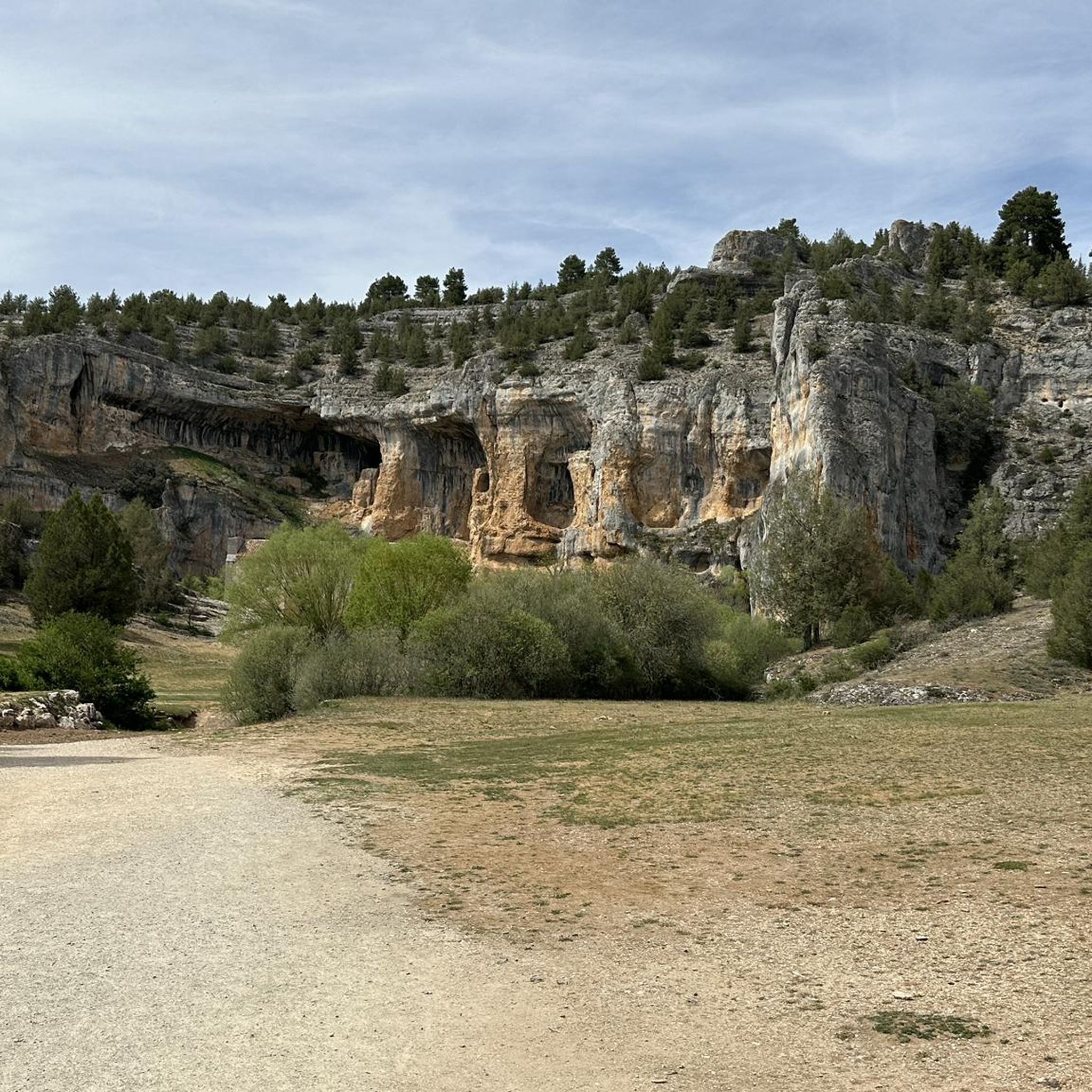
Cueva Grande (Río Lobos Canyon)
Highlight • Cave
Translated by Google •
Tip by

Entrance Trail to Cañón del Río Lobos from Casarejos (GR-86)
Highlight (Segment) • Trail
Translated by Google •
Tip by

Colmenar de los Frailes
Highlight • Structure
Translated by Google •
Tip by

Sign up for free to discover even more natural monuments around Comunidad de Herrera de Soria Nafría de Ucero y Ucero.
Sign up for free
Already have an account?
Start today with a free account
Your next adventure awaits.
Login or Signup
Popular around Comunidad de Herrera de Soria Nafría de Ucero y Ucero
Road Cycling Routes around Comunidad de Herrera de Soria Nafría de Ucero y Ucero
MTB Trails around Comunidad de Herrera de Soria Nafría de Ucero y Ucero
Running Trails around Comunidad de Herrera de Soria Nafría de Ucero y Ucero
Cycling around Comunidad de Herrera de Soria Nafría de Ucero y Ucero
Hiking around Comunidad de Herrera de Soria Nafría de Ucero y Ucero

Gravel biking around Comunidad de Herrera de Soria Nafría de Ucero y Ucero
Tips from the Community


One of the resources traditionally exploited in the region was honey collection. This spot, known as "El Colmenar de los Frailes," housed the Templar community's beehives. They were made from hollowed tree trunks, each with a stone slab placed on top as a lid, leaving small entrance areas for the bees. They lined the rocky outcrops of the Canyon.
0
1

The Gullurías Viewpoint is a spectacular vantage point located in the Cañón del Río Lobos Natural Park. From the viewpoint, you can see the pine forests of Soria and Burgos, as well as the peaks of the Iberian System, including Urbión Peak.
4
0
The Hermitage of San Bartolomé is a fascinating church located in the Cañón del Río Lobos Natural Park, in the communities of Herrera de Soria, Nafría de Ucero, and Ucero. Built in the first quarter of the 13th century, in a style that transitions from Romanesque to Gothic.
4
0
Bullías trail, a very nice circular hiking route
0
0
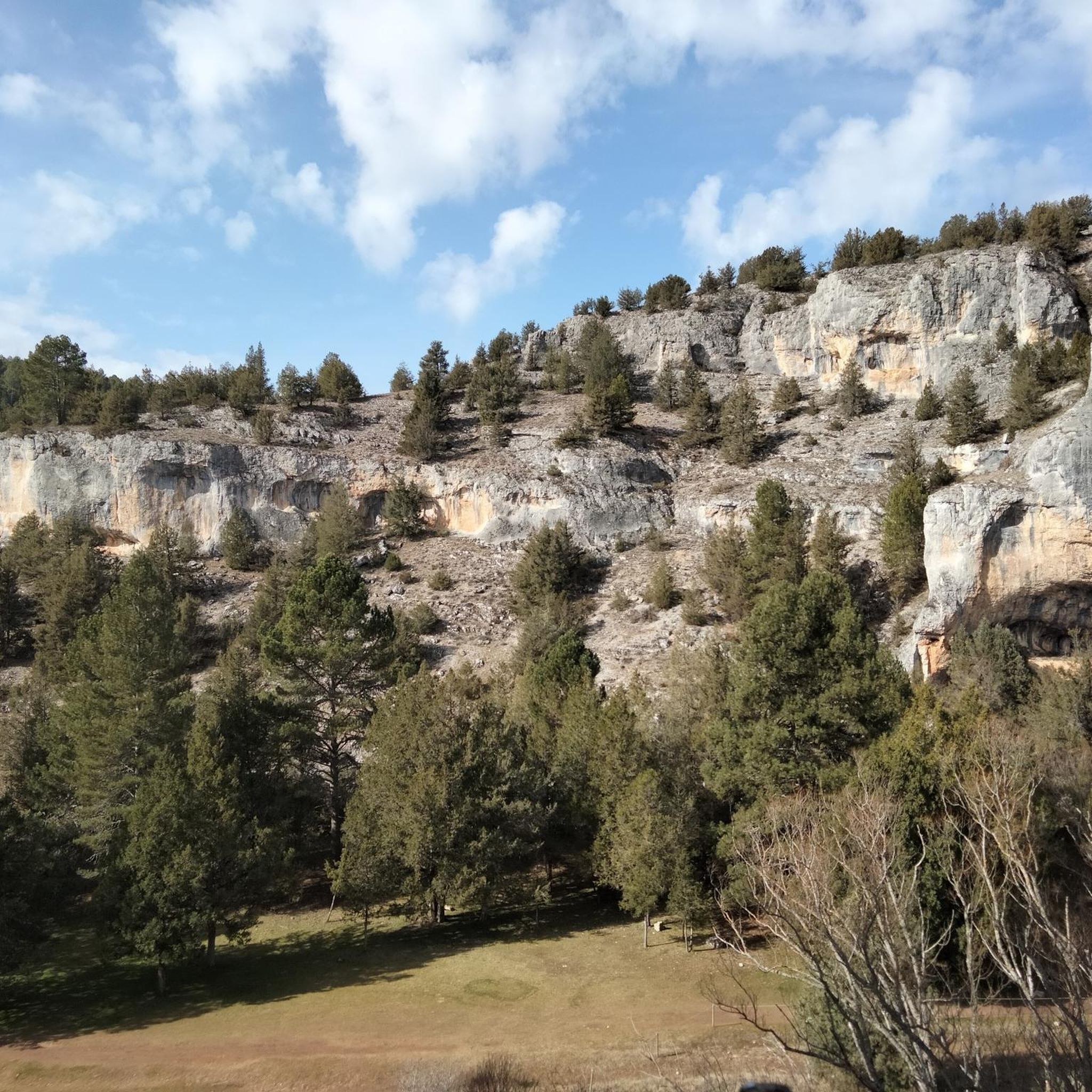
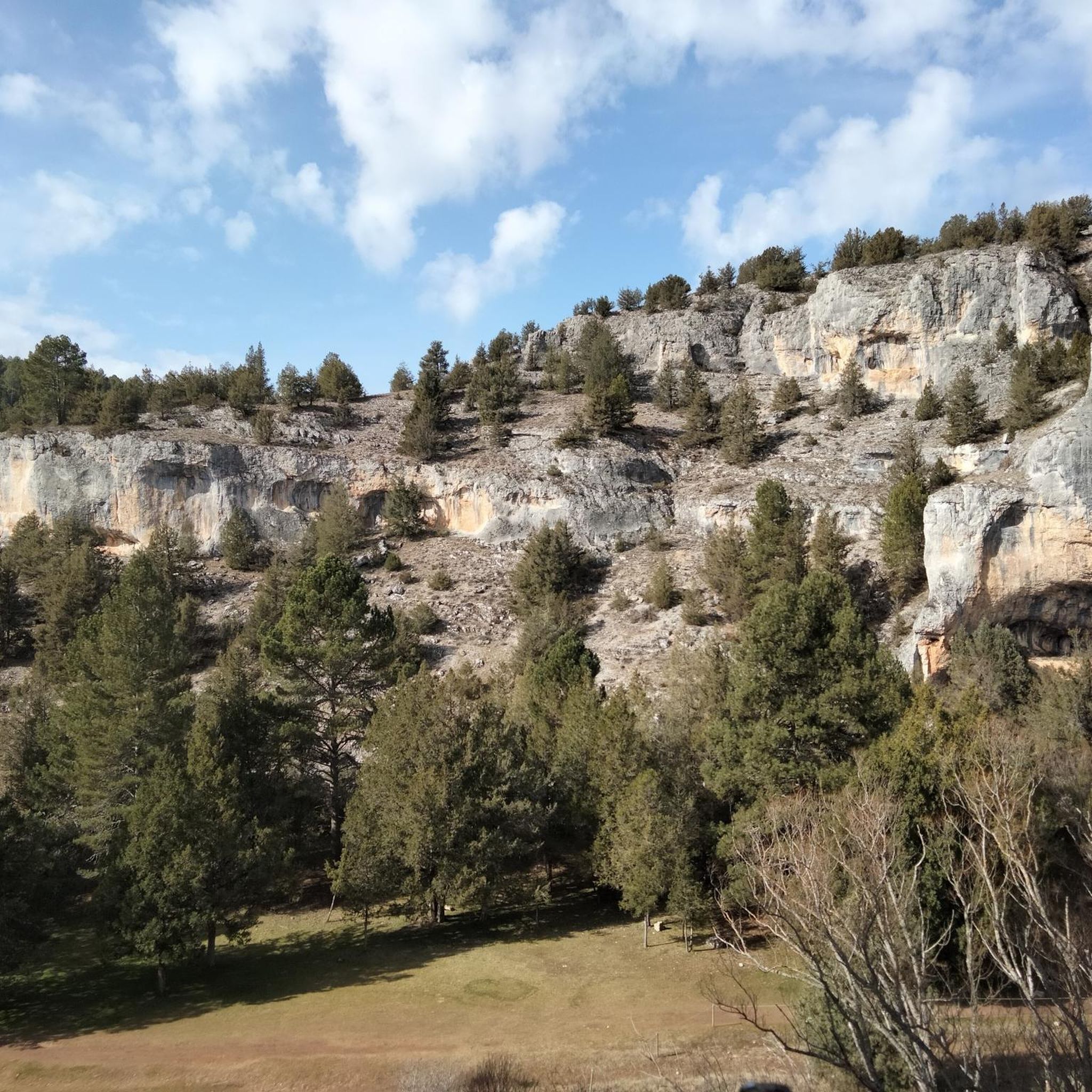
The LOBOS River canyon is worth visiting
0
0
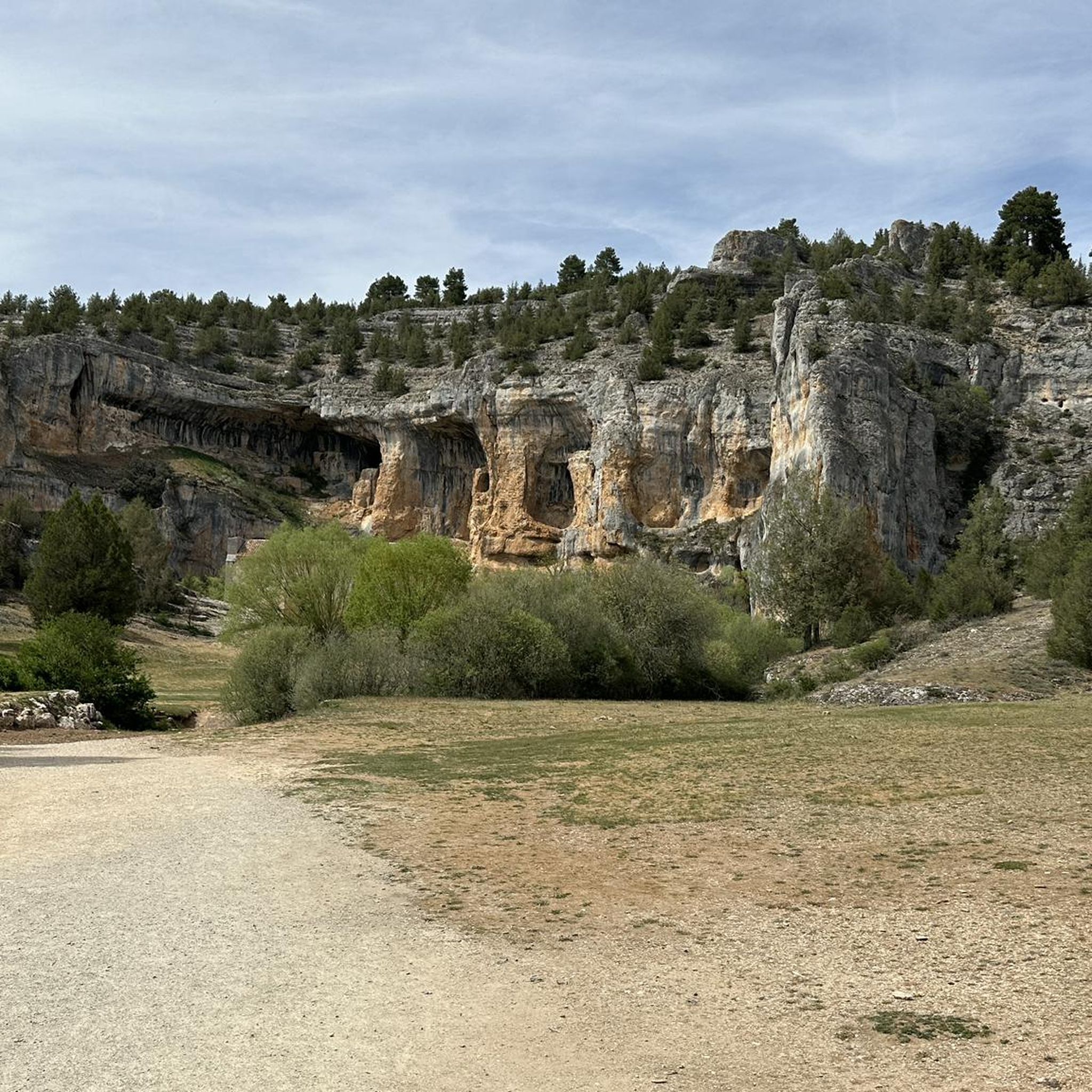
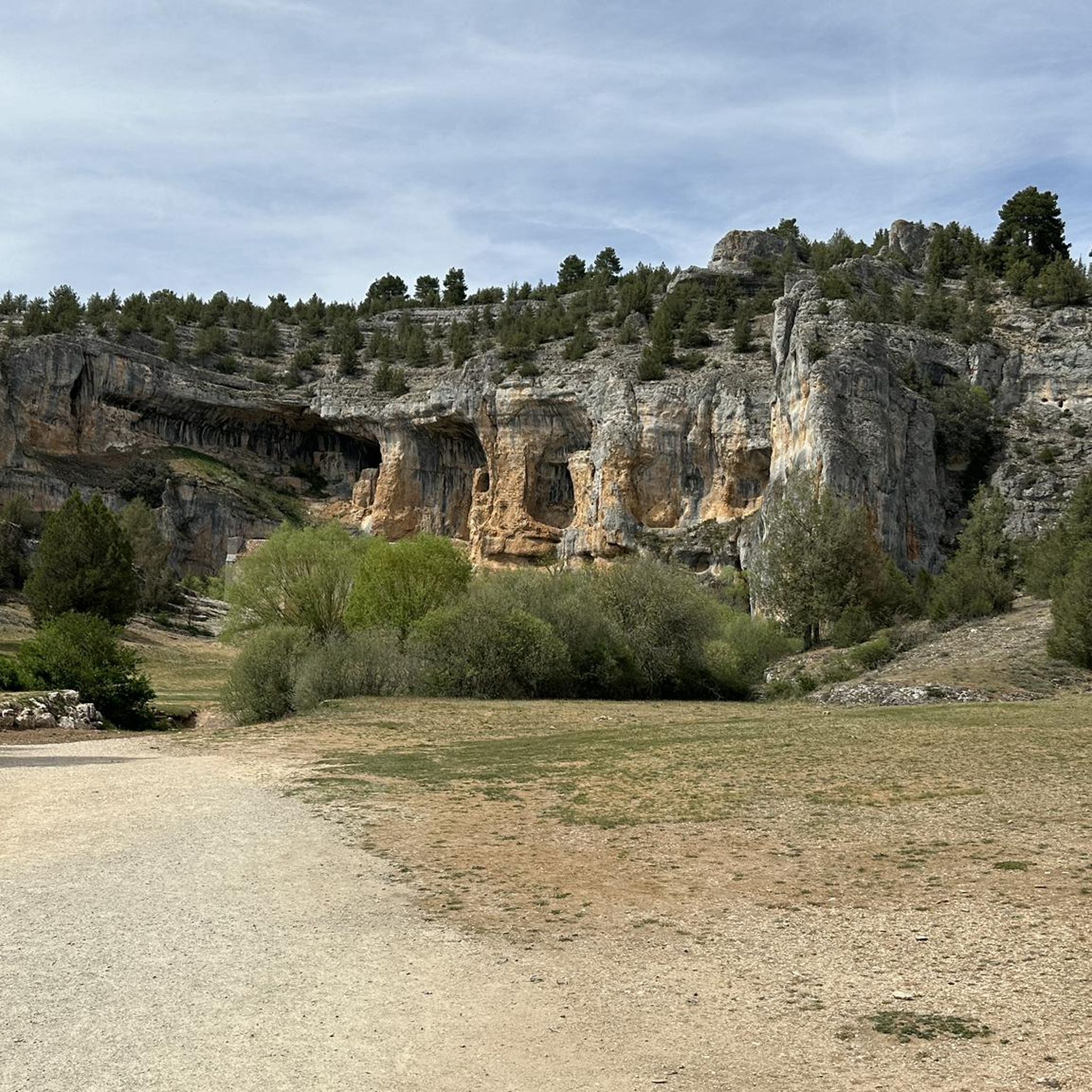
The large cave, a large cavity in an idyllic landscape, which is the surroundings of the hermitage of San Bartolomé
0
1

"Colmenar de los Frailes" is a curious place where you can see some old beehives on the rock, built from hollow tree trunks.
2
0
Frequently Asked Questions
What are the main natural features to explore in the region?
The region is dominated by the spectacular karst landscapes of the Cañón del Río Lobos Natural Park. You can explore deep limestone canyons, impressive rock formations like the Ojo del Diablo (Devil's Eye), and the unique karstic spring of La Fuentona de Muriel, which is the source of the Abión River. The area also features several caves and panoramic viewpoints.
Are there any historical or cultural sites within the natural monuments?
Yes, the region offers a blend of natural beauty and historical intrigue. A prominent example is the Hermitage of Saint Bartholomew, a Romanesque-Gothic church from the late 13th century with Templar connections, set dramatically within the Cañón del Río Lobos. Another interesting historical site is Colmenar de los Frailes, where you can see ancient beehives carved into the rock.
What kind of outdoor activities can I do in the Cañón del Río Lobos Natural Park?
The park is ideal for various outdoor activities. You can enjoy extensive hiking and nature walks on well-marked trails like the 'Senda del Río'. Birdwatching is popular, especially for observing griffon vultures. For those seeking adventure, speleology tours are available in caves like Cueva de la Galiana. Cycling is also a great way to explore the wider area; you can find various routes in the Cycling around Comunidad de Herrera de Soria, Nafría de Ucero y Ucero guide.
Is the Cañón del Río Lobos Natural Park suitable for families?
Yes, the Cañón del Río Lobos Natural Park offers several family-friendly options. Many trails are accessible for walks with children, and the dramatic scenery, including the canyon walls and the Hermitage of Saint Bartholomew, can be captivating for all ages. Exploring the entrance of Cueva Grande also provides an exciting experience for younger visitors.
What is La Fuentona de Muriel, and why is it worth visiting?
La Fuentona de Muriel is a significant natural monument known for its striking karstic spring, which is the source of the Abión River. It's often called the 'Ojo del Mar' (Eye of the Sea) due to its intense blue-green waters. It's worth visiting for its mystical beauty, the tranquil atmosphere, and its geological interest as an excellent example of a karstic aquifer. There's an easy trail with wooden platforms leading to the spring.
Are there specific viewpoints for panoramic views of the canyon?
Absolutely. The region offers several viewpoints that provide stunning panoramic vistas. The Gullurías Viewpoint offers a higher perspective of the natural park, allowing you to see the pine forests of Soria and Burgos, as well as peaks of the Iberian System. Other notable viewpoints include Mirador de la Galiana and Mirador de Covaterneros, which are excellent for observing geological formations and birdlife.
What wildlife can I expect to see in the Cañón del Río Lobos Natural Park?
The Cañón del Río Lobos Natural Park is a haven for wildlife, particularly birds of prey. It hosts a large colony of griffon vultures, along with golden eagles and peregrine falcons, making it an excellent spot for birdwatching. Mammals such as roe deer, wild boar, and otters can also be found within the park's diverse ecosystems.
Are there any caves I can visit in the area?
Yes, the region is known for its impressive karst formations, including several caves. The Cueva Grande (Río Lobos Canyon) is a natural cave located near the Hermitage of San Bartolomé, offering an intriguing spot for exploration. For a more in-depth experience, the Cueva de la Galiana offers guided speleology tours, allowing visitors to explore its stalactites, stalagmites, and various chambers.
What is the best time of year to visit the natural monuments?
The best time to visit the natural monuments, particularly the Cañón del Río Lobos Natural Park and La Fuentona, is generally during spring (April-June) and autumn (September-October). During these seasons, the weather is pleasant for hiking and outdoor activities, and the natural landscapes are at their most vibrant. Summer can be very hot, while winter can bring colder temperatures and sometimes snow.
Are dogs allowed on the trails in Cañón del Río Lobos Natural Park?
Generally, dogs are allowed on trails in the Cañón del Río Lobos Natural Park, but they must be kept on a leash to protect wildlife and ensure the safety of other visitors. It's always advisable to check specific regulations at the park's visitor centers upon arrival, as rules can vary for certain sensitive areas or during specific seasons.
What are some popular hiking trails in the Cañón del Río Lobos Natural Park?
The Cañón del Río Lobos Natural Park offers numerous popular hiking trails. The 'Senda del Río' is a well-known path that follows the river through the canyon. Another option is the Entrance Trail to Cañón del Río Lobos from Casarejos (GR-86), which is a beautiful and less crowded route. You can find more detailed hiking routes and their difficulties in the Hiking around Comunidad de Herrera de Soria, Nafría de Ucero y Ucero guide.
Do I need any special permits to visit certain areas or engage in activities like caving?
For general hiking and visiting the main attractions like the Hermitage of Saint Bartholomew or Cueva Grande, permits are typically not required. However, for specialized activities such as speleology in certain caves (like Cueva de la Galiana) or accessing particularly sensitive areas, permits might be necessary. It's best to inquire at the park's visitor center for the most up-to-date information on specific activities.
Most popular routes around Comunidad de Herrera de Soria Nafría de Ucero y Ucero
Most popular attractions around Comunidad de Herrera de Soria Nafría de Ucero y Ucero

Get inspired with the komoot mobile app


Explore more
Extend your search for the best caves by checking out these guides of the top ones around Comunidad de Herrera de Soria Nafría de Ucero y Ucero:
