Top 20 Natural Monuments around Palau-Sator
Best natural monuments around Palau-Sator are found in Catalonia, Spain, offering a diverse natural landscape. This region features coastal areas, elevated viewpoints, and historical megalithic sites. The area is also part of the GR 92 long-distance footpath, providing access to various natural features. These natural monuments offer opportunities for exploration and appreciating the local geography.
Best natural monuments around Palau-Sator
- The most popular natural monuments is Red Island Cove, a beach known for its scenic beauty. This cove is…
Last updated: July 1, 2026
Montplà Summit
Highlight • Summit
Translated by Google •
Tip by

The Mouth of the Ter
Highlight • River
Very good paved path.
Storage space for bicycles
Translated by Google •
Tip by

Sign up now to discover places like this
Get recommendations on the best single tracks, peaks, & plenty of other exciting outdoor places.
Sign up for free
Coll de la Creu de Santa Caterina
Highlight • Mountain Pass
Translated by Google •
Tip by

Dolmen dels Tres Caires
Highlight • Historical Site
Translated by Google •
Tip by

Red Island Cove
Highlight • Beach
Translated by Google •
Tip by

Sign up for free to discover even more natural monuments around Palau-Sator.
Sign up for free
Already have an account?
Start today with a free account
Your next adventure awaits.
Login or Signup
Tips from the Community

The mouth is difficult to cross with luggage or a bicycle.
0
0

The river mouth cannot be crossed by bicycle, at least not with an e-bike. There are several meters of water between them, making it impossible for me to carry my bike that far. The water is at least 50 cm deep, and the current is strong. It was too dangerous for me.
0
1

It served as a collective tomb, where burials and funeral rituals of the first agricultural and livestock communities of the region were carried out. It is a covered gallery dolmen, typical of the Neolithic period (approximately between 2700-2200 BC). It is made up of large stone slabs (orthostats) that delimit the burial chamber. Although it is currently in a state of partial deterioration, three of its main slabs are still preserved, which gives it the name of "Tres Caires" (Three Sides). The slabs are made of slate, a material abundant in the Gavarres area.
3
0
Or lift your bicycle and you can easily cross
1
0
Beautiful beach. The cycle path suggested by Komoot from L-Estartit to Playa de Pals via the mouth of the Rio Ter is rather difficult, as you have to carry the bike through the river. The water is 50-60 cm deep at the mouth, the bottom is sandy. Continuing south is also only possible after about 500 m, until then the bike has to be pushed through loose sand.
2
0

nice walk from the emporda campsite, but allow more time to tour the castle
1
0

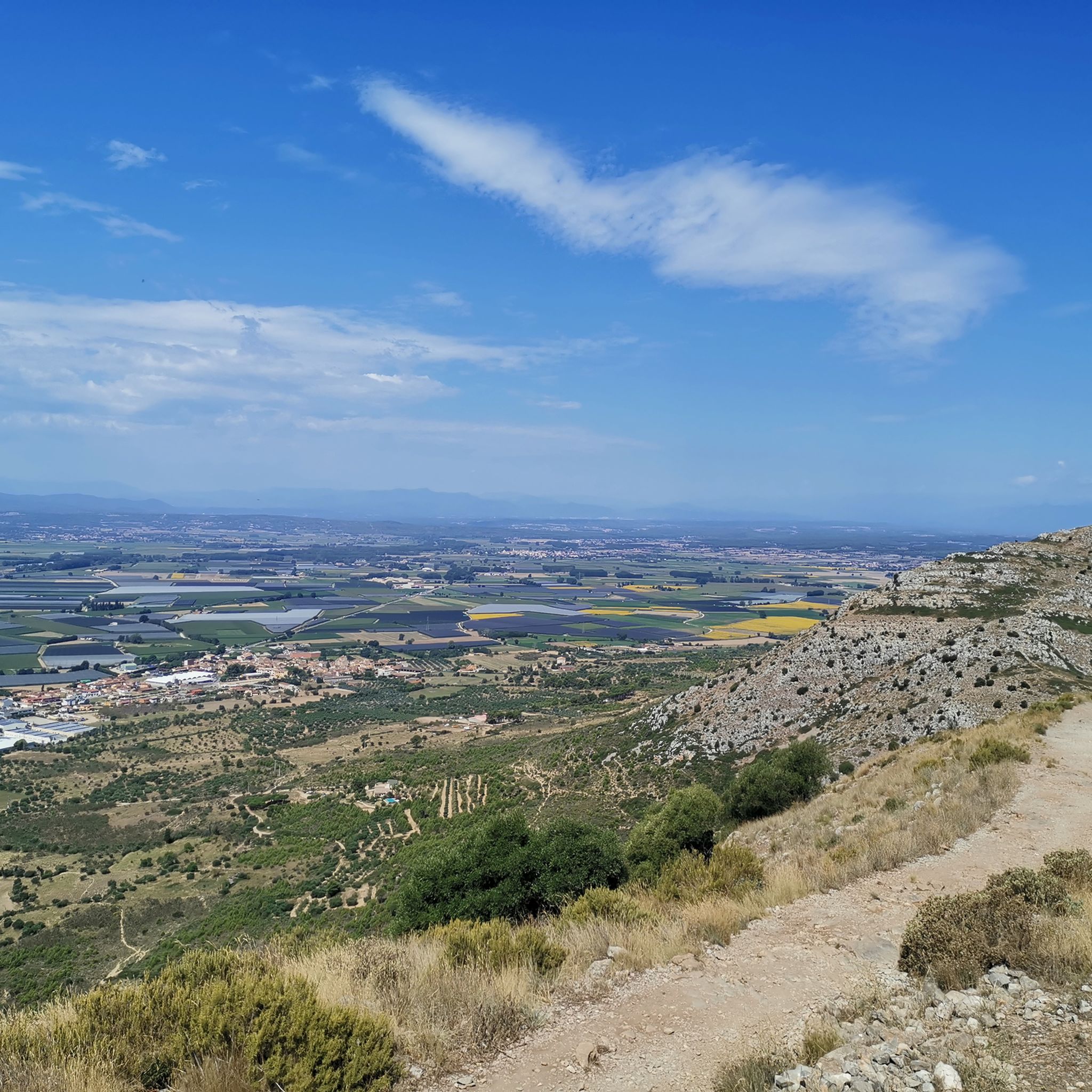
The Montgrí massif culminates in the Montplà summit. Taking into account that the surrounding towns are at sea level, its 310 meters give it a 360 degree panoramic view. In addition, you can also see the archipelago of the Medas Islands.
2
1

This and other dolmens in the area are clear testimony to the importance of the Fitor megalithic area, dating from the late Neolithic to the Chalcolithic (2500 BC to 1800 BC). Specifically, the Tres Caires dolmen is made up of slate slabs arranged horizontally and vertically, and it preserves six of these slabs, including the roof. In addition to this dolmen, you can find within a radius of less than 500 meters the dolmens of Tres Peus and Serra de Calç or the dolmen of Las Maries.
4
0
Frequently Asked Questions
What types of natural monuments can I explore around Palau-Sator?
Around Palau-Sator, you can explore a diverse range of natural monuments including elevated viewpoints like Montplà Summit, scenic coastal features such as Red Island Cove and The Mouth of the Ter, and historical megalithic sites like Dolmen dels Tres Caires. The region also features mountain passes offering stunning vistas.
Which natural monuments offer the best panoramic views near Palau-Sator?
For breathtaking panoramic views, consider visiting Montplà Summit. From its 310 meters, it provides a 360-degree view, including the Medas Islands archipelago. Another excellent spot for views is Coll de la Creu de Santa Caterina, located at the foot of Montgrí castle.
Are there any historical or ancient natural monuments in the area?
Yes, the region is rich in historical natural monuments. The Dolmen dels Tres Caires is a significant megalithic site dating from the late Neolithic to the Chalcolithic period (2500 BC to 1800 BC). It served as a collective tomb and is made up of impressive slate slabs. Several other dolmens are also found within a 500-meter radius.
What kind of coastal natural monuments can I find around Palau-Sator?
The area boasts beautiful coastal natural monuments. Red Island Cove is a small, scenic beach known for its natural beauty. Another unique coastal feature is The Mouth of the Ter, where the River Ter meets the sea, offering a beautiful stretch of beach and spectacular sunsets.
Are there opportunities for hiking or walking near these natural monuments?
Absolutely. The region around Palau-Sator is part of the GR 92 long-distance footpath, providing numerous opportunities for hiking and walking. For specific routes, you can explore the Running Trails around Palau-Sator guide, which includes routes like the 'Pals – Pals loop from Palau-sator'.
What other outdoor activities can I do near the natural monuments?
Beyond hiking, the area offers excellent opportunities for cycling. You can find various routes in the Road Cycling Routes around Palau-Sator guide, such as the 'Palau-Sator Historic Village – La Ganga Pass from Calonge loop from Pals'. For mountain biking enthusiasts, the MTB Trails around Palau-Sator guide features routes like the 'Baix Empordà Medieval Villages Loop'.
What should I know before visiting Red Island Cove?
Red Island Cove is a comparatively small beach with beautiful scenery. It's advisable to visit outside of peak hours if you prefer a quieter experience. It's also noted as a nude beach, so visitors should be respectful.
Is sturdy footwear required for visiting any of the natural monuments?
Yes, for certain locations like Coll de la Creu de Santa Caterina, especially if you plan to combine it with a visit to Castell de Montgrí, sturdy footwear is highly recommended due to the terrain.
What makes The Mouth of the Ter a unique natural monument?
The Mouth of the Ter is unique because it's where the River Ter meets the Mediterranean Sea, creating a distinctive landscape. It's particularly renowned for offering some of the best sunsets in the area, and you can often witness the moon rising over the sea simultaneously.
Are there any natural monuments that are particularly good for photography?
Many natural monuments around Palau-Sator offer excellent photographic opportunities. Montplà Summit provides expansive 360-degree views perfect for landscape photography. The Mouth of the Ter is ideal for capturing stunning sunsets and coastal scenes, often with the Illes Medes archipelago in the background.
What is the best time to visit the natural monuments around Palau-Sator?
The region offers diverse experiences throughout the year. For enjoying the beaches and coastal areas like Red Island Cove, the warmer months are ideal. For hiking and exploring viewpoints or historical sites like Montplà Summit or Dolmen dels Tres Caires, spring and autumn offer pleasant temperatures and fewer crowds.
Most popular routes around Palau-Sator
Most popular attractions around Palau-Sator

Get inspired with the komoot mobile app


Explore more
Extend your search for the best caves by checking out these guides of the top ones around Palau-Sator:
