Top 15 Natural Monuments around San Pedro Del Romeral
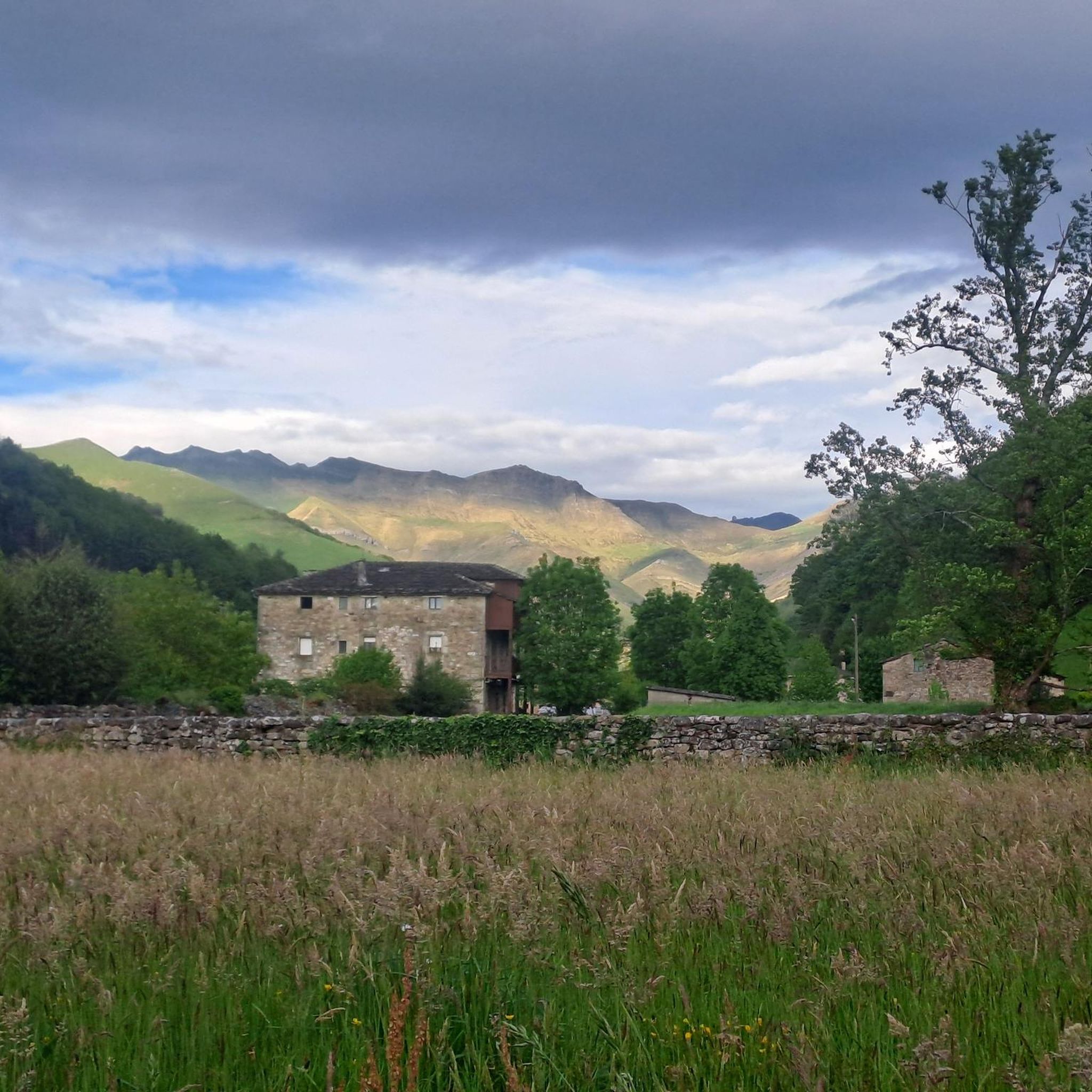
Best natural monuments around San Pedro Del Romeral are characterized by rugged mountain landscapes and deep valleys within the Pasiegos Valleys of Cantabria, Spain. The region features significant peaks, scenic passes, and diverse natural attractions. This area provides an ideal setting for outdoor activities, showcasing a rich natural heritage. The terrain difficulty varies, offering options for different experience levels.
Best natural monuments around San Pedro Del Romeral
- The most popular natural monuments is Castro Valnera Summit, a summit that…
Last updated: July 1, 2026
Castro Valnera Summit
Highlight • Summit
Translated by Google •
Tip by

Hermitage of San Bernabé of Ojo Guareña
Highlight • Religious Site
Translated by Google •
Tip by

Sign up now to discover places like this
Get recommendations on the best single tracks, peaks, & plenty of other exciting outdoor places.
Sign up for free
Salceda Waterfall
Highlight • Waterfall
Translated by Google •
Tip by

Ojo Guareña Natural Monument
Highlight • Natural Monument
Translated by Google •
Tip by

The Ventanón
Highlight • Natural Monument
Translated by Google •
Tip by
Sign up for free to discover even more natural monuments around San Pedro Del Romeral.
Sign up for free
Already have an account?
Start today with a free account
Your next adventure awaits.
Login or Signup
Tips from the Community

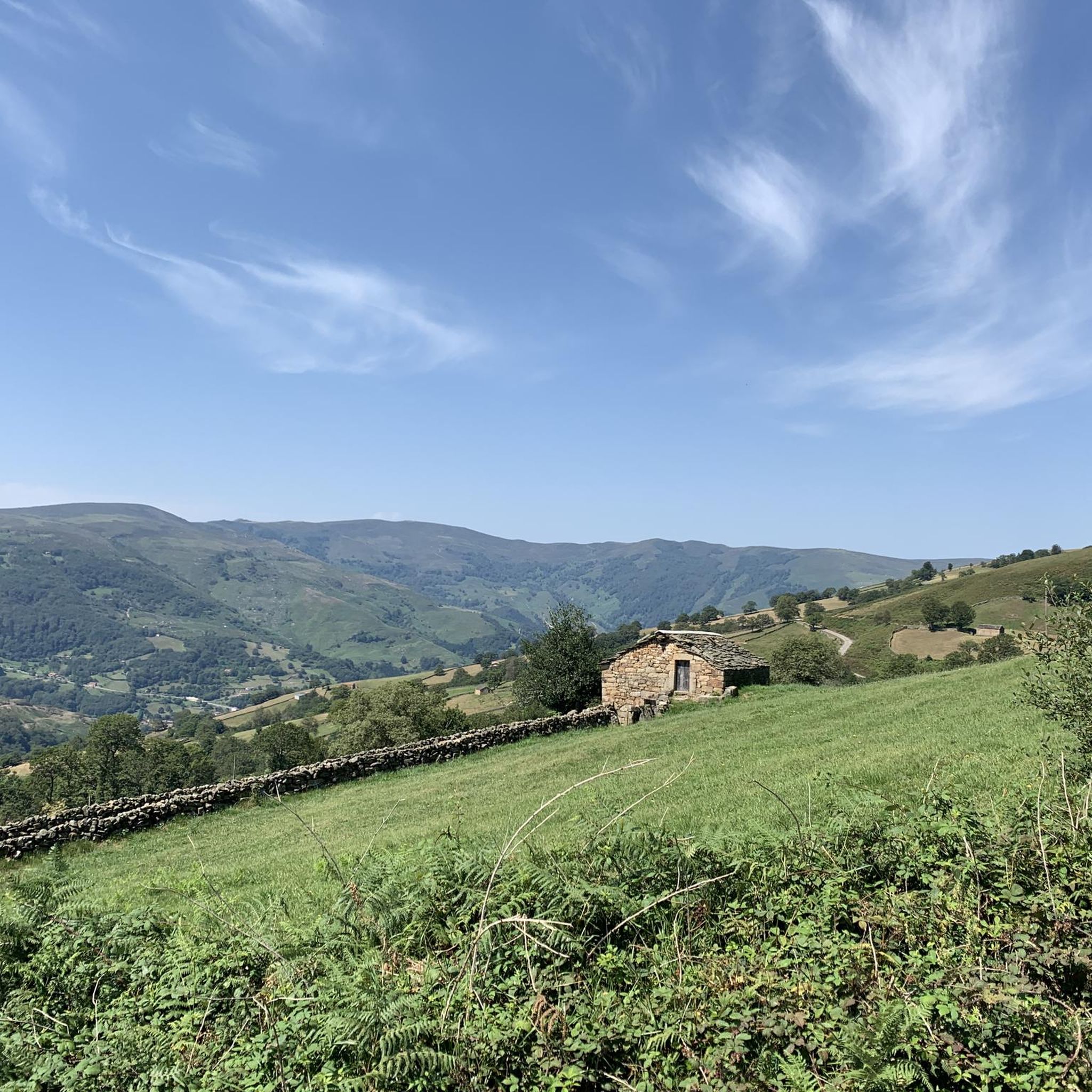
The hermitage of San Bernabé is located at the main entrance of the Ojo Guareña Karst Complex and is part of the caves. Located in the municipality of Cueva de Sotoscueva. The date of its construction is unknown, some place it between the 8th and 9th centuries, but it is also believed to be from the 13th century.
0
0

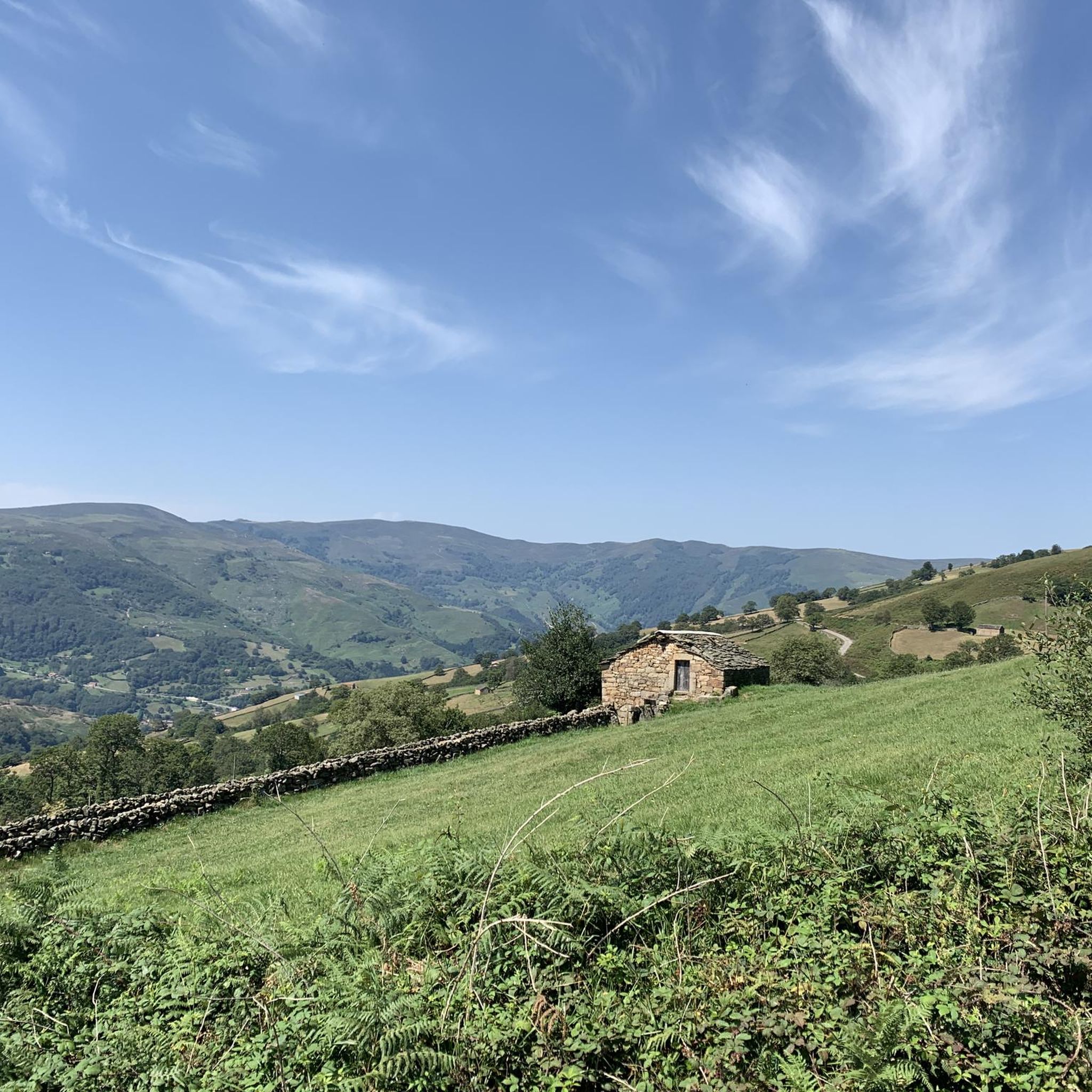
The Salceda waterfall is formed in the Sotoscueva valley, in the course of the San Miguel River as it passes through the municipality of Quisicedo. It has a 30 meter drop, although in some points the slope is so gentle that it causes the water, rather than falling, to slide over the stones. It is worth leaving the path for a few meters to admire this spectacular and hidden corner.
0
0

The panoramic views from the top are spectacular
2
0

In the Merindades region to the north of Burgos is the Cueva Ermita de San Bernabé, located at the main entrance of the karstic complex of the Ojo Guareña Natural Monument, a hermitage that was previously dedicated to San Tirso and later San Bernabé
0
0
This impressive 30-meter waterfall, formed by the waters of the San Miguel stream, remains hidden in the Sotoscueva Valley and is the culmination of a set of waterfalls that plunge down the slopes of Los Montes de Somo.
1
0
An opening that appears in one of the mountain walls and that gives a view of the lands below the hills
2
0

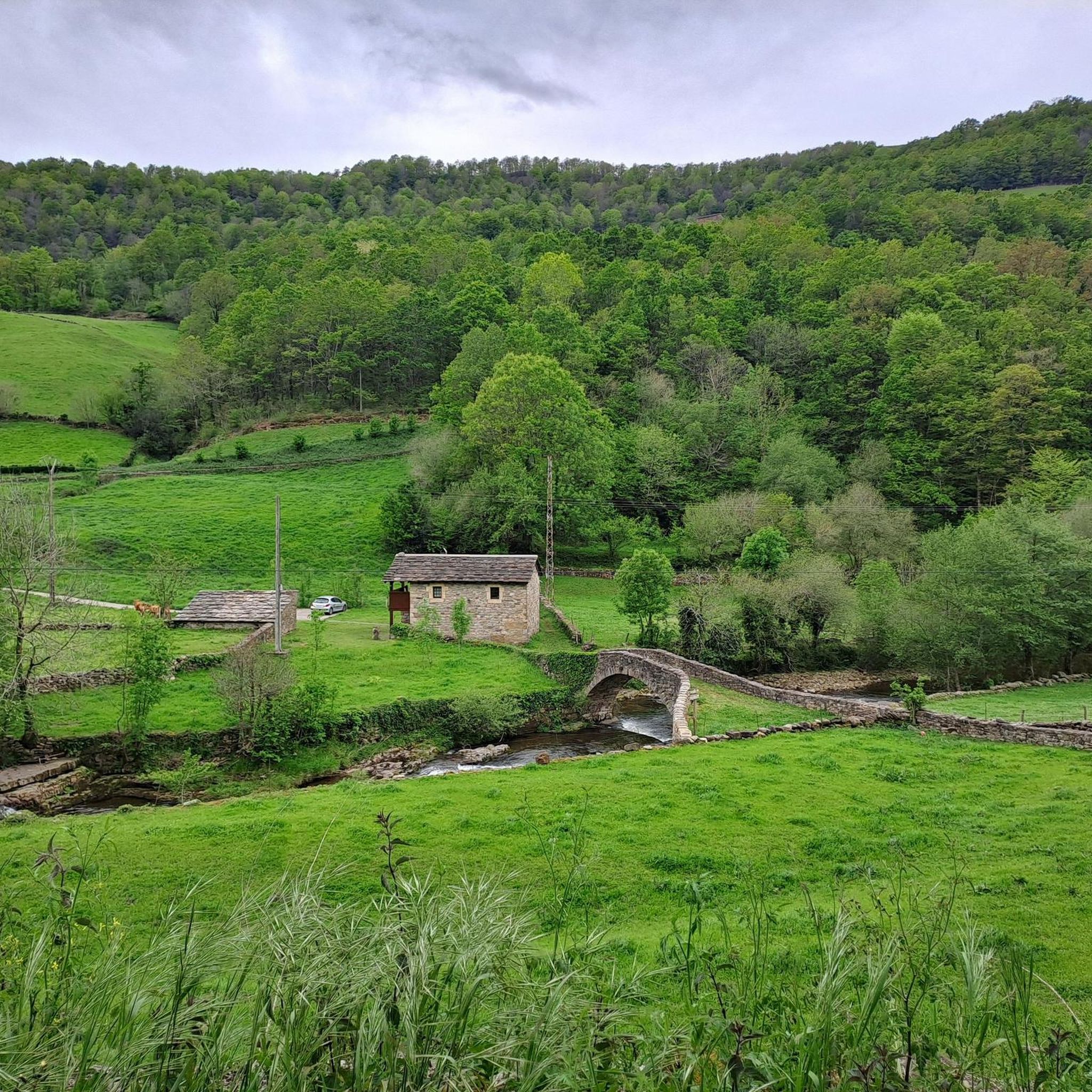
Ojo Guareña is a karstic complex formed by more than 110 km of galleries. The second largest karstic system in the Iberian Peninsula (the first is Sistema del Mortillano).
3
0

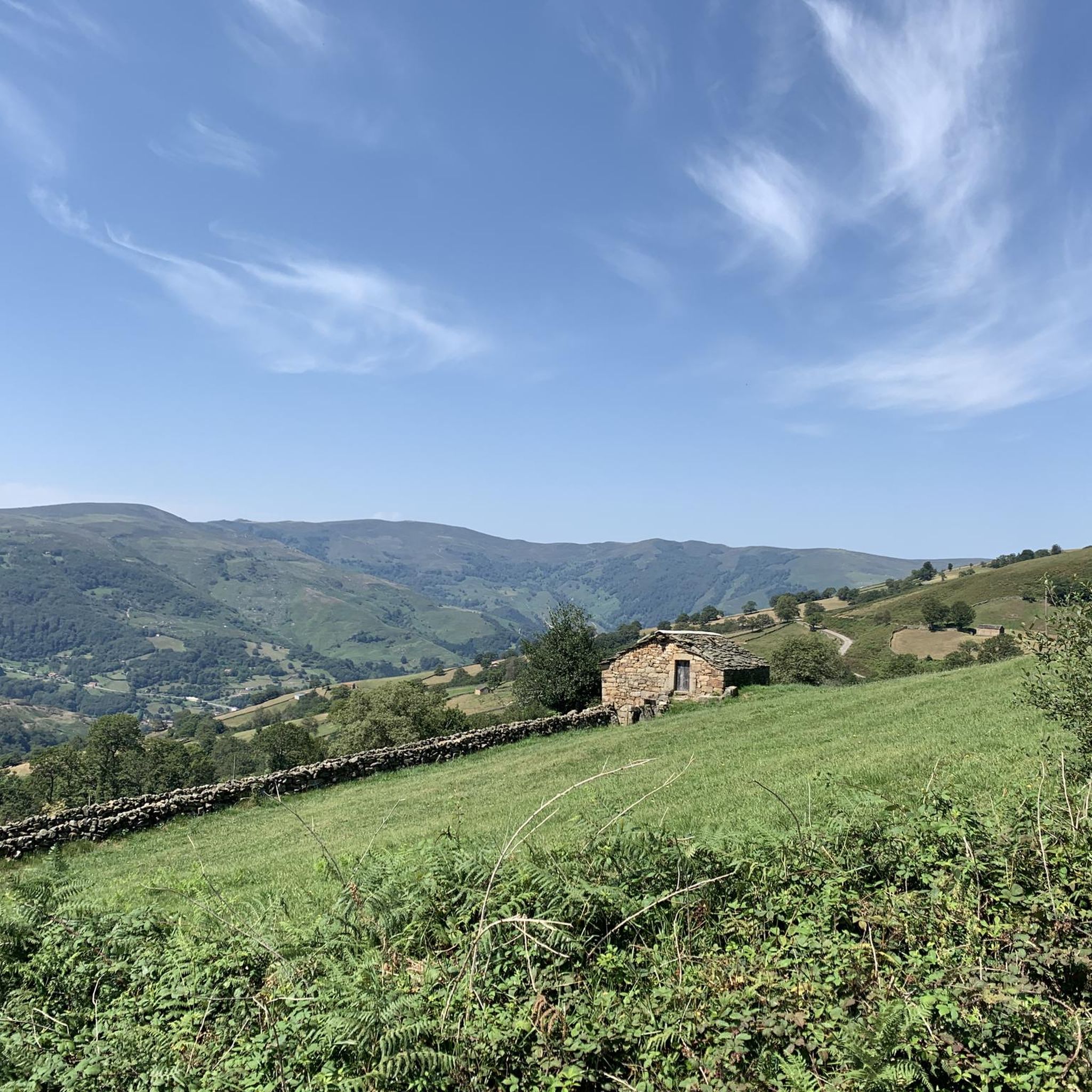
Castro Valnera is a beautiful, formidable mountain with its 1,718 meters. It is the highest in the eastern sector of the Cantabrian mountain range.
10
1
Frequently Asked Questions
What are some of the most impressive natural features to explore around San Pedro Del Romeral?
The region is rich in natural beauty. You can visit the formidable Castro Valnera Summit, the highest peak in the eastern Cantabrian mountain range, offering impressive panoramic views. Another notable spot is Muela de Dulla, known for its spectacular mountain views and unique geological formations. For a different experience, the Pozo Guarguero Waterfall provides a serene break spot.
Are there any historical or cultural sites integrated with the natural landscape?
Yes, the Hermitage of San Bernabé of Ojo Guareña is a unique religious building and cave system. Visitors can explore this historical site which is fascinatingly integrated into a natural cave formation, offering a blend of history and natural wonder.
What kind of hiking trails can I find near the natural monuments?
The area offers a variety of trails. For challenging hikes with rewarding views, consider routes leading to Castro Valnera Summit or Muela de Dulla. The Collado de la Canal also features an intermediate trail that offers a 'window' to the Cantabrian peaks. For more options, you can explore various running trails around San Pedro Del Romeral, many of which pass through scenic natural areas.
Are there any family-friendly natural monuments or trails suitable for beginners?
The Pozo Guarguero Waterfall is considered family-friendly and is easily accessible, making it a great spot for a break or a short visit. Additionally, the 'Route of the Waterfalls and Mills' near Bustaleguín, though not a specific highlight in our guide, is a serene and accessible circular trail perfect for nature lovers and families, featuring waterfalls and ancient mills.
What is the best time of year to visit the natural monuments around San Pedro Del Romeral?
The region can be enjoyed year-round. Winter and spring offer increased river flow and greener scenery, especially around waterfalls and forested areas. However, for high-altitude summits like Castro Valnera Summit, it's important to be aware that conditions can be dangerous with fog, wet ground, snow, or ice, so summer and early autumn might be more suitable for those challenging ascents.
What outdoor activities, besides hiking, can I do near these natural monuments?
The mountainous and forested terrain around San Pedro Del Romeral is ideal for various outdoor activities. You can find numerous MTB trails and road cycling routes that traverse the scenic landscapes, including challenging mountain passes. Horseback riding is also a popular activity in the area.
What should I wear or bring when visiting the natural monuments, especially for mountain hikes?
For mountain hikes, especially to summits like Castro Valnera Summit or Muela de Dulla, it's crucial to wear appropriate hiking gear, including sturdy footwear. Be prepared for changing weather conditions, as fog can descend quickly, and ground can be wet or icy. Layers of clothing are recommended, along with navigation tools and sufficient water and snacks.
Are there any natural monuments with particularly good viewpoints?
Absolutely. Both Castro Valnera Summit and Muela de Dulla are renowned for their spectacular, far-reaching views of the Cantabrian area and surrounding mountains. The Collado de la Canal mountain pass also offers a beautiful 'window' to the Cantabrian peaks, marking the geographical border between valleys.
What do visitors particularly enjoy about the natural monuments in this region?
Visitors frequently praise the impressive and unrepeatable views from the high summits, often extending to the Cantabrian Sea on clear days. The tranquility and natural environment, along with the diverse landscapes ranging from rugged peaks to serene waterfalls and ancient mills, are highly appreciated. The unique integration of historical sites like the Hermitage of San Bernabé of Ojo Guareña within natural caves also leaves a lasting impression.
Are there any natural monuments that are particularly challenging to access or hike?
Yes, Castro Valnera Summit is considered challenging due to its elevation and potential for dangerous conditions like fog, wet ground, or snow/ice. The descent from Castro Valnera along the ridge can be strong and technical. Similarly, Muela de Dulla also involves challenging sections, with paths approaching cliff edges and a third-grade climbing pass at Paso del Arbol.
Can I find circular walks among the natural monuments?
While specific circular routes for all listed natural monuments aren't detailed, the 'Route of the Waterfalls and Mills' near Bustaleguín is a well-known circular trail that allows you to experience natural beauty, including waterfalls and forests. For other areas, many hiking and cycling routes in the region are designed as loops, such as those found in the running trails around San Pedro Del Romeral guide.
Are there opportunities to see wildlife near the natural monuments?
The extensive forests and mountainous terrain around San Pedro Del Romeral provide a rich habitat for local flora and fauna. While specific wildlife sightings are not guaranteed, hiking through these natural areas offers excellent opportunities for observing various species in their natural environment, especially in the quieter, less frequented spots.
Most popular routes around San Pedro Del Romeral
Most popular attractions around San Pedro Del Romeral

Get inspired with the komoot mobile app


Explore more
Extend your search for the best caves by checking out these guides of the top ones around San Pedro Del Romeral:
