Top 20 Natural Monuments around Les Masies De Voltregà
Best natural monuments around Les Masies De Voltregà are characterized by a diverse landscape, including river ecosystems, extensive forests, and geological formations. The area is situated along the Ter River, which supports rich birdlife and well-preserved riverside habitats. Varied woodlands, such as oak and holm oak forests, contribute to the region's ecological significance. These natural features offer opportunities for hiking and observing local flora and fauna.
Best natural monuments around Les Masies De Voltregà
- The most popular natural monuments is…
Last updated: July 1, 2026
Sant Feliuet de Savassona Hermitage
Highlight • Religious Site
The church was …
Translated by Google •
Tip by

Pedra de les Bruixes Rock Engravings
Highlight • Historical Site
Translated by Google •
Tip by

Sign up now to discover places like this
Get recommendations on the best single tracks, peaks, & plenty of other exciting outdoor places.
Sign up for free
Els Bufadors de Beví
Highlight • Natural Monument
Translated by Google •
Tip by
Petroglyphs of the Pedra de l'Home (Pla de Savassona)
Highlight • Historical Site
Translated by Google •
Tip by

The Lady's Oak
Highlight • Natural Monument
Translated by Google •
Tip by

Sign up for free to discover even more natural monuments around Les Masies De Voltregà.
Sign up for free
Already have an account?
Start today with a free account
Your next adventure awaits.
Login or Signup
Tips from the Community

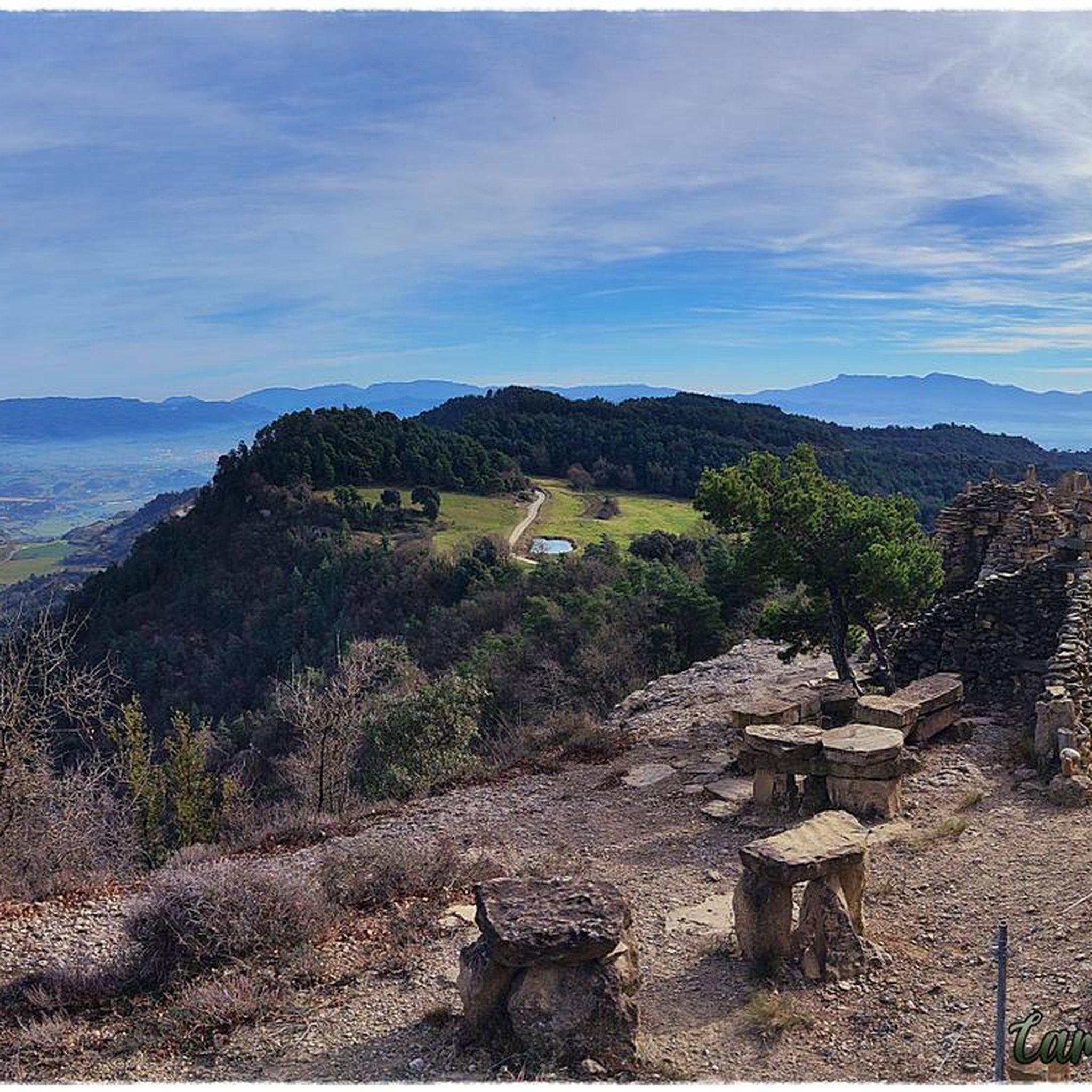
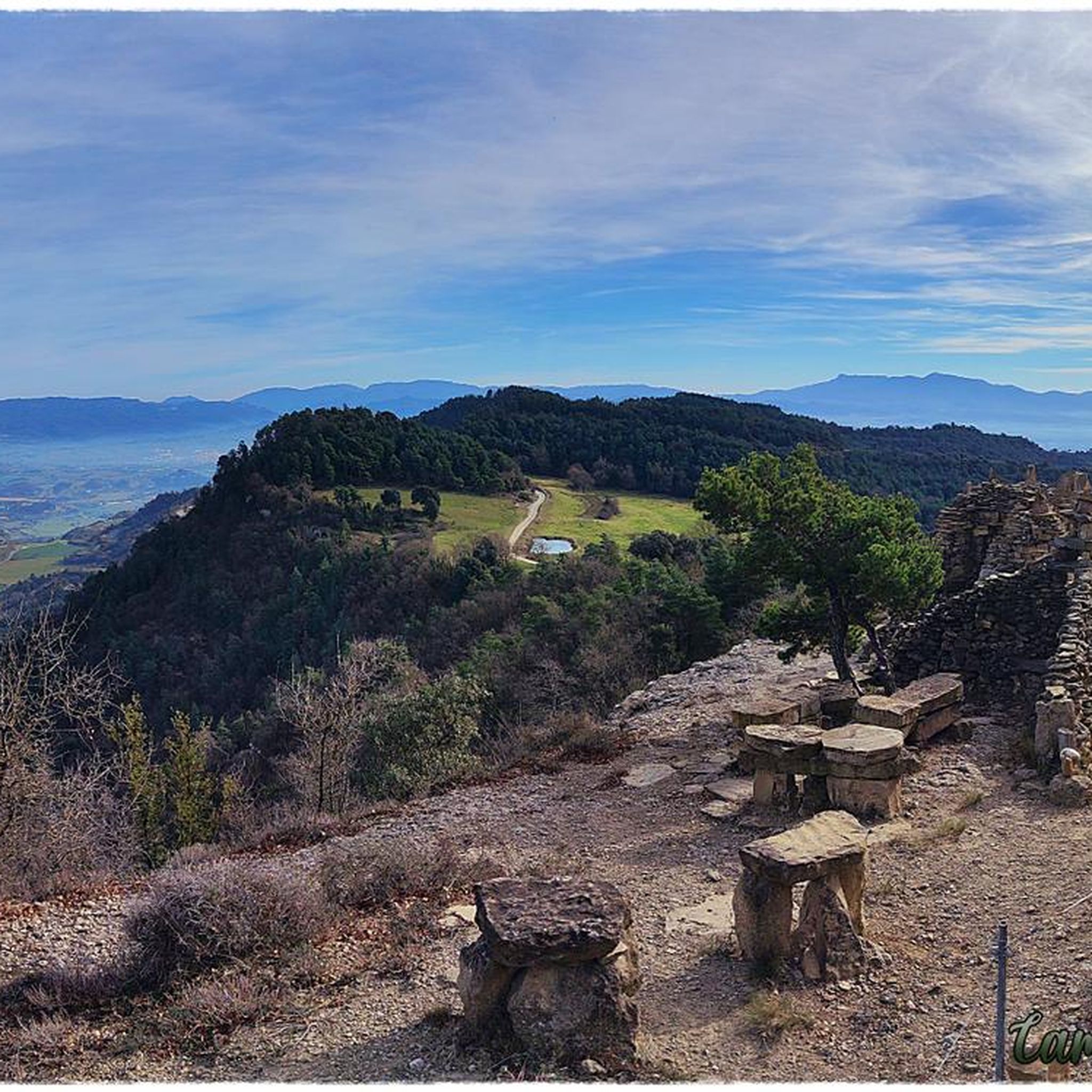
Here you can see some impressive sunsets, with specially placed benches, to enjoy some views, and incredible sunsets 🤩
0
0
On this rock we can see the figure of a man engraved, although it is a little difficult to see because of the moss that covers it.
0
0

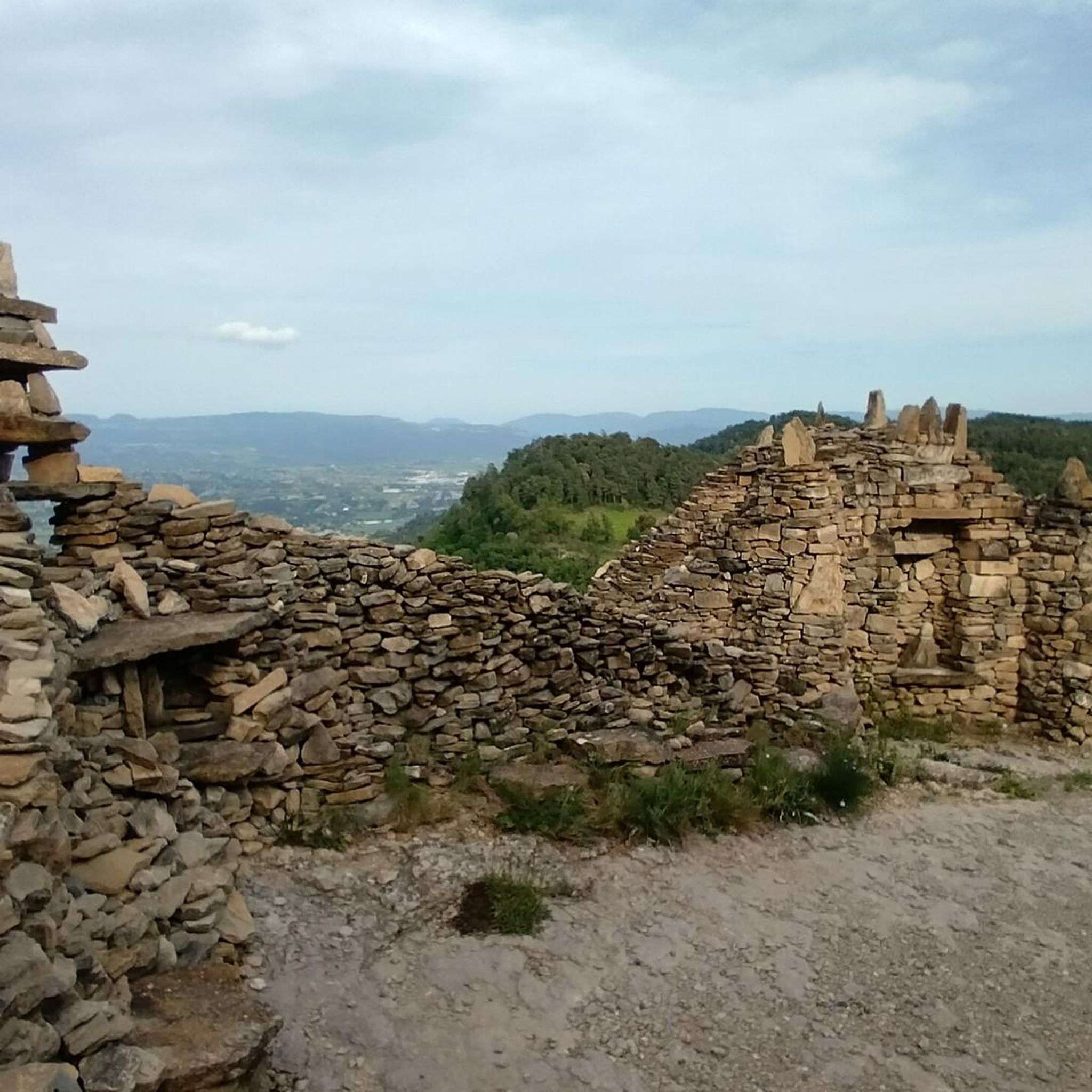
Itinerary through the Plan de Savassona that includes the Romanesque hermitage of Sant Feliu as well as medieval remains such as anthropomorphic tombs, medieval stairs, several engraved stones used for sacrifices and magical acts: The Dau, Stone of Sacrifices, Stone of the Witches, Stone of the 'Man. https://parcs.diba.cat/documents/75109/15894265/p02d067.pdf/9ed9c436-da7a-4c78-b59a-bab3ad98e942
0
0

The Pla de Savassona, in the heart of the natural area, houses an interesting archaeological site that includes various rocks with engravings and Neolithic, Iron Age, Iberian and medieval remains. The one known as the stone of Man, for example, presents an anthropomorphic petroglyph, while the stone of the Witches presents engravings in the shape of a horseshoe and a cross. Under the Sacrifice stone, one of the largest in the site, two tombs have been found.
2
1

One of the most spectacular engravings that can be found in Plan de Savassona is that of the anthropomorphic figure on the small stone known as Pedra de l'Home or Pedra del Nen. It is a figure made with a very well-marked stroke with a very large head and incisions representing the eyes and mouth or nose. The shapes are disproportionate and simple. She seems asexual, although some studies attribute her female sex. On the same stone we see many very different marks, but a combination of elements around the human figure that wants to represent a goat or similar animal stands out. The anthropomorphic figure was particularly affected by mosses, algae and lichens. During the cleaning work carried out in the summer of 2012, it was possible to identify a red stain caused by some cremation done on the rock at some undetermined time. The Pedra de l'Home has been granted BCIN (Cultural Property of National Interest) degree of protection.
1
2
It is a large stone with a central cleft that divides it into two halves, which has a great density and diversity of engravings. There are more than a hundred representations: fifty cruciform elements dominated by the Latin cross topped with small bowls at the ends; nine horseshoes; six casseroles; several circles; and other figures among which stand out two V-shaped, two 8-shaped, and three combinations of peculiar elements. The variety of motifs and techniques used do not allow defining a single meaning or a single chronology. The most frequent chronological attributions range from the Bronze Age to the medieval period.
1
1

The Stone of the Witches is a large natural stone with a large central crack that divides it into two halves. On this stone you can see a lot of medieval engravings - more than 50 crosses, 9 horseshoes, 6 bowls, various circles and other figures. According to legend, these marks were made by witches who were at odds with the Baron of Savassona. It seems that the Baron of Savassona was connected to the Inquisition and the witches wanted to send him a warning.
1
1
The blowers are holes or slits through which a current of air comes out. It is worth the walk through the wonderful place where the holes are located, since its location in the lower part of the Sierra dels Bufadors creates a special microclimate, with large boulders covered in moss and a very particular flora. It is not a very large area, elongated and more or less narrow. We have to look at the holes in the floor. If we approach it we will notice that the air coming out is cold. Sometimes you can hear it whistling inside, hence the name blowers. As we progress we will find more holes. Some of them have been reviewed by speleological experts. Here the ground is unstable and it is not advisable to enter the blowers. It is a place of great beauty that has a magical air.
3
0
Frequently Asked Questions
What unique natural features can I explore around Les Masies De Voltregà?
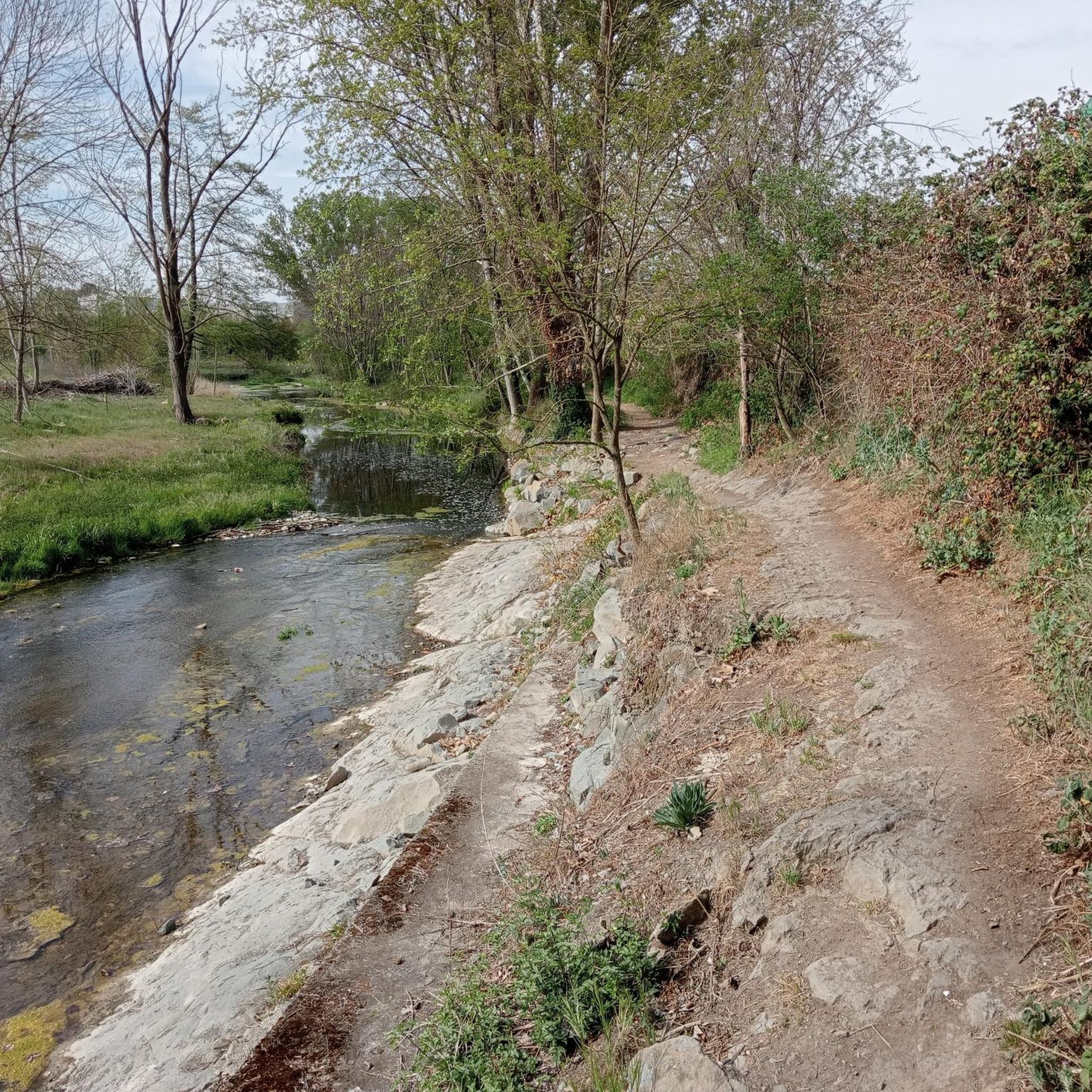
Les Masies de Voltregà offers a diverse natural landscape. You can explore the unique microclimate and air currents at Els Bufadors de Beví, a natural monument featuring caves and a gorge. The area is also rich in river ecosystems, such as the Illa del Sorral (Gallifa Island) on the Ter River, known for its well-preserved riverside forest and wetland habitat. Additionally, the region boasts extensive oak and holm oak forests, providing varied flora and fauna.
Are there any historical or cultural sites with natural monument status in the area?
Yes, several sites blend natural beauty with historical significance. The Sant Feliuet de Savassona Hermitage is a religious building and historical site located on a hill, offering panoramic views of the Ter River. The area also features ancient rock engravings, such as the Pedra de les Bruixes Rock Engravings and the Petroglyphs of the Pedra de l'Home (Pla de Savassona), which showcase Neolithic, Iron Age, Iberian, and medieval remains.
What kind of wildlife can I observe near the natural monuments?
The Ter River and its riverside forests are vital habitats for protected bird species, including various types of herons like the great egret, little egret, and night heron, making it an excellent spot for birdwatching. The diverse woodlands are home to foxes, magpies, wild boars, weasels, short-toed eagles, lanner falcons, salamanders, and water snakes. Near The Lady's Oak, you might spot larks, crickets, quails, bald eagles in summer, and an exceptional population of black woodpeckers.
Are there family-friendly natural monuments or activities in Les Masies De Voltregà?
Yes, The Lady's Oak is considered family-friendly. This ancient oak, over 500 years old with one of Catalonia's largest crowns, has a tidy environment with benches, perfect for a relaxing visit with children. The general area's extensive oak forests and riverbanks also offer gentle paths suitable for family walks and nature observation.
What are the best hiking trails near these natural monuments?
The region offers numerous hiking opportunities. You can explore routes like the 'Circular route Valle de Ges - (PR-C 45)' or the 'Circular route of Voltregà - (PR-C 49)', both offering challenging hikes through the diverse landscape. For more options, you can find detailed hiking routes in the Hiking around Les Masies De Voltregà guide.
Can I go cycling or running near the natural monuments?
Absolutely. The area provides excellent terrain for both cycling and running. Cyclists can enjoy routes such as 'Salto de la Minyona - circular gravel in the Espacio Natural de Les Guilleries-Savassona' or 'Camí dels Munts – Sant Bartomeu del Grau Church loop'. Runners have options like 'Castillo de Torelló loop' or 'Font de la Cadernera loop'. For more routes, check the Cycling around Les Masies De Voltregà guide and the Running Trails around Les Masies De Voltregà guide.
What is the best time of year to visit the natural monuments in Les Masies De Voltregà?
The region's natural beauty can be enjoyed throughout the year. Autumn is particularly spectacular for places like Els Bufadors de Beví due to the changing foliage. Spring and early summer are ideal for birdwatching along the Ter River, especially during nesting season. The diverse forests offer pleasant hiking conditions in spring and autumn, while the cooler months can provide a unique, tranquil experience.
Are there any natural monuments that offer great views or sunsets?
Yes, the Sant Feliuet de Savassona Hermitage, situated on a hill, is known for offering impressive panoramic views and incredible sunsets. Benches are specially placed there to enhance the experience. The Voltregà Castle, while a historical monument, also provides a natural vantage point at 854 meters with sweeping views of the surrounding landscape.
What kind of geological formations can be found in the area?
The region is characterized by unique geological formations. Els Bufadors de Beví features caves and a gorge with air currents emerging from rock formations, creating a distinctive microclimate. The area also has large natural stones, such as those bearing the ancient rock engravings, which are part of the geological heritage.
What makes the Illa del Sorral (Gallifa Island) significant?
The Illa del Sorral, or Gallifa Island, is a significant fluvial island located within the meanders of the Ter River. It is recognized as one of the few and most well-preserved river islands in the Alt Ter area, featuring a valuable and well-conserved riverside forest and wetland habitat. Its ecological importance as an example of a natural river ecosystem makes it a notable natural attraction.
Are the natural monuments accessible for visitors with dogs?
While specific dog-friendly designations for each monument are not provided, the general rural and forested landscape of Les Masies de Voltregà, with its numerous hiking and walking trails, is generally welcoming to dogs, especially on leash. Always ensure to follow local regulations and clean up after your pet to preserve the natural environment.
Most popular routes around Les Masies De Voltregà
Most popular attractions around Les Masies De Voltregà

Get inspired with the komoot mobile app


Explore more
Extend your search for the best caves by checking out these guides of the top ones around Les Masies De Voltregà:
