Top 8 Natural Monuments around Orbaneja Riopico
Best natural monuments around Orbaneja Riopico include significant archaeological sites and natural landscapes. The region is notable for its historical importance, particularly the Atapuerca Archaeological Site, a UNESCO World Heritage site. Visitors can explore areas that showcase the early presence of human beings in Europe. The landscape also features tranquil natural areas like the Carcedo Lagoons.
Best natural monuments around Orbaneja Riopico
- The most popular natural monuments is Atapuerca Archaeological Site, a historical site known for its prehistoric excavations.…
Last updated: July 1, 2026
Atapuerca Archaeological Site
Highlight • Historical Site
Translated by Google •
Tip by

Rosette Monument, Paseo de la Isla
Highlight • Monument
Translated by Google •
Tip by

Sign up now to discover places like this
Get recommendations on the best single tracks, peaks, & plenty of other exciting outdoor places.
Sign up for free
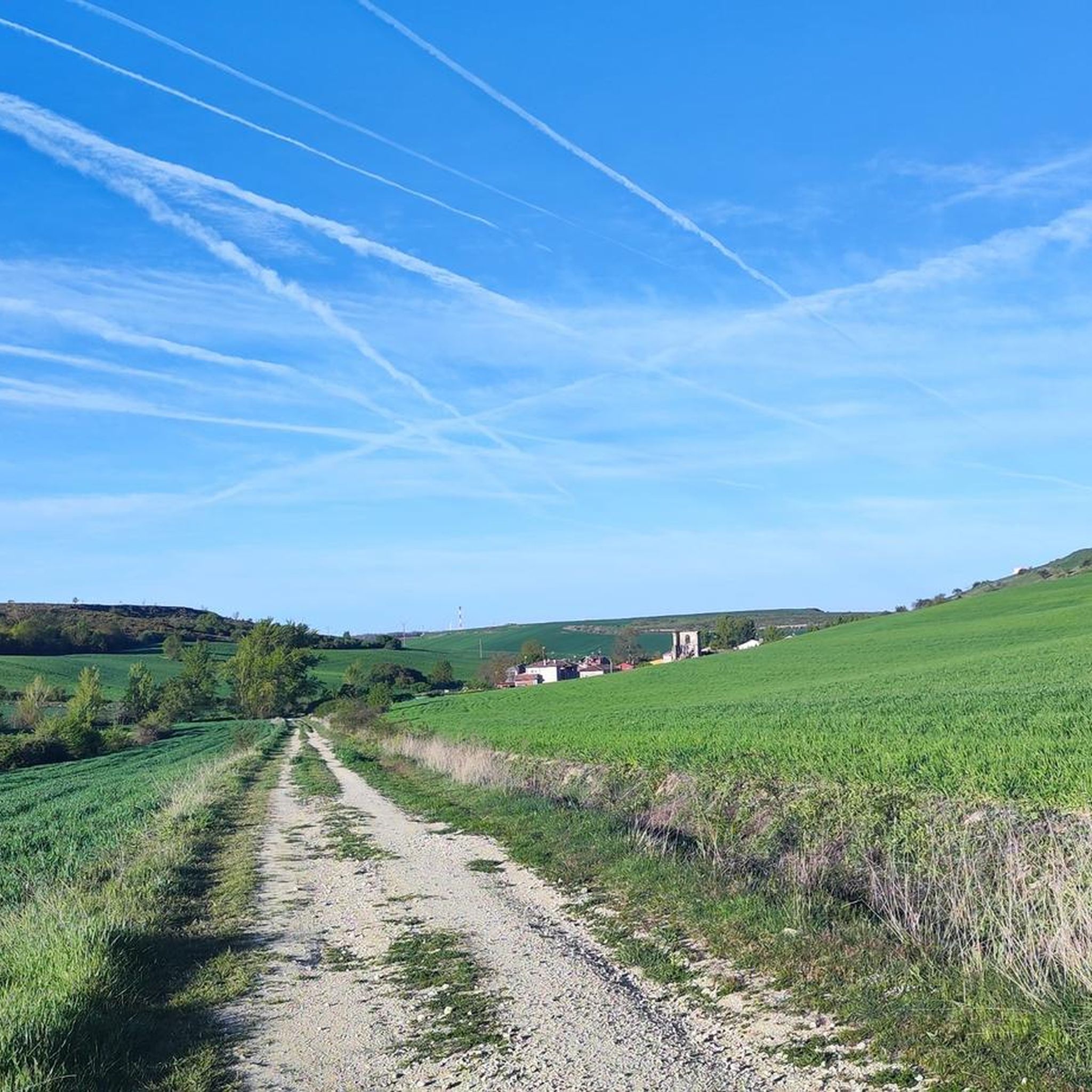
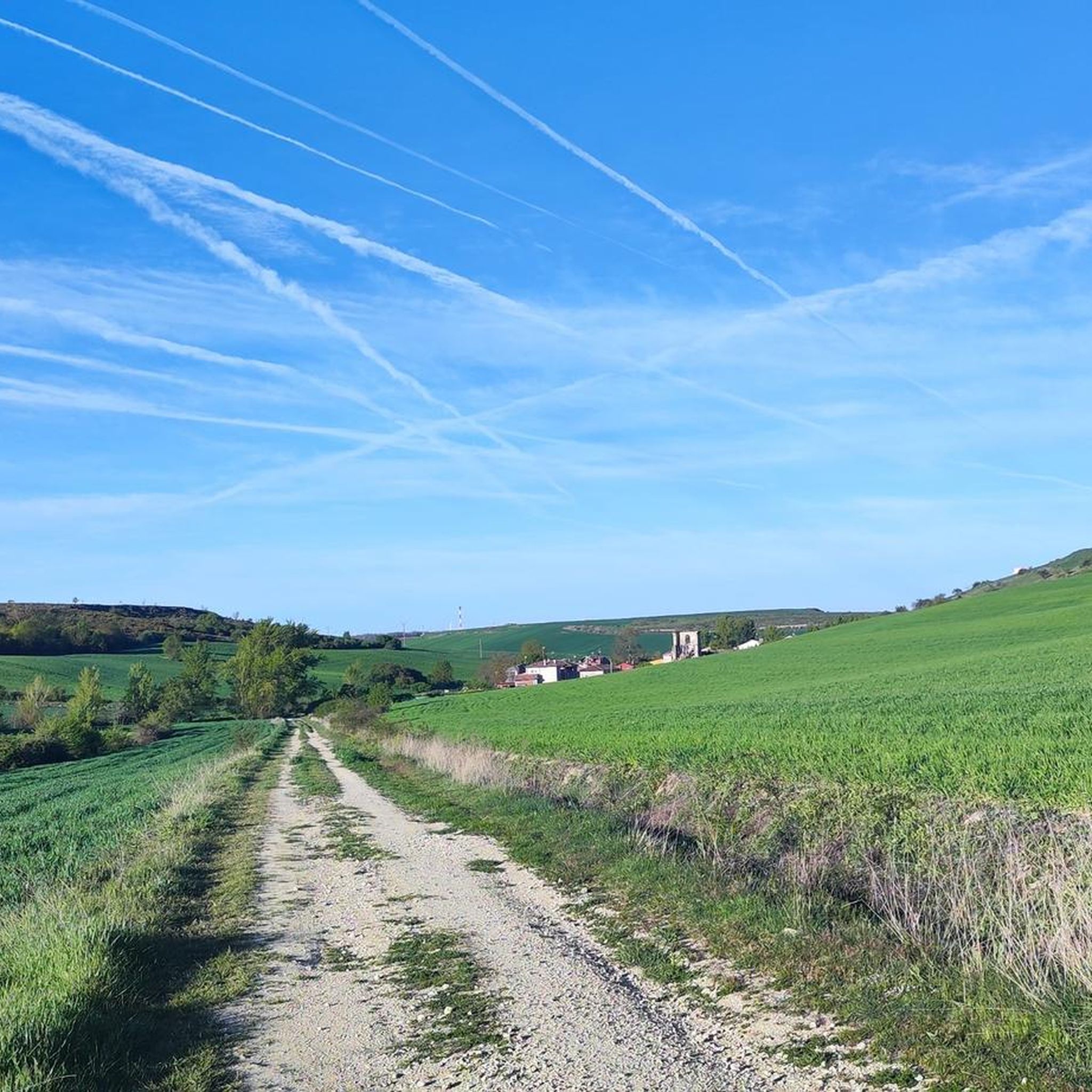
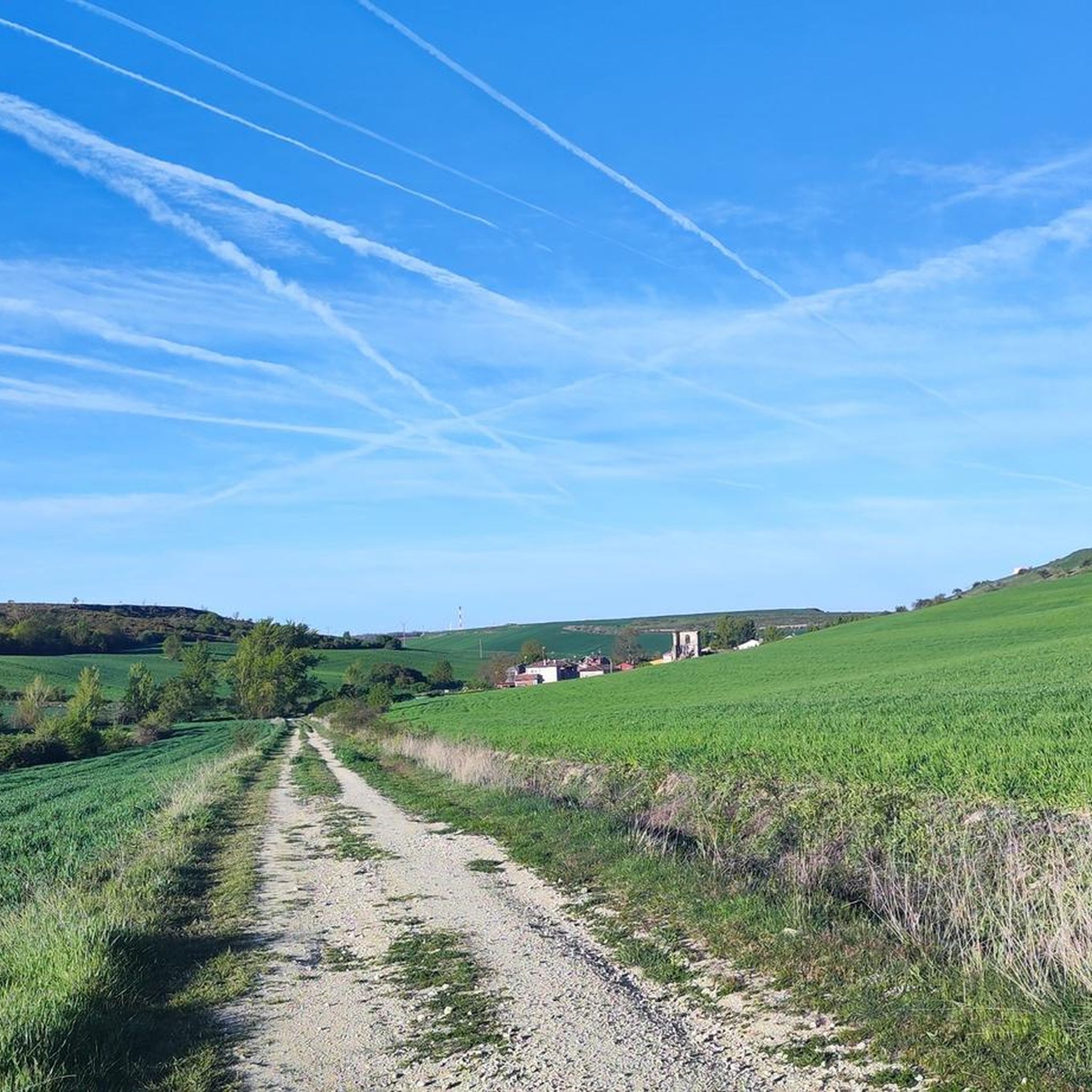
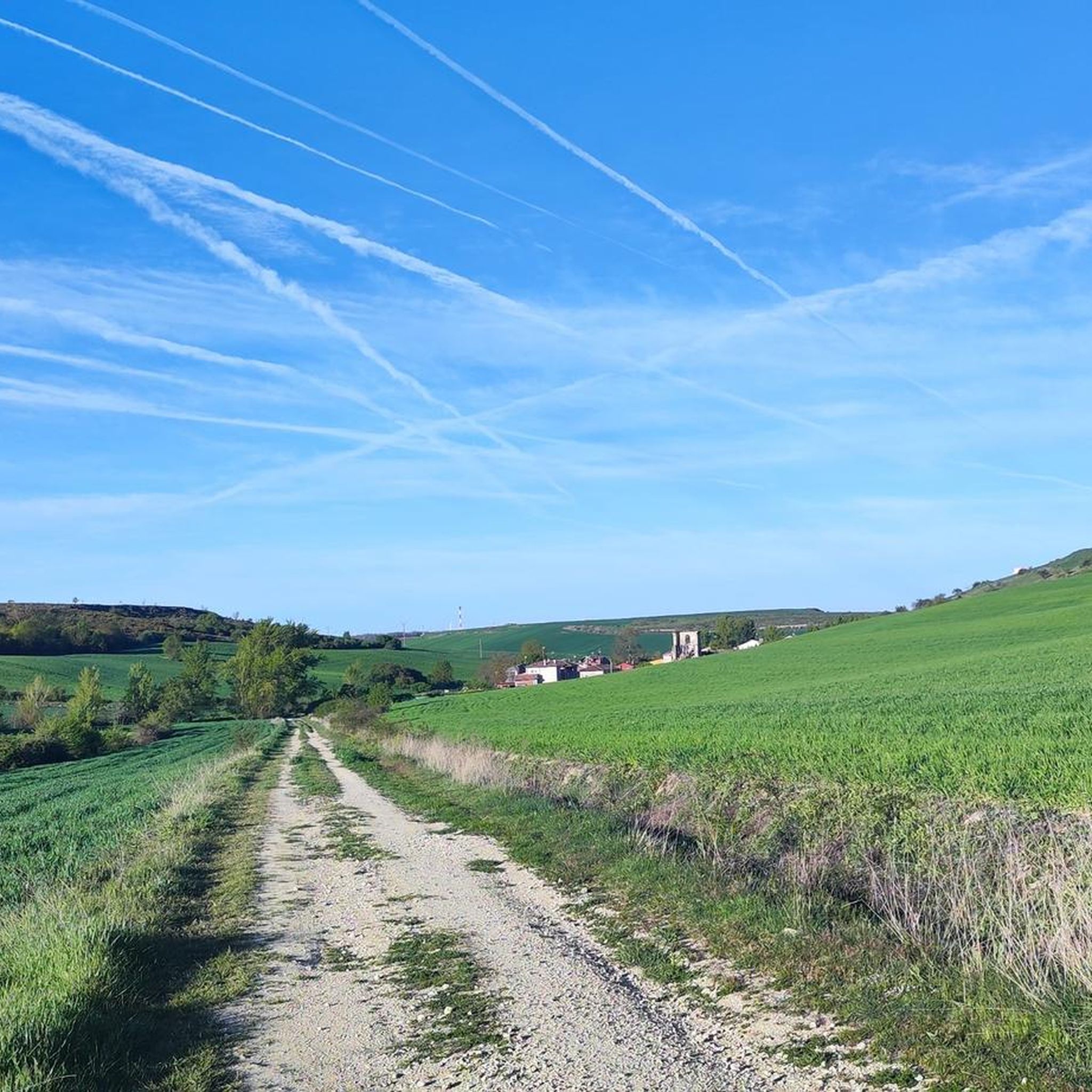
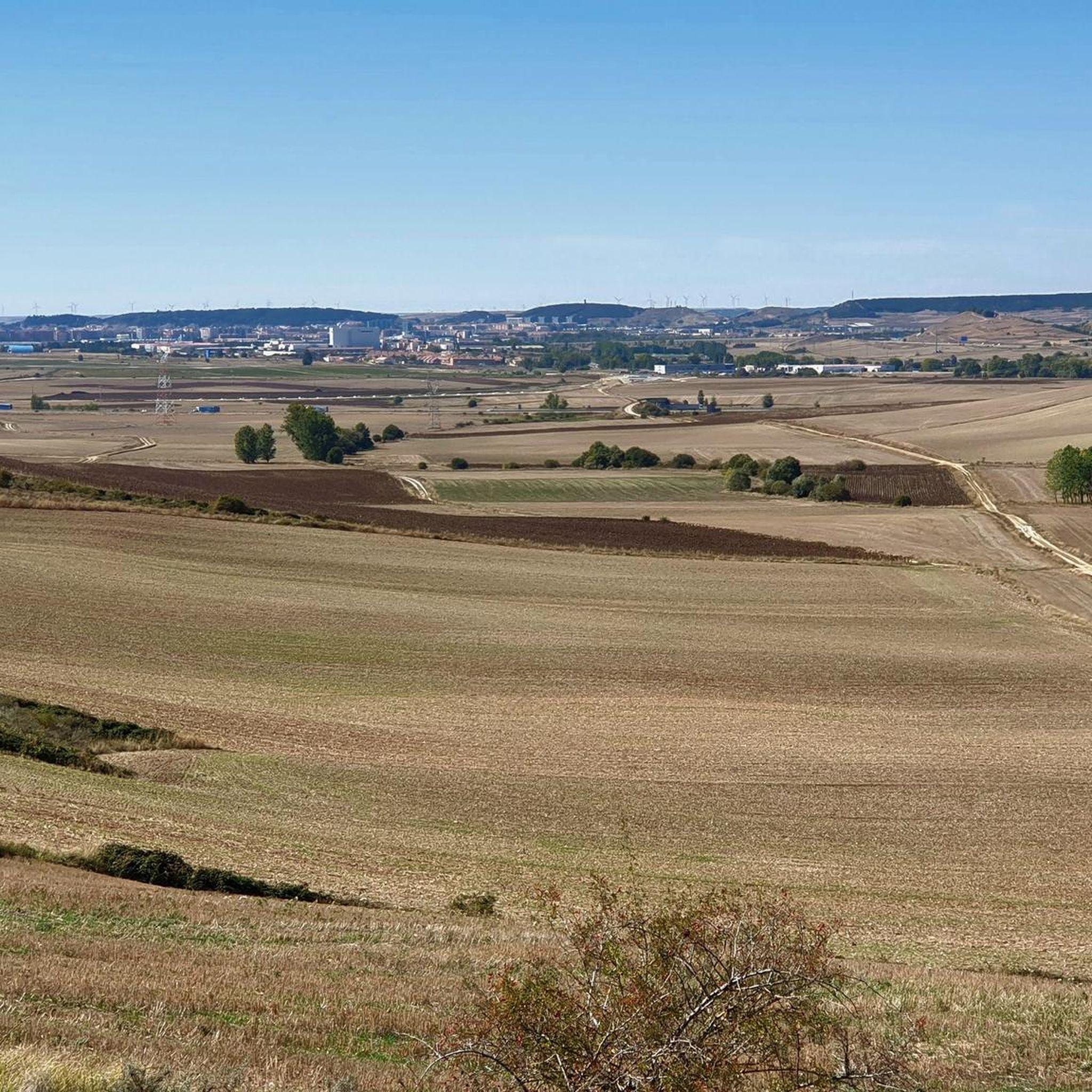
Castilian landscape
Highlight • Historical Site
Tip by

Beginning of human being in Europe
Highlight • Historical Site
Translated by Google •
Tip by

Carcedo Lagoons
Highlight • Lake
Translated by Google •
Tip by

Sign up for free to discover even more natural monuments around Orbaneja Riopico.
Sign up for free
Already have an account?
Start today with a free account
Your next adventure awaits.
Login or Signup

Tips from the Community

A small wetland near Carcedo, ideal for a quick stop, enjoying the scenery, and birdwatching.
0
0


Burgos has the privilege of being one of the greenest cities in Spain. According to a municipal study from 2018, we have 37 square meters of green areas per inhabitant, with the national average being 11 square meters per inhabitant. The creation of what would later be called Paseo de la Isla was born during the Napoleonic occupation of the city. Today it is an authentic botanical garden in which we find various species of trees and bushes perfectly identified with cartouches. We find chestnut trees, maples, firs, firs, plane trees, beeches, poplars, redwoods, cedars, cypresses, hollies, alders, strawberry trees, birches, catalpas, hawthorns, ashes, acacias... In 2012 the rehabilitation carried out in the Parque de la Isla received the Alhambra award for the best public gardening project. This award is granted by the Spanish Society of Parks and Gardens.
24
0

The rosette, one of the most famous decorative elements on the promenade. The roundabout is the start of a romantic promenade about 800m long and is known as an island walk. I look forward to photos from your journey of discovery…
4
0

One of the best-known names in Spain because this town is known for the set of prehistoric excavations that are unique in southern Europe.
0
0

Atapuerca is a World Heritage site with its famous Paleolithic excavations, which can also be visited by prior arrangement. The Gran Dolina is famous, place where the Homo antecessor (probably H.erectus - experts are not yet sure whether it is a human species of its own) dates to > 850,000 a. A UK remnant was found in the Sima del Elefante that was even older and is estimated at > 1 million a. In the Sima de los Huessos (Bone Cave) 29 complete H.Heidelbergensis skeletons (>400000 a old) were found. (i.e. 80% of all fossil human finds) They are the ancestors of the Neanderthals (200000-40000 a), who in turn lived approx. 40000 a , replaced by H.sapiens (d.s. we), became extinct. To emphasize the importance of this site, it is the cradle of the European natives, here are the testimonies of the first people who immigrated from Africa and therefore they have also been rightly named a UNESCO World Heritage Site. The skeleton finds can be seen in the Museo de la Evolución Humana in Burgos (located in the middle of the old town of Burgos and is a hot tip)
0
0

On the N-120 between Villafranca Montes de Oca and Burgos there is a fork on the right that leads (heading north-west on the BU-V-7012 road) to Atapuerca. In this municipality there is an archaeological site of primary importance, containing a large quantity of hominid bones dating back to over 400,000 years ago. For this reason the site has been included among the World Heritage sites. The archaeological park can be visited from Monday to Friday (from 9 to 17), Saturdays and public holidays (from 9 to 14)
5
0

honestly? Here the Way of St. James runs on asphalt and that day I just thought ... do a museum tour? Neanderthals look - so through and away - that day I met 2 Italians - one of them I later gave my straw hat, which I bought in Sicily because he got away - so a piece of home against the heat.
3
0
Frequently Asked Questions
What are some of the most significant natural monuments to visit around Orbaneja Riopico?
The region around Orbaneja Riopico offers a blend of natural beauty and historical significance. Key natural monuments include the Atapuerca Archaeological Site, a UNESCO World Heritage site renowned for its prehistoric excavations and hominid finds. You can also explore the serene Carcedo Lagoons, a tranquil wetland perfect for relaxation and birdwatching. Additionally, the nearby Orbaneja del Castillo village features a spectacular waterfall that flows directly through the village, stunning turquoise pools, and unique karst rock formations like the 'Ventana Cerrada' and 'Los Camellos'.
What unique natural features can I expect to see in the Orbaneja Riopico area?
Beyond the archaeological sites, the area is rich in geological wonders. The village of Orbaneja del Castillo, a short distance from Orbaneja Riopico, is famous for its dramatic 25-meter high waterfall emerging from the Cueva del Agua and flowing through the village. This creates vibrant turquoise pools. The surrounding landscape is characterized by a unique karst topography, featuring fascinating rock formations and the impressive Ebro River Canyon with its dramatic limestone cliffs.
Are there any historical or archaeological natural monuments in the region?
Yes, the region is particularly significant for its historical and archaeological natural monuments. The Atapuerca Archaeological Site is a world-renowned location, recognized as a UNESCO World Heritage site. It's crucial for understanding early human history in Europe, with discoveries like the Gran Dolina and Sima de los Huesos. Another related site is the Beginning of human being in Europe, which further highlights the area's role in human evolution.
Is the Orbaneja Riopico area suitable for families?
Absolutely. Many natural monuments in the area are family-friendly. For instance, the Castilian landscape encompassing the Atapuerca archaeological park offers an educational experience for all ages. The Carcedo Lagoons provide a peaceful setting for families to enjoy nature. The village of Orbaneja del Castillo, with its waterfall and unique rock formations, also offers a captivating experience for children and adults alike.
Are there any dog-friendly natural monuments or trails?
Many outdoor areas and natural monuments in the Orbaneja Riopico region are generally dog-friendly, especially for walks and hikes. The Carcedo Lagoons are a great spot for a leisurely stroll with your dog. When visiting archaeological sites or specific natural reserves, it's always best to check local regulations regarding pets, especially if they require leashes or have restricted access to certain indoor or sensitive areas.
What is the best time of year to visit the natural monuments around Orbaneja Riopico?
The best time to visit largely depends on your interests. Spring (April-June) and autumn (September-October) offer pleasant temperatures for hiking and exploring, with lush landscapes in spring and beautiful colors in autumn. If you want to see the waterfall in Orbaneja del Castillo at its most powerful, spring after heavy rains or during snowmelt is ideal. Summer (July-August) is also popular, but can be hot, though it's the best time to explore the Cueva del Agua with a guide.
How long should I plan for a visit to the natural monuments?
To fully appreciate the Atapuerca Archaeological Site and its associated museum, you might need a full day. For the natural wonders of Orbaneja del Castillo, including the waterfall, village, and nearby rock formations, a half to full day is recommended. If you plan to combine several sites and enjoy some hiking, consider dedicating a weekend or a few days to the region.
Are there any permits required to visit certain natural monuments, like the Cueva del Agua?
While most outdoor natural monuments in the region are freely accessible, specific attractions may require permits or guided tours. For instance, the Cueva del Agua in Orbaneja del Castillo, the source of the village's waterfall, can typically be explored with a guide during summer and on weekends. It's advisable to check local information or visitor centers for the latest requirements before your visit.
What outdoor activities can I do near the natural monuments around Orbaneja Riopico?
The area is excellent for various outdoor activities. You can find numerous options for hiking, mountain biking, and gravel biking. For detailed routes and inspiration, check out the hiking trails around Orbaneja Riopico, MTB trails, and gravel biking routes. These guides offer a range of difficulties and distances to suit all levels.
Are there hiking trails available near these natural monuments?
Yes, there are many hiking opportunities. For example, you can explore trails around the Atapuerca Archaeological Site or enjoy walks around the Carcedo Lagoons. The Ebro River Canyon, near Orbaneja del Castillo, also offers scenic routes with breathtaking views of the karst landscape and rock formations. You can find a variety of routes, including easy options like the 'Carrascal Cave – Cueva Carrera loop from Castrillo del Val', in the hiking guide for Orbaneja Riopico.
What do visitors particularly enjoy about the natural monuments in this region?
Visitors are often captivated by the unique blend of natural beauty and profound historical significance. The Atapuerca Archaeological Site is highly praised for its importance in human history, with many finding the prehistoric excavations fascinating. The tranquil atmosphere of places like the Carcedo Lagoons is also a favorite for relaxation. The 'fairy tale' setting of Orbaneja del Castillo, with its waterfall flowing through the village and the dramatic karst landscape, is frequently highlighted as a truly enchanting experience.
What are the parking options for visiting natural monuments in the area?
Parking availability varies by location. For major sites like the Atapuerca Archaeological Site, there are designated parking areas for visitors. In smaller villages like Orbaneja del Castillo, parking might be available at the entrance to the village or in specific visitor parking zones, though it can be limited during peak season. It's always a good idea to arrive early or check local signage for the best options.
Most popular routes around Orbaneja Riopico
Most popular attractions around Orbaneja Riopico

Get inspired with the komoot mobile app


Explore more
Extend your search for the best caves by checking out these guides of the top ones around Orbaneja Riopico:
