Top 6 Mountain Passes around Pedro Bernardo
Best mountain passes around Pedro Bernardo are found in the Tiétar Valley, at the foot of the Sierra de Gredos mountain range in Spain. This region is characterized by its dramatic landscapes, including sharp ridges, glacial cirques, and deep valleys. Pedro Bernardo serves as a gateway to these mountainous routes, offering access to diverse natural beauty. The area provides opportunities to explore its natural and cultural heritage.
Best mountain passes around Pedro Bernardo
- The most popular mountain passes is Puerto…
Last updated: July 1, 2026
Puerto de Pedro Bernardo
Highlight • Mountain Pass
Translated by Google •
Tip by

Puerto de Mijares
Highlight • Mountain Pass
Translated by Google •
Tip by

Sign up now to discover places like this
Get recommendations on the best single tracks, peaks, & plenty of other exciting outdoor places.
Sign up for free
Serranillos Pass
Highlight • Mountain Pass
Translated by Google •
Tip by

Centenera Pass
Highlight (Segment) • Mountain Pass
Translated by Google •
Tip by

Trail between mountains
Highlight • Trail
Translated by Google •
Tip by

Start today with a free account
Your next adventure awaits.
Login or Signup

Other adventures around Pedro Bernardo

Tips from the Community

The Serranillos Pass is one of the most iconic mountain passes in the Sierra de Gredos, famous for its beauty and for being a historic stage in the Vuelta a España (Hinault's legendary stage in 1983). Views of the Cinco Villas Valley and the Gredos peaks. Spectacular scenery throughout the climb. Signage with gradient and remaining distance information. Ideal for linking up with Puerto del Pico, Pedro Bernardo, and Mijares for an epic stage.
1
0
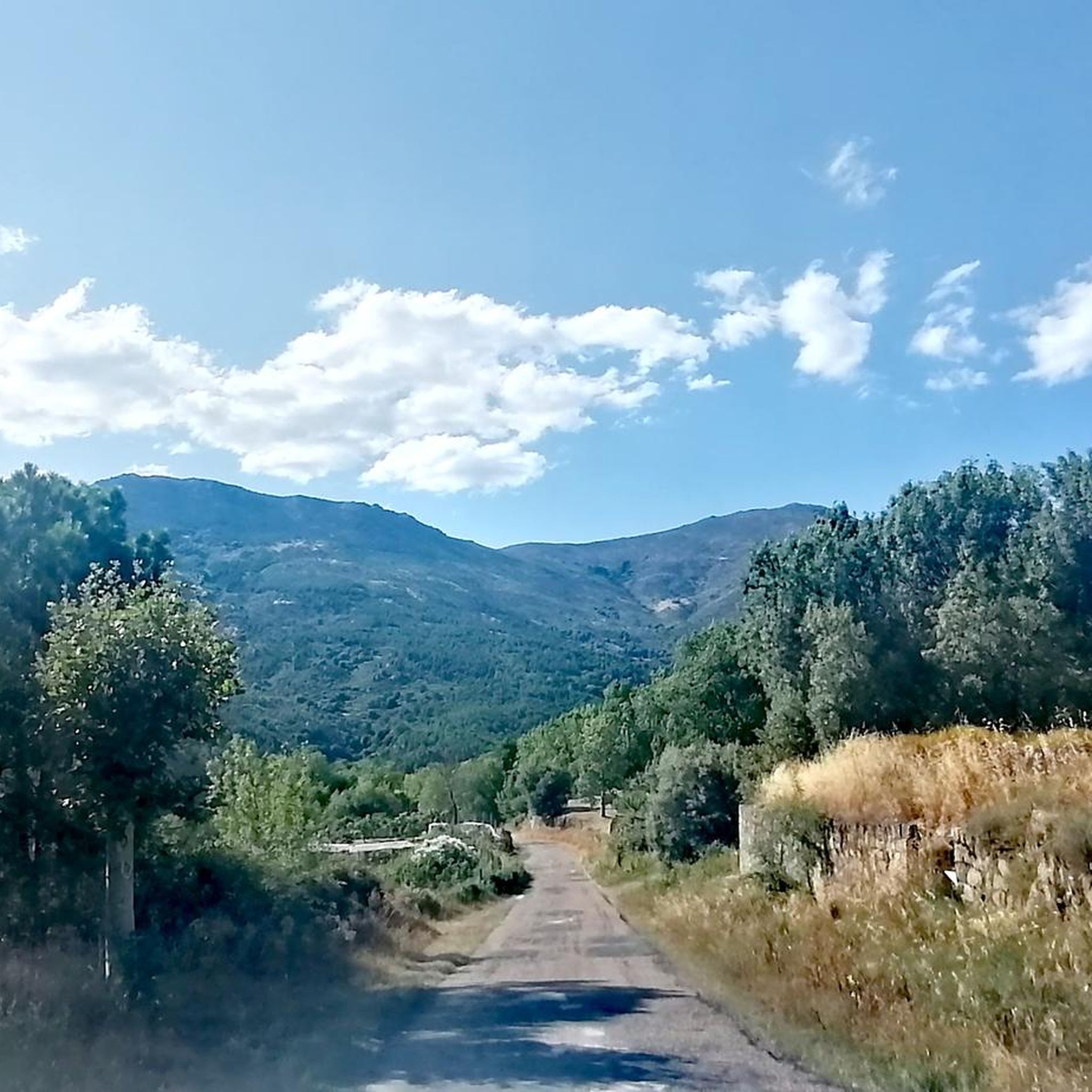
The Mijares Pass is one of the great mountain passes in the Sierra de Gredos, highly prized by cyclists for its length, elevation gain, and scenic beauty. Maximum gradient: 11% (on short ramps before Mijares). There are several steep sections in the villages and near the Horcajo area, as well as another one 2 km from the summit.
1
0
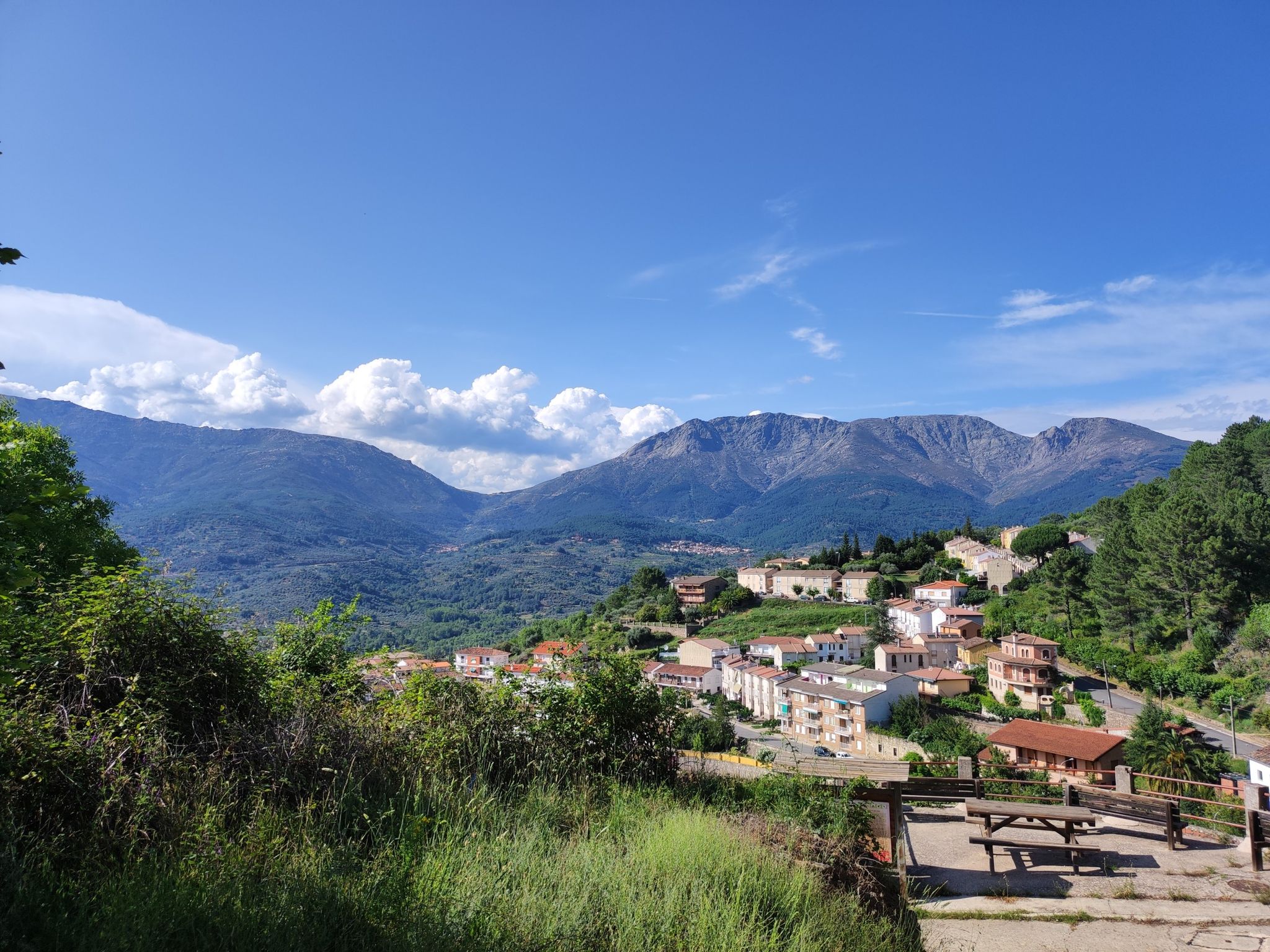
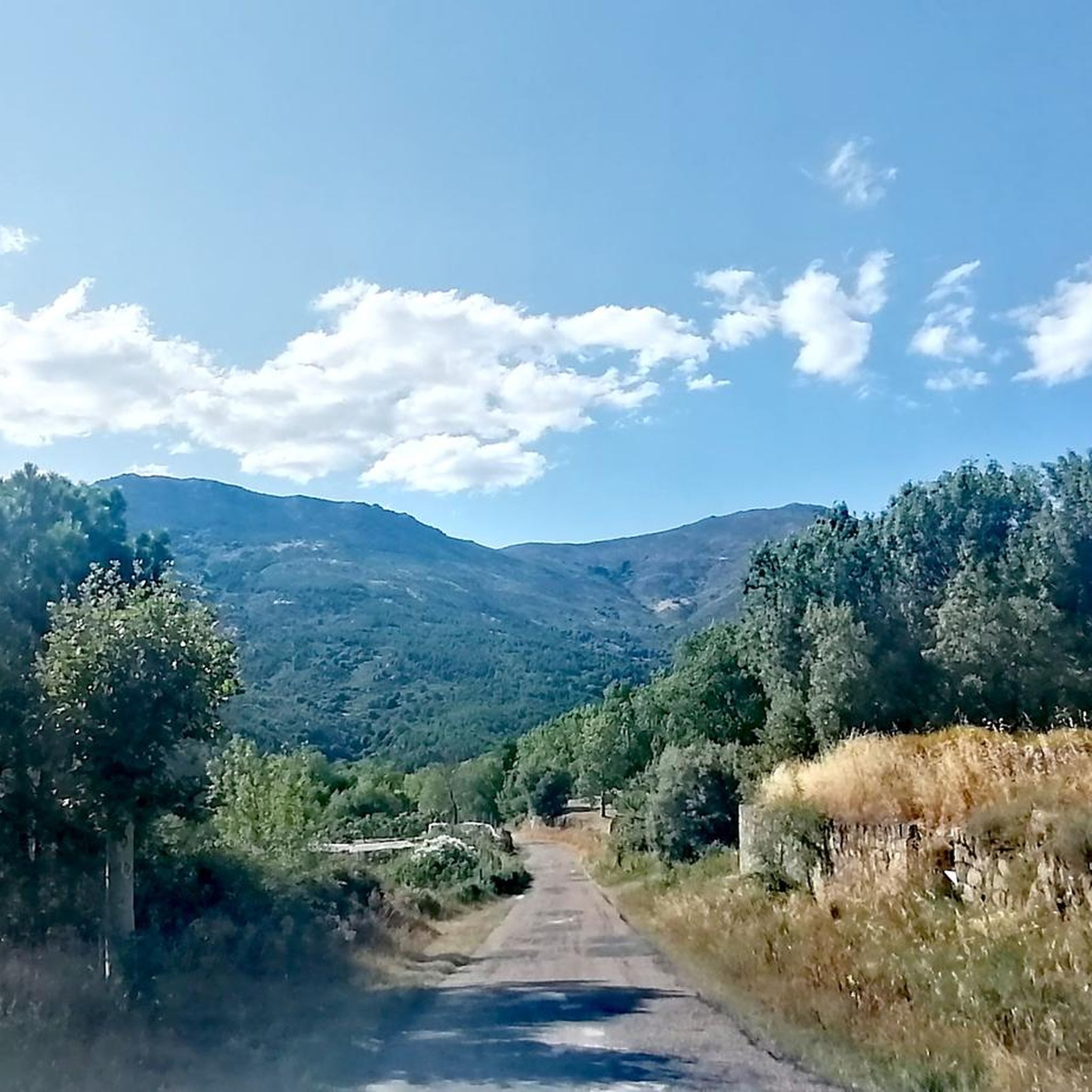
The Pedro Bernardo Pass is one of the classic climbs in the Sierra de Gredos mountains, highly prized by cyclists and a regular feature of races like the Vuelta a España. First section: Up to the village (Pedro Bernardo), with gradients of 5-6%, a road in good condition, and spectacular views of the Tiétar Valley. Urban section: In the village, the gradient eases, even offering some flatter sections. Second section: After the village, the asphalt becomes rougher, and the toughest kilometer (7-8%) appears, followed by a "balcony" section with incredible views and a sustained 5% gradient to the summit.
1
0

You cool down very quickly up here, especially when it's windy.
7
0

Highest point 1580 on this route, there is a large parking lot to enjoy the view.
16
0

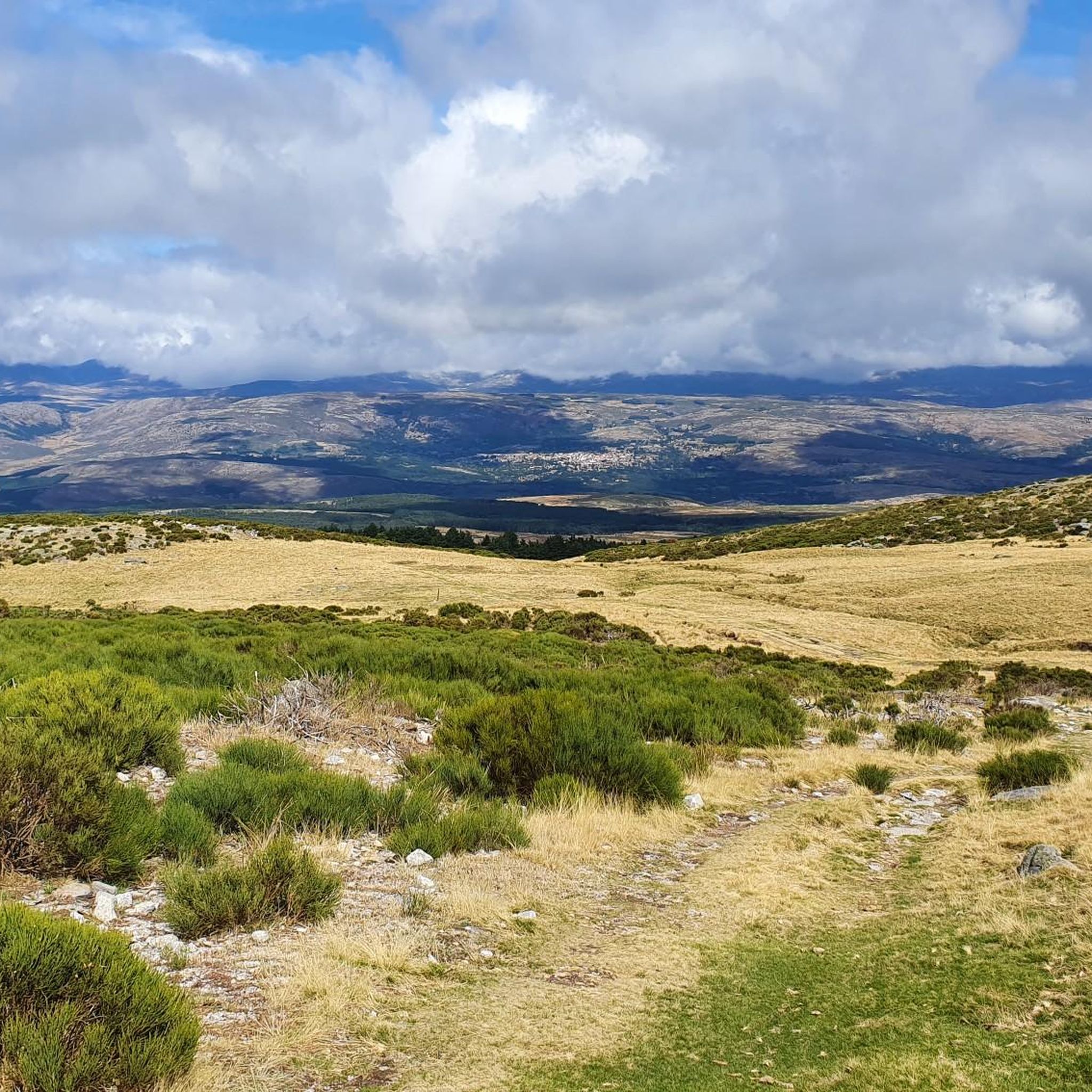
It's a very quiet pass with hardly any traffic, especially in its final section. The eastern slope, which starts from Arenas De San Pedro, has two very distinct sections. The first, to the village of El Arenal, is very gentle and always runs under an extensive pine forest. When you reach El Arenal, in the village itself, the gradient increases, and then there are 6 km left with an average gradient of 7% and some 10% slopes. The views from the pass are beautiful and it exudes a spiritual tranquility. In summer, it's highly recommended to climb it early in the morning to take advantage of the cool morning air. The western slope connects with the climb to Puerto del Pico, and the climb begins in Ramacastañas. Although not as well-known as other passes in the Sierra de Gredos, I have to admit that I loved it. Here's the link to visit the altimetry created by @cyclingcols, the best at this --> cyclingcols.com/col/Centenera
0
0
A legendary mountain pass in the Vuelta a España and in the Gredos mountain range, along with Serranillos, Peña Negra, Pedro Bernardo, and Puerto del Pico. It's a namesake of Serranillos, as it connects the same valleys, running parallel. Like Serranillo, it's a pass with a gentle, continuous gradient and uneven, bumpy asphalt, which is typical of this area. A pass of thermal contrasts: in winter, you're freezing cold, and in summer, you can die of heat.
0
0
The Puerto de Pedro Bernardo is the younger brother of the Puerto de Serranillos. Almost every time this port has been climbed in a professional race it is linked to the Puerto de Serranillos, only the second being considered a port. However, the Puerto de Pedro Bernardo is in itself a hill where you can go from the valley where the CL-501 road runs (where the town with the same name is located) to the valley of the Puerto de Pico, where Esteban del Valle and Mombeltrán are located. The chain with Serranillos is the most typical, as I said previously, although it is also worth chaining it with the Puerto de la Centenera or the Puerto del Pico. The road is rough, with hardly any shoulder and very little traffic. It is a very pleasant port to climb... as long as the heat is not suffocating.
2
0
Frequently Asked Questions
What are some of the most notable mountain passes around Pedro Bernardo?
The region around Pedro Bernardo features several significant mountain passes. Among them, Puerto de Pedro Bernardo is well-known for its consistent gradient and views of surrounding forests. Another popular choice is Puerto de Mijares, an intermediate pass with a substantial ascent and a large parking area at the summit for enjoying the views. The Centenera Pass offers ramps up to 13% and fantastic mountain vistas, while Serranillos Pass is celebrated for its spectacular scenery and historical significance in cycling.
Are there family-friendly mountain passes or viewpoints near Pedro Bernardo?
Yes, Puerto de Mijares is noted as family-friendly. It offers a large parking lot at its summit, making it convenient for families to access and enjoy the panoramic views without extensive hiking. The area generally invites exploration of its natural beauty, which can be adapted for various family activity levels.
What kind of natural features can I expect to see at these mountain passes?
The mountain passes around Pedro Bernardo are nestled in the Tiétar Valley at the foot of the Sierra de Gredos mountain range. You can expect to see dramatic landscapes, including sharp ridges, glacial cirques, and deep valleys. Passes like Puerto de Pedro Bernardo offer views of lush forests, while Serranillos Pass provides spectacular scenery of the Cinco Villas Valley and the towering Gredos peaks. The region is also a nature park, home to diverse flora and fauna, including the Spanish ibex.
What outdoor activities can I do near the mountain passes around Pedro Bernardo?
The mountainous landscape around Pedro Bernardo is ideal for various outdoor activities. You can find numerous routes for cycling, mountain biking, and hiking. For mountain biking, explore trails like the 'Mijares – Mijares loop' or the 'Firefighting Water Reservoir – Puerto de Pedro Bernardo loop' which are difficult and can be found in the MTB Trails around Pedro Bernardo guide. Road cyclists can tackle challenging routes such as 'The Three Passes of Gredos' or the 'Puerto de Pedro Bernardo – Serranillos Pass loop' detailed in the Road Cycling Routes around Pedro Bernardo guide. For running, there are options like the 'El Sombrerito – Torozo loop' available in the Running Trails around Pedro Bernardo guide.
Are there challenging mountain passes for experienced cyclists or hikers?
Absolutely. The region is known for its challenging ascents. For cyclists, Puerto de Pedro Bernardo is a significant climb with a consistent average gradient over 18.3 kilometers. Puerto de Mijares involves an ascent of over 1,100 vertical meters with an average slope of 5.1%. The Centenera Pass features ramps up to 13%. These passes offer rewarding experiences for those seeking a physical challenge.
What is the best time of year to visit the mountain passes around Pedro Bernardo?
While specific data on the best time isn't provided, the region's mountainous nature suggests that spring and autumn would offer pleasant temperatures for outdoor activities like cycling and hiking, avoiding the intense heat of summer or potential snow and ice in winter at higher elevations. The tips for Puerto de Pedro Bernardo mention that it's a pleasant climb 'as long as the heat is not suffocating,' indicating that summer can be very warm.
Is parking available at the mountain passes?
Yes, at least one prominent pass, Puerto de Mijares, has a large parking lot at its summit, allowing visitors to easily stop and enjoy the views. For other passes, parking availability may vary, but towns like Pedro Bernardo serve as gateways to these routes.
What do visitors enjoy most about the mountain passes in this area?
Visitors frequently highlight the spectacular scenery and panoramic views. For instance, Puerto de Pedro Bernardo offers beautiful views of surrounding forests. Serranillos Pass is praised for its 'spectacular scenery throughout the climb' and views of the Cinco Villas Valley and Gredos peaks. The challenging yet rewarding climbs and the immersive experience of the natural environment are also highly valued.
Are there any historical aspects to the mountain passes near Pedro Bernardo?
Yes, Serranillos Pass is particularly noted for its historical significance as a stage in the Vuelta a España cycling race, including Hinault's legendary stage in 1983. This adds a layer of interest for cycling enthusiasts and those appreciating the heritage of the sport.
What are the road conditions like on these mountain passes?
Road conditions can vary. For Puerto de Pedro Bernardo, the road to the town is in perfect condition with a hard shoulder. Beyond the town, the road narrows with somewhat rough asphalt, though still in good condition. It's generally described as having little traffic. Serranillos Pass is known for its signage with gradient and remaining distance information, suggesting it's well-maintained for cyclists.
Can I find trails that connect different mountain passes?
Yes, the passes are often linked, allowing for longer, more epic routes. For example, Puerto de Pedro Bernardo can be chained with Serranillos Pass, Centenera Pass, or Puerto del Pico. Serranillos Pass is also ideal for linking up with Puerto del Pico, Pedro Bernardo, and Mijares for an extensive cycling stage. There's also a Trail between mountains that communicates with the Pico pass through a beautiful pine forest.
Most popular attractions around Pedro Bernardo

Get inspired with the komoot mobile app


Explore more
See even more epic mountain passes by checking out these guides around Pedro Bernardo:
