Top 11 Natural Monuments around Pesaguero
Best natural monuments around Pesaguero are found within the Liébana region of Cantabria, an area characterized by its complex geological structures and rich biodiversity. Pesaguero serves as a base for exploring significant natural features and viewpoints that offer expansive landscapes. The region is part of the Natura 2000 network and a brown bear recovery zone, highlighting its ecological importance. This area provides opportunities to experience the natural environment of the Cantabrian Mountains.
Best natural monuments around Pesaguero
- The most popular…
Last updated: July 1, 2026
Piedrasluengas Viewpoint
Highlight • Viewpoint
Translated by Google •
Tip by

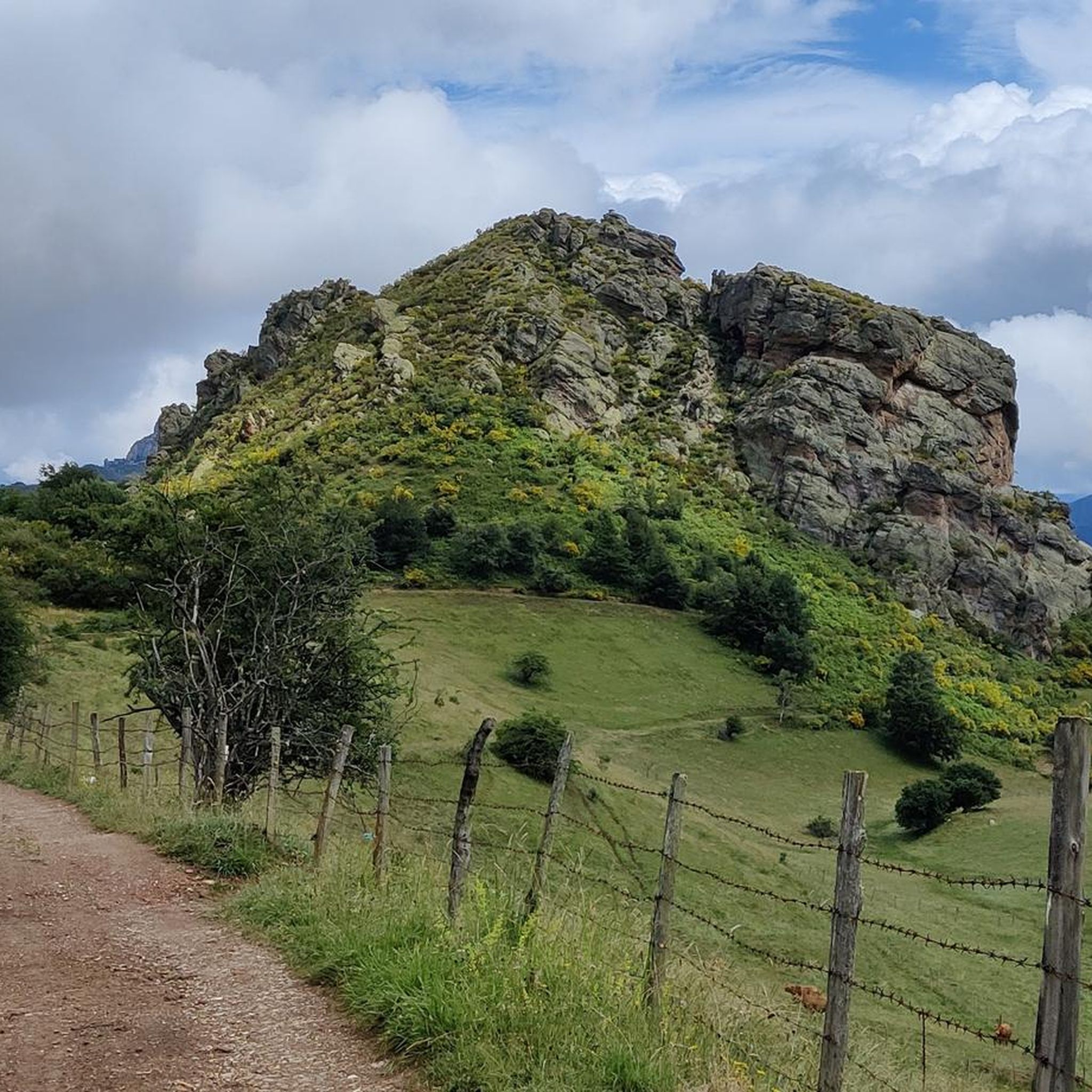
Peña Labra
Highlight • Summit
Translated by Google •
Tip by

Sign up now to discover places like this
Get recommendations on the best single tracks, peaks, & plenty of other exciting outdoor places.
Sign up for free
Curavacas (2524m)
Highlight • Summit
Translated by Google •
Tip by

Alcornocal de Tolibes
Highlight • Forest
Translated by Google •
Tip by
Tres Mares Peak
Highlight • Summit
Translated by Google •
Tip by
Sign up for free to discover even more natural monuments around Pesaguero.
Sign up for free
Already have an account?
Start today with a free account
Your next adventure awaits.
Login or Signup
Tips from the Community

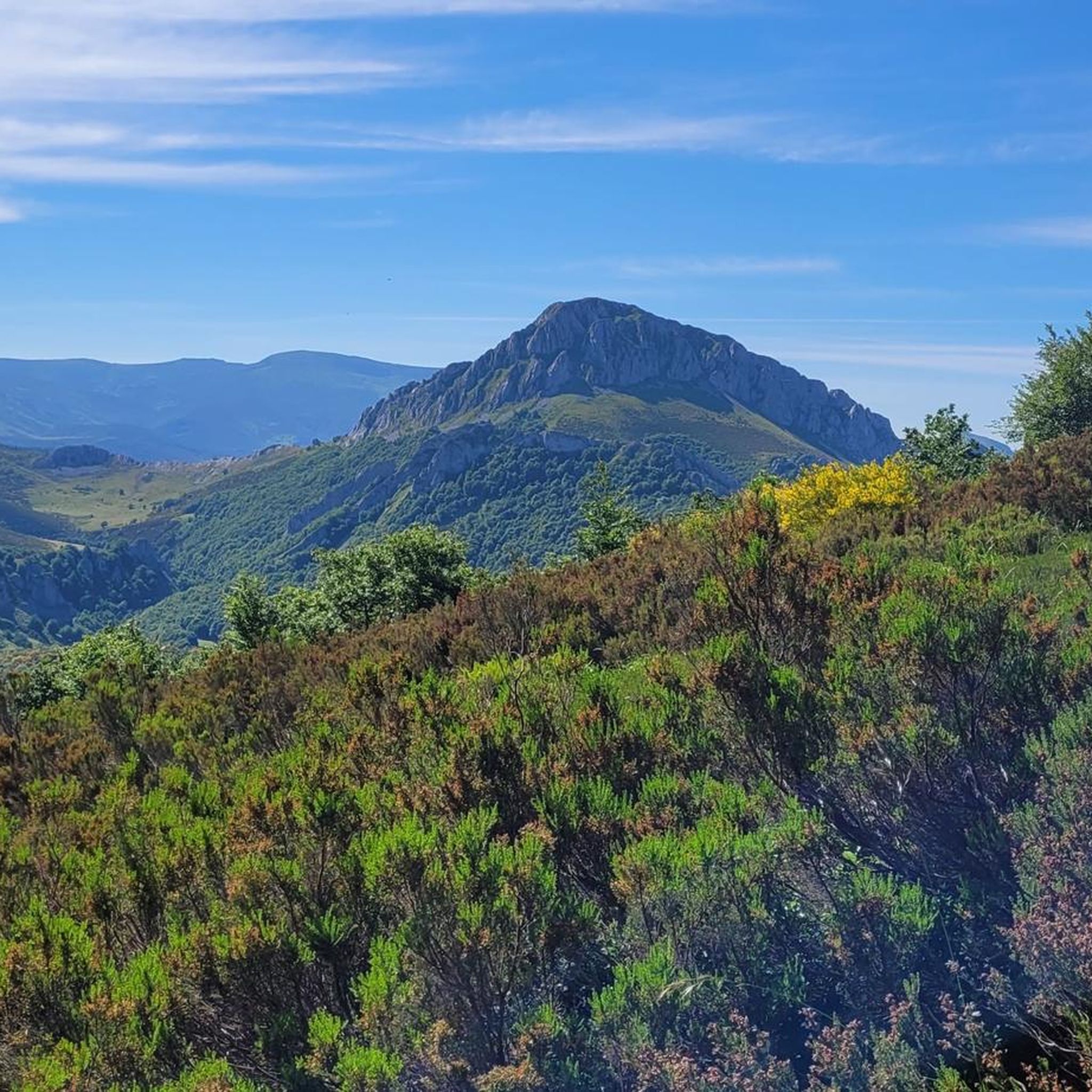
Climbing Curavacas is an exciting experience for mountain lovers. There are several routes available, such as Callejo Grande and Senda del Notario, which offer different levels of difficulty. In addition, in the area you can find glacial lagoons, such as Pozo Curavacas and Pozos del Ves, which add a special touch to the landscape.
5
0

Spectacular views of the eastern massif of Picos de Europa
0
0

Beautiful road from Puetenansa up to there for road bikes, less traffic
1
0

Second highest summit of the Cantabrian mountain range and the highest in the province of Palencia. It offers impressive views of the famous Curavacas Well, the Curruquilla peak and many other emblems of the province.
1
1
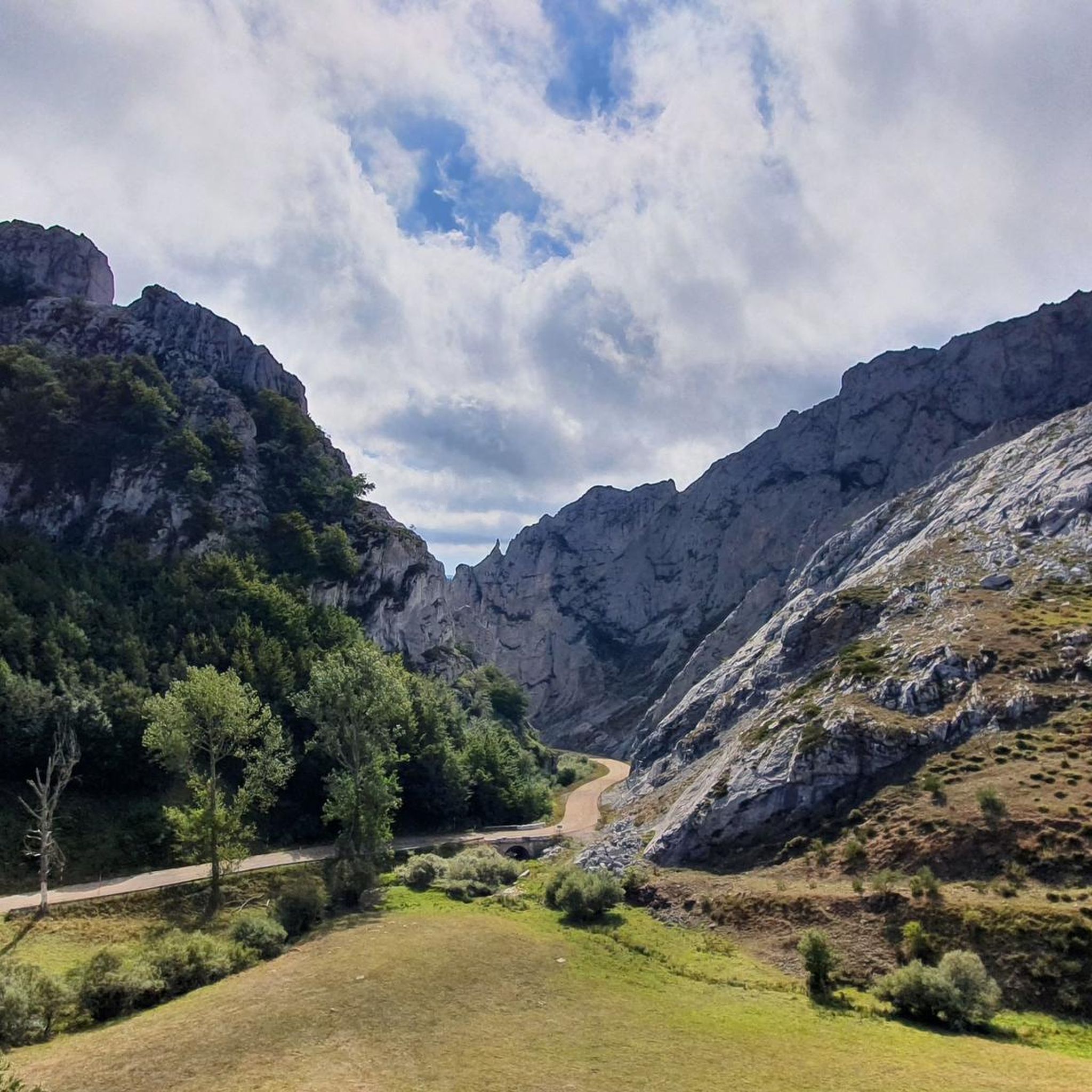
Viewpoint located in the homonymous hill at more than 1300 meters. From there you can see the Picos de Europa, Peña Labra, the Tres Mares peak, the Cuchillón peak and much more.
2
0

The Piedrasluengas viewpoint is a perfect place to reach by bike. Located in the heart of the Cantabrian Mountains, in the Fuentes Carrionas and Fuente Cobre-Montaña de Palencia Natural Park, it rises to over 1,300 meters above sea level. The views will leave you speechless. You'll see the Picos de Europa, Peña Labra, Tres Mares, Cuchillón, the Liébana Valley, and the Valdeprado Valley.
2
0

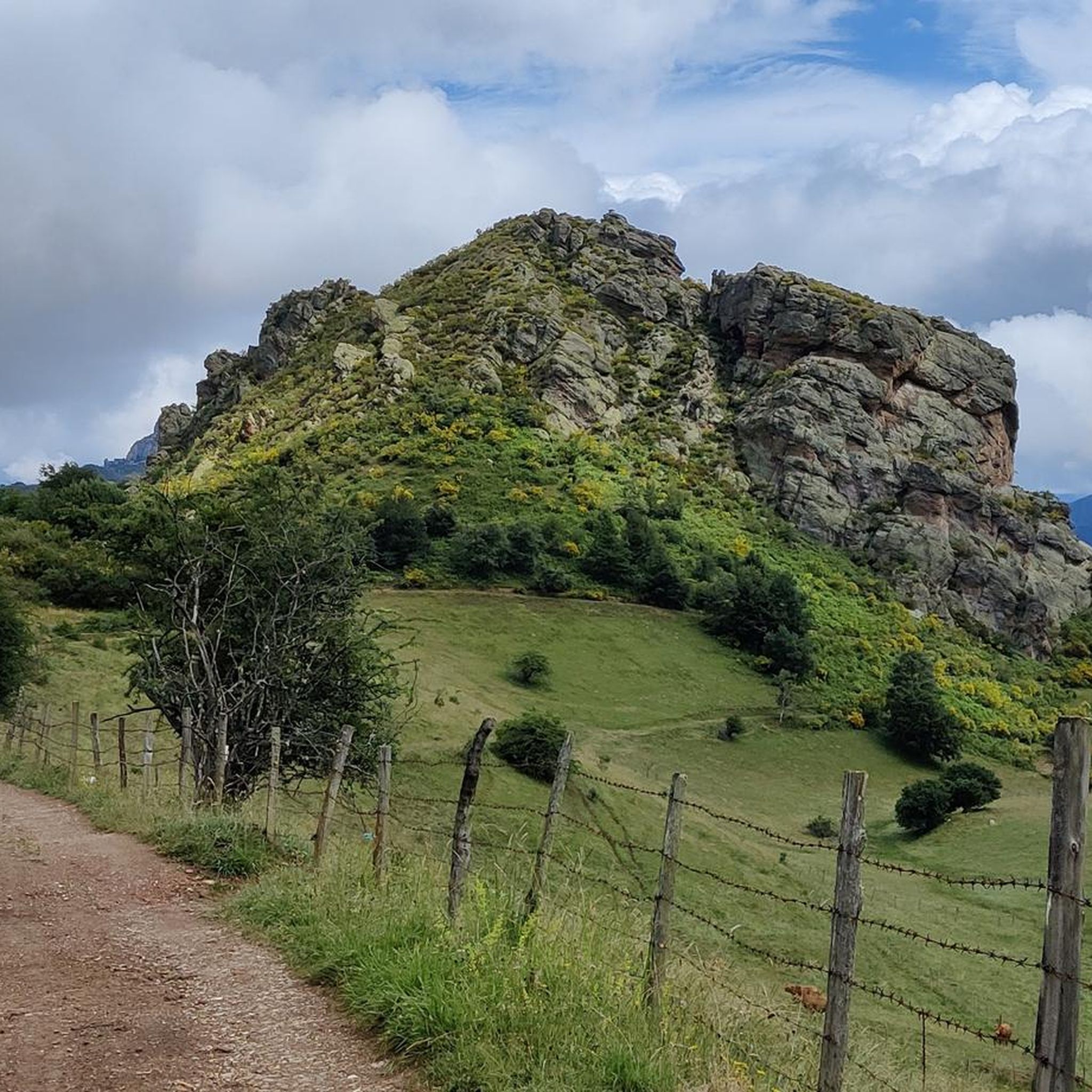
A forest of cork oaks that can be covered almost entirely by following the large number of paths that there are through it and having at your hands these curious trees from which the cork is extracted. A very quiet and picturesque place with beautiful views of the surrounding environment.
1
0
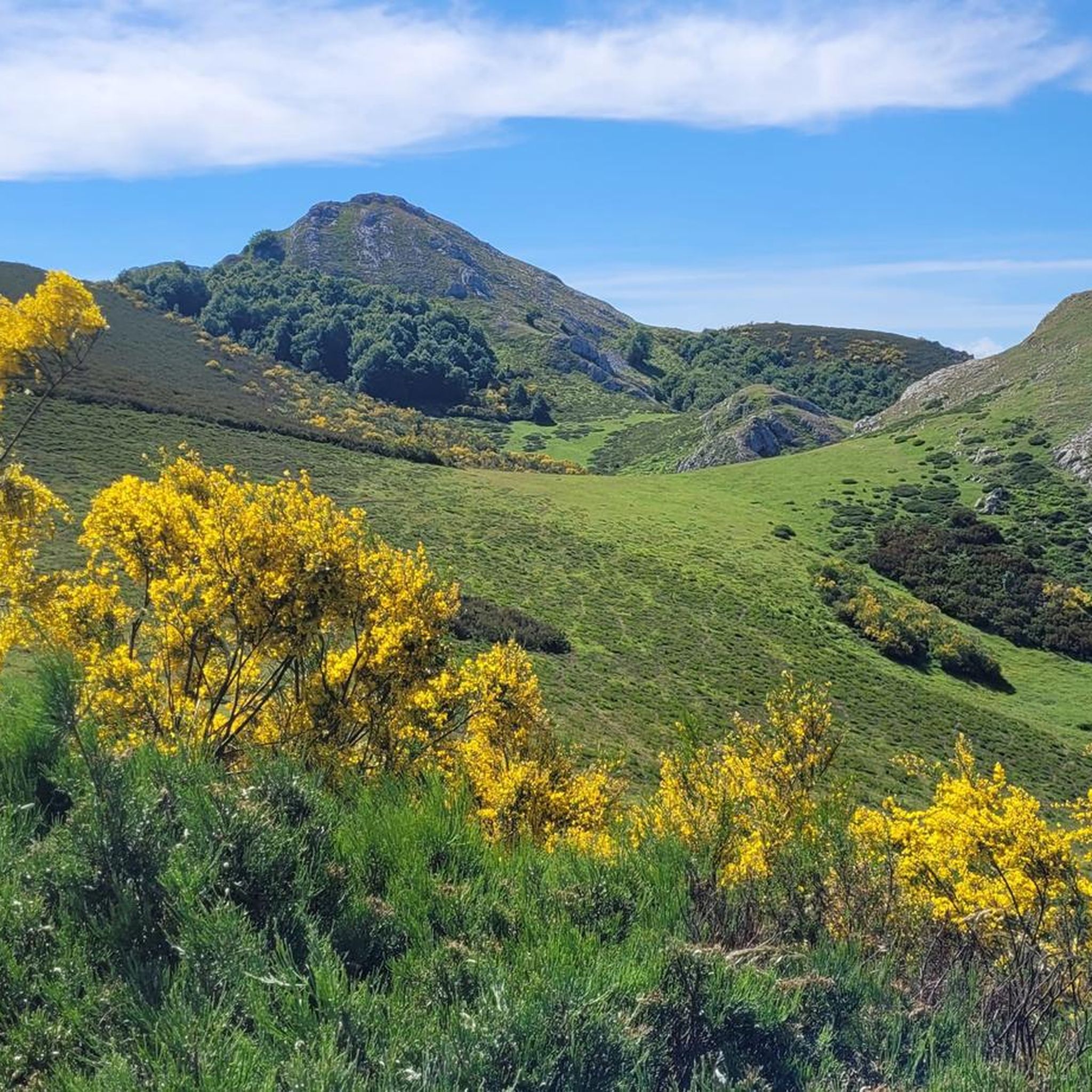
At 2029 meters above sea level, the top of Peña Labra is located in a privileged place. It represents the border between the Community of Cantabria and Castilla y León, so to the north you will have impressive views of the Cantabrian interior and the mountains of the Picos de Europa National Park, while to the south you will be able to appreciate another wonderful landscape such as the of the Montaña Palencia Natural Park. Crowning its peak is for the most daring, very technical sectors and not suitable for those who suffer from vertigo, but it has a great reward.
1
0
Frequently Asked Questions
What are some unique natural features to explore within Pesaguero municipality?
Within Pesaguero itself, you can visit "El Abuelo" Millenary Chestnut Tree in the neighborhood of La Parte. This ancient tree boasts a perimeter of 14 meters at its base, offering a tangible connection to the region's natural history.
Which natural monuments offer the best panoramic views near Pesaguero?
For breathtaking panoramic views, consider visiting the Piedrasluengas Viewpoint, located over 1,300 meters above sea level. From here, you can see the Picos de Europa, Peña Labra, Tres Mares, Cuchillón, and the Liébana and Valdeprado Valleys. Another excellent option is the Tres Mares Peak, offering views towards the Cantabrian interior, the Picos de Europa National Park, and the Montaña Palentina Natural Park.
Are there any family-friendly natural monuments or walks around Pesaguero?
Yes, the Alcornocal de Tolibes, a forest of cork oaks, is considered family-friendly with numerous paths to explore. The Piedrasluengas Viewpoint is also accessible and suitable for families, offering stunning views without strenuous hiking.
What kind of outdoor activities can I do near the natural monuments around Pesaguero?
The area around Pesaguero is excellent for various outdoor activities. You can find challenging routes for cycling, such as the Piedrasluengas from Potes Loop. There are also demanding running trails, including the Peña Labra y Pico Tres Mares route. For mountain biking enthusiasts, the MTB Trails around Pesaguero offer options like the Ándara Massif Loop or the Alcornocal de Tolibes Loop.
Where can I learn more about the natural environment and biodiversity of the Liébana region?
The "Casa de la Naturaleza de Pesaguero," housed in a 17th-century mansion, offers a permanent exhibition on the natural elements of the Liébana region. It provides valuable information about local natural and cultural values, guided itineraries, and insights into the brown bear recovery zone.
What are some of the more challenging mountain peaks to explore near Pesaguero?
For experienced hikers seeking a challenge, Peña Labra, at 2029 meters, offers a very technical ascent with impressive rewards. Even more demanding is Curavacas (2524m), the highest elevation of the Palencia Mountain, which requires some climbing and offers glacial lagoons along the way.
What is the best time of year to visit the natural monuments around Pesaguero?
The Liébana region, including Pesaguero, experiences diverse weather patterns. Generally, late spring (May-June) and early autumn (September-October) offer pleasant temperatures and stable weather conditions, ideal for hiking and exploring the natural monuments. Summer can be warm, especially at lower elevations, while winter brings snow to the higher peaks, making some areas suitable for winter sports but challenging for general exploration.
Are there any natural viewpoints with unique geological features near Pesaguero?
Yes, the Ojo de Casavegas Viewpoint, located in the Montaña Palentina Natural Park, features a distinctive hole in the rock shaped like an "eye." This natural formation provides unique framed views of the surrounding landscape and is considered a rewarding climb.
What kind of wildlife can I expect to see in the natural areas around Pesaguero?
The Liébana region is a haven for biodiversity, being part of the Natura 2000 network and a brown bear recovery zone. While direct sightings of brown bears are rare, you might spot various bird species, deer, wild boar, and other smaller mammals. The diverse flora also adds to the rich natural experience.
How accessible are the natural monuments around Pesaguero by car, and is parking available?
Many of the prominent viewpoints, like the Piedrasluengas Viewpoint, are situated along main roads like the CA-184, making them easily accessible by car. Parking is generally available at such viewpoints and at the trailheads for more popular hiking routes. For specific locations, it's advisable to check local information upon arrival.
What is the geological significance of the Liébana region where Pesaguero is located?
The Liébana region is characterized by its complex geological structures, including folded limestones and sandstones, and the presence of karst valleys. This geological diversity contributes to the dramatic landscapes, deep valleys, and prominent peaks that define the area, making it a fascinating region for geological exploration.
Most popular attractions around Pesaguero

Get inspired with the komoot mobile app


Explore more
Extend your search for the best caves by checking out these guides of the top ones around Pesaguero:
