Top 5 Natural Monuments around Sant Martí De Tous
Best natural monuments around Sant Martí De Tous include diverse natural features within the Anoia region of Catalonia, Spain. The area is characterized by its varied landscapes, from ancient trees to waterfalls and protected natural areas. These sites offer insights into the region's geology and ecology. Visitors can explore a range of natural attractions, including significant trees, water features, and mountain ranges.
Best natural monuments around Sant Martí De Tous
- The most popular natural monuments is Natural pool of the…
Last updated: July 1, 2026
Ancosa Oak
Highlight • Natural Monument
Registration number: AM 06.104.01
Municipal term: Llacuna County: l´Anoia
Protection: Order 1990.02.08 (DOGC 1262, 1990.03.02)
Measurements: Total height (h) = 16.0 m Barrel vault (c) = 4.48 m Average head (C) = 24.8 m
Translated by Google •
Tip by

Sanctuary of the Springs of Sant Magí de la Brufaganya
Highlight • Religious Site
Translated by Google •
Tip by

Sign up now to discover places like this
Get recommendations on the best single tracks, peaks, & plenty of other exciting outdoor places.
Sign up for free
Devil's Cave
Highlight • Cave
Translated by Google •
Tip by

Waterfall on the Riera de Carme
Highlight • Waterfall
Translated by Google •
Tip by

Natural pool of the Gaia River
Highlight • River
Translated by Google •
Tip by

Sign up for free to discover even more natural monuments around Sant Martí De Tous.
Sign up for free
Already have an account?
Start today with a free account
Your next adventure awaits.
Login or Signup
Tips from the Community

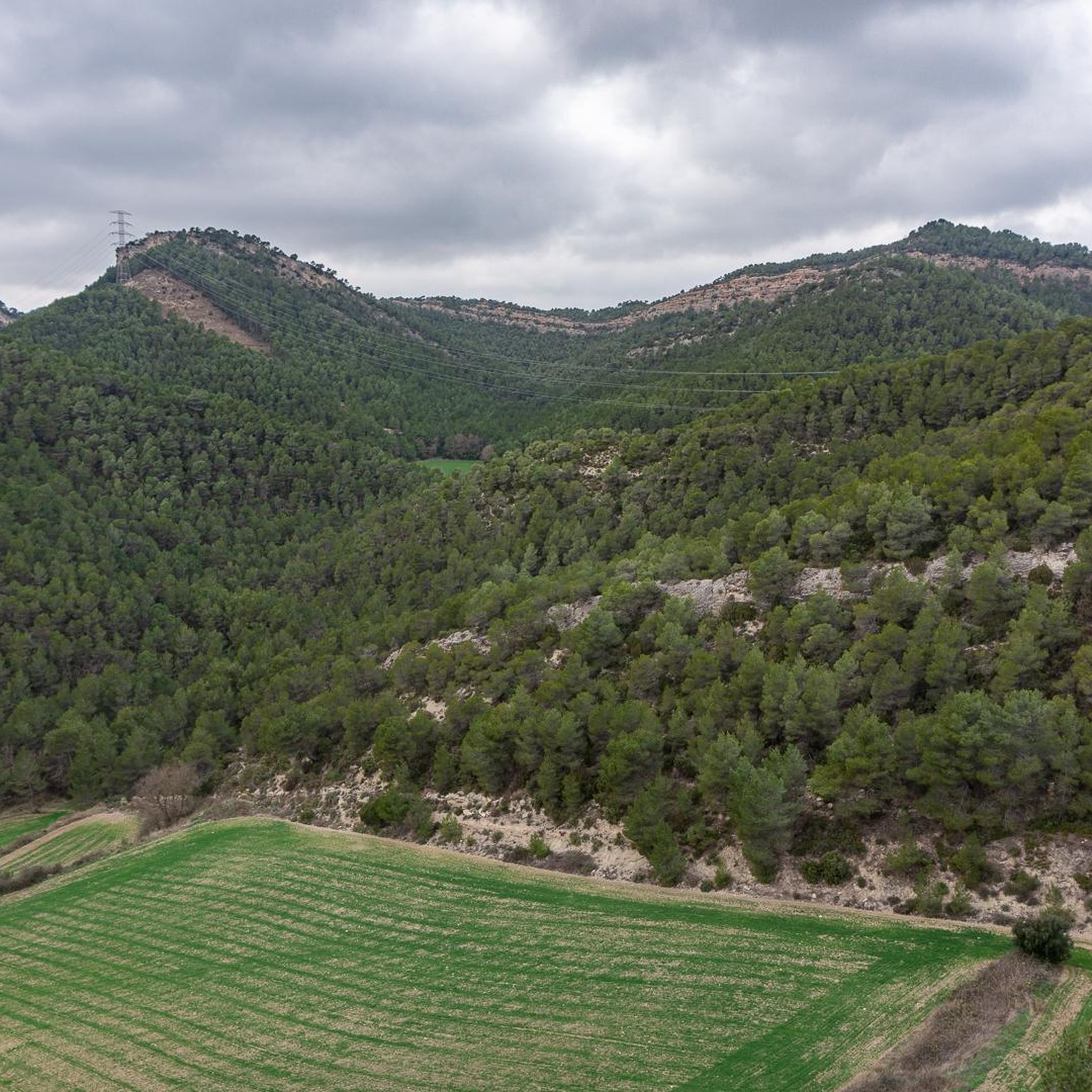
Species: Quercus × cerrioides Registration number: AM 06.104.01 Municipal term: Llacuna County: l´Anoia Protection: Order 1990.02.08 (DOGC 1262, 1990.03.02) Measurements: Total height (h) = 16.0 m Barrel vault (c) = 4.48 m Average head (C) = 24.8 m Notes (NB): This tree was left in the middle of the Plana d'Ancosa because in the summer the herds of cattle went there to take the shade. In the fork it has a cup where the rainwater accumulates. It is located within the area of natural interest (EIN) of Ancosa-Montagut. From the Lagoon, take the Marimon road, passing by the Dorita farm. At the crossroads, continue along the Col del Corral route. After about 500 m take the path on the right in the direction of the Monastery of Ancosa and once there, follow 500 m to El Roure (section of Route 2 Blava de la Llacuna) Source: Medi Ambien GenCat website
1
0
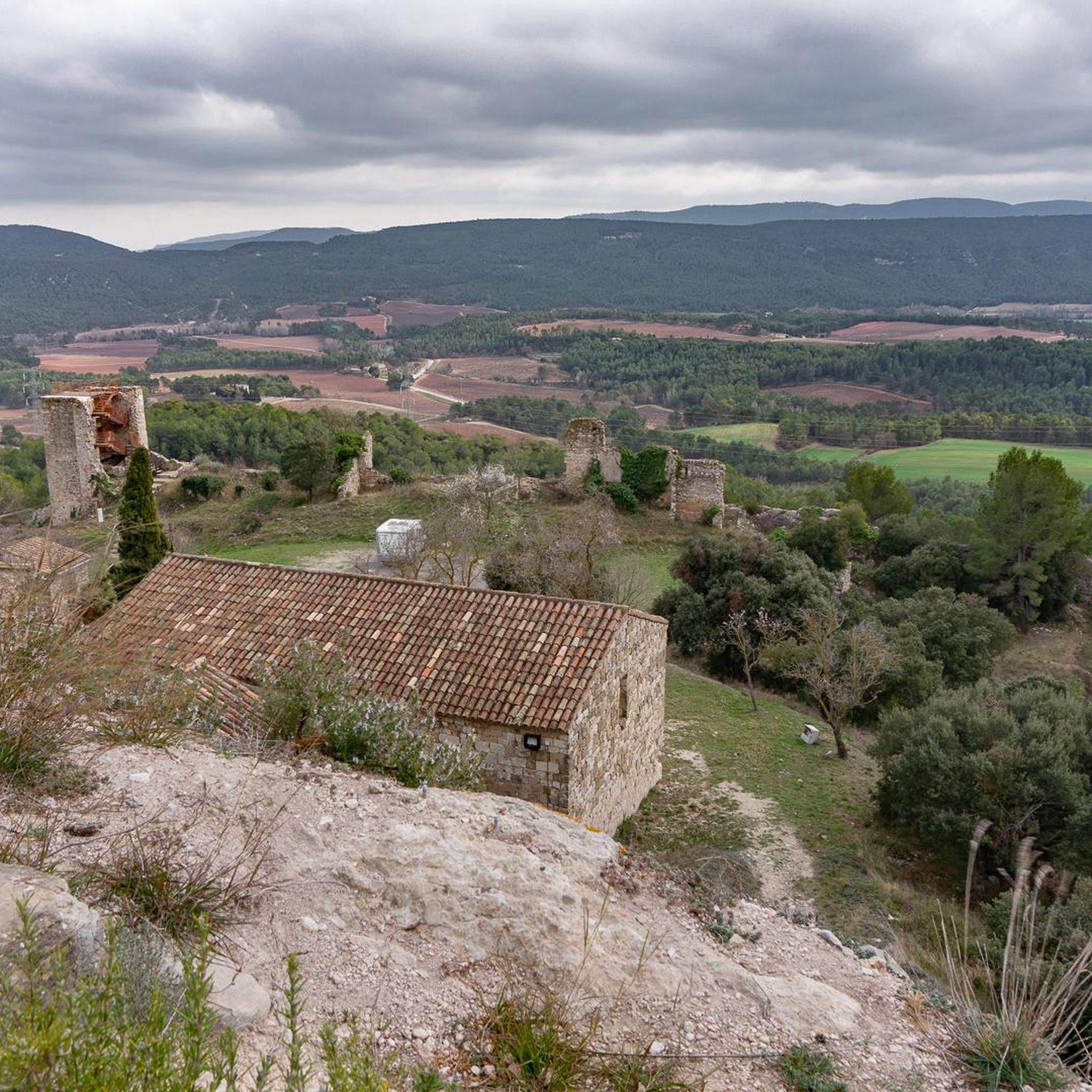
Sant Magí de la Brufaganya is a sanctuary located at 760 m above sea level, above the beginning of the Torrent de Sant Magí, in the municipality of Pontils (Conca de Barberà). It is part of the nucleus of Sant Magí de Brufaganya. It is accessed by a detour on the Pontils a la Llacuna road. A gathering is held on the third Sunday of September. Under the sanctuary is the Chapel of the Fonts de Sant Magí, with water considered miraculous and object of pilgrimage; according to legend, the saint made it spring up by hitting the ground three times with his staff when the Roman soldiers were taking him down from the Brufaganya mountain, in Santa Perpètua de Gaià. For centuries, towns such as Barcelona, Tarragona, Lleida, Cervera or Igualada have gone to fetch water from the sources of Sant Magí de la Brufaganya, to then bring it solemnly into their municipality and distribute it among the neighbors. Near the Capella de les Fonts there is a stone dedicated to Sant Magí by the city of Igualada. It is a one and a half meter column with an inscription that attests to the devotion of the Igualadin. It was inaugurated on August 16, 1927 and was destroyed in 1936 during the Civil War. The people of Igualada returned in 1950 to restore it and for the second inauguration by priest Amadeu Amenós. On August 16, 2010, it was reopened by representatives of the Igualada City Council and the Friends of the Horses of Anoia, after a new restoration.
0
0
Sant Magí de la Brufaganya is a sanctuary located at 760 m above sea level, above the beginning of the Torrent de Sant Magí, in the municipality of Pontils (Conca de Barberà). It is part of the nucleus of Sant Magí de Brufaganya. It is accessed by a detour on the Pontils a la Llacuna road. A gathering is held on the third Sunday of September. Under the sanctuary is the Chapel of the Fonts de Sant Magí, with water considered miraculous and object of pilgrimage; according to legend, the saint made it spring up by hitting the ground three times with his staff when the Roman soldiers were taking him down from the Brufaganya mountain, in Santa Perpètua de Gaià. For centuries, towns such as Barcelona, Tarragona, Lleida, Cervera or Igualada have gone to fetch water from the sources of Sant Magí de la Brufaganya, to then bring it solemnly into their municipality and distribute it among the neighbors. Near the Capella de les Fonts there is a stone dedicated to Sant Magí by the city of Igualada. It is a one and a half meter column with an inscription that attests to the devotion of the Igualadin. It was inaugurated on August 16, 1927 and was destroyed in 1936 during the Civil War. The people of Igualada returned in 1950 to restore it and for the second inauguration by priest Amadeu Amenós. On August 16, 2010, it was reopened by representatives of the Igualada City Council and the Friends of the Horses of Anoia, after a new restoration. Source: Wikipedia
0
0

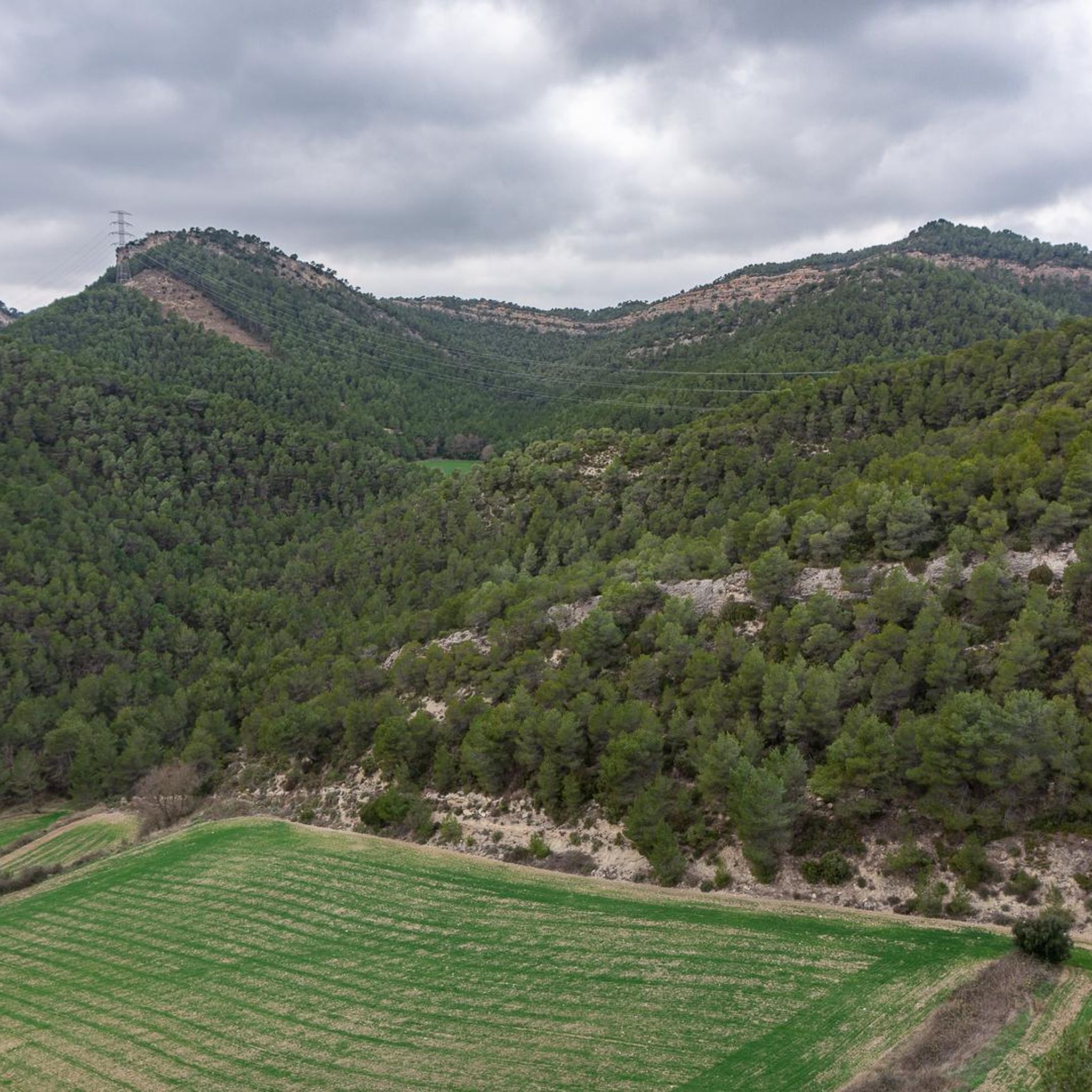
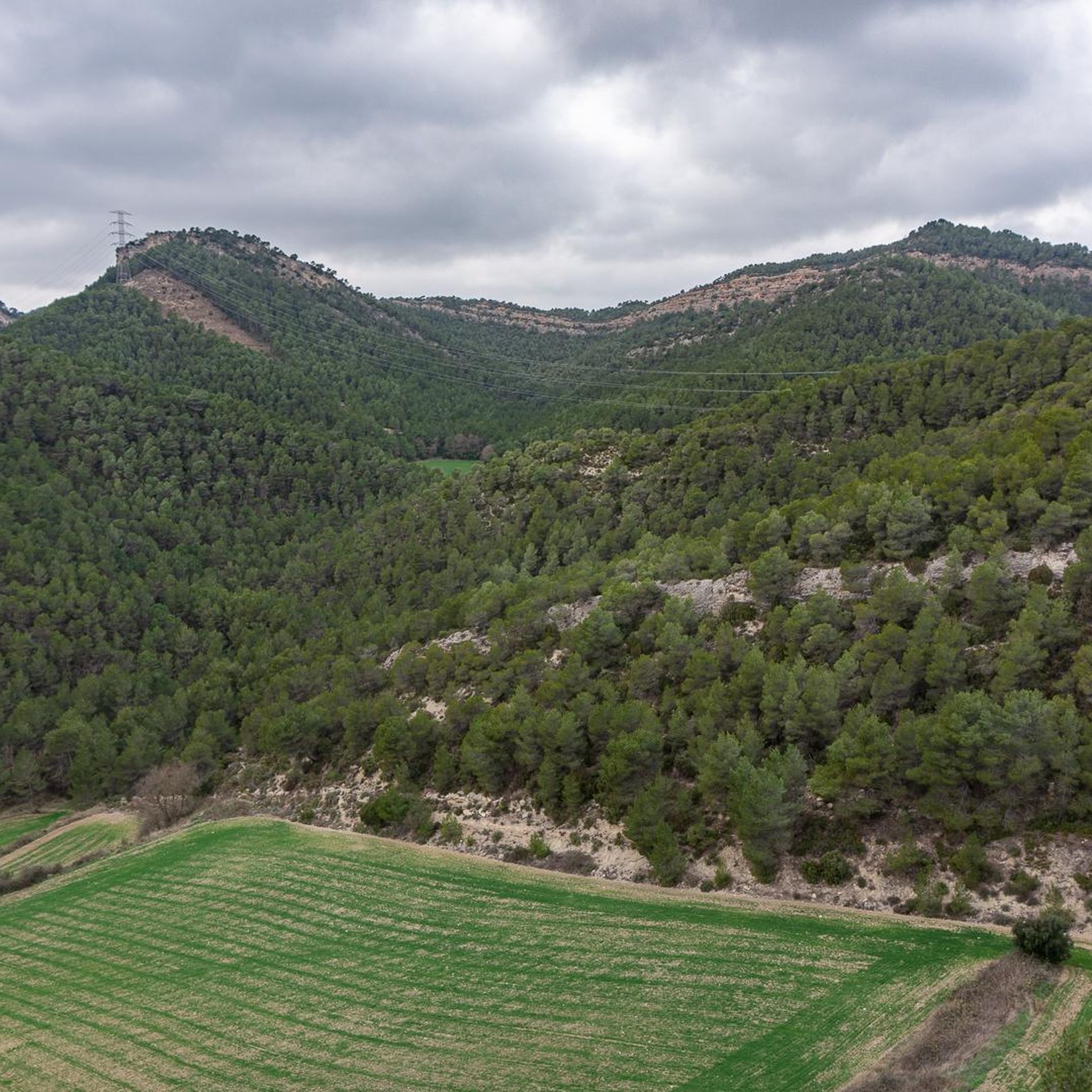
The Devil's Cave is a rock formation in the municipality of Sant Martí de Tous. From above you can see the hole made by the river and you can also go inside, entering the cave following the stream of water.
0
0

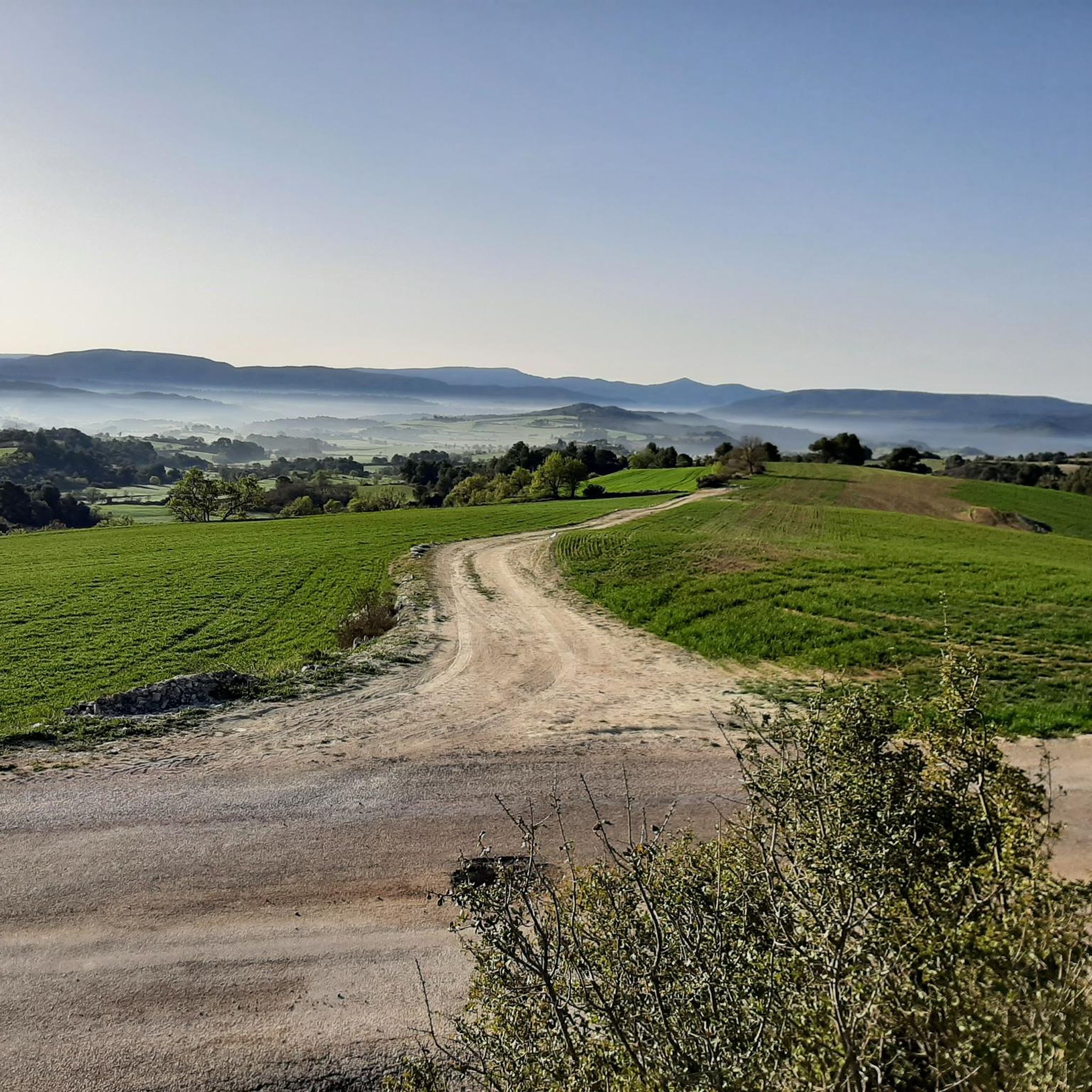
Santa Perpètua de Gaià is surrounded by forests and natural pools along the Gaià River. A perfect place to cool off.
2
0

A beautiful passage of water, which when its flow increases creates a beautiful waterfall, is by the passage of this route, you will find it in a magical way.
1
0

The hermitage of the Fuentes de Sant Magí is built on a spring of water considered miraculous. It is an object of pilgrimage even today by people from Barcelona, Tarragona and Lleida. It is accessed via the paved road that is in perfect condition.
0
0

The meanders of the river hide some natural pools, ideal for finding absolute tranquility and cooling off.
2
0
Frequently Asked Questions
What unique natural features can I explore around Sant Martí De Tous?
The region offers a variety of natural features. You can visit the ancient Ancosa Oak, a majestic tree with impressive dimensions, or discover the picturesque Natural pool of the Gaia River, perfect for cooling off. Another intriguing spot is the Devil's Cave, a unique cave formation where you can follow the stream of water inside.
Are there any family-friendly natural monuments in the area?
Yes, several natural monuments are suitable for families. The Natural pool of the Gaia River is ideal for finding tranquility and cooling off. The Ancosa Oak is also considered family-friendly, offering a serene spot to appreciate nature. Additionally, the Jorba Lock provides a nice area to take a break by the river.
What kind of geological formations can be found near Sant Martí De Tous?
The area features interesting geological formations, notably the Devil's Cave, a rock formation where the river has carved a visible hole, allowing entry by following the stream. The broader Ancosa-Montagut Area of Natural Interest also boasts significant geological features alongside its diverse ecosystems.
What outdoor activities can I do near these natural monuments?
The region around Sant Martí De Tous is excellent for various outdoor activities. You can find numerous routes for road cycling, gravel biking, and running. For example, there are moderate road cycling loops like the 'Serra de Rubió – Jorba loop' and challenging running trails such as the 'Cueva del Diable — circular desde Sant Martí de Tous'. You can explore more options in the Road Cycling Routes, Gravel Biking, and Running Trails guides for the area.
Are there any waterfalls to visit in Sant Martí De Tous?
Yes, you can visit the Waterfall on the Riera de Carme. When its flow increases, it creates a beautiful and magical cascade. The broader La Fou de Tous area is also known for its picturesque waterfall and natural pool, which is particularly spectacular after abundant rainfall.
What is the Ancosa-Montagut Area of Natural Interest?
The Ancosa-Montagut Area of Natural Interest (EIN) is an officially designated protected natural area near Sant Martí De Tous. It's characterized by diverse forest types, including holm oak and pine, and supports a variety of fauna. It offers excellent opportunities for hiking, nature observation, and experiencing the varied landscapes of the Anoia region.
Can I spot wildlife near the natural monuments?
The Ancosa-Montagut Area of Natural Interest, where the Ancosa Oak is located, supports a variety of fauna, particularly insectivore birds and mammals such as wild boar and squirrels. The nearby Serra de Rubió mountain range is also home to roe deer, wild boar, red fox, European rabbits, and hares, making it a good spot for wildlife observation.
What is special about the Ancosa Oak?
The Ancosa Oak is an ancient and impressive tree of the *Quercus x cerrioides* species. It stands 16 meters tall with a barrel vault of 4.48 meters. Historically, it provided shade for cattle, and it features a natural cup in its fork where rainwater accumulates. It is explicitly recognized as a natural monument and is located within the Ancosa-Montagut Area of Natural Interest.
What is the Serra de Rubió and what does it offer?
The Serra de Rubió is a beautiful mountain range near Sant Martí De Tous, known for its expansive natural beauty and rich biodiversity. It's dominated by extensive forests, primarily Aleppo Pine, and is home to various wildlife. While not a single natural monument, it offers numerous trails for hiking and enjoying the tranquility of the Catalan mountains, with its highest point being Còpia de Palomes.
What do visitors enjoy most about the natural monuments around Sant Martí De Tous?
Visitors appreciate the diverse natural features, from ancient trees to refreshing natural pools and intriguing caves. The tranquility found at spots like the Natural pool of the Gaia River and the unique experience of exploring the Devil's Cave are often highlighted. The area's natural beauty and opportunities for outdoor activities are also highly valued.
Are there any historical or cultural connections to these natural sites?
Yes, some natural sites are steeped in local history and folklore. For instance, the Ancosa Oak historically provided shade for cattle, connecting it to past agricultural practices. The area around La Fou de Tous, which includes the Devil's Cave, is rich in local legends, including tales of bandits and the legend of the White Doe, adding a layer of mystery and cultural interest.
Most popular routes around Sant Martí De Tous
Most popular attractions around Sant Martí De Tous

Get inspired with the komoot mobile app


Explore more
Extend your search for the best caves by checking out these guides of the top ones around Sant Martí De Tous:
