Top 12 Mountain Passes around Sant Joan De Les Abadesses
Best mountain passes around Sant Joan De Les Abadesses are found in the Ter valley, at the foothills of the Pyrenees. This region features a diverse landscape with notable mountain passes and ranges. The area is suitable for cycling, hiking, and nature appreciation, offering a variety of routes.
Best mountain passes around Sant Joan De Les Abadesses
- The most popular mountain pass is Coll de Santigosa, a mountain pass that is a challenging ascent, covering 14.7 kilometers with an…
Last updated: July 1, 2026
Coll de Canes (1120 m)
Highlight • Mountain Pass
Translated by Google •
Tip by

Coll de Santigosa
Highlight • Mountain Pass
Translated by Google •
Tip by

Sign up now to discover places like this
Get recommendations on the best single tracks, peaks, & plenty of other exciting outdoor places.
Sign up for free
Coll de Jou
Highlight • Mountain Pass
The longer eastern slope starts …
Translated by Google •
Tip by

Capsacosta Pass
Highlight • Mountain Pass
Translated by Google •
Tip by

Collada de Collfred
Highlight • Mountain Pass
Tip by

Sign up for free to discover even more mountain passes around Sant Joan De Les Abadesses.
Sign up for free
Already have an account?
Start today with a free account
Your next adventure awaits.
Login or Signup
Popular around Sant Joan De Les Abadesses
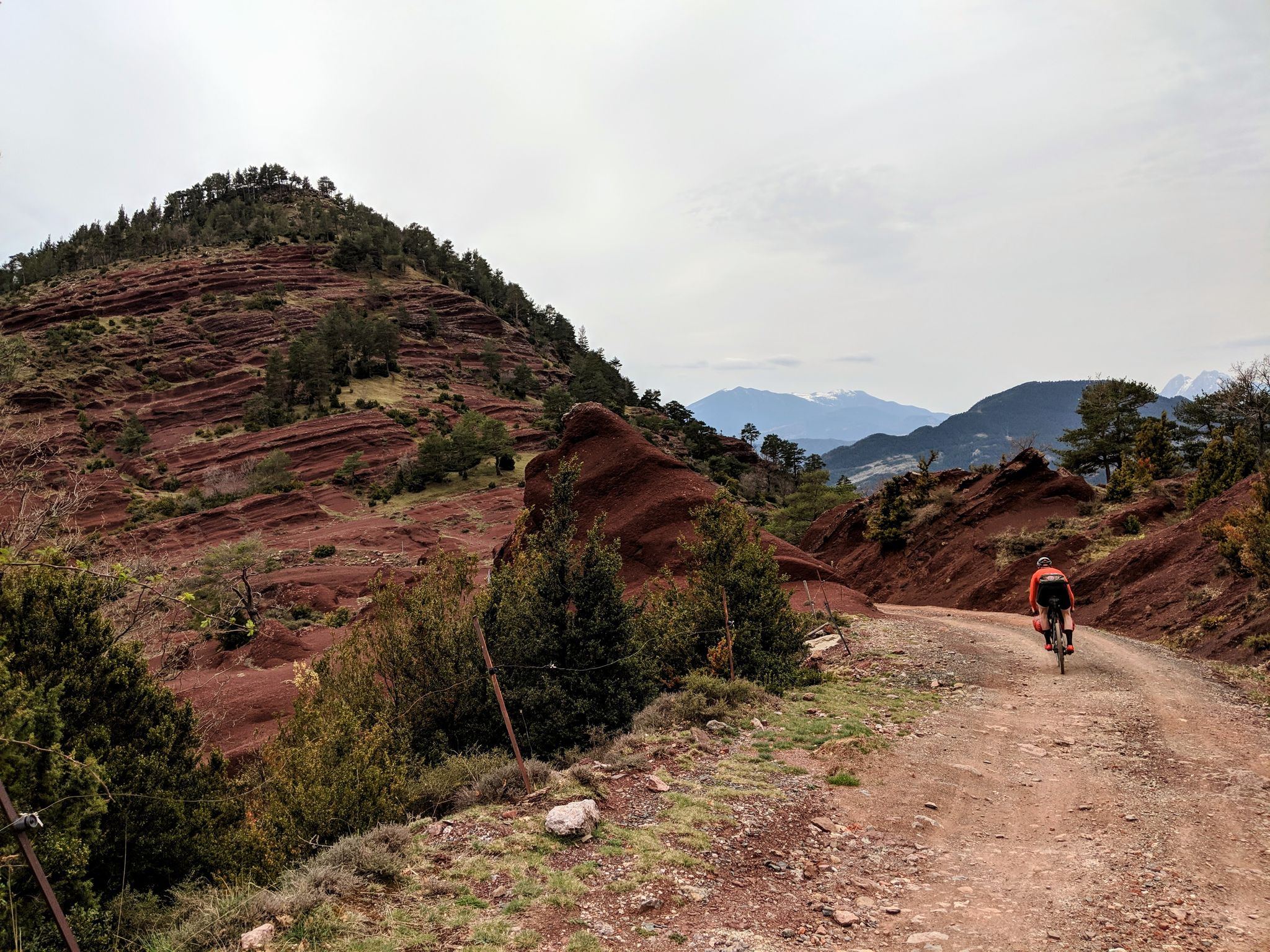
Catalunya Trail — Bikepacking in the Pyrenees
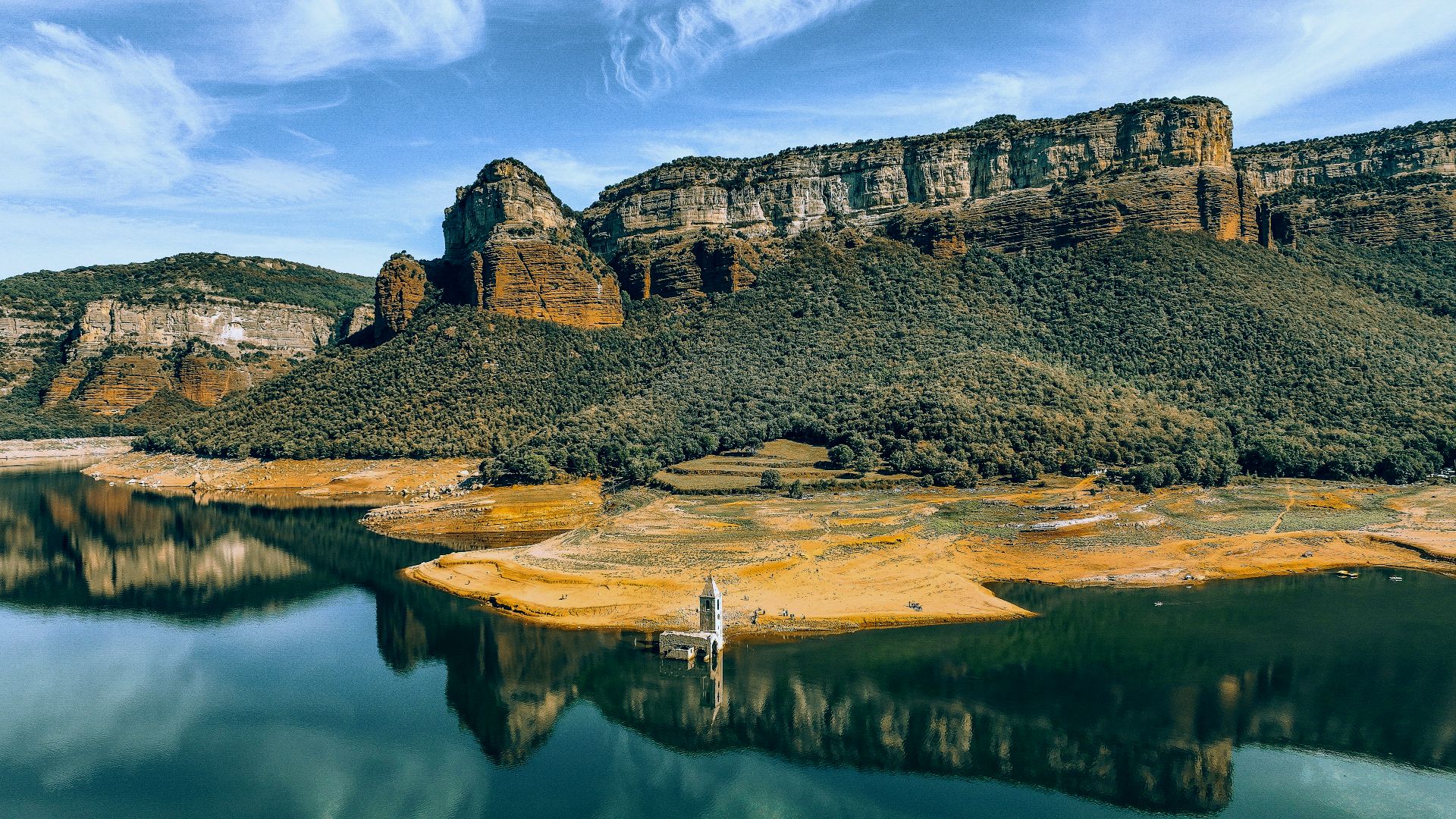
In the footsteps of the Catalan Romanesque – El Camino Oliba
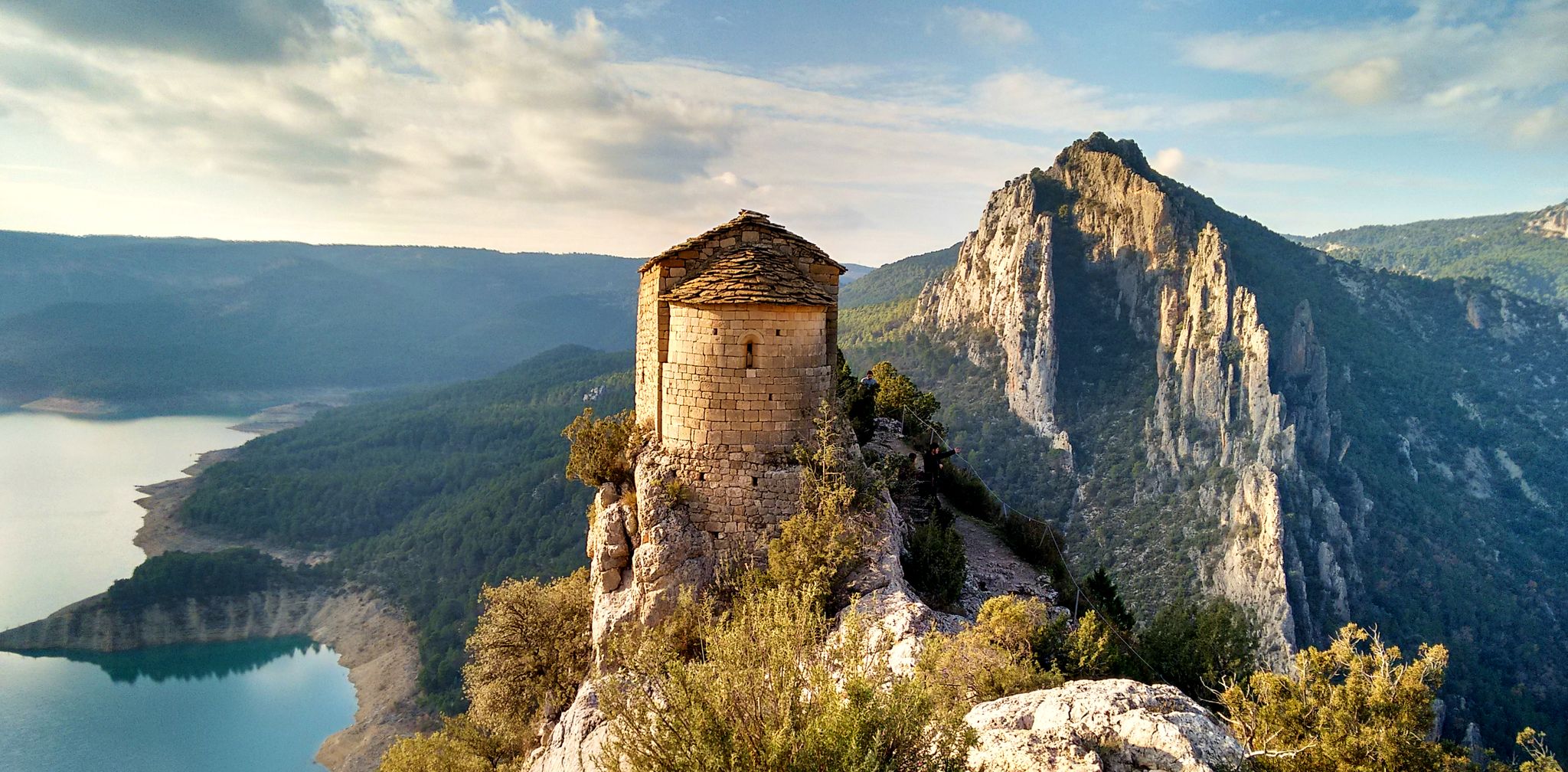
From the Mediterranean to the Pre-Pyrenees – Historical Path in Catalonia (GR 1)
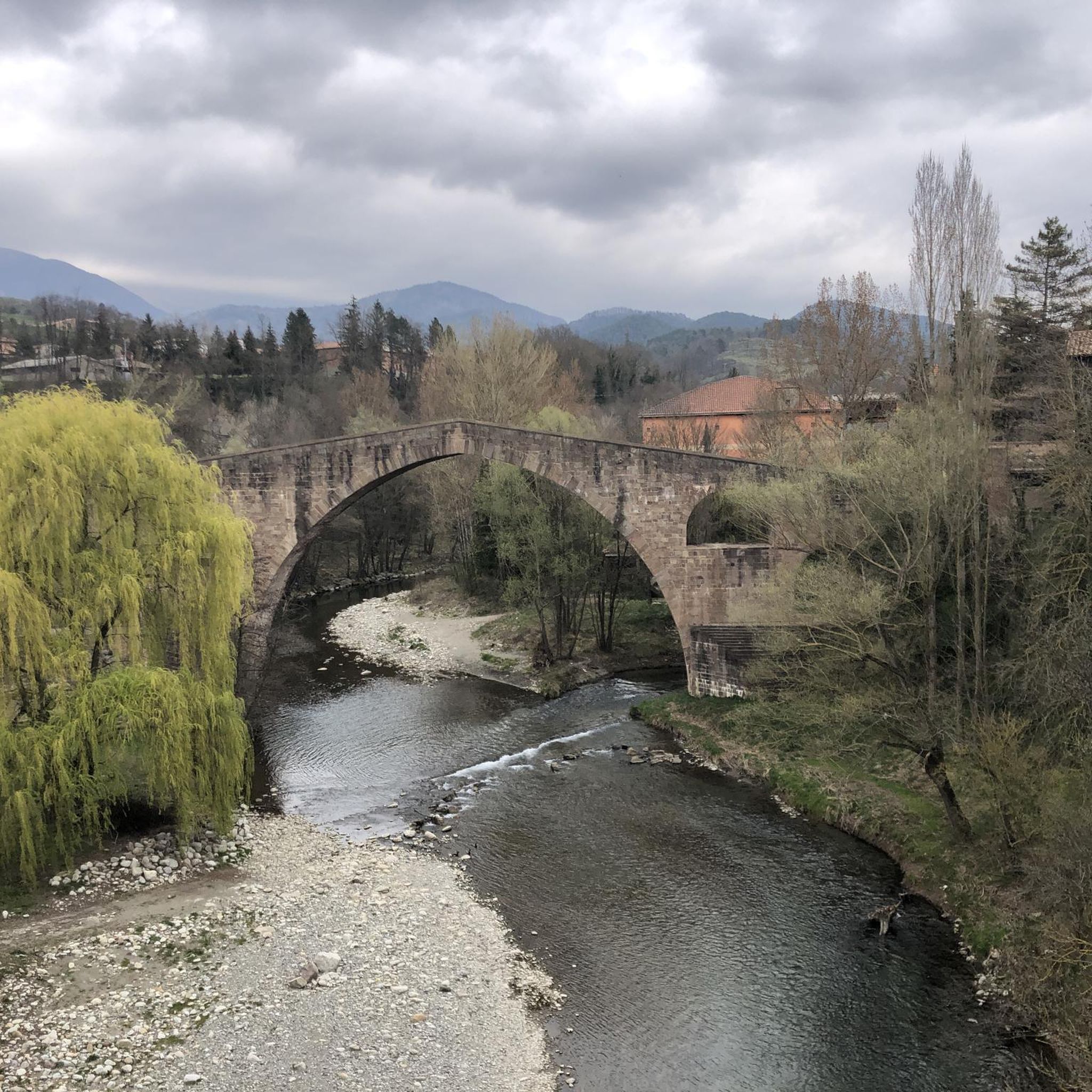
Cycling around Sant Joan De Les Abadesses
Road Cycling Routes around Sant Joan De Les Abadesses
Hiking around Sant Joan De Les Abadesses
Running Trails around Sant Joan De Les Abadesses
MTB Trails around Sant Joan De Les Abadesses

Gravel biking around Sant Joan De Les Abadesses
Other adventures around Sant Joan De Les Abadesses


Tips from the Community

Fantastic route for autumn, in summer we find the Pastor spring which refreshes
0
0

1064 m. Coll de Santigosa. On the road that connects Sant Joan de les Abadesses with Coll de Coubet. Very little trafficked road.
0
0

The part of the route near Riera de Santa Llucia de Puigmal is very dangerous and many sections are not passable by mountain bike.
0
0

The summit of Coll de Santigosa is at 1056 metres. Climbing from Olot, you will have to cover a total of 14.7 kilometres and ascend 657 vertical metres with an average gradient of 4.5%.
1
0


The Coll de Canes is a port that connects Ripoll with Olot. The eastern slope, which starts from Olot, is harder than the two western slopes. It is a constant 12km at 5-6%, with some ramps in the final part that are somewhat harder. It is a port to pick up the pace and enjoy climbing. There are two slopes that come from the west: the Ripoll slope and the Sant Joan de les Abadesses slope, through the Coll de Santigosa. Both are more extended than the west slope and are very pleasant and enjoyable, especially because of the landscape that surrounds them. I leave you the link of the altimetries published by @cyclingcols --> cyclingcols.com/col/Canes
0
0
The Coll de Canes is a port that connects Ripoll with Olot. The eastern slope, which starts from Olot, is harder than the two western slopes. It is a constant 12km at 5-6%, with some ramps in the final part that are somewhat harder. It is a port to pick up the pace and enjoy climbing. There are two slopes that come from the west: the Ripoll slope and the Sant Joan de les Abadesses slope, through the Coll de Santigosa. Both are more extended than the west slope and are very pleasant and enjoyable, especially because of the landscape that surrounds them. I leave you the link of the altimetries published by @cyclingcols --> http://www.cyclingcols.com/col/Canes
0
0
It is a great unknown in this area of the Pyrenees and is simply spectacular, its 2 slopes. It also has hardness on both sides. The longer eastern slope starts from Sant Joan de les Abedesses and crosses several villages and Romanesque churches. It is a port that goes in steps, with areas of very hard ramps and rests later. The asphalt in the final part is in very poor condition, although it can be circulated easily. The west slope starts from Ribes de Freser and has 2 very different parts. Until you reach the town of Brugera, with an irregular but sufficiently wide asphalt road and a sustained slope of 6 - 7%. From Bruguera, the asphalt turns into concrete and the slope rises to 9%, remaining constant until reaching the top. The views crowning this slope are precise.
2
0
Frequently Asked Questions
What are some challenging mountain passes for cyclists near Sant Joan de les Abadesses?
For cyclists seeking a challenge, Coll de Santigosa is a notable ascent, particularly from Olot, covering 14.7 kilometers with an average gradient of 4.5% to 1056 meters. Collada de Collfred also offers a demanding climb with irregular but steep gradients, especially from the La Garrotxa side. Another option is Coll de Jou, which presents a hard climb from both its eastern and western slopes, reaching 1637 meters.
Are there any mountain passes with historical significance in the region?
Yes, the Capsacosta Pass is particularly rich in history. It follows sections of the ancient Roman road of Capsacosta, an impressive engineering feat that once connected Pyrenean mines to the Roman port of Empúries. Exploring this pass allows you to experience both nature and a tangible piece of Roman history.
Which mountain passes offer the best panoramic views around Sant Joan de les Abadesses?
For spectacular panoramic views, Mount Taga, the highest point of Serra Cavallera, offers vistas stretching across the Pyrenees from Puigmal to Canigó. Additionally, Coll de Jou provides precise views, especially when crowning its western slope.
Are there family-friendly mountain passes for easier exploration?
The Capsacosta Pass is considered family-friendly. It features a relatively gentle gradient and minimal traffic, making it suitable for a more relaxed experience while still enjoying the natural beauty and historical elements of the area.
What outdoor activities can I do near these mountain passes?
The region around Sant Joan de les Abadesses offers diverse outdoor activities. You can find numerous running trails, including challenging routes like the 'Puig Estela, 2,013 m – Coll de Jou (1637 m) loop'. For mountain biking, explore routes such as the 'Iron and Coal Route loop' or the more difficult 'Coll de Santigosa – Santa Llúcia de Puigmal loop'. Road cyclists can enjoy routes like the 'Ruta del Ter' or longer loops like 'Coll de Santigosa – Coll de Coubet'. You can find more details on these activities in the Running Trails, MTB Trails, and Cycling guides for Sant Joan de les Abadesses.
What natural features can I expect to see when visiting the mountain passes?
The mountain passes are set within a diverse landscape. You'll encounter dense forests, especially around Coll de Santigosa, and rolling landscapes in areas like Serra Cavallera. The region is also known for its rich biodiversity, with Mount Taga being an important habitat for wildlife such as the golden eagle and Alpine marmot.
What is the best time of year to visit the mountain passes around Sant Joan de les Abadesses?
Many passes, such as Coll de Canes (1120 m), are well-oriented and suitable for exploration throughout the year, as they receive ample sunlight. Generally, spring and autumn offer pleasant temperatures for cycling and hiking, while summer provides warmer conditions. Winter can bring snow to higher elevations, offering different challenges and scenery.
Are there any quiet mountain passes with less traffic?
Yes, Coll de Santigosa is known for its notably quiet road, especially beyond a certain point, providing a serene cycling experience. The Capsacosta Pass also features minimal traffic, making it a peaceful option for exploration.
What do visitors enjoy most about the mountain passes in this area?
Visitors frequently appreciate the rewarding challenges offered by passes like Coll de Santigosa, coupled with the beautiful scenic views. The tranquility of less-traveled roads and the opportunity for immersive outdoor experiences away from heavy traffic are also highly valued. The historical significance of routes like the Roman road at Capsacosta Pass adds another layer of enjoyment.
Can I find parking near the mountain passes?
Yes, some passes offer parking facilities. For instance, Coll de Jou has options for leaving your car without issue. It's always advisable to check specific highlight details or local information for parking availability at your chosen starting point.
Are there any mountain ranges or peaks to explore in addition to the passes?
Absolutely. The Serra Cavallera is a significant mountain range in the region, known for its gentle, rolling landscapes. Its most emblematic peak is Mount Taga, standing at over 2,000 meters, which offers spectacular panoramic views and is an excellent destination for hiking and wildlife observation.
Most popular routes around Sant Joan De Les Abadesses
Most popular attractions around Sant Joan De Les Abadesses

Get inspired with the komoot mobile app


Explore more
See even more epic mountain passes by checking out these guides around Sant Joan De Les Abadesses:
