Top 9 Natural Monuments around Tíjola
Best natural monuments around Tíjola are found within the Almanzora Valley and the Sierra de los Filabres, offering a diverse natural landscape. This region in Almería, Spain, features geological formations, water features, and elevated viewpoints. The area provides opportunities to explore natural settings and historical sites. Tíjola is home to 9 natural monuments, making it a destination for outdoor exploration.
Best natural monuments around Tíjola
- The most popular natural monuments is El Estrecho de Urrácal, a gorge located on…
Last updated: July 1, 2026
Aljibe de Serón
Highlight • Natural Monument
Translated by Google •
Tip by

El Estrecho de Urrácal
Highlight • Gorge
Translated by Google •
Tip by

Sign up now to discover places like this
Get recommendations on the best single tracks, peaks, & plenty of other exciting outdoor places.
Sign up for free
Mirador de Piedra Lobera
Highlight • Viewpoint
Translated by Google •
Tip by
Fuente Perica Spring
Highlight • Natural Monument
Translated by Google •
Tip by
Cueva de la Paloma
Highlight • Cave
Translated by Google •
Tip by
Sign up for free to discover even more natural monuments around Tíjola.
Sign up for free
Already have an account?
Start today with a free account
Your next adventure awaits.
Login or Signup
Tips from the Community

The shortest beautiful gorge in the world
2
0


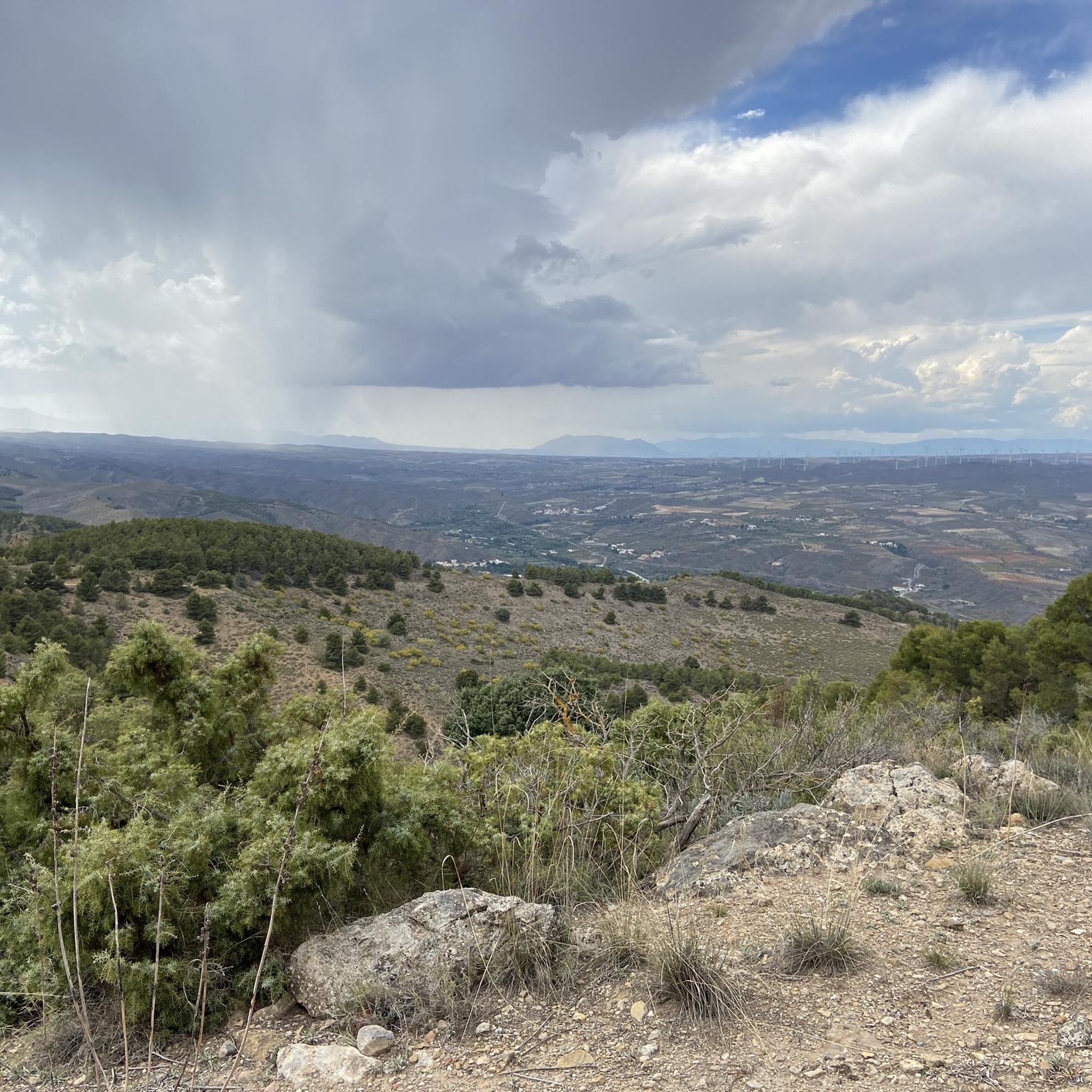
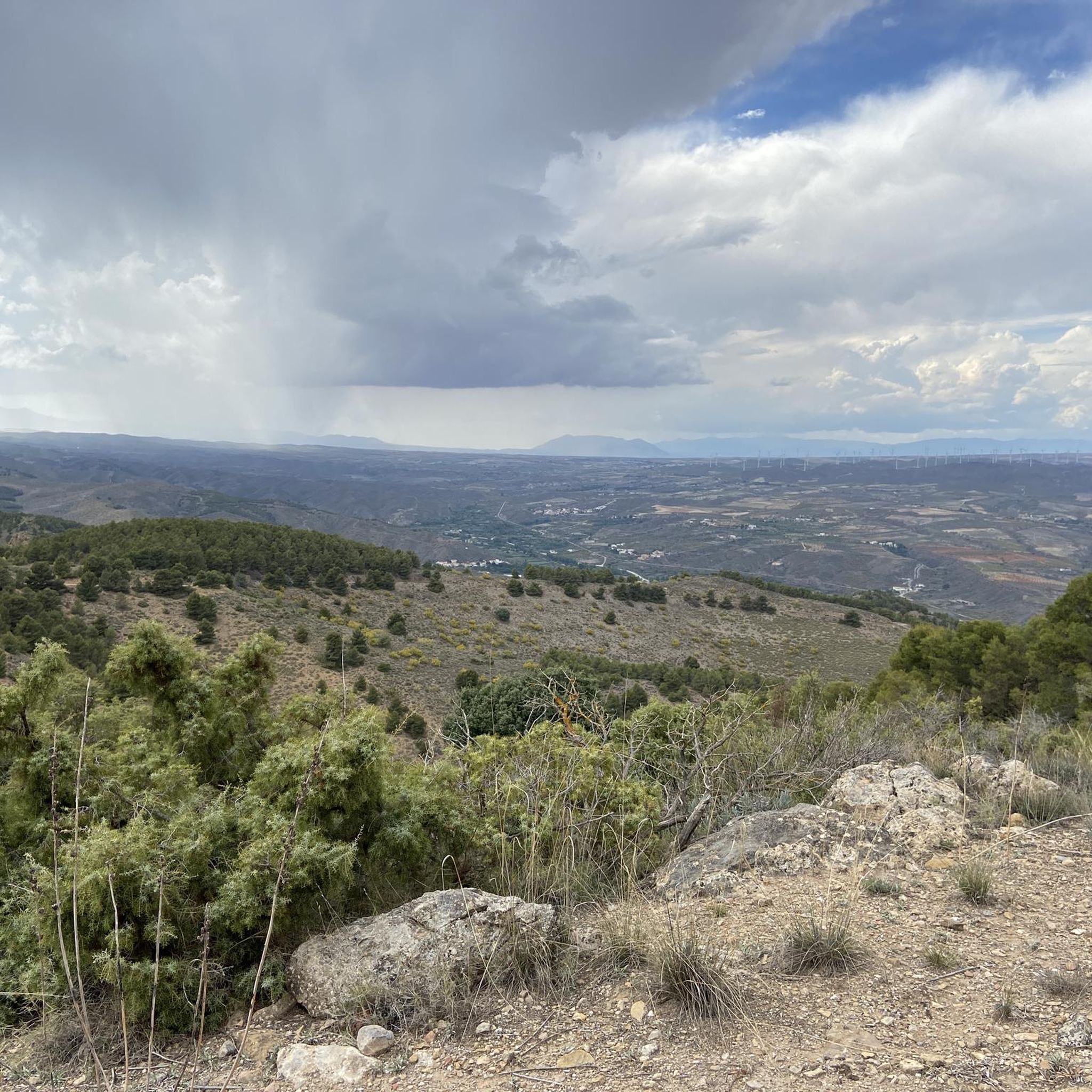
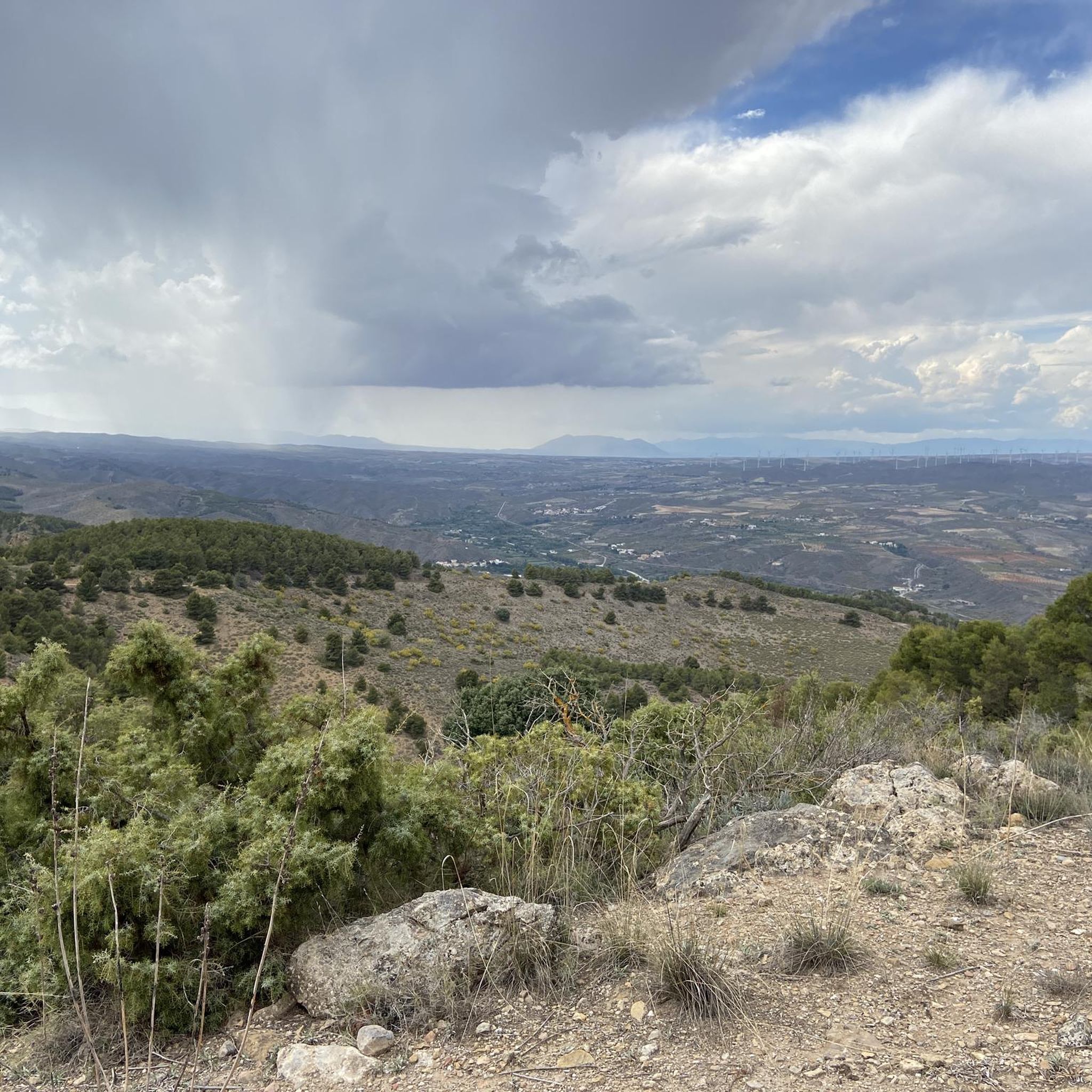
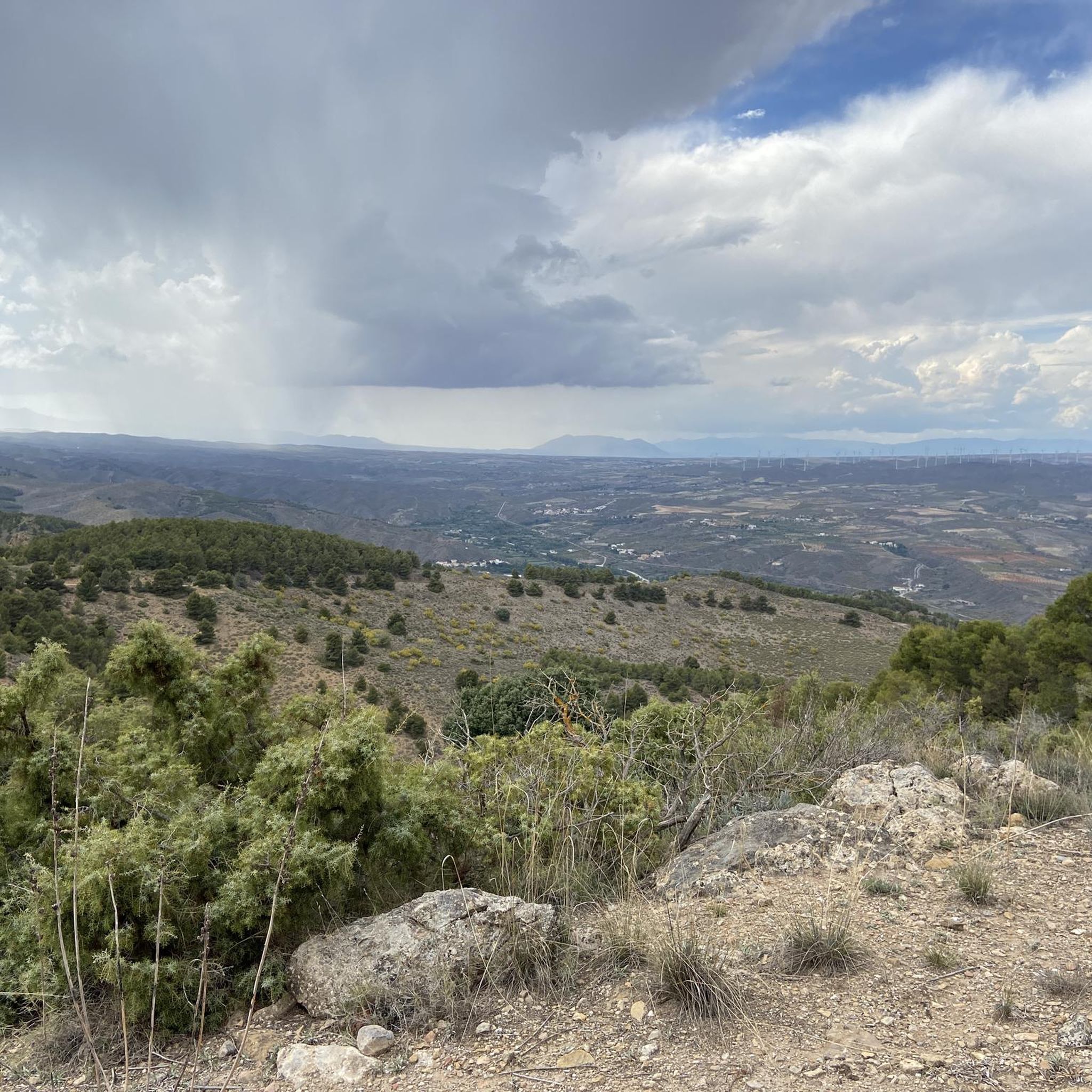
The Piedra Lobera Viewpoint is an impressive place in the province of Almería, specifically in the Sierra de Lúcar. At more than 1,700 meters, from the watchtower of Puerto de Lúcar, there are panoramic views that dominate territories of the provinces of Granada, Jaén and Almería. This viewpoint offers a unique visual experience in the region. 🌿🏞️
2
0
One of the places that most impresses those who take a walk through the Almanzora Valley in the north of Almería, is El Estrecho located in the municipality of Urrácal. This narrow gorge is located on the Salada Rambla at the foot of the El Castillico hill. For decades it has not been possible to pass due to the large amount of vegetation that was on the boulevard. In the past, with the flooding of the riverbed, it was cleaned naturally, but the construction of dams to prevent large avenues and floods has caused, over the years, a large number of oleanders, tamarisks, blackberries and false reeds to appear. They prevented access. Thanks to the cleaning work that has been carried out, today we can enjoy a walk that surprises us with its particular geological formations of great beauty. The passage of water, which will accompany us along the route of this gorge, and the action of the wind, have shaped these spectacular geological formations for years, and its walls reach several meters high. It consists of two separate formations whose length reaches around half a kilometer where our senses will begin to enjoy the spectacle that this environment offers. A natural wonder worth exploring! 🌿🏞️
7
0
The Cueva de la Paloma in Bayarque, Andalusia, is a cavernous opening located at the foot of a steep peak. Its reddish and brown esplanade is formed by the compact accumulation of mineral rubble that fills the abrupt relief of the environment. This cave is located in the Bacares River gorge, with vertical limestone pits approximately 120 meters high. Access is free and available for visits. 🌿🏞️
1
0

Place to enjoy 360 * of various ecosystems and mountains
1
0
This narrow gorge is located on the Rambla Salada at the foot of the hill “El Castillico”. For decades it has not been possible to pass due to the large amount of vegetation that was on the boulevard. Formerly, with the flooding of the riverbed, it was naturally cleaned but the construction of dams to prevent large avenues and floods has caused a large number of oleanders, tarays, blackberries and false reeds to appear over the years. the access. Thanks to the cleaning work that has been carried out, today, we can enjoy a walk that surprises us with its particular geological formations of great beauty. The passage of water, which will accompany us on the route of this gorge, and the action of the wind, have shaped these spectacular geological formations for years, and their walls reach several meters in height. It consists of two separate formations whose length reaches around half a kilometer where our senses will begin to enjoy the spectacle that this environment offers.
2
0
Located in the municipality of Bayarque, the Cueva de la Paloma is a cavernous opening at the foot of a steep peak, with a reddish and brown esplanade formed by the accumulation of mineral rubble, very compacted, that fill the abrupt relief of the environment. Outside we found a small hill on one side of the vertical wall that bordered the castle of Tíjola la Vieja, located in front. The place of La Cerrá, where it is located, is a gorge of the Bacares River, with vertical limestone pits with an approximate height of 120 meters. The sickle described by the river around a raised rock formation configures the natural fortress of the Tíjola la Vieja settlement. The Legend of the Treasure of the Cueva de la Paloma is shared by the residents of Tíjola and those of Bayarque. The locals say that when the artillery attack of Don Juan de Austria took place, the Moors fled at night, taking with them some food and the most valuable belongings for them, but they did not manage to take everything and hid most of their riches taking advantage of the grottos and caves in the area. It is assumed that most of a lavish treasure is hidden in the bowels of the Cueva de la Paloma, or in its surroundings.
1
0
Frequently Asked Questions
What unique natural features can I explore around Tíjola?
The region around Tíjola offers a diverse range of natural features. You can discover impressive gorges like El Estrecho de Urrácal, shaped by water and wind, or the dramatic La Cerrá de Tíjola carved by the Bacares River. There are also thermal springs such as Balsa de Cela, waterfalls like Fuente del Huevo Waterfall, and panoramic viewpoints like Mirador de Piedra Lobera.
Are there any natural monuments with historical significance near Tíjola?
Yes, the Cueva de la Paloma is a notable site with a rich history. This impressive cavern, located in the La Cerrá area, was an ancient copper deposit exploited by various cultures from the Algar culture around 11,000 BC up to the 19th century. Archaeological findings from Punic, Greek, Iberian, Roman, Visigoth, and Muslim periods have been discovered here.
What outdoor activities can I do near the natural monuments in Tíjola?
The area around Tíjola is excellent for outdoor activities. You can enjoy hiking and mountain biking, especially in areas like La Cerrá de Tíjola. For more structured routes, consider exploring the MTB Trails around Tíjola, Road Cycling Routes around Tíjola, or Running Trails around Tíjola.
Is there a natural monument where I can swim or relax in water?
Absolutely. The Balsa de Cela, also known as Fuente de Cela, is a thermal spring located north of Tíjola. Its waters emerge naturally at a constant temperature of 22-24 degrees Celsius year-round, forming a reservoir perfect for bathing and relaxation. The Romans were aware of its medicinal properties, and it remains a popular spot to cool off or enjoy tranquility.
What is the best time of year to visit the natural monuments around Tíjola?
The natural monuments around Tíjola can be enjoyed throughout the year. The Balsa de Cela is popular even in winter due to its constant warm water. For hiking and exploring gorges like La Cerrá, spring and autumn offer pleasant temperatures. Summer is ideal for cooling off in the Balsa de Cela, while the panoramic views from Mirador de Piedra Lobera are stunning in clear weather, which can occur in any season.
Are there any family-friendly natural monuments or activities in the Tíjola area?
Many natural monuments around Tíjola offer enjoyable experiences for families. The Balsa de Cela, with its shallow areas and warm thermal waters, is a great spot for families to relax and swim. Gentle walks along the Bacares River towards the Fuente del Huevo Waterfall can also be a pleasant family outing.
Where can I find the best panoramic views of the region?
For breathtaking panoramic views, head to the Mirador de Piedra Lobera. Situated at over 1,700 meters in the Sierra de Lúcar, this viewpoint offers extensive vistas across the provinces of Granada, Jaén, and Almería. La Cerrá de Tíjola also provides spectacular views of the surrounding mountains and valleys from its elevated points.
What kind of geological formations can be seen in the natural monuments?
The natural monuments around Tíjola showcase impressive geological formations. El Estrecho de Urrácal features narrow gorges with walls several meters high, sculpted by the passage of water and wind. La Cerrá de Tíjola is characterized by tall, vertical stone-cut gorges carved by the Bacares River, creating a dramatic and unique landscape.
What do visitors enjoy most about the natural monuments around Tíjola?
Visitors particularly appreciate the unique geological formations and the sense of discovery. The passage of water and wind shaping the gorges, the clear waters of springs and waterfalls, and the panoramic views from elevated points are frequently highlighted. The blend of natural beauty with opportunities for outdoor activities and historical exploration also makes the area appealing.
Are there any natural springs or water features apart from the Balsa de Cela?
Yes, besides the Balsa de Cela, you can visit the Fuente del Huevo Waterfall, which pours into a small lagoon, creating a serene oasis. Another notable spring is Fuente Perica Spring, known for its slightly thermal waters (around 28°C) that emerge from carbonated materials.
Are there opportunities for wildlife spotting in these natural areas?
While specific wildlife spotting data is limited, the diverse natural environments of the Almanzora Valley and the Sierra de los Filabres, where these monuments are located, provide habitats for various local flora and fauna. Areas like Mirador de Piedra Lobera are home to endemic flora adapted to the harsh mountain conditions, suggesting a rich natural ecosystem where wildlife may be observed.
Most popular attractions around Tíjola

Get inspired with the komoot mobile app


Explore more
Extend your search for the best caves by checking out these guides of the top ones around Tíjola:
