Top 7 Natural Monuments around Mamolar
Natural monuments around Mamolar offer diverse landscapes for exploration. This region, situated in the mountains of Burgos, features limestone rock formations and river valleys. The area provides opportunities to experience its natural heritage, with 7 designated natural monuments. Mamolar natural heritage sites include various geological formations and water sources.
Best natural monuments around Mamolar
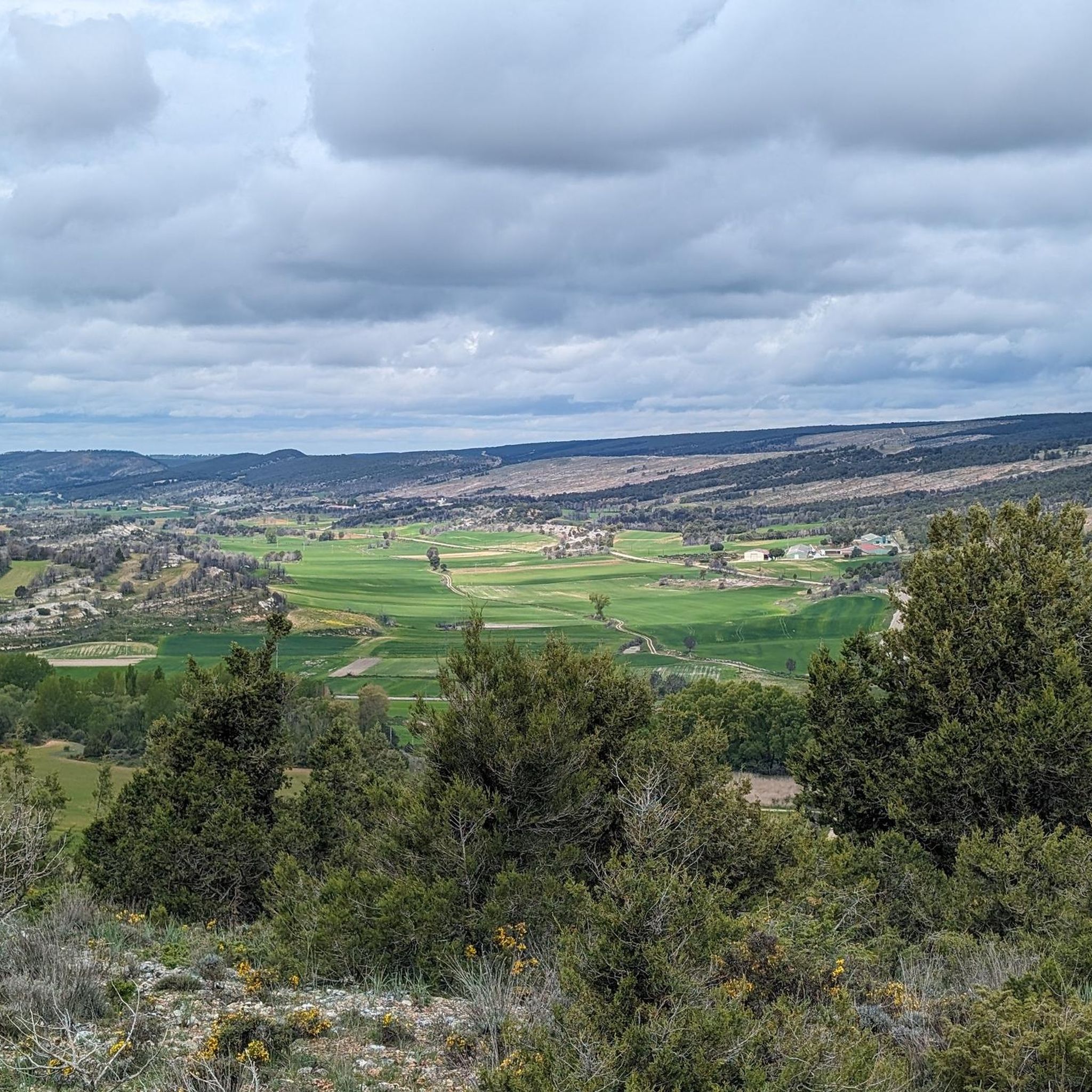
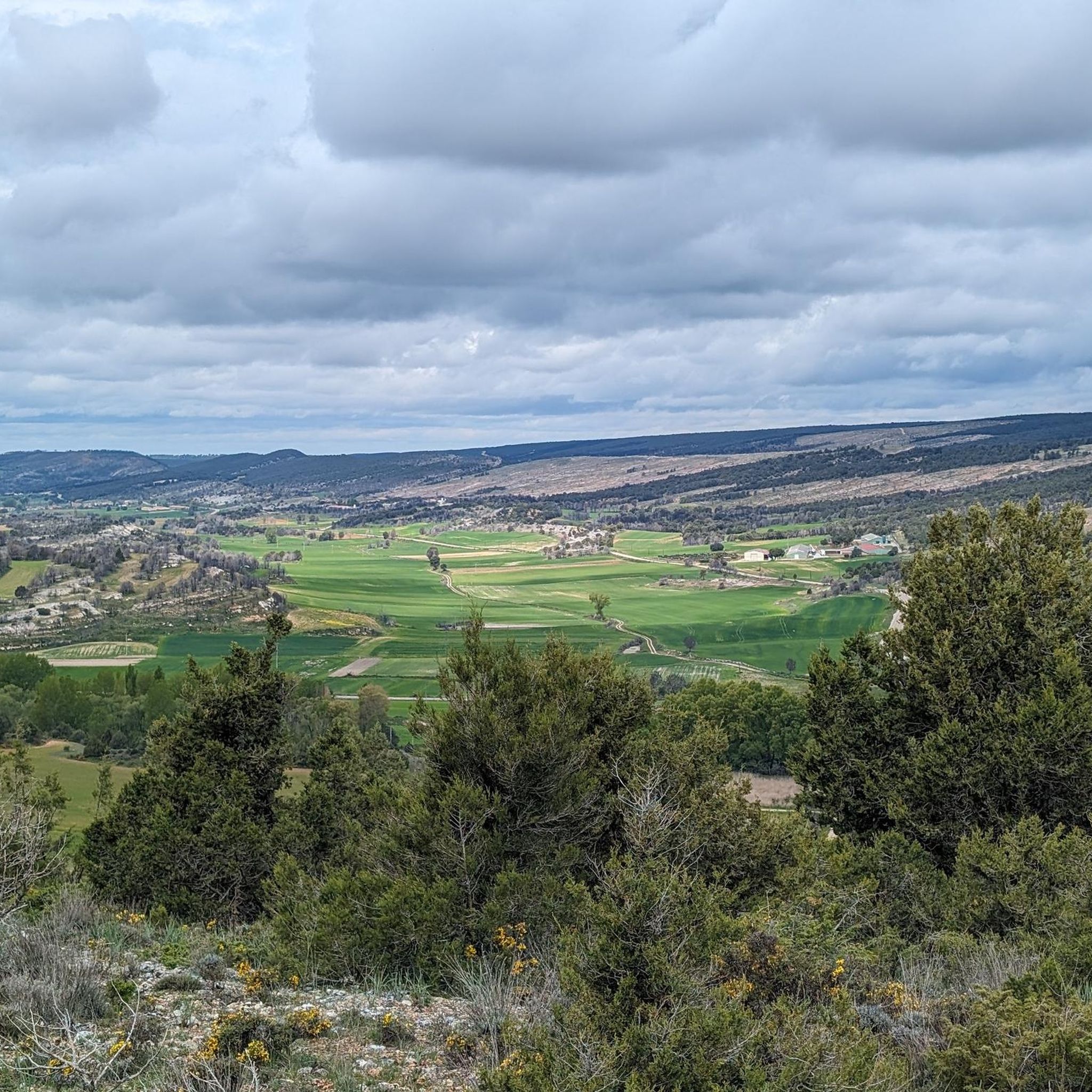
- The most popular natural monument is View of Peña de Carazo, a viewpoint offering vistas of the Tabladillo valley and surrounding limestone mountains. This location…
Last updated: July 1, 2026
Viewpoint over the Yecla Gorge
Highlight • Gorge
Translated by Google •
Tip by

View of Peña de Carazo
Highlight • Viewpoint
Translated by Google •
Tip by

Sign up now to discover places like this
Get recommendations on the best single tracks, peaks, & plenty of other exciting outdoor places.
Sign up for free
Pinarejos Spring
Highlight • Natural Monument
Spectacular landscapes.
bigjoe.es/el-destierro-del-cid-etapa-3-santo-domingo-de-silos-langa-de-duero
Translated by Google •
Tip by

Source of the Arandilla River
Highlight • River
Translated by Google •
Tip by

Las Peñas de Cervera Viewpoint
Highlight • Viewpoint
Translated by Google •
Tip by

Sign up for free to discover even more natural monuments around Mamolar.
Sign up for free
Already have an account?
Start today with a free account
Your next adventure awaits.
Login or Signup



Tips from the Community

The Arandilla River, a tributary of the Duero River in the province of Burgos, rises in the mountains near the town of Huerta de Rey.
4
0

privileged environment between Huerta and Arauzo
0
0

impressive canyon with walkways. Bikes must be left parked, they do not fit
0
0
Spectacular canyon, which can be visited via the walkways provided for this purpose. Be careful, bicycles do not fit, as it has been verified.
0
0


About three kilometers southwest of Silos lies a gorge also known as Desfiladero de la Yecla. A footpath leads through the deep cut in the limestone cliffs, whose valley floor the sun barely reaches. Colonies of griffon vultures and other birds of prey live in this adventurous landscape.
2
0

The gorge is nice to walk through since some walls have a verticality of 50m and we can also see vultures. The walk to Santo Domingo runs along a track with no problems for both walking and cycling except for the gorge itself.
2
1

Santo Domingo de Silos is a town and a monastery of Benedictine monks, located in the mountains of the southeast of the province of Burgos, 57 kilometers from the capital. The town and monastery are located in the eastern part of the Tabladillo valley, at 1000 meters above sea level and surrounded by high mountains of limestone rocks, sparsely covered with holm oaks, junipers, eskenes and pines.
8
0
Frequently Asked Questions
What kind of natural features can I expect to see around Mamolar?
The region around Mamolar is characterized by diverse natural features, including impressive limestone rock formations, river valleys, and various water sources. You can explore viewpoints offering expansive vistas, tranquil springs, and the origins of local rivers. Notable examples include the View of Peña de Carazo and the unique geological formations of La Yecla Gorge.
Are there family-friendly natural monuments to visit near Mamolar?
Yes, several natural monuments around Mamolar are suitable for families. Pinarejos Spring offers a tranquil environment ideal for resting. La Yecla Gorge is also considered family-friendly, offering an accessible trail through its impressive rock formations. Additionally, Las Peñas de Cervera Viewpoint provides scenic views that can be enjoyed by all ages.
What outdoor activities can I do near the natural monuments around Mamolar?
The area around Mamolar offers a variety of outdoor activities. You can find numerous routes for hiking, mountain biking, and touring cycling. For specific trails, you can explore guides like Hiking around Mamolar, MTB Trails around Mamolar, and Cycling around Mamolar.
Are there specific hiking trails associated with these natural monuments?
Yes, there are hiking opportunities that incorporate these natural monuments. For instance, the La Yecla Gorge features a trail that allows you to walk through its impressive rock formations. The View of Peña de Carazo is often part of longer hiking routes, offering stunning vistas. You can find detailed hiking routes in the Hiking around Mamolar guide.
What is the best time to visit the natural monuments around Mamolar?
While specific seasonal recommendations are not detailed for each monument, the region's natural beauty, with its holm oaks, junipers, and pines, suggests that spring and autumn would offer pleasant temperatures for exploration and vibrant landscapes. Summer can be warm, while winter might offer a different, quieter experience, though some access might be affected by weather.
Can I bring my dog to the natural monuments around Mamolar?
Many natural outdoor areas in Spain are dog-friendly, especially on trails and in open spaces. While specific rules for each natural monument are not provided, generally, if dogs are kept on a leash and owners clean up after them, they are welcome. It's always advisable to check local signage upon arrival for any specific restrictions.
What unique geological features can be found in the Mamolar area?
The Mamolar area is known for its distinctive limestone rock formations. A prime example is La Yecla Gorge, where water erosion over thousands of years has carved impressive holes and passages through the rock. The surrounding mountains, visible from the View of Peña de Carazo, also showcase these striking geological characteristics.
Are there any natural springs or river sources to visit?
Yes, the region features notable water sources. You can visit Pinarejos Spring, known for its tranquil setting between Huerta and Arauzo. Another significant site is the Source of the Arandilla River, which marks the origin of a tributary to the Duero River in the province of Burgos, located near Huerta de Rey.
What do visitors enjoy most about the natural monuments around Mamolar?
Visitors particularly appreciate the diverse landscapes and the opportunities for peaceful exploration. The stunning vistas from viewpoints like View of Peña de Carazo and the unique geological formations of La Yecla Gorge are highly rated. The tranquil environment of places like Pinarejos Spring is also a favorite for those seeking relaxation amidst nature.
Are there any viewpoints offering panoramic views of the region?
Absolutely. The View of Peña de Carazo is a popular viewpoint providing extensive vistas of the Tabladillo valley and the surrounding limestone mountains. Another excellent spot is Las Peñas de Cervera Viewpoint, which offers scenic views and serves as an entrance to the Natural Park.
What towns are close to these natural monuments?
Many of these natural monuments are situated near charming towns. For example, the View of Peña de Carazo is close to Santo Domingo de Silos. La Yecla Gorge is located between Santo Domingo de Silos and Caleruega. The Source of the Arandilla River is near Huerta de Rey, and Pinarejos Spring is found between Huerta and Arauzo.
Most popular attractions around Mamolar

Get inspired with the komoot mobile app


Explore more
Extend your search for the best caves by checking out these guides of the top ones around Mamolar:
