Top 14 Mountain Passes around Esparreguera
Best mountain passes around Esparreguera provide varied terrain for hiking and cycling within Catalonia. The region features several notable cols and ascents, offering engaging challenges and scenic views. These routes traverse natural landscapes, including Mediterranean forests, and connect to cultural heritage sites. The area is known for its diverse landscapes, providing opportunities for outdoor activity throughout the year.
Best mountain passes around Esparreguera
- The most popular mountain passes is Alt de la Creu d'Aragall (537 m) – Gelida Side,…
Last updated: July 1, 2026
Coll de Can Maçana
Highlight • Mountain Pass
Translated by Google •
Tip by

Coll de l'Obac
Highlight (Segment) • Mountain Pass
Translated by Google •
Tip by

Sign up now to discover places like this
Get recommendations on the best single tracks, peaks, & plenty of other exciting outdoor places.
Sign up for free
Portell de Migdia (1,029 m)
Highlight • Mountain Pass
Translated by Google •
Tip by

La Portella Pass
Highlight • Mountain Pass
Translated by Google •
Tip by
Alt de la Creu d'Aragall (537 m) – Gelida Side
Highlight (Segment) • Mountain Pass
It is …
Translated by Google •
Tip by

Sign up for free to discover even more mountain passes around Esparreguera.
Sign up for free
Already have an account?
Start today with a free account
Your next adventure awaits.
Login or Signup
Popular around Esparreguera
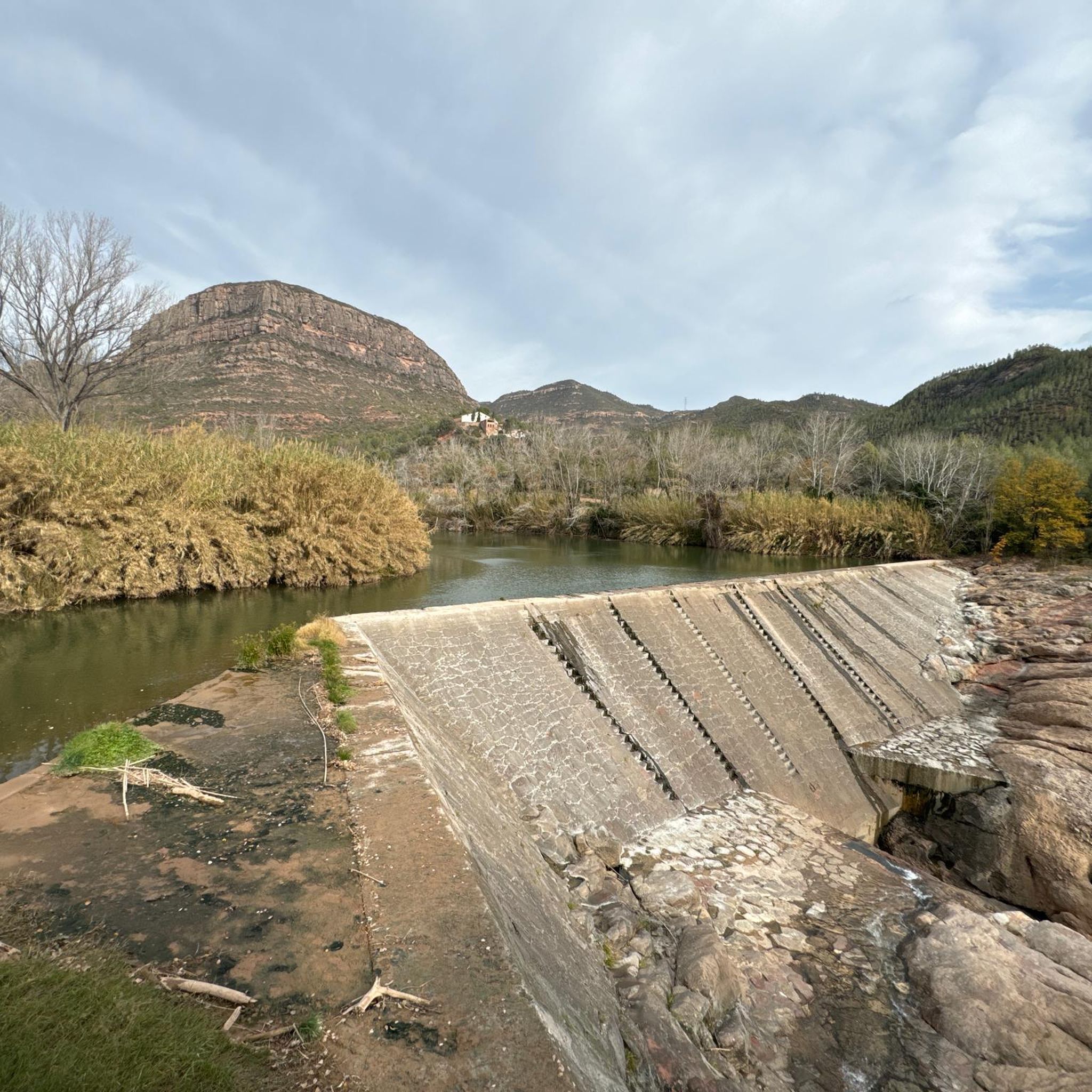
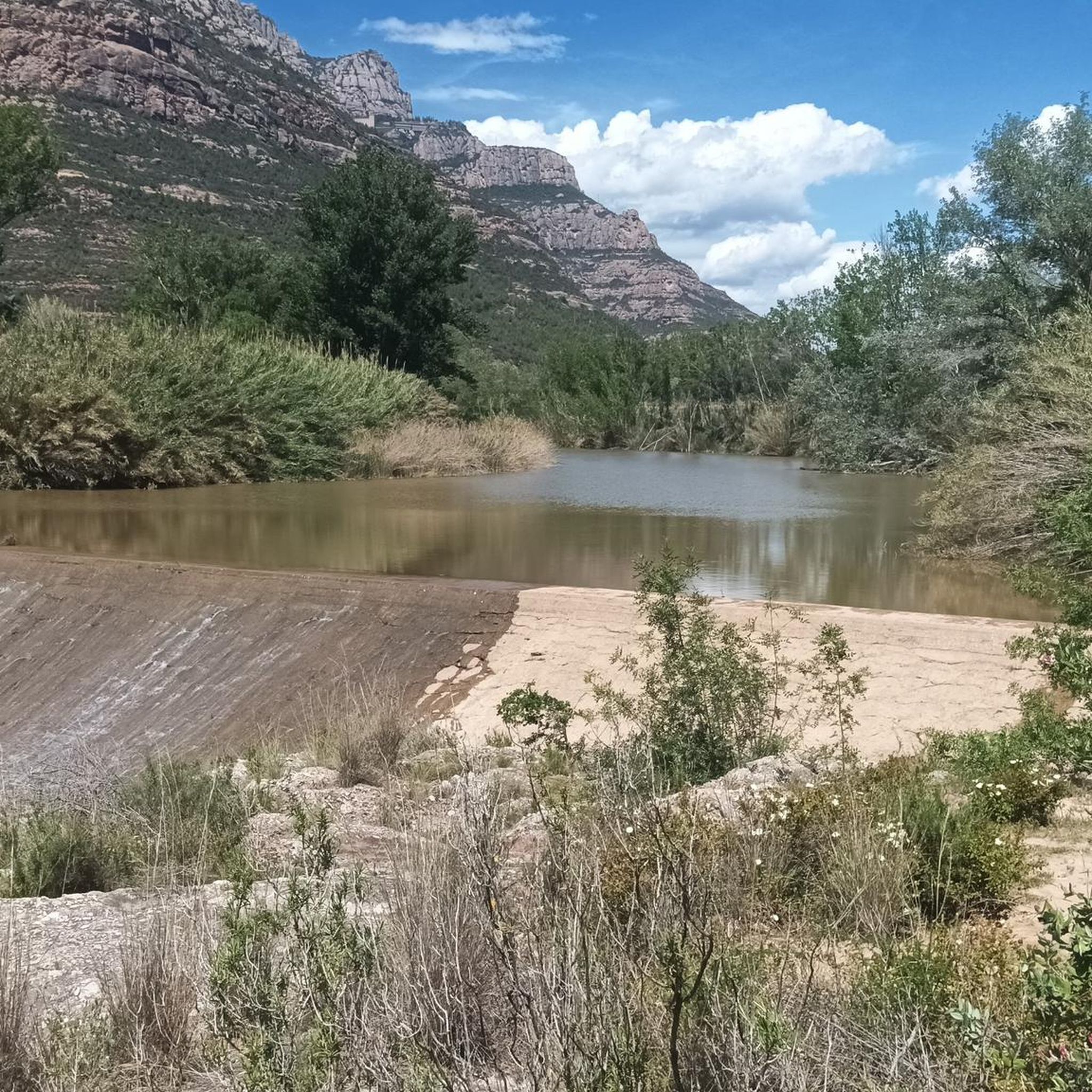
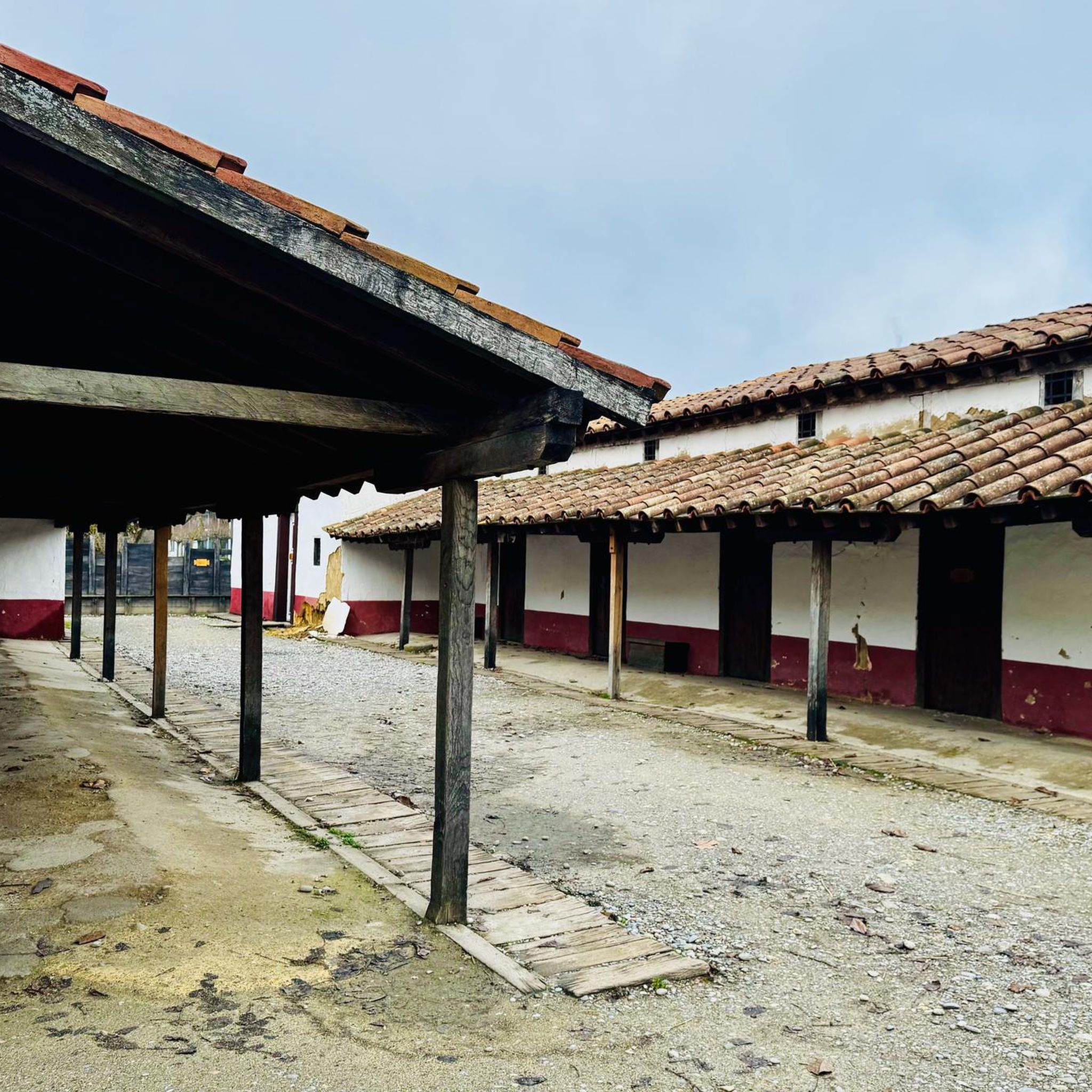
Other adventures around Esparreguera

Tips from the Community

A very pleasant climb. Few cars, a cool, shady area. There are some rest areas that make the 8km climb manageable.
0
0

You'll have good luck if you see the Magical mountain, and the descent after is fantastic :-)
0
0

One of the two climbs that leave Terrassa and cross the Parc Natural de Sant Llorenç de Munt i l'Obac, thus connecting the Vallés Occidental region with the Bages region. Like the climb to Coll d'Estanalles, Coll de l'Obac is a very gentle climb, on a narrow, rough road, without a hard shoulder, very busy with cars on Sundays and public holidays, so you have to be careful, especially on the descent. The final stretch of the climb, the last 2 km, is by far the hardest, especially a very long straight that exceeds 7%. It is very pleasant to ride there first thing in the morning, with shade and the freshness of the forest. The views of Montserrat, the Bages plain and the Pyrenees line are well worth it... and a good photo.
0
0


Good port from Terrassa. Smooth and continuous climb, between woods and with little traffic.
0
0

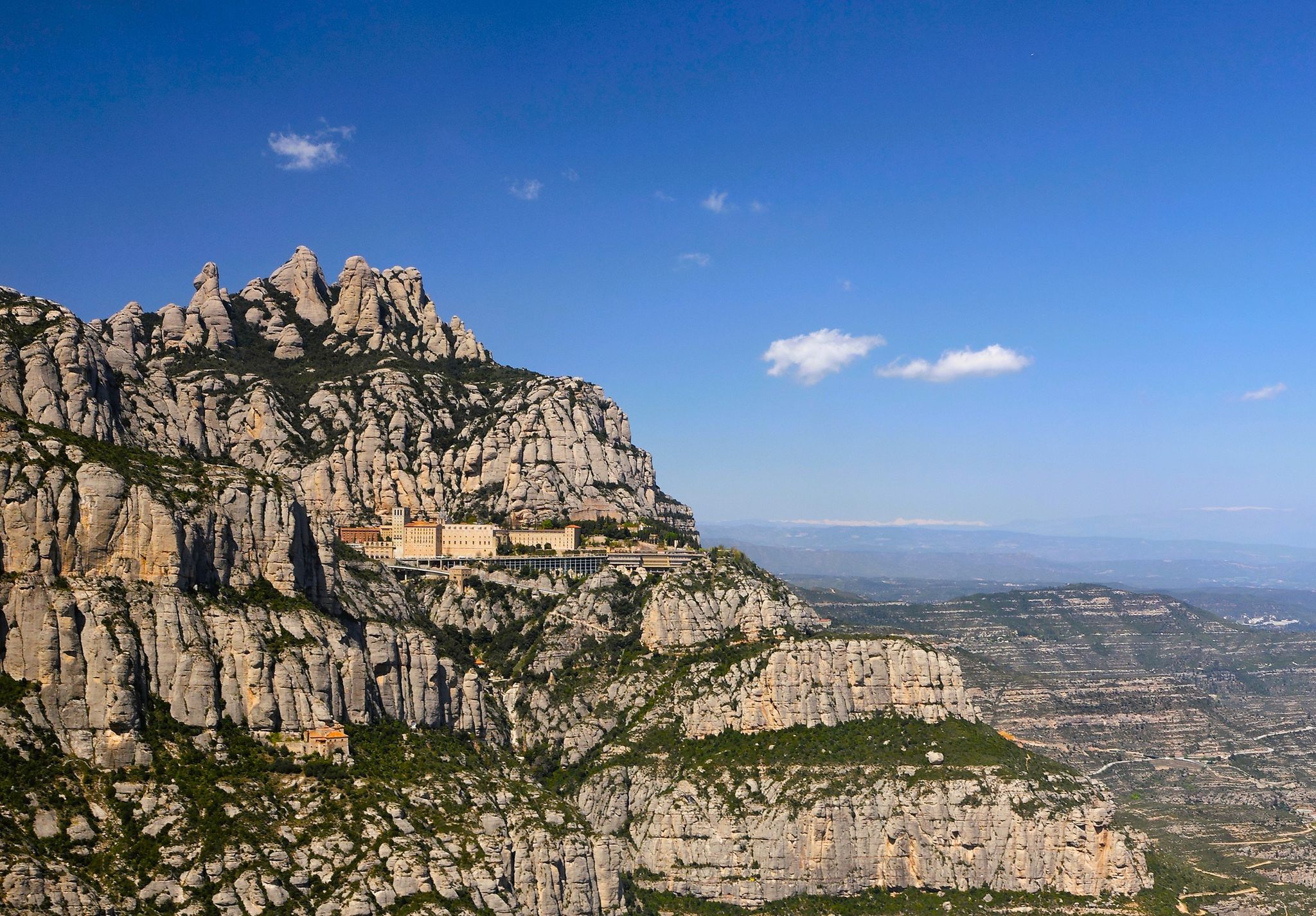
Can Maçana is an old farmhouse that gives its name to the hill in the westernmost part of the Montserrat massif. The pass is one of the natural passes between the regions of Bages and Anoia. The farmhouse belonged to the Maçana (or Massana) family during the 16th and 17th centuries. It later became the property of the Montserrat monastery (on the door you can see the coat of arms of the monastery, dated 1791). This part of the massif is known for its famous stone needles (the area is known as "the labyrinth of needles"). At this point there is a car park and it is the starting point of numerous signposted routes, such as those that go to Sant Pau Vell (ancient Romanesque church) or the historical space of the Battle of Bruc.
1
0
It is a constant climb, full of shadows, with perfect asphalt, with little traffic, turns at the beginning and with more straights in the intermediate and final parts. It is a perfect port to train and enjoy the tranquility. Gelida is the starting point, although it is true that either from Martorell or from Sant Sadurní, the road goes up.
0
0
The Coll de l'Obac is a beautiful climb that connects the city of Terrassa with Castellbell and Vilar, very close to Monistrol de Montserrat, at the foot of the mountain. It is one of the 3 alternatives to reach the foot of Montserrat from Vallès Occidental, in addition to Vacarisses and the main road that takes us from Martorell and Olesa de Montserrat. It is a port that has 4 aspects: - South slope, which starts from Terrassa. It is a long and difficult climb, especially in its initial part, getting tougher in the last 4 - 5 km, without ever exceeding 6 - 7%. Very twisted road, without shoulder, with rough asphalt and with a lot of motorcycle and car traffic (as well as cyclists) during the weekend and holidays. We must be careful. It is a mostly shady road. - Southwestern slope (BV-1211 road), which crosses the town of Vacarisses and deviates to the left through the "Els Caus" urbanization. The initial part is very laid out; However, the section that crosses the "Els Caus" urbanization has very hard ramps, with the road narrow and concreted in some sections. - North Slope, which starts from Castellbell and Vilar. It is a climb very similar to the South slope due to its length and type of port. It differs from the previous one in that it has a considerable ramp when crossing the town of Rellinars and the road has hardly any shadows. - Northwest Slope (BV-1212 road), which starts from the C-58 road, goes up to the town of Vacarisses and takes the section to the right of the "Els Caus" urbanization, previously described. The first stretch to Vacarisses is straight and very beautiful, with a very quiet and winding road, paved to perfection.
0
0
Frequently Asked Questions
What are some popular mountain passes for hiking around Esparreguera?
Several passes offer excellent hiking opportunities. Coll de Can Maçana is a natural pass and a starting point for numerous signposted routes, including those to Sant Pau Vell and the historical space of the Battle of Bruc. La Portella Pass provides a unique experience, serving as a key step into the Agulles region, though it may require some use of hands for balance. Additionally, Coll de les Espases and Collado de les Bruixes are popular for moderate circular hiking routes, offering scenic views and historical elements.
Are there mountain passes suitable for cycling near Esparreguera?
Yes, the region offers great cycling. Alt de la Creu d'Aragall (537 m) – Gelida Side is a popular choice, known for its constant climb, perfect asphalt, and low traffic, making it ideal for training and enjoying tranquility. The area's diverse landscapes and well-maintained roads connecting cities to villages are well-suited for cycling throughout the year. You can find more cycling routes in the Road Cycling Routes around Esparreguera guide.
What kind of natural features and viewpoints can I expect at these mountain passes?
The mountain passes around Esparreguera are rich in natural beauty and offer stunning viewpoints. For instance, Coll de Can Maçana is a viewpoint offering vistas of the Montserrat massif. La Portella Pass is a narrow passage through impressive rock formations, while Portell de Migdia (1,029 m) is an important crossroads with access to the Canal de Migdia, dividing Montserrat Mountain and offering panoramic views. The region is characterized by Mediterranean forests and diverse landscapes.
Are there any historical or cultural sites near the mountain passes?
Yes, several passes are close to historical and cultural points of interest. Coll de Can Maçana is a starting point for routes to Sant Pau Vell, an ancient Romanesque church, and the historical space of the Battle of Bruc. The old farmhouse at Can Maçana also has historical significance, once belonging to the Montserrat monastery. Collado de les Bruixes is also noted for featuring historical sites along its hiking routes.
What is the best time of year to visit the mountain passes around Esparreguera?
The region around Esparreguera is known for its diverse landscapes, providing excellent opportunities for outdoor activities throughout the year. While specific seasonal considerations for each pass vary, the Mediterranean climate generally allows for pleasant hiking and cycling in spring and autumn. Summers can be warm, making early mornings or late afternoons preferable, while winters are typically mild.
Are there family-friendly options among the mountain passes?
Yes, some passes are considered family-friendly. Coll de Can Maçana is categorized as family-friendly and serves as a starting point for various signposted routes, some of which are suitable for families. When planning a family outing, it's always advisable to check the specific route details and difficulty levels.
What are the difficulty levels of the mountain passes in this area?
The mountain passes around Esparreguera offer varying levels of difficulty. Many are categorized as 'intermediate,' such as Coll de Can Maçana, Portell de Migdia (1,029 m), and La Portella Pass. Coll de les Espases and Collado de les Bruixes are described as moderate hikes. Some routes may involve elevation gains of around 360-500 meters and require good fitness and sure-footedness, especially where hands might be needed for balance.
Are there opportunities for running or trail running near these mountain passes?
Absolutely. The diverse terrain around Esparreguera is well-suited for running and trail running. You can explore various routes that incorporate the passes and surrounding natural areas. For specific routes and guides, refer to the Running Trails around Esparreguera guide, which lists options like the Sant Jeroni – Montserrat Monastery loop or the Vinyanova Trail – Sant Jeroni Summit loop.
Where can I find parking when visiting these mountain passes?
Parking facilities are available at some key access points. For example, Coll de Can Maçana has a car park, which serves as a primary starting point for numerous routes into the Montserrat Natural Park. This area was developed to provide visitor access and information, though it may be paid parking.
What is L'Ajaguda Pass or Bassal dels Gats known for?
L'Ajaguda Pass or Bassal dels Gats is an important mountain pass located between the Ajaguda and the foothills of the Serra de la Sajolida. It serves as a passage point for the Camí dels Francesos or the Bassal dels Gats, which ascends from the Plans de la Vinya Nova and continues up the Serra de la Sajolida. It also connects to the path leading down to the Canal de Migdia.
What do visitors enjoy most about the mountain passes around Esparreguera?
Visitors appreciate the varied terrain suitable for both hiking and cycling, the scenic views of the Montserrat massif, and the combination of natural landscapes with historical and cultural elements. The tranquility of routes like Alt de la Creu d'Aragall (537 m) – Gelida Side and the unique challenge of passes like La Portella Pass are frequently highlighted. The community has shared over 11 photos and given more than 80 upvotes to these passes, reflecting their appeal.
Most popular routes around Esparreguera
Most popular attractions around Esparreguera

Get inspired with the komoot mobile app


Explore more
See even more epic mountain passes by checking out these guides around Esparreguera:
