Top 20 Natural Monuments around Huétor De Santillán
Best natural monuments around Huétor De Santillán are primarily found within the Sierra de Huétor Natural Park, a protected area known for its diverse landscapes. This region features Mediterranean mid-mountains, ravines, streams, and extensive pine and oak forests. The park is home to varied wildlife and significant geological formations, including cliffs and caves. These natural features offer opportunities for outdoor activities and exploration.
Best natural monuments around Huétor De Santillán
- The most popular natural monuments is Tajo de las Palomas…
Last updated: July 1, 2026
Tajo de las Palomas
Highlight • Gorge
Translated by Google •
Tip by

Quéntar Reservoir
Highlight • Lake
Translated by Google •
Tip by

Sign up now to discover places like this
Get recommendations on the best single tracks, peaks, & plenty of other exciting outdoor places.
Sign up for free
University of Granada Botanical Garden
Highlight • Natural
Translated by Google •
Tip by
Lower Gardens of the Generalife
Highlight • Natural Monument
Translated by Google •
Tip by
Carmen de los Mártires Gardens
Highlight • Historical Site
Translated by Google •
Tip by
Sign up for free to discover even more natural monuments around Huétor De Santillán.
Sign up for free
Already have an account?
Start today with a free account
Your next adventure awaits.
Login or Signup
Popular around Huétor De Santillán
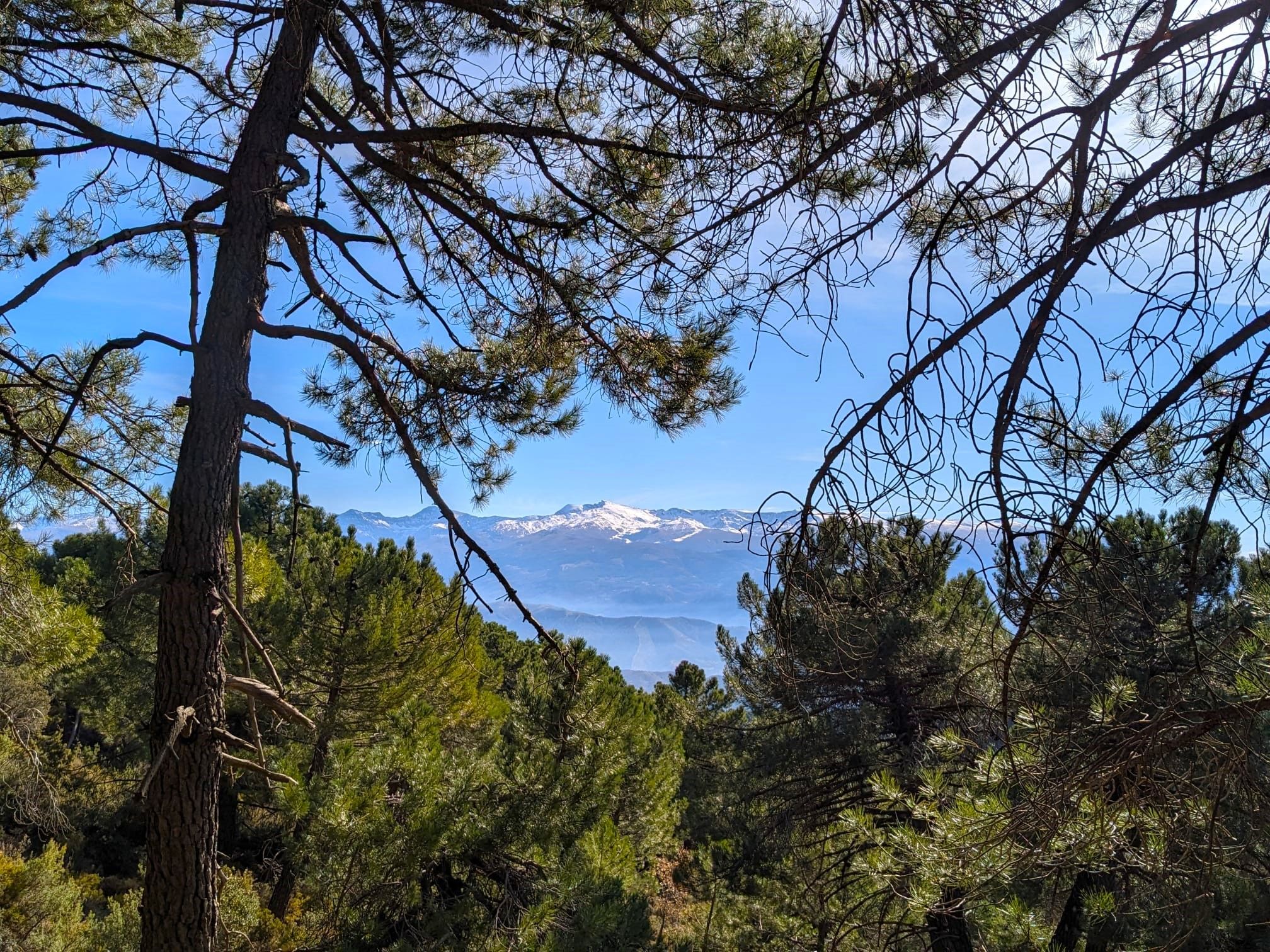
La Vega de Granada – walks a stone's throw from the city
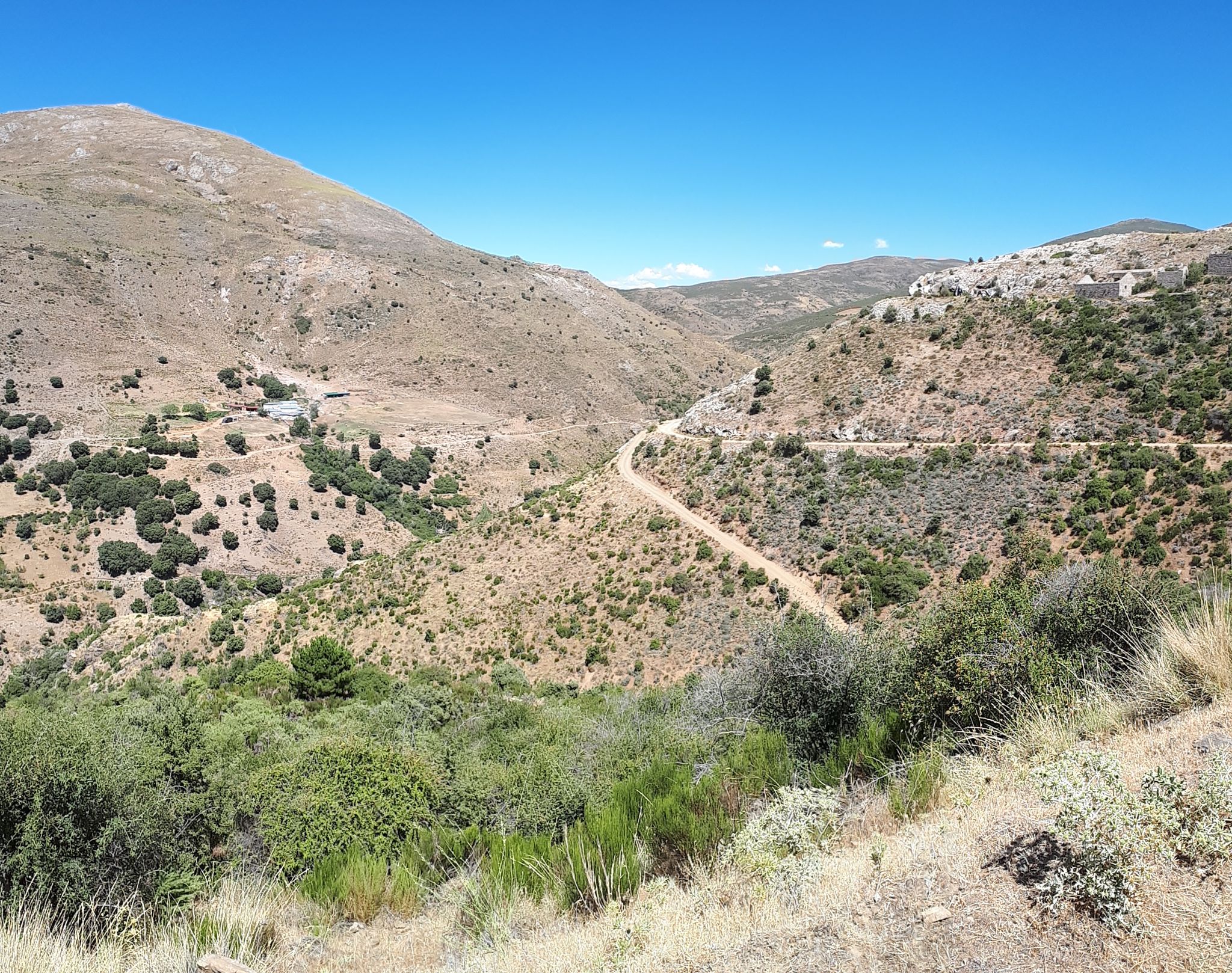
Nature and singletrack – bikepacking in Spain’s Sierra de Huétor
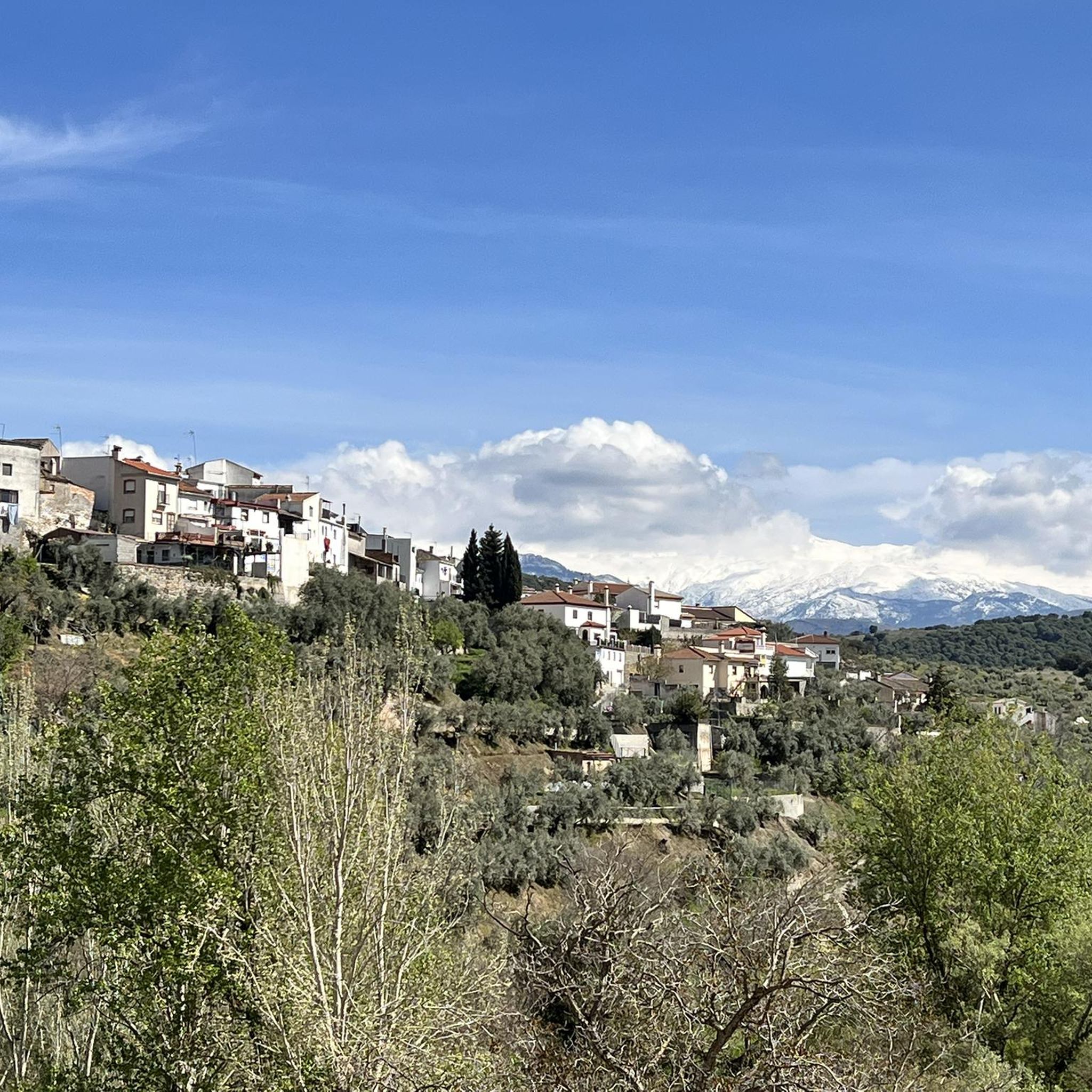
Hiking around Huétor De Santillán
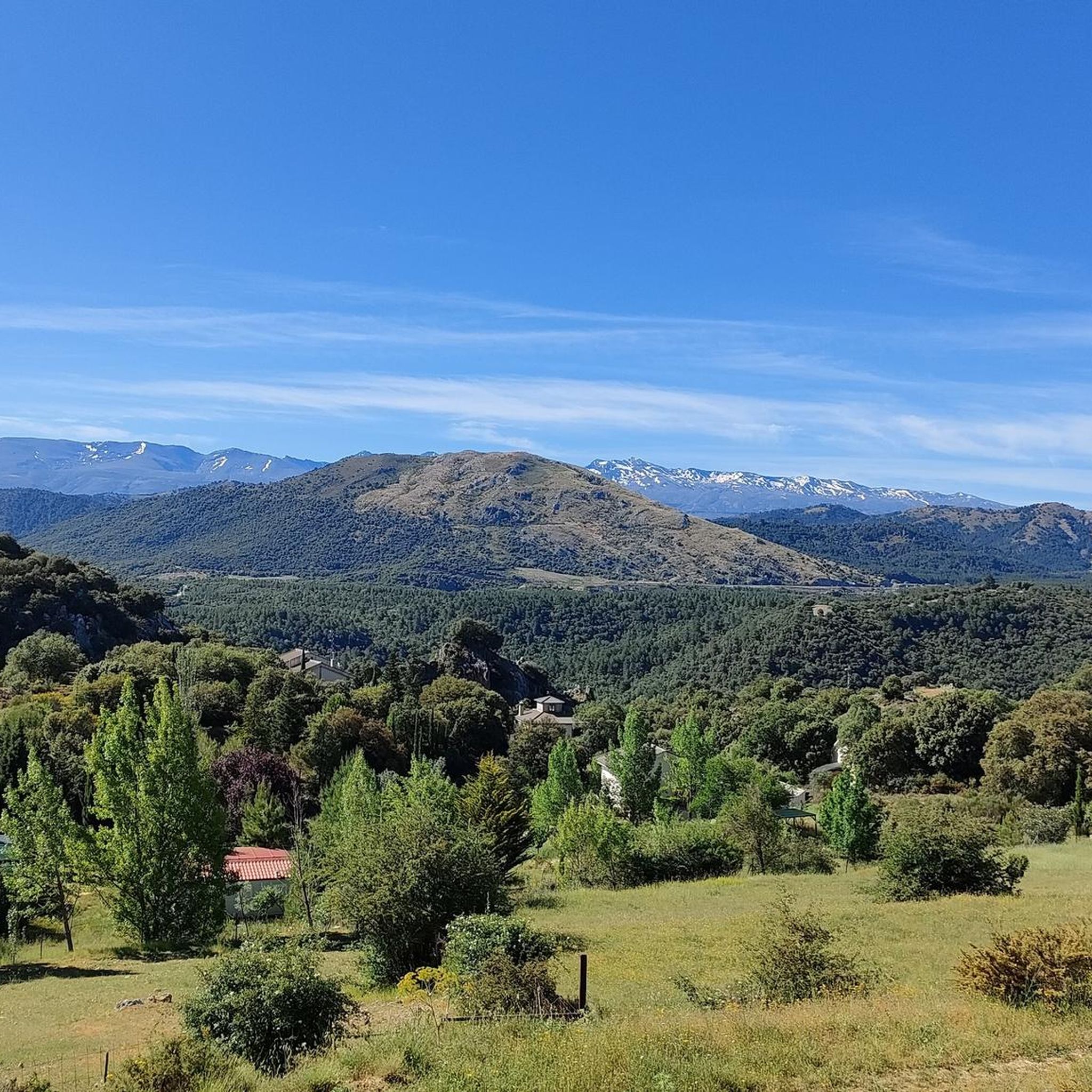
Road Cycling Routes around Huétor De Santillán

Gravel biking around Huétor De Santillán
Running Trails around Huétor De Santillán
MTB Trails around Huétor De Santillán
Cycling around Huétor De Santillán

Mountain Hikes around Huétor De Santillán


Tips from the Community

The University of Granada Botanical Garden is an oasis of tranquility in the heart of the city. The garden is home to a variety of native and exotic plants.
2
0

The Pantano de Quéntar is a reservoir in Quéntar, Granada, built between 1971 and 1975 and officially inaugurated on 11 May 1976. It is located at the confluence of the Aguas Blancas and Padules rivers and has a capacity of 14 million cubic metres. The reservoir plays an important role in the water supply of the city of Granada and the irrigation of the surrounding agricultural lands.
9
0

a spectacular area with very good roads
0
0
The Jardín Botánico of the University of Granada is a beautiful botanical garden founded in 1783 by Mariano del Campo. The garden is located in the heart of the city, next to the old university building. Here you will find a wide variety of plant species, both native and exotic, divided into different sections such as systematic, geographical and medicinal plants. The garden is an oasis of peace and a perfect place to relax and enjoy nature in the middle of the city.
7
0
The Embalse de Quéntar, is also known as the Quéntar Reservoir. The reservoir is surrounded by a picturesque landscape and offers a variety of recreational opportunities. Visitors can enjoy activities such as hiking, fishing, and even water sports. The reservoir was built in the 1970s and plays an important role in the water supply of Granada and the surrounding agricultural areas.
1
0

The Carmen de los Mártires is a Carmen (house with gardens) in Granada, located in the immediate vicinity of the Alhambra; it is one of the largest such complexes in the city. Inside the Carmen there is a representative building, a palm garden, a landscaped lake with an island of ruins, a French garden, a historic kitchen garden and a viewing point that opens up onto the city, the Vega behind it and the Sierra Nevada. https://de.wikipedia.org/wiki/Carmen_de_los_M%C3%A1rtires
0
0

The Garden of the Martyrs is not called one of the three most beautiful gardens in Granada for nothing. A visit is a must. Located next to the Alhambra, you can enjoy its beauty for hours. It is open daily. Monday to Friday 10:00 - 14:00 & 18:00 - 20:00, Saturday & Sunday 10:00 to 20:00. Admission is free.
1
0

Frequently Asked Questions
What are the primary natural features found within the Sierra de Huétor Natural Park?
The Sierra de Huétor Natural Park, which encompasses Huétor de Santillán, is characterized by diverse landscapes. You'll find Mediterranean mid-mountains, deep ravines, flowing streams, and extensive forests of pine and oak. The park also features significant geological formations like cliffs and caves, and is the source of important rivers such as the Darro and Fardes.
Are there any notable gorges or canyons to explore in the area?
Yes, a prominent gorge is Tajo de las Palomas. This gorge is part of an 8.2-kilometer loop trail near Monachil, offering spectacular views of the arid mountains and, on clear days, glimpses of Granada and the Alhambra.
What water bodies or reservoirs can I visit near Huétor de Santillán?
You can visit the Quéntar Reservoir, a significant lake built between 1971 and 1975. It's located at the confluence of the Aguas Blancas and Padules rivers and plays a vital role in Granada's water supply. The region research also mentions the sources of the Darro and Fardes rivers within the Sierra de Huétor.
Are there any botanical gardens or cultivated natural spaces in the vicinity?
Yes, the University of Granada Botanical Garden is a beautiful option. Founded in 1783, it's located in the heart of the city and features a wide variety of native and exotic plant species, offering a tranquil oasis.
What kind of wildlife can be observed in the Sierra de Huétor Natural Park?
The Sierra de Huétor Natural Park is rich in biodiversity. You might spot various wildlife including the golden eagle, wildcat, genets, badgers, wild boars, and the Spanish ibex, especially in its diverse landscapes of forests and ravines.
Are there natural monuments suitable for families with children?
Absolutely. The University of Granada Botanical Garden is considered family-friendly. Additionally, the Lower Gardens of the Generalife and the Carmen de los Mártires Gardens offer beautiful, accessible spaces for families to enjoy.
What outdoor activities can I do near these natural monuments?
The region is excellent for outdoor activities. You can enjoy hiking on trails like the 'Cañada del Sereno Trail' or the 'Parque Natural Sierra de Huétor – circular to Fuente la Mora'. For mountain biking, routes like 'La Teja Spring – Sacromonte Abbey loop' are available. You can find more details on these activities in the Hiking around Huétor De Santillán and Gravel biking around Huétor De Santillán guides.
Are there specific hiking routes that offer good views of the natural monuments?
Many routes offer scenic views. For instance, the trail around Tajo de las Palomas provides spectacular vistas of the surrounding mountains and even Granada. The 'View of Huétor de Santillán – Barranco de Polvorite loop' is another moderate hiking option that allows you to appreciate the landscape. Explore more options in the Hiking around Huétor De Santillán guide.
What is the best time of year to visit the natural monuments around Huétor de Santillán?
The Sierra de Huétor Natural Park offers beauty year-round. Spring and autumn are particularly pleasant for hiking and outdoor activities due to milder temperatures and vibrant flora. Summer can be warm, but the higher elevations and shaded forest trails offer respite. Winter provides a different charm, especially if there's snow in the higher parts of the Sierra Nevada, visible from some viewpoints.
Are there any historical or cultural sites integrated with the natural monuments?
Yes, several sites blend natural beauty with historical significance. The Lower Gardens of the Generalife and the Carmen de los Mártires Gardens are prime examples. These gardens, located near the Alhambra, reflect historical design and offer stunning views, combining cultivated nature with rich heritage.
What do visitors particularly enjoy about the natural monuments in this region?
Visitors frequently praise the breathtaking scenery and the tranquility of the area. Many appreciate the diverse landscapes, from arid mountains to lush forests, and the opportunities for quiet contemplation. The chance to see Granada and the Alhambra from natural viewpoints, as well as the well-maintained trails, are also highly valued.
Are there any hidden gems or less-known natural features worth exploring?
While not explicitly listed as a highlight, the region research mentions the 'Cueva del Agua' (Water Cave) as a fascinating natural secret. Exploring the numerous ravines and streams within the Sierra de Huétor Natural Park can also lead to discovering quieter, picturesque spots away from more frequented paths.
Most popular routes around Huétor De Santillán
Most popular attractions around Huétor De Santillán

Get inspired with the komoot mobile app


Explore more
Extend your search for the best caves by checking out these guides of the top ones around Huétor De Santillán:
