Top 5 Mountain Passes around Valle De Bardají
Best mountain passes around Valle De Bardají are found within the Aragonese Pyrenees, an area defined by significant peaks such as Macizo del Turbón and Pico Cervín. This region provides a range of routes, including high-altitude crossings and challenging ascensions, suitable for both trekkers and cyclists. The landscape features diverse terrain, from glacial valleys and forests to rocky sections and unique geological formations. These passes offer extensive views across the Pyrenees and surrounding valleys.
Best mountain passes around Valle De…
Last updated: October 17, 2026
Coll de Fadas
Highlight • Mountain Pass
Translated by Google •
Tip by

Coll de l'Espina (1407 m)
Highlight • Mountain Pass
Translated by Google •
Tip by

Sign up now to discover places like this
Get recommendations on the best single tracks, peaks, & plenty of other exciting outdoor places.
Liri
Highlight • Settlement
Translated by Google •
Tip by

Collado de San Adrián
Highlight • Mountain Pass
Translated by Google •
Tip by

Puerto de la Muria
Highlight • Mountain Pass
Translated by Google •
Tip by

Sign up for free to discover even more mountain passes around Valle De Bardají.
Already have an account?
Start today with a free account
Your next adventure awaits.
Tips from the Community

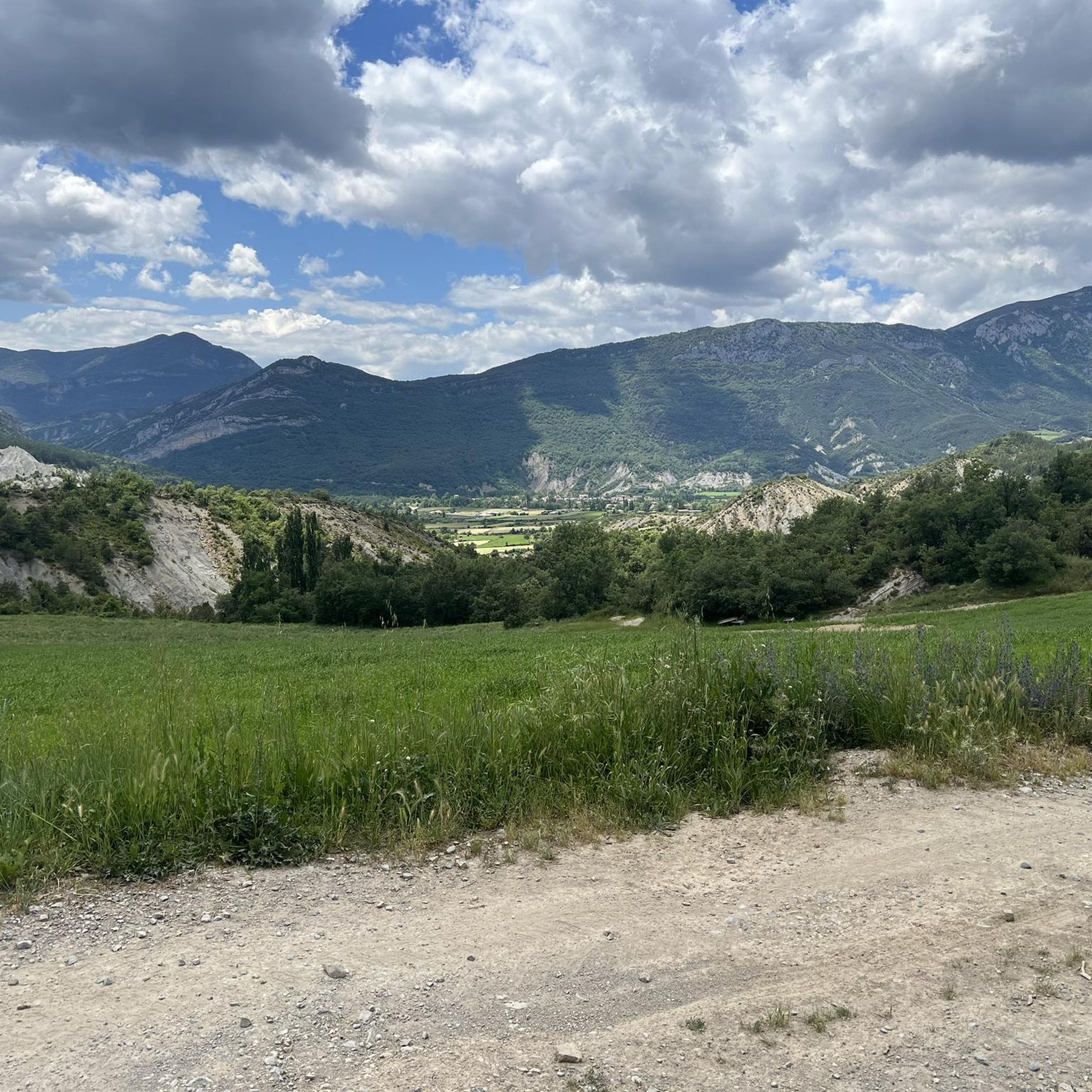
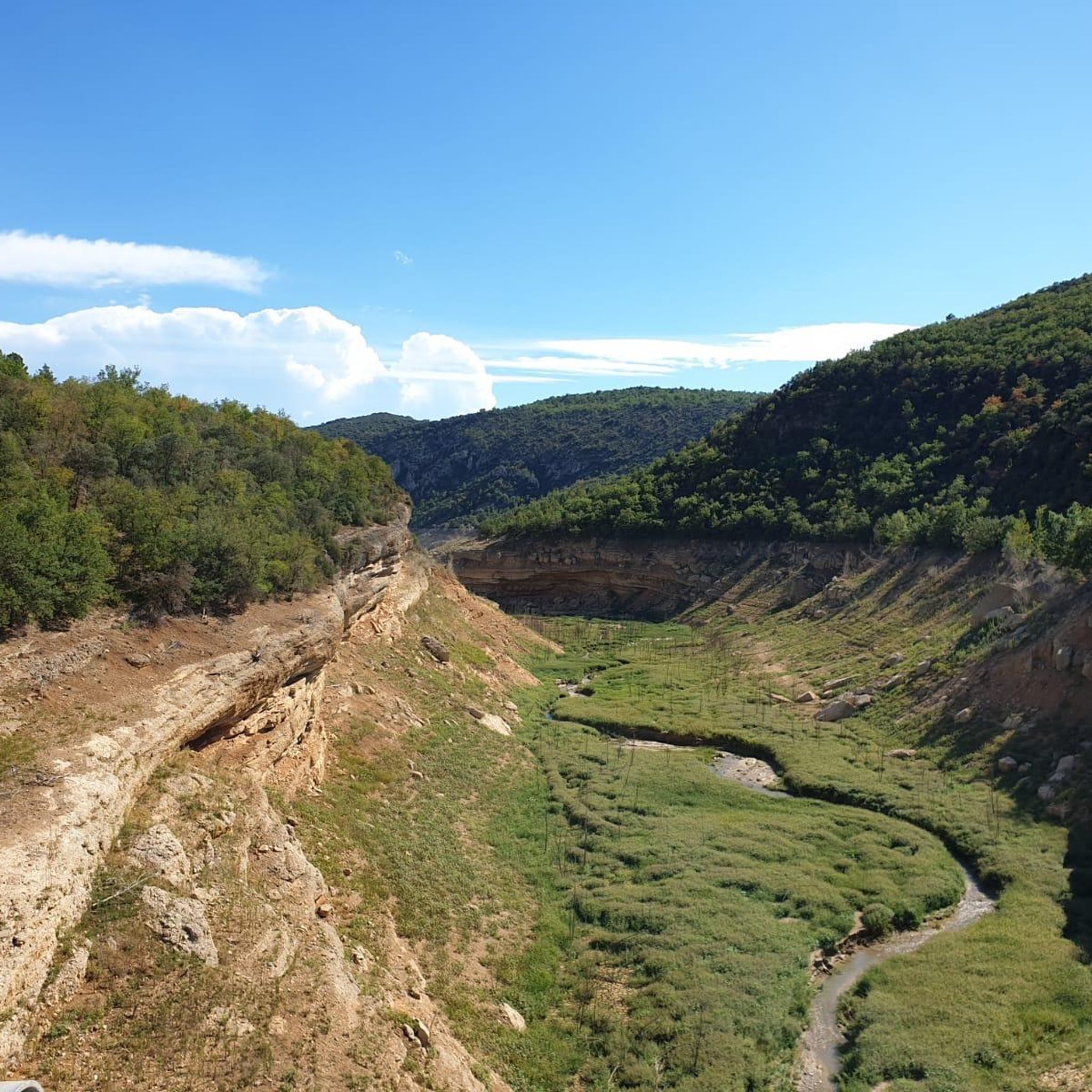
The Puerto de la Muria is a slight indentation in the ridge that connects the Turbón Mountains with the Baciero Mountains. The northern slope of this ridge is made up of intricate wooded slopes, where a few tracks and paths, and some lost and unknown trails, offer the only access options. The pass offers stunning views of the Turbón Mountains.
0
0

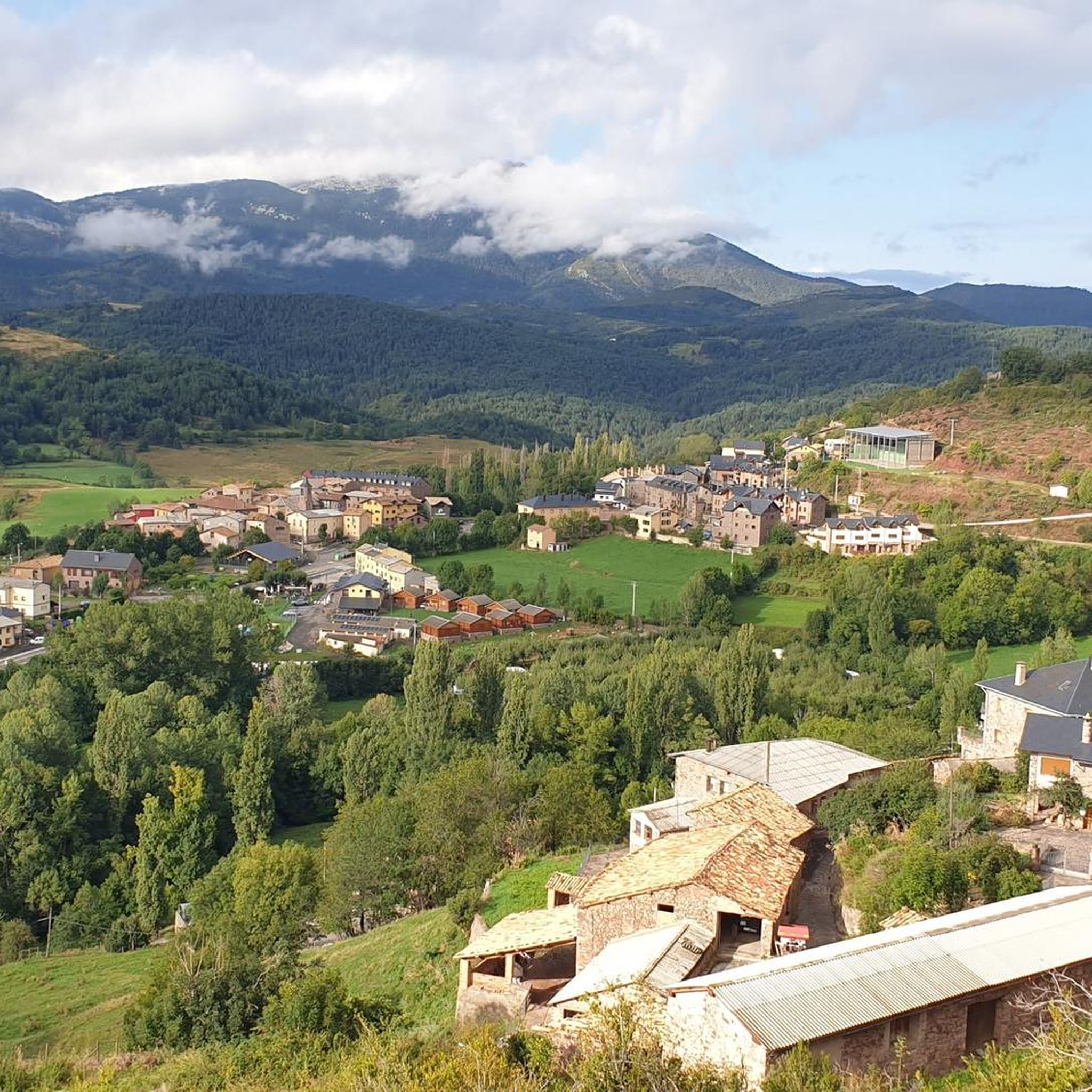
The road that goes up from Sahún goes up through the port of Liri until reaching the town itself, with few houses but which maintains a spectacular view of the Castejón de Sos valley. The port has a length of almost 5 km and a maximum slope of 22%.
0
0

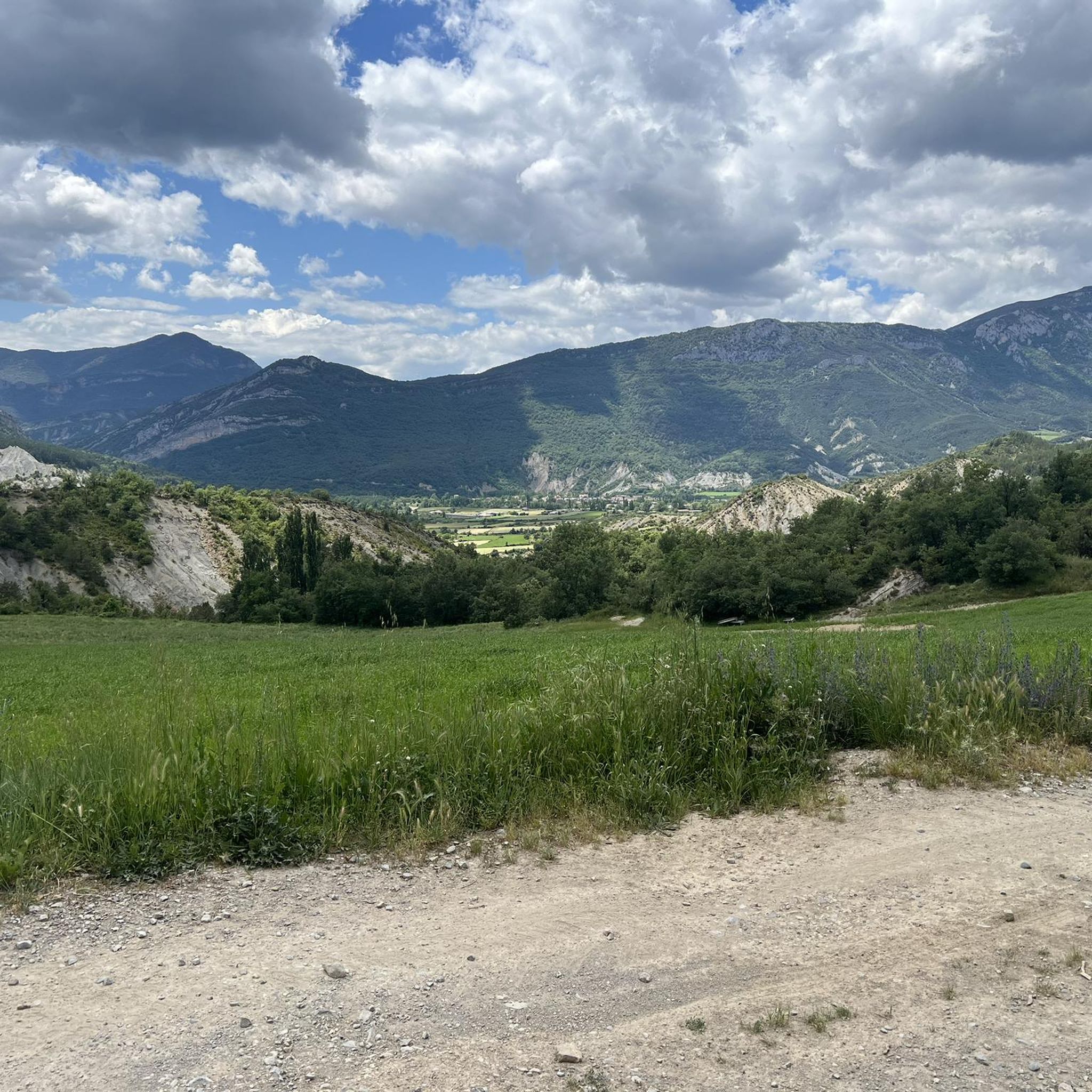
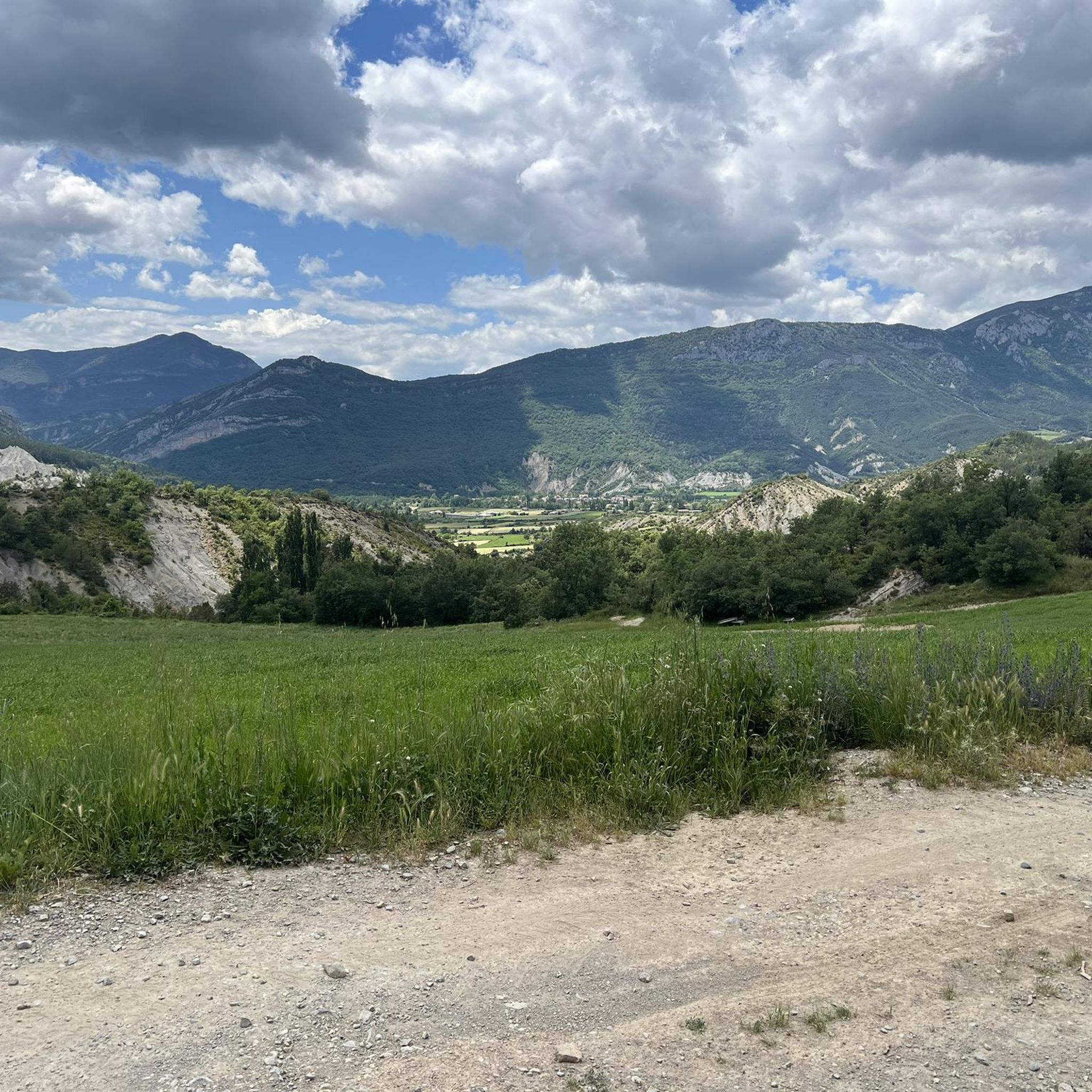
Hill between valleys not so much a true port. It is a road between hills and some stretch of forest. The rise is smooth and sustained, not exceeding 8%.
0
0

Collado and crossroads that climb from the Muria, the Collado de la Muria and those that continue ascending on the way to the Castle of Turbón
1
0
Hard "double col", meaning that you'll have to go up again after a short descent.
0
0

Beautiful harbor with spectacular views over the Posets
0
0
Frequently Asked Questions
What are some notable mountain ascensions in the Valle de Bardají region?
The Valle de Bardají is surrounded by impressive mountains, offering various significant ascensions. Key areas include the Macizo del Turbón, known for its panoramic views, and Pico Cervín, which offers extensive vistas. These ascensions provide challenging adventures and breathtaking scenery.
What kind of views can I expect from the mountain passes in Valle de Bardají?
From passes like Coll de Fadas, you can expect spectacular views over the Posets massif. Ascensions to peaks like Macizo del Turbón offer 360-degree views of the Pyrenees, including peaks like Robiñera, Munia, Posets, and Maladetas. Pico Cervín provides panoramic views of the Turbón and Cotiella massifs, Sierra Ferrera, and the valleys of Llert and Barbaruens.
Are there any challenging mountain passes for experienced hikers in the area?
Yes, many ascensions in the Valle de Bardají are considered challenging. For instance, the ascent to Macizo del Turbón via San Adrián is physically intense, involving varied landscapes and rocky terrain. The route to Pico Cervín from Biescas de Campo is also demanding, with steep climbs and diverse geological formations. These routes often require good physical fitness and sturdy footwear.
What are the typical terrain conditions on these passes?
The terrain varies significantly. You might encounter forests, rocky sections, ridges, and even areas of 'badlands' with sculpted arid scenery, as seen on the ascent to Pico Cervín. Routes like the one to Macizo del Turbón can involve loose rock sections and glacial valleys. Passes like Coll de l'Espina (1407 m) offer smoother, sustained rises between hills and forests.
When is the best time of year to visit the mountain passes around Valle de Bardají?
The best time to visit depends on your activity. Summer offers warmer, drier conditions for hiking, though some routes can be hot. Spring and autumn provide milder temperatures and beautiful scenery. Winter brings snow and ice, making some routes more challenging and requiring alpine experience and specific gear. Always check weather conditions before heading out.
What outdoor activities can I do near the mountain passes in Valle de Bardají?
Beyond hiking and trekking, the region offers excellent opportunities for cycling. You can find various routes for road cycling, touring, and mountain biking. For example, there are challenging road cycling routes like the 'Castejón de Sos - Coll de Fadas - Bisaurri Loop' and MTB trails such as the 'Castejón de Sos – Peñaladona loop'. You can explore more options on the Road Cycling Routes around Valle De Bardají, Cycling around Valle De Bardají, and MTB Trails around Valle De Bardají guide pages.
What makes Macizo del Turbón a significant mountain in the region?
Macizo del Turbón, often called the 'magic mountain,' is an isolated colossus that serves as a prominent landmark visible from a great distance. It offers panoramic views across a significant portion of the Pyrenees and is steeped in local legends of witches and mythological beings, adding a unique cultural dimension to its natural grandeur.
What is unique about the ascent to Pico Cervín?
The ascent to Pico Cervín, particularly from Biescas de Campo, offers a unique experience showcasing distinct geological formations, including areas of 'badlands' sculpted by wind and water, and attractive natural pools in the Vedao ravine. The diverse landscape, from holm oak and pine forests to demanding final ascents, makes it a rewarding climb with extensive views.
What is the significance of Puerto de La Muria?
Puerto de la Muria, located at 1,623 meters, is a key transition point and a common starting point for routes accessing the Turbón massif. It offers views over the Bardají Valley and marks a change in the landscape as one ascends towards higher peaks. The area often includes picnic spots, making it a convenient base for more demanding mountain adventures.
What should I wear or prepare for when hiking these mountain passes?
Given the varied terrain and changing mountain weather, careful preparation is essential. Always wear sturdy footwear suitable for rocky and uneven paths. Layered clothing is recommended to adapt to temperature changes. For more challenging routes or winter conditions, alpine experience and specialized gear may be necessary. Always carry sufficient water and navigation tools.
Are there any mountain passes with gentle inclines suitable for less experienced visitors?
While many routes are challenging, some passes offer more moderate experiences. For example, Coll de l'Espina (1407 m) is described as having a smooth and sustained rise between hills and forest, with gradients not exceeding 8%, making it a good option for those seeking a less strenuous climb.
Can I find any passes that offer a 'double col' experience?
Yes, Coll de Fadas is known as a 'double col.' This means that after an initial ascent, you'll experience a short descent before having to climb again, adding an interesting challenge and unique profile to the route.
Most popular routes around Valle De Bardají
Most popular attractions around Valle De Bardají

Get inspired with the komoot mobile app


Explore more
See even more epic mountain passes by checking out these guides around Valle De Bardají:
