Top 19 Natural Monuments around Tudela
Best natural monuments around Tudela encompass a variety of geological formations and natural reserves. The region is characterized by its semi-desert landscapes, riverine environments, and unique erosion patterns. These natural features contribute to the area's distinct topography and provide numerous points of interest for outdoor exploration. Tudela's surroundings offer a blend of arid beauty and wetland ecosystems.
Best natural monuments around Tudela
- The most popular natural monument is Castildetierra, a natural monument that resembles the shape of an earthen…
Last updated: July 1, 2026
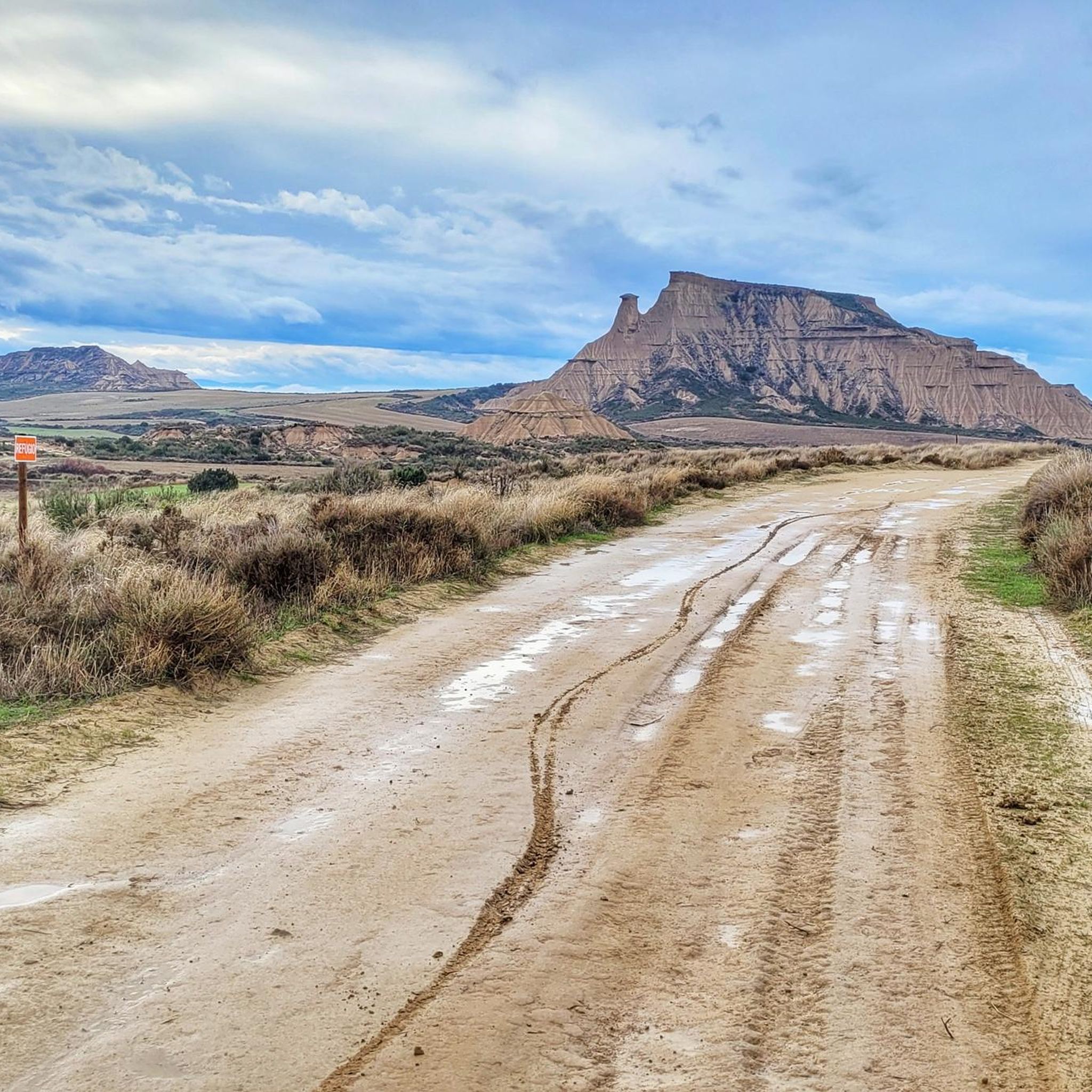
Castildetierra
Highlight • Natural Monument
Translated by Google •
Tip by

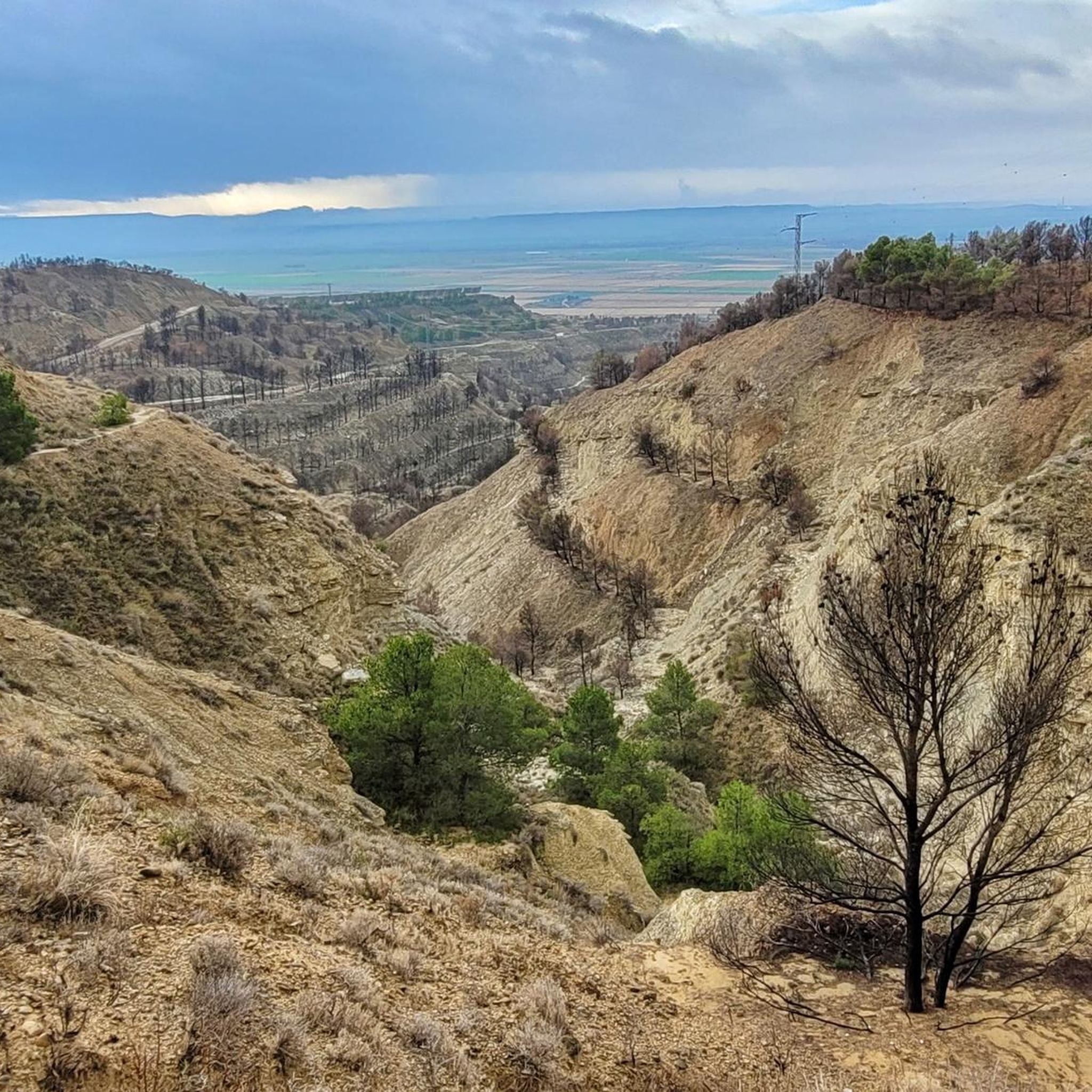
Cabezo de las Cortinillas
Highlight • Viewpoint
Translated by Google •
Tip by
Sign up now to discover places like this
Get recommendations on the best single tracks, peaks, & plenty of other exciting outdoor places.
Sign up for free
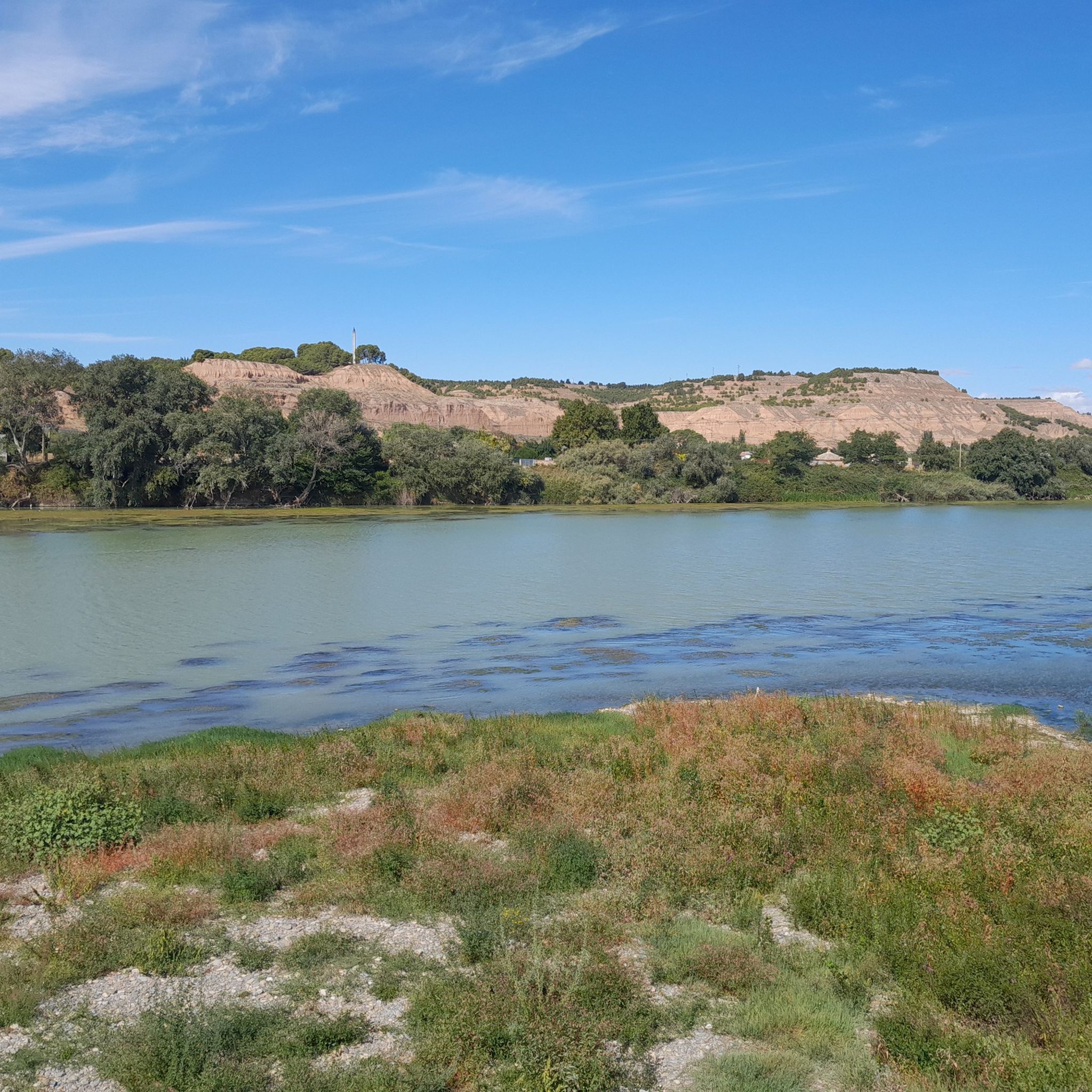
Cortinas Reservoir
Highlight • Lake
Translated by Google •
Tip by

Bardenas Reales Badlands
Highlight • Natural
By discovering these lands both superb and arid, you may sing the chorus of the song …
Translated by Google •
Tip by

Castildetierra Gravel Track, Bardenas Reales Natural Park
Highlight • Natural Monument
Translated by Google •
Tip by

Sign up for free to discover even more natural monuments around Tudela.
Sign up for free
Already have an account?
Start today with a free account
Your next adventure awaits.
Login or Signup
Popular around Tudela
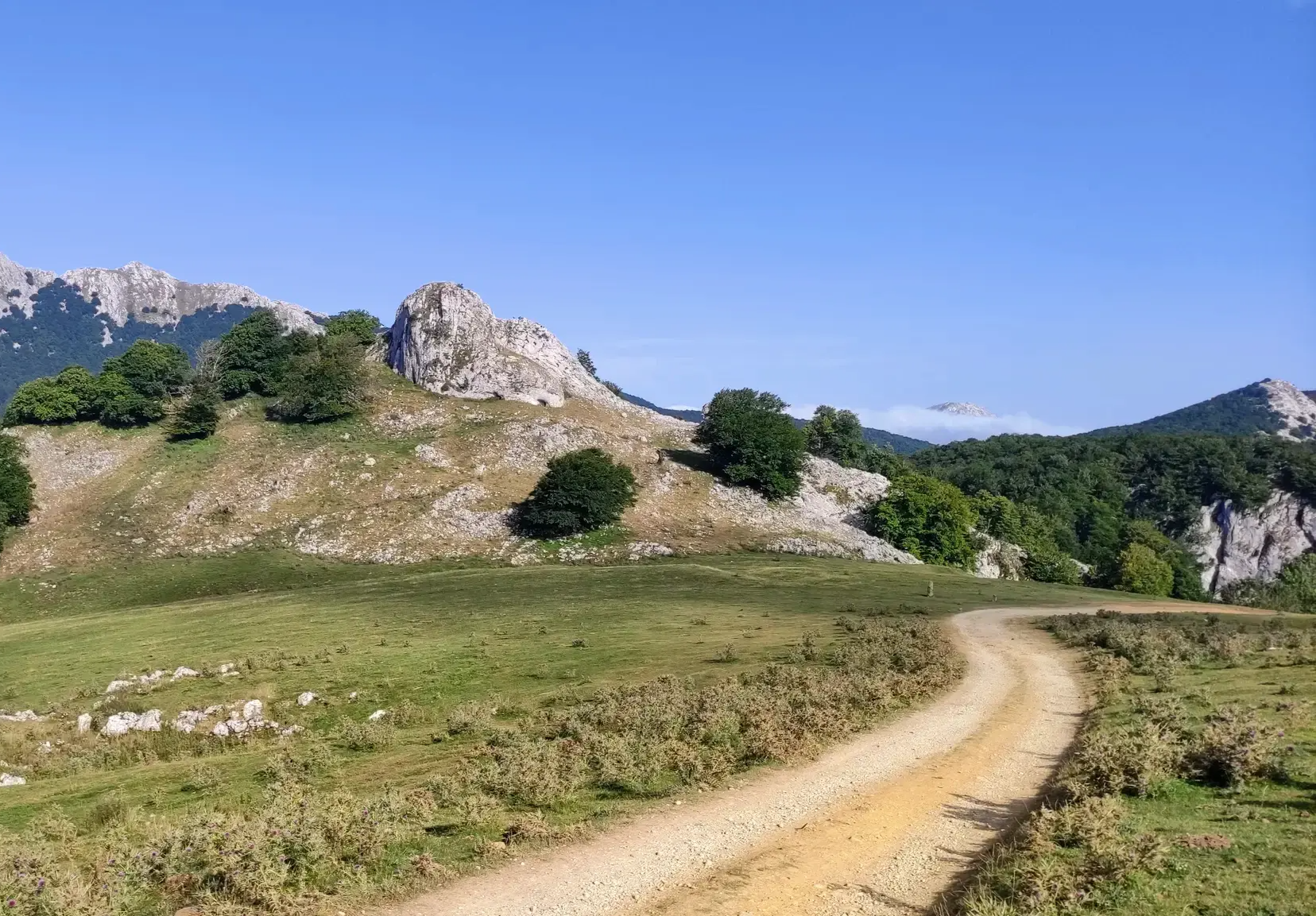
The Ignatian Way - In the footsteps of Ignatius of Loyola
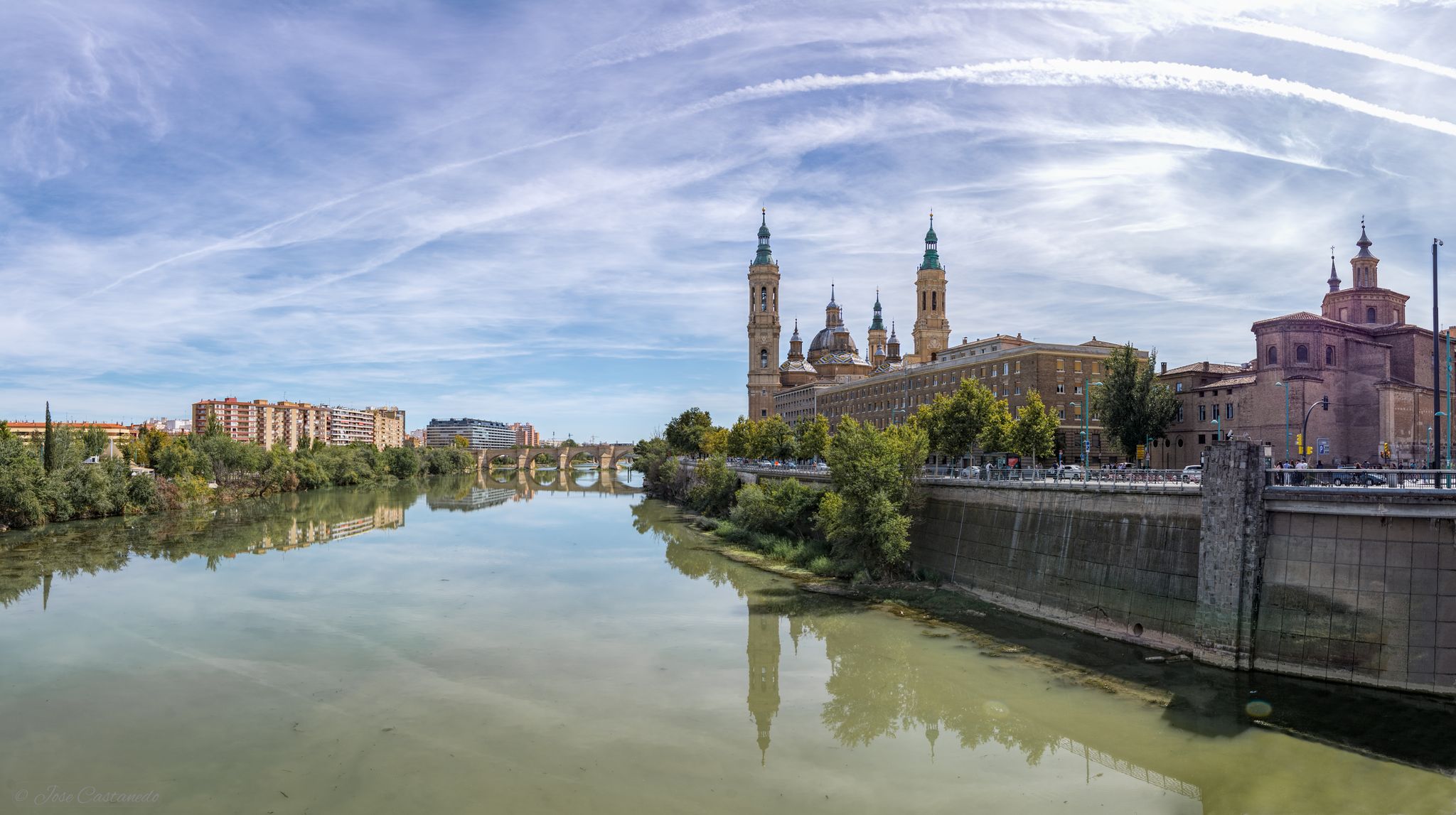
A river getaway – Ebro Natural Trail (GR 99)
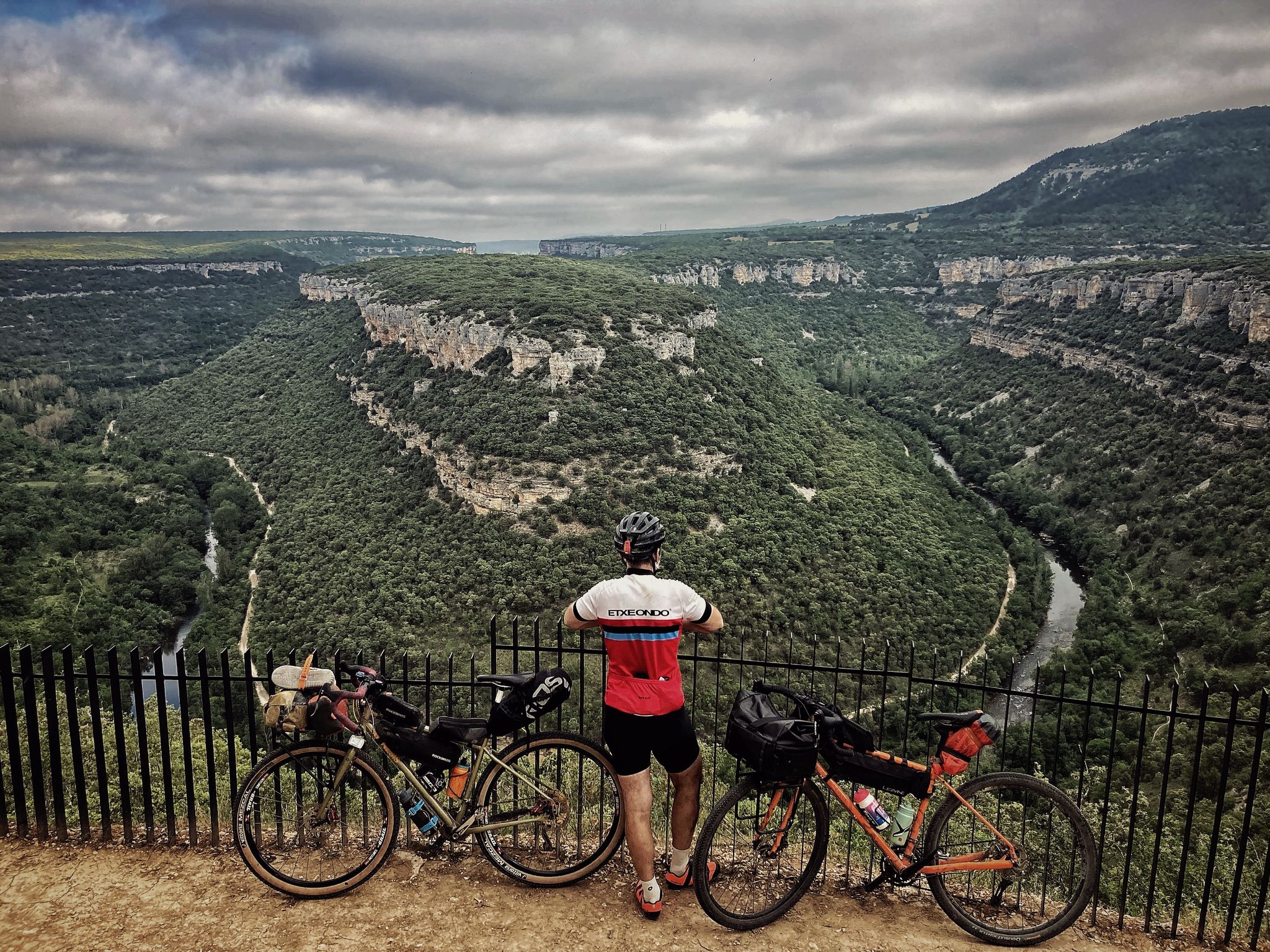
Spain's great river by bike – the Ebro Nature Trail
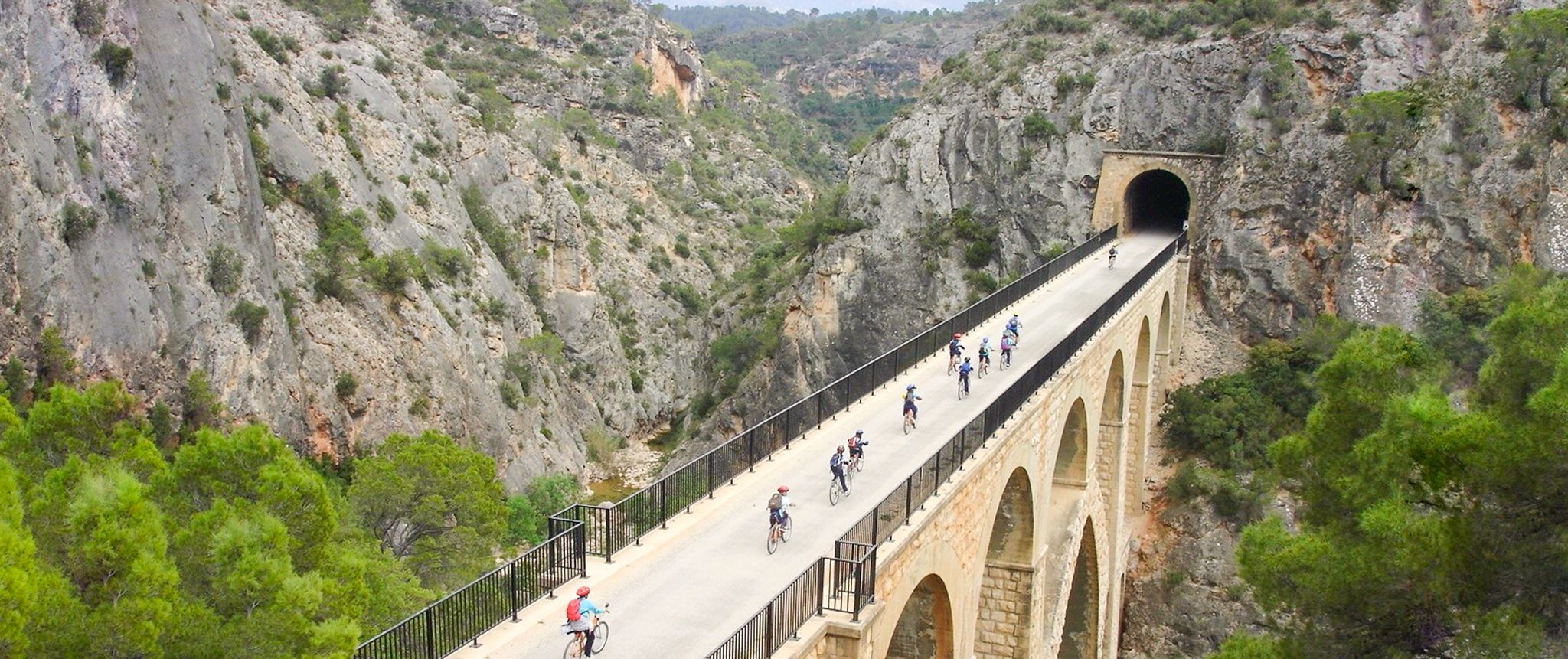
Vías Verdes – traffic-free cycling along railway history in Spain
¡Qué bonito! – Mit dem ABUS Taipan durch Nordspanien
Running Trails around Tudela
Road Cycling Routes around Tudela
Hiking around Tudela
Cycling around Tudela

Gravel biking around Tudela
Other adventures around Tudela


Tips from the Community

Very pleasant for mountain biking or gravel
0
0

One of the most impressive pieces of earth.
10
0

a magical place ... even if it attracts many tourists :)
1
0
The Castilla de Tierra, the castle of earth, the brightly colored mountain of sand with a few stones on top is the iconic centerpiece of this impressive park.
4
0
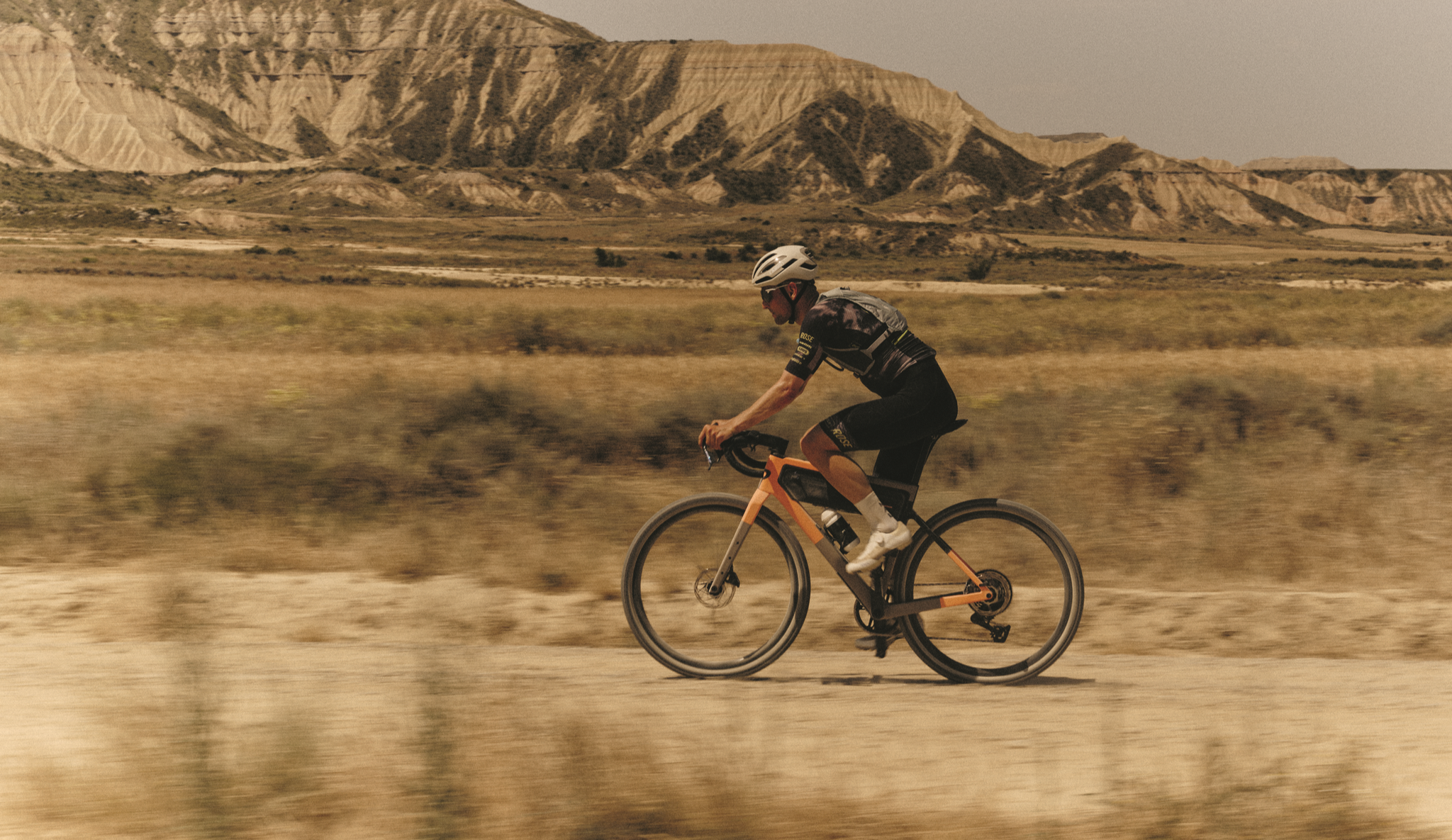
You can explore the Bardenas on foot, by bike, by Segway, on horseback, or by 4x4 or your own car. There are many well-signposted routes. Of course, the inner part is closed to cars and the experience is much more beautiful by bike.
6
0

A nice, very slightly undulating wide gravel road in a breathtaking landscape.
1
0

Earthen castle symbolic of the Bardenas. Seen in April when it is relatively uncrowded at that time. Too bad it's overrun by a huge flow of tourists arriving by bus or car coming to take selfies in front. Situation clearly highlighted precisely by the photographer Natacha de Mahieu. https://www.instagram.com/p/ChC-C-xDk27/?igshid=MzRlODBiNWFlZA==
2
0

Travel only in dry weather. Stormy rain and sticky mud will block your bike and prevent you from moving forward. If it's raining or wet, don't go; if you do go, always ride on gravel. On dirt, only when it's completely dry.
5
2
Frequently Asked Questions
What are the most iconic natural monuments to see around Tudela?
The most iconic natural monument is undoubtedly the Castildetierra, a striking spire-like formation within the Bardenas Reales Natural Park. Another must-see is Cabezo de las Cortinillas, which offers panoramic views and is a prominent symbol of the park. The vast Bardenas Reales Badlands also provide a unique, arid landscape reminiscent of other famous badlands.
What is the best time of year to visit the natural monuments near Tudela?
The best times to visit the natural monuments, especially the Bardenas Reales Natural Park, are during spring and autumn. Temperatures are milder and more pleasant for outdoor activities like hiking and cycling. Summers can be extremely hot, and winters can be cold and sometimes wet.
Are there family-friendly natural monuments or activities near Tudela?
Yes, several natural monuments are considered family-friendly. The Bardenas Reales Natural Park, with its unique landscapes like Castildetierra and Cabezo de las Cortinillas, offers accessible routes for exploration by car or easy walks. The Laguna de Pitillas Park also provides an engaging experience for families interested in birdwatching, with observatories and self-guided itineraries.
What outdoor activities can I do near these natural monuments?
The region around Tudela offers a variety of outdoor activities. You can explore the Bardenas Reales Natural Park by hiking, cycling, or even by car on designated routes. For more structured activities, there are numerous routes available. For example, you can find many running trails, MTB trails, and gravel biking routes that take you through the diverse landscapes, including the Bardenas and along the Ebro River.
Can I spot wildlife at the natural monuments around Tudela?
Absolutely. The Laguna de Pitillas Park is a significant natural reserve and a haven for birdwatchers, home to around 160 permanent and migratory bird species. It's a Special Protection Area for Birds (SPA) and features a bird observatory. The Bardenas Reales Natural Park also supports diverse fauna, including 24 species of birds of prey and over 28 different mammals, though they can be more elusive in the vast landscape.
What unique geological features can I expect to see in the Bardenas Reales Natural Park?
The Bardenas Reales Natural Park is famous for its unique, 'lunar' landscapes, sculpted by wind and water erosion over millennia. You'll encounter dramatic 'cabezos' (isolated, flat-topped hills with peculiar shapes) like Castildetierra, deep ravines, and tabular plateaus. The diverse soil compositions of clay, gypsum, and sandstone create a striking visual spectacle unlike typical Spanish landscapes.
Where can I find the best panoramic views of the natural landscapes around Tudela?
For breathtaking panoramic views, head to the Cerro de Santa Bárbara Viewpoint, which offers commanding perspectives of Tudela, the Ebro River, and the fertile agricultural lands. Within the Bardenas Reales, Cabezo de las Cortinillas provides excellent vistas of the park's dramatic formations. The medieval bridge over the Ebro River in Tudela also offers picturesque views of the river and its surroundings.
Are permits required to visit the Bardenas Reales Natural Park, and is parking available?
Generally, no specific permits are required for general access to the Bardenas Reales Natural Park for activities like driving on marked routes, cycling, or hiking. However, certain areas might have restricted access or require special permission for specific activities or research. Parking is available at various points throughout the park, especially near popular formations like Castildetierra. It's advisable to check local regulations for any updates before your visit. You can find more information on the official tourism site for Navarre: visitnavarra.es.
Are there other significant natural areas to explore besides Bardenas Reales?
Yes, beyond the Bardenas Reales, the Laguna de Pitillas Park is a notable natural wetland, ideal for birdwatching and experiencing a different type of ecosystem. The Ebro River, which flows through Tudela, is also a defining natural feature, offering scenic walks along its banks and contributing to the region's agricultural richness. Additionally, the Cerro de Santa Bárbara provides natural beauty combined with historical context.
Do any natural monuments near Tudela also have historical significance?
Yes, the Cerro de Santa Bárbara Viewpoint is not only a natural elevated point offering stunning views but also holds significant historical importance. It was the site of Tudela's original settlement and later a castle. Today, a statue of the Sacred Heart of Jesus stands atop the hill, blending natural beauty with centuries of human history.
What should I wear when visiting the Bardenas Reales Natural Park?
Given the semi-desert environment of the Bardenas Reales, it's recommended to wear comfortable, breathable clothing suitable for hiking or cycling. Layers are advisable, especially during spring and autumn, as temperatures can fluctuate. Always bring a hat, sunglasses, and plenty of water, regardless of the season, due to the exposed landscape and potential for strong sun. Sturdy walking shoes are essential for exploring the terrain.
Are there any natural monuments with water features or wetlands?
Yes, the Laguna de Pitillas Park is a prominent natural wetland, recognized as a Ramsar Wetland of International Importance and a Special Protection Area for Birds. It's a vital ecosystem for numerous bird species. Additionally, the Ebro River flows through Tudela, providing a significant water feature and supporting the fertile plains. The Cortinas Reservoir also offers a unique landscape within the Bardenas Reales, creating an oasis-like impression.
Most popular attractions around Tudela

Get inspired with the komoot mobile app


Explore more
Extend your search for the best caves by checking out these guides of the top ones around Tudela:
