Top 11 Natural Monuments around Espeja De San Marcelino
Best natural monuments around Espeja De San Marcelino include a variety of unique geological features and natural landscapes. This municipality in Soria, Spain, is characterized by impressive limestone gorges, canyons carved by rivers, and significant natural rock formations. The area offers diverse opportunities for exploring natural heritage, from dramatic river valleys to ancient trees. It is a region where natural beauty and geological interest converge.
Best natural monuments around Espeja De San Marcelino
- The most popular natural monuments is Devil's…
Last updated: July 1, 2026
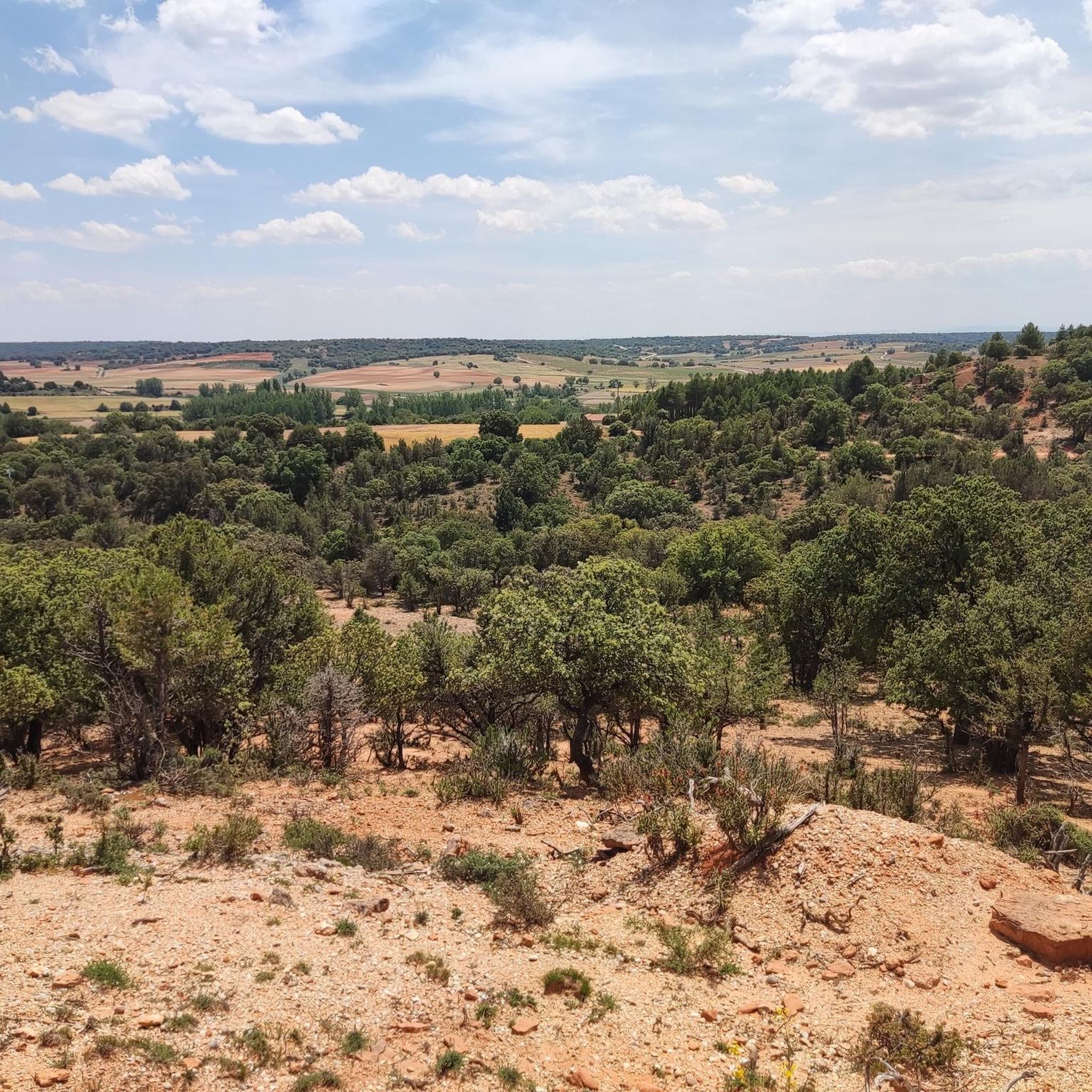
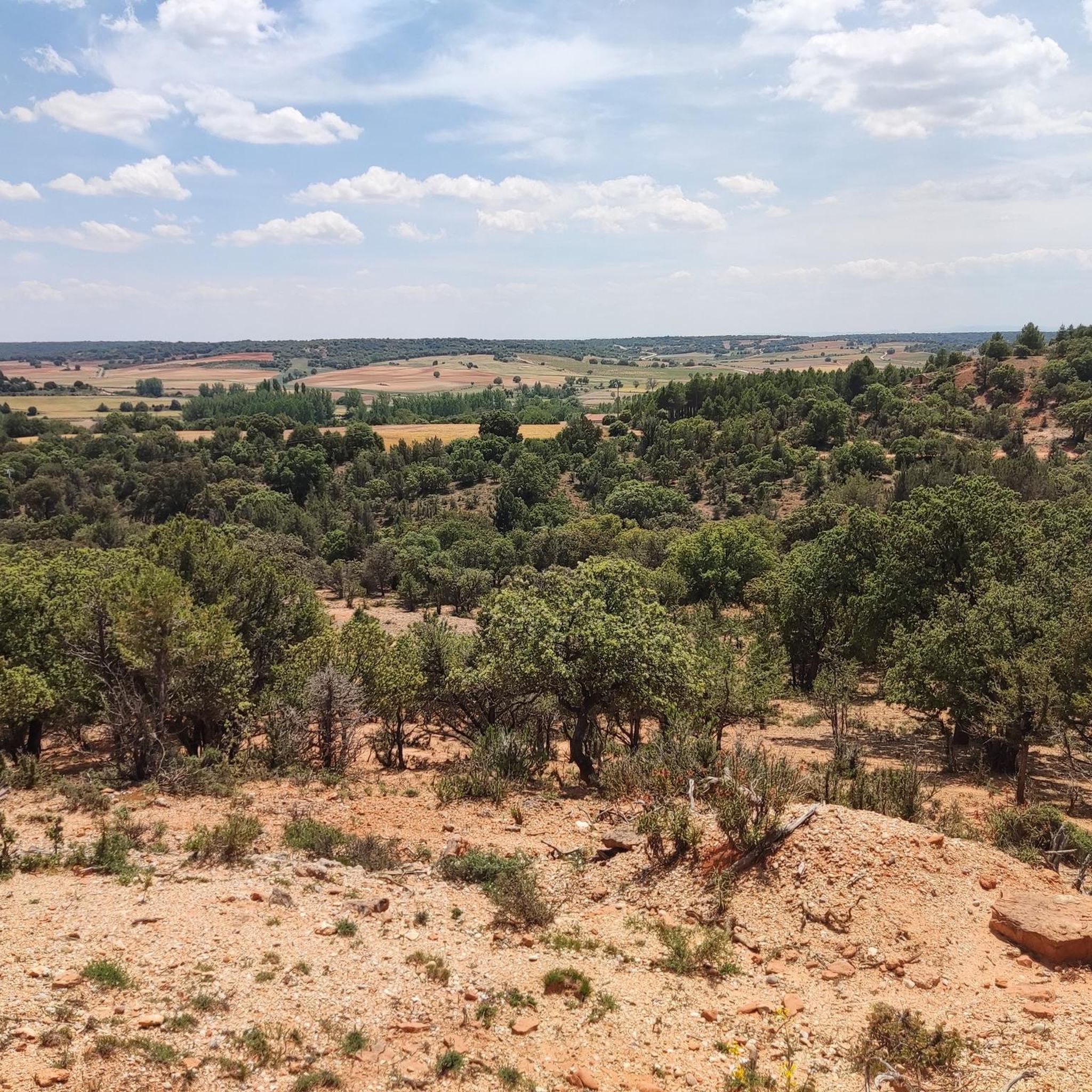
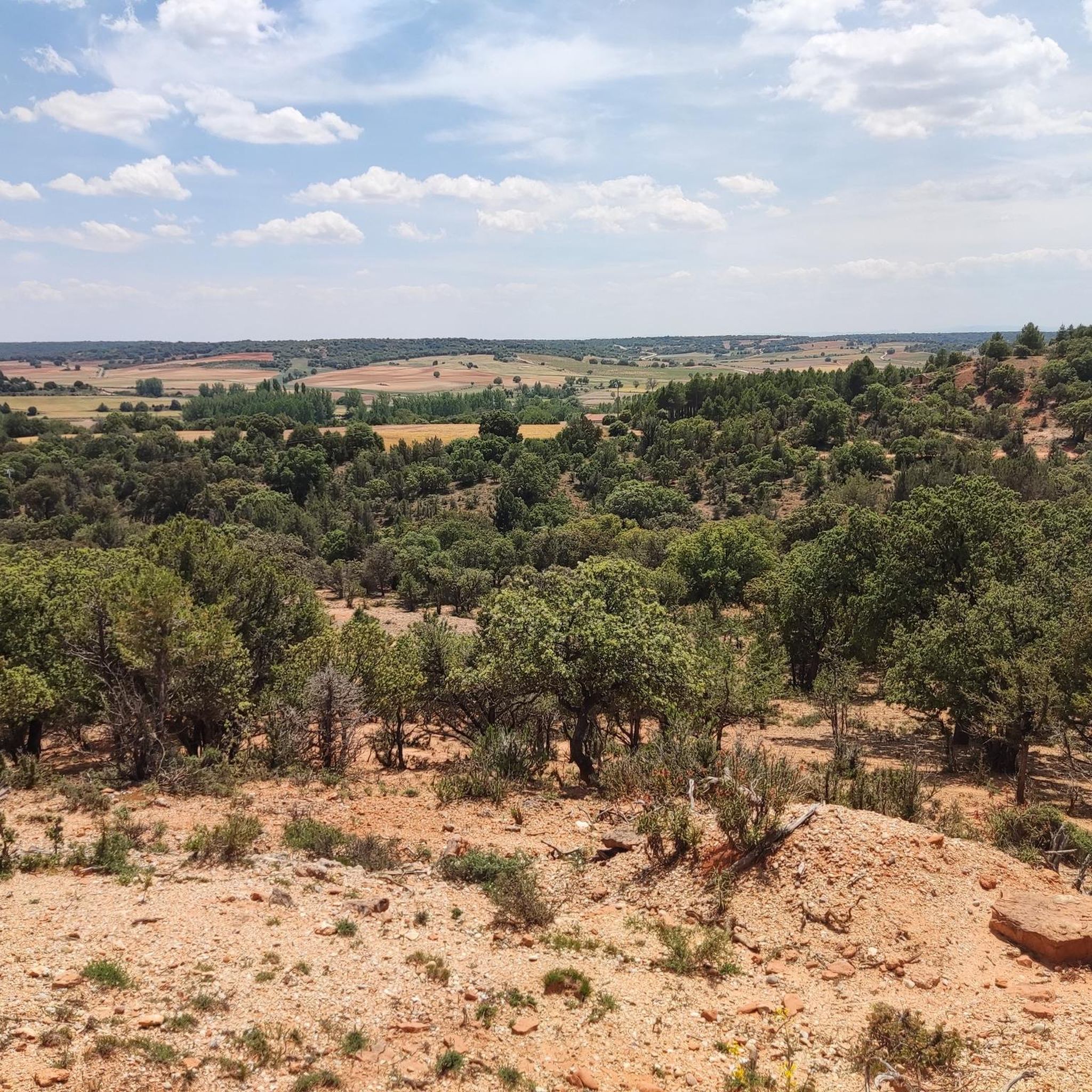
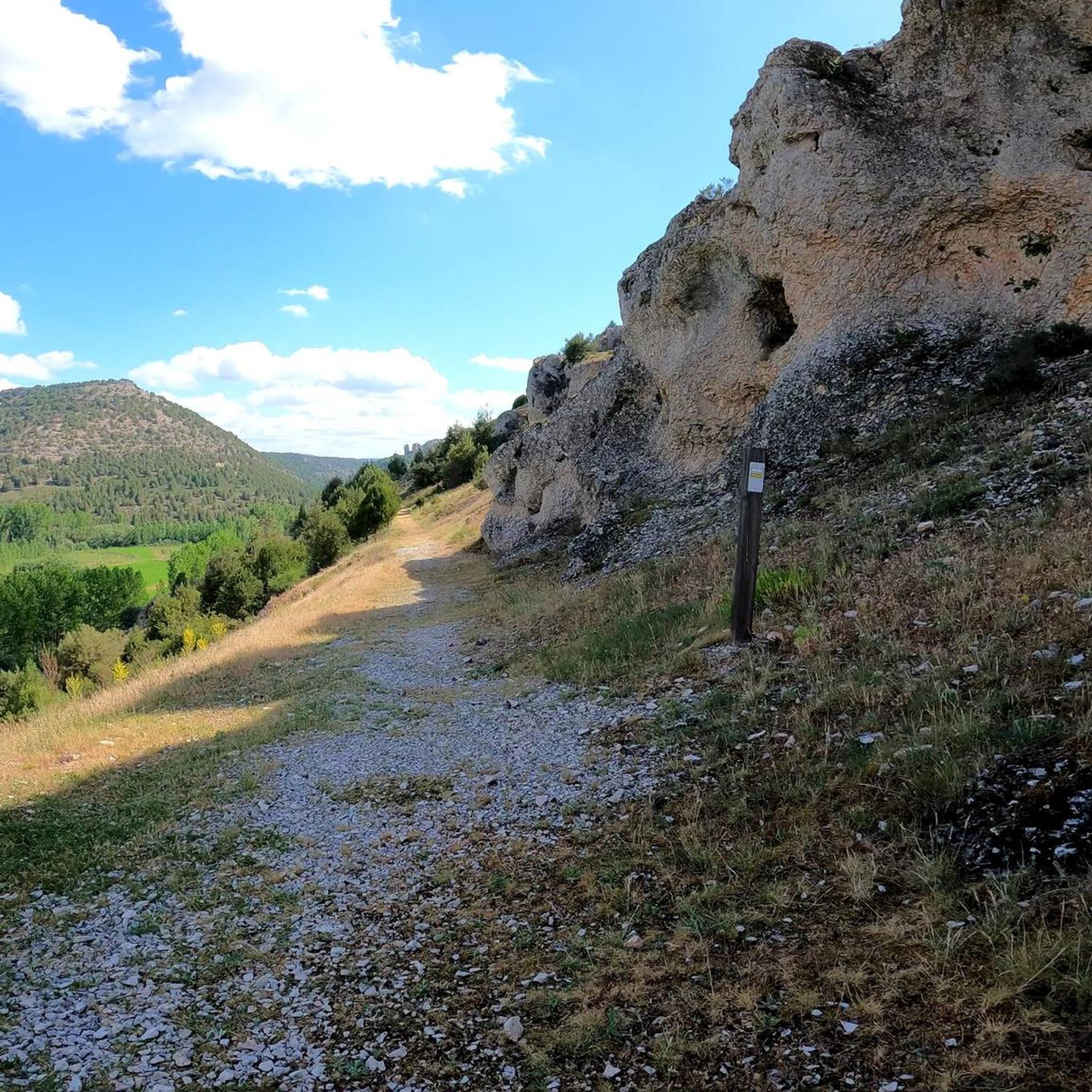
Entrance Trail to Cañón del Río Lobos from Casarejos (GR-86)
Highlight (Segment) • Trail
Translated by Google •
Tip by

Colmenar de los Frailes
Highlight • Structure
Translated by Google •
Tip by

Sign up now to discover places like this
Get recommendations on the best single tracks, peaks, & plenty of other exciting outdoor places.
Sign up for free
Devil's Eye (Natural Rock Arch)
Highlight • Natural Monument
Translated by Google •
Tip by

Río Lobos Canyon, Second Part
Highlight (Segment) • Canyon
Translated by Google •
Tip by

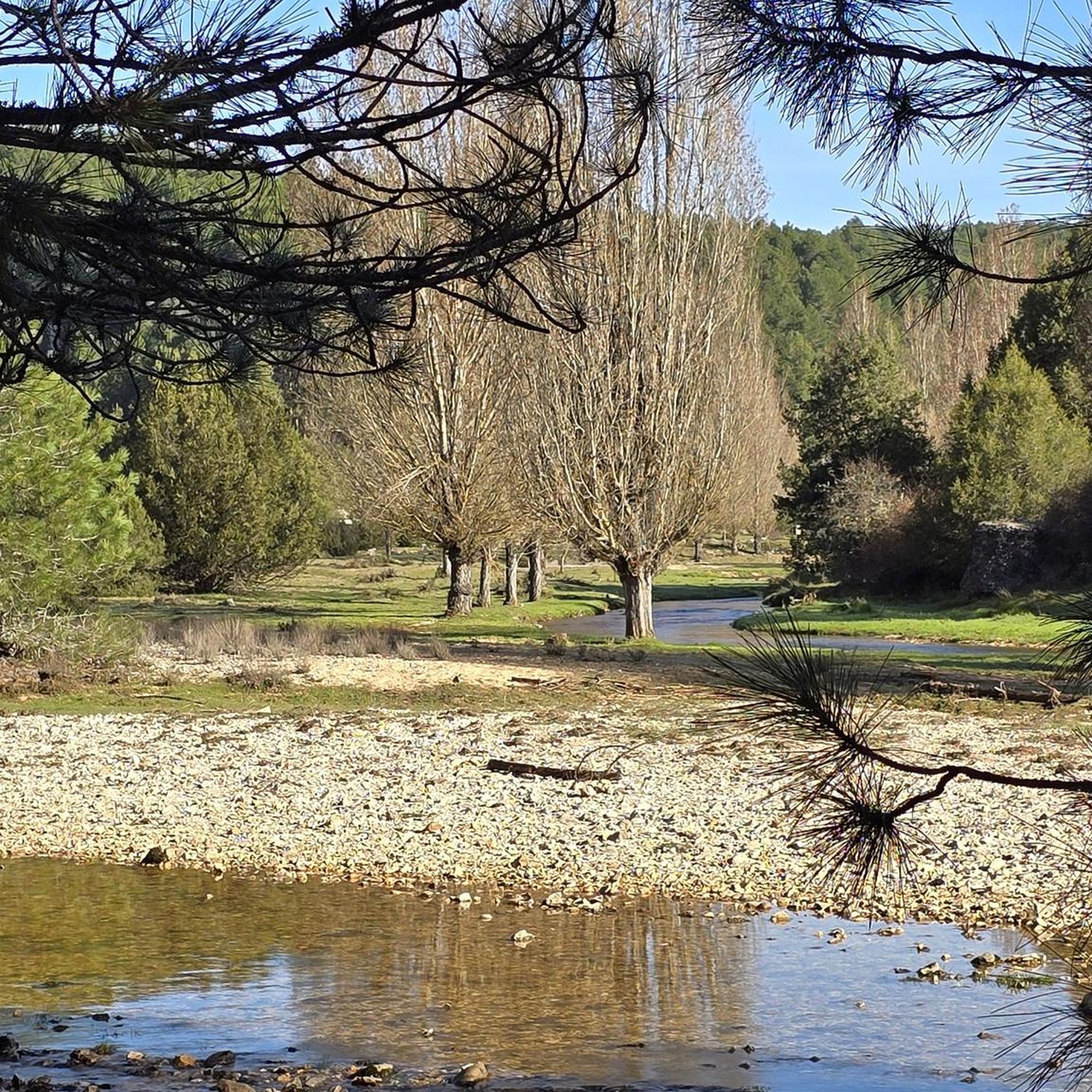
Lobos River Canyon
Highlight (Segment) • Canyon
Translated by Google •
Tip by

Sign up for free to discover even more natural monuments around Espeja De San Marcelino.
Sign up for free
Already have an account?
Start today with a free account
Your next adventure awaits.
Login or Signup

Tips from the Community


One of the resources traditionally exploited in the region was honey collection. This spot, known as "El Colmenar de los Frailes," housed the Templar community's beehives. They were made from hollowed tree trunks, each with a stone slab placed on top as a lid, leaving small entrance areas for the bees. They lined the rocky outcrops of the Canyon.
0
1
One of the most beautiful natural spaces in Cyl
0
0
The LOBOS River canyon is worth visiting
0
0
The number of times I've climbed up there
0
0

"Colmenar de los Frailes" is a curious place where you can see some old beehives on the rock, built from hollow tree trunks.
2
0

Very interesting and beautiful descent into the Lobos River canyon from San Leonardo.
0
0

I don't recommend bikes if you are bikepacking. There are hard stairs to climb, a lot of difficult passes and you have to cross a river several times with difficult rocks for bikes. In spite of that, is a beautiful place.
0
0
Frequently Asked Questions
What unique geological features can I explore around Espeja De San Marcelino?
The region is rich in unique geological formations. You can discover impressive limestone gorges and canyons carved by rivers, such as the Devil's Eye (Natural Rock Arch), a natural window carved into the rock within the magical setting of the Lobos River Canyon. Another notable feature is the Río Lobos Sinkhole, where the river disappears underground.
Are there any historical natural monuments in the area?
Yes, Colmenar de los Frailes is a fascinating historical site and natural monument. Here, you can observe old beehives built into the rock from hollowed tree trunks, traditionally used by the Templar community for honey collection. These structures line the rocky outcrops of the canyon, offering a glimpse into the region's past.
What are the best hiking trails to access the Cañón del Río Lobos?
For a less crowded and beautiful approach to the Cañón del Río Lobos, consider the Entrance Trail to Cañón del Río Lobos from Casarejos (GR-86). This intermediate trail offers views of caves and scenic paths, providing a fantastic experience for hikers and cyclists alike.
What outdoor activities are available near the natural monuments?
Beyond exploring the natural monuments themselves, the area offers a variety of outdoor activities. You can find numerous routes for road cycling, touring cycling, and mountain biking. For example, there are challenging MTB trails like the 'Hermitage of Saint Bartholomew – Mirador de Las Golleras loop' and scenic cycling routes such as the 'Boca del Ocejo – Source of the Ucero River loop'. You can find more details on these activities in the Road Cycling Routes, Cycling, and MTB Trails around Espeja De San Marcelino guides.
Are there any natural springs or water features to visit?
Yes, you can visit the El Apretadero Spring, which offers fresh water and a bench for resting. It's located in a wilder area of the Hontoria del Pinar Natural Park, providing a tranquil spot amidst nature.
What is the best time of year to visit the natural monuments in Espeja De San Marcelino?
The region's natural monuments, with their impressive limestone gorges and river canyons, are generally best enjoyed during spring and autumn. These seasons offer pleasant temperatures for hiking and exploring, and the rivers are more likely to have water, enhancing the scenic beauty of features like the Torca del río Espeja. Summer can be hot, while winter might bring colder conditions, though the landscapes can be beautiful under snow.
Are there any natural monuments suitable for bird watching?
The Cañón del Río Lobos Natural Park is designated as a Special Protection Area for Birds (ZEPA), making it an excellent spot for bird watching. You can observe a variety of bird species, including vultures, which often nest in the rocky cliffs of the canyons, particularly around the Torca del río Espeja.
What kind of unique trees can be found in the area?
Espeja de San Marcelino is home to significant examples of ancient trees, recognized as part of its natural heritage. These include the Sabina de San Cristóbal and the Pino de Valdecándalos, which are notable for their beauty and ecological importance within the landscape.
Is there a via ferrata in the natural monuments area?
Yes, the Torca del río Espeja, also known as 'La Pasarela', is home to the first via ferrata in Soria province, called the 'Via Ferrata de la Pasarela de Espeja'. This offers an adventurous experience with equipped vertical and horizontal sections, allowing climbers and hikers to traverse the gorge and admire its unique rock formations.
What do visitors enjoy most about the natural monuments around Espeja De San Marcelino?
Visitors frequently appreciate the dramatic landscapes, unique geological formations, and the opportunities for outdoor activities. The 'magical setting' of the Lobos River Canyon, the 'curious place' of Colmenar de los Frailes, and the 'beautiful trails' leading to the canyon are often highlighted. The area is praised for its natural beauty and the chance to explore less crowded paths.
Are there any natural caves to explore?
Yes, the region features several caves. The Devil's Eye (Natural Rock Arch) is located near a cave system within the Lobos River Canyon. Additionally, the Entrance Trail to Cañón del Río Lobos from Casarejos (GR-86) also offers views of caves along its route. Further afield, the Cuevas de la Hoz near Orillares provide another area for adventurous exploration.
Most popular routes around Espeja De San Marcelino
Most popular attractions around Espeja De San Marcelino

Get inspired with the komoot mobile app


Explore more
Extend your search for the best caves by checking out these guides of the top ones around Espeja De San Marcelino:
