Top 20 Natural Monuments around Dima
Best natural monuments around Dima are primarily found within the Urkiola Natural Park in the Basque Country, Spain. This region is characterized by its imposing limestone mountains, steep precipices, and deep valleys, offering a diverse landscape for exploration. The area is a haven for hikers and climbers, with routes ranging from accessible trails to challenging mountain ascents. Its natural features are often intertwined with local mythology, adding a cultural dimension to the natural environment.
Best natural monuments around Dima
- The…
Last updated: July 1, 2026
Anboto (1,331 m)
Highlight • Summit
Translated by Google •
Tip by

Gorbea Summit
Highlight • Summit
Emblematic peak of Alava and Vizcaya. Accesses from countless places such as the Londegorta.Sarria.Belaustegui or Pagomakurre reservoir
Translated by Google •
Tip by

Sign up now to discover places like this
Get recommendations on the best single tracks, peaks, & plenty of other exciting outdoor places.
Sign up for free
Uguzpe Waterfall
Highlight • Waterfall
Translated by Google •
Tip by

Urkiolaguirre Summit
Highlight • Summit
Translated by Google •
Tip by

Iturriotz
Highlight • Summit
Translated by Google •
Tip by

Sign up for free to discover even more natural monuments around Dima.
Sign up for free
Already have an account?
Start today with a free account
Your next adventure awaits.
Login or Signup
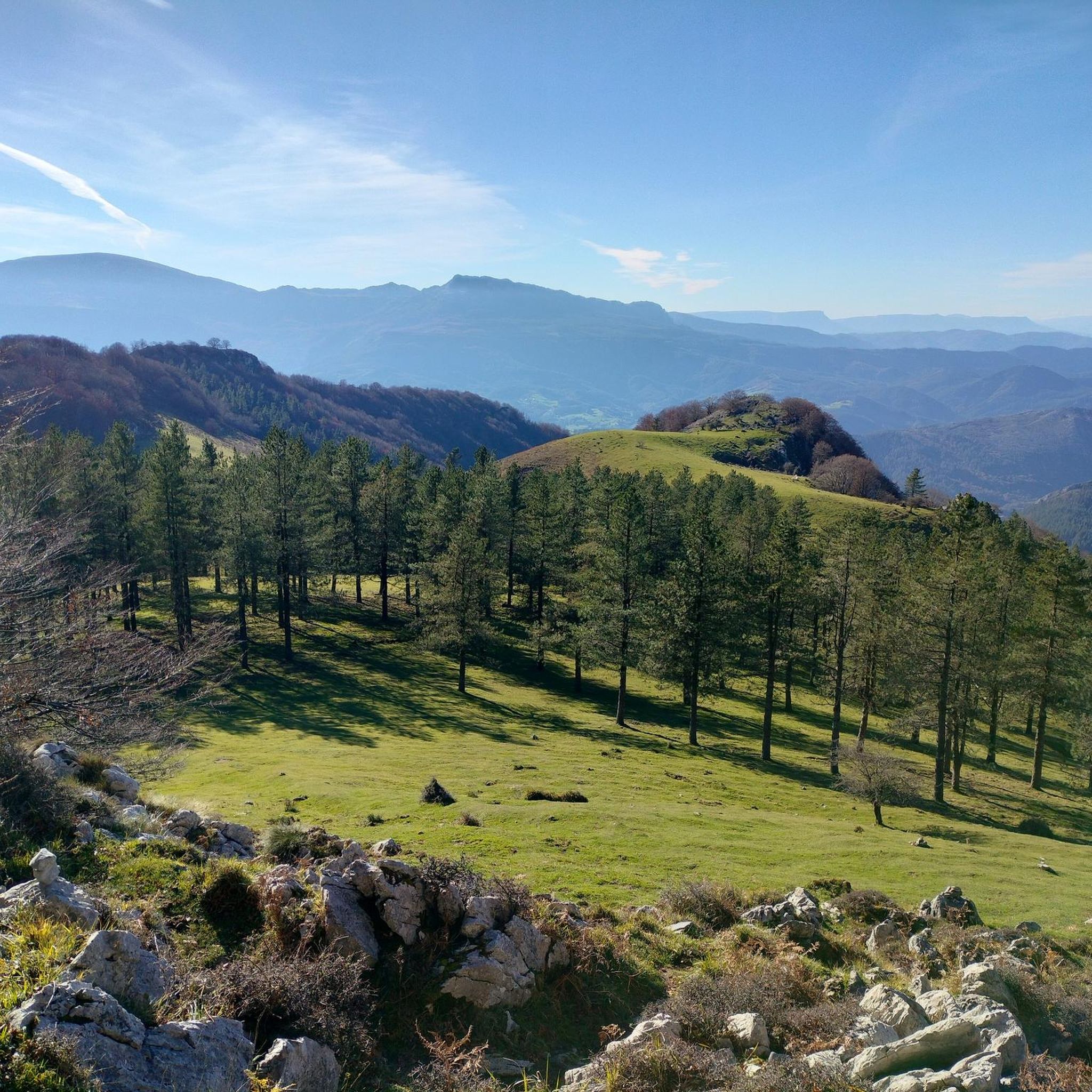
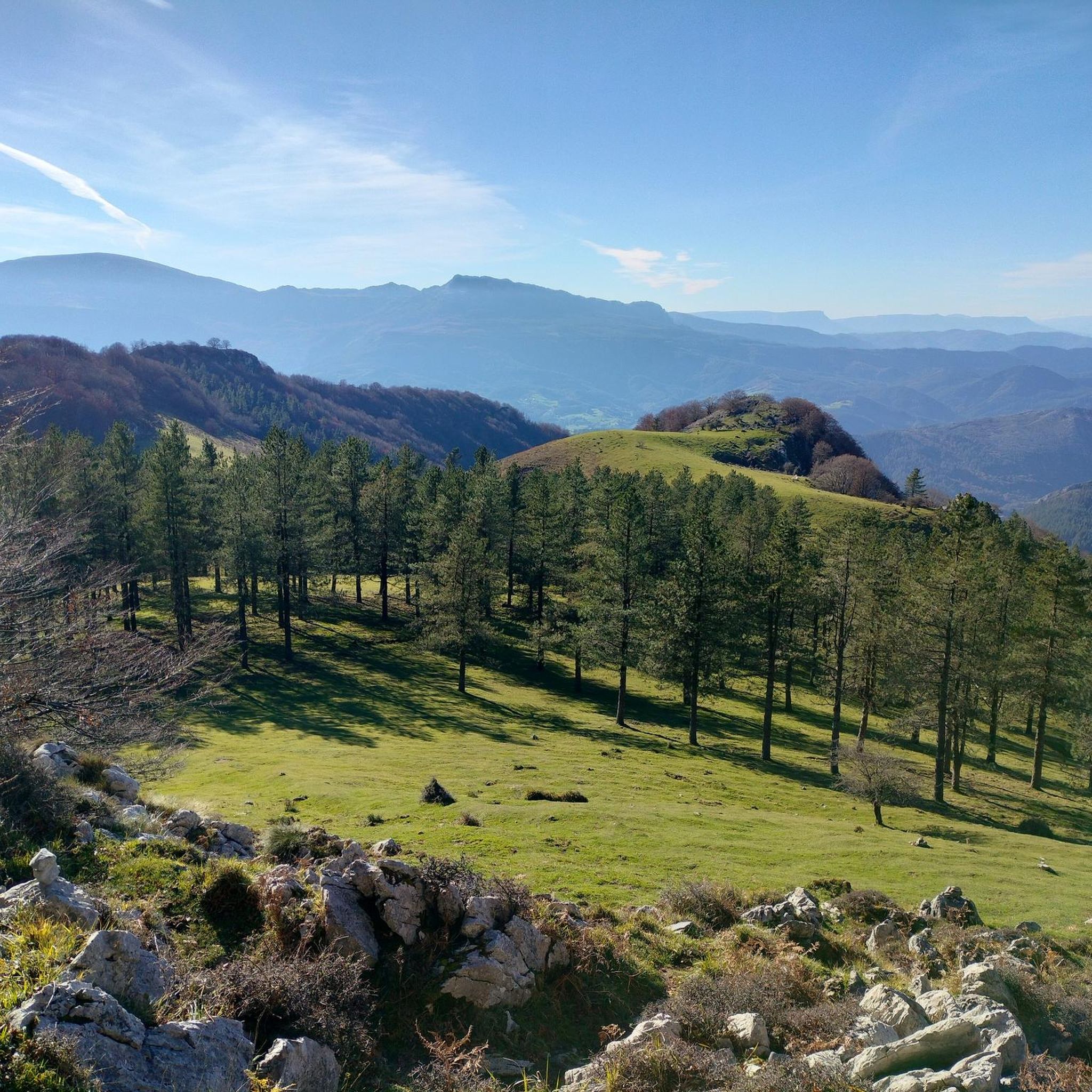
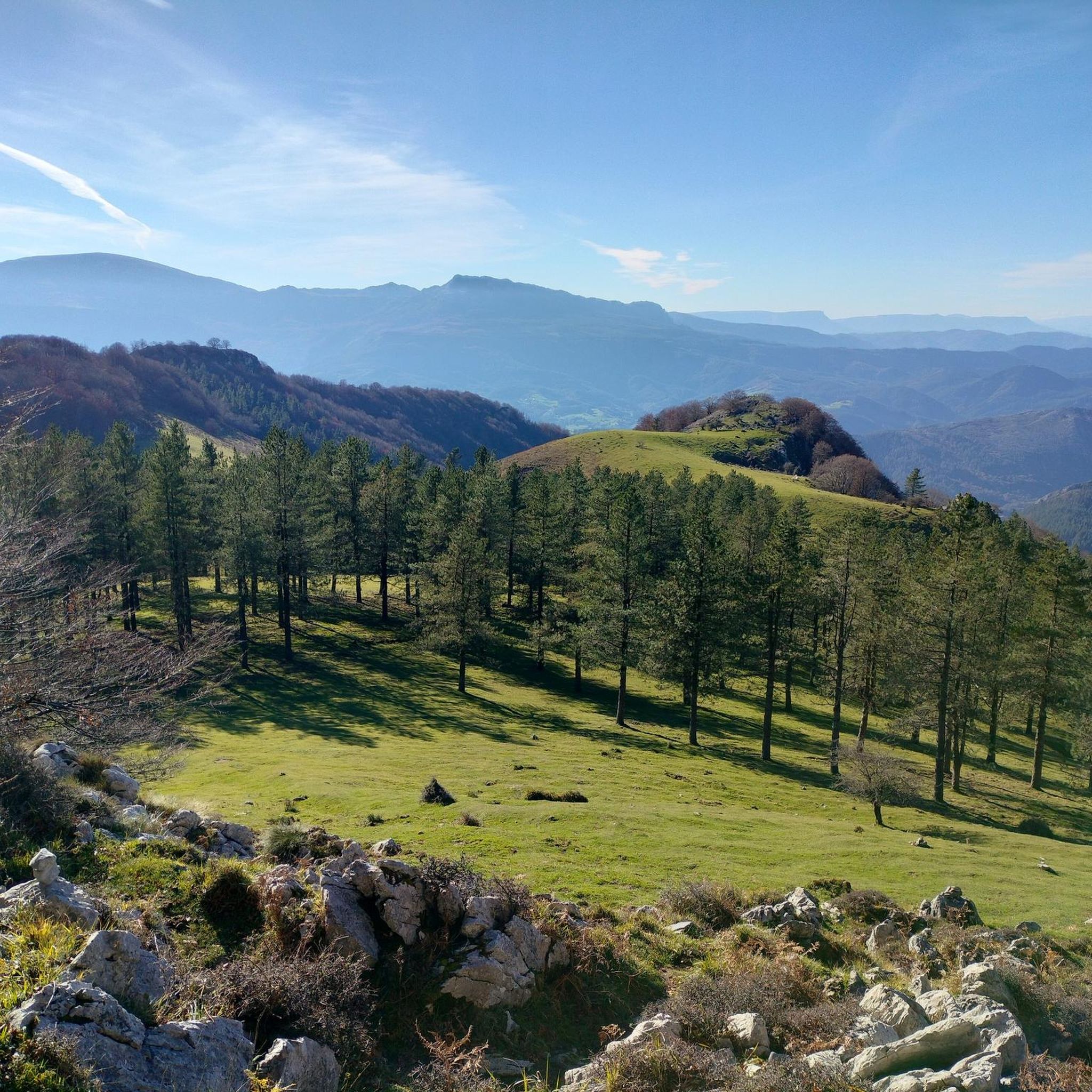
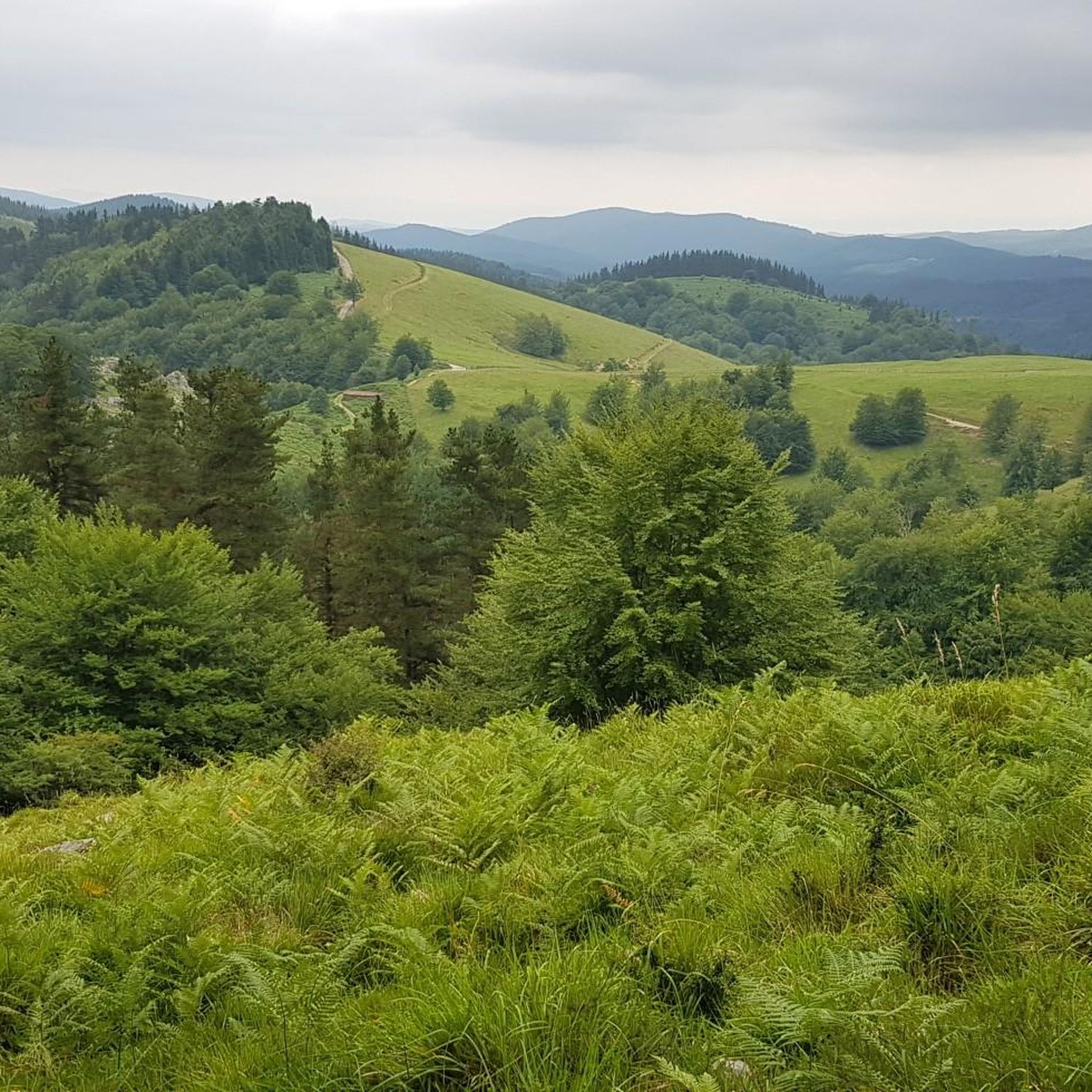


Tips from the Community

The first summit you reach when leaving the Urkiola Sanctuary. The views of the Anboto and its ridge, impressive.
1
0
A beautiful waterfall near the Saldropo Wetland. It's wonderful to see it with water.
7
0

Beautiful, magical place. The final stretch is difficult to access. Not suitable for everyone. Very steep slope and lots of loose stones. The ground is also quite rocky, so on rainy or humid days it has to be very slippery. Otherwise, it is beautiful and you can take it easy and enjoy it.
4
0

Going with days of rain falling the previous days is more beautiful.
3
0


With just over 1,000 meters of altitude, this simple, rounded summit dominates the Mendiola valley. Enjoy the views!
3
0

Mountain between Vizcaya and Álava of 1331 meters of altitude. It is one of the best-known mountains of the Basque Mountains due to its importance in traditional Basque culture. In it, Basque mythology establishes the main dwelling of the goddess Mari, known as the Lady of Amboto.
2
0
Frequently Asked Questions
What are the most popular natural monuments to visit around Dima?
Visitors frequently enjoy the majestic Anboto (1,331 m), known for its mythological significance as the dwelling of the goddess Mari. Another favorite is the beautiful Uguzpe Waterfall, especially during the rainy season. The challenging but rewarding Alluitz (1034m) summit also offers stunning views within the Urkiola Natural Park.
What kind of landscape can I expect in the natural monuments around Dima?
The natural monuments around Dima, primarily within the Urkiola Natural Park in Spain, are characterized by imposing limestone mountains, steep precipices, and deep valleys. You'll find a diverse landscape including high peaks, hidden waterfalls, and unique geological formations. The area is also rich in forests and offers extensive views from its summits.
Are there family-friendly natural monuments or activities around Dima?
While many of the summits in Urkiola Natural Park are challenging, the park itself offers diverse routes, including easier educational trails suitable for families. For a more relaxed experience, the natural parks in Wilayat of Dima W'attayeen, Oman, such as Samoot Natural Park, are noted for their tranquility and natural pools suitable for swimming, making them ideal for family outings.
What is the best time to visit the natural monuments around Dima?
The best time to visit largely depends on your activity. For hiking and climbing in Urkiola Natural Park, spring and autumn offer pleasant temperatures. The Uguzpe Waterfall is particularly beautiful during the rainy season. If you're interested in the unique phenomenon of frost or snowfall, Turuk Village in Dima Hasao, India, is a unique winter destination.
What outdoor activities can I do near these natural monuments?
The region around Dima offers a wide range of outdoor activities. You can enjoy challenging mountain hikes to summits like Anboto (1,331 m) or Gorbea Summit Cross. There are also numerous road cycling and gravel biking routes. For more details on routes, you can explore Mountain Hikes around Dima, Road Cycling Routes around Dima, and Gravel biking around Dima.
Are there any historical or archaeological sites near Dima's natural monuments?
Yes, near Dima in Spain, you can find the Axlor Archaeological Site. While not strictly a natural formation, this prehistoric rock shelter is an important site with evidence of Neanderthal occupation, offering a glimpse into ancient natural environments and human history in the region. You can learn more about it on Wikipedia.
What unique natural features can I explore besides mountains and waterfalls?
Beyond the prominent mountains and waterfalls, the Dima regions offer fascinating caves and natural bridges. In Spain's Urkiola Natural Park, you can find the Jentil Zubi Natural Bridge and notable caves like Balzola Cave. In Ethiopia, Dima Cave is known for its impressive stalactite and stalagmite formations. Oman's Wilayat of Dima W'attayeen boasts numerous caves such as Al Khushil Cave with its crystal-clear pools.
What is the difficulty level for hiking to the summits around Dima?
Many of the summits around Dima, particularly within the Urkiola Natural Park, are considered challenging. For instance, Anboto (1,331 m) and Alluitz (1034m) are known for their steep terrain and can be tough, especially on wet or slippery rock. However, there are also intermediate options like Urkiolaguirre Summit, which offers rewarding views for a simpler ascent.
Can I see any unique wildlife in the natural monuments around Dima?
Yes, the Urkiola Natural Park in Spain supports a wide array of flora and fauna, including birds of prey and several carnivores. In Ethiopia, the Anywaa Biosphere Reserve, which includes Dima woreda, is a UNESCO-recognized reserve rich in biodiversity, with over 1000 plant species, 69 mammals, and 327 birds, making it an important area for wildlife observation.
Are there any natural phenomena or unique sights in the Dima regions?
Yes, Dima Hasao in India is known for a mysterious bird phenomenon in Jatinga, where local and migratory birds are believed to fly to their deaths. Additionally, Turuk Village in Dima Hasao is unique as Assam's only place to experience frost or snowfall in winter, offering an enchanting retreat.
What do visitors enjoy most about the natural monuments around Dima?
Visitors particularly appreciate the stunning views from the summits, the mystical atmosphere of places like Anboto with its mythological ties, and the beauty of waterfalls like Uguzpe Waterfall. The challenging yet rewarding hikes and the sense of adventure in exploring the rugged mountainous terrain are also highly valued.
Where can I find information about the Urkiola Natural Park?
The Urkiola Natural Park, where many of Dima's natural monuments are located, is a significant area in the Basque Country, Spain. You can find more information about its features, mythology, and visitor opportunities on Spain.info or Wikipedia.
Most popular routes around Dima
Most popular attractions around Dima

Get inspired with the komoot mobile app


Explore more
Extend your search for the best caves by checking out these guides of the top ones around Dima:
