Top 20 Mountain Passes in Cantabria
Mountain passes in Cantabria traverse the Cantabrian Mountains, connecting valleys and offering views of the region's diverse landscapes. This area is characterized by rugged terrain, traditional Pasiego culture, and significant natural parks. The passes historically served as vital routes for trade and transhumance, shaping the local way of life.
Best mountain passes in Cantabria
- The most popular mountain passes is Estacas de Trueba Pass, a mountain pass that features ancient hand-made signage. It offers views of the valley from…
Last updated: October 4, 2026
La Sía Pass
Highlight • Mountain Pass
Translated by Google •
Tip by

El Moral Plateau
Highlight • Viewpoint
Translated by Google •
Tip by

Sign up now to discover places like this
Get recommendations on the best single tracks, peaks, & plenty of other exciting outdoor places.
Estacas de Trueba Pass
Highlight • Mountain Pass
Translated by Google •
Tip by

Alto de la Posadía
Highlight • Viewpoint
Translated by Google •
Tip by

Paso de Presa
Highlight (Segment) • Mountain Pass
Translated by Google •
Tip by

Trail from Fuente Dé to Portilla de la Reina
Highlight (Segment) • Trail
Translated by Google •
Tip by

Portilla del Boquejón
Highlight • Mountain Pass
Translated by Google •
Tip by

Los Tornos via La Revilla and Fresnedo
Highlight (Segment) • Mountain Pass
Translated by Google •
Tip by
Alto de la Matanela
Highlight • Mountain Pass
Translated by Google •
Tip by
San Glorio Pass
Highlight • Mountain Pass
Translated by Google •
Tip by

Sign up for free to discover even more mountain passes in Cantabria.
Already have an account?
Start today with a free account
Your next adventure awaits.
Popular around Cantabria
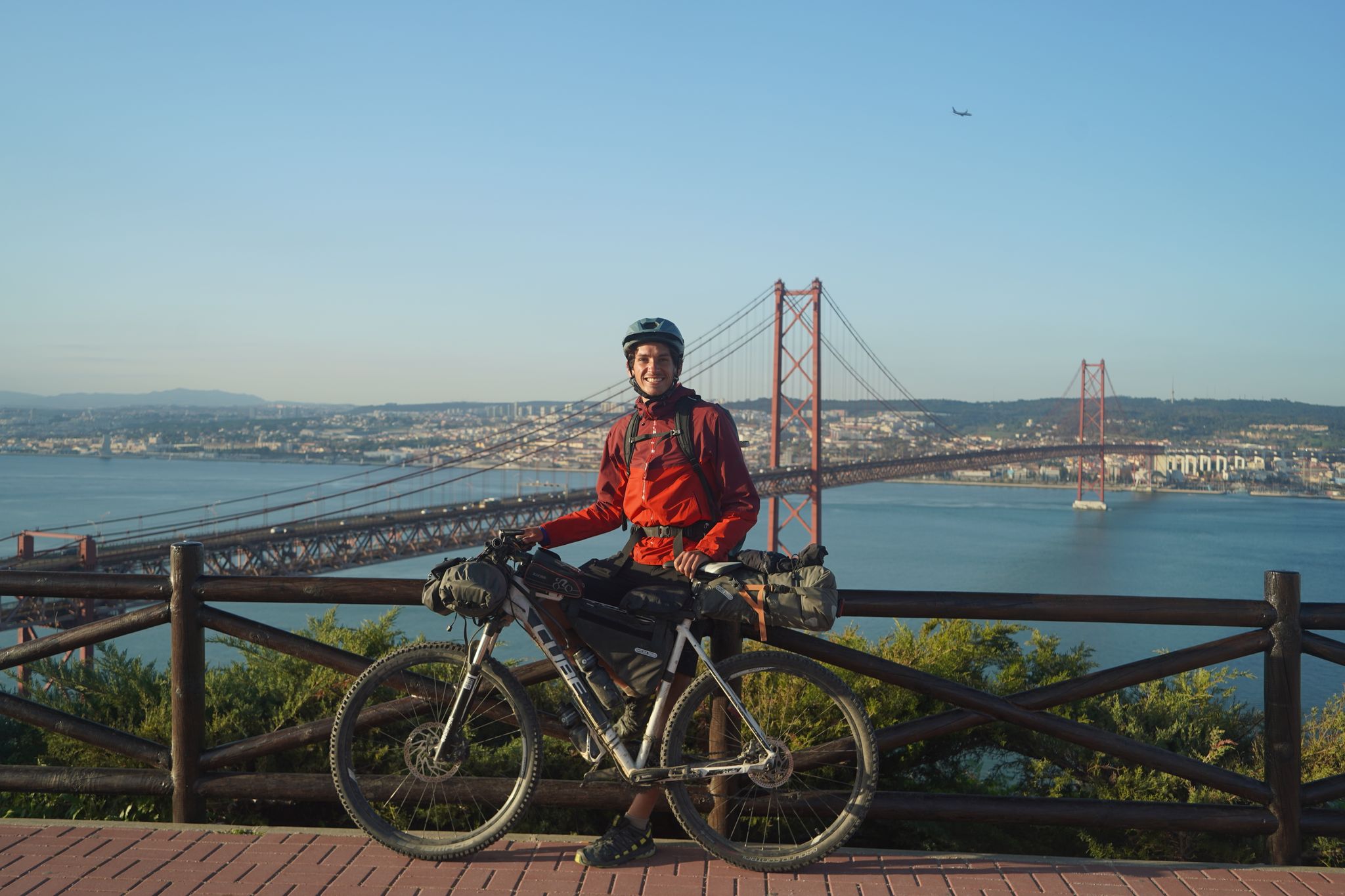
Road to Lisbon – bikepacking the Alps, Pyrenees and Picos de Europa
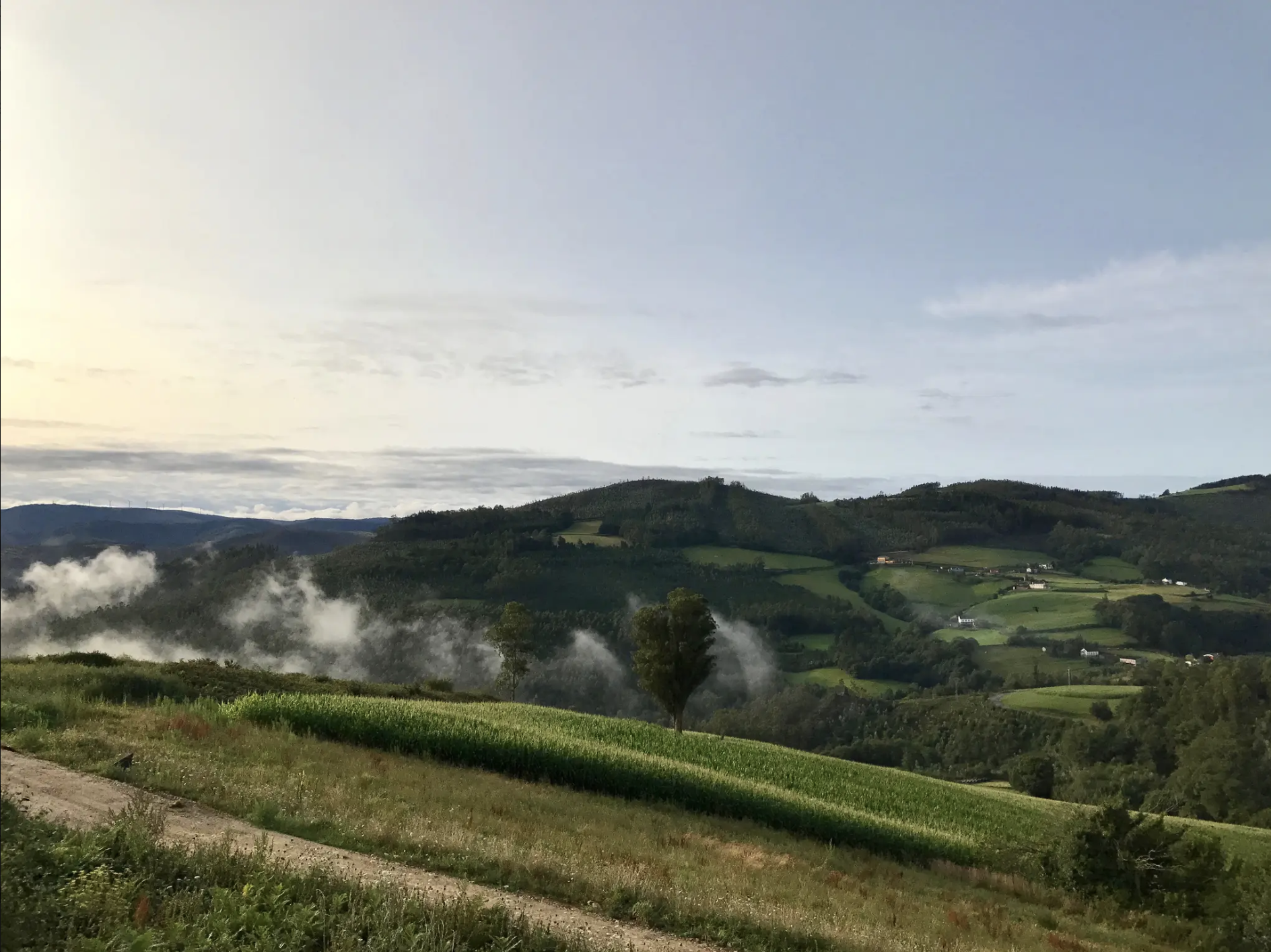
Camino del Norte (in reverse) – Discovering northern Spain's stunning coastline
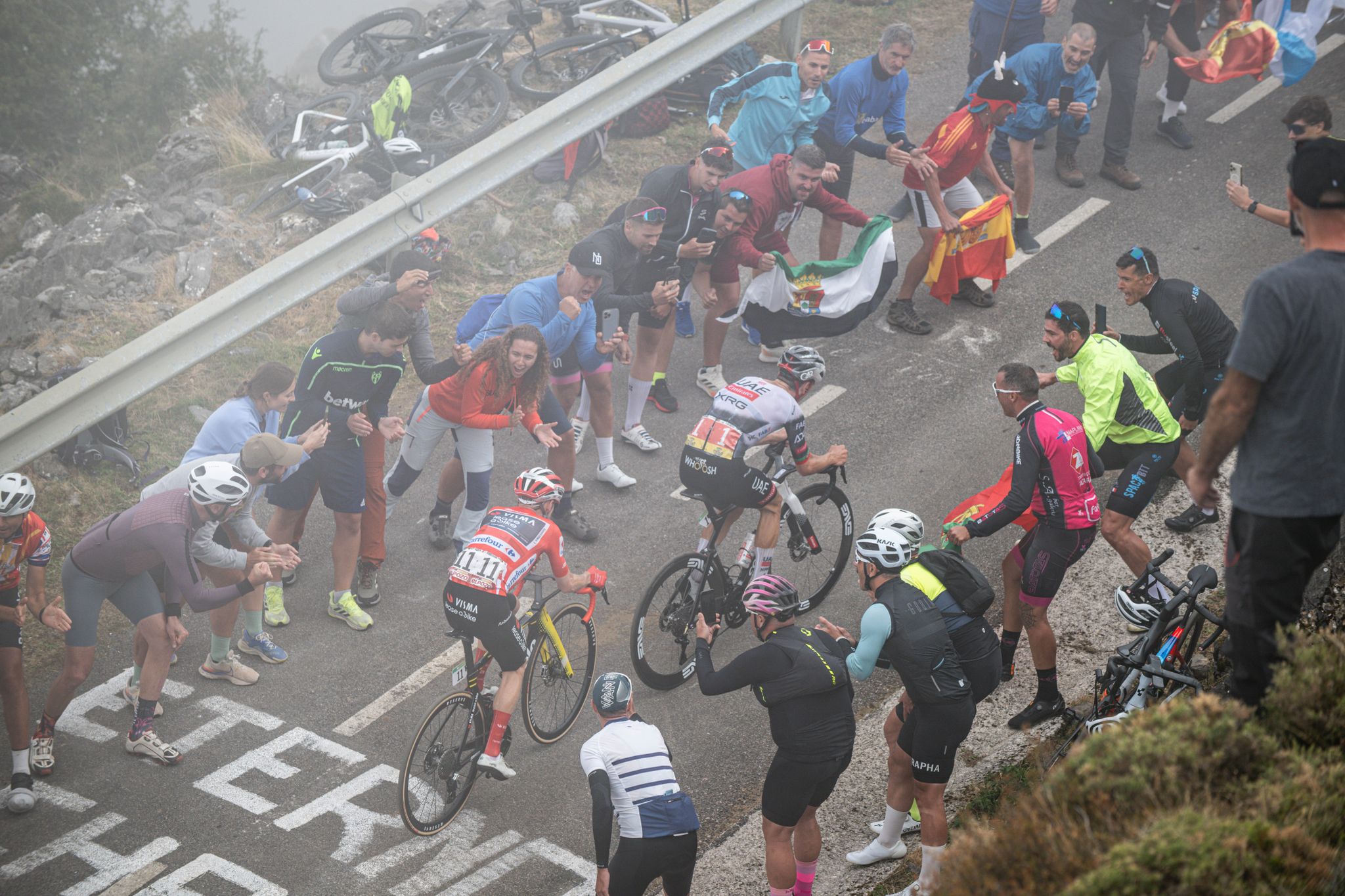
Mythical Passes and Sections of La Vuelta
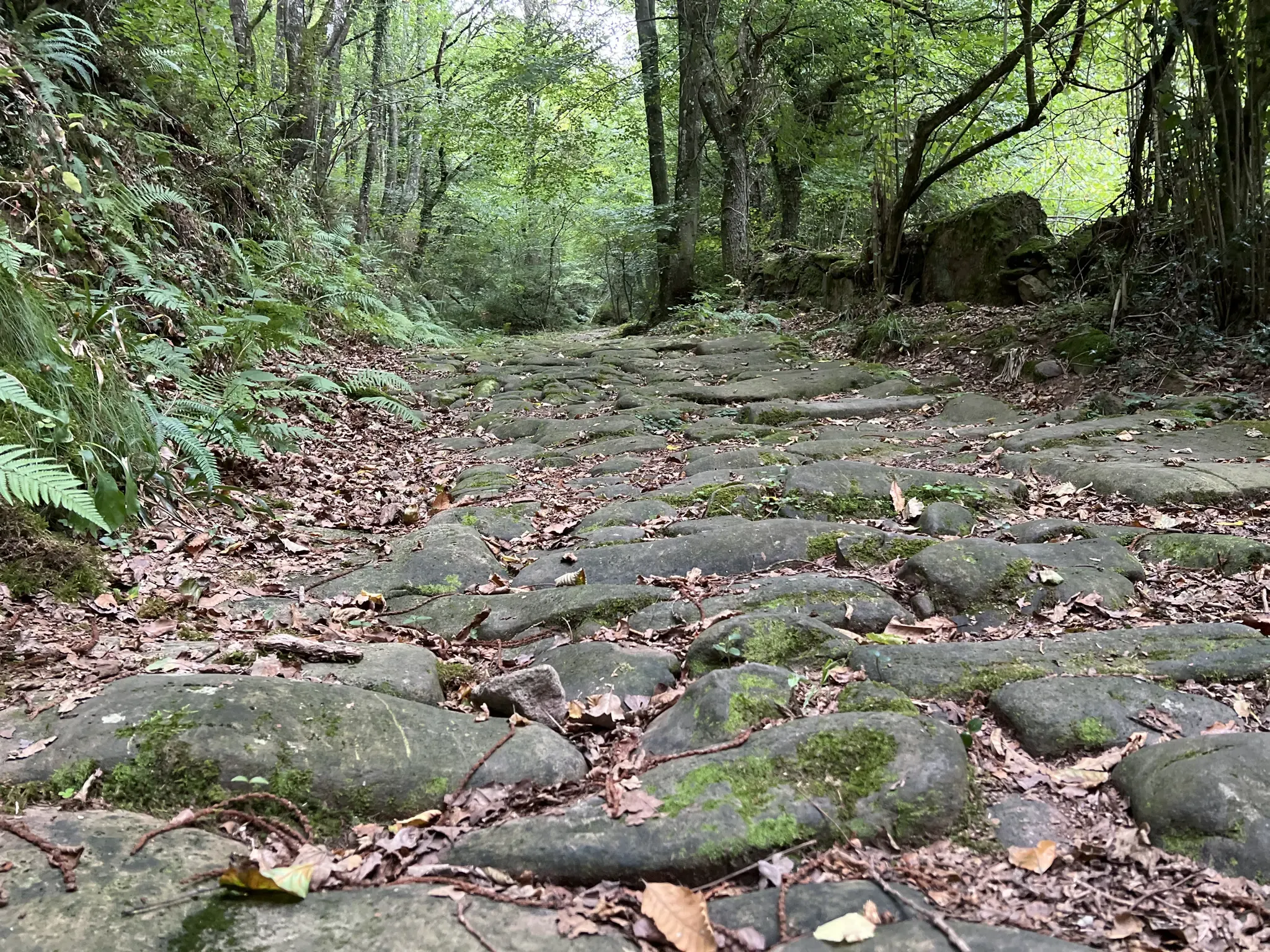
La Calzada de los Blendios (GR 73) — From the plateau to the sea
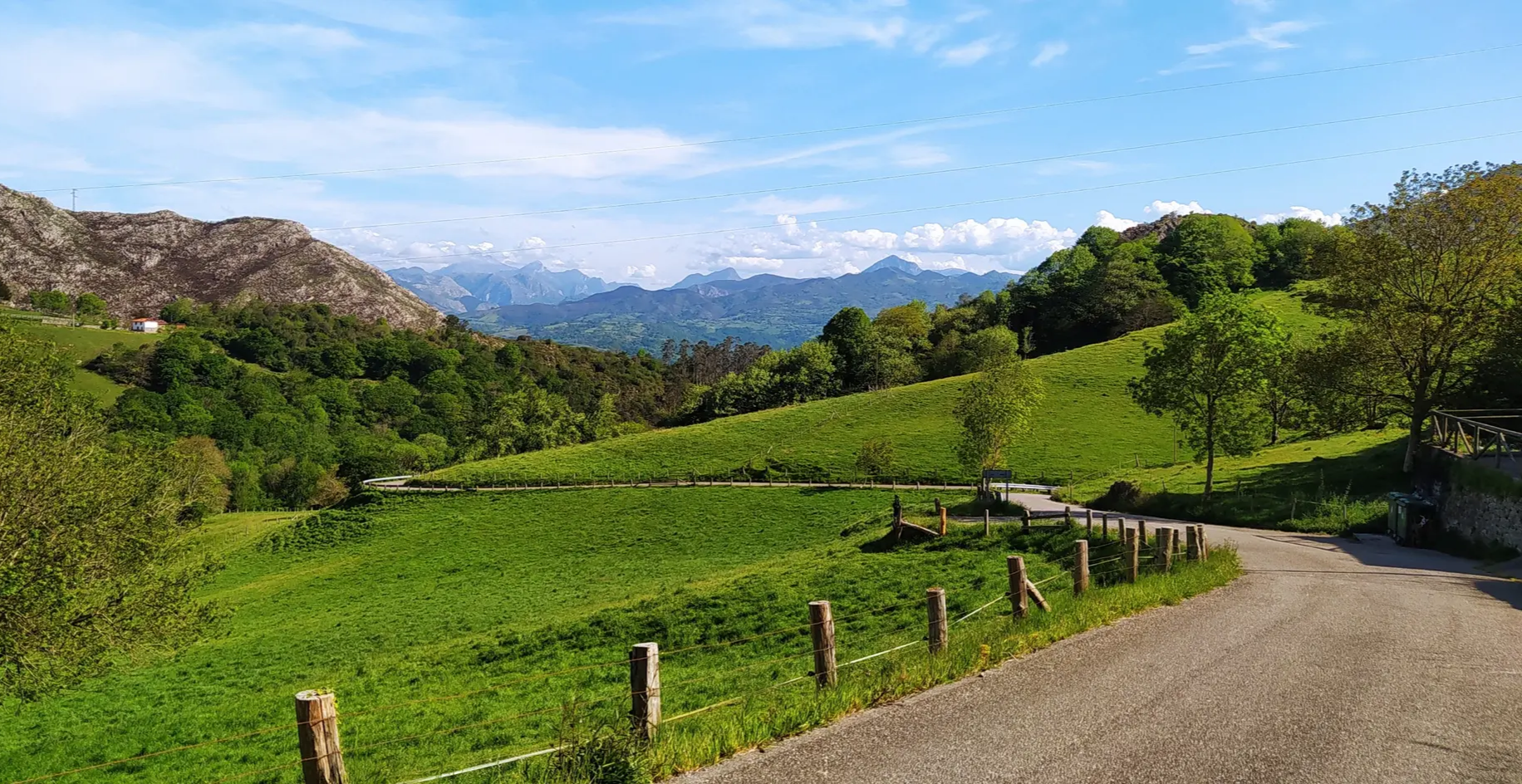
Great mountain passes of Picos de Europa on road bikes
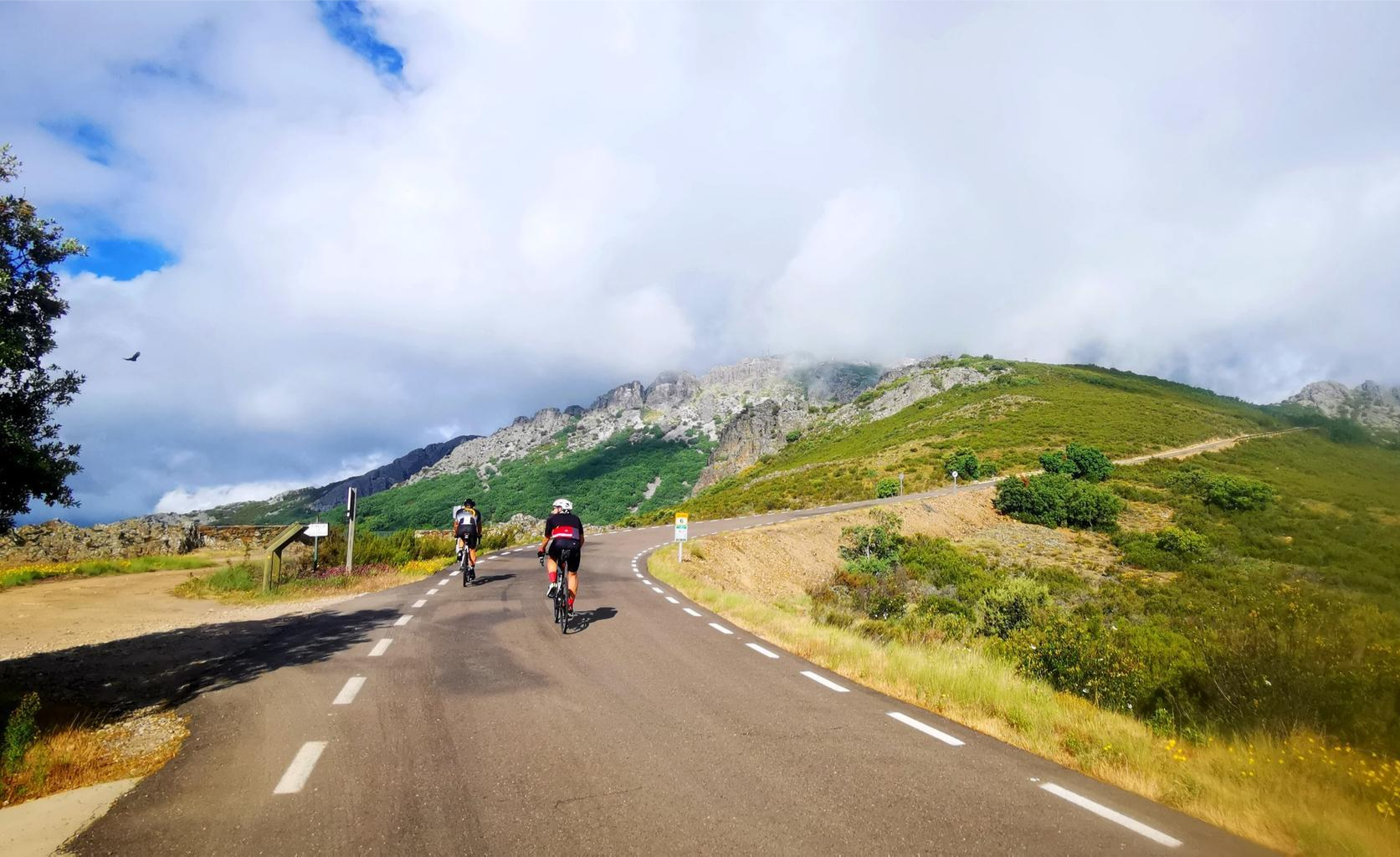
Legendary climbs - Ports of La Vuelta a España
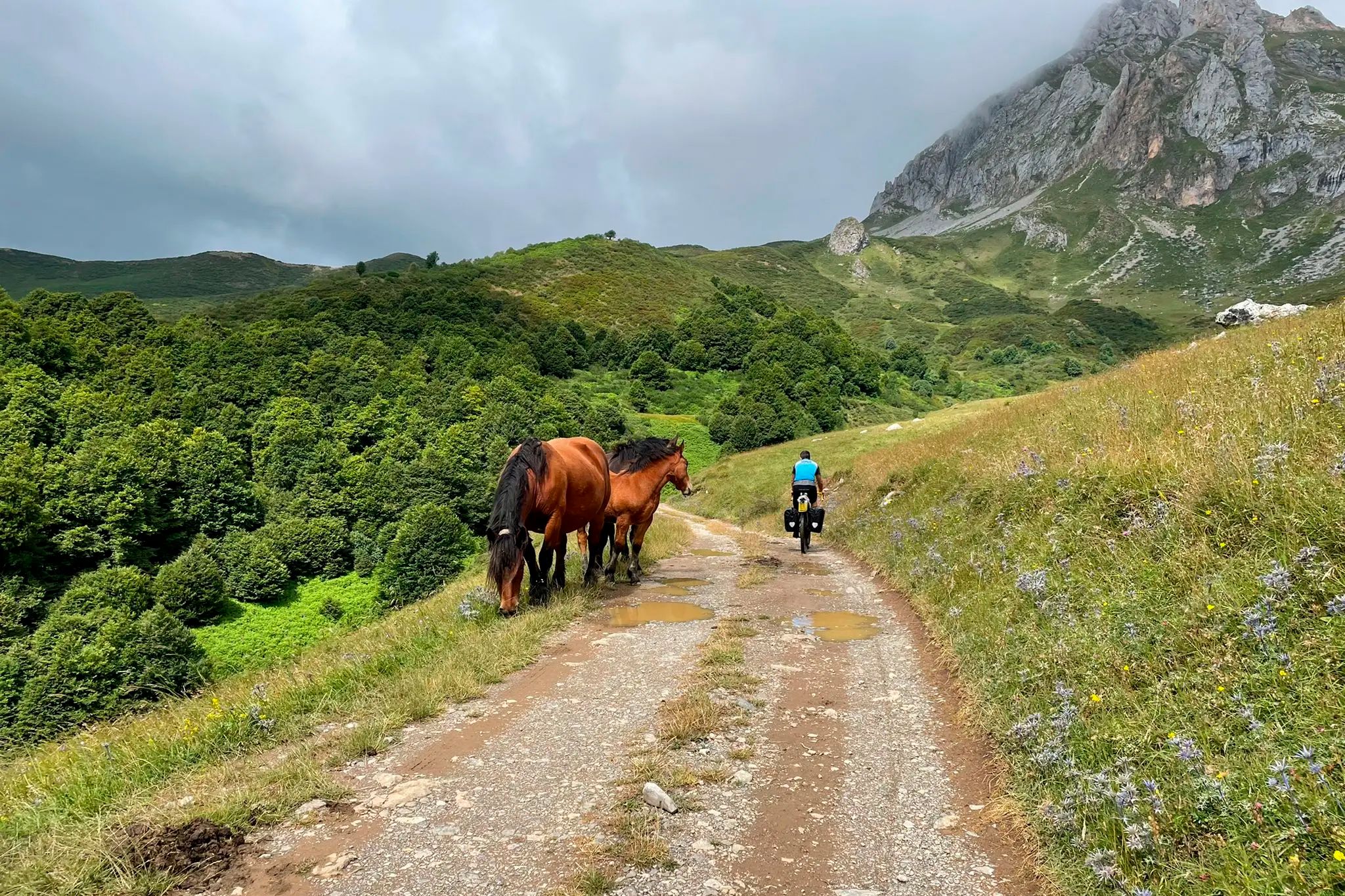
TransCantabrica – Extreme mountain biking in northern Spain
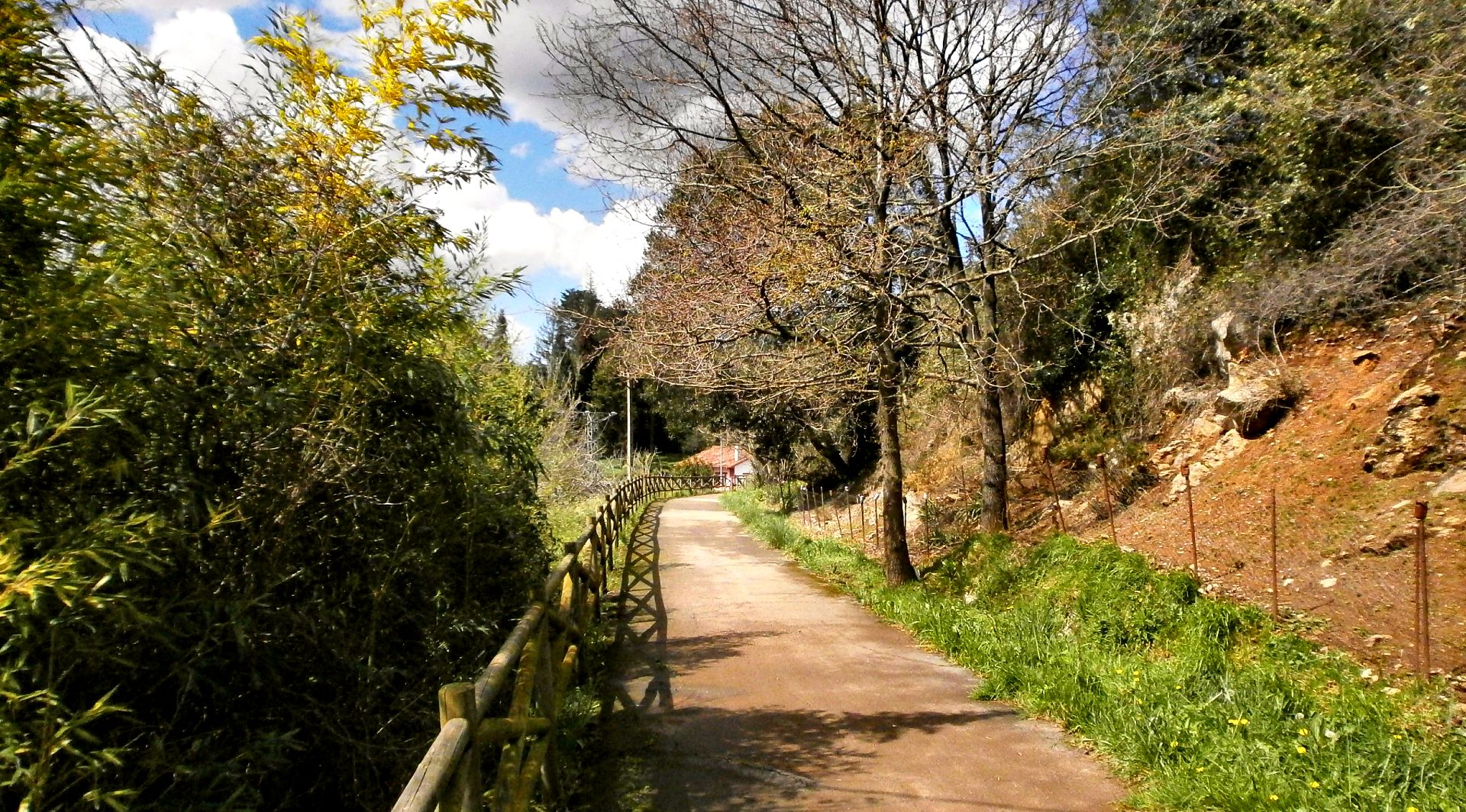
Vía Verde del Pas - Along the Riverbank through Cantabria
Cycle between land and sea in northern Spain – Pedales de Cantabria
Paths and waves – surf trip by bike in Cantabria
Other adventures in Cantabria


Tips from the Community

After rain the downhill (opposite dierction) can be somewhat challenging with steep rocky and muddy sections. I rode it on a gravel bike with 50 mm tires. Not too technical, but you need to watch out.
1
0

After a beautiful gravel climb, you reach this plateau with stunning views (including the Picos de Europa in the distance). The path then continues for a long time at altitude, with many cows and horses. Take a look: https://www.youtube.com/watch?v=OgEcgF17RDw
0
0
Indeed, a beautiful spot with breathtaking views, both towards the Picos de Europa and other Cantabrian mountains. The (gravel) road there is also stunning; just take a look: https://www.youtube.com/watch?v=OgEcgF17RDw
0
0

La Matanela Pass, 1,005 m. Border between Burgos and Cantabria, Meseta and Pas. From Burgos, it's known as La Magdalena. I copied the altimetry from altimetrias.net, which can be trusted.
0
0

A demanding but VERY beautiful route. The Estacas de Trueba pass is absolutely spectacular!
0
0

Nice and quiet port for cycling. Be careful with the fog at altitude.
0
0

Frequently Asked Questions
What are some of the most scenic mountain passes in Cantabria?
Cantabria offers numerous passes with breathtaking views. The Puerto de Piedrasluengas provides panoramic views of Liébana and the Picos de Europa. Puerto de la Braguía offers splendid vistas of the Pas, Pisueña, and Miera Valleys. From Portillo de Lunada, you can enjoy mountainous landscapes, traditional cabins, and even catch a glimpse of the Cantabrian Sea on clear days.
Are there any mountain passes in Cantabria with historical significance?
Yes, several passes hold historical importance. The Puerto de Piedrasluengas was part of ancient Roman roads. Portillo de Lunada has historically been a significant route for Pasiego shepherds and traders, reflecting the region's traditional way of life.
What kind of outdoor activities can I do near the mountain passes in Cantabria?
The mountain passes in Cantabria are excellent starting points for various outdoor activities. You can find numerous hiking trails, including challenging routes in the Picos de Europa National Park. Cycling, especially road cycling and gravel biking, is also popular, with passes like Puerto de la Braguía and Puerto de Palombera having been featured in races like the Vuelta a España. For more details on routes, explore the Hiking in Cantabria, Gravel biking in Cantabria, and MTB Trails in Cantabria guides.
Which mountain passes are good for cycling in Cantabria?
Many passes are popular with cyclists. Puerto de la Braguía and Puerto de Palombera are known for their challenging ascents and have been included in the Vuelta a España. La Sía Pass is also appreciated by cyclists and can be linked to Picón Blanco.
Are there family-friendly options for exploring mountain passes in Cantabria?
While many passes involve challenging terrain, the general areas around them often offer easier walks and viewpoints suitable for families. For instance, the viewpoints at Puerto de Piedrasluengas and Puerto de la Braguía are easily accessible by road and provide stunning scenery without strenuous hiking. Look for shorter, well-maintained trails or scenic drives that allow for stops to enjoy the views.
What is the best time of year to visit the mountain passes in Cantabria?
The best time to visit is generally from late spring to early autumn (May to October) when the weather is milder and passes are clear of snow. During winter, higher passes like Portillo de Lunada frequently close due to heavy snowfall, making access difficult or impossible.
What natural parks can be accessed via Cantabrian mountain passes?
Many mountain passes offer access to or are located within natural parks. Puerto de Piedrasluengas lies within the Montaña Palentina natural park. Puerto de Palombera's northern ascent runs largely within the Saja-Besaya Natural Park. These parks provide opportunities to explore diverse ecosystems and wildlife.
What cultural experiences can I find near the mountain passes?
The areas around the passes, particularly in the Pasiegos Valleys, offer a glimpse into traditional Pasiego culture. You can experience a way of life historically adapted to transhumant cattle ranching, see traditional stone walls and cabins, and taste local delicacies like *sobaos* and *quesadas* near Puerto de la Braguía.
Are there any mountain passes that offer views of the Picos de Europa?
Yes, the Puerto de Piedrasluengas offers impressive views of the Picos de Europa and Peña Sagra in the background. Additionally, the Cirque of the Picos de Europa viewpoint provides a direct perspective of the Massif Central within the Picos de Europa National Park.
What is unique about the <a href="https://www.komoot.com/highlight/3593199" target="_blank" rel="noopener">Estacas de Trueba Pass</a>?
The Estacas de Trueba Pass is notable for its ancient, hand-made signage crafted from Castilian stone. It also offers excellent views of the valley from its highest point, making it a popular spot for visitors.
Can I find viewpoints with extensive panoramas beyond just the immediate valleys?
Absolutely. From the wooden viewpoint at Puerto de Piedrasluengas, you can see peaks like Peña Labra, Cuchillón, and Pico Tres Mares, along with the entire Liébana Valley. On clear days, from Portillo de Lunada, you might even catch a glimpse of the Cantabrian Sea.
What is the <a href="https://www.komoot.com/highlight/3680481" target="_blank" rel="noopener">Portilla del Boquejón</a>?
The Portilla del Boquejón is a narrow passage that marks a distinct transition in the landscape, separating the barren high mountain terrain to the north from the more lush vegetation to the south. It's considered an authentic gateway to the ports of Áliva, offering a unique experience as if entering another world.
Most popular routes in Cantabria
Most popular attractions in Cantabria

Get inspired with the komoot mobile app


Didn’t find what you were looking for?
Find even more amazing mountain passes in Cantabria organized by region:
