Top 20 Natural Monuments in the East Of England
Natural monuments in the East of England showcase diverse landscapes, from rolling chalk hills to extensive wetlands and scenic coastlines. This region features a variety of natural sites, including ancient woodlands, unique geological formations, and significant wildlife habitats. These areas provide opportunities to observe local flora and fauna and appreciate distinct natural features.
Best natural monuments in the East of England
- The most popular natural monuments is Dunstable Downs, a viewpoint that is the highest point in Bedfordshire. It…
Last updated: October 17, 2026
Dunstable Downs
Highlight • Viewpoint
Tip by

Horsey Beach Seal Colony
Highlight • Beach
Tip by
Sign up now to discover places like this
Get recommendations on the best single tracks, peaks, & plenty of other exciting outdoor places.
Bison Hill
Highlight (Segment) • Viewpoint
Tip by

Sheringham Park Rhododendron and Azalea Gardens
Highlight • Forest
Tip by
Thompson Water
Highlight • Lake
Tip by
Five Knolls Barrow Cemetery
Highlight • Historical Site
Tip by

Hatfield Forest Lake
Highlight • Lake
Tip by

Far Fen Lake
Highlight • Lake
Tip by

Hunstanton Striped Cliffs
Highlight • Viewpoint
Tip by

Rendlesham Forest UFO Trail
Highlight • Trail
The forest was the setting for a well-known UFO incident in 1980. Servicemen at RAF Woodbridge saw lights in the …
Tip by
Sign up for free to discover even more natural monuments in the East Of England.
Already have an account?
Start today with a free account
Your next adventure awaits.
Popular around East Of England
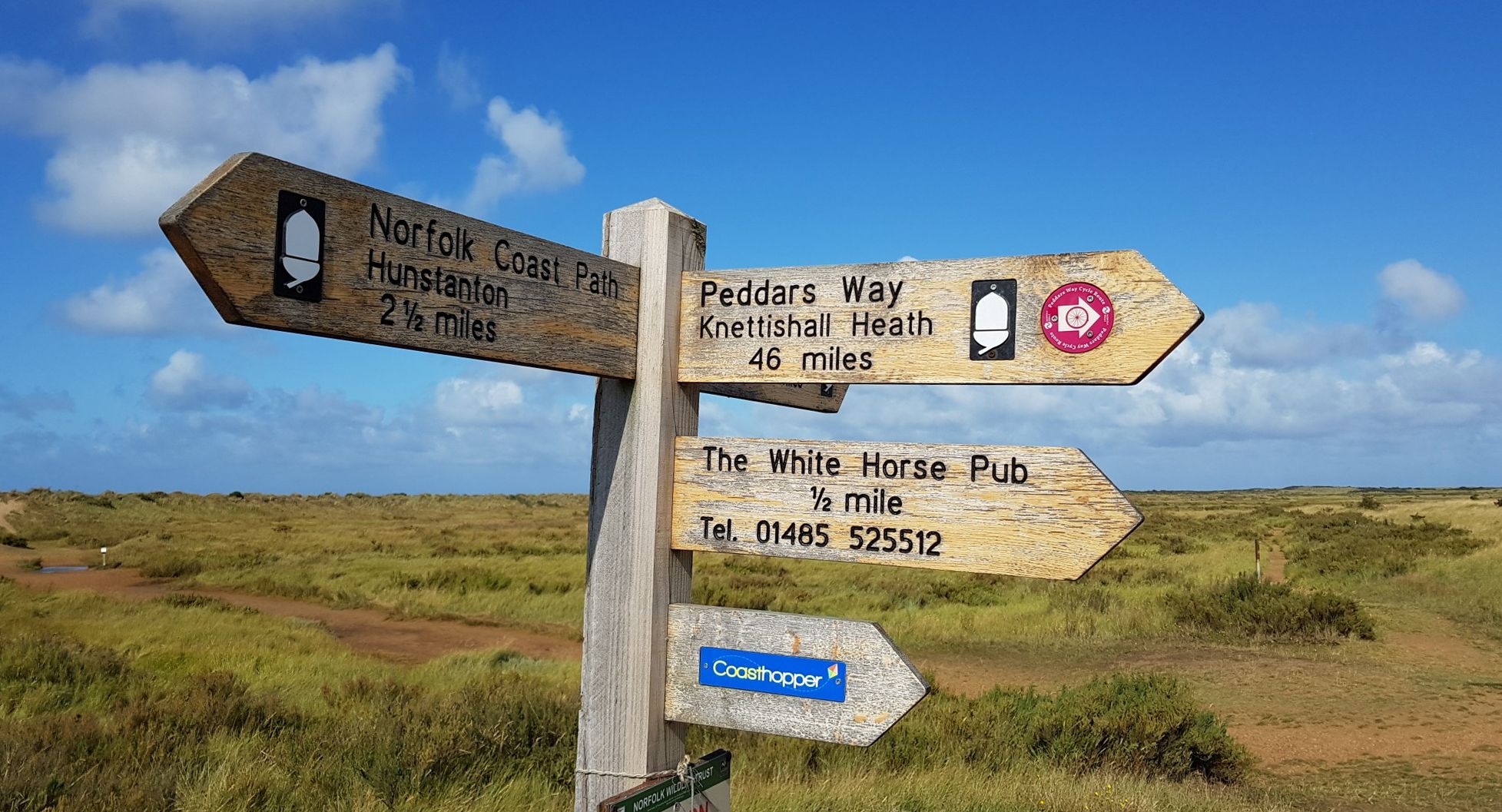
Norfolk Coast Path (National Trail)
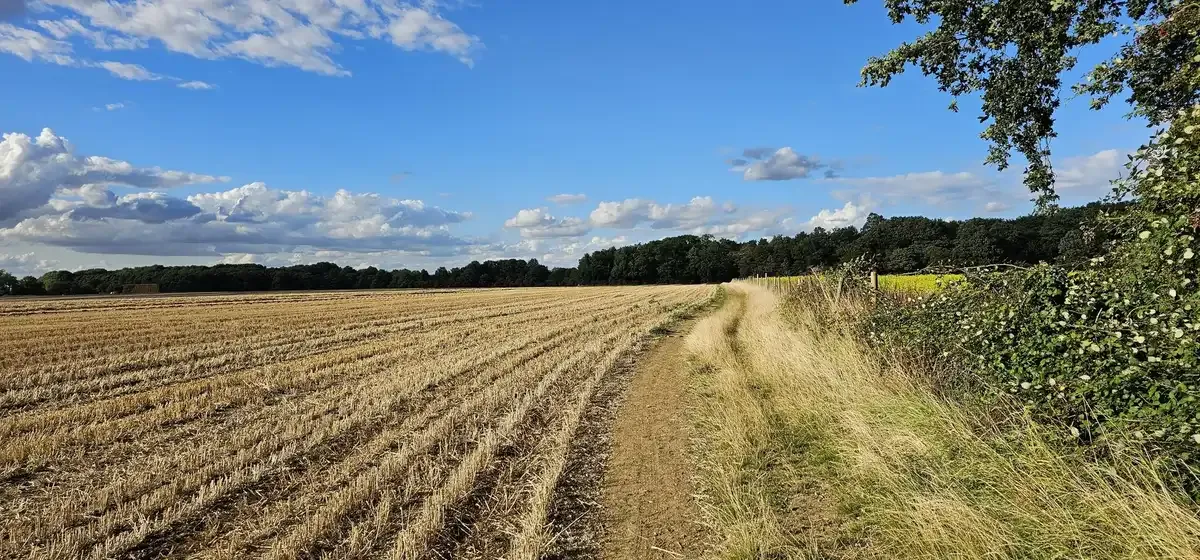
Saffron Trail – Countryside to coast through rural Essex
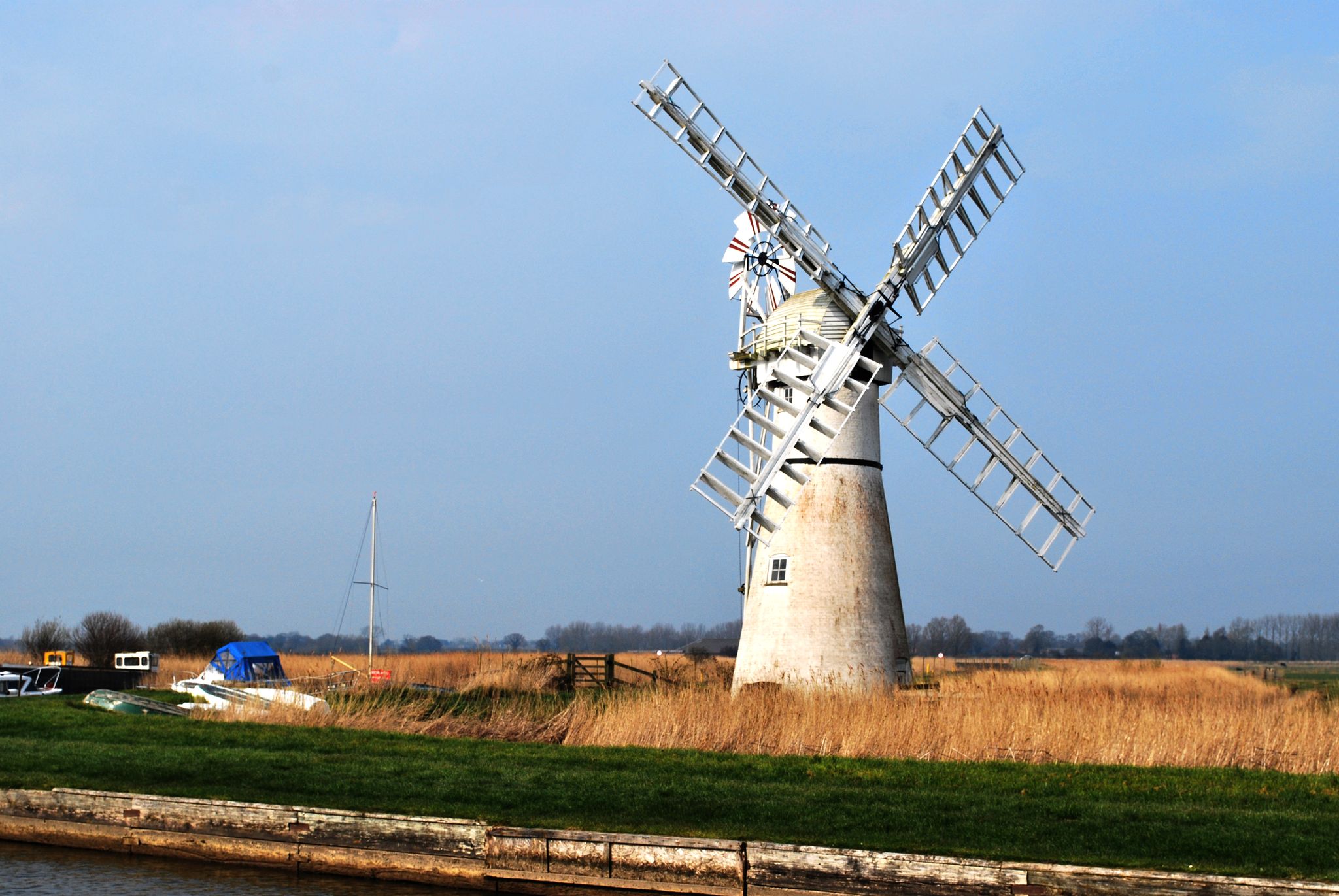
Norfolk Trails – long-distance walks
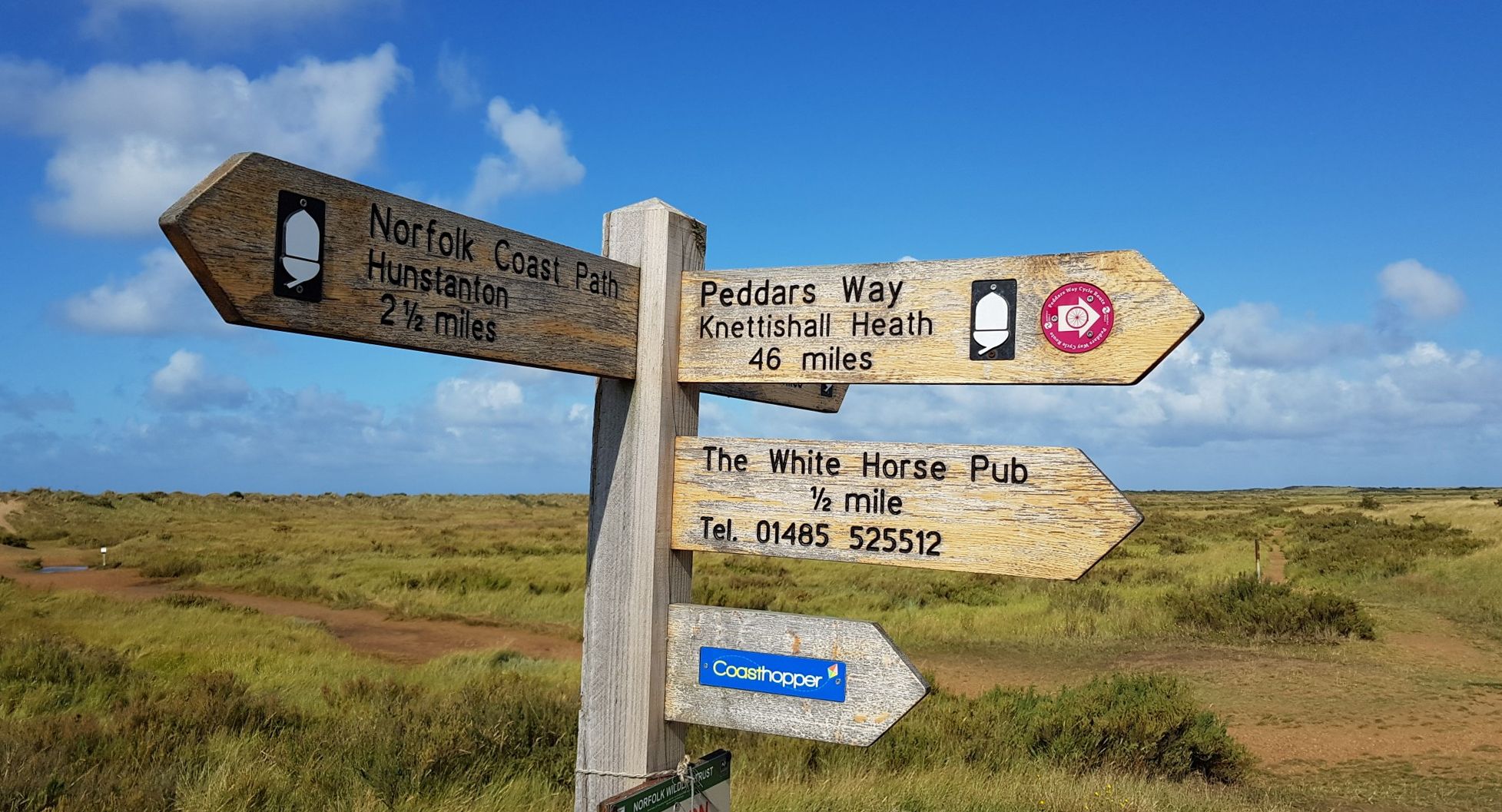
Peddars Way (National Trail)
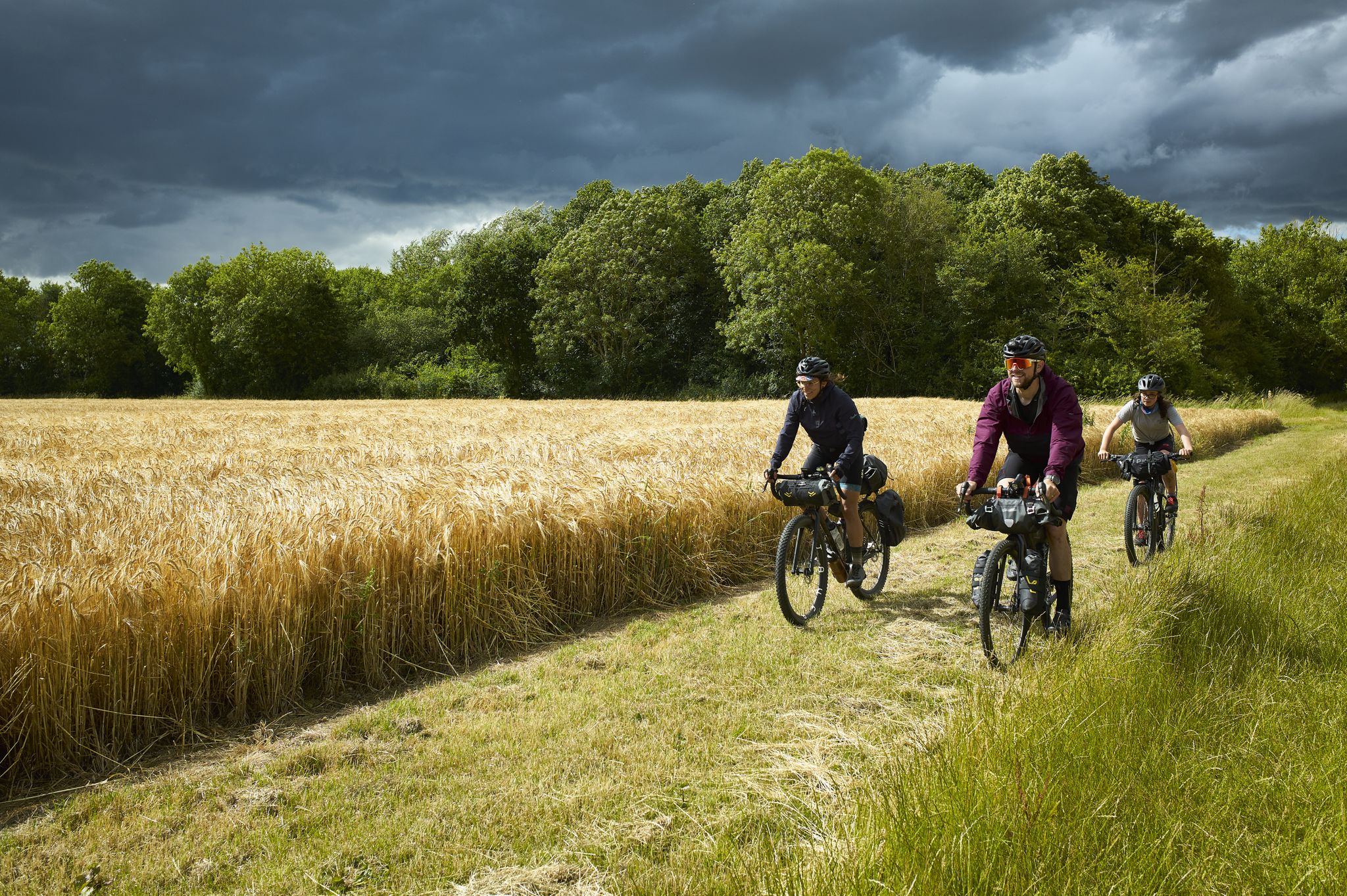
The Rebellion Way — all ability bikepacking in Norfolk
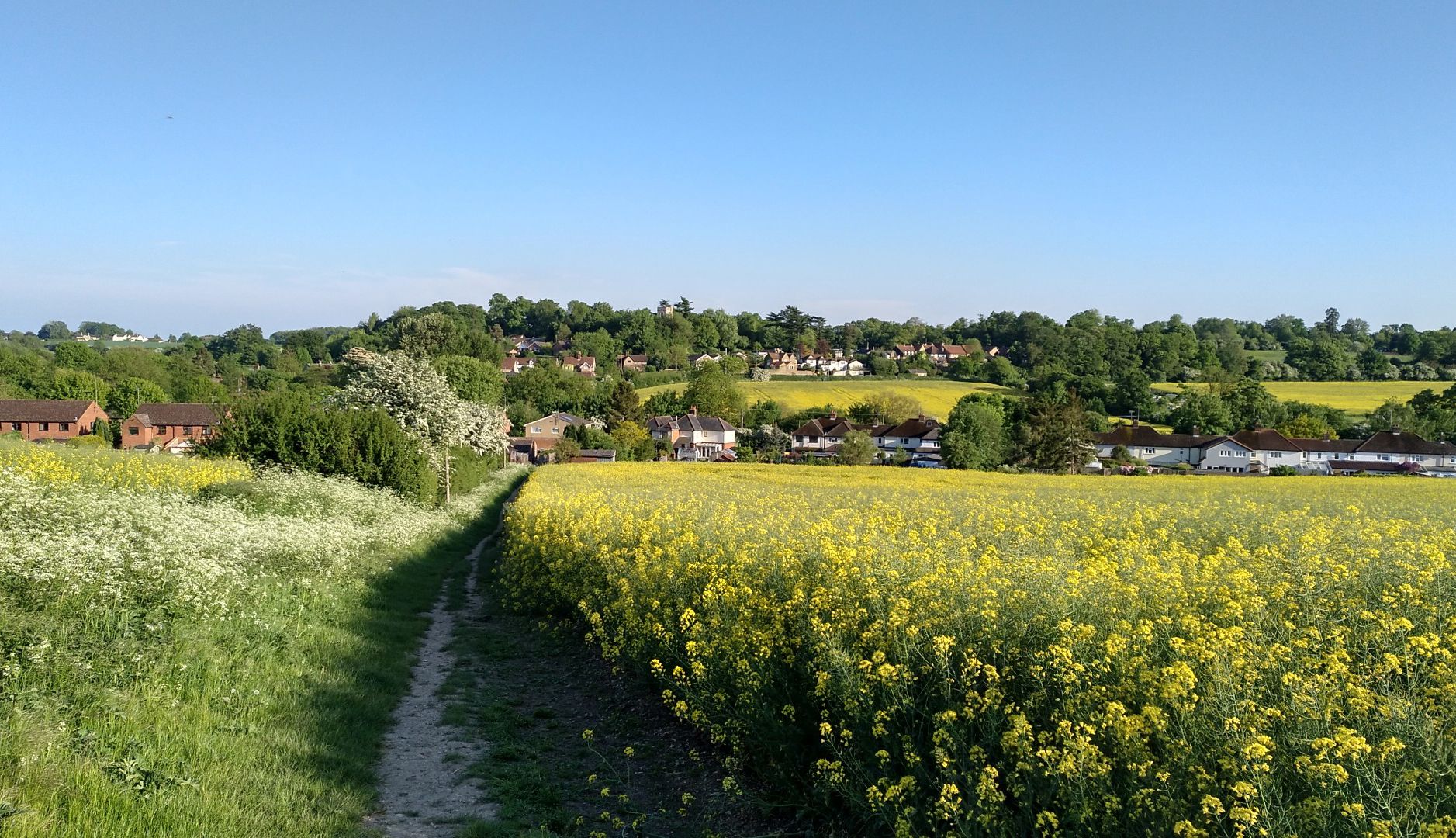
Hertfordshire Way — A grand loop through a historic home county
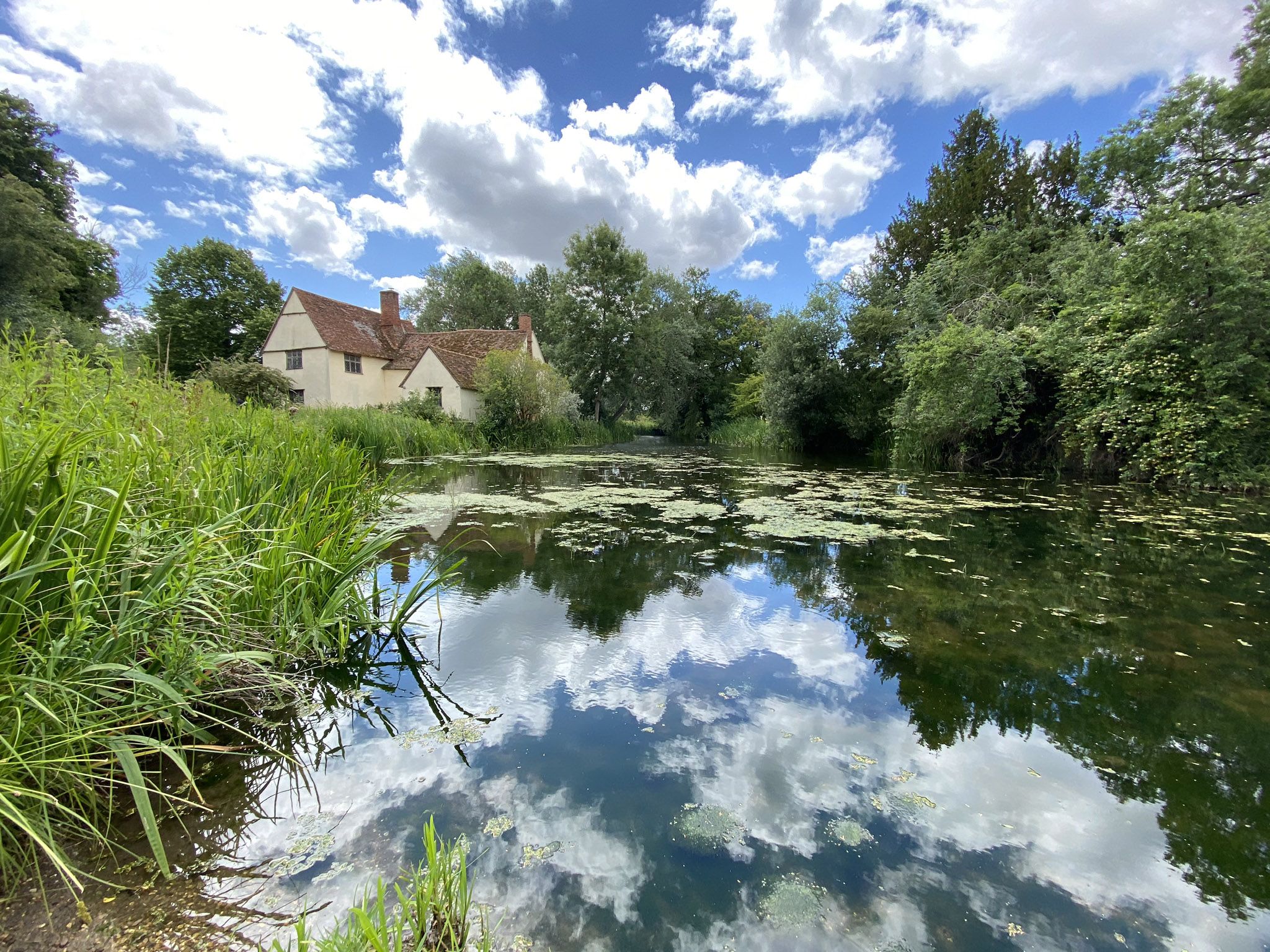
Stour Valley Path – A river walk of artistic beauty
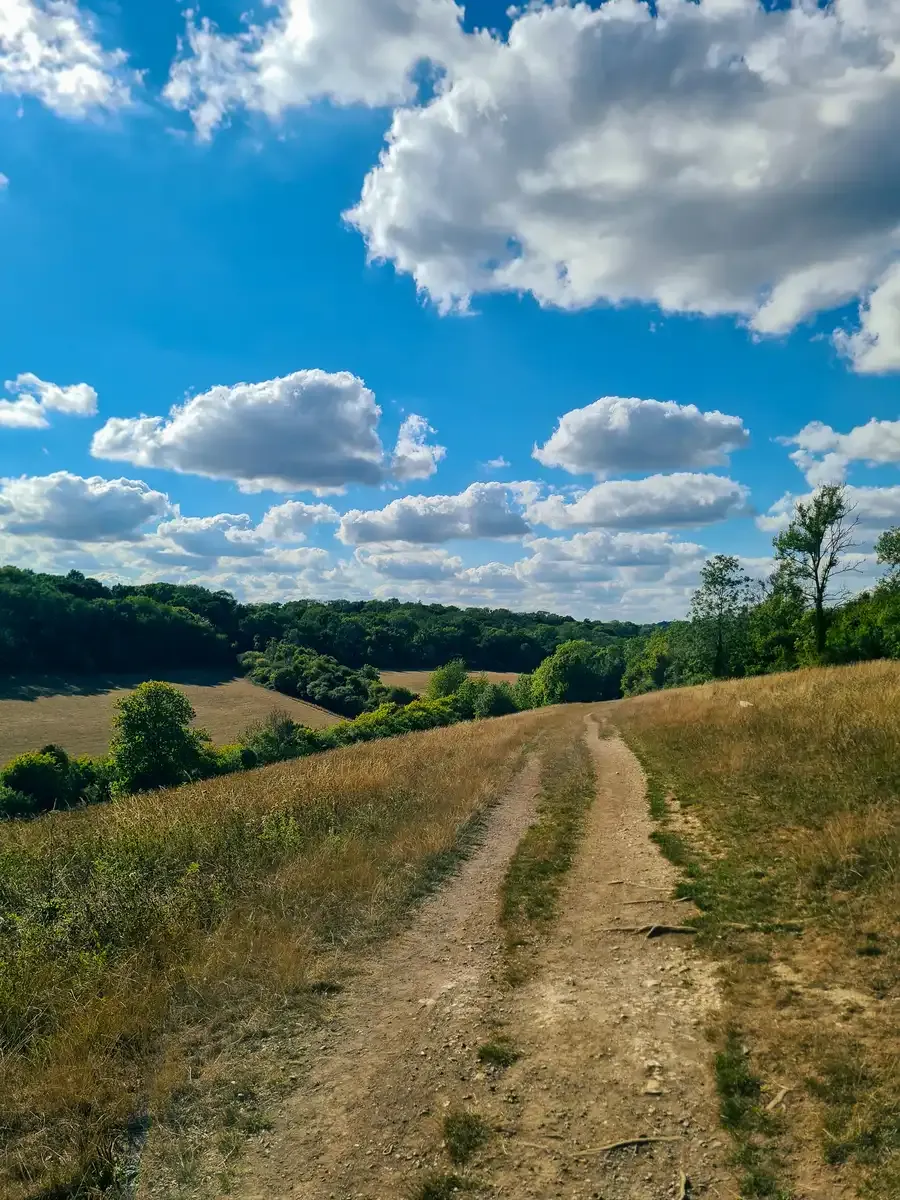
London LOOP — Hiking a ring of greenspaces around the capital
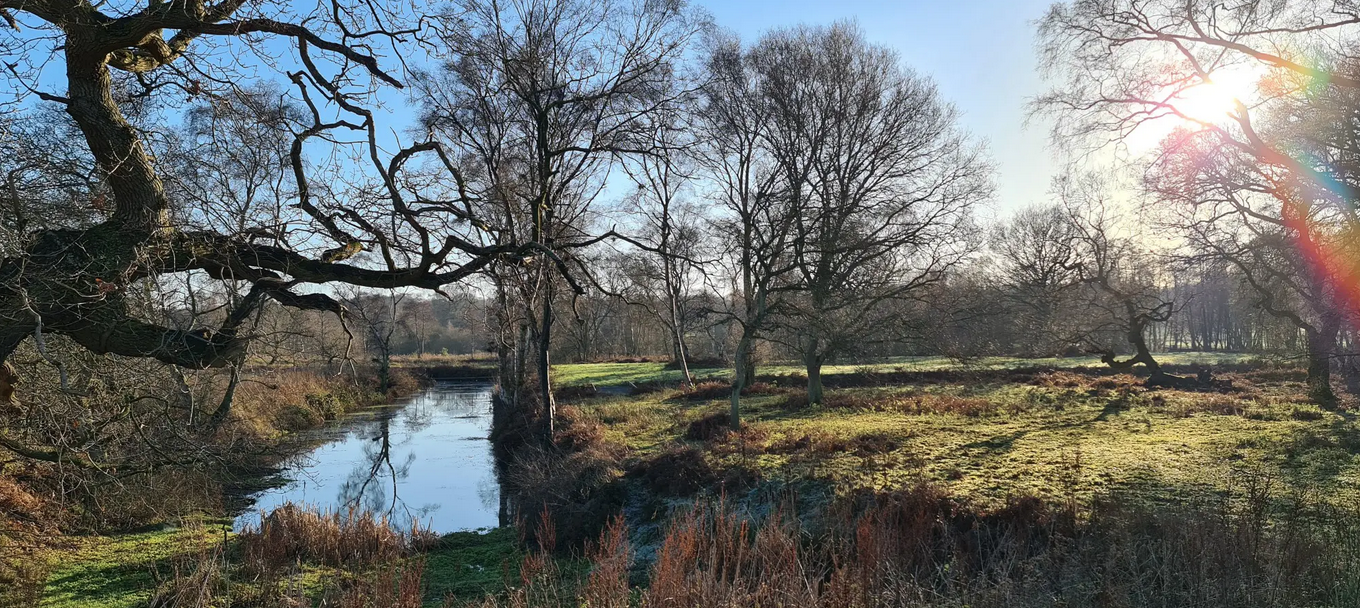
Sandlings Walk — Explore Suffolk's coast, forests and ancient heaths
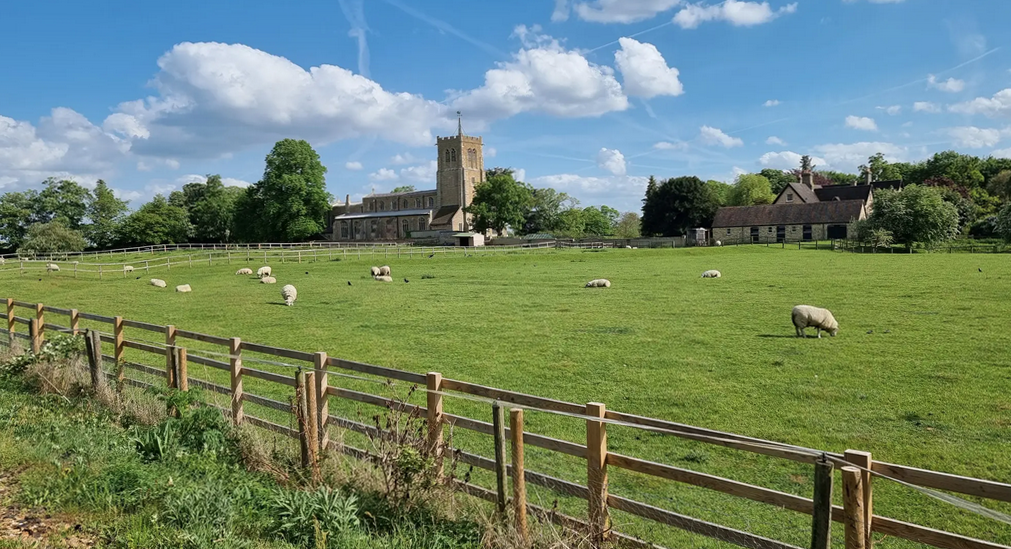
Pathfinder Long Distance Walk — A hike for wartime heroes
Other adventures in the East Of England


Tips from the Community

It is not 10 metres as some are claiming on here. It is 100 metres (330 feet) 😩 https://www.friendsofhorseyseals.co.uk/
0
0

Sheringham Park was designed by the 19th-century landscaper Humphry Repton and his son John Adey Repton.
1
0

Graet views of the setting sun especially from the Golden LIon hotel bar on top of the cliff.
0
0

Take time to go off the trail to the bird hides and vantage points around the water. The route is best in spring before the nettles take over the path in summer!
0
0

It's a dead end for roadies as there's only one tarmacked road to it but it's a nice ride and there's the Tinto Café horsebox at the car park, which does hot drinks, sandwiches and toasties, cakes and snacks. Officially it closes at 4pm but it was still serving at 4.30 when I was there, thankfully.
0
0

Parking is £2. There is a portaloo and a bin in the carpark. This hike was limited in what you could see, in August the trees and weeds blocked most of the view. For safety note that the pathway takes the narrow road that cars are entering and exiting. There are two crossings over the guided path where the buses are traveling at speed. The first part of the walk by the Ouse was lovely as was the last part on a field where you ton off by the weight limited bridge. I would imagine in winter the path would be a mush pit.
0
0

The beach isn't visible from the cliff road but you do get some great views out across the Wash, with the westering sun if you're here later in the day.
0
0
Frequently Asked Questions
What are some unique natural features to explore in the East of England?
The East of England offers several unique natural features. For instance, Thompson Water is famous for its 'pingos,' which are around 400 post-glacial depressions. The Broads National Park, a vast network of rivers and lakes, is another distinct wetland area. You can also find diverse coastlines with sand dunes, salt marshes, and areas of coastal erosion.
Are there natural monuments in the East of England suitable for families?
Yes, many natural monuments in the East of England are family-friendly. Dunstable Downs offers expansive views and footpaths, perfect for family walks. Horsey Beach Seal Colony provides a memorable wildlife experience, especially between November and February. Additionally, Sheringham Park Rhododendron and Azalea Gardens is a magnificent place to explore with children, featuring vast collections of plants and opportunities for wildlife spotting.
Where can I experience historical natural monuments in the East of England?
For a blend of history and nature, visit Five Knolls Barrow Cemetery near Dunstable Downs. These prehistoric burial mounds date back around 4,000 years, offering insights into Neolithic and Bronze Age periods. Dunstable Downs itself includes scheduled ancient monuments and is part of the Chilterns Area of Outstanding Natural Beauty.
What kind of wildlife can I expect to see at natural monuments in the East of England?
The region is rich in wildlife. At Horsey Beach Seal Colony, you can observe a significant grey seal breeding colony, particularly from November to February. Thompson Water is a crucial site for dragonflies, damselflies, butterflies, and beetles. In places like Sheringham Park, you might spot three species of deer, along with various birds and butterflies. The Broads National Park is also a vital habitat for many species, especially birds and aquatic life.
Are there opportunities for walking or cycling near these natural monuments?
Absolutely. Many natural monuments are excellent starting points for outdoor activities. You can find numerous footpaths across the chalk grasslands at Dunstable Downs. The East of England also offers a variety of routes for different sports. For running, explore options like the Grafham Water running loop or the Alton Water loop, which you can find in the Running Trails in the East Of England guide. For cycling, consider routes like the Marriott's Way and Bure Valley Path Loop or the Norfolk broad loop, detailed in the Cycling in the East Of England guide.
Which natural monuments offer impressive views?
Dunstable Downs, as the highest point in Bedfordshire, provides breathtaking, expansive vistas across the Chilterns Area of Outstanding Natural Beauty. Bison Hill also offers challenging climbs with rewarding views. From the towers at Sheringham Park Rhododendron and Azalea Gardens, you can enjoy stunning views of the North Norfolk coast.
What is the best time of year to visit the natural monuments in the East of England?
The best time to visit depends on what you want to see. For observing the grey seal breeding colony at Horsey Beach Seal Colony, the period between November and February is ideal. Spring and early summer are excellent for seeing the rhododendrons and azaleas in bloom at Sheringham Park and for spotting dragonflies and damselflies at Thompson Water. The summer months are generally pleasant for walking and enjoying the coastal areas and the Broads.
Are there any natural monuments that are particularly good for birdwatching?
Yes, the East of England is a fantastic region for birdwatching. The Broads National Park, with its extensive wetlands, is a crucial habitat for many bird species. The East of England Coastline, particularly areas like Blakeney Point (a salt marsh), is renowned for birdwatching, including significant grey seal colonies and various migratory birds.
Can I bring my dog to the natural monuments in the East of England?
Many natural monuments in the East of England are dog-friendly, but it's always best to check specific site rules. For example, Thompson Water is listed as dog-friendly. When visiting places with sensitive wildlife, like Horsey Beach Seal Colony, it's crucial to keep dogs under control and on a lead to protect the animals.
Where can I find ancient woodlands or forests to explore?
Epping Forest in Essex is a large ancient woodland offering significant green space for walking and cycling. While not explicitly listed as a highlight in the guide data, its ancient character provides a rich natural environment. Sheringham Park Rhododendron and Azalea Gardens also features ancient pines, oaks, and beeches within its landscape.
Are there natural monuments with water features like lakes or rivers?
Yes, the region is known for its diverse water features. The Broads National Park is a unique network of rivers and lakes. Thompson Water, Hatfield Forest Lake, and Far Fen Lake are specific lakes mentioned in the guide. Dedham Vale, known as 'Constable Country,' features the meandering River Stour, perfect for tranquil boat trips.
What do other visitors enjoy most about the natural monuments in the East of England?
Visitors frequently praise the breathtaking views, especially from places like Dunstable Downs. The opportunity to see British wildlife up close, such as the seals at Horsey Beach Seal Colony, is also a major highlight. The diverse plant life, including the vast collections of rhododendrons and azaleas at Sheringham Park, and the unique geological features like the pingos at Thompson Water, are also highly appreciated.
Are there any coastal natural monuments worth visiting in the East of England?
The East of England boasts a long North Sea coastline with varied natural monuments. Horsey Beach Seal Colony is a prime example, known for its significant grey seal breeding colony. The Norfolk Coast Path offers dramatic coastal scenery, and areas like Blakeney Point are important salt marshes. These coastal areas are excellent for walking, birdwatching, and enjoying diverse marine environments.
Most popular routes in the East Of England
Most popular attractions in the East Of England

Get inspired with the komoot mobile app


Didn’t find what you were looking for?
Find even more amazing natural monuments in the East Of England by checking out the top Highlights region by region:
Explore more
Extend your search for the best caves by checking out these guides of the top ones in the East Of England:
