Top 5 Natural Monuments around Kinnerley
Best natural monuments around Kinnerley offer a diverse landscape shaped by geological history and natural reclamation. The area features carboniferous limestone outcrops, ancient woodlands, and dramatic rock formations. These sites provide habitats for a variety of plant and animal species, reflecting the region's ecological significance. Kinnerley's surroundings are characterized by a blend of natural geology and historical human interaction with the landscape.
Best natural monuments around Kinnerley
- The most popular natural monument is Llanymynech Rocks Nature Reserve, a former…
Last updated: July 1, 2026
Llanymynech Rocks Nature Reserve
Highlight • Natural Monument
Tip by

Nesscliffe Hillfort
Highlight • Historical Site
Tip by

Sign up now to discover places like this
Get recommendations on the best single tracks, peaks, & plenty of other exciting outdoor places.
Sign up for free
Old Oswestry Hill Fort
Highlight • Viewpoint
Tip by

View from Llanymynech Hill
Highlight • Historical Site
Tip by
St Winifred's Well and Chapel
Highlight • Religious Site
Tip by

Start today with a free account
Your next adventure awaits.
Login or Signup
Tips from the Community

Originally inspired by the well-known open-source emulator yuzu, https://suyuemulator.online/ has since developed into a distinct project with additional features and optimizations.
0
0

WOW, what a place to visit. The Rock faces are impressive and really tall. When I was there, there were some rock climbers as well having fun!
0
0
Great place to visit. The rockface is just amazing.
0
0

There is a public footpath pass through the grounds where the well is. However the well itself is private and owned by the landmarks Trust. I met the housekeeper but she didn't seem massively happy about me crossing the the threshold but it's worth a look all the same. Apparently St winifreds head was chopped off here and the well spring spring up where her head landed.
0
1

Old Oswestry is one of Britain's best preserved hill forts, with its stunning display of earthworks. Constructed during the Iron Age, the first evidence of a settlement here dates back to around 1000 BC. After the fort fell into disuse, it was incorporated into Wat's Dyke, a linear earthwork not dissimilar to the nearby Offa's Dyke. Both defined the border between rival kingdoms.
0
0

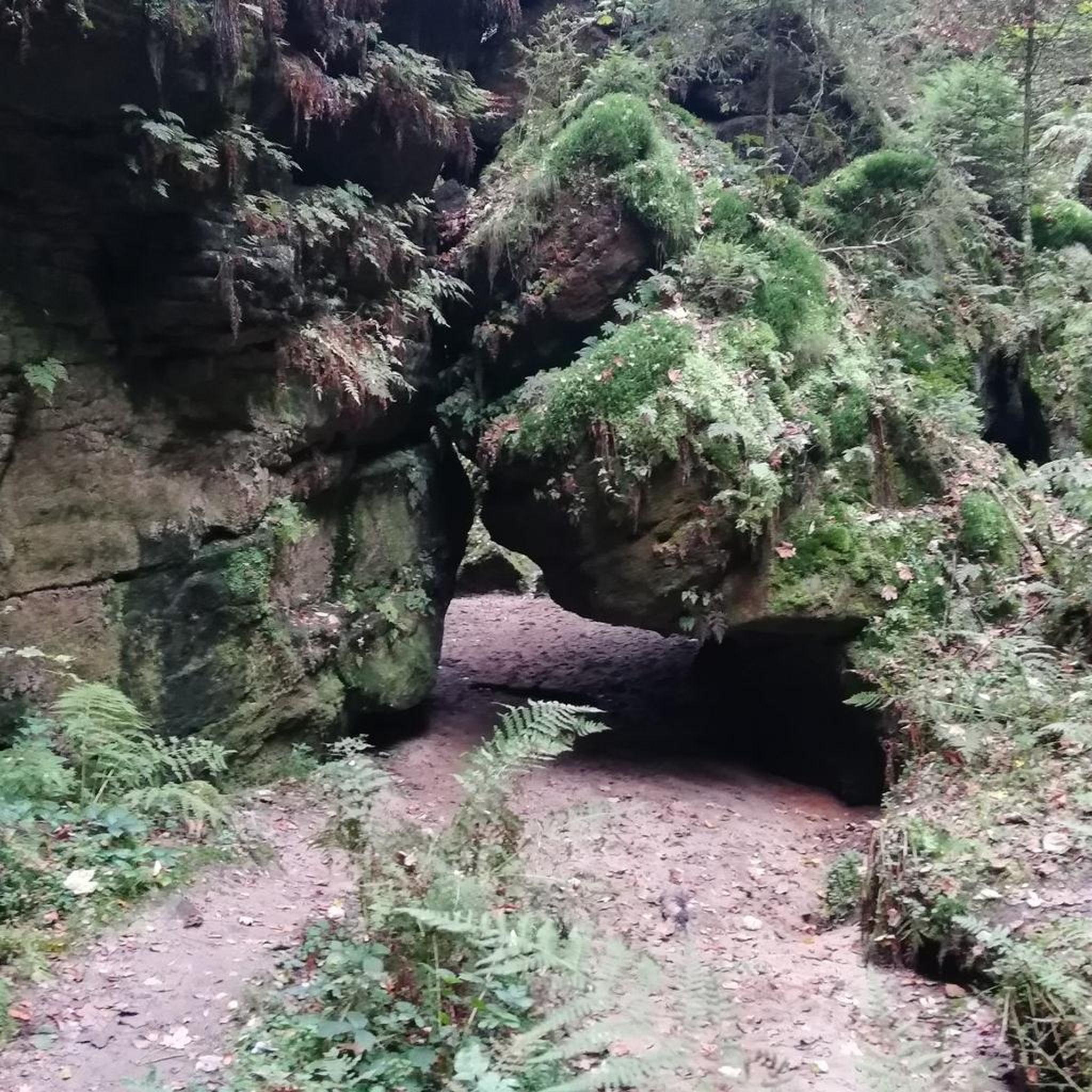
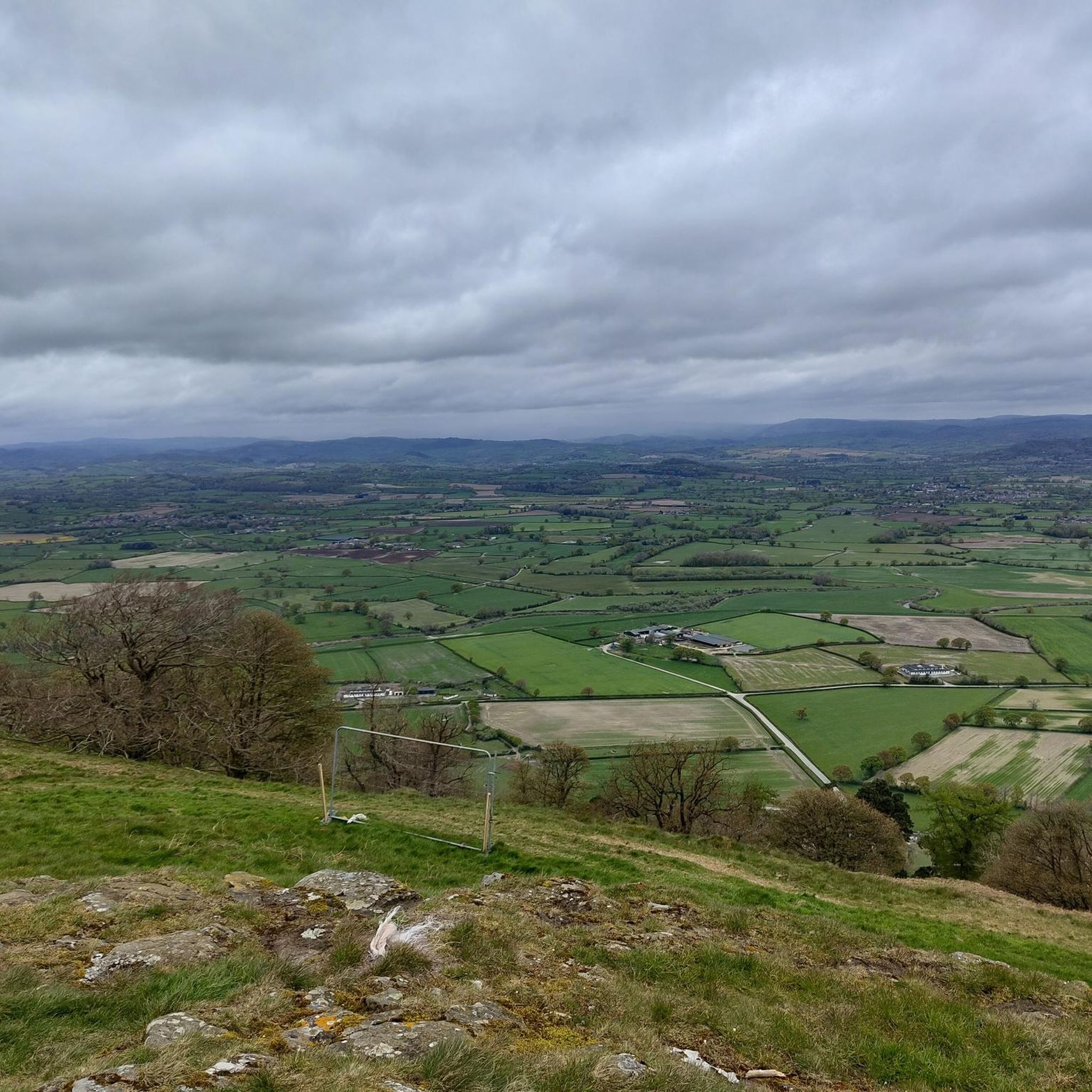
The Nesscliffe Hill Country Park includes the main hill as well as the common just to the north. The mixed woodland and heathland are both lovely places to ramble about and make thriving habitats for wildlife. Within the limits of the country park lies Kynaston Cave. From the summit of the main hill, extensive views across Shropshire and into Wales can be enjoyed. It's particularly spectacular on clear days.
0
0

Llanymynech Rocks Nature Reserve is situated at the southern end of a carboniferous limestone outcrop that stretches from Anglesey to Llandudno. A busy quarry for around 200 years from the early 19th century, nature has now reclaimed the area with dramatic effect. Home to 416 species of plants, 33 species of butterflies, 46 different birds and 92 species of fungi and lichens, the reserve is a great place to explore at any time of year.
2
0
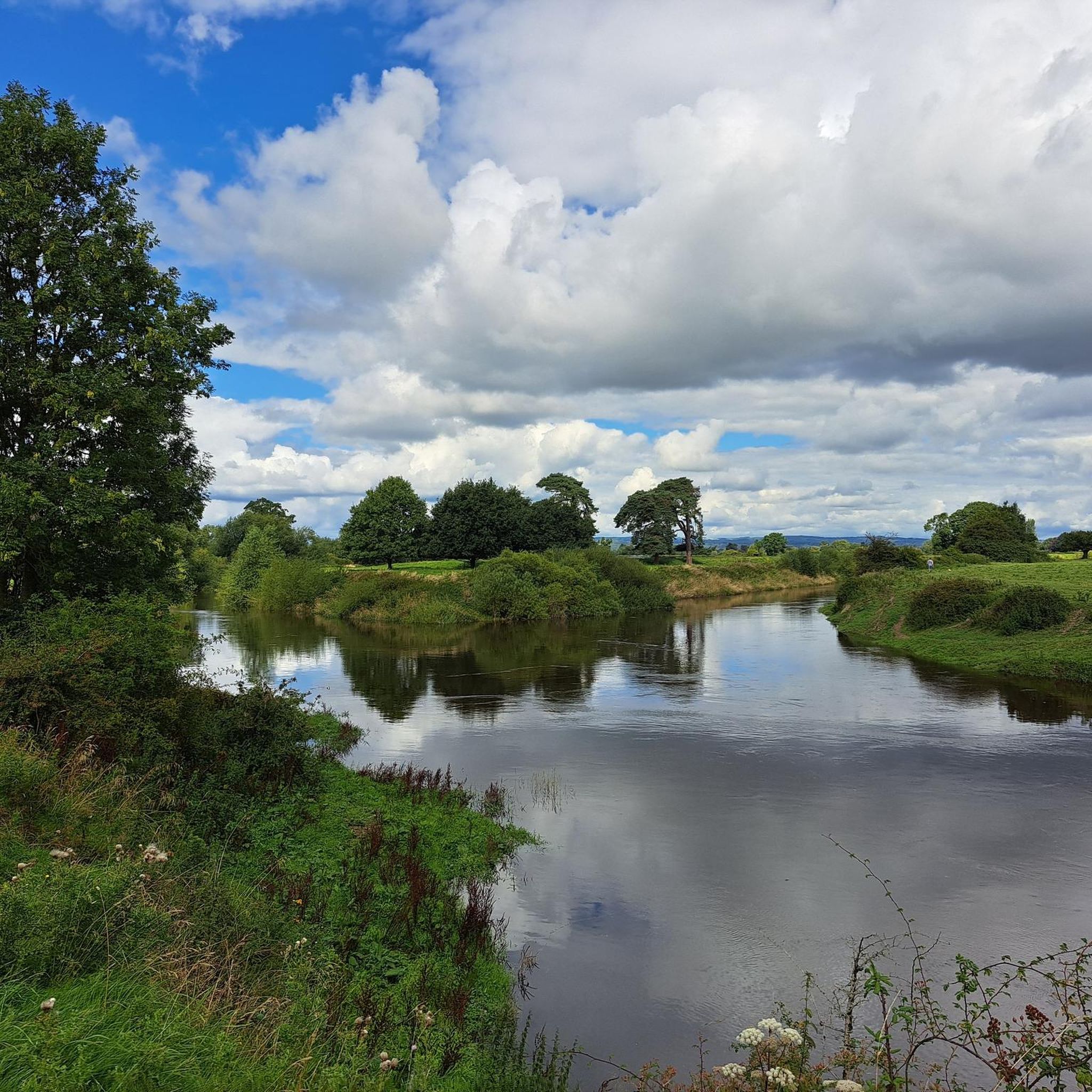
You get wonderful views over Shropshire from Llanymynech Hill. The area also has a rich history as one of the earliest mining sites in Wales. Copper was mined and smelted on the hill in the late Bronze Age and the summit boasts an extensive Iron Age hillfort which is testament to the scale of the mining.
1
0
Frequently Asked Questions
What types of natural monuments can I explore around Kinnerley?
The area around Kinnerley offers a diverse range of natural monuments. You can find former quarries like Llanymynech Rocks Nature Reserve that have been reclaimed by nature, historical hillforts such as Nesscliffe Hillfort with expansive views, and unique geological formations. Further afield, the Shropshire Hills feature dramatic quartzite ridges like The Stiperstones and ancient escarpments like Wenlock Edge.
Are there good hiking opportunities near Kinnerley's natural monuments?
Yes, there are excellent hiking opportunities. For example, Nesscliffe Hill Country Park offers various trails, including easy loops around Nesscliffe Hillfort and Kynaston's Cave. The Stiperstones National Nature Reserve has an 8km path, the 'Stiperstones Stomp,' for exploring its unique landscape. You can find more detailed hiking routes in the area by visiting our guide on Easy hikes around Kinnerley.
What is special about Llanymynech Rocks Nature Reserve?
Llanymynech Rocks Nature Reserve is a former quarry that has been dramatically reclaimed by nature. It's situated on a carboniferous limestone outcrop and is a haven for biodiversity, boasting over 400 plant species, 30 butterfly species, and 46 different birds. Its impressive rock faces also attract rock climbers.
Can I visit Kynaston's Cave and Nesscliffe Hillfort?
Yes, Nesscliffe Hill Country Park includes both the main hill and Kynaston's Cave. The cave is a natural formation with historical significance, while the hillfort offers extensive views across Shropshire and into Wales from its summit. The mixed woodland and heathland provide a thriving habitat for wildlife and are great for rambling.
Are there any natural monuments with historical significance in the Kinnerley area?
Absolutely. Nesscliffe Hillfort and View from Llanymynech Hill are both natural monuments that also serve as historical sites. Llanymynech Hill was one of the earliest mining sites in Wales, with an extensive Iron Age hillfort. Old Oswestry Hill Fort, a well-preserved Iron Age fort, also offers stunning earthworks and historical context.
What kind of wildlife can I expect to see at these natural sites?
The natural monuments around Kinnerley are rich in wildlife. Llanymynech Rocks Nature Reserve is home to numerous plant, butterfly, and bird species. The Stiperstones National Nature Reserve supports diverse wildlife, including red grouse, skylarks, green hairstreak butterflies, and emperor moths. Nesscliffe Hill Country Park's mixed woodlands and heathlands also provide thriving habitats.
Are there family-friendly natural monuments or activities near Kinnerley?
Many of the natural monuments offer family-friendly experiences. Exploring the trails at Nesscliffe Hill Country Park and discovering Kynaston's Cave can be an engaging activity for families. The diverse ecosystems at Llanymynech Rocks Nature Reserve also provide an educational and enjoyable outing for all ages.
What are the best natural monuments for panoramic views?
For breathtaking panoramic views, consider visiting Nesscliffe Hillfort, which offers extensive vistas across Shropshire and into Wales. View from Llanymynech Hill also provides wonderful views over Shropshire. Further afield, Moel y Golfa summit offers panoramic views across the Severn Valley, extending up to 60 km on a clear day.
What is The Stiperstones National Nature Reserve known for?
The Stiperstones National Nature Reserve, located in the Shropshire Hills, is known for its wild and atmospheric landscape. It features a dramatic quartzite ridge with jagged tors, such as the famous Devil's Chair, sculpted by frost over millions of years. It's a Site of Special Scientific Interest and a Special Area of Conservation, providing a unique boulder-strewn terrain and sweeping views.
Can I find cycling routes near the natural monuments around Kinnerley?
Yes, there are various cycling routes available. You can find easy to moderate cycling tours around Kinnerley, including loops like 'The Royal Hill – Belan Bank loop from Kinnerley'. For more options, explore our guides on Road Cycling Routes around Kinnerley and Cycling around Kinnerley.
What is Wenlock Edge and what can I see there?
Wenlock Edge is a distinctive limestone escarpment formed in a tropical sea millions of years ago. Its limestone soils support a rich variety of plants and flowers, including rare orchids. It's known for its broad-leaved woodlands of beech, oak, and ash, and is a great place to find pieces of coral when walking, showcasing its ancient marine origins.
Are there any natural monuments that are less well-known but worth visiting?
While not a hidden gem in the traditional sense, Old Oswestry Hill Fort, though a historical site, is also a natural monument with stunning earthworks that are less about a specific natural feature and more about the landscape shaped by ancient human activity. Its scale and preservation make it a unique natural and historical experience.
What is the best time of year to visit the natural monuments in the Kinnerley area?
The natural monuments around Kinnerley can be enjoyed year-round, but each season offers a different experience. Spring brings blooming wildflowers and active wildlife, while autumn showcases vibrant foliage. Summer is ideal for longer hikes and clear views. Even winter walks can be rewarding, offering crisp air and unique perspectives of the landscapes, though some paths might be muddy.
Most popular attractions around Kinnerley

Get inspired with the komoot mobile app


Explore more
Extend your search for the best caves by checking out these guides of the top ones around Kinnerley:
