Top 17 Natural Monuments around Llangarron
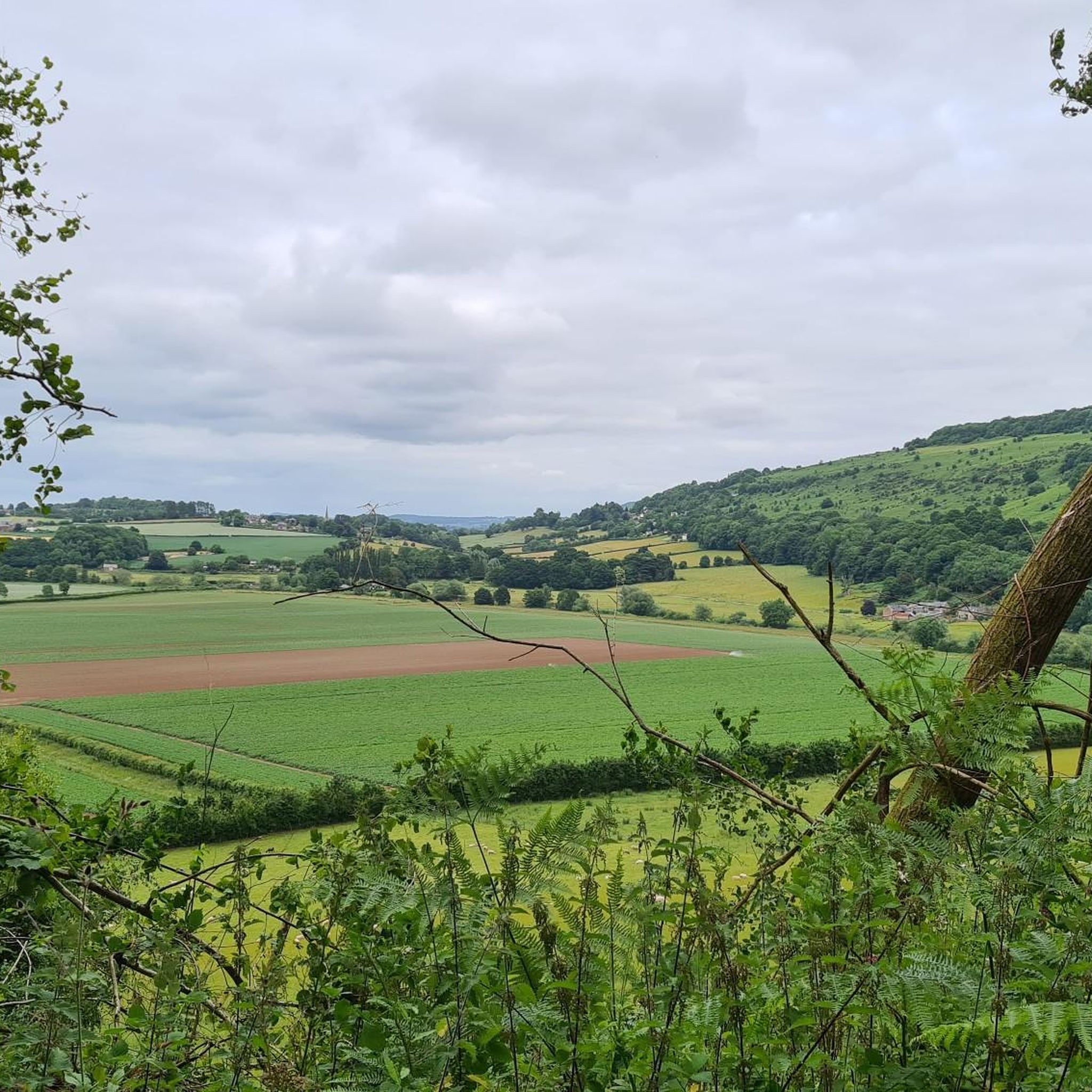
Best natural monuments around Llangarron are found within a landscape characterized by the Wye Valley's natural beauty. The region features significant geological formations, ancient woodlands, and diverse ecosystems. Llangarron itself is a village offering access to picturesque countryside, contributing to the area's natural charm. This area provides opportunities to explore historical sites and varied natural features.
Best natural monuments around Llangarron
- The most popular natural monument is View of the Wye Valley from Symonds Yat Rock, a viewpoint that…
Last updated: June 17, 2026
King Arthur's Cave
Highlight • Cave
Tip by

River Wye
Highlight • Natural Monument
Tip by

Sign up now to discover places like this
Get recommendations on the best single tracks, peaks, & plenty of other exciting outdoor places.
Sign up for free
Puzzlewood
Highlight (Segment) • Natural Monument
Tip by

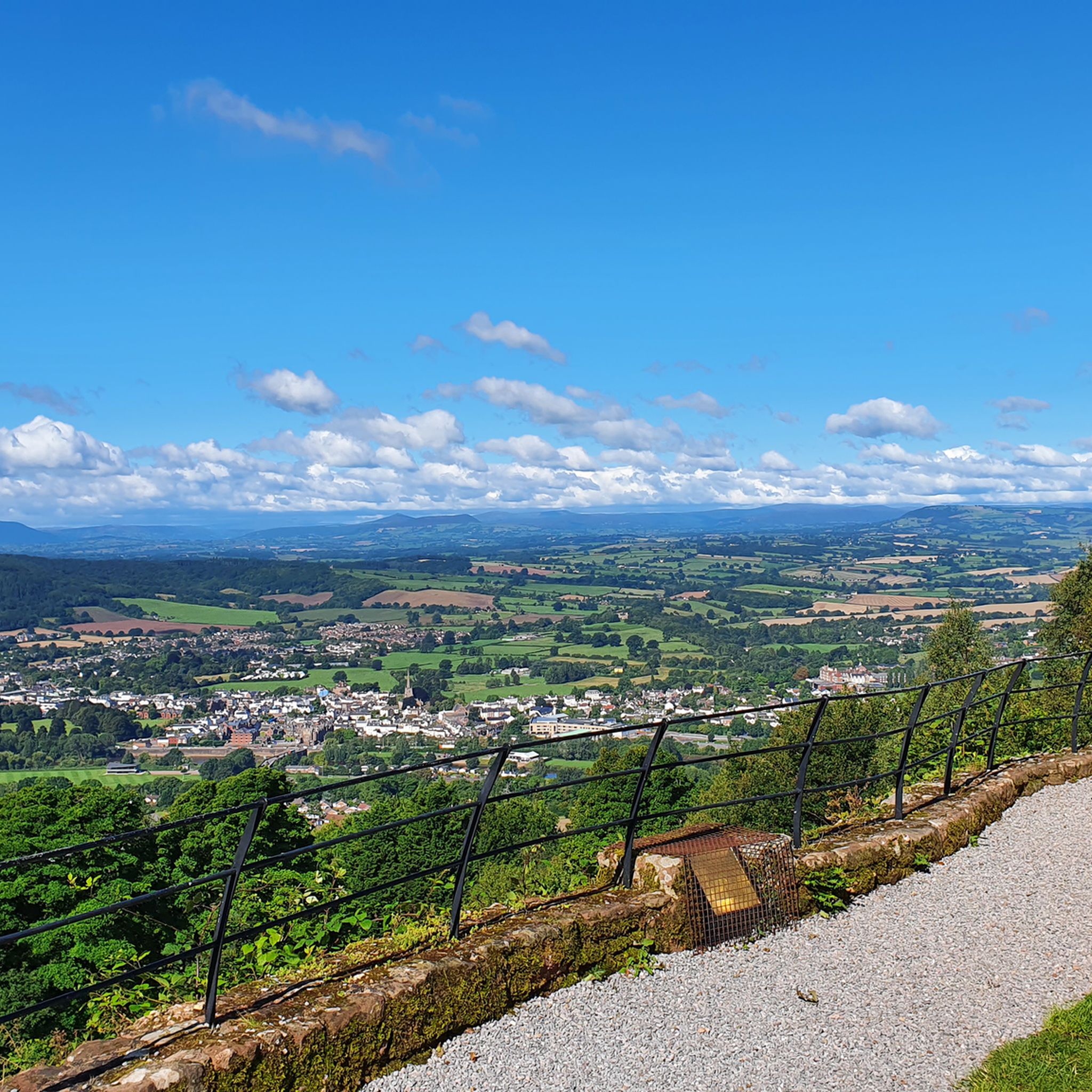
View of the Wye Valley from Symonds Yat Rock
Highlight • Viewpoint
Tip by

View of the River Wye from Symonds Yat Rock
Highlight • Viewpoint
Tip by
Sign up for free to discover even more natural monuments around Llangarron.
Sign up for free
Already have an account?
Start today with a free account
Your next adventure awaits.
Login or Signup

Tips from the Community


Symonds Yat is a wonderful place to come, but even better to catch it in the autumn when the trees are in full colour, with the sun on them to make them really shine.
0
0

The Wye was voted the nation’s favourite river in 2010. It starts not far from my home town in Brecon in mid-Wales and trundles south for some 150 miles before meeting the Severn. I have forgotten how many times I have cycled it, run it and kayaked it. Simply my favourite place on earth!
0
0

Jump off the bike and head on foot down the footpath east of the road to reach the Symonds Yat Rock. Symonds Yat Rock harbours the remnants of an Iron Age hillfort, erected roughly 2,500 years in the past. Presently, this locale stands as a Scheduled Ancient Monument, where traces of the fortifications endure as a series of embankments and trenches. In more contemporary times, Yat Rock and the Wye Valley have gained renown as the birthplace of British tourism. Beginning in the 18th century, they achieved popularity thanks to the efforts of Reverend William Gilpin, a trailblazer of the 'Picturesque' movement. His literary works left an indelible mark on the appeal of English landscape painting and served as inspiration for Romantic poets. Symonds Yat Rock viewpoint enjoys a well-earned reputation as one of the nation's prime spots for observing peregrine falcons. Yet, with a touch of patience, a multitude of bird species can be sighted here. Goshawks offer close-up viewing, sparrowhawks are frequent denizens nesting among the valley's trees, while soaring buzzards often grace the skies. Spring and autumn migrations frequently draw ospreys to this locale, with tawny owls occasionally spotted. Meanwhile, nearby nesting sites typically host barn owls, ravens, and kestrels.
2
0

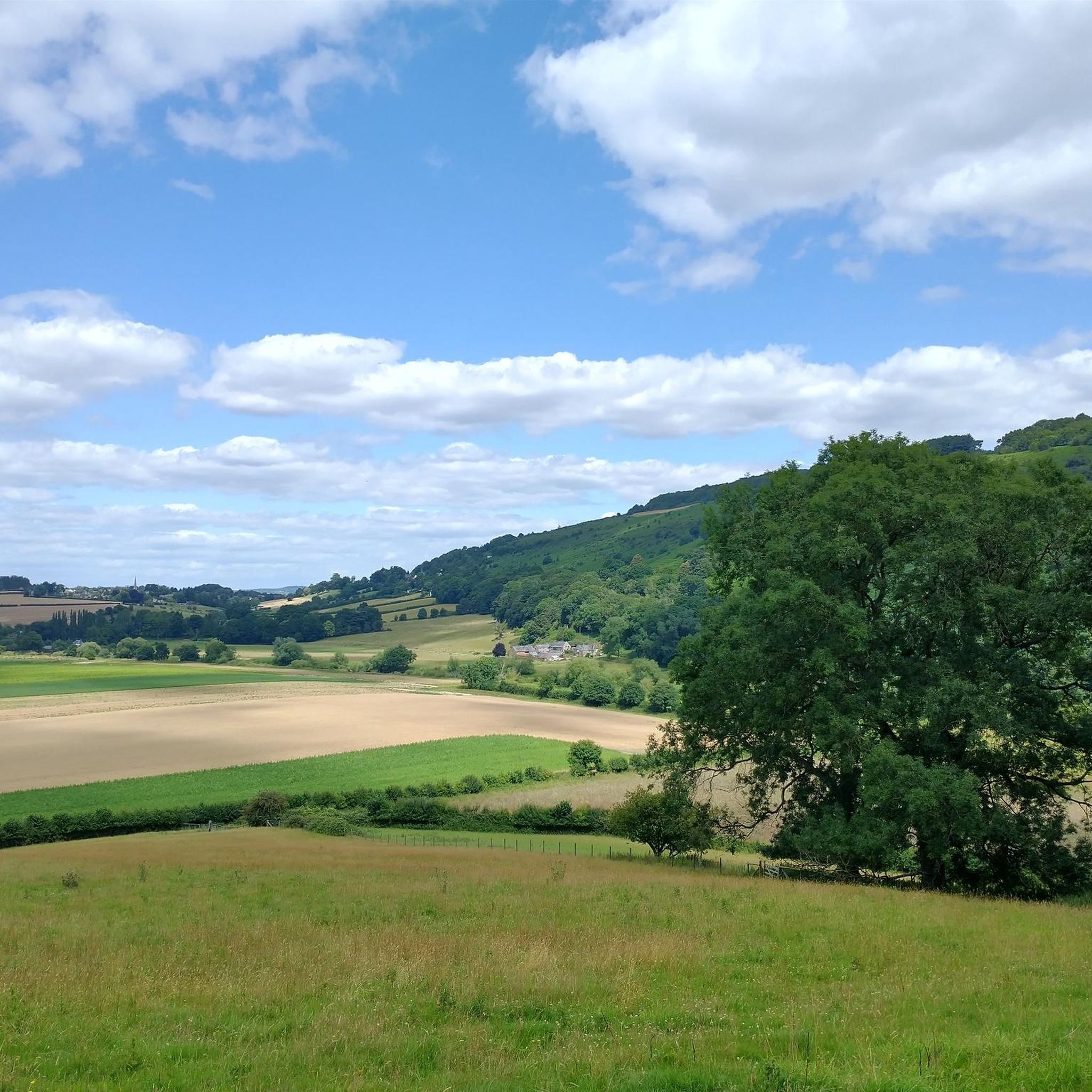
The fourth-longest river in the UK, the Wye stretches 155 miles (250 km) from its source on Plynlimon in the Cambrian mountains to the Severn estuary. For much of its length, the Wye marks the border between England and Wales, with the lower section being designated an AONB. The Wye is important for nature conservation and recreation, but, particularly in recent years, is severely affected by pollution.
0
1
This pretty, wooded area with its network of small caves - the result of former quarrying - is a nature reserve with a rich variety of flora and fauna. Horseshoe bats and rare invertebrates such as the cave spider and hibernating herald moths make their homes within the caves.
0
0

Puzzlewood (grid reference SO578092) is an ancient woodland site and tourist attraction, near Coleford in the Forest of Dean, Gloucestershire, England. The site, covering 14 acres (5.7 ha), shows evidence of open-cast iron ore mining dating from the Roman period, and possibly earlier. Over a mile of pathways were laid down in the early 19th century to provide access to the woods, and provide picturesque walks. The area contains strange rock formations, secret caves and ancient trees, with a confusing maze of paths. The site is listed as a regionally important geological site in the 'Forest of Dean Local Plan Review'. The geological features on show at Puzzlewood are known as scowles. Scowles originated through the erosion of natural cave systems formed in the Carboniferous Limestone many millions of years ago. Uplift and erosion caused the cave system to become exposed at the surface. This was then exploited by Iron Age settlers through to Roman times for the extraction of iron ore. It is usually impossible to date open-cast extraction precisely, although ores with a chemical signature consistent with those from the Forest of Dean were certainly used to make tools and weapons in the late prehistoric period. Over 3,000 Roman-era coins were found by workers in 1848. The coins were stored in three earthenware jars in a cavity in the rock formations. The origin of the coins is unknown. Puzzlewood has been used as a filming location for both film and television in recent years. Notable examples include: Films Harry Potter and the Deathly Hallows – Part 1 (2010) Jack the Giant Slayer (2013) Star Wars: The Force Awakens (2015) The Huntsman: Winter's War (2016) A Midsummer Night's Dream (2016) The Secret Garden (2020) Television Doctor Who (2005-present) Merlin (2008-2012) Wizards vs Aliens (2012-2014) Tree Fu Tom (2012-2016) Atlantis (2013-2015) Da Vinci's Demons (2013-2015) Hidden Kingdoms (2014) The Dark Crystal: Age of Resistance (2019) Cursed (2020-present)
1
0

I was silly and forgot my tortch before first light don't do the same!
0
1
Frequently Asked Questions
What are some unique natural monuments to explore near Llangarron?
Beyond the well-known viewpoints, consider visiting King Arthur's Cave, a significant limestone cave system with historical and geological importance. It features a double interconnected entrance and two main chambers, and archaeological findings include flint tools and woolly mammoth bones. For a different experience, Puzzlewood offers an ancient woodland site with strange rock formations, secret caves, and ancient trees, known for its unique 'scowles' geology.
Are there family-friendly natural monuments around Llangarron?
Yes, several natural monuments are suitable for families. View of the Wye Valley from Symonds Yat Rock is a popular choice, offering stunning views and opportunities for birdwatching. Puzzlewood is also very family-friendly, with its maze of paths through ancient woodlands and unique rock formations, making it an adventurous outing for all ages.
What kind of wildlife can I observe at the natural monuments near Llangarron?
The region is rich in wildlife. At Symonds Yat Rock, you can often spot peregrine falcons, sparrowhawks, buzzards, and even ospreys during migration. King Arthur's Cave and its surrounding reserve provide refuge for horseshoe bats and rare invertebrates. Additionally, the nearby Tretawdy Farm Nature Reserve, though not a highlight in this guide, is managed for biodiversity and hosts dormice, polecats, owls, and various wildflowers.
What is the historical significance of the natural monuments in this area?
Many sites hold deep historical roots. King Arthur's Cave has evidence of human occupation dating back to the Upper Palaeolithic era (as early as 80,000 BC), with flint tools and woolly mammoth bones found there. Symonds Yat Rock harbors the remnants of an Iron Age hillfort, and the Wye Valley itself gained renown as the birthplace of British tourism in the 18th century.
Are there opportunities for hiking or walking near these natural monuments?
Yes, the area around Llangarron offers numerous walking opportunities. You can find various running trails, including moderate to difficult routes like the "Biblins Bridge – Biblins Suspension Bridge loop from Whitchurch" or the "Royal Arms Pub, Llangrove loop from Llangarron." For more options, explore the Running Trails around Llangarron guide.
Can I go cycling or mountain biking near the natural monuments?
Absolutely. The region provides diverse cycling experiences. For touring cyclists, routes like the "Peregrine Path to Symonds Yat – Biblins Suspension Bridge loop from Wye Valley National Landscape" offer easy rides. Mountain bikers can tackle trails such as the "Biblins Suspension Bridge – Lady Wood West Descent loop from Wye Valley National Landscape." Discover more routes in the Cycling around Llangarron and MTB Trails around Llangarron guides.
What geological features are prominent in the Llangarron area?
The geology of the Llangarron area is characterized by Carboniferous limestone, particularly evident in sites like King Arthur's Cave, which formed 310 to 400 million years ago. Puzzlewood is famous for its 'scowles,' unique rock formations resulting from the erosion of ancient cave systems.
Are there any art installations or man-made monuments integrated with the natural landscape?
Yes, you can find Threshold by Natasha Rosling, a man-made monument that features a crevice formation. This artwork reveals a patchwork of subterranean rock faces cast from Clearwell Caves iron ore mine, commemorating the history of labor through the marks left by miners in the rock.
What should I know before visiting King Arthur's Cave?
King Arthur's Cave is a free attraction offering exploration through surprisingly large caves and tunnels. It's advisable to bring a torch for safe exploration inside. The surrounding Lord's Wood provides beautiful woodland walks, but some paths can be steep and slippery. The cave is part of a nature reserve, so respect the environment and its wildlife.
What do visitors enjoy most about the natural monuments near Llangarron?
Visitors frequently praise the breathtaking views, especially from Symonds Yat Rock and Caldwell Rocks, often highlighting the opportunity to watch peregrine falcons. The historical depth of sites like King Arthur's Cave and the unique, almost magical atmosphere of Puzzlewood are also highly appreciated.
Are there any lesser-known natural areas within Llangarron parish itself?
While not officially designated as 'natural monuments' in the same vein as the larger sites, the Tretawdy Farm Nature Reserve, located on the edge of Llangrove, offers peaceful walks through managed pastures and hay meadows with a small stream. The grounds of Langstone Court also contribute to the natural charm with their landscaped park and established trees.
Is the area suitable for dog-friendly walks?
Yes, many of the natural areas and trails around Llangarron are dog-friendly. For instance, the woodland walks surrounding King Arthur's Cave are suitable for dogs, though some paths can be steep. Always ensure dogs are kept under control, especially in nature reserves where wildlife is present.
Most popular attractions around Llangarron

Get inspired with the komoot mobile app


Explore more
Extend your search for the best caves by checking out these guides of the top ones around Llangarron:
