Top 19 Natural Monuments around Whitchurch
Best natural monuments around Whitchurch offer diverse natural landscapes and geological features. The region, known for its varied terrain, provides opportunities to explore ancient woodlands, unique rock formations, and scenic viewpoints. These natural attractions contribute to the area's appeal for outdoor enthusiasts seeking exploration and natural beauty.
Best natural monuments around Whitchurch
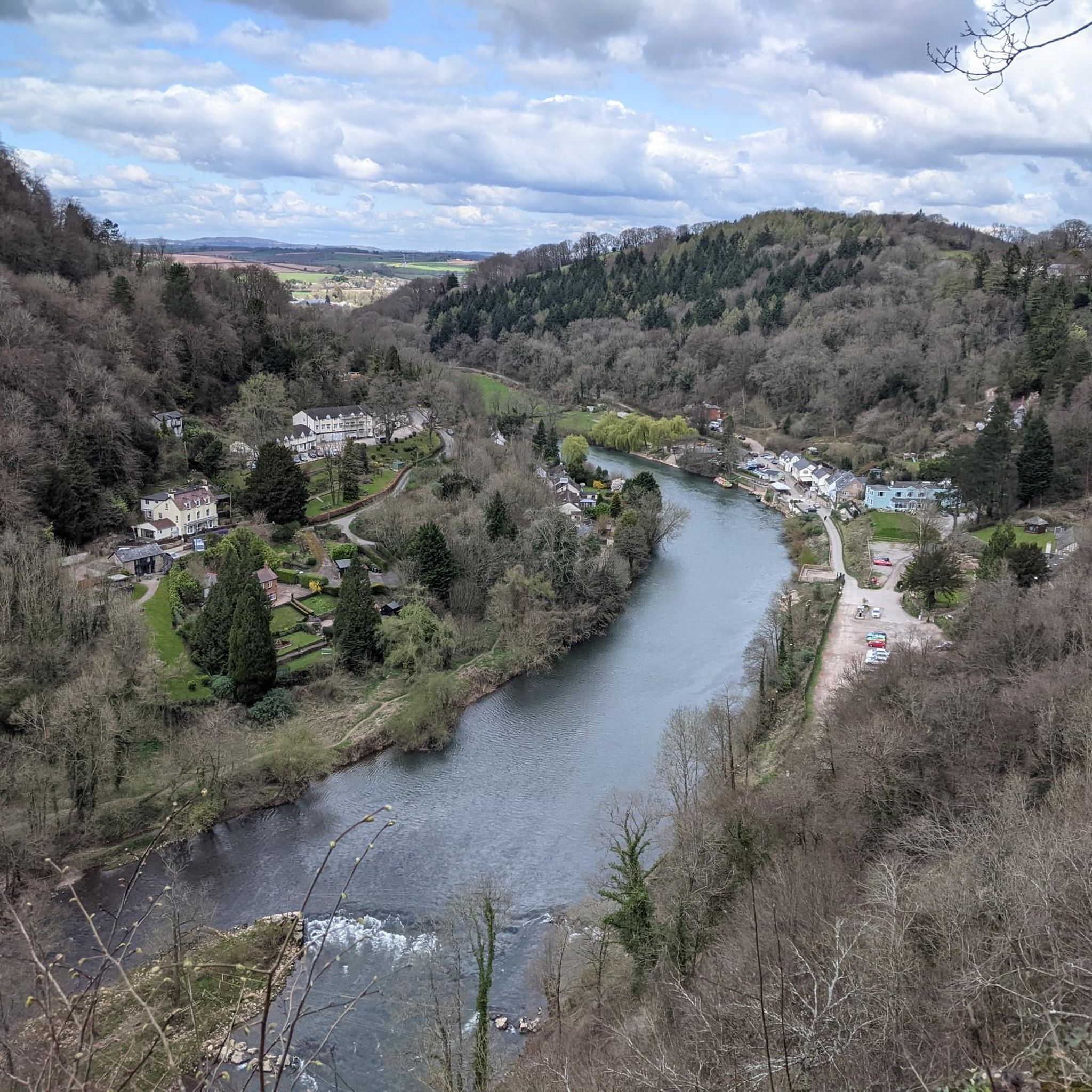
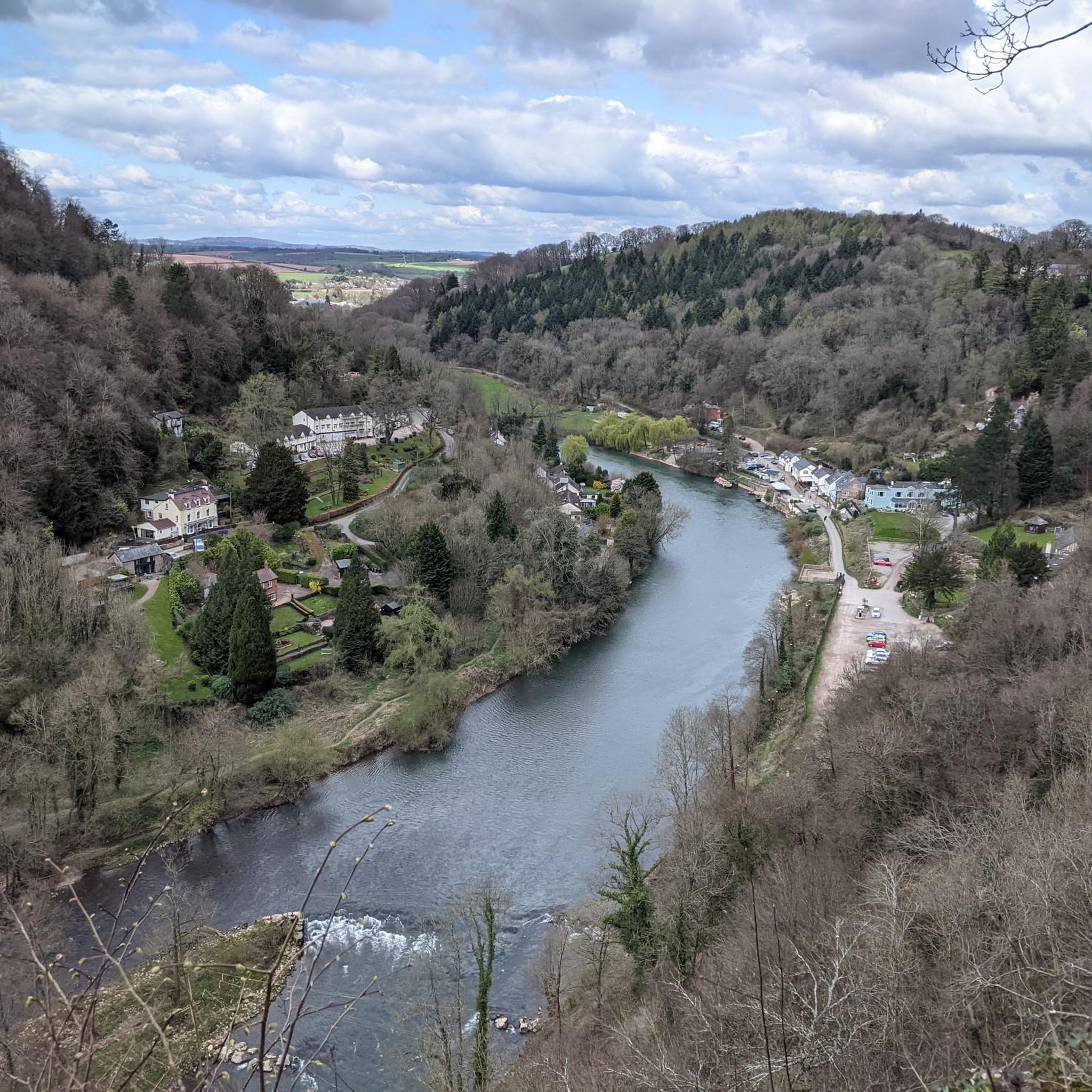
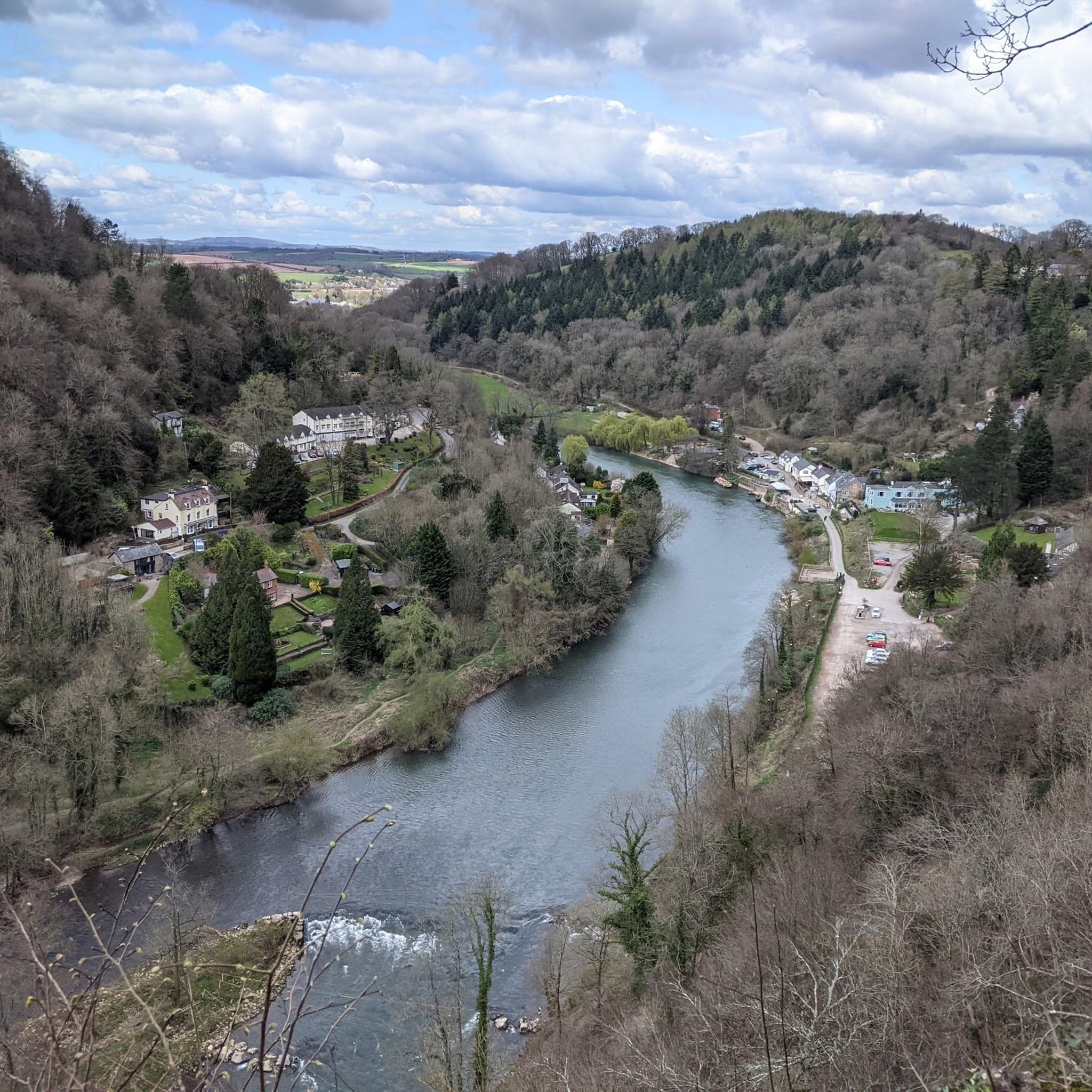
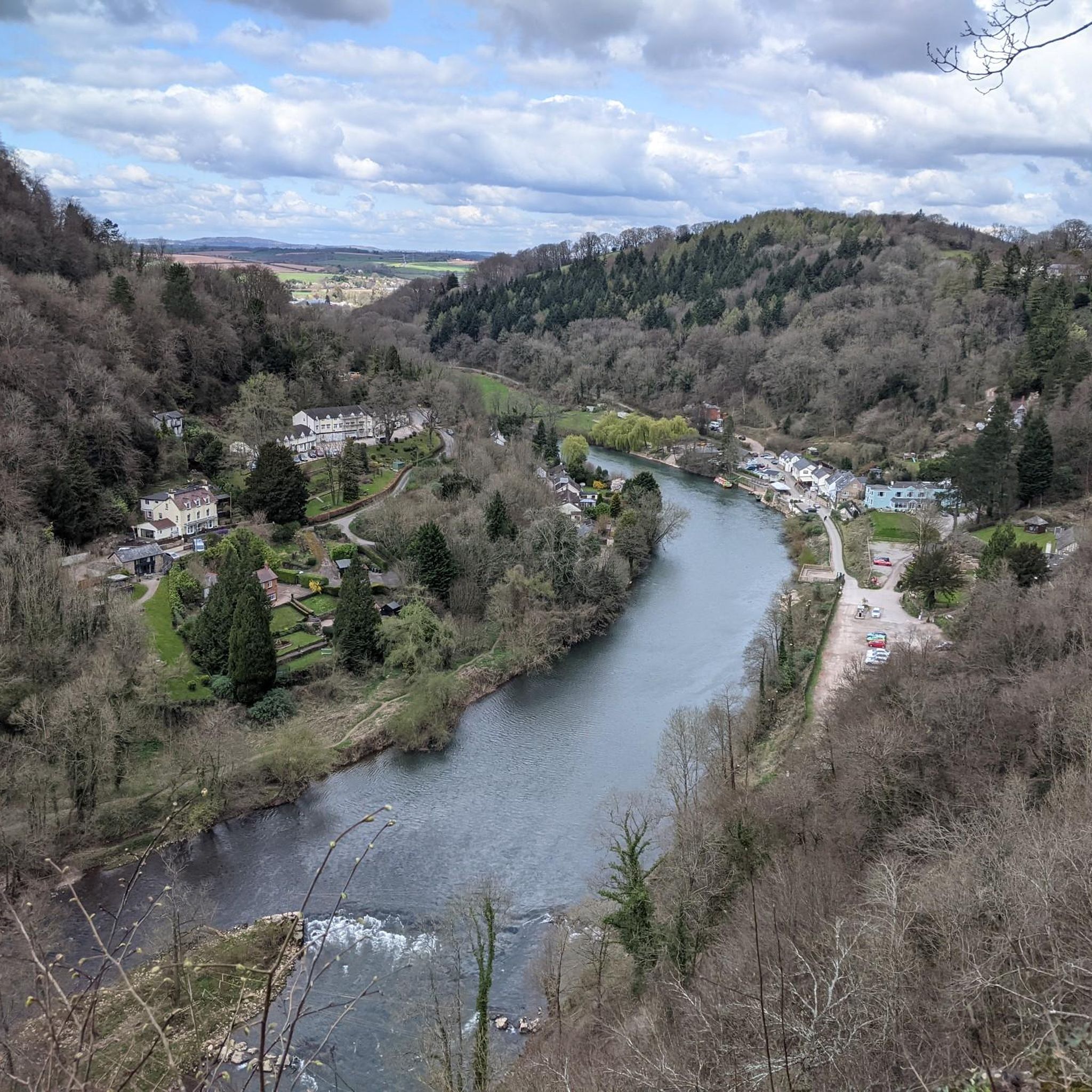
- The most popular natural monuments is View of the Wye Valley from Symonds Yat Rock, a viewpoint that offers expansive views over the picturesque Wye Valley. This…
Last updated: October 4, 2026
King Arthur's Cave
Highlight • Cave
Tip by

River Wye
Highlight • Natural Monument
Tip by

Sign up now to discover places like this
Get recommendations on the best single tracks, peaks, & plenty of other exciting outdoor places.
Slade Brook Travertine Dams
Highlight • Natural Monument
Tip by

Puzzlewood
Highlight (Segment) • Natural Monument
Tip by

View of the Wye Valley from Symonds Yat Rock
Highlight • Viewpoint
Tip by

Sign up for free to discover even more natural monuments around Whitchurch.
Already have an account?
Start today with a free account
Your next adventure awaits.
Tips from the Community


Symonds Yat is a wonderful place to come, but even better to catch it in the autumn when the trees are in full colour, with the sun on them to make them really shine.
0
0

The Wye was voted the nation’s favourite river in 2010. It starts not far from my home town in Brecon in mid-Wales and trundles south for some 150 miles before meeting the Severn. I have forgotten how many times I have cycled it, run it and kayaked it. Simply my favourite place on earth!
0
0

Jump off the bike and head on foot down the footpath east of the road to reach the Symonds Yat Rock. Symonds Yat Rock harbours the remnants of an Iron Age hillfort, erected roughly 2,500 years in the past. Presently, this locale stands as a Scheduled Ancient Monument, where traces of the fortifications endure as a series of embankments and trenches. In more contemporary times, Yat Rock and the Wye Valley have gained renown as the birthplace of British tourism. Beginning in the 18th century, they achieved popularity thanks to the efforts of Reverend William Gilpin, a trailblazer of the 'Picturesque' movement. His literary works left an indelible mark on the appeal of English landscape painting and served as inspiration for Romantic poets. Symonds Yat Rock viewpoint enjoys a well-earned reputation as one of the nation's prime spots for observing peregrine falcons. Yet, with a touch of patience, a multitude of bird species can be sighted here. Goshawks offer close-up viewing, sparrowhawks are frequent denizens nesting among the valley's trees, while soaring buzzards often grace the skies. Spring and autumn migrations frequently draw ospreys to this locale, with tawny owls occasionally spotted. Meanwhile, nearby nesting sites typically host barn owls, ravens, and kestrels.
2
0

The fourth-longest river in the UK, the Wye stretches 155 miles (250 km) from its source on Plynlimon in the Cambrian mountains to the Severn estuary. For much of its length, the Wye marks the border between England and Wales, with the lower section being designated an AONB. The Wye is important for nature conservation and recreation, but, particularly in recent years, is severely affected by pollution.
0
1
This pretty, wooded area with its network of small caves - the result of former quarrying - is a nature reserve with a rich variety of flora and fauna. Horseshoe bats and rare invertebrates such as the cave spider and hibernating herald moths make their homes within the caves.
0
0

Puzzlewood (grid reference SO578092) is an ancient woodland site and tourist attraction, near Coleford in the Forest of Dean, Gloucestershire, England. The site, covering 14 acres (5.7 ha), shows evidence of open-cast iron ore mining dating from the Roman period, and possibly earlier. Over a mile of pathways were laid down in the early 19th century to provide access to the woods, and provide picturesque walks. The area contains strange rock formations, secret caves and ancient trees, with a confusing maze of paths. The site is listed as a regionally important geological site in the 'Forest of Dean Local Plan Review'. The geological features on show at Puzzlewood are known as scowles. Scowles originated through the erosion of natural cave systems formed in the Carboniferous Limestone many millions of years ago. Uplift and erosion caused the cave system to become exposed at the surface. This was then exploited by Iron Age settlers through to Roman times for the extraction of iron ore. It is usually impossible to date open-cast extraction precisely, although ores with a chemical signature consistent with those from the Forest of Dean were certainly used to make tools and weapons in the late prehistoric period. Over 3,000 Roman-era coins were found by workers in 1848. The coins were stored in three earthenware jars in a cavity in the rock formations. The origin of the coins is unknown. Puzzlewood has been used as a filming location for both film and television in recent years. Notable examples include: Films Harry Potter and the Deathly Hallows – Part 1 (2010) Jack the Giant Slayer (2013) Star Wars: The Force Awakens (2015) The Huntsman: Winter's War (2016) A Midsummer Night's Dream (2016) The Secret Garden (2020) Television Doctor Who (2005-present) Merlin (2008-2012) Wizards vs Aliens (2012-2014) Tree Fu Tom (2012-2016) Atlantis (2013-2015) Da Vinci's Demons (2013-2015) Hidden Kingdoms (2014) The Dark Crystal: Age of Resistance (2019) Cursed (2020-present)
1
0

I was silly and forgot my tortch before first light don't do the same!
0
1
Frequently Asked Questions
What are some popular natural monuments to visit near Whitchurch?
Visitors often enjoy the expansive views from View of the Wye Valley from Symonds Yat Rock, known for peregrine falcon sightings. Another favorite is King Arthur's Cave, a limestone cavern with historical significance. For a unique blend of art and nature, the Cathedral Stained Glass Window, Forest of Dean Sculpture Trail is also highly appreciated.
Are there any family-friendly natural monuments around Whitchurch?
Yes, Puzzlewood is a family-friendly ancient woodland with a confusing maze of paths, strange rock formations, and secret caves. Additionally, the View of the Wye Valley from Symonds Yat Rock offers stunning views and is suitable for families. Whitchurch Waterway Country Park and Jubilee Park also provide green spaces and a children's play area.
What kind of unique geological features can I find in the natural monuments near Whitchurch?
The area boasts several unique geological features. You can explore the remarkable Slade Brook Travertine Dams, a series of natural dams formed by lime deposition. Puzzlewood features 'scowles,' which are ancient eroded cave systems in Carboniferous Limestone. King Arthur's Cave is a significant limestone cavern.
Where can I go for a peaceful walk and nature spotting near Whitchurch?
Brown Moss Nature Reserve is an excellent spot for peaceful walks, birdwatching, and enjoying a picnic amidst nature, featuring wetlands, woodlands, and rare flora and fauna. Whitchurch Waterway Country Park and Greenfields Local Nature Reserve also offer tranquil escapes with footpaths through varied landscapes, ideal for nature and wildlife watching.
What outdoor activities are available near the natural monuments around Whitchurch?
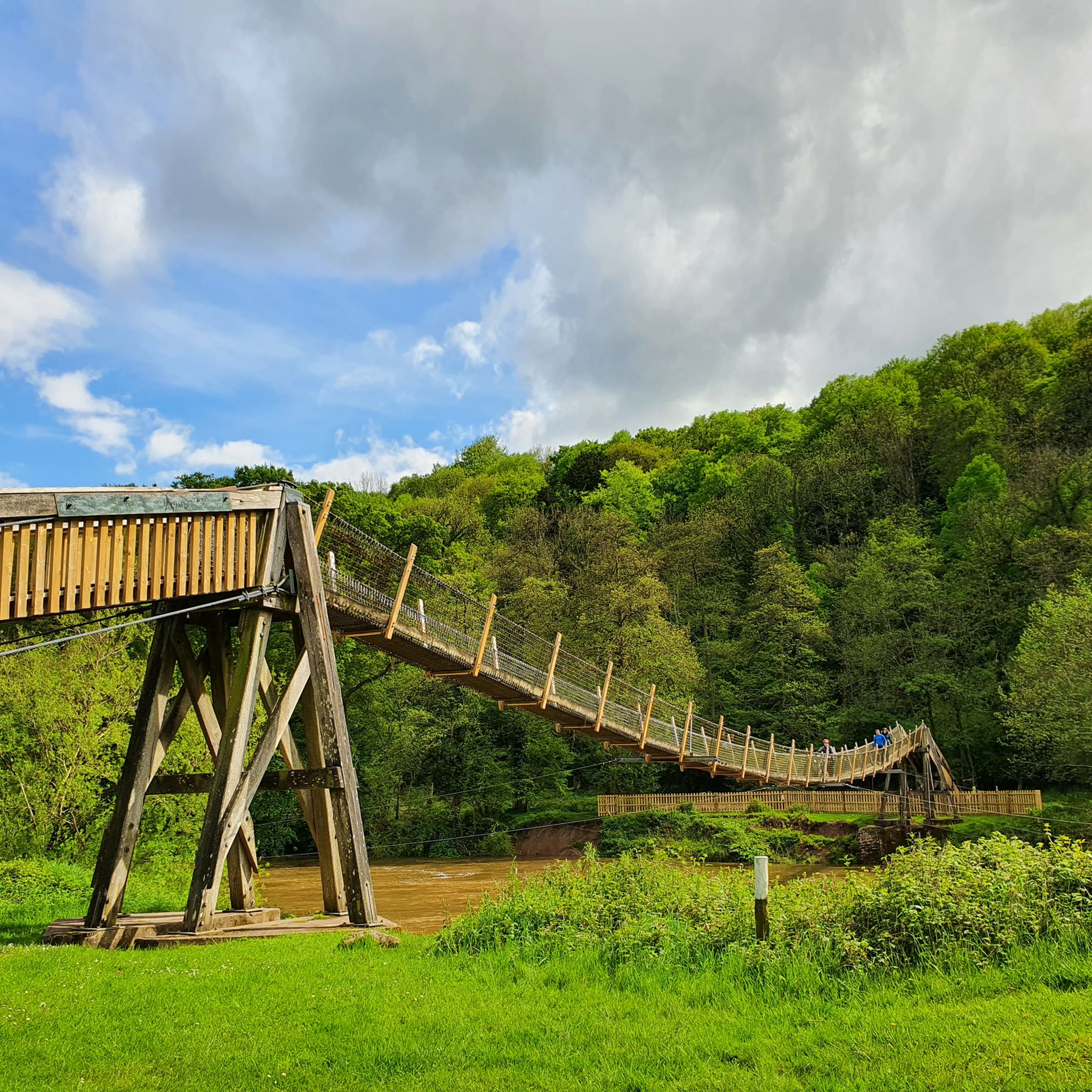
Beyond exploring the monuments themselves, you can find various outdoor activities. For running enthusiasts, there are several trails, including moderate loops like the Wye Valley loop from Symonds Yat. Road cyclists can enjoy routes such as the Foy Suspension Bridge loop from Goodrich. Mountain biking options include easy trails like the River Wye – Symonds Yat East loop from Berry Hill. You can find more details on these activities in the Running Trails around Whitchurch, Road Cycling Routes around Whitchurch, and MTB Trails around Whitchurch guides.
Are there any natural monuments with historical significance in the Whitchurch area?
Yes, King Arthur's Cave is protected as a nature reserve and shows evidence of human occupation during the Upper Palaeolithic era, with flint tools and woolly mammoth bones unearthed. Puzzlewood also has evidence of open-cast iron ore mining dating from the Roman period, and the View of the Wye Valley from Symonds Yat Rock harbours the remnants of an Iron Age hillfort.
What is the best time of year to visit the natural monuments around Whitchurch?
Many natural monuments in the Whitchurch area, such as Brown Moss Nature Reserve and the various parks, are enjoyable year-round. Spring and summer offer lush greenery and vibrant wildlife, while autumn provides beautiful foliage. Winter walks can also be serene, especially in areas like the Shropshire Union Canal. The best time often depends on the specific activity you plan to undertake.
Can I bring my dog to the natural monuments in Whitchurch?
Many natural areas around Whitchurch are dog-friendly, especially for walks on leads. Whitchurch Waterway Country Park and the Shropshire Union Canal are popular choices for dog walks. Always check specific reserve rules, such as those for Brown Moss Nature Reserve, to ensure responsible pet ownership and protect local wildlife.
Are there any natural monuments suitable for beginners or those looking for easy walks?
For easy and leisurely walks, Whitchurch Waterway Country Park offers level paths. Greenfields Local Nature Reserve also provides accessible footpaths close to the town centre. The Shropshire Union Canal is ideal for gentle strolls along the towpath, suitable for all fitness levels.
Where can I find panoramic views of the Shropshire countryside?
The Sandstone Trail and Peckforton Hills, part of the broader Sandstone Ridge, offer stunning panoramic views over the Shropshire and Cheshire countryside. These areas are perfect for keen hikers seeking breathtaking vistas.
What wildlife can I expect to see at the natural monuments?
The natural monuments around Whitchurch are rich in wildlife. Brown Moss Nature Reserve is known for its diverse flora and fauna, including rare plant species, various birds, and insects, and is one of the few places to spot water voles. Water voles can also be found at Whitchurch Waterway Country Park and Greenfields Local Nature Reserve. At View of the Wye Valley from Symonds Yat Rock, you can observe peregrine falcons, sparrowhawks, buzzards, and occasionally ospreys and owls.
Are there opportunities for watersports near Whitchurch's natural monuments?
Yes, Alderford Lake, situated near Whitchurch, is a natural beauty spot that offers opportunities for watersports, making it a family-friendly destination for those looking to enjoy the outdoors and engage in aquatic activities.
Most popular routes around Whitchurch
Most popular attractions around Whitchurch

Get inspired with the komoot mobile app


Explore more
Extend your search for the best caves by checking out these guides of the top ones around Whitchurch:
