Top 13 Natural Monuments around Durnford
Natural monuments around Durnford are characterized by a landscape where natural features intertwine with significant historical and archaeological sites. The area, nestled in Wiltshire, England, features a picturesque river valley, rolling hills, and the natural settings of prehistoric earthworks. These elements, often considered cultural heritage within a natural landscape, provide compelling reasons for exploration. Durnford lies within the Stonehenge, Avebury and Associated Sites World Heritage Site, offering a blend of natural beauty and historical discovery.
Best natural monuments around Durnford
…Last updated: July 1, 2026
Stonehenge
Highlight • Historical Site
Tip by

Sarsen Stone at Stonehenge Visitor Centre
Highlight • Monument
Translated by Google •
Tip by

Sign up now to discover places like this
Get recommendations on the best single tracks, peaks, & plenty of other exciting outdoor places.
Sign up for free
Woodhenge
Highlight • Monument
Tip by

Cursus Barrows
Highlight • Natural Monument
Translated by Google •
Tip by
Cuckoo Stone
Highlight • Monument
Tip by

Sign up for free to discover even more natural monuments around Durnford.
Sign up for free
Already have an account?
Start today with a free account
Your next adventure awaits.
Login or Signup


Other adventures around Durnford

Tips from the Community


Why exactly there? Archaeologists suspect several reasons: Line of sight From the mounds, there is a direct view of Stonehenge. Sacred landscape The entire plain was a ritual area with paths, graves, and ceremonial sites. Status symbol Important people were buried near the famous sanctuary. Interesting fact There are over 300 burial mounds in the vicinity of Stonehenge – one of the largest prehistoric burial landscapes in Europe.
0
0
Here is a simple overview map explaining the landscape south of Stonehenge and why the burial mounds are located there. Landscape south of Stonehenge The most important range of mounds is called Normanton Down Barrows. It lies about 1 km south of Stonehenge. There are over 40 burial mounds there, dating from 2600–1600 BC. The mounds are situated on a long ridge that faces directly towards Stonehenge. Simplified diagram of the location North ↑ Stonehenge ○ | | approx. 1 km | ───────────────── Hill ridge with many burial mounds (Normanton Down) ○ ○ ○ ○ ○ ○ ○ ○ ○ ○ ↓ South Important hills there One particularly famous burial mound is Bush Barrow A richly furnished grave of a Bronze Age prince, containing gold objects and weapons, was found there.
0
0

It's unbelievable what people have achieved and built in the past (without any technology) - it's simply impressive and breathtaking
2
0

Can someone please be happy/laughing with me that Google Translate turns Amy's "henge and timber monument" into "Denkmal für Hühner 🐔" in German? - Great 😂😂😂
0
0

Location signage, that is, how to locate the cuckoo stone, is non-existent! Once you pass through the gate next to Woodhenge you’ll see the National Trust sign. The stone lies way off to your right at about 3 o’clock direction from the sign. If the grass is long it won’t be visible!
2
0


Like the larger megaliths that make up the outer ring of Stonehenge, the Cuckoo Stone is a sarsen stone and was once a standing stone. It has since fallen but is still a familiar landmark and is part of the wider Stonehenge Landscape. It's believed that the Cuckoo Stone was the ceremonial centrepiece for several burials around 2000 BC.
3
0
Frequently Asked Questions
What natural features can I explore in Durnford?
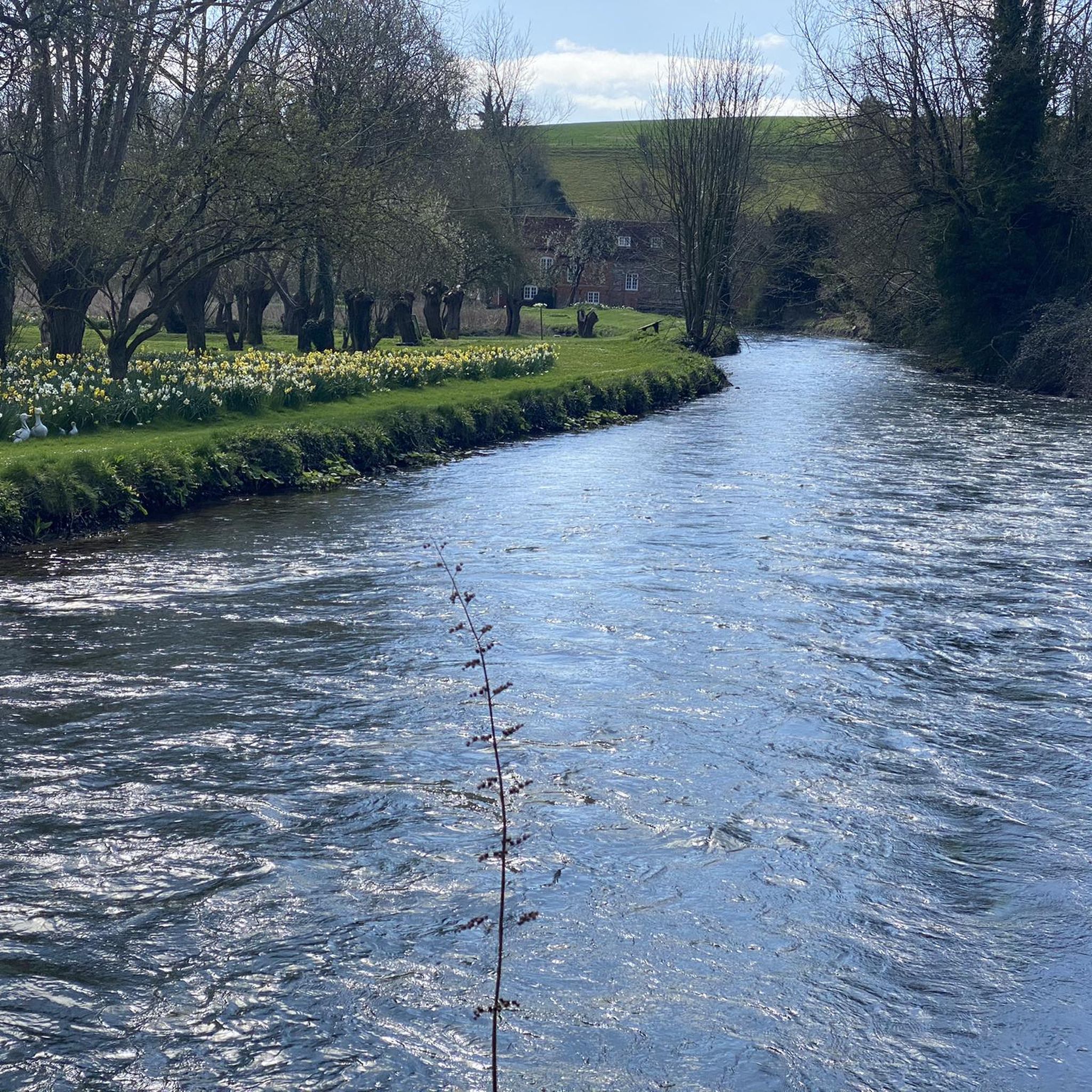
Durnford is characterized by its picturesque Woodford Valley, through which the River Avon meanders. You'll find rolling hills, woodlands, and the river itself, which is a vibrant natural habitat. The area also features prehistoric earthworks like Ogbury Camp and ancient bowl barrows, which are now integral parts of the natural landscape.
Are there historical or archaeological sites integrated with Durnford's natural monuments?
Yes, Durnford's natural landscape is deeply intertwined with significant historical and archaeological sites. For instance, Stonehenge, a world-famous megalithic structure, is part of the wider Stonehenge World Heritage Site, which includes 2,100 acres of chalk grassland and ancient woodlands. Other examples include Woodhenge, a Neolithic timber circle, and Ogbury Camp, an Iron Age hillfort offering expansive views across the Woodford Valley.
What are some family-friendly natural monuments to visit around Durnford?
Many of the natural and historical sites around Durnford are family-friendly. Stonehenge offers a visitor centre with exhibitions and Neolithic houses. The Sarsen Stone at Stonehenge Visitor Centre is also accessible for families, including those with wheelchairs. Woodhenge and the Cuckoo Stone are also great for families looking for a quieter historical experience.
Are there any wheelchair-accessible natural monuments in the Durnford area?
Yes, the Sarsen Stone at Stonehenge Visitor Centre is noted as wheelchair accessible, allowing visitors to interact with the material used in Stonehenge's construction. While the wider natural landscape may present varied terrain, the visitor centre facilities are designed for accessibility.
What kind of wildlife can I expect to see in the natural settings around Durnford?
The River Avon, meandering through the Woodford Valley, is a vibrant natural habitat. Nature enthusiasts can observe local wildlife, including fish and various bird species such as red kites. Additionally, you might spot an unexpected sight: camels, alpacas, goats, and horses roaming the grounds of Little Durnford Manor, visible from public footpaths within the valley.
Where can I find impressive views of the landscape in Durnford?
For expansive views, Ogbury Camp, an Iron Age hillfort, is located on a prominent spur overlooking the River Avon and offers vast vistas across the Woodford Valley. Many of the prehistoric bowl barrows in the area are also situated on high ground or prominent hilltops, providing extensive views of the surrounding undulating terrain.
What outdoor activities are available near Durnford's natural monuments?
The Durnford area offers a variety of outdoor activities. You can find numerous routes for mountain biking, running, and gravel biking. For specific trails and their difficulty levels, you can explore the dedicated guides such as MTB Trails around Durnford, Running Trails around Durnford, and Gravel biking around Durnford.
What is the best time of year to visit Durnford's natural monuments?
The Durnford area, with its chalk grassland and river valleys, is beautiful year-round. Spring and summer offer lush greenery and warmer weather ideal for walking and cycling. Autumn brings vibrant colours to the woodlands, while winter can provide a stark, atmospheric beauty, especially around the ancient monuments. Always check local weather forecasts before your visit.
Can I bring my dog to the natural monuments and trails around Durnford?
Many public footpaths and natural areas around Durnford are dog-friendly. However, it's essential to keep dogs on a lead, especially near livestock, wildlife habitats, and archaeological sites, to protect both your pet and the environment. Always follow local signage and clean up after your dog.
How can I get to the natural monuments around Durnford using public transport?
While Durnford is a rural parish, public transport options exist to nearby towns like Salisbury, which serves as a hub. From Salisbury, local bus services may connect to villages within the Woodford Valley. For specific routes and schedules to reach individual natural monuments, it's advisable to check local bus operator websites or plan your journey using online transport planners.
Where can I find refreshments or places to eat near Durnford's natural monuments?
While Durnford itself is a small parish, the surrounding villages in the Woodford Valley and nearby Salisbury offer various options. You can find pubs and cafes in villages like Great Durnford or along the River Avon. The Stonehenge visitor centre also has a café.
What are the Cursus Barrows and Cuckoo Stone?
The Cursus Barrows are a Neolithic and Bronze Age round barrow cemetery, primarily located south of the western end of the Stonehenge Cursus. These ancient burial mounds are an integral part of the landscape. The Cuckoo Stone is a sarsen stone, once a standing stone, believed to have been a ceremonial centrepiece for burials around 2000 BC, and is a familiar landmark within the wider Stonehenge Landscape.
What are the difficulty levels of walks and trails around Durnford's natural monuments?
Walks in the Woodford Valley and around the natural monuments vary in difficulty. Many routes along the River Avon are relatively easy, offering tranquil strolls. Trails leading to sites like Ogbury Camp or across the rolling hills may involve moderate ascents. For detailed information on specific routes, including elevation profiles and terrain descriptions, refer to the relevant komoot guides for the area.
Most popular routes around Durnford
Most popular attractions around Durnford

Get inspired with the komoot mobile app


Explore more
Extend your search for the best caves by checking out these guides of the top ones around Durnford:
