Top 10 Natural Monuments around Cathays
Best natural monuments around Cathays are primarily found within its significant green spaces and civic areas, most notably Cathays Park. This urban district in Cardiff, Wales, integrates nature into its environment through meticulously maintained formal gardens and parks. These areas offer tranquil escapes within the city, showcasing a blend of natural elements and civic architecture. The region's natural monuments provide diverse experiences for exploration.
Best natural monuments around Cathays
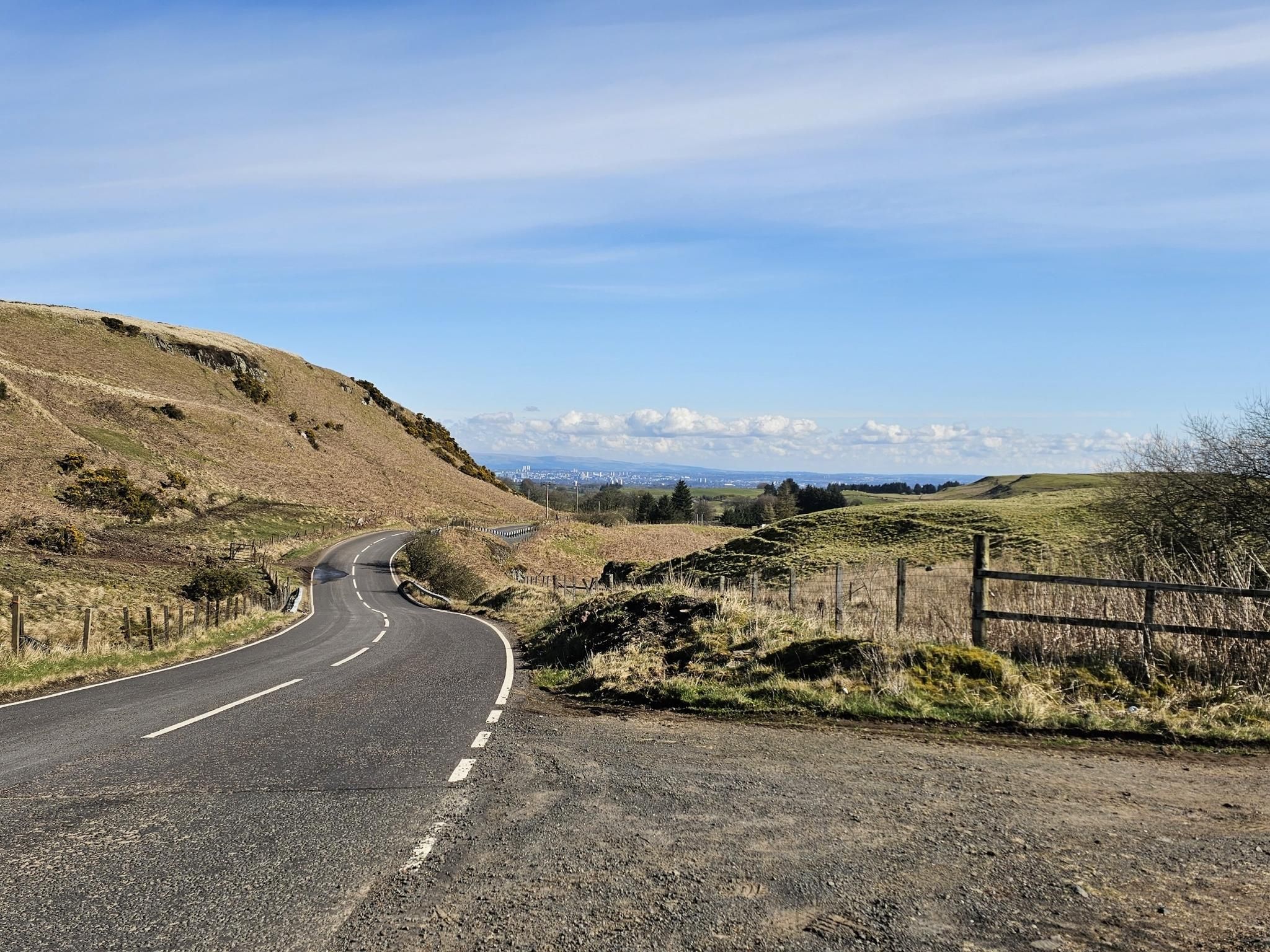
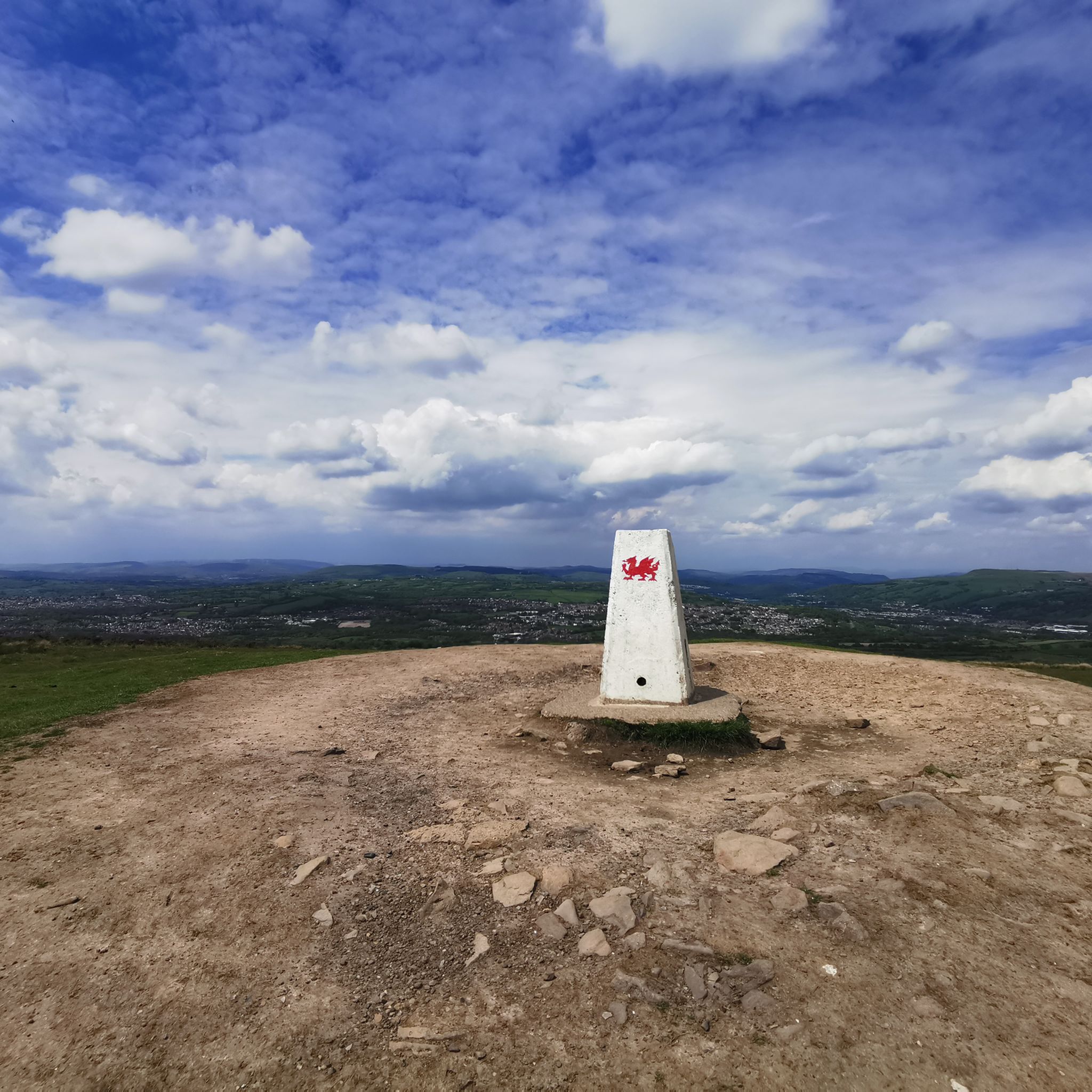
- The most popular natural monuments is Garth Summit, a viewpoint that offers commanding views just outside Cardiff with a trig pointed summit. It is a UK listed Marilyn, providing panoramic vistas of the surrounding area.
- Another must-see spot is Roath Park Lake and the Scott Memorial Lighthouse, a lake and man-made monument featuring a peaceful lake with an impressive lighthouse. It offers opportunities for walking, picnicking, and observing local wildlife.
- Visitors also love St Lythans Burial Chamber, a Neolithic tomb located in a field on the outskirts of Cardiff. It was originally covered by an earthen mound, with only traces remaining, leaving its huge internal stones exposed.
- Cathays is known for its diverse natural features, including viewpoints, historical burial chambers, and urban green spaces. These areas offer a variety of experiences, from panoramic views to ancient historical sites and tranquil city parks.
- The natural monuments around Cathays are appreciated by the komoot community, with more than 150 upvotes and over 50 photos shared.
Last updated: August 24, 2026
Garth Summit
Highlight • Viewpoint
Tip by

Tinkinswood Burial Chamber
Highlight • Monument
According to legend, anyone who spends the night here on the evenings before May Day, St John’s Day or Midwinter Day will die, go mad or become a poet.
Tip by

Sign up now to discover places like this
Get recommendations on the best single tracks, peaks, & plenty of other exciting outdoor places.
Sign up for free
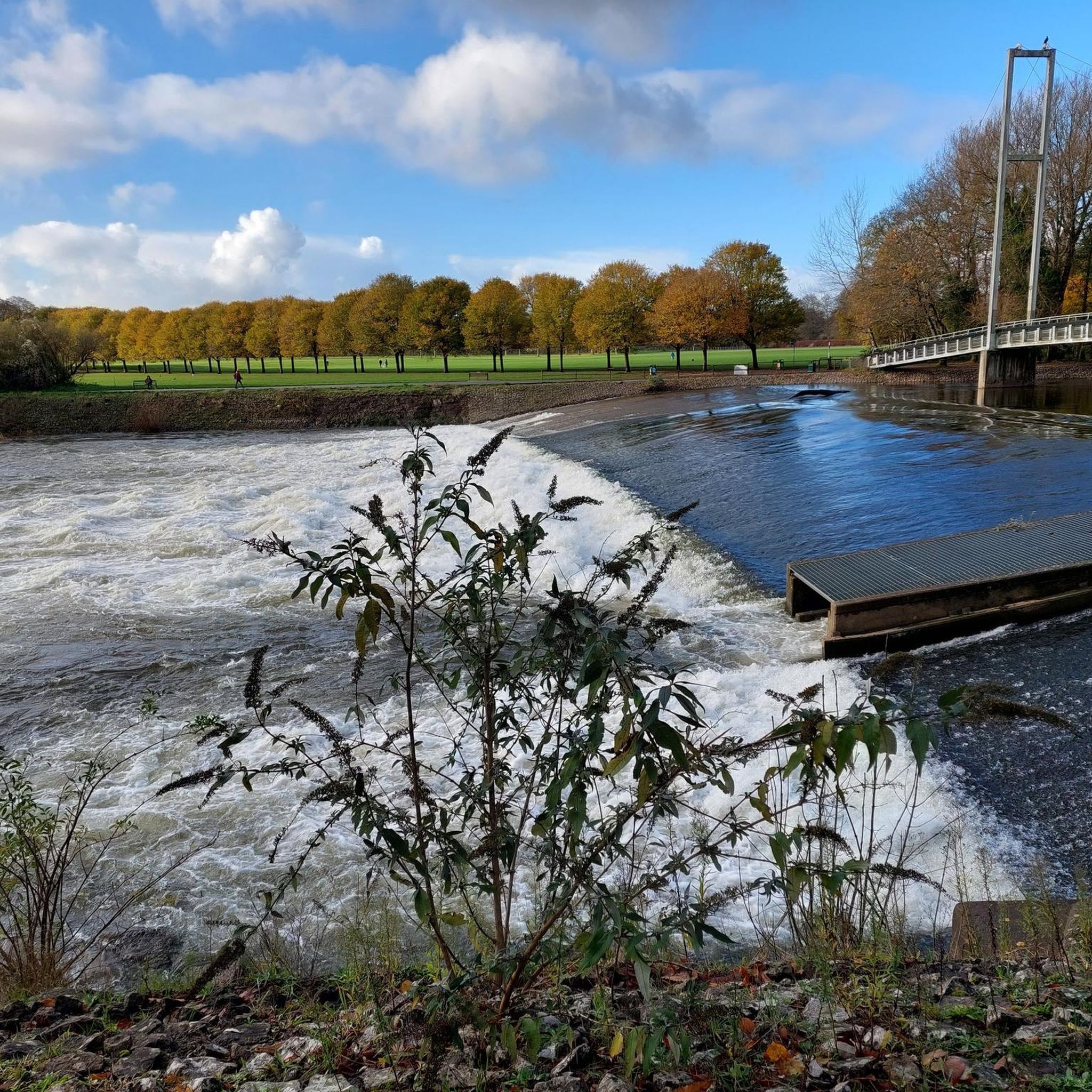
Radyr Weir
Highlight • Structure
Tip by

Roath Park Lake and the Scott Memorial Lighthouse
Highlight • Lake
In the centre of the park sits the wonderful Roath Lake, a peaceful place to walk around with sights of ducks, birds, and an impressive lighthouse stood in the water. There is a lovely little café and plenty of places to picnic, so take a seat and enjoy the view.
Tip by

Roath Park Rose Garden
Highlight • Natural
The rose garden has been an attraction since the 1950s and in the 60s the Royal National Rose Society recognised its importance and chose to plant award-winning roses there.
Tip by
Sign up for free to discover even more natural monuments around Cathays.
Sign up for free
Already have an account?
Start today with a free account
Your next adventure awaits.
Login or Signup

Other adventures around Cathays

Tips from the Community

A huge garden with flowerbeds as far as the eye can see. The roses are currently in season and the variety and quality is outstanding. Thank you to all those who maintain this flower Paradise ❤️
0
0
The Garth has a nice flat top with views across the valleys. Lots of sheep grazing too (March). Also a number of mounds provide some cover from the wind if a break is in order
0
0

Ugly but kinda impressive grave - looks like concrete built... This Neolithic (New Stone Age) tomb is topped with one of largest capstones in Britain. Measuring a massive 24ft/7m by 15ft/4.5m and weighing around 40 tons (as much as an articulated lorry). Experts reckon that at least 200 individuals would have been required to hoist it into place. Excavations have uncovered the remains of over 50 people, along with broken pottery and flint tools. https://www.visitwales.com/de/attraction/historic-site/tinkinswood-burial-chamber-cadw-1843268
0
0

Tinkers Burial Chamber, also known as Tinkers Grave, is located in the Vale of Glamorgan, Wales. It is a notable prehistoric burial site characterized by its megalithic structure. Here are some key points about this site: Key Features: Historical Context: Tinkers Burial Chamber dates back to the Neolithic period, approximately 4,000 to 5,000 years ago. It is considered a burial tomb used by ancient communities. Structure: The chamber consists of a series of large stones arranged in a particular configuration, often covered by a mound of earth. This type of burial site is referred to as a dolmen or cromlech. Folklore and Local Legends: The site is steeped in local folklore. It is often associated with stories of itinerant workers or "tinkers," who were believed to be metalworkers or travelers. The site is sometimes considered to have supernatural associations. Archaeological Importance: Tinkers Burial Chamber is significant for understanding prehistoric burial practices and the social structures of ancient communities in this region. Archaeological studies have provided insights into the rituals and beliefs of the time. Location and Accessibility: The burial chamber is located in a scenic area of the Vale of Glamorgan, which is known for its natural beauty and historical sites. It is accessible to the public, making it a popular spot for visitors interested in history and archaeology. Easy to access with laybys to park in near by and easy to access via walking paths.
0
0

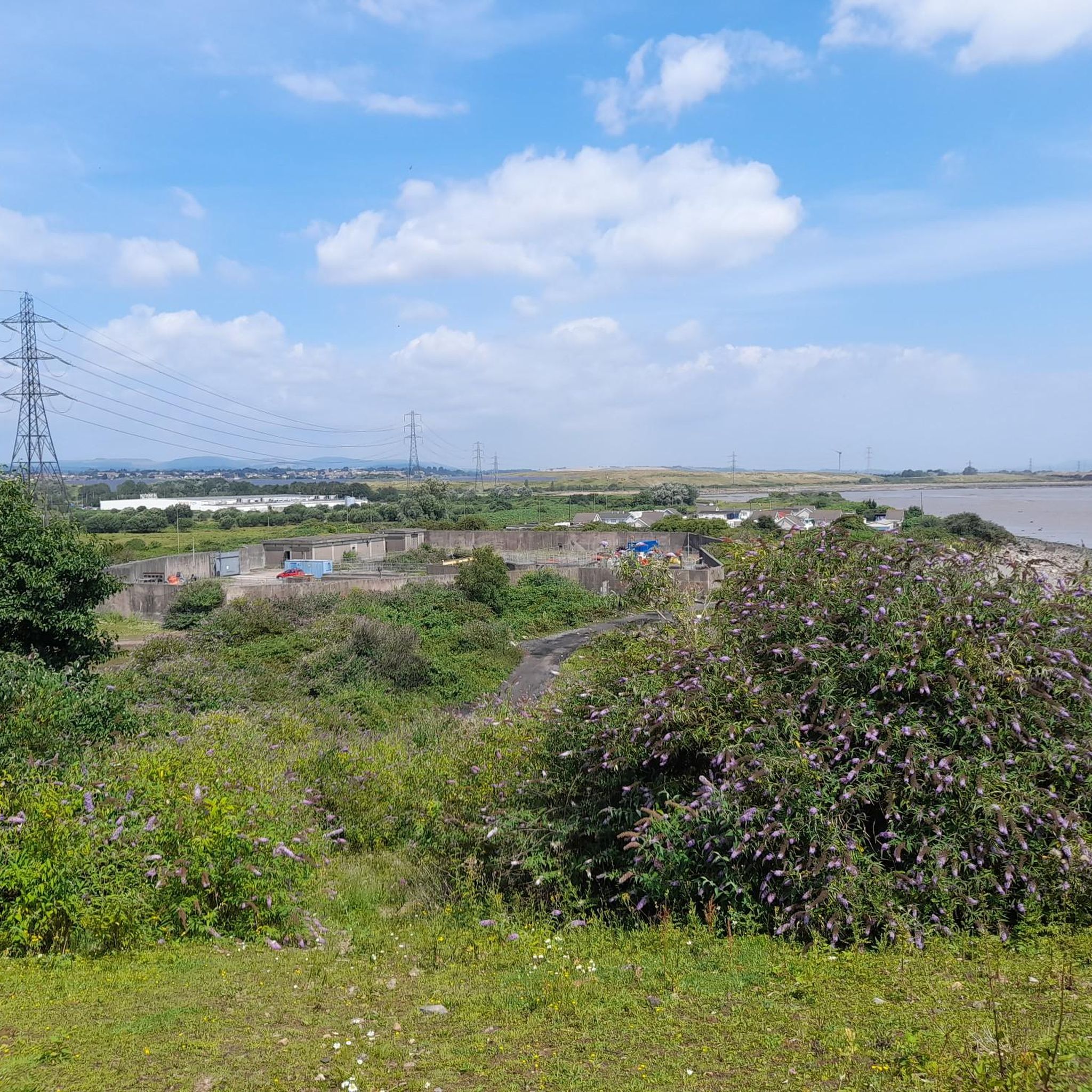
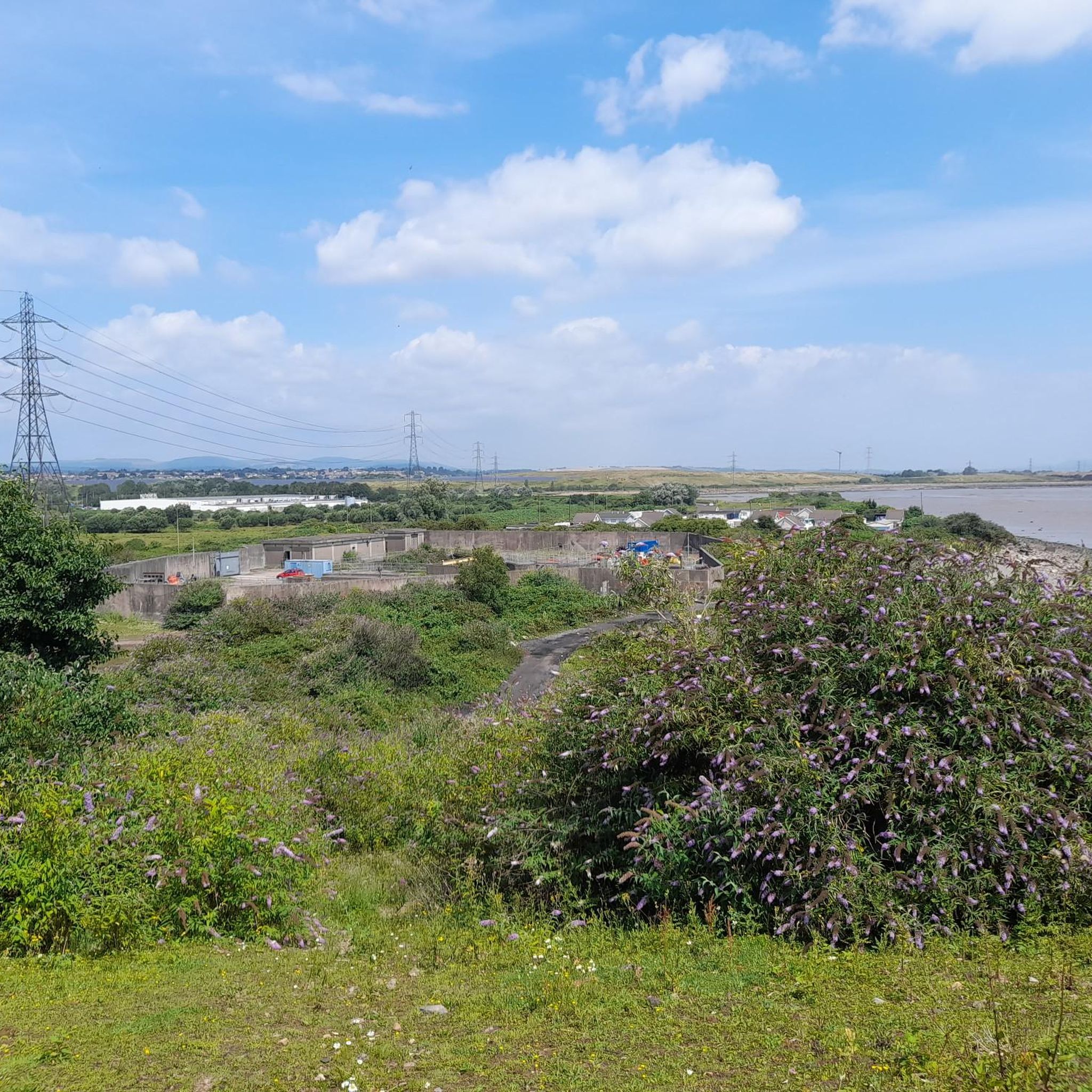
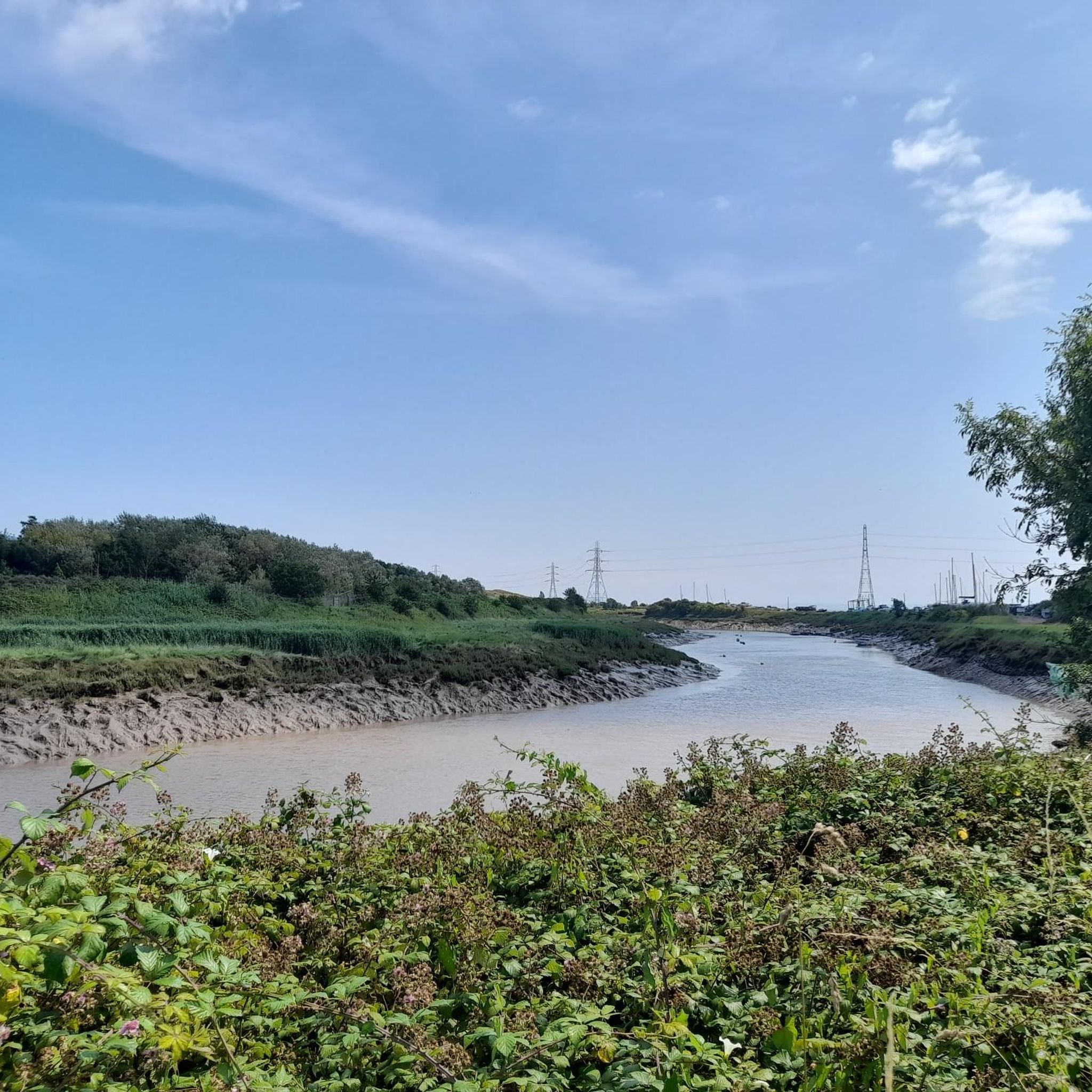
The weir spans the River Taff, which flows directly through the heart of South Wales. It's a nice place to stop and refuel with picnic benches and a peaceful atmosphere.
1
0

Tinkinswood Burial Chamber is a Neolithic tomb topped with one of the largest capstones in Britain. Measuring 24 feet (7 m) by 15 feet (4.5 m) and weighing as much as an articulated lorry, experts think it would have taken at least 200 people to hoist the massive stone into place.
0
0

The pretty Radyr Weir spans over the River Taff and is currently working as a hydropower scheme, providing energy locally. You may find wild salmon and sea trout near the weir, as well as cormorants and grey herons.
1
0
Frequently Asked Questions
What types of natural monuments can I explore in Cathays?
In Cathays, the natural monuments are primarily found within its significant green spaces and civic areas, most notably Cathays Park. These include meticulously maintained formal gardens like Alexandra Gardens and Friary Gardens, as well as more informal spaces like Gorsedd Gardens with its ancient stones. Beyond the immediate urban core, you can also find natural features such as viewpoints like Garth Summit and historical sites like the St Lythans Burial Chamber.
Are there any historical natural monuments or ancient sites near Cathays?
Yes, Cathays is close to significant historical natural monuments. You can visit the St Lythans Burial Chamber, a Neolithic tomb built around 4,000 BC, or the Tinkinswood Burial Chamber, which features one of the largest capstones in Britain. Both offer a fascinating glimpse into ancient history.
What green spaces can I visit within Cathays Park itself?
Cathays Park is home to several notable green spaces. You can explore Alexandra Gardens with its formal lawns and the Welsh National War Memorial, Gorsedd Gardens known for its Gorsedd Circle of standing stones and statues, and the tranquil Friary Gardens with its traditional parterre style. Additionally, Parc Mackenzie is a newer urban green space incorporating sustainable design elements.
Are the natural monuments around Cathays suitable for families?
Many natural monuments around Cathays are family-friendly. Roath Park Lake and the Scott Memorial Lighthouse offers a peaceful setting for walks and picnicking. The Radyr Weir is a great spot to observe wildlife. The ancient St Lythans Burial Chamber and Tinkinswood Burial Chamber are also accessible for families to explore.
Can I find viewpoints with panoramic views near Cathays?
Yes, just outside Cathays, you can find Garth Summit. This stunning little hill offers commanding views of the surrounding area and is a UK listed Marilyn, providing panoramic vistas from its trig-pointed summit.
What kind of wildlife can I expect to see near Cathays' natural monuments?
At Radyr Weir, a focal point on the River Taff, you might spot wild salmon, sea trout, grey herons, and cormorants. Green spaces like Alexandra Gardens and Roath Park Lake also attract various bird species, offering opportunities for wildlife observation within the city.
Are there opportunities for outdoor activities like running or cycling near Cathays' natural monuments?
Absolutely! Cathays is a great starting point for various outdoor activities. You can find numerous running trails, such as the 'Bute Park Flower Display – Blackweir Bridge and Weir loop,' or road cycling routes like 'Roath Park to Duffryn along the flats.' For mountain biking, there are trails like the 'Blackweir Footbridge – View of Castell Coch loop.' You can explore more options on the Running Trails around Cathays, Road Cycling Routes around Cathays, and MTB Trails around Cathays guide pages.
What is the best time of year to visit the natural monuments in Cathays?
The green spaces and natural monuments in Cathays are enjoyable year-round. Spring and summer offer vibrant floral displays and pleasant weather for strolling through gardens like Alexandra Gardens and Gorsedd Gardens. Autumn brings beautiful foliage, while winter provides a quieter, reflective atmosphere, especially in the formal gardens. For outdoor activities like running or cycling, spring and autumn often provide ideal temperatures.
Are there any unique geological features to observe in Cathays?
While Cathays' natural monuments are primarily cultivated green spaces, the civic buildings surrounding Cathays Park showcase interesting geological elements. The gleaming white buildings are largely constructed from Portland Stone, a sedimentary rock formed 145 million years ago. The steps of the National Museum of Wales, for example, are made of 300-million-year-old granite from Cornwall, offering a unique 'geological walk' through the area.
What are some easy-to-access natural monuments for a relaxed visit in Cathays?
For an easy and relaxed visit, the green spaces within Cathays Park are ideal. Alexandra Gardens, Gorsedd Gardens, and Friary Gardens are all centrally located and offer tranquil settings for a stroll. Roath Park Lake is also easily accessible and provides a pleasant walk around the water.
Can I bring my dog to the natural monuments around Cathays?
Many of the green spaces and natural monuments around Cathays are dog-friendly, especially those that are public parks. It's generally expected that dogs are kept on a leash and that owners clean up after them. Specific rules may apply to certain formal garden areas, so it's always good to check local signage.
How long should I plan for a visit to the natural monuments in Cathays?
The duration of your visit can vary. For a quick stroll through one of the Cathays Park gardens like Alexandra Gardens or Friary Gardens, 30 minutes to an hour might suffice. Exploring multiple gardens and the civic center could take 2-3 hours. If you plan to visit highlights further afield like Garth Summit or the burial chambers, allow for half a day or more, including travel time and exploration.
What makes the green spaces in Cathays Park unique as 'natural monuments'?
The green spaces in Cathays Park are unique because they represent a thoughtful integration of nature into an urban environment, blending beautifully landscaped gardens with impressive Edwardian architecture. They are not rugged, untouched wilderness, but rather meticulously maintained areas that offer tranquility, historical significance (like the Gorsedd stones), and a connection to nature within the heart of the city.
Most popular routes around Cathays
Most popular attractions around Cathays

Get inspired with the komoot mobile app


Explore more
Extend your search for the best caves by checking out these guides of the top ones around Cathays:
