Top 15 Natural Monuments around Clent
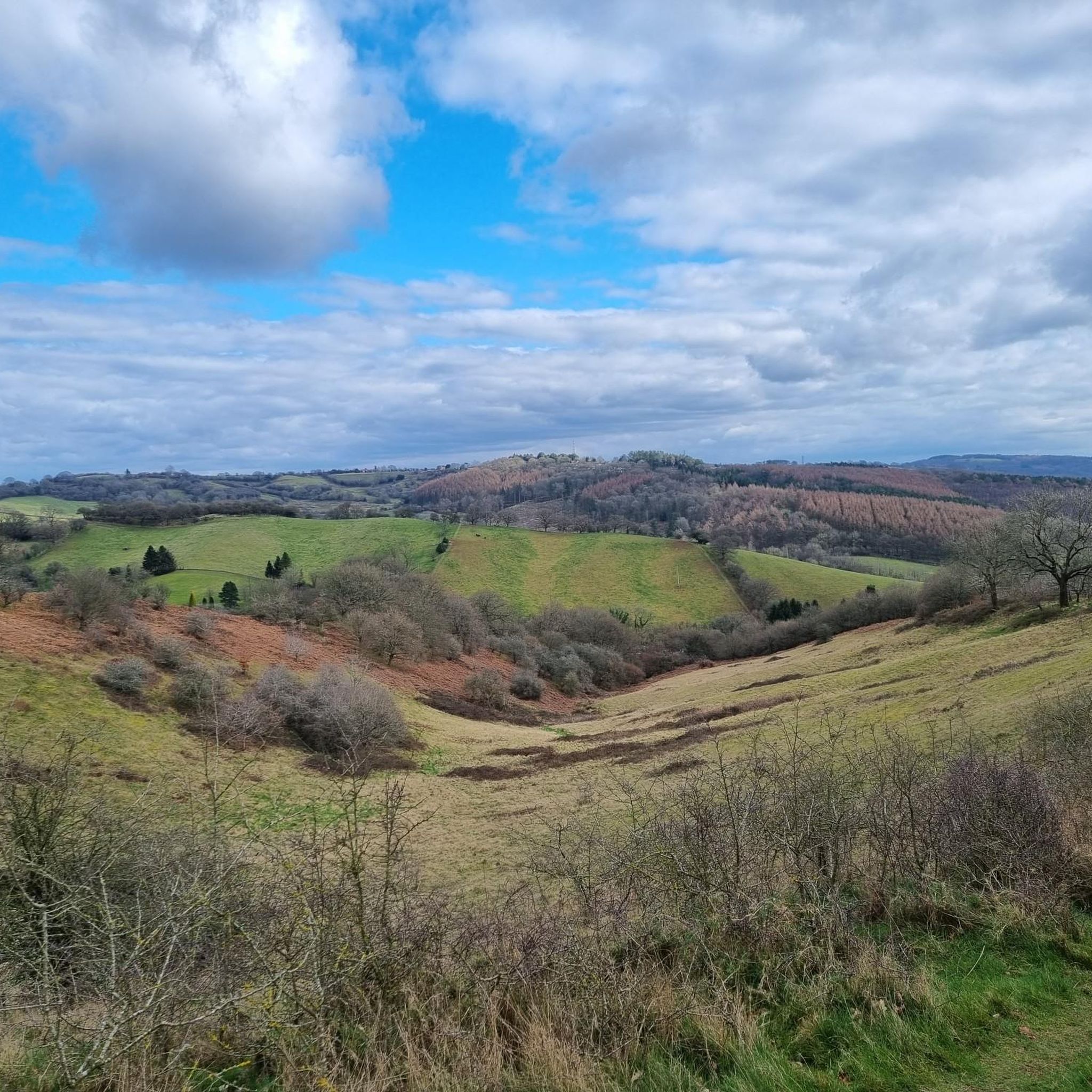
Best natural monuments around Clent include the prominent Clent Hills, a range of hills covering approximately 440 acres of woodland and heathland in Worcestershire. This area is managed by the National Trust and is designated as a Site of Special Scientific Interest due to its geology and ecology. The hills offer diverse natural beauty and recreational opportunities, attracting many visitors annually. The landscape features ancient woodlands, heathlands, and significant geological formations.
Best natural monuments around Clent
- The most popular natural…
Last updated: October 4, 2026
Kinver Edge
Highlight • Historical Site
Tip by

The Four Stones, Clent Hills
Highlight • Viewpoint
Tip by

Sign up now to discover places like this
Get recommendations on the best single tracks, peaks, & plenty of other exciting outdoor places.
Jubilee Plantation, Waseley Hills Country Park
Highlight • Forest
Tip by
Chaddesley Wood National Nature Reserve
Highlight • Natural Monument
Tip by

Kinver Edge Toposcope and Viewpoint
Highlight • Monument
Tip by

Sign up for free to discover even more natural monuments around Clent.
Already have an account?
Start today with a free account
Your next adventure awaits.
Tips from the Community

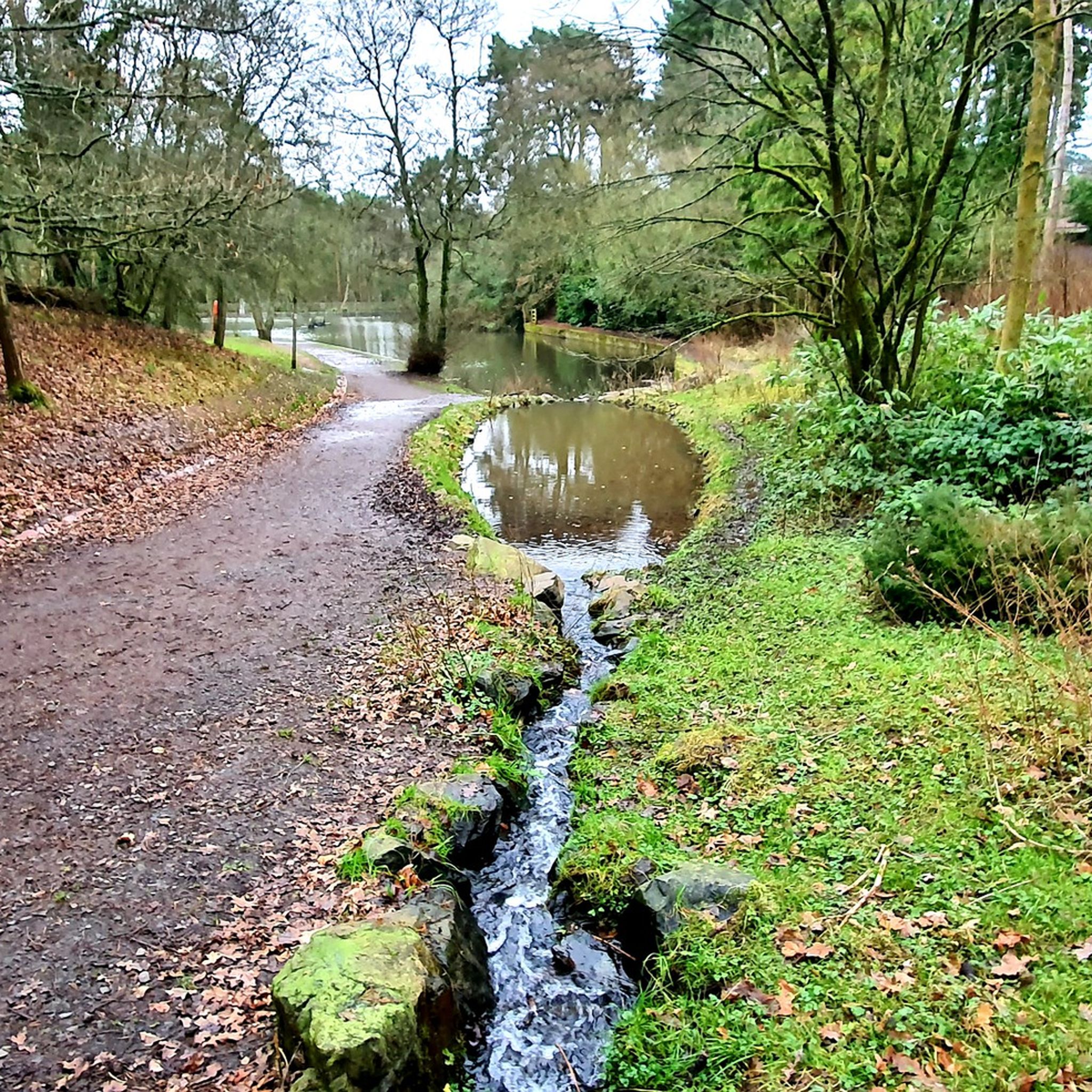
A fine stand of trees at the top of Waseley Hill
0
0


Worth a visit not only at sunset!
1
0

A great place to visit and wide veiws
0
0

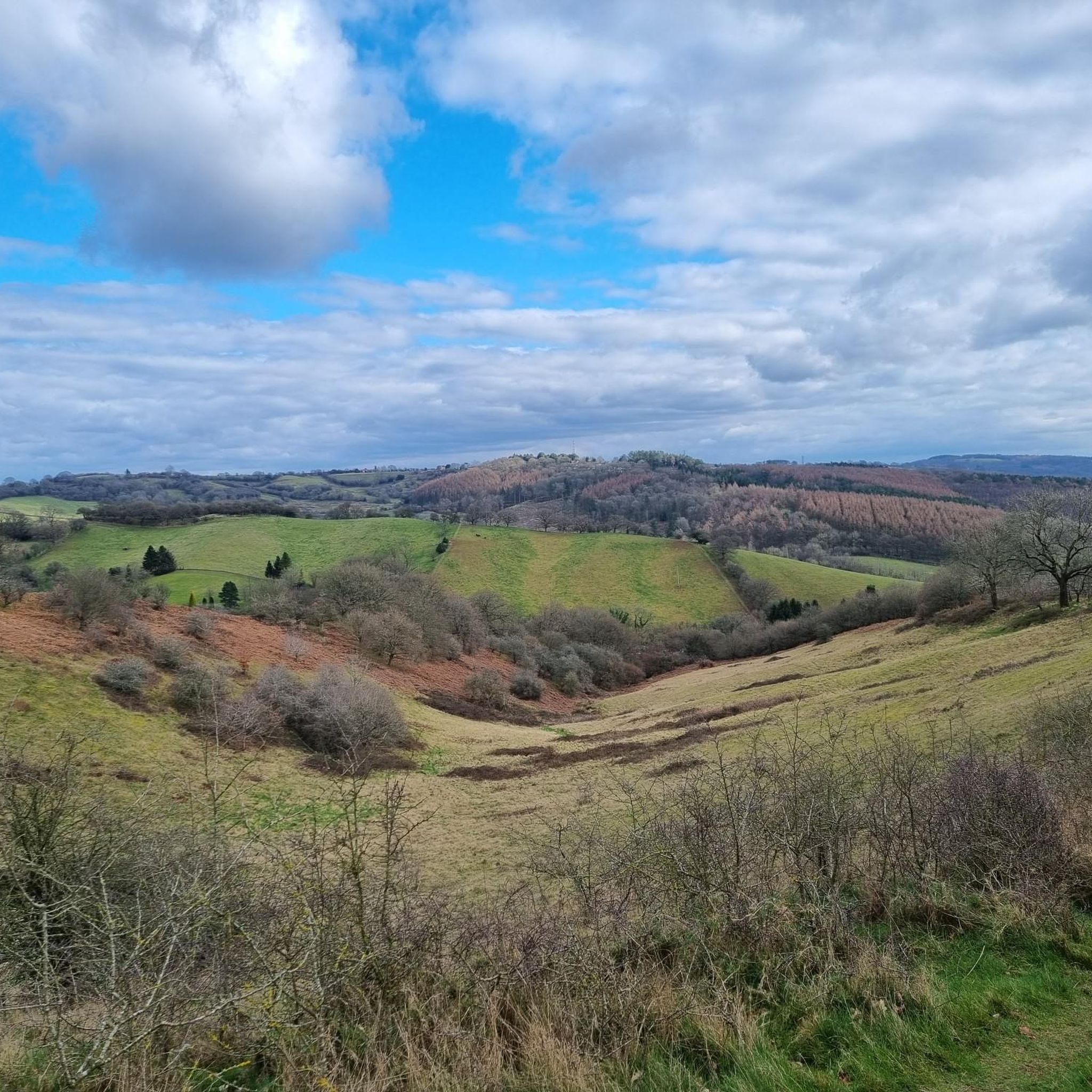
The Four Stones were erected by Lord Lyttelton of Hagley Hall in the 18th century. Brilliant views over nearby Walton Hill and further towards the Cotswolds, Shropshire Hills and the Welsh Borders.
0
0
Frequently Asked Questions
What are some popular walking routes to explore the natural monuments around Clent?
The Clent Hills offer an extensive network of footpaths and trails. For an easy walk, consider the The Four Stones & Hollis Copse loop from Nimmings Wood, which is just over 2 km. Another popular option is the Walton Hill Summit – The Four Stones, Clent Hills loop, offering great views. Many routes lead to prominent features like The Four Stones, Clent Hills, which provides magnificent views year-round.
Beyond The Four Stones, what other unique natural monuments can I discover in the Clent area?
While The Four Stones is a well-known folly, you can also explore Kinver Edge, a high sandstone ridge with heathland, woodland, and the famous Holy Austin Rock Houses. Another notable spot is Jubilee Plantation, Waseley Hills Country Park, a nature reserve with picturesque hilltops and panoramic views over Worcestershire.
When is the best time of year to visit the natural monuments around Clent?
The natural monuments around Clent are beautiful in all seasons. Spring is particularly enchanting, especially in May, when parts of the woodlands, like 'bluebell valley' in the Clent Hills, are transformed by dramatic displays of bluebells. Clear days in any season offer breathtaking panoramic views from the summits.
Are there easy or family-friendly walks among the natural monuments?
Yes, many areas are very family-friendly. The Clent Hills offer accessible paths and gentle climbs. The Four Stones, Clent Hills is a popular spot for families, with a relatively gentle ascent. Jubilee Plantation, Waseley Hills Country Park is also noted as family-friendly, offering pleasant walks and views.
Are any natural monument trails around Clent wheelchair accessible?
The Clent Hills area is generally well-equipped with accessible paths, making it a family-friendly destination. While specific wheelchair-accessible routes to all natural monuments may vary, the National Trust manages the Clent Hills and strives to provide inclusive access. It's advisable to check specific trail conditions or visitor information for the most up-to-date accessibility details.
Where can I park when visiting the natural monuments in Clent?
The Clent Hills area is well-equipped with car parks, including one at Nimmings Wood, which also has a café. For Jubilee Plantation, Waseley Hills Country Park, there is also a car park, though its gates shut at dusk.
Are the natural monuments around Clent suitable for families with children or dogs?
Absolutely. The Clent Hills are a very family-friendly and dog-friendly destination, offering extensive networks of footpaths suitable for all ages. Many highlights, such as Kinver Edge Toposcope and Viewpoint, are explicitly categorized as family-friendly. Just remember to keep dogs under control, especially near wildlife or livestock.
Do the natural monuments around Clent have historical significance?
Yes, the area is rich in history. The Clent Hills themselves were once part of an ancient Mercian forest. You can find 18th-century follies like The Four Stones and the Wychbury Obelisk. On Wychbury Hill, there are also remains of a multi-vallate Iron Age hillfort. Kinver Edge features two ancient hill forts and the unique Holy Austin Rock Houses, which were inhabited until the 1960s.
What kind of wildlife and natural features can I expect to see?
The Clent Hills are a Site of Special Scientific Interest (SSSI) due to their unique geology and ecology. You can expect diverse habitats including ancient deciduous and coniferous woodlands, and heathland. Wildlife includes fallow deer, common buzzards, and rare insects. Chaddesley Wood National Nature Reserve, for example, is an ancient woodland with indicator species like yellow archangel and wild service trees, and is home to a national rarity, the land caddis.
What outdoor activities can I do near these natural monuments?
The area around Clent offers a variety of outdoor activities. You can enjoy extensive hiking and walking trails, with options for easy to moderate difficulty. There are also opportunities for mountain biking and gravel biking. For specific routes, explore guides like MTB Trails around Clent or Gravel biking around Clent.
Are there places to eat or drink near the natural monuments?
Yes, there are amenities available. At Nimmings Wood car park in the Clent Hills, you'll find a café. Additionally, the surrounding villages offer various pubs and eateries where you can refresh after exploring the natural monuments.
What makes the views from Clent's natural monuments so special?
The natural monuments around Clent, particularly the summits of the Clent Hills, offer breathtaking panoramic views. On clear days, you can see across several counties, including the Cotswolds, Shropshire Hills, and even the Welsh Black Mountains. A toposcope at Clent Hill helps identify distant landmarks, enhancing the viewing experience.
What is the significance of <a href="https://www.komoot.com/highlight/2837546" target="_blank" rel="noopener">Chaddesley Wood National Nature Reserve</a>?
Chaddesley Wood National Nature Reserve is an ancient woodland, possibly mentioned in the Domesday Book, with parts wooded since the Ice Age. It's significant for its ancient woodland indicator species, diverse flora and fauna, and as a habitat for the rare land caddis. The reserve features mature oak and hazel coppice, providing a rich environment for birds and invertebrates.
Most popular routes around Clent
Most popular attractions around Clent

Get inspired with the komoot mobile app


Explore more
Extend your search for the best caves by checking out these guides of the top ones around Clent:
