Top 13 Natural Monuments around Winterbourne
Best natural monuments around Winterbourne encompass a variety of natural landscapes across several UK regions, including South Gloucestershire, Wiltshire, Birmingham, and Dorset. These areas feature diverse environments such as ancient woodlands, chalk grasslands, river valleys, and coastal formations. Visitors can explore a range of habitats, from nature reserves and botanic gardens to significant geological sites. The region offers opportunities to observe local flora and fauna within these protected natural spaces.
Best natural monuments around Winterbourne
- The most popular natural monuments…
Last updated: October 17, 2026
Golden Valley Nature Reserve Waterfall
Highlight • Natural Monument
Tip by

Leigh Woods
Highlight • Natural Monument
Tip by
Sign up now to discover places like this
Get recommendations on the best single tracks, peaks, & plenty of other exciting outdoor places.
The River Severn
Highlight • Natural Monument
Tip by

Wapley Bushes Local Nature Reserve
Highlight • Natural Monument
Tip by

Troopers Hill Chimney
Highlight • Historical Site
Tip by
Sign up for free to discover even more natural monuments around Winterbourne.
Already have an account?
Start today with a free account
Your next adventure awaits.

Tips from the Community

Great views of the Severn crossing and what a structure it is
0
0

Waking in direction indicated and all the footpaths in golden valley are blocked and closed due to unsafe trees from ash die back
0
0
Don’t park in Rose & Crown Car Park, understandably they get annoyed.
0
0

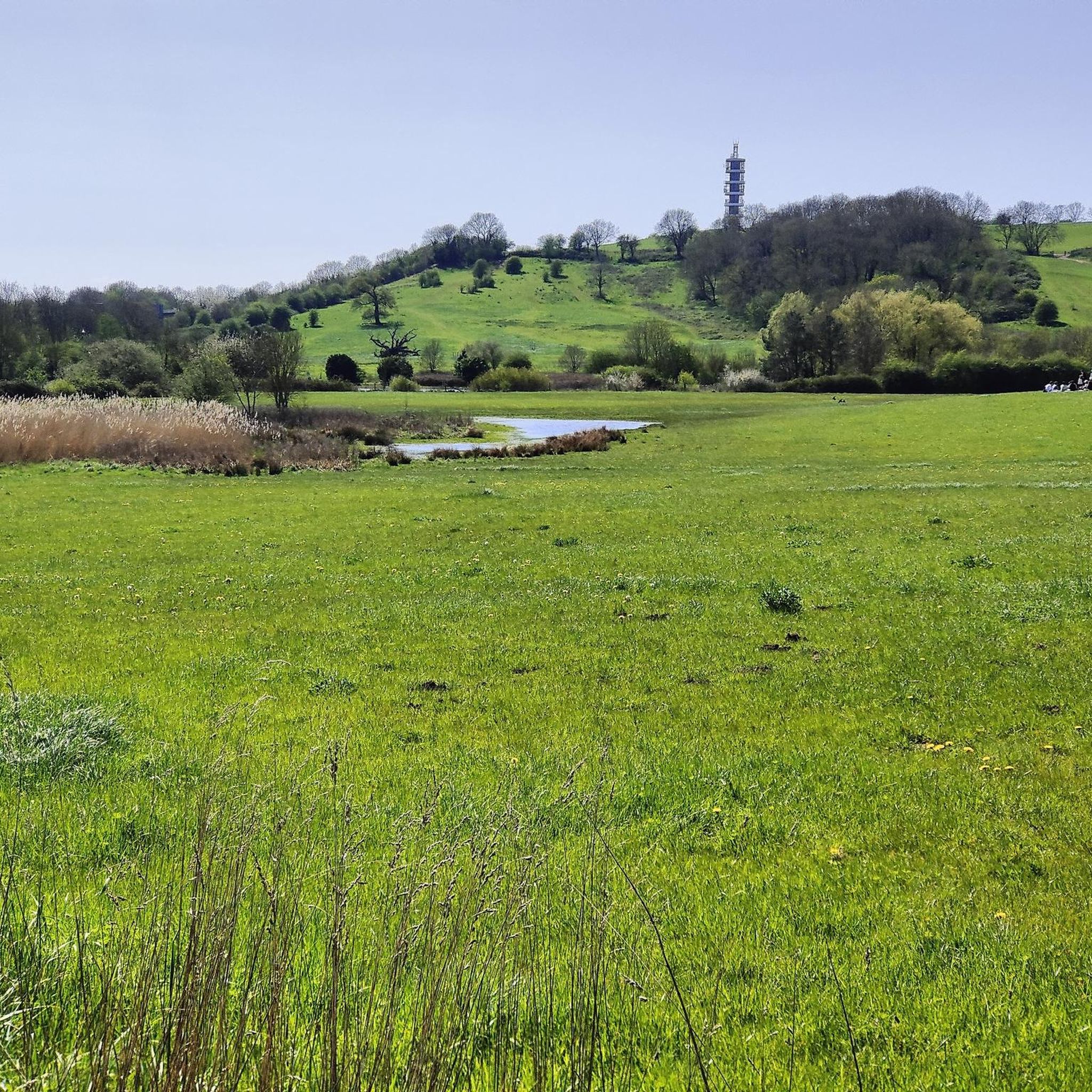
Wapley Bushes Local Nature Reserve is a 11.65-hectare (29-acre) nature reserve located in the English county of South Gloucestershire, between the towns of Yate and Dodington. It is owned by Dodington Parish Council and managed in partnership with Wapley Bushes Conservation Group. The reserve was established in 1992 and has been awarded the Green Flag Award, a prestigious award for well-managed parks and green spaces. Wapley Bushes is a diverse habitat, comprising ancient woodland, flower meadows, grassland, and a seasonal pond. The woodland is home to a variety of trees, including oak, ash, and hazel, as well as a range of wildlife, including deer, foxes, badgers, and birds such as song thrushes, blackbirds, and robins. The meadows are home to a variety of wildflowers, including cowslips, primroses, and bluebells. The grassland is home to a variety of grasses, as well as a range of wildflowers, including butte
0
0
The section from Severn Beach to New Passage on the paved England Coast Path might look tempting to ride, but it is a public footpath only used lots by the elderly, wheelchair users, unleashed dogs, fishermen and young children. Beware as I've hears reports that some locals will you give a lot of grief for riding this section, plus your insurance is void too if you cause an accident... I live nearby and suggest sticking to Route 4, or just enjoy the walk. The bit of Route 4 near Old Passage remains because of sea defence works (reopening late 2022 we're told) but there are nice back roads through Olveston to Aust or Route 41 through Ingst if you plan on crossing the M48 bridge to Chepstow and the more serious hills, beautiful Welsh scenery beyond.
1
0

Short but sweet diversion... worth doing if you're not in a rush.
0
0

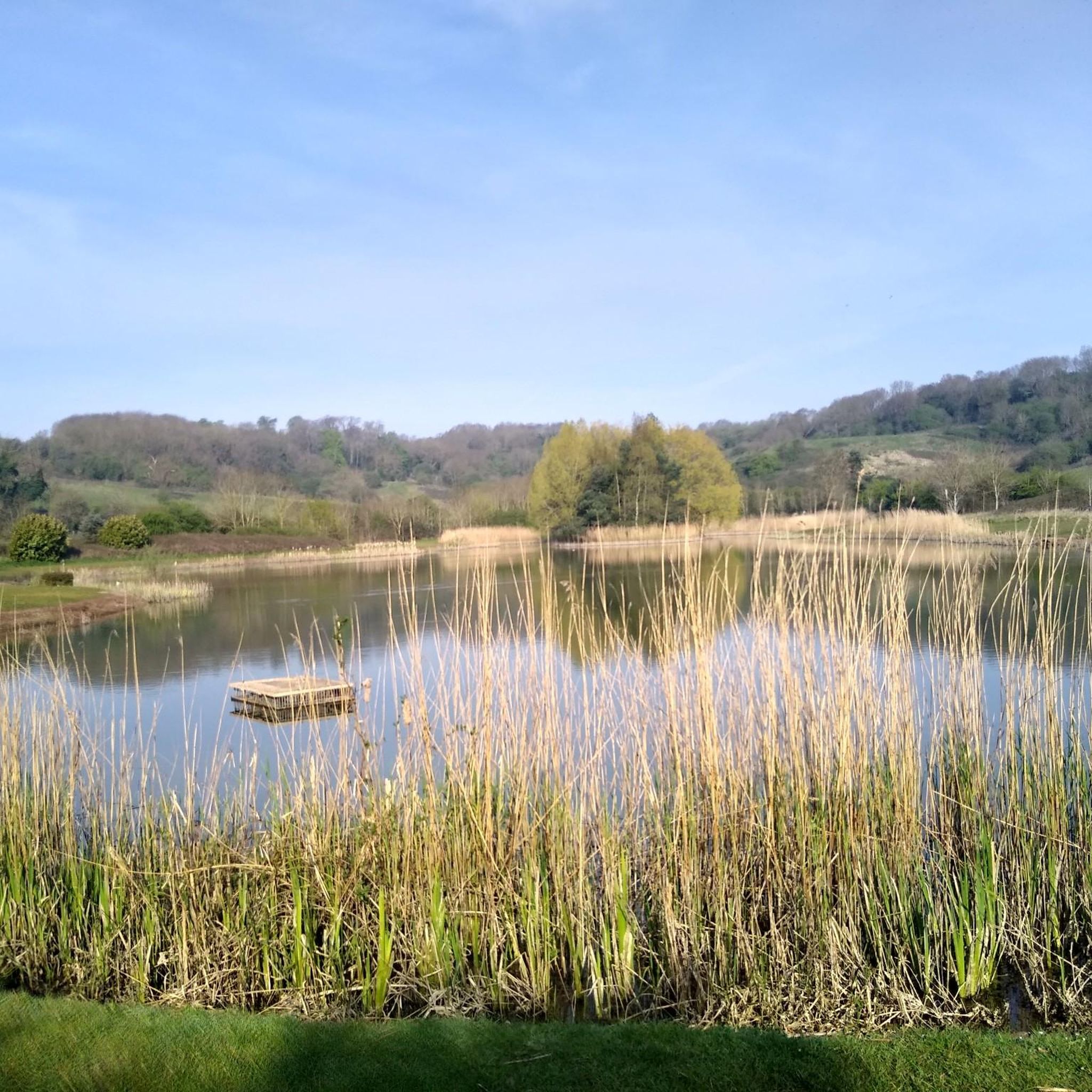
The Wick Golden Valley Local Nature Reserve (LNR) is an important and unique place. There are few reserves in South Gloucestershire with such a diverse habitat so readily accessible to the local community. The range of habitats includes the river corridor of the River Boyd, mature woodland, scrub, steep valley slopes and unimproved limestone grassland. (https://www.goldenvalley.org.uk/wildlife.htm)
2
0

Frequently Asked Questions
What are some of the most popular natural monuments to visit around Winterbourne?
Visitors frequently enjoy Troopers Hill Chimney for its historical significance and panoramic views over Bristol and the River Avon. Leigh Woods is also highly regarded for its broadleaf woodland and stunning viewpoints of the Avon Gorge and Clifton Suspension Bridge. The majestic River Severn, the UK's longest river, offers opportunities to spot wildlife along its banks.
Are there family-friendly natural monuments in the Winterbourne area?
Yes, several natural monuments are suitable for families. Leigh Woods offers waymarked trails through woodland and open glades. The River Severn provides gentle viewing opportunities, and Wapley Bushes Local Nature Reserve features ancient woodland and flower meadows, perfect for a family stroll. Troopers Hill Chimney also offers a mix of history and nature that can engage children.
What kind of wildlife can I expect to see at natural monuments near Winterbourne?
The natural monuments around Winterbourne are rich in wildlife. At Golden Valley Nature Reserve Waterfall, you might spot kestrels, kingfishers, frogs, grass snakes, foxes, and even a herd of goats. Along The River Severn, otters, foxes, and buzzards are common. Areas like The Dingle are known for various bird species, and otters have reportedly returned there. RSPB Winterbourne Downs in Wiltshire is a haven for rare birds like Stone-curlews and Lapwings, as well as various butterflies.
Are there any natural monuments with historical significance?
Absolutely. Troopers Hill Chimney is a prime example, with its chimney remnants from 18th-century copper smelting and 19th-century coal and fireclay mining. Leigh Woods contains Stokeleigh Camp, a hillfort dating back to the third century BC. Huckford Quarry Nature Reserve also showcases exposed stone remnants from its mining days, blending natural beauty with industrial history.
What outdoor activities can I do near these natural monuments?
The Winterbourne area offers a variety of outdoor activities. You can find numerous hiking trails, including easy routes like the 'Huckford Quarry LNR – Rockwell Wood loop' or moderate ones such as the 'Snuff Mills Weir and Park – Halfpenny Bridge loop'. Cycling is also popular, with routes like the 'Skate Park – Woodland Path to Stoke Park loop'. For mountain biking enthusiasts, there are trails like the 'Brandy Bottom Colliery Ruins – Brandy Bottom Colliery Ruins loop'. You can explore more options on the dedicated guides for hiking, cycling, and MTB trails around Winterbourne.
Are there any natural monuments that are particularly good for dog walking?
Yes, several spots are popular with dog walkers. Monks' Pool & Bradley Brook Nature Reserves offer lovely countryside walks with meadows and water features, and Bradley Brook is noted as a great spot for dogs to splash. The Frome Valley Walkway, which passes through areas like Huckford Quarry and The Dingle, also provides scenic routes suitable for walks with your dog.
Are there any accessible natural monuments for wheelchair users or pushchairs?
While many natural monuments involve varied terrain, the RSPB Winterbourne Downs Nature Reserve in Wiltshire has parts that are accessible for wheelchair users and pushchairs, allowing visitors to experience its biodiverse chalk grasslands and observe rare birds.
What are some unique natural features found in the Winterbourne region?
The region boasts diverse natural features. You can find the dramatic Golden Valley Nature Reserve Waterfall, ancient woodlands at Wapley Bushes Local Nature Reserve, and the extensive river system of The River Severn. The Dingle offers a 'quiet wilderness' with steep hillsides and rich plant life, while Huckford Quarry features a woodland area along the River Frome with an impressive overhead viaduct. Further afield in Dorset, Chesil Beach is a spectacular natural pebble beach with Britain's largest tidal lagoon, The Fleet, behind it.
Where can I find panoramic views of the landscape?
For breathtaking views, head to Troopers Hill Chimney, which offers expansive vistas over Bristol and the River Avon. Leigh Woods provides stunning viewpoints over the Avon Gorge and the iconic Clifton Suspension Bridge. In Dorset, Blackdown offers panoramic views, including those of the Jurassic Coast.
What is the Frome Valley Walkway and what does it offer?
The Frome Valley Walkway is a scenic pathway that connects the center of Bristol to the Cotswold Hills. It creates a green corridor through woodlands and meadows along the River Frome, passing through areas like Huckford Quarry Nature Reserve and The Dingle. It's ideal for varied and scenic routes for hiking and exploring the natural beauty of the region.
Are there any botanic gardens or highly cultivated natural spaces?
Yes, in Winterbourne, Birmingham, you can visit the Winterbourne Botanic Garden. This 7-acre garden features over 6,000 native and exotic plant species, including an orchid house, an alpine garden, and a Japanese tea house and bridge. It's recognized as a well-preserved example of an Edwardian Arts and Crafts suburban villa garden.
What makes the Dorset National Landscape (formerly AONB) near Winterborne St. Martin unique?
The Dorset National Landscape is a 'wildlife capital' of the UK, encompassing diverse natural settings like chalk downland, heathlands, clay vales, and ancient woodlands. This rich variety of habitats supports an incredible range of wildlife, including over 80% of the UK's bird, butterfly, and mammal species, and all six native British reptile species, making it exceptional for nature enthusiasts.
What is the best time of year to visit the natural monuments around Winterbourne?
The best time to visit depends on your interests. Spring (April-May) is ideal for seeing native wildflowers like bluebells and primroses in bloom, particularly in woodlands like Huckford Quarry and Wapley Bushes. Summer (June-August) offers warmer weather for longer walks and wildlife spotting. Autumn (September-November) brings beautiful foliage colors to the woodlands. Even winter can be rewarding for crisp walks and spotting specific bird species, though some paths might be muddy.
Most popular routes around Winterbourne
Most popular attractions around Winterbourne

Get inspired with the komoot mobile app


Explore more
Extend your search for the best caves by checking out these guides of the top ones around Winterbourne:
