Top 8 Natural Monuments around Kempley
Best natural monuments around Kempley are found within a landscape characterized by its natural beauty, particularly its wild daffodil displays. The village is situated in the Forest of Dean district, an area known for its diverse woodlands and significant geological features. This region offers a variety of natural monuments, from ancient hillforts to distinctive hill summits and former quarries. These sites provide opportunities to experience the area's natural and geological heritage.
Best natural monuments around Kempley
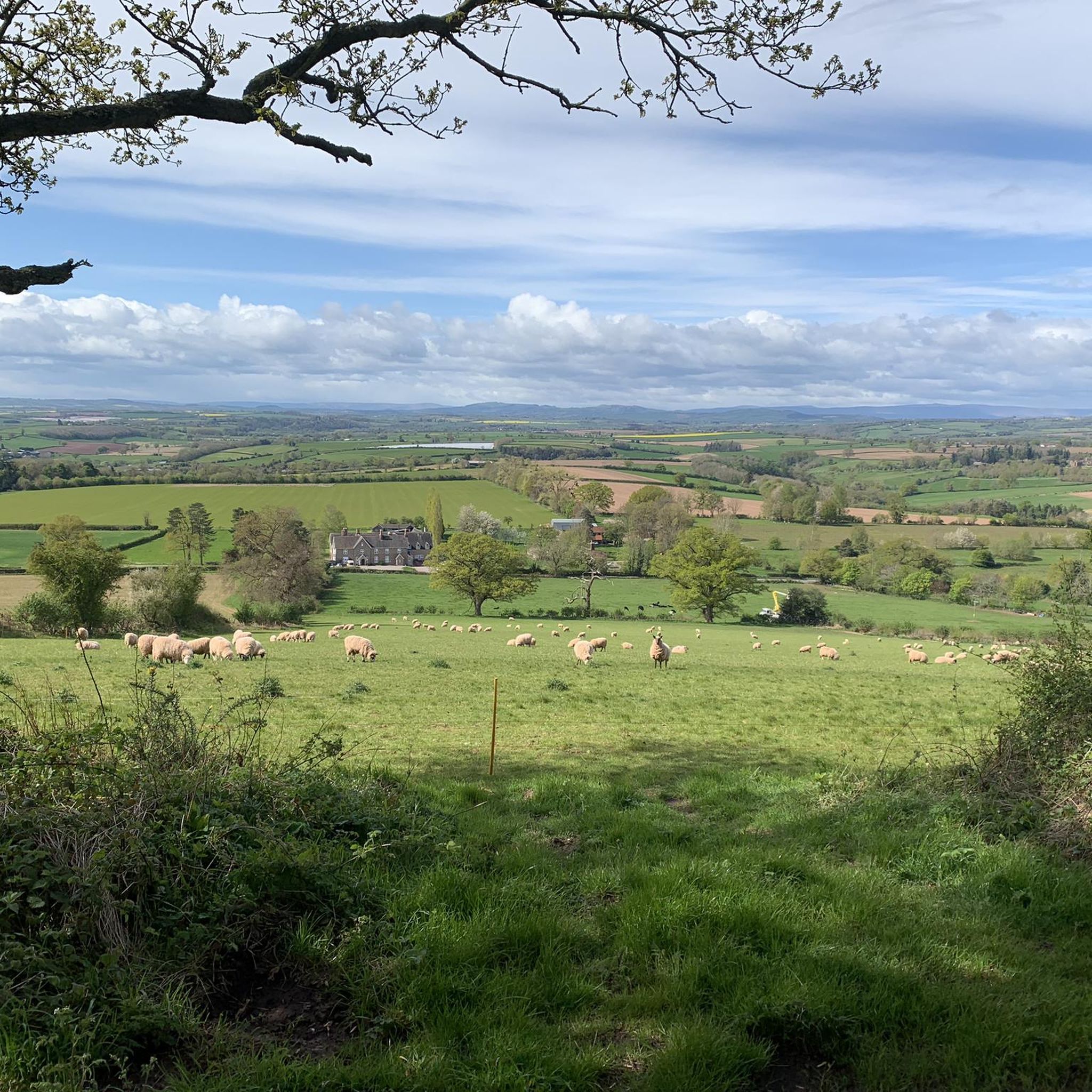
- The most popular natural monuments is Midsummer Hill Iron Age Hillfort, a historical site that rises in the southern part of the Malvern Hills. This site, along with neighboring Hollybush Hill, provides extensive views across the Herefordshire countryside.
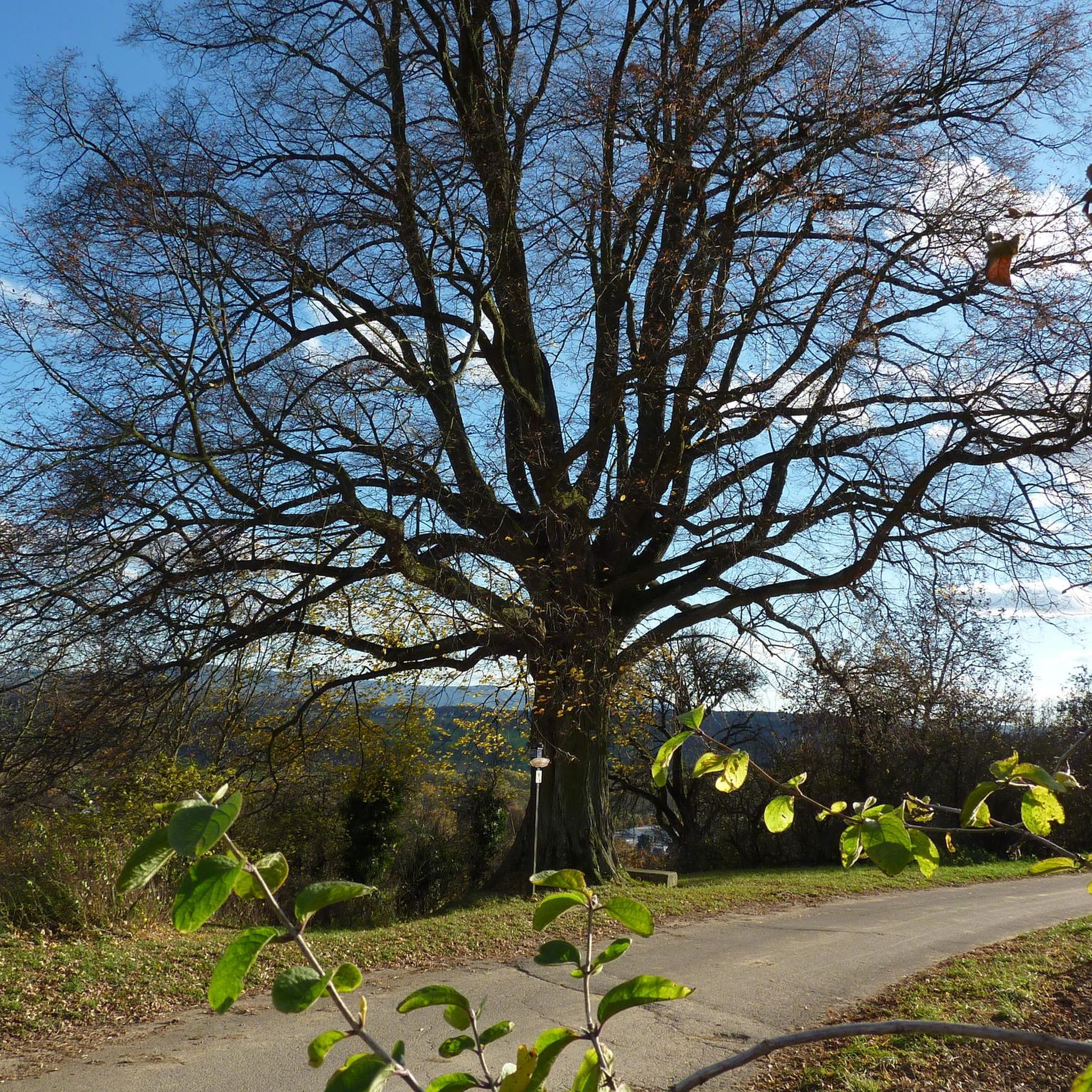
- Another must-see spot is May Hill Summit, a distinctive summit with a "hat of trees" on top. From its summit, visitors can enjoy far-reaching views towards the Welsh border and over the River Severn.
- Visitors also love Gullet Quarry, a former quarry now filled with Malvern spring water. Its main face provides a cross-section through much of the Precambrian rock that forms the core of the Malvern Hills.
- Kempley is known for its wild daffodil meadows, ancient woodlands, and prominent hill summits. The area offers a variety of natural monuments to see and explore, including sites of geological and ecological interest.
- The natural monuments around Kempley are appreciated by the komoot community. These sites have accumulated more than 80 upvotes and feature over 30 photos, reflecting their appeal to outdoor enthusiasts.
Last updated: July 1, 2026
Midsummer Hill Iron Age Hillfort
Highlight • Historical Site
Tip by

May Hill Summit
Highlight • Summit
Tip by

Sign up now to discover places like this
Get recommendations on the best single tracks, peaks, & plenty of other exciting outdoor places.
Sign up for free
Gullet Quarry
Highlight • Natural
Tip by

Chase End Hill Summit
Highlight • Natural Monument
The Geopark Way, a long-distance footpath linking geological sites together crosses the hill while the Three Choirs Way passes around its eastern edge.
Tip by
Haugh Woods Butterfly Trails
Highlight • Natural Monument
Tip by

Sign up for free to discover even more natural monuments around Kempley.
Sign up for free
Already have an account?
Start today with a free account
Your next adventure awaits.
Login or Signup
Tips from the Community

Lovely quarry and very to follow the route up to the top.
0
0

One of the finest hills in the Malverns with it's Iron Age Hillfort (yes another one on the Malverns!), and superb views west across Eastnor Park. It used to be heavily wooded on the Eastern Side, but Ash Die-back disease has caused a huge number of large mature Ash trees to be felled in recent times. This is still a hill to be savoured and you will not see too many people here either.
0
0
This is quite a spectacular place but quite rightly the Conservators and local authorities have securely fenced it off as there have been a large number of drownings here over the years. People have jumped off the low cliffs inot the freezing cold water and have also collided with old machinery and vehicles that are hidden under the water.
0
0
The most southerly Malvern, with fine views south to May Hill.
0
0
Enjoy the walk up from Clifford Mesne, and then taken in the expansive views. Don't miss the copse at the top, planted to commemorate Queen Victoria's Golden Jubilee.
0
0

Midsummer Hill rises in the southern part of the Malvern Hills and is a very worthy objective. Site of a former hillfort, along with neighbouring Hollybush Hill, it provides extensive views, with the impressive Eastnor Castle visible in the Herefordshire countryside. A hike to the top could be combined with Herefordshire Beacon to the north, or a longer outing traversing the entire Malvern ridge.
0
0

Midsummer Hill is situated in the range of Malvern Hills that runs approximately 13 kilometres (8 mi) north-south along the Herefordshire-Worcestershire border. It lies to the south of Herefordshire Beacon with views to Eastnor Castle. It has an elevation of 284 metres (932 ft). To the north is Swinyard Hill. It is the site of an Iron Age hill fort which spans Midsummer Hill and Hollybush Hill. The hillfort is protected as a Scheduled Ancient Monument and is owned by Natural England. It can be accessed via a footpath which leads south from the car park at British Camp on the A449 or a footpath which heads north from the car park in Hollybush on the A438. The hillfort is very unusual in that the ramparts enclose two hills and the intervening valley. Bowden speculates that the spring within the valley "enhance[s] the position of the hillfort as a site of symbolic value". Source: Wikipedia
0
1
Marks the southern end of the Malverns - fine view south to May Hill in Gloucestershire.
0
0
Frequently Asked Questions
What are the most prominent natural features to explore around Kempley?
Kempley is renowned for its spectacular wild daffodil meadows, particularly in areas like Kempley Daffodil Meadow, Dymock Wood, Shaw Common, and Queens Wood. Beyond these, you can visit distinctive hill summits such as May Hill Summit, known for its far-reaching views, and the dramatic landscape of Gullet Quarry, a former quarry now filled with Malvern spring water.
When is the best time to visit Kempley to see the wild daffodils?
The best time to witness the breathtaking displays of wild daffodils around Kempley is typically in March. This is when the landscape transforms into a sea of yellow, attracting many visitors for events like the annual Kempley Daffodil Weekend.
Are there any historical natural monuments in the Kempley area?
Yes, the area features significant historical natural monuments. Midsummer Hill Iron Age Hillfort is a notable historical site that rises in the southern part of the Malvern Hills, offering extensive views. Additionally, Gullet Quarry provides a unique geological insight into ancient Precambrian rock formations, showcasing the region's deep natural history.
What kind of wildlife can I expect to see at Kempley's natural monuments?
The wild daffodil meadows and woodlands, such as Kempley Daffodil Meadow and Dymock Wood, are vibrant with insects, butterflies, moths, and various birdlife. Haugh Woods Butterfly Trails are specifically designed to showcase the numerous butterflies and moths that thrive in this important habitat.
Are there family-friendly natural monuments or activities around Kempley?
Yes, Haugh Woods Butterfly Trails are particularly family-friendly, offering short, easy routes through ancient woodland to observe butterflies and moths. The wild daffodil meadows also provide a beautiful and accessible natural experience for families, especially during spring.
What outdoor activities, like cycling, are available near Kempley's natural monuments?
The area around Kempley offers various cycling opportunities. You can find road cycling routes, such as the 'Newent Market House – Short, Steep Rural Climb loop from Dymock', or explore MTB trails like the 'Gullet Quarry – Clutter's Cave loop from Ledbury'. For more options, check out the Road Cycling Routes around Kempley or MTB Trails around Kempley guides.
Are there hiking trails near the natural monuments in Kempley?
Yes, several natural monuments are excellent for hiking. May Hill Summit is traversed by the Gloucestershire Way and the Wysis Way, offering rewarding hikes with extensive views. A hike to the top of Midsummer Hill Iron Age Hillfort also provides impressive vistas across the Herefordshire countryside.
What do visitors enjoy most about the natural monuments around Kempley?
Visitors frequently praise the extensive views from summits like May Hill Summit and Chase End Hill Summit. The unique geological formations at Gullet Quarry and the vibrant wild daffodil displays in spring are also highly appreciated for their natural beauty and ecological significance.
Are there any less-known natural gems worth discovering near Kempley?
While the daffodil meadows are well-known, exploring the specific woodlands like Shaw Common and Queens Wood offers a chance to see daffodils 'roll down the slopes like a sea of yellow' beneath ancient beech and oak trees, some dating back 500 years. These areas, often designated as SSSIs, provide a rich ecological experience beyond the main viewing spots.
What are the options for parking near Kempley's natural monuments?
While specific parking details vary by location, many natural monuments and trailheads in the region, such as those near May Hill or Chase End Hill, typically have small car parks or roadside parking available. It's advisable to check local signage upon arrival, especially during peak daffodil season, as parking might be limited.
Is public transport available to reach the natural monuments around Kempley?
Public transport options to directly access many of the natural monuments around Kempley can be limited. It is generally recommended to travel by car or to combine public transport to nearby villages with walking or cycling to reach the specific sites. Always check local bus schedules for the most current information.
Most popular routes around Kempley
Most popular attractions around Kempley

Get inspired with the komoot mobile app


Explore more
Extend your search for the best caves by checking out these guides of the top ones around Kempley:
