Top 5 Natural Monuments around Tedstone Delamere
Best natural monuments around Tedstone Delamere are found within the picturesque Herefordshire countryside, offering diverse landscapes and geological features. This region provides opportunities to explore ancient woodlands, river valleys, and significant rock formations. The area is characterized by rolling hills and varied natural sites, making it suitable for outdoor exploration.
Best natural monuments around Tedstone Delamere
- The most popular natural monuments is Walsgrove Hill Summit View, a viewpoint that boasts views from its 265-meter summit towards Abberley Hill. This…
Last updated: May 3, 2026
Ankerdine Hill
Highlight • Viewpoint
Tip by

Walsgrove Hill Summit View
Highlight • Viewpoint
Tip by
Sign up now to discover places like this
Get recommendations on the best single tracks, peaks, & plenty of other exciting outdoor places.
Sign up for free
Shavers End Quarry
Highlight • Viewpoint
Tip by

Sunken Lane
Highlight • Trail
Tip by
The Nubbins Sandstone Cliffs
Highlight • Natural Monument
Tip by

Sign up for free to discover even more natural monuments around Tedstone Delamere.
Sign up for free
Already have an account?
Start today with a free account
Your next adventure awaits.
Login or Signup
Tips from the Community

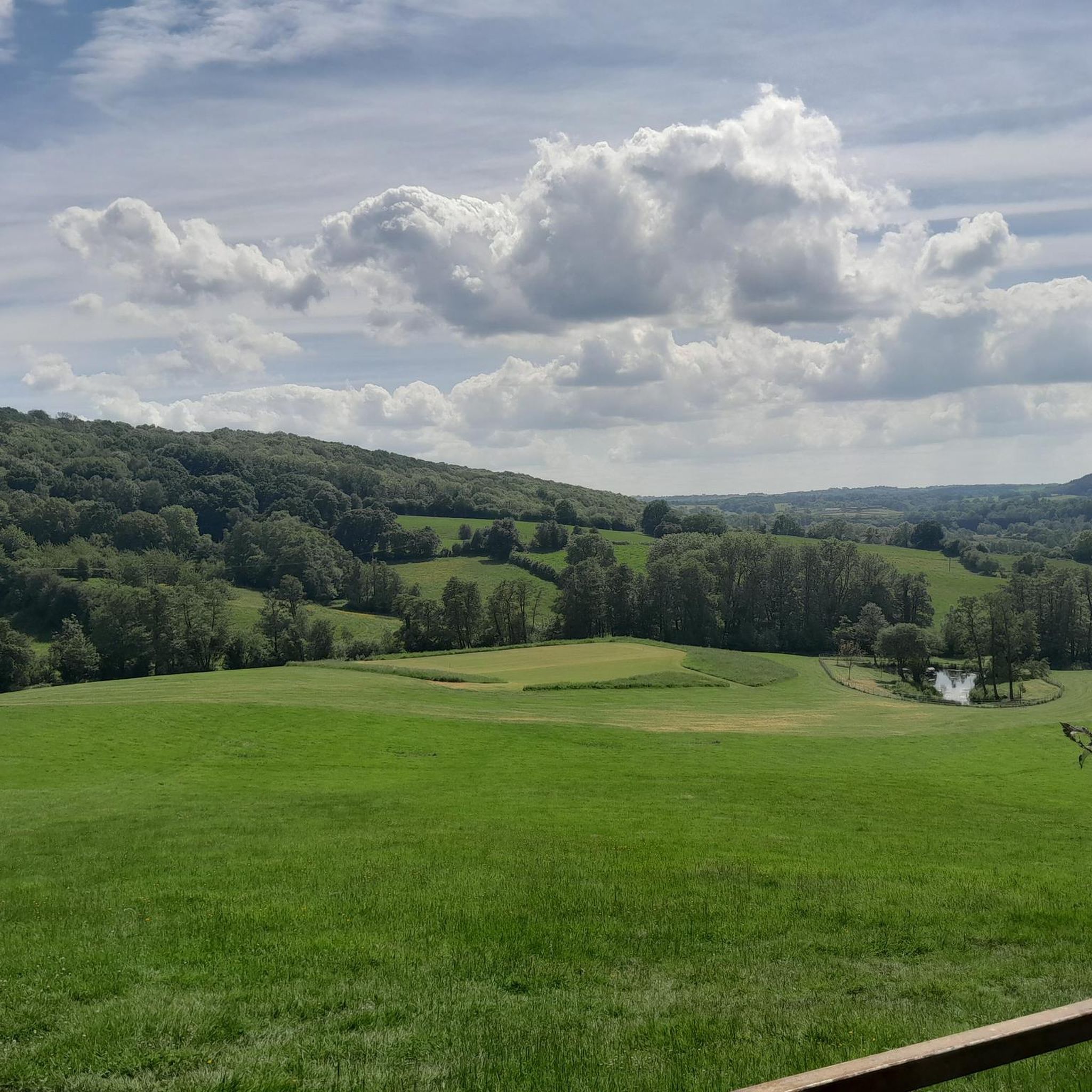
It's a steep pull up Walsgrove Hill from the north, and in the winter it will be slippery and muddy due to the activities of the sheep that live in this field. However, it offers fine views across to the clocktower and beyond.
0
0

Red sandstone rock formation - low cliffs of exposed stone that has been historically quarried for building materials. A path runs along the bottom and the top, currently (Sept 2024) overgrown in places. An information sign gives details among the nettles.
1
0

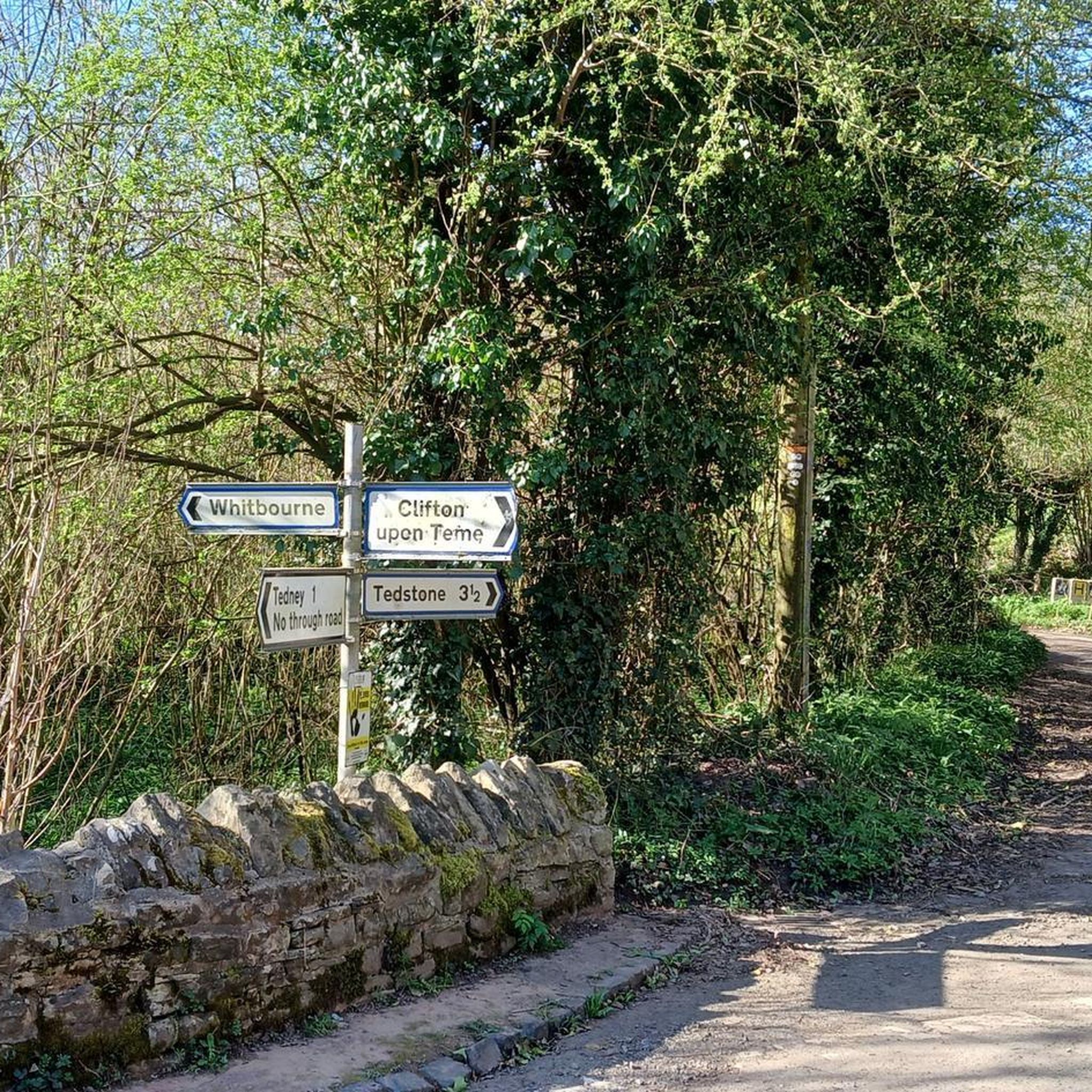
The sunken lane cuts through Triassic aged rocks of varying grain size, deposited in the Worcester Basin some 220 million years ago. The rock types seen are fine grained siltstones, course sandstones and conglomerates containing large pebbles.
0
0
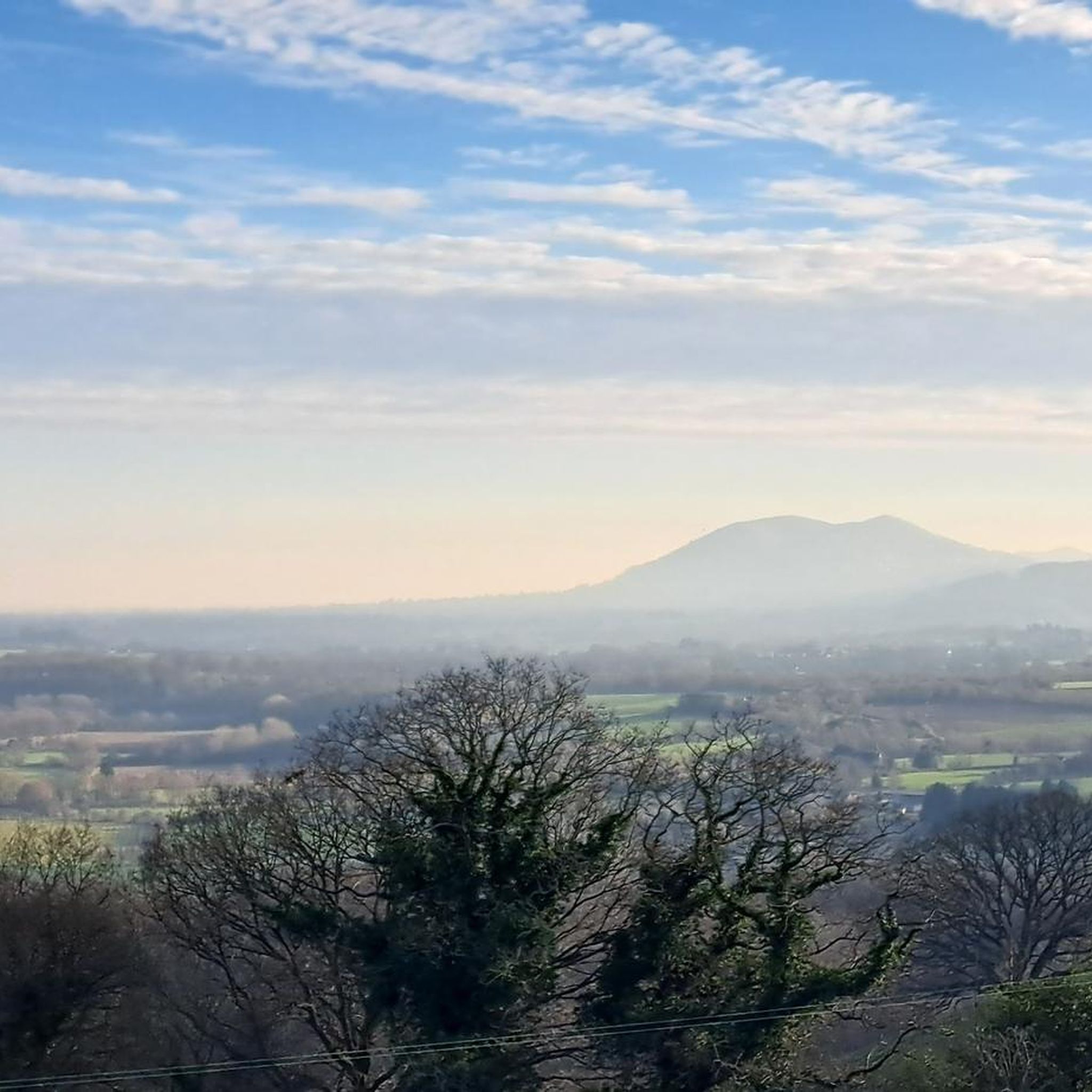
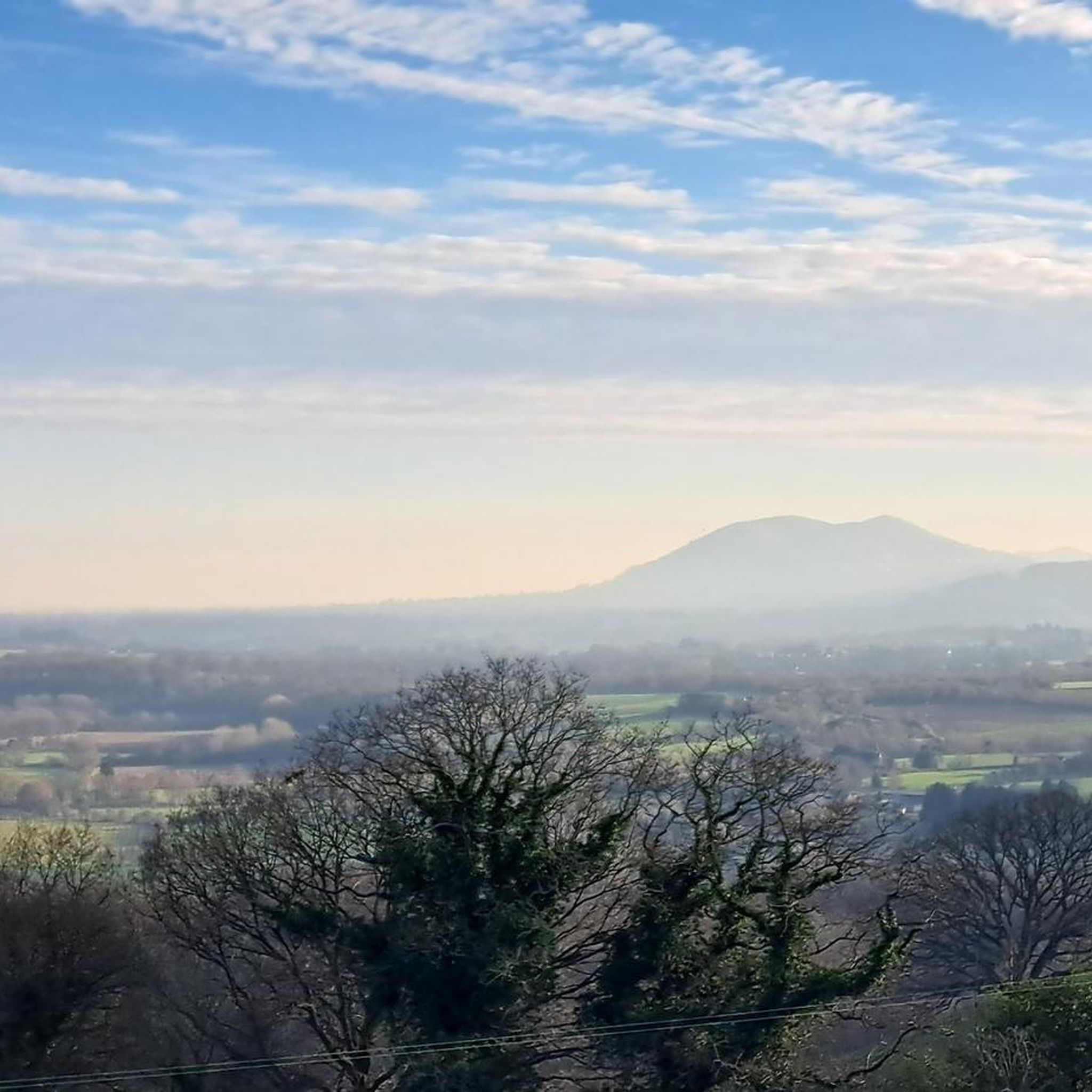
View to the West The lower part of Walsgrove Hill and the hill on which Abberley clock tower stands are Silurian siltstone. The valley of the River Teme cuts into soft mudstones of the upper Silurian Old Red Sandstone with the harder sandstones of the lower Devonian Old Red Sandstone forming the Bromyard plateau. The low hummocky ground at the base of these hills is underlain by Carboniferous age Coal Measures rocks. These form the southerly tip of the Wyre Forest coalfield. Coal was mined here until the early twentieth century. To the north west, the Clee Hills are also formed of Carboniferous rocks. A molten layer of rock pushed between the layers and formed a hard black dolerite rock, the Dhustone, which slowed the erosion of these still prominent hills and is quarried for roadstone to this day. Source: Local signage
0
0
Shavers End Quarry is one of many quarries in the area located on the Abberley Hills, where the limestone is a sought after material for lime kilns, construction and the aggregates industry. Quarrying activity at Shavers End Quarry has sliced through the North West corner of Abberley Hill, providing a geological cross section for people to study the structure of the area in detail. The scale of the site, partnered with the bare rock faces allows visitors to fully appreciate the complex tectonic history of the area. Within the quarry there are two distinct rock formations exposed; the Lower Ludlow Shales Group and the Aymestry Limestone Formation. The Lower Ludlow Shales Group is the lower of the two units and consists of a series of siltstones and bluish grey mudstones. These rocks can be best seen at the southern end of the quarry, as well as on the eastern banks of the quarry lakes. The Aymestry Limestone is a blue-grey, nodular argillaceous limestone and forms the main rock face that extends along the western side of the quarry. The limestone is shaly and impure and notably contains a thick band of bentonite. Shavers End Quarry sits variably in the hinge zone and on the overturned limb of a large fold. The Lower Ludlow Shales and Aymestry Limestone at this locality are upside-down, suggested by the wrong-way-up orientation of fossils and other sedimentary structures. The age of folding has been the subject of much debate, with many different interpretations; it may have formed during the Variscan Orogeny (~300 million years ago); others suggested that folding occurred during the earlier Caledonian Orogeny (390 million years ago). However it is generally agreed that folding was instigated by thrust faulting on the East Malvern Fault system. This site is part of the Community Earth Heritage Champions Project.
0
0

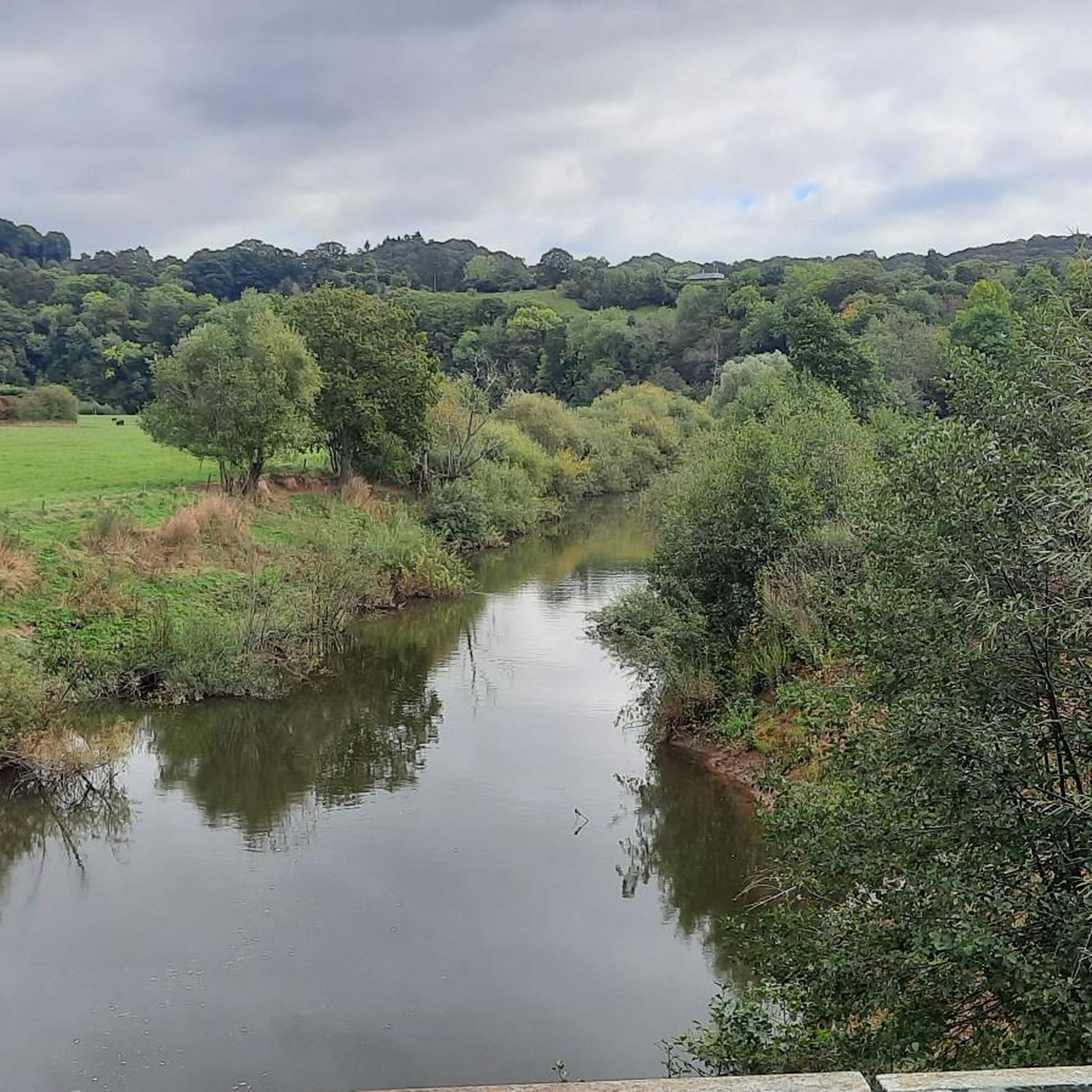
Ankerdine Hill, at 489 feet (149 m), is part of the Abberley Hills ridge in the Abberley and Malvern Hills Geopark. The ridge was formed during the Silurian period and is of considerable geological significance. The River Teme loops around the hill, surrounding it on its western, southern and eastern side, giving it superb views of the Teme Valley. It is most commonly ascended from the village of Knightwick, where the award-winning Talbot pub is a good post-hike option.
0
0
Walsgrove Hill boasts fantastic views from its 869-foot (265 m) summit towards Abberley Hill and its clock tower. It is at the northern end of a ridge that also contains Cockshot, Rodge, Pudford, Penny, Berrow and Ankerdine Hills. Formed during the Silurian period, the ridge is part of the Abberley and Malvern Hills Geopark, an area of considerable geological significance, spanning 700 million years of natural history.
0
0
Frequently Asked Questions
What are some popular natural monuments to visit around Tedstone Delamere?
The region offers several notable natural sites. Highly appreciated by visitors are Walsgrove Hill Summit View, which provides expansive vistas towards Abberley Hill and is part of a geologically significant area. Another popular spot is Sunken Lane, where you can observe Triassic-aged rocks, and Southstone Rock, an intriguing rock formation nestled within a forest.
What natural features can I expect to see in the Tedstone Delamere area?
The area is rich in diverse natural features. You'll find ancient woodlands like Blackhouse Wood Nature Reserve, known for rare large-leaved lime trees and a rich moth population. The scenic River Teme offers tranquil riverside walks, while Kingswood Common provides views of the verdant Teme Valley and remnants of ancient orchards. The landscape also features rolling hills, such as those leading up to the Malvern Hills, an Area of Outstanding Natural Beauty.
Are there any hidden gems or less-known natural sites worth exploring?
Beyond the more frequented spots, consider visiting Blackhouse Wood Nature Reserve for a deep dive into an ancient woodland ecosystem, ideal for botanists and those seeking tranquil forest walks. Kingswood Common, with its riverside setting and ancient orchard remnants, offers a peaceful experience, especially in spring. The Nubbins Sandstone Cliffs and The Nubbins Rock Formation also present unique geological interests and offer good off-road routes.
What is the best time of year to visit the natural monuments around Tedstone Delamere?
Spring is particularly vibrant, especially around Kingswood Common when fruit trees and flowers are in bloom. The ancient woodlands and river valleys are beautiful throughout spring and summer. Autumn offers stunning foliage, while winter can provide crisp, clear views, though some trails might be muddy, especially on steeper sections like Walsgrove Hill.
What kind of wildlife can I spot in the natural areas?
Blackhouse Wood Nature Reserve is a significant site for entomology, with approximately 500 species of moths recorded. The diverse flora across the region supports various insects and birds. Keep an eye out for unique plant species like wood vetch, nettle-leaved bellflower, and rare large-leaved lime trees in the ancient woodlands.
Are there family-friendly natural monuments or activities in the area?
Many of the natural areas around Tedstone Delamere are suitable for families, particularly for leisurely walks. Kingswood Common offers gentle riverside strolls, and the Brockhampton Estate provides extensive walking trails through orchards, woodlands, and meadows. The River Teme's accessible footpaths are also great for a relaxed family outing.
What is the difficulty level of trails around these natural monuments?
The difficulty varies. Highlights like Walsgrove Hill Summit View and Sunken Lane are generally considered intermediate. Some paths, especially in winter or after rain, can be slippery and muddy. The broader area, including Bromyard Downs and Brockhampton Estate, offers a range of trails from easy strolls to more challenging hikes, catering to various fitness levels.
Are there options for longer walks or circular routes near the natural monuments?
Yes, the region is excellent for longer walks. The Brockhampton Estate features numerous trails, and the Malvern Hills, though 17 miles away, offer extensive and challenging hikes with panoramic views. For specific routes, you can explore options like the 'Suckley Hills on the Worcestershire Way loop' or 'River Frome Stream – View of Bromyard loop' found in the Hiking around Tedstone Delamere guide.
What outdoor activities can I do near these natural monuments?
Besides exploring the natural monuments themselves, the area is ideal for hiking and road cycling. You can find various hiking routes, from easy parkland walks to moderate loops around the Suckley Hills. For cyclists, there are numerous road cycling routes, such as the 'Mathon Church – Winding Country Lane loop'. More details and specific routes can be found in the Hiking around Tedstone Delamere and Road Cycling Routes around Tedstone Delamere guides.
Where can I find accommodation or places to eat near the natural monuments?
Tedstone Delamere and the surrounding villages offer various options for accommodation, pubs, and cafes. While specific establishments aren't listed here, you can find local amenities in nearby towns and villages. For general visitor information about Herefordshire, including accommodation, you might find resources on the Visit Herefordshire website.
What do visitors enjoy most about the natural monuments around Tedstone Delamere?
Visitors particularly appreciate the stunning views from spots like Walsgrove Hill Summit View and the unique geological formations found at Sunken Lane and Southstone Rock. The tranquil forest settings and the opportunity to explore ancient woodlands and river valleys are also highly valued, as evidenced by the community's shared photos and upvotes.
Is it possible to access the natural monuments using public transport?
Access to the natural monuments around Tedstone Delamere, being in a rural area, can be challenging via public transport. While some villages may have limited bus services, reaching specific natural sites often requires a car or a combination of public transport and walking. It's advisable to check local bus schedules in advance if relying on public transport.
Most popular attractions around Tedstone Delamere

Get inspired with the komoot mobile app


Explore more
Extend your search for the best caves by checking out these guides of the top ones around Tedstone Delamere:
