Top 15 Natural Monuments around Whitbourne
Natural monuments around Whitbourne offer diverse landscapes for outdoor exploration. The region features several notable natural attractions, characterized by serene environments and opportunities for activities like walking and enjoying nature. These sites include significant summits and viewpoints within the Malvern Hills, providing varied terrain for visitors. The area's natural features contribute to its appeal for those seeking outdoor experiences.
Best natural monuments around Whitbourne
- The most popular natural monuments is North Hill Summit, a summit and viewpoint that is the second highest point of the Malvern Hills. It is also the highest point of the Worcestershire Way, offering expansive views.
- Another must-see spot is Sugarloaf Hill, a summit and viewpoint. Visitors can expect excellent views from its 368-meter summit, making it a popular peak for walkers traversing the Malvern Hills.
- Visitors also love Table Hill (375 m), a summit and viewpoint. This hill provides great views from its top and is situated between North Hill and Sugarloaf Hill.
- Whitbourne is known for its summits and viewpoints, offering various natural monuments. These include prominent hills that provide panoramic vistas across the landscape.
- The natural monuments around Whitbourne are appreciated by the komoot community, with more than 230 upvotes and over 50 photos shared.
Last updated: May 3, 2026
North Hill Summit
Highlight • Natural Monument
The eastern flank of the hill lies directly behind Worcester road in Great Malvern from where its summit is a brisk 15 – 20 minutes steep walk from the town centre via St Ann's road and Happy Valley. A path from the car park in North Malvern follows the lower contour of North Hill to Happy Valley and St. Ann's Well.
Although the flint route from North Wales to Wessex lay to the north of Malvern, there is some evidence to suggest that traders passed over the Malvern Hills. Parts of an arrowhead, scraper and flint flakes have been discovered between the North Hill and Table Hill. A 19th-century guide book describes both a collapsed burial mound on North Hill named the Giant's Grave and a tump on Table Hill. These tumuli may have been connected to the Dobunni settlement in Mathon.
A track that runs along North Hill was known as the "Pyx Path" and was used by the priest from Worcestershire when bringing Sacrament to the hermits that lived in Malvern in the 11th Century. It was also referred to as the "Pixie Path", as it was believed to be used by fairies. The Lodge spring can be found at the foot of North Hill, off Worcester road. The ornamental fountain has a small spout and basin that is similar in design to those at St Ann's Well.
Tip by

Table Hill (375 m)
Highlight • Natural Monument
Tip by

Sign up now to discover places like this
Get recommendations on the best single tracks, peaks, & plenty of other exciting outdoor places.
Sign up for free
Sugarloaf Hill
Highlight • Natural Monument
Tip by

Rose Bank Gardens and Buzzards Sculpture
Highlight • Structure
The 1901 and 1911 census recorded Rose Bank occupied by George Silas Guy born about 1837 and his second wife Hannah. George's occupation was recorded as 'managing director of an iron and steel tube manufacturory'. George Guy died in 1912.
Rose Bank House, which had double fronted bowed windows offering panoramic views over Worcestershire, and its large gardens were purchased by local benefactor Charles William Dyson Perrins in 1918 and gifted as an amenity to the town of Great Malvern in Worcestershire, UK.
Rose Bank was used by the Womens Royal Voluntary Service (WRVS) during WWII, but, according to reports, the house fell into decay and was demolished in 1959, a year after Dyson's death.
The gardens today
Rose Bank Gardens, situated above Belle Vue Terrace, to the south of the Mount Pleasant Hotel remain an attractive place to walk, rest, and access footpaths onto the hills.
A notable feature is a sculpture of two buzzards in flight, installed in 2012, to mark Queen Elizabeth II's Diamond Jubilee.
Tip by
Tank Quarry Geological Trail
Highlight • Trail
The geology of Tank Quarry dates to the Precambrian, approximately 680 million years ago, which means that these rocks are some of the oldest exposed in England. The clear quarry face enables amateurs and experts to study the complex nature of the igneous and metamorphic geology on display.
The quarry itself is not accessible however the rest of this large site has many accessible rock faces, a geology trail, interpretation boards, picnic area, wonderful view across the Worcester plain and a carpark.
Tank Quarry is a Community Conservation Champions site. The ‘Champions’ are a loosely knit group of volunteers who are actively involved in the maintenance and public promotion of 19 geological sites spread across the counties of Herefordshire and Worcestershire. They are engaged in a wide range of activities which vary according to the nature of the site.
Source: geopark.ork.uk
Tip by
Sign up for free to discover even more natural monuments around Whitbourne.
Sign up for free
Already have an account?
Start today with a free account
Your next adventure awaits.
Login or Signup
Tips from the Community

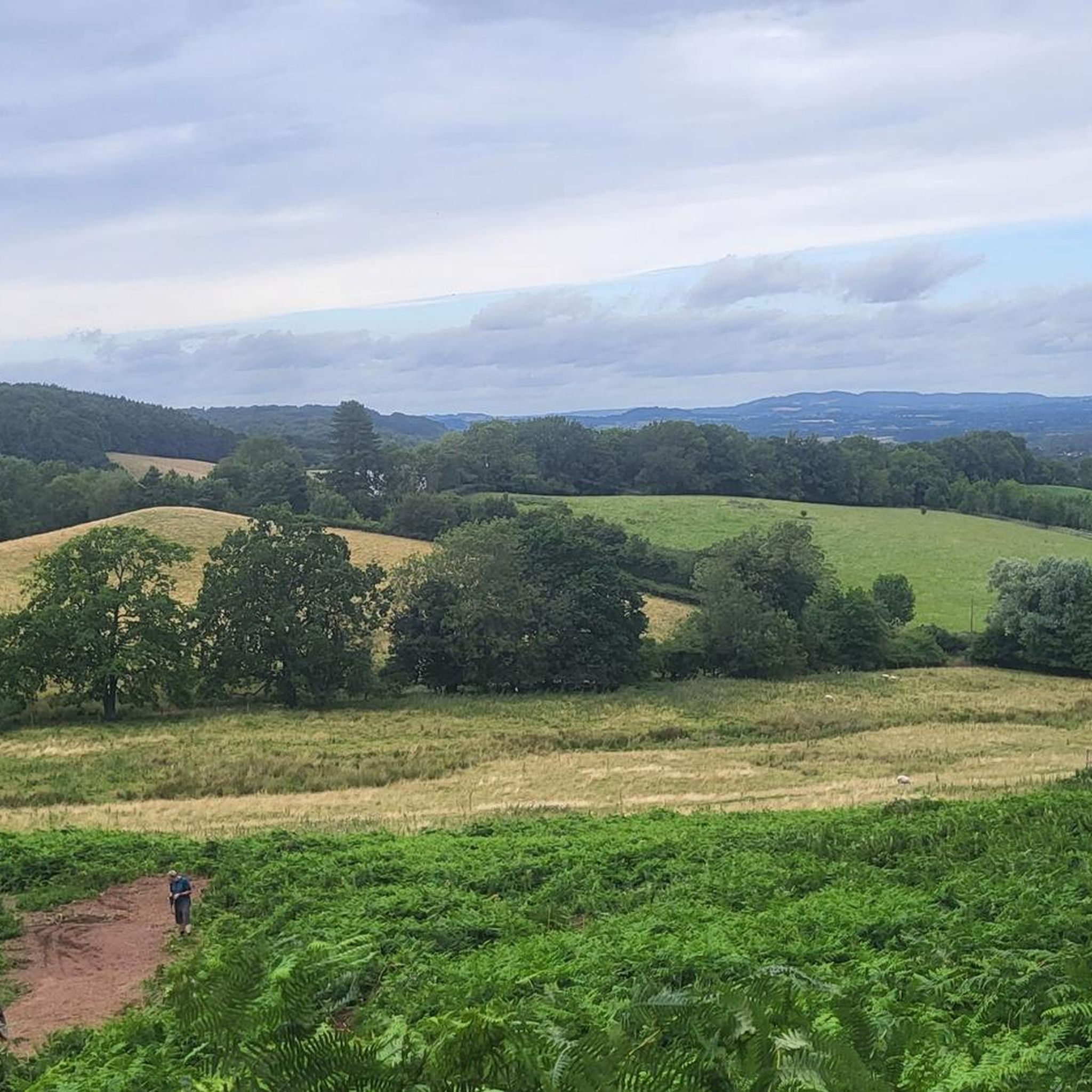
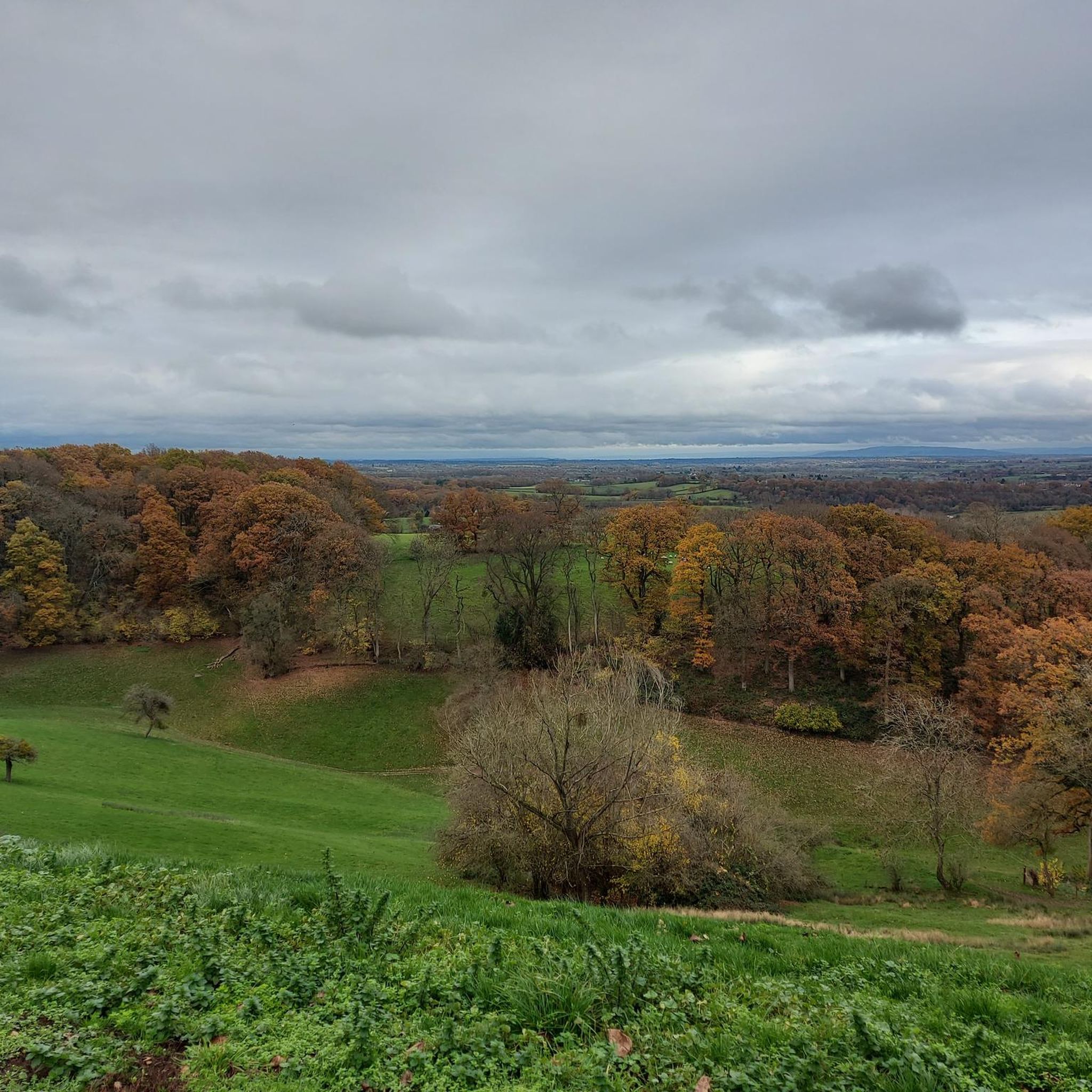
North Hill is a very good viewpoint - but this image was taken on the way up to Table Hill, which is next to North HIll.
0
0
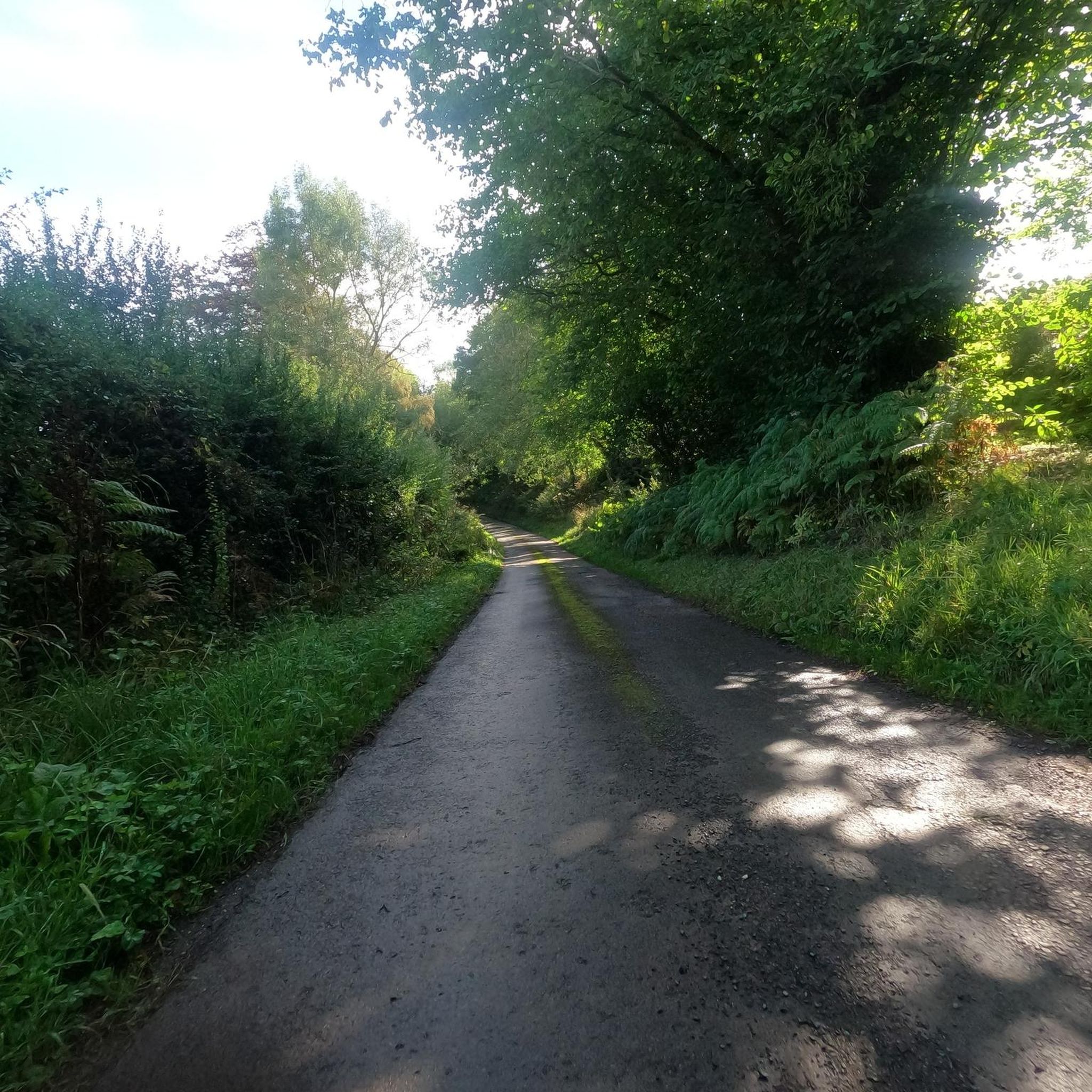
Sugar Loaf hill is to be recommended, but unfortunately the hill in the centre of this picture is North Hill. Sugar Loaf Hill is on the extreme left of the picture, just about in shot.
0
0
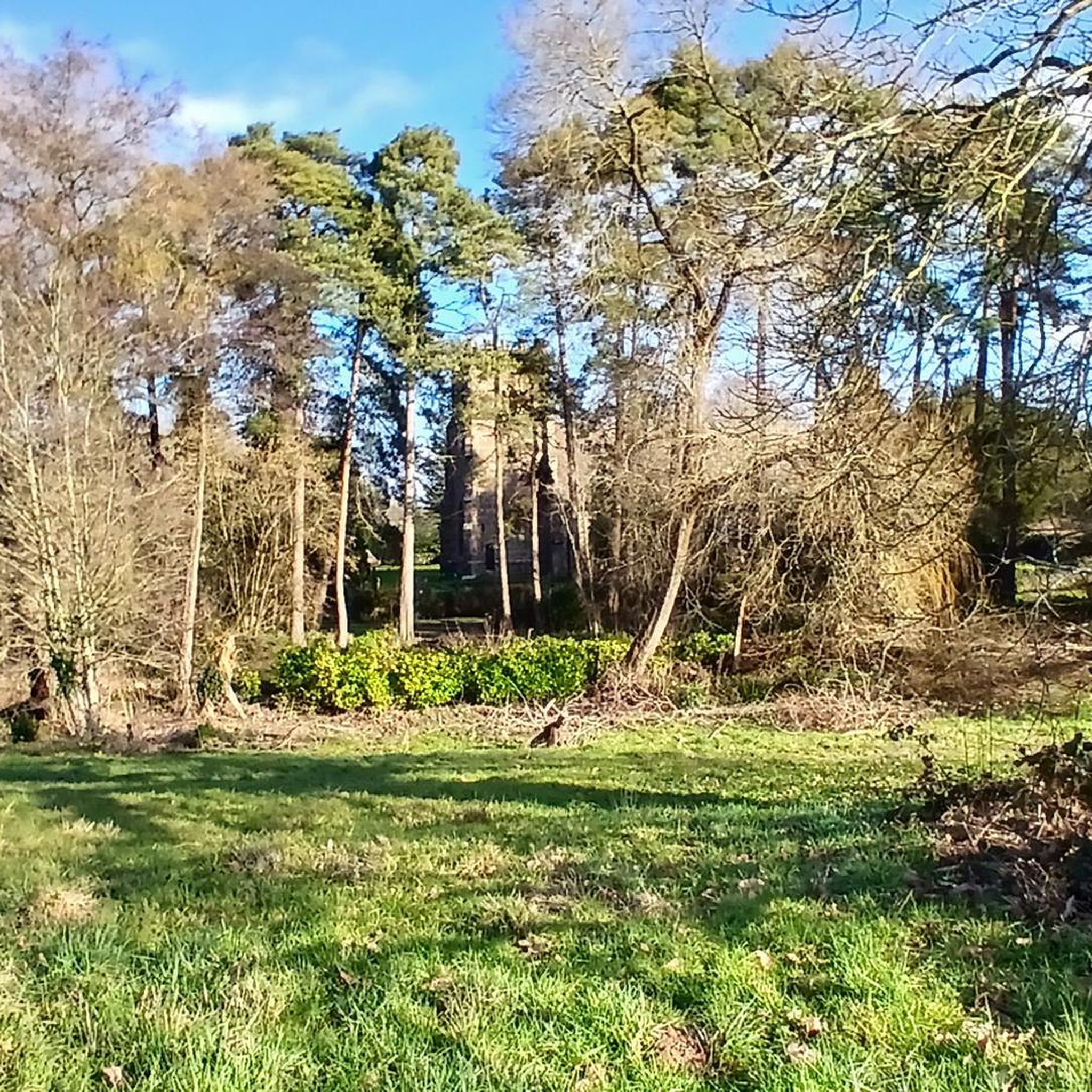
Between North Hill and The Beacon (and Sugar Loaf Hill) this flat topped hill can get overlooked, but it does afford great views of the Beacon, and is photogenic in it's own right when covered in snow.
0
0

North Hill is the second highest point of the range of Malvern Hills that runs about 13 kilometres (8.1 mi) north-south along the Herefordshire-Worcestershire border, although North Hill lies entirely within Worcestershire. It has an elevation of 397 metres (1,302 ft), making it the highest point of the Worcestershire Way. The eastern flank of the hill lies directly behind Worcester road in Great Malvern from where its summit is a brisk 15 – 20 minutes steep walk from the town centre via St Ann's road and Happy Valley. A path from the car park in North Malvern follows the lower contour of North Hill to Happy Valley and St. Ann's Well. Although the flint route from North Wales to Wessex lay to the north of Malvern, there is some evidence to suggest that traders passed over the Malvern Hills. Parts of an arrowhead, scraper and flint flakes have been discovered between the North Hill and Table Hill. A 19th-century guide book describes both a collapsed burial mound on North Hill named the Giant's Grave and a tump on Table Hill. These tumuli may have been connected to the Dobunni settlement in Mathon. A track that runs along North Hill was known as the "Pyx Path" and was used by the priest from Worcestershire when bringing Sacrament to the hermits that lived in Malvern in the 11th Century. It was also referred to as the "Pixie Path", as it was believed to be used by fairies. The Lodge spring can be found at the foot of North Hill, off Worcester road. The ornamental fountain has a small spout and basin that is similar in design to those at St Ann's Well.
1
0
Table Hill is situated in the range of Malvern Hills that runs about 13 kilometres (8 mi) north-south along the Herefordshire - Worcestershire border. It lies between North Hill and Sugarloaf Hill and has an elevation of 373 metres (1,224 ft). Although the flint route from North Wales to Wessex lay to the north of Malvern, there is some evidence to suggest that traders passed over the Malvern Hills. Parts of an arrowhead, a scraper and flint flakes have been discovered between North Hill and Table Hill. A 19th-century guidebook describes a collapsed burial mound on North Hill, named the Giant's Grave, and a tump on Table Hill. These tumuli may have been connected to the Dobunni settlement in Mathon: Upon the Table Hill, you will perceive the figure of a large table, from which the name is derived. In the centre is a cross, of the same size as that by the Giant's Grave, upon North Hill. Source: Wikipedia
0
0
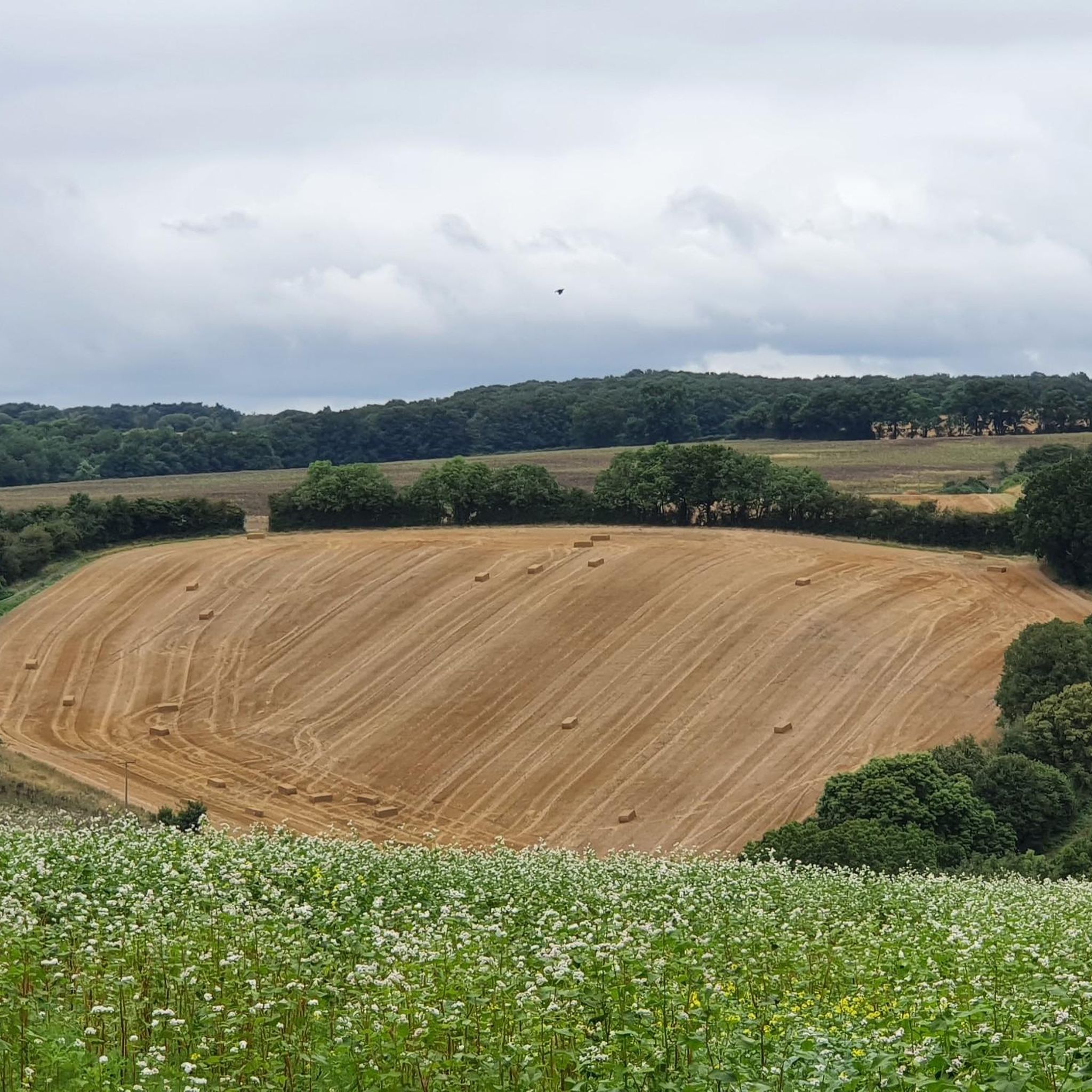
Sugarloaf Hill lies between the Worcestershire Beacon and North Hill in the range of Malvern Hills that runs about 13 kilometres (8 mi) north-south along the Herefordshire - Worcestershire border. The summit of Sugarloaf Hill is 368 metres (1,207 ft) above sea level and is a popular peak usually passed by walkers hiking between the Worcestershire Beacon and North Hill — respectively the highest and second highest Malvern Hills summits.
0
0

Enjoy another excellent view from the top of Sugarloaf Hill, a 368m hilltop located in the beautiful Malvern Hills in Worcestershire.
1
0
Tank Quarry is one of largest quarries that can be found on the Malvern Hills. Located on the north-eastern side of North Hill, the quarry faces reach approximately 100m in height and are 80m wide at the base. The geology of Tank Quarry dates to the Precambrian, approximately 680 million years ago, which means that these rocks are some of the oldest exposed in England. The clear quarry face enables amateurs and experts to study the complex nature of the igneous and metamorphic geology on display. The quarry itself is not accessible however the rest of this large site has many accessible rock faces, a geology trail, interpretation boards, picnic area, wonderful view across the Worcester plain and a carpark. Tank Quarry is a Community Conservation Champions site. The ‘Champions’ are a loosely knit group of volunteers who are actively involved in the maintenance and public promotion of 19 geological sites spread across the counties of Herefordshire and Worcestershire. They are engaged in a wide range of activities which vary according to the nature of the site. Source: geopark.ork.uk
0
0
Frequently Asked Questions
What types of natural monuments can I explore around Whitbourne?
The Whitbourne area offers a diverse range of natural monuments, from serene ponds and significant wetlands to prominent summits and viewpoints within the Malvern Hills. You can find botanical sites like Sir Robert Bond Park, known for its rare lichens, and the Wetlands Conservation Trail, vital for waterfowl. The Malvern Hills feature several notable peaks such as North Hill Summit, Table Hill (375 m), and Sugarloaf Hill, all offering expansive views.
Are there any natural monuments with historical significance in the region?
Yes, several natural monuments in the Malvern Hills have historical connections. For instance, North Hill Summit and Table Hill (375 m) are associated with ancient flint routes and potential burial mounds. The 'Pyx Path' on North Hill also has historical and folkloric significance. Additionally, Rose Bank Gardens, while now a public amenity, was once part of a historic estate and features a sculpture commemorating Queen Elizabeth II's Diamond Jubilee.
What are some family-friendly natural monuments near Whitbourne?
For families, Rose Bank Gardens and Buzzards Sculpture offers an attractive place to walk and rest, with the added interest of a magnificent sculpture. The Stone Compass Rose, Malvern Hills is another family-friendly spot, providing an interesting marker stone and awe-inspiring views. The local ponds, such as Mill Pond and Black Duck Pond, also offer tranquil settings for nature walks suitable for all ages.
Are there accessible natural monuments for visitors with mobility considerations?
Yes, Rose Bank Gardens and Buzzards Sculpture is noted as being wheelchair accessible, making it a good option for visitors with mobility considerations. While many of the summits in the Malvern Hills involve intermediate to challenging terrain, the gardens provide a more gentle experience.
What outdoor activities can I do near these natural monuments?
The area around Whitbourne offers various outdoor activities. You can find excellent running trails, including routes like the 'Kingswood Common – John Niklins Fault loop'. There are also numerous cycling routes, such as the 'Martley & Holt Heath loop', and challenging MTB trails like the 'Wyre Forest and Abberley Loop'. Many natural monuments, especially the Malvern Hills summits, are popular for walking and hiking.
Where can I go birdwatching near Whitbourne's natural monuments?
The Wetlands Conservation Trail is an excellent spot for birdwatching. The Hodge River and its associated waterways provide vital habitats for waterfowl, with extensive grounds for feeding, nesting, and brood rearing. You can observe a significant population of waterfowl, with as many as 25 broods produced annually.
What are the best natural monuments for panoramic views?
For panoramic views, the summits in the Malvern Hills are highly recommended. North Hill Summit, the second highest point of the Malvern Hills, offers expansive vistas. Sugarloaf Hill and Table Hill (375 m) also provide excellent views from their tops, making them popular for walkers seeking scenic outlooks.
Are there any unique botanical features to see?
Yes, Sir Robert Bond Park is particularly known for its unusual abundance of northern lichens, including the relatively rare blue felt lichen (Degelia plumbea). This makes it a significant botanical site for nature enthusiasts interested in delicate ecosystems.
What should I bring for a hike to the natural monuments in the Malvern Hills?
When hiking to summits like North Hill Summit or Sugarloaf Hill, it's advisable to wear appropriate footwear for intermediate to challenging terrain. Bringing water, snacks, and layers of clothing is also recommended, as conditions can change, especially on exposed hilltops. Don't forget a camera to capture the stunning views!
Can I bring my dog to the natural monuments around Whitbourne?
While specific dog-friendly policies for each site are not detailed, many natural outdoor areas, including walking trails in parks and around ponds, are generally welcoming to dogs on a leash. When visiting places like Sir Robert Bond Park or the Malvern Hills, ensure your dog is under control and you clean up after them to preserve the natural environment for all visitors.
What do visitors enjoy most about the natural monuments in Whitbourne?
Visitors frequently appreciate the serene landscapes and the opportunities for outdoor exploration. The expansive views from the Malvern Hills summits, the peaceful atmosphere of the local ponds, and the unique natural features like the lichens in Sir Robert Bond Park are often highlighted. The komoot community has shown its appreciation with over 230 upvotes and more than 50 photos shared for these natural monuments.
Are there any natural monuments that are particularly good for a leisurely walk?
For a leisurely walk, Sir Robert Bond Park offers beautiful walking trails and picnic areas nestled under mature trees. The various local ponds, such as Mill Pond and Black Duck Pond, also provide tranquil settings for gentle strolls and enjoying nature. Rose Bank Gardens is another attractive spot for a relaxed walk.
Most popular attractions around Whitbourne

Get inspired with the komoot mobile app


Explore more
Extend your search for the best caves by checking out these guides of the top ones around Whitbourne:
