Top 6 Natural Monuments around Clungunford
Best natural monuments around Clungunford are situated within the Clun Valley and the wider Shropshire Hills Area of Outstanding Natural Beauty. This region features a landscape of rolling hills, river valleys, and significant geological sites. The area offers insights into local geological history, ancient landscapes, and diverse ecosystems. It provides opportunities for exploring natural formations and historical earthworks.
Best natural monuments around Clungunford
- The most popular natural monuments is Bury Ditches hillfort (Sunny Hill), a viewpoint that features an…
Last updated: July 1, 2026
Burrow Hillfort
Highlight • Historical Site
Tip by

Bury Ditches hillfort (Sunny Hill)
Highlight • Viewpoint
Tip by

Sign up now to discover places like this
Get recommendations on the best single tracks, peaks, & plenty of other exciting outdoor places.
Sign up for free
Dinham Weir
Highlight • Viewpoint
Tip by

Downton Gorge
Highlight • Natural Monument
It is one of the …
Tip by

Cefns Ridge
Highlight (Segment) • Natural Monument
Tip by
Sign up for free to discover even more natural monuments around Clungunford.
Sign up for free
Already have an account?
Start today with a free account
Your next adventure awaits.
Login or Signup

Tips from the Community


So beautiful place. Quiet and surrounded by fabulous scenery
0
0

A brilliant example of a multivallate Iron Age Fort, one of many forts along the Wales and England border. There are fine ramparts here but today in July, mid summer it is rather overgrown and it is difficult to see the grandness of it all. As Dan says, nobody seems to pay attention to here too, it not maintained, no information boards or signage. A pity as it is an easy walk and has fine views.
3
0

A beautiful gorge where the River Teme cuts through a limestone ridge. The area is National Nature Reserve and a Site of Special Scientific Interest. It is one of the last remnants of the ancient Royal Chase of Bringewood, which once was a large part of the Welsh border region. Trees here include sessile oak, lime, ash and wych elm, whilst the ravine creates a humid microclimate, giving rise to various ferns, bryophytes, lichens and fungi.
1
0

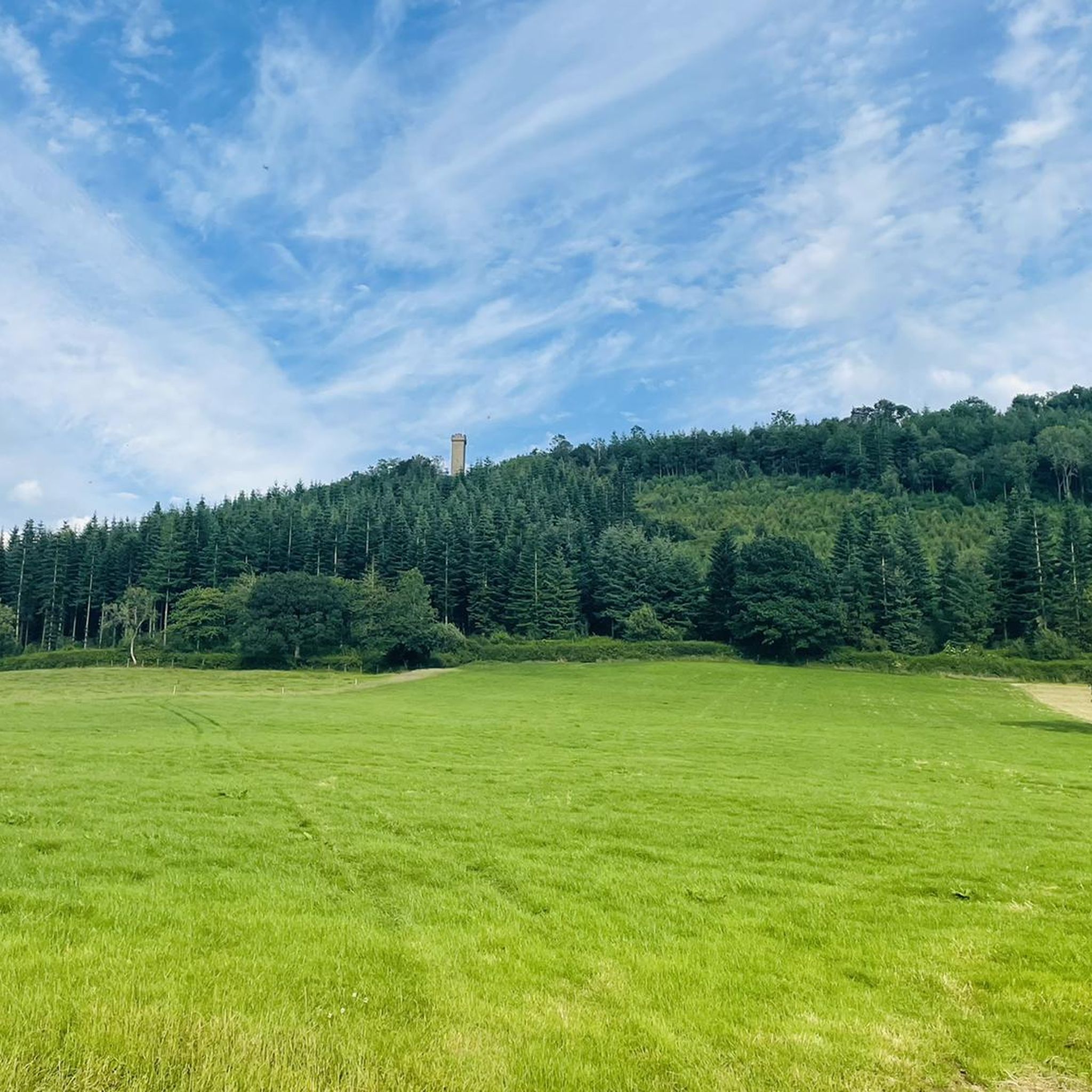
Sunny Hill is the site of Bury Ditches, an Iron Age hillfort dating back to around 500 BC. The fort is exceptionally well-preserved and has impressive defensive earthworks. Once covered in trees, planted by the Forestry Commission, a series of storms led to them being removed and today, the views are fantastic.
0
0
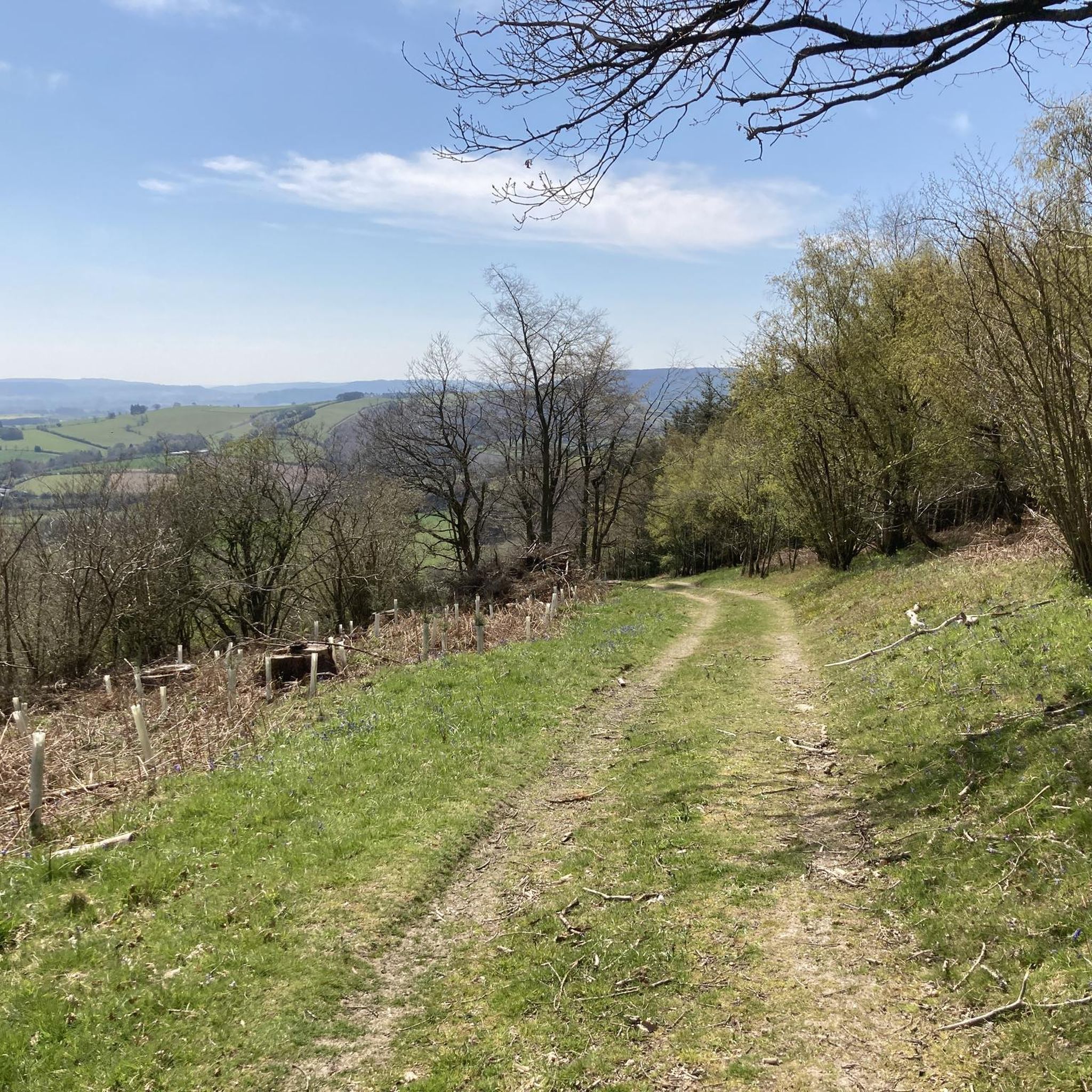
'Cefns' itself means ridge and it rises above the ancient town of Clun, on the Shropshire Way. The path along the top offers excellent views in every direction and you can see the extraordinary hills that erupt from the landscape in this beautiful county. Falling within the Shropshire Hills Area of Outstanding Natural Beauty, there are few better views of the region on a clear day.
0
0

Make sure open the flap in the board walking down (Kempton-side). There used to be a village on top of this hill! Beautiful views in every direction here!
0
0

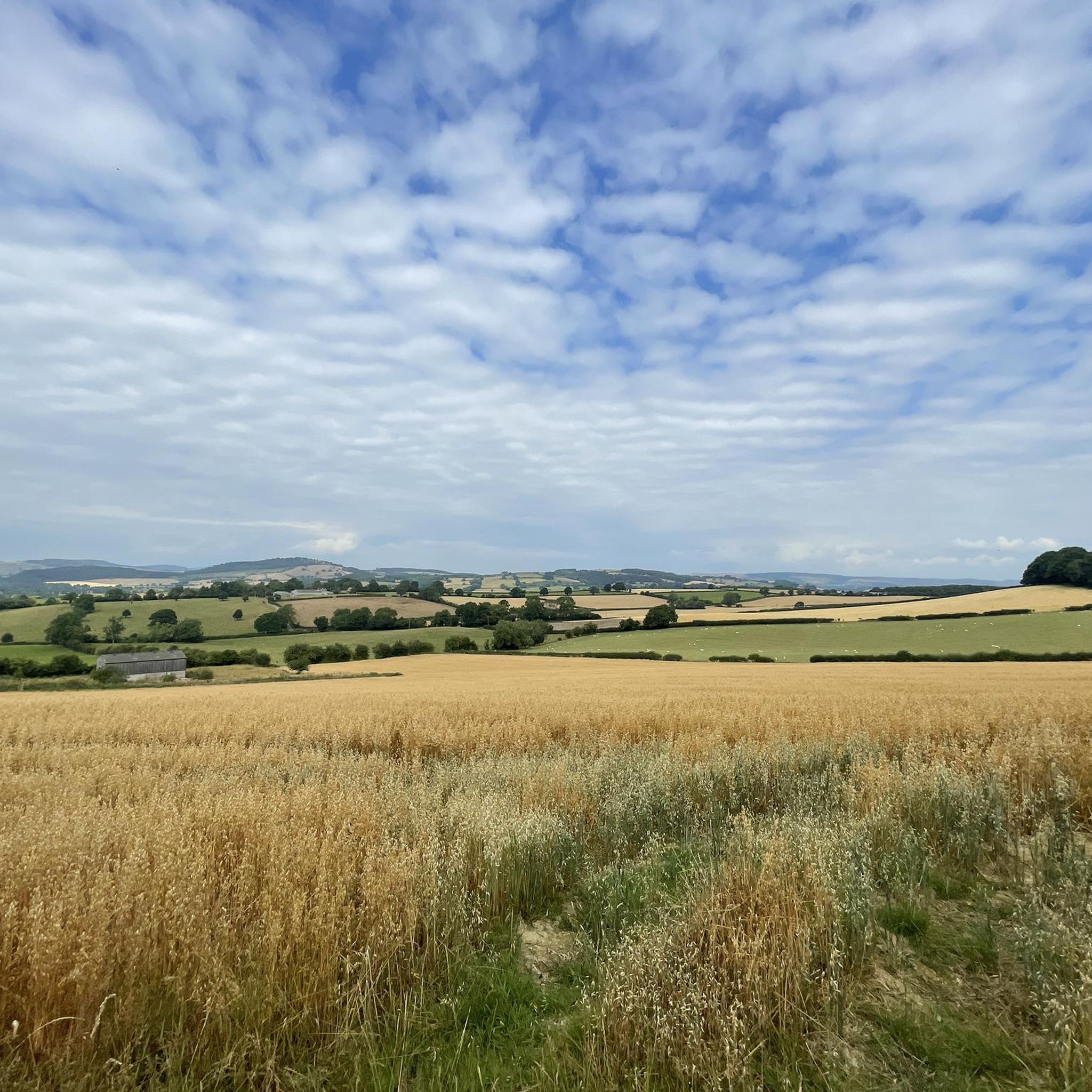
Lovely part of Shropshire to visit, good cafes and friendly pubs in the area. Never gets too busy and navigation isn't too tricky. I never fail to impress friends I take over there.
1
1
Frequently Asked Questions
What are some of the most notable natural monuments to visit around Clungunford?
Beyond the well-known hillforts, the area offers diverse natural monuments. You can explore Downton Gorge, a beautiful gorge where the River Teme cuts through a limestone ridge, designated as a National Nature Reserve. The wider Shropshire Hills AONB, accessible from Clungunford, also features impressive sites like the Long Mynd, a sweeping heathland plateau, and the ragged quartzite ridge of the Stiperstones.
What kind of geological features can I expect to see near Clungunford?
Clungunford and its surroundings are rich in geological history. You can find 'strayed erratics,' such as Rhayader Grit stones, which are rocks transported by ancient glaciers. Shelderton Rock within Clungunford parish is also a Local Geological Site, indicating significant formations. Further afield, Downton Gorge showcases a limestone ridge carved by the River Teme, and Wenlock Edge, an impressive escarpment, reveals fossils from a tropical sea that existed 425 million years ago.
Are there any historical natural monuments in the Clungunford area?
Yes, the region is particularly known for its ancient earthworks. Besides Bury Ditches hillfort (Sunny Hill) and Burrow Hillfort, you can also visit the Lingen Motte-and-Bailey Castle Earthworks, remnants of a Norman castle nestled in the rolling countryside. These sites offer insights into the area's Iron Age and medieval past.
What outdoor activities can I do near these natural monuments?
The Clungunford area is excellent for outdoor enthusiasts. You can find numerous routes for hiking, cycling, and running. For example, there are moderate hiking trails like the Burrow Hillfort loop and the Hopton Woods & Hopton Castle loop. Cyclists can enjoy routes such as the 'The Sun and The Lion Pubs – Bucknell loop from Leintwardine' which is an easy ride. Explore more options on the Hiking around Clungunford, Cycling around Clungunford, and Running Trails around Clungunford guide pages.
Are there family-friendly natural monuments around Clungunford?
Absolutely. Dinham Weir is a very pretty and family-friendly spot to rest and enjoy the scenery. The Clun Valley itself, with its gentle flow of the River Clun and verdant fields, offers serene natural experiences suitable for families. Many of the less strenuous walks in the Shropshire Hills AONB are also suitable for families.
Can I bring my dog to the natural monuments in Clungunford?
Many natural monuments and trails in the Clungunford area and the wider Shropshire Hills AONB are dog-friendly. However, it's always best to keep dogs on a lead, especially near livestock or ground-nesting birds, and to follow the Countryside Code. Always check specific site regulations before your visit.
What is the best time of year to visit the natural monuments around Clungunford?
The natural monuments around Clungunford are beautiful year-round. Spring brings wildflowers and new growth, while summer offers warm weather for exploring and seeing heather bloom on the Long Mynd. Autumn provides stunning foliage, and even winter can be magical with crisp air and unique views, though some paths might be muddy. Always check local weather conditions before heading out.
Are there viewpoints offering panoramic vistas of the Clungunford landscape?
Yes, several natural monuments double as excellent viewpoints. Bury Ditches hillfort (Sunny Hill) offers fantastic views across the surrounding landscape. Similarly, Burrow Hillfort provides incredible panoramic views from its summit. The Long Mynd and Stiperstones in the broader Shropshire Hills AONB also boast breathtaking vistas.
What wildlife can I observe around the natural monuments?
The diverse habitats around Clungunford support a variety of wildlife. The Clun Valley is home to various watercourses, attracting different bird species. The Long Mynd is known for its wild ponies and various insects and birds. The Stiperstones, a National Nature Reserve, supports diverse birdlife like skylarks, red grouse, and red kites. Downton Gorge's humid microclimate fosters various ferns, bryophytes, lichens, and fungi.
Are there any hidden natural gems near Clungunford that are less crowded?
While popular sites can draw visitors, the Clun Valley itself offers a remote and quiet feel, making it ideal for those seeking tranquility. Exploring the smaller, less-known trails within the Clun Forest or seeking out geological sites like Shelderton Rock can provide a more secluded experience. The beauty of the Shropshire Hills AONB is its vastness, allowing for discovery away from the main tourist hubs.
Where can I find refreshments or accommodation near the natural monuments?
The villages surrounding Clungunford, such as Clun, offer cafes and friendly pubs. For instance, the Royal George in Lingen, near the Motte-and-Bailey Castle Earthworks, is known for real ales and traditional home-cooked food. Ludlow, a short distance away, also has a wide range of cafes, pubs, and accommodation options.
How long should I plan to spend visiting the natural monuments?
The time you spend can vary greatly depending on the monument and your interest. For a site like Burrow Hillfort, a leisurely climb to the summit and exploration might take 1-2 hours. A visit to Downton Gorge could be a half-day excursion. If you plan to explore multiple sites or undertake longer hikes in the Shropshire Hills AONB, you could easily spend a full day or even several days in the region.
Most popular attractions around Clungunford

Get inspired with the komoot mobile app


Explore more
Extend your search for the best caves by checking out these guides of the top ones around Clungunford:
