Top 13 Natural Monuments around Chedworth
Best natural monuments around Chedworth showcase the area's rich natural and historical features within the Cotswolds. The region is characterized by ancient woodlands, significant geological formations, and waterways like the Chedworth Stream and River Coln. These natural features are often intertwined with historical sites, providing a blend of natural beauty and cultural heritage. The landscape offers opportunities for exploration and observing diverse flora and fauna.
Best natural monuments around Chedworth
- The most popular natural monuments is Crickley Hill, a…
Last updated: July 1, 2026
Devil's Chimney, Leckhampton Hill
Highlight • Monument
Tip by

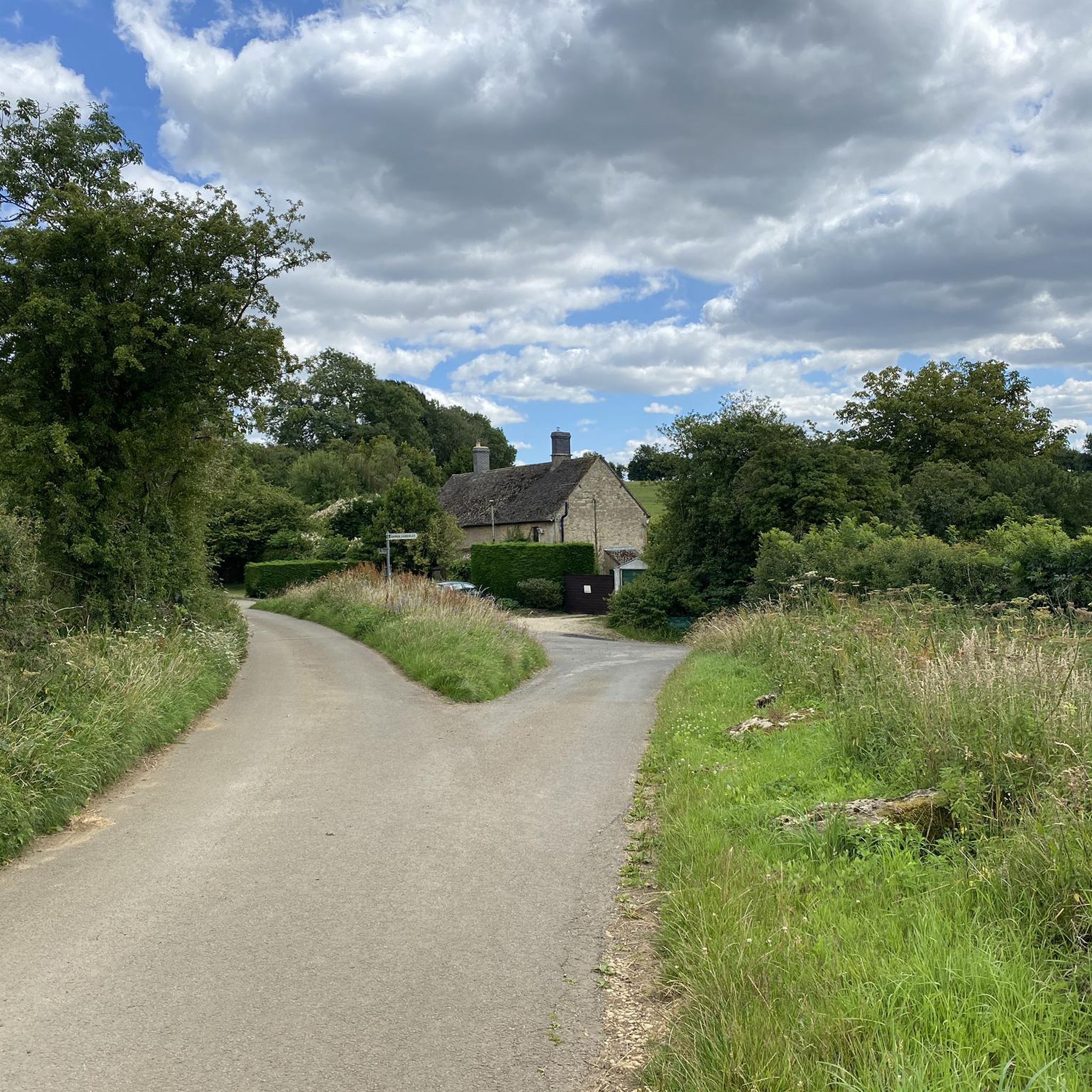
Daglingworth Gravel Track
Highlight (Segment) • Natural
Tip by

Sign up now to discover places like this
Get recommendations on the best single tracks, peaks, & plenty of other exciting outdoor places.
Sign up for free
Cirencester Amphitheatre
Highlight • Historical Site
Tip by
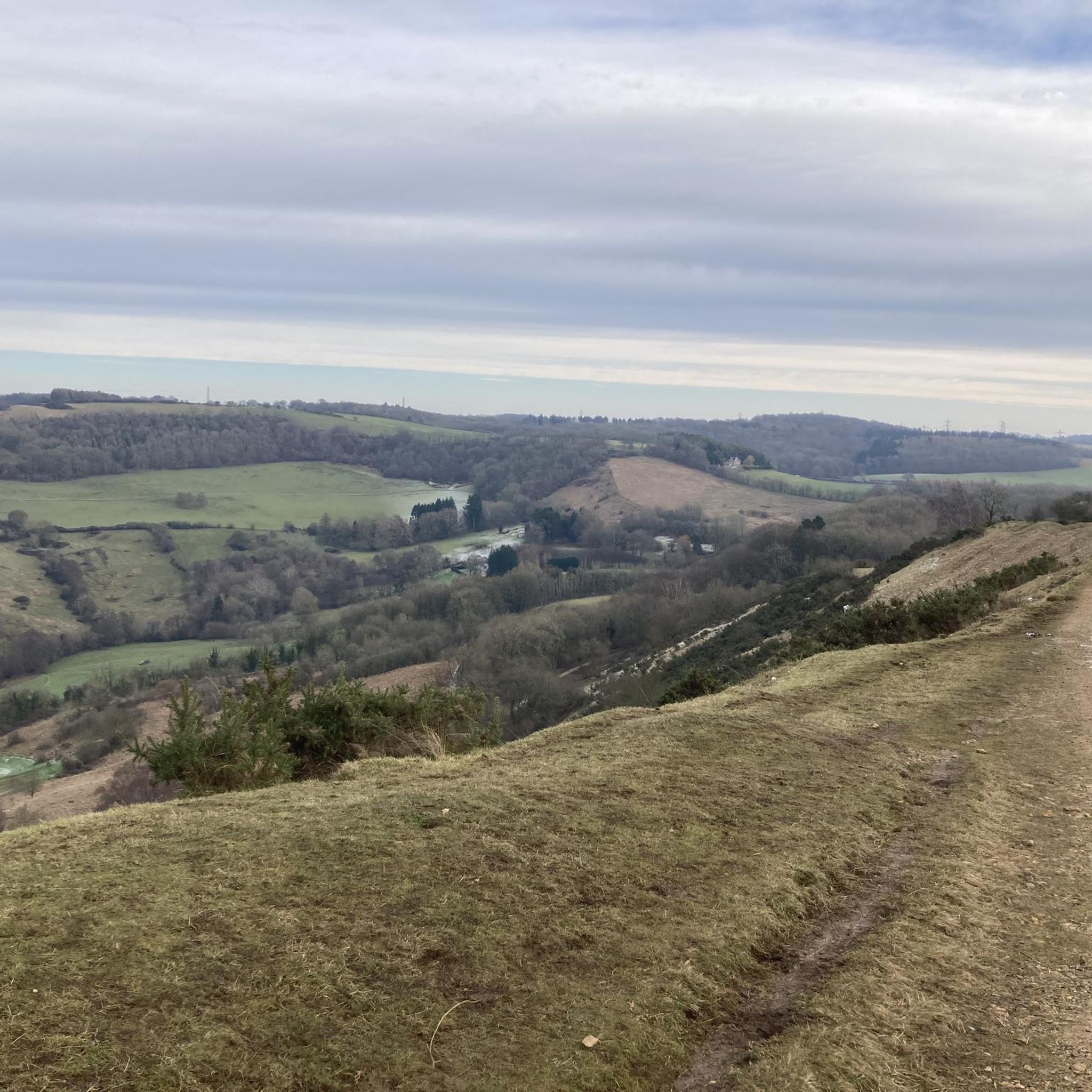
Crickley Hill
Highlight • Natural Monument
Tip by

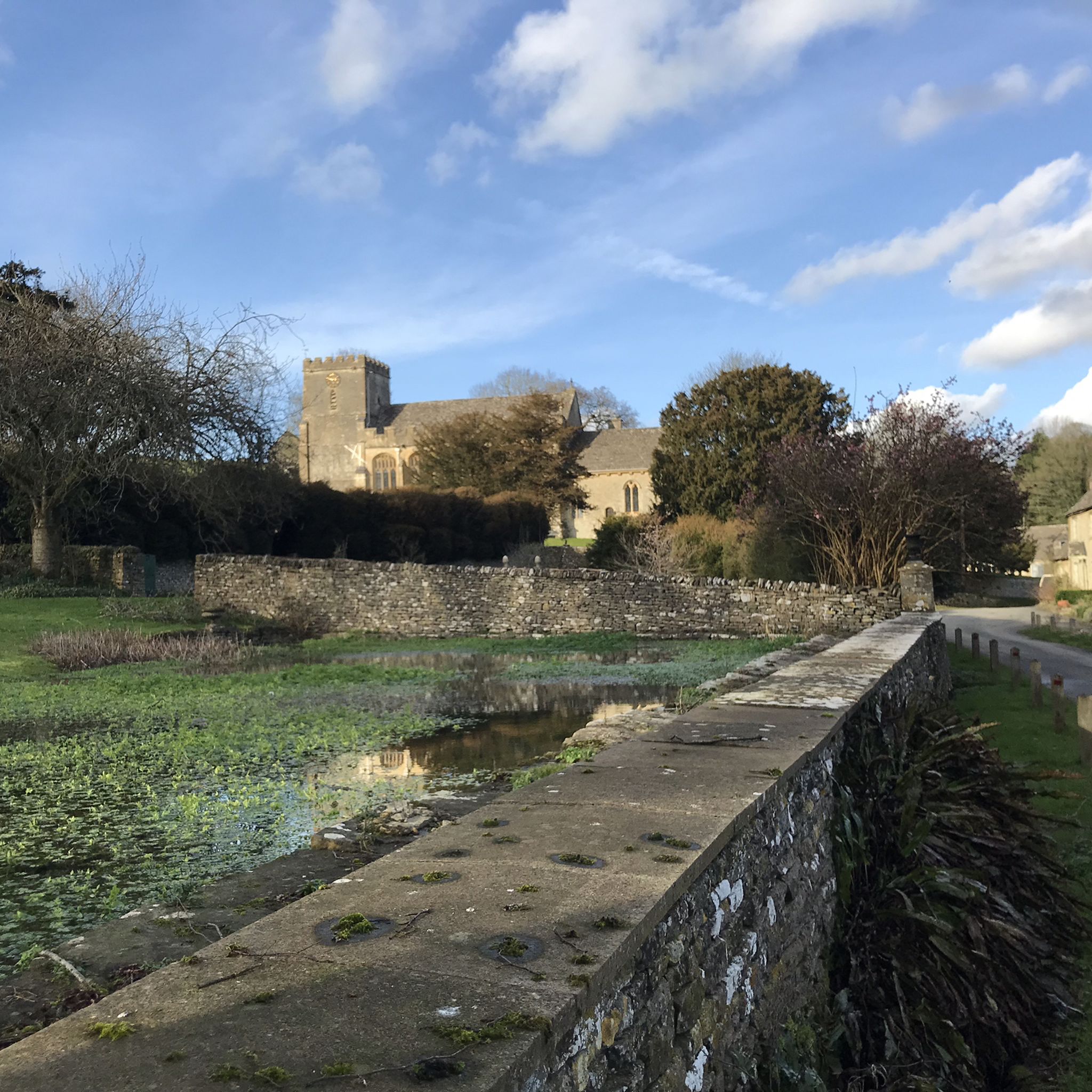
Dowdeswell Reservoir
Highlight • Structure
Tip by
Sign up for free to discover even more natural monuments around Chedworth.
Sign up for free
Already have an account?
Start today with a free account
Your next adventure awaits.
Login or Signup
Tips from the Community

Parking at Daisy bank Road at the bottom is a good place to start. Be aware of MTB trails in the woods!
0
0

Lovely gravel track connecting Welsh Way to Daglingworth via Quarry
0
0

Dowdeswell Reservoir is a scenic stretch of water on the outskirts of Cheltenham. From the reservoir, you step straight into Dowdeswell Woods; a nature reserve that’s home to many species of plants and animals. Keep a lookout for birds including coot, moorhen, great crested grebe and little grebe.
1
0

A country park owned jointly by the National Trust and Gloucestershire Wildlife Trust, there is no end to the beautiful views, hiking trails and wildlife spotting options here. The hill lies on the western edge of the Cotswolds Area of Outstanding Natural Beauty and the Cotswolds Way and the Gloucestershire Way long-distance paths both cross the hill. Bluebells, adders, birds and vibrant woodland can all be found on the hill. It's stunning throughout the year with every season bringing something new.
1
0

Passes Daglingworth Quarry. Hanson Aggregates works Daglingworth Quarry, extracting limestone aggregate for road building, ornamental driveway stone and dust for brick making. Extraction of stone from the site is believed to have started in 1905, since when it has been in almost continuous use. The planning permission for the quarry expires in 2042 and progressive restoration is currently being undertaken. A wide variety of fossils are known from the Daglingworth Quarry. Oysters, pectinids (scallops) and echinoids (sea urchins) can be found within the Taynton Limestone and Hampen Formations. Discovered within the sandy lenses of Hampen Formation are rare plant fragments, and dinosaur footprints have been found near the top of the formation. These are now on display at the quarry office. The Shipton Member is generally devoid of fossils except, for a few beds containing borings and burrows made by marine animals such as molluscs and worms. At the top of this member is the Excavata bed where gastropods and the echinoids, Clypeus and Cidaris are found in abundance. Trace fossils, borings and bivalves are found in many beds throughout the Ardley Member. Fossils from large reptiles have been found from near the top of the member
0
0
Good way to cross the A417. Could be muddy in depths of winter I suspect.
0
0

well worth a visit , you really feel the atmosphere!
1
0

Great afternoon in the woods. Quite a few trees downed by winds and heard one crash whilst on my walk , so caution. Paths very muddy due to logging vehicles.
2
0
Frequently Asked Questions
What are some of the most notable natural monuments to visit around Chedworth?
The area around Chedworth offers a variety of natural monuments. You can explore Crickley Hill, known for its extensive views and diverse wildlife, or discover the unique limestone formation of Devil's Chimney, Leckhampton Hill. Another interesting site is the Cirencester Amphitheatre, a historical earthwork integrated into the natural landscape.
Are there family-friendly natural attractions in the Chedworth area?
Yes, several natural monuments are suitable for families. Crickley Hill is a country park with hiking trails and wildlife spotting opportunities that families can enjoy. The Cirencester Amphitheatre, a large Roman earthwork, also offers an open space for exploration and is considered family-friendly.
What kind of natural features can I expect to see in Chedworth?
Chedworth is rich in diverse natural features. You'll find ancient woodlands, significant geological formations like the Tufa Spring within Chedworth Nature Reserve, and waterways such as the Chedworth Stream and the River Coln. The area also features disused railway track-beds and steep embankments, offering varied terrain and habitats.
Where can I go for wildlife spotting near Chedworth's natural monuments?
For wildlife spotting, Crickley Hill is an excellent choice, home to bluebells, adders, and various bird species. The Chedworth Nature Reserve is also a haven for wildlife, with tawny owls, nuthatches, wood warblers, and even dormice and adders. You might also spot deer species like fallow, roe, and muntjac.
Are there any natural monuments with historical significance in the region?
Absolutely. The Cirencester Amphitheatre is a prime example, being a massive Roman earthwork. Additionally, the Daglingworth Gravel Track passes by Daglingworth Quarry, where a wide variety of fossils, including dinosaur footprints, have been found. Chedworth Roman Villa also incorporates a natural spring that was historically important to the Romans.
What are the best walking routes near Chedworth's natural monuments?
Many walking routes allow you to explore the natural monuments. For instance, the Cotswolds Way and Gloucestershire Way long-distance paths cross Crickley Hill. You can find various cycling and gravel biking routes that pass through the area, such as the 'Chedworth Roman Villa – Daglingworth Quarry loop' for gravel biking, which you can explore further in the Gravel biking around Chedworth guide.
Can I find easy walking trails around Chedworth's natural monuments?
Yes, there are options for easier walks. Chedworth Nature Reserve offers tranquil walking trails through ancient woodland. For road cycling, there's an 'easy' rated route called 'Chedworth Countryside Views loop from Rendcomb' in the Road Cycling Routes around Chedworth guide, which might indicate accessible paths in the area.
What is the best season to visit the natural monuments around Chedworth?
The natural monuments around Chedworth offer beauty throughout the year. Spring is particularly vibrant with bluebells at Crickley Hill and other woodland flora. Autumn brings rich colors to the ancient woodlands. Summer is ideal for longer walks, and even winter offers unique charm, though paths might be muddy in areas like Dowdeswell Woods.
Are there any geological points of interest in the Chedworth area?
Yes, Chedworth has significant geological interest. The Chedworth Nature Reserve features a notable Tufa Spring, where lime-rich water creates unique formations. The Chedworth Cutting Fault and Chedworth South Villa Cutting are also recognized as Regionally Important Geological Sites. Additionally, Daglingworth Quarry is known for its diverse fossil finds, including dinosaur footprints.
What outdoor activities, besides walking, can I do near these natural monuments?
Beyond walking, the area offers various cycling opportunities. You can find numerous routes for touring bicycles, gravel biking, and road cycling. For example, the 'Old Mill Pub – Chedworth Roman Villa loop' is a challenging touring bike route, while the 'Muddy Path in The Cotswolds – Sweeping Downs Near Cold Aston loop' is a moderate gravel biking option. Explore these and more in the Cycling around Chedworth and Gravel biking around Chedworth guides.
What do visitors enjoy most about the natural monuments around Chedworth?
Visitors frequently appreciate the beautiful views, tranquil escapes, and opportunities for hiking and wildlife spotting. The blend of natural beauty with historical sites, such as the Roman amphitheatre integrated into the landscape, is also a significant draw. The diverse flora and fauna, from bluebells to various bird species, add to the appeal.
Is Dowdeswell Reservoir considered a natural monument, and what can I see there?
While primarily a reservoir, Dowdeswell Reservoir is recognized for its scenic beauty and natural surroundings, including Dowdeswell Woods, a nature reserve. It's a great spot for walking along the water and through the woods, with opportunities to spot various bird species like coot, moorhen, and grebes.
Most popular routes around Chedworth
Most popular attractions around Chedworth

Get inspired with the komoot mobile app


Explore more
Extend your search for the best caves by checking out these guides of the top ones around Chedworth:
