Top 4 Natural Monuments around Barnsley
Best natural monuments around Barnsley include diverse natural areas and reclaimed industrial landscapes. This borough offers several outstanding sites that provide varied ecosystems and recreational opportunities. These locations highlight the region's commitment to preserving and restoring its natural environment, often transforming sites with industrial pasts into thriving ecological havens. Visitors can explore a mix of natural beauty and historical significance within these areas.
Best natural monuments around Barnsley
- The most popular natural monuments is Cirencester Amphitheatre, a historical site…
Last updated: October 4, 2026
Daglingworth Gravel Track
Highlight (Segment) • Natural
Tip by

Cirencester Amphitheatre
Highlight • Historical Site
Tip by

Sign up now to discover places like this
Get recommendations on the best single tracks, peaks, & plenty of other exciting outdoor places.
The Tallest Yew Hedge in the World
Highlight • Natural Monument
Tip by

Coronation Tree Carving, Cirencester Park
Highlight • Monument
Professional tree carver Andy O'Neill, of Bristol-based Wild Wood Carving, began work on the cedar in August and used a range of chainsaws to sculpt intricate designs into the tree.
Tip by
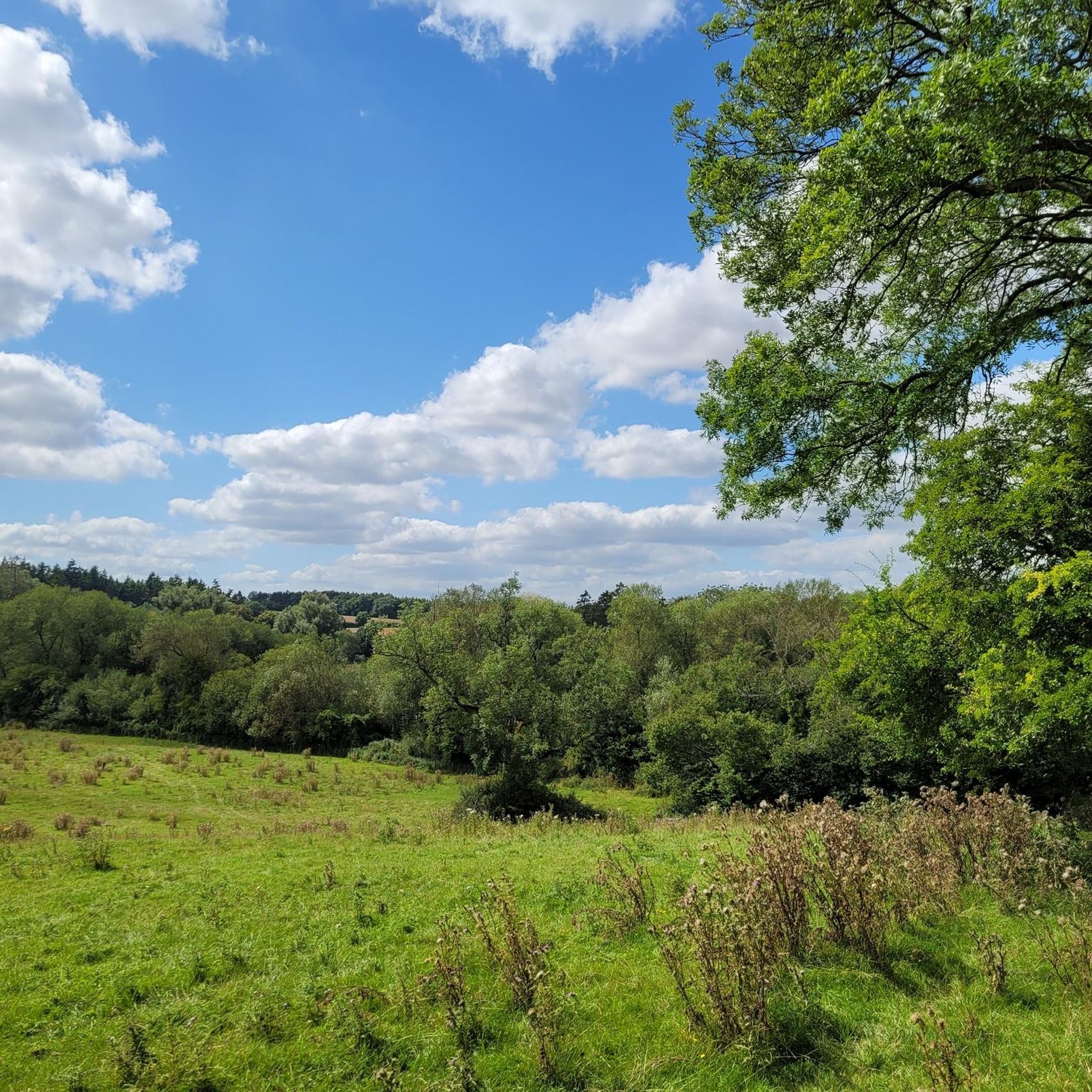
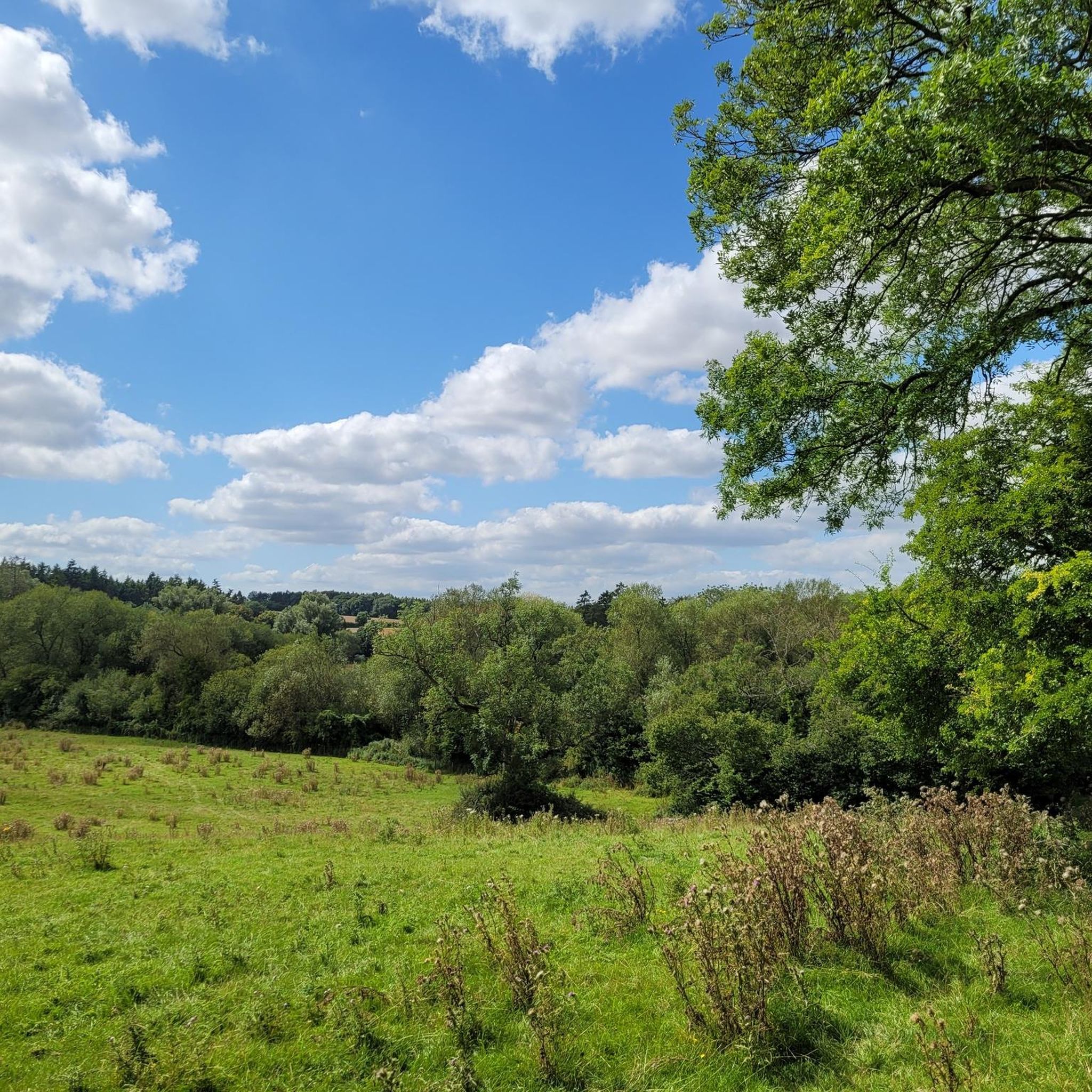
View of the Cotswolds Valley
Highlight • Natural
Tip by

Start today with a free account
Your next adventure awaits.
Tips from the Community

A commemorative carving to celebrate King Charles III's coronation. Professional tree carver Andy O'Neill, of Bristol-based Wild Wood Carving, began work on the cedar in August and used a range of chainsaws to sculpt intricate designs into the tree. The wildlife-themed totem encompasses a variety of animals including butterflies, bees, owls, dormice, lady birds, a Roman snail and a Goshawk. On top is a bucks head to represent the park’s history.
0
0

This yew hedge planted in 1720 is 13.1m (43ft) high and surrounds the house belonging to Earl Bathurst.
1
0

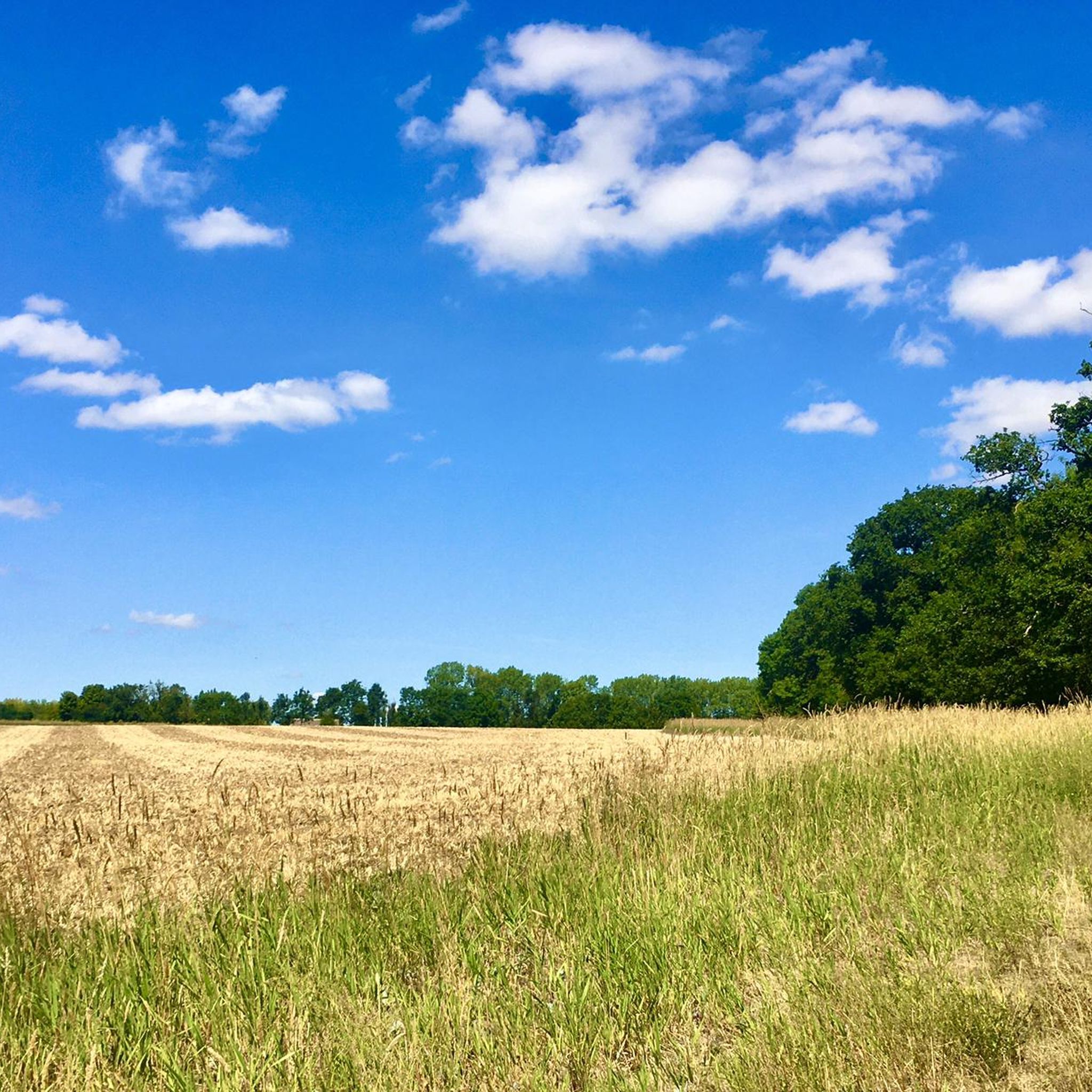
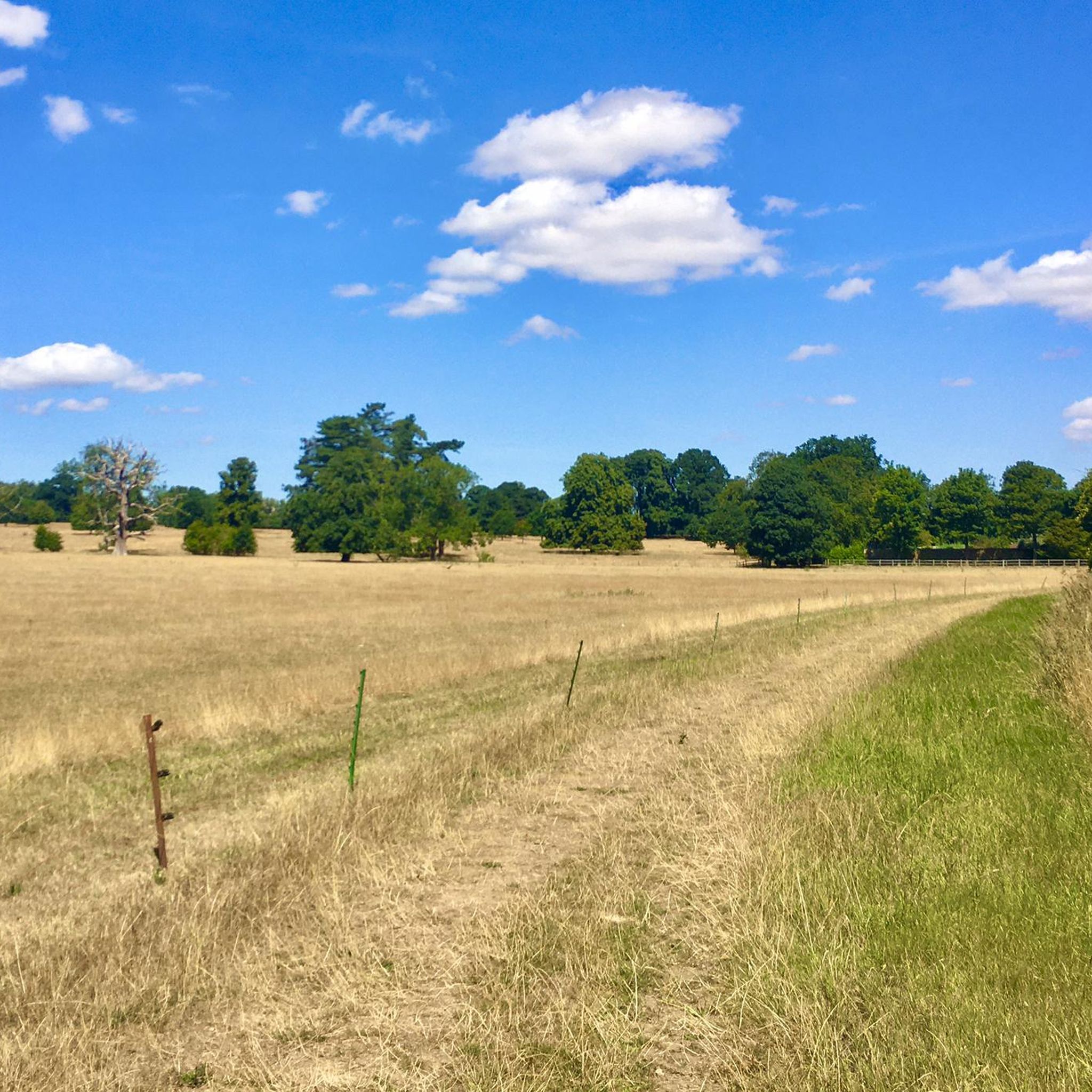
Lovely gravel track connecting Welsh Way to Daglingworth via Quarry
0
0

Fantastic stretch of new road that is epic to ride. Let’s 2-3 miles.
0
0

Passes Daglingworth Quarry. Hanson Aggregates works Daglingworth Quarry, extracting limestone aggregate for road building, ornamental driveway stone and dust for brick making. Extraction of stone from the site is believed to have started in 1905, since when it has been in almost continuous use. The planning permission for the quarry expires in 2042 and progressive restoration is currently being undertaken. A wide variety of fossils are known from the Daglingworth Quarry. Oysters, pectinids (scallops) and echinoids (sea urchins) can be found within the Taynton Limestone and Hampen Formations. Discovered within the sandy lenses of Hampen Formation are rare plant fragments, and dinosaur footprints have been found near the top of the formation. These are now on display at the quarry office. The Shipton Member is generally devoid of fossils except, for a few beds containing borings and burrows made by marine animals such as molluscs and worms. At the top of this member is the Excavata bed where gastropods and the echinoids, Clypeus and Cidaris are found in abundance. Trace fossils, borings and bivalves are found in many beds throughout the Ardley Member. Fossils from large reptiles have been found from near the top of the member
0
0
Good way to cross the A417. Could be muddy in depths of winter I suspect.
0
0

well worth a visit , you really feel the atmosphere!
1
0
Frequently Asked Questions
What are some of the best natural monuments to visit in Barnsley?
Barnsley offers several outstanding natural areas that showcase its unique blend of natural beauty and reclaimed industrial landscapes. Key sites include Barnsley Main Nature Reserve, known for its panoramic views and transformation from an industrial past; Dearne Valley Country Park, an 80-hectare green space with diverse wildlife; and RSPB Old Moor, a premier wetland reserve for birdwatching. Additionally, the extensive parklands of Wentworth Castle Gardens and Cannon Hall Park and Gardens provide beautiful natural scenery alongside historical elements.
Are there family-friendly natural monuments in Barnsley?
Yes, several natural monuments in Barnsley are great for families. Dearne Valley Country Park features picnic benches and a children's play area, accessible via the Trans Pennine Trail. RSPB Old Moor is also very family-friendly, offering an adventure playground, visitor centre activities, and seasonal pond-dipping kits. These sites provide engaging experiences for all ages.
Which natural monuments in Barnsley are dog-friendly?
Barnsley Main Nature Reserve is a dog-friendly option, allowing dogs on a lead to enjoy its peaceful strolls and panoramic views. Many of Barnsley's other natural parks and reserves also welcome dogs, but it's always best to check specific site rules regarding leads and access to certain areas.
What kind of wildlife can I expect to see at Barnsley's natural monuments?
Barnsley's natural monuments are rich in wildlife. RSPB Old Moor is a haven for birds, including rare species like bitterns, lapwings, redshanks, avocets, and golden plovers, as well as tree sparrows and willow tits. Dearne Valley Country Park is known for its kingfishers and diverse flora and fauna along the River Dearne. You might also spot deer in the extensive parklands of Wentworth Castle Gardens.
Are there easy walks available at the natural monuments around Barnsley?
Yes, many of Barnsley's natural monuments offer easy walking opportunities. Barnsley Main Nature Reserve provides peaceful strolls through rolling grasslands. Dearne Valley Country Park has accessible riverside paths. For more structured walking routes, you can explore various options in the region. Find more details on easy hikes around Barnsley at Easy hikes around Barnsley.
What outdoor activities can I do near Barnsley's natural monuments?
Beyond exploring the natural monuments themselves, Barnsley offers a range of outdoor activities. You can enjoy hiking through diverse landscapes, with options ranging from easy to moderate. Cycling is also popular, with routes that take you through scenic areas. For more information on hiking, visit Hiking around Barnsley, and for cycling, check out Cycling around Barnsley.
Can I find historical elements within Barnsley's natural monuments?
Absolutely. Barnsley's natural monuments often intertwine with its rich industrial and historical past. Barnsley Main Nature Reserve is a prime example, transformed from a colliery spoil heap. Wentworth Castle Gardens, while a natural landscape, is set within 500 acres of parkland featuring historic gardens and monuments. Cannon Hall Park and Gardens also boasts extensive parklands landscaped in the 18th century, offering a blend of natural beauty and historical design.
What makes Barnsley Main Nature Reserve a significant natural monument?
Barnsley Main Nature Reserve is significant because it's a remarkable example of nature reclaiming an industrial past. Once a black spoil heap, it has been transformed into rolling grasslands and woodlands, offering panoramic views of Barnsley and the Dearne Valley. It highlights the region's commitment to ecological restoration and provides a serene natural retreat.
Is RSPB Old Moor suitable for birdwatching?
Yes, RSPB Old Moor is a premier destination for birdwatching in the Dearne Valley. This 220-acre wetland nature reserve is a haven for numerous bird species, including rare ones like bitterns, lapwings, and avocets. Its successful rewilding from an industrial area makes it an ecologically important site for observing diverse avian life.
Are there any natural monuments in Barnsley that offer panoramic views?
Yes, Barnsley Main Nature Reserve is particularly noted for its panoramic views. From its hilltop, visitors can enjoy excellent vistas of Barnsley and the Dearne Valley, especially beautiful at sunset. It's a great spot to appreciate the expansive landscape.
How accessible are Barnsley's natural monuments by public transport?
Many of Barnsley's natural monuments are reasonably accessible. Dearne Valley Country Park, for instance, is less than a mile from Barnsley town centre, making it quite convenient. For specific public transport routes and schedules to other sites like RSPB Old Moor or Wentworth Castle Gardens, it's recommended to check local transport information or visit the official Barnsley tourism website for detailed guidance: Visit Barnsley.
What is the best time of year to visit Barnsley's natural monuments?
The best time to visit Barnsley's natural monuments largely depends on your interests. Spring and summer offer lush greenery, vibrant wildflowers, and active wildlife, making them ideal for walks and birdwatching. Autumn brings beautiful foliage, while winter can offer peaceful, crisp walks, though some paths might be muddy. RSPB Old Moor is excellent for birdwatching year-round, with different species present seasonally.
Most popular routes around Barnsley
Most popular attractions around Barnsley

Get inspired with the komoot mobile app


Explore more
Extend your search for the best caves by checking out these guides of the top ones around Barnsley:
