Top 12 Natural Monuments around Uley
Best natural monuments around Uley are situated in a wooded valley of the Cotswold escarpment in Gloucestershire. This region features a rich geological history and diverse landscapes. The area offers a combination of natural beauty, ancient historical sites, and expansive views. Visitors can explore various natural formations and historical landmarks.
Best natural monuments around Uley
- The most popular natural monuments is Haresfield Beacon, a viewpoint that affords glorious views over the Severn Estuary, the City of Gloucester, and the…
Last updated: May 3, 2026
Haresfield Beacon
Highlight • Viewpoint
Tip by

William Tyndale Monument
Highlight • Monument
Tip by
Sign up now to discover places like this
Get recommendations on the best single tracks, peaks, & plenty of other exciting outdoor places.
Sign up for free
Nympsfield Long Barrow
Highlight • Historical Site
Tip by
Downham Hill (Smallpox Hill)
Highlight • Summit
Tip by

Uley Bury Iron Age hillfort
Highlight (Segment) • Historical Site
Tip by
Sign up for free to discover even more natural monuments around Uley.
Sign up for free
Already have an account?
Start today with a free account
Your next adventure awaits.
Login or Signup
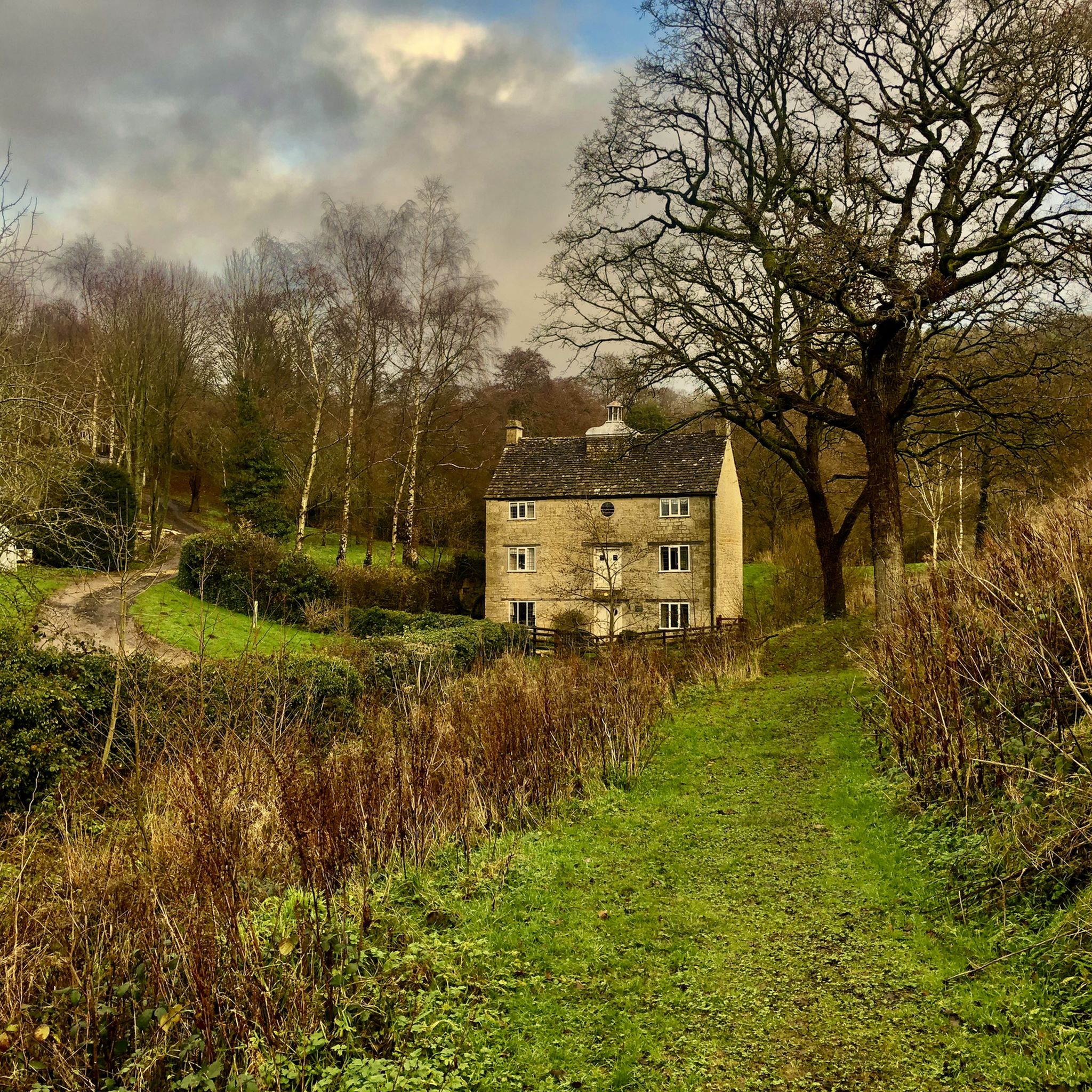
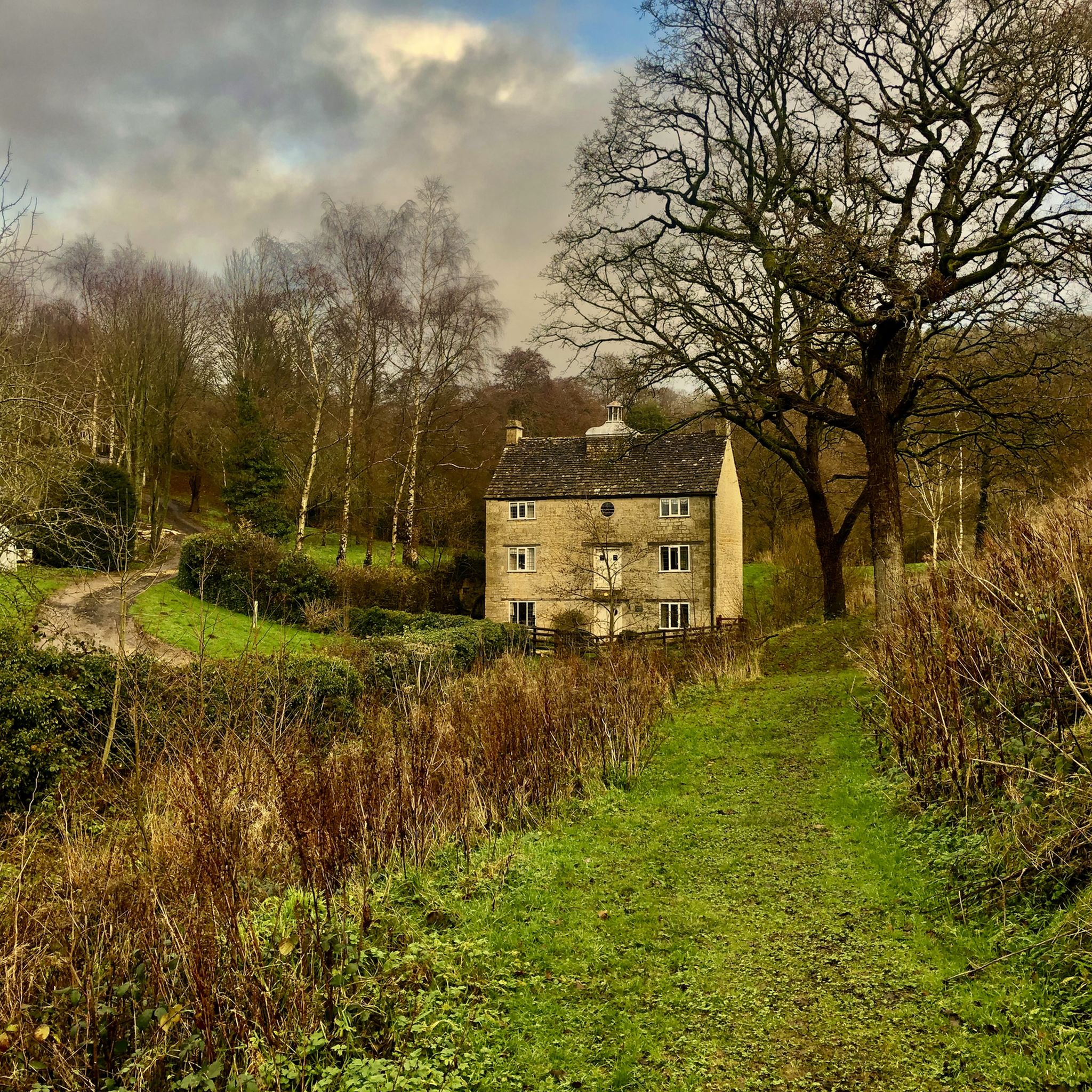

Tips from the Community

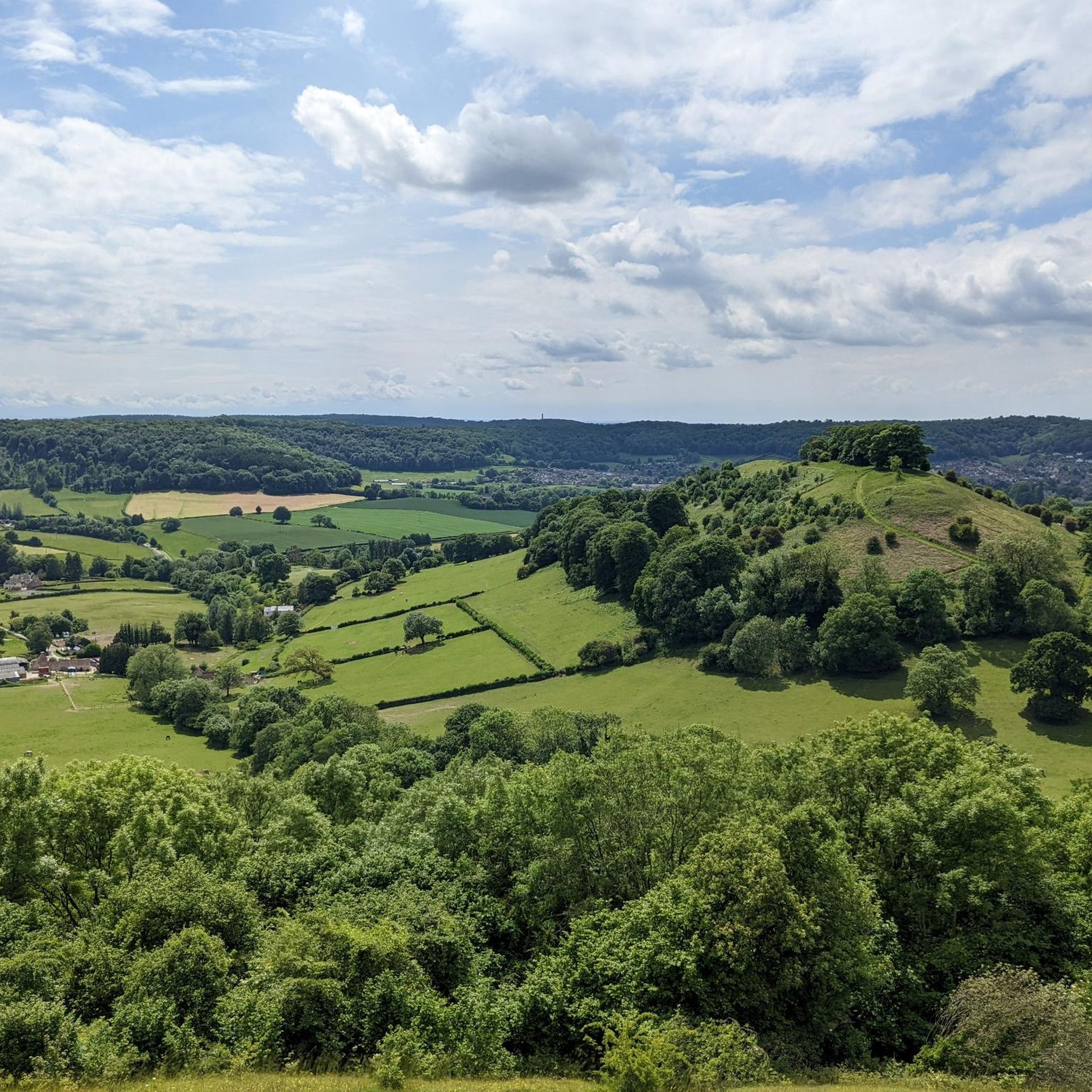
Fascinating archaeology, geology and nature combine at Haresfield Beacon. This spectacular viewpoint, which was once a strategically positioned hillfort on the Cotswold limestone escarpment, affords views across the England/Wales border and into the Brecon Beacons. All around is a mixed landscape of woodland and chalk grassland, home to a wide variety of flora and fauna.
0
0


Great views and all bridleway. You can stay at the top or ride a slightly more technical singletrack a level down at the end. You can drop down to lower levels at each corner or complete a lap.
0
0

Steepish track up but then grassy slopes and woods. Pandoramic views from the hill even if you don’t go up the tower.
0
0

Steep walk up the hill but well worth the effort for the fabulous views.
0
0

One of the most beautiful views in the Cotswolds with dozens of possible walking and cycling routes.
0
1

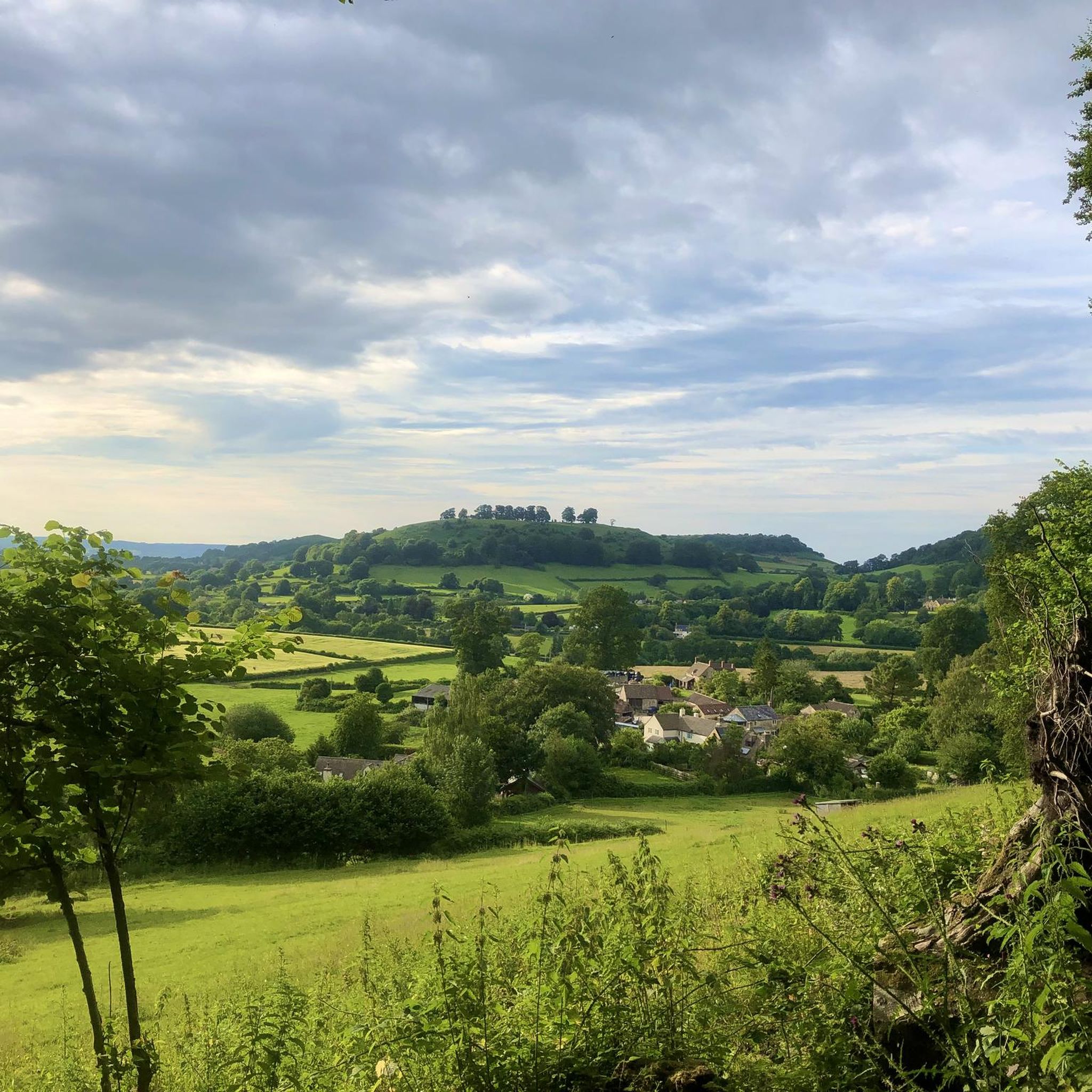
An Iron-age hill fort dating from 300B.C. An easy walking route around its perimeter which provides some spectacular views. The view of Smallpox Hill (Downham Hill) is particularly magnificent.
0
0
Frequently Asked Questions
What are the most popular natural monuments around Uley?
Among the most popular natural monuments, visitors frequently highlight Haresfield Beacon for its glorious views over the Severn Estuary, Gloucester, and the Forest of Dean. Another favorite is the William Tyndale Monument, offering magnificent panoramic views from its 111-foot height. Nympsfield Long Barrow is also highly regarded for its historical significance and incredible views over the Severn Valley.
Are there family-friendly natural monuments in the Uley area?
Yes, several natural monuments around Uley are suitable for families. Nympsfield Long Barrow is listed as family-friendly, offering an engaging historical experience with stunning views. Additionally, the Uley Bury Iron Age hillfort provides an easy walking route around its perimeter, perfect for families to explore and enjoy spectacular views.
What kind of historical sites can I explore among Uley's natural monuments?
Uley's natural monuments are rich in history. You can explore the ancient Uley Bury Iron Age hillfort, dating back to 300 B.C., which covers 32 acres and offers a glimpse into ancient defensive structures. Nympsfield Long Barrow is a Neolithic chambered tomb from around 2800 BCE, providing insight into prehistoric burial practices. Even Downham Hill, also known as 'Smallpox Hill,' has historical significance as the site of an 18th and 19th-century isolation hospital, believed to be connected to Edward Jenner's smallpox studies.
What outdoor activities can I do near these natural monuments?
The Uley area offers a variety of outdoor activities. You can find numerous road cycling routes, such as the 'Dursley Market House – Green Lane in the Cotswolds loop from Uley,' or explore touring bicycle routes like the 'St Giles' Church, Uley loop from Uley.' For mountain biking enthusiasts, there are MTB trails including the 'Dursley Loop.' You can find more details and routes in the dedicated guides for Road Cycling Routes around Uley, Cycling around Uley, and MTB Trails around Uley.
Are there good viewpoints among the natural monuments?
Absolutely. Many natural monuments in Uley are renowned for their panoramic views. Haresfield Beacon offers extensive vistas over the Severn Estuary, Gloucester, and the Forest of Dean. The William Tyndale Monument provides magnificent views from its summit. Downham Hill is said to offer some of the best views in the valley, if not the Cotswolds. Additionally, Uley Bury Iron Age hillfort and Nympsfield Long Barrow also boast incredible views over the Severn Valley and surrounding landscapes.
What geological features can be observed at Uley's natural monuments?
The natural monuments around Uley showcase the region's rich geological history. Uley Bury, for instance, is primarily composed of thick beds of Jurassic period inferior oolitic limestone overlying Bridport Sands. Part of Uley Bury is a Site of Special Scientific Interest (SSSI) due to its abundant Lower Jurassic fossils, particularly ammonites found in the Cephalopod Bed. The Cotswold escarpment itself is a prominent geological feature, providing the dramatic backdrop for many of these sites.
What kind of wildlife can I expect to see in the natural monument areas?
The natural monument areas around Uley are important habitats for various wildlife. The unimproved limestone grassland found at sites like Uley Bury supports a wide variety of flora and fauna. Coaley Wood, a significant woodland area, is recognized as an important haven for wildlife, including the rare greater horseshoe bat, and contains key ecological features of the Cotswolds. Standish Wood, near Haresfield Beacon, is also a site of special scientific interest due to its Jurassic rocks and diverse ecosystem.
Is there parking available near the natural monuments?
While specific parking details for each monument are not provided, many natural monuments in the Cotswolds, including those around Uley, typically have small car parks or roadside parking options nearby. It is advisable to check local signage or specific visitor information for each site before your visit, especially during peak times.
What is the best time of year to visit the natural monuments around Uley?
The natural monuments around Uley can be enjoyed year-round, each season offering a different experience. Spring and summer bring lush greenery, wildflowers, and generally pleasant weather for walking and exploring. Autumn offers beautiful fall foliage across the wooded areas. Winter visits can provide crisp, clear views, though paths may be muddy or icy. The Cotswold Way, which passes through some of these areas, is popular in all seasons.
Are there any circular walks that include these natural monuments?
Yes, the region around Uley is excellent for walking, and many routes incorporate the natural monuments. The Cotswold Way national trail runs close by and even through some sites like Uley Bury and Coaley Wood, offering opportunities for circular walks by combining sections of the trail with local paths. The Uley Bury Iron Age hillfort itself has an easy walking route around its perimeter, which can be part of a larger circular exploration.
What makes Uley Bury a significant natural monument?
Uley Bury is significant for several reasons. Geologically, it's a Site of Special Scientific Interest (SSSI) due to its Jurassic rocks and abundant Lower Jurassic fossils. Historically, it hosts an impressive multi-vallate Iron Age hill fort. Ecologically, its unimproved limestone grassland is an important wildlife habitat within the Cotswold Area of Outstanding Natural Beauty (AONB). It also offers dramatic, breathtaking panoramas across the Severn Vale, making it a blend of natural beauty, history, and geology.
Can I climb the William Tyndale Monument?
Yes, you can climb the William Tyndale Monument. It features a very steep and tight staircase inside, leading to the top, where you are rewarded with magnificent views over the surrounding landscape. It's recommended to bring a torch as some sections of the staircase can be quite dark. The monument is generally open to the public, but if locked, a key may be available from a cottage in North Nibley, with details provided on a notice board.
Most popular attractions around Uley

Get inspired with the komoot mobile app


Explore more
Extend your search for the best caves by checking out these guides of the top ones around Uley:
