Top 11 Natural Monuments around Stinchcombe
Best natural monuments around Stinchcombe are primarily found on Stinchcombe Hill, a significant part of the Cotswold Edge. This area is characterized by its Jurassic limestone geology and is recognized as an Area of Outstanding Natural Beauty and a Site of Special Scientific Interest. The landscape provides panoramic views across the Vale to the River Severn and features diverse natural habitats. Popular hiking trails in Stinchcombe, including sections of the Cotswold Way, offer access to these natural features and Stinchcombe…
Last updated: June 17, 2026
William Tyndale Monument
Highlight • Monument
Tip by

Nympsfield Long Barrow
Highlight • Historical Site
Tip by
Sign up now to discover places like this
Get recommendations on the best single tracks, peaks, & plenty of other exciting outdoor places.
Sign up for free
Downham Hill (Smallpox Hill)
Highlight • Summit
Tip by

Uley Bury Iron Age hillfort
Highlight (Segment) • Historical Site
Tip by
Whitcliff Deer Park
Highlight • Forest
Tip by
Sign up for free to discover even more natural monuments around Stinchcombe.
Sign up for free
Already have an account?
Start today with a free account
Your next adventure awaits.
Login or Signup
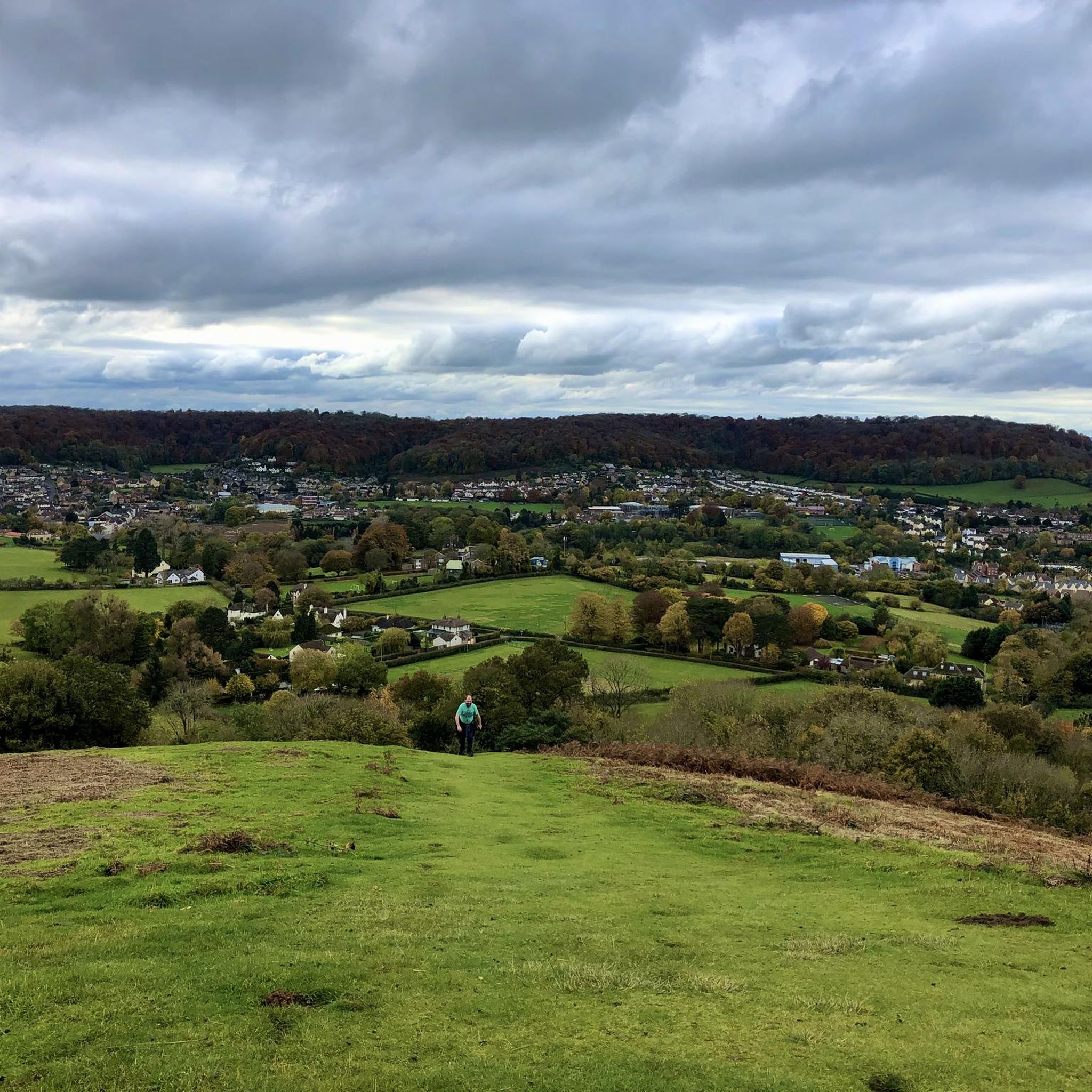

Tips from the Community


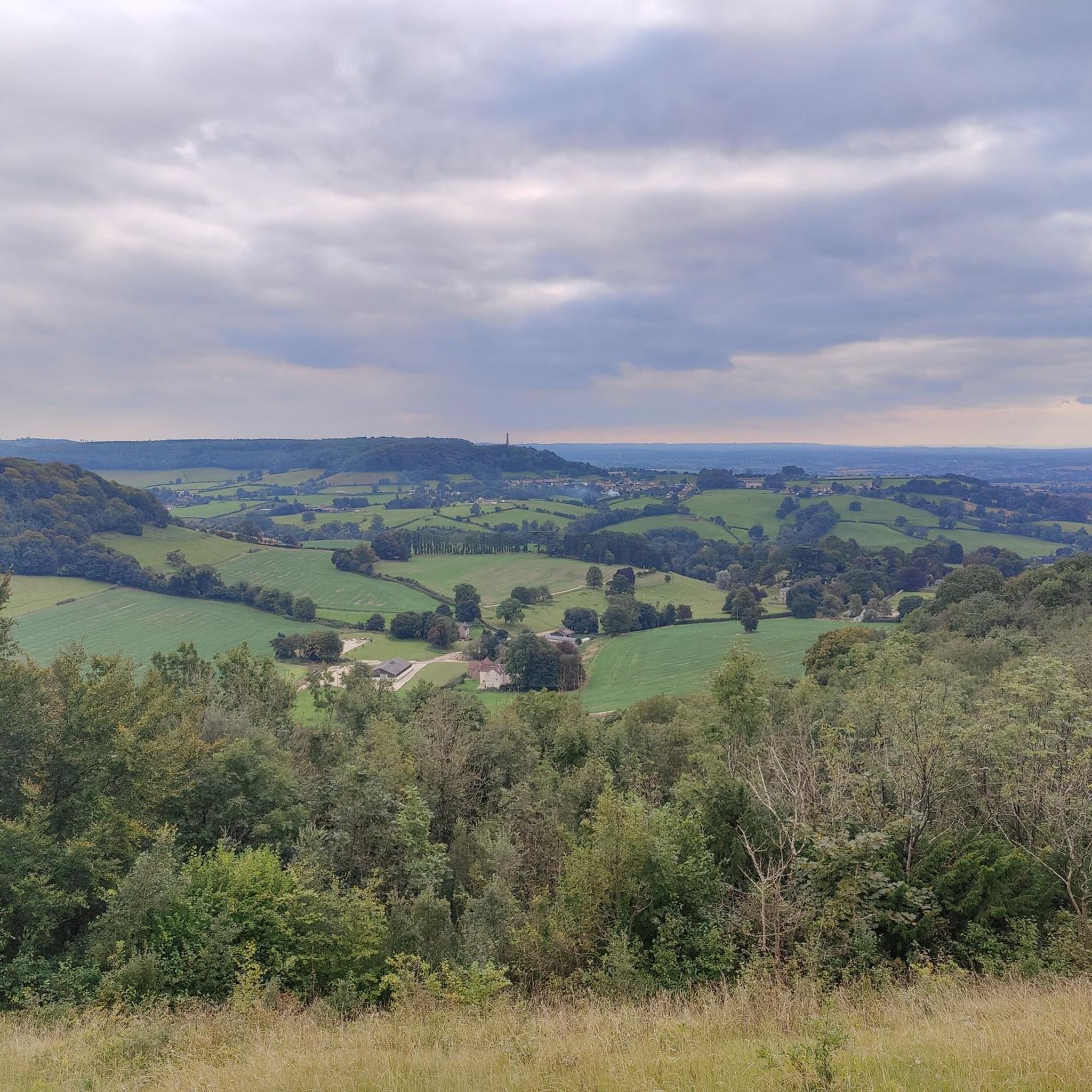
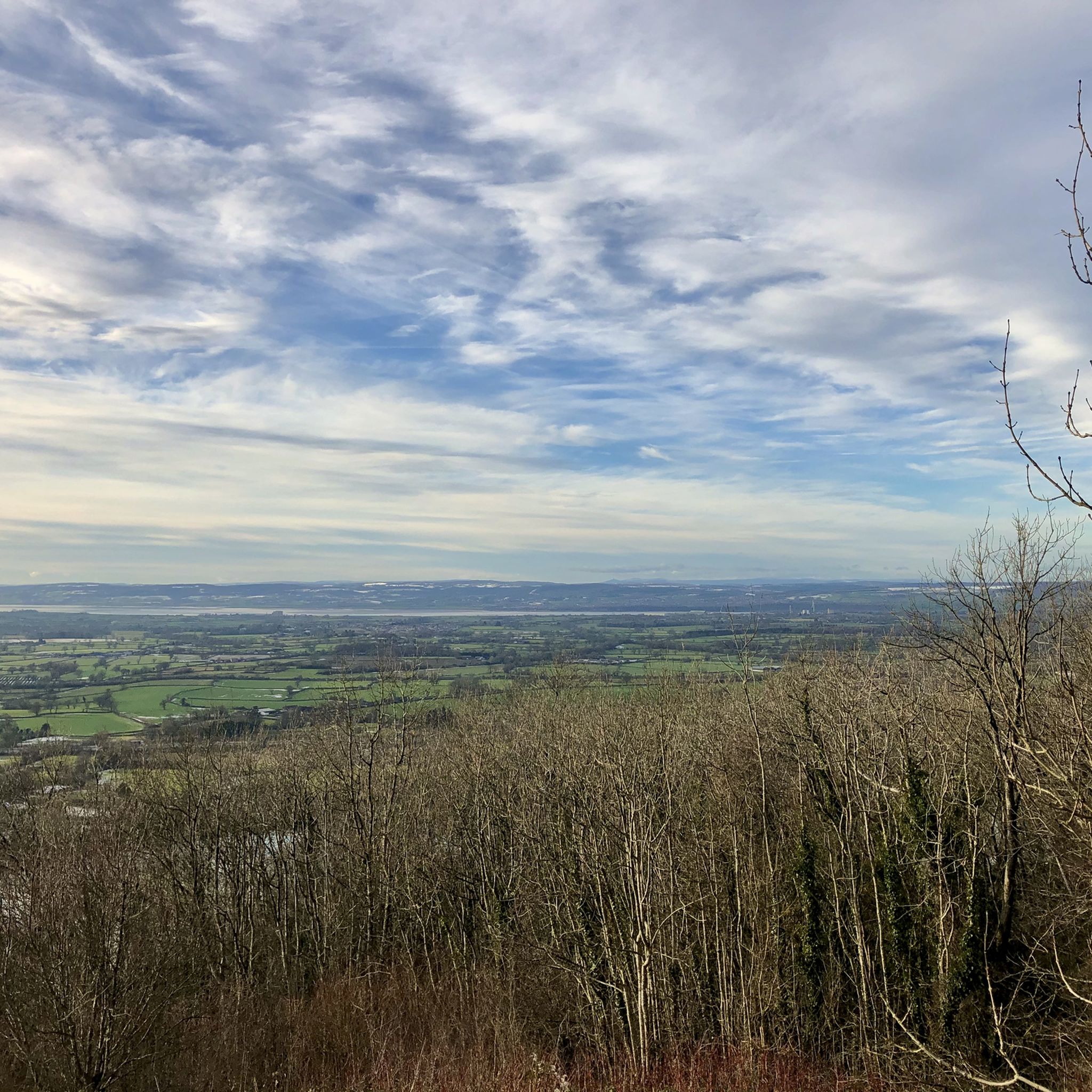
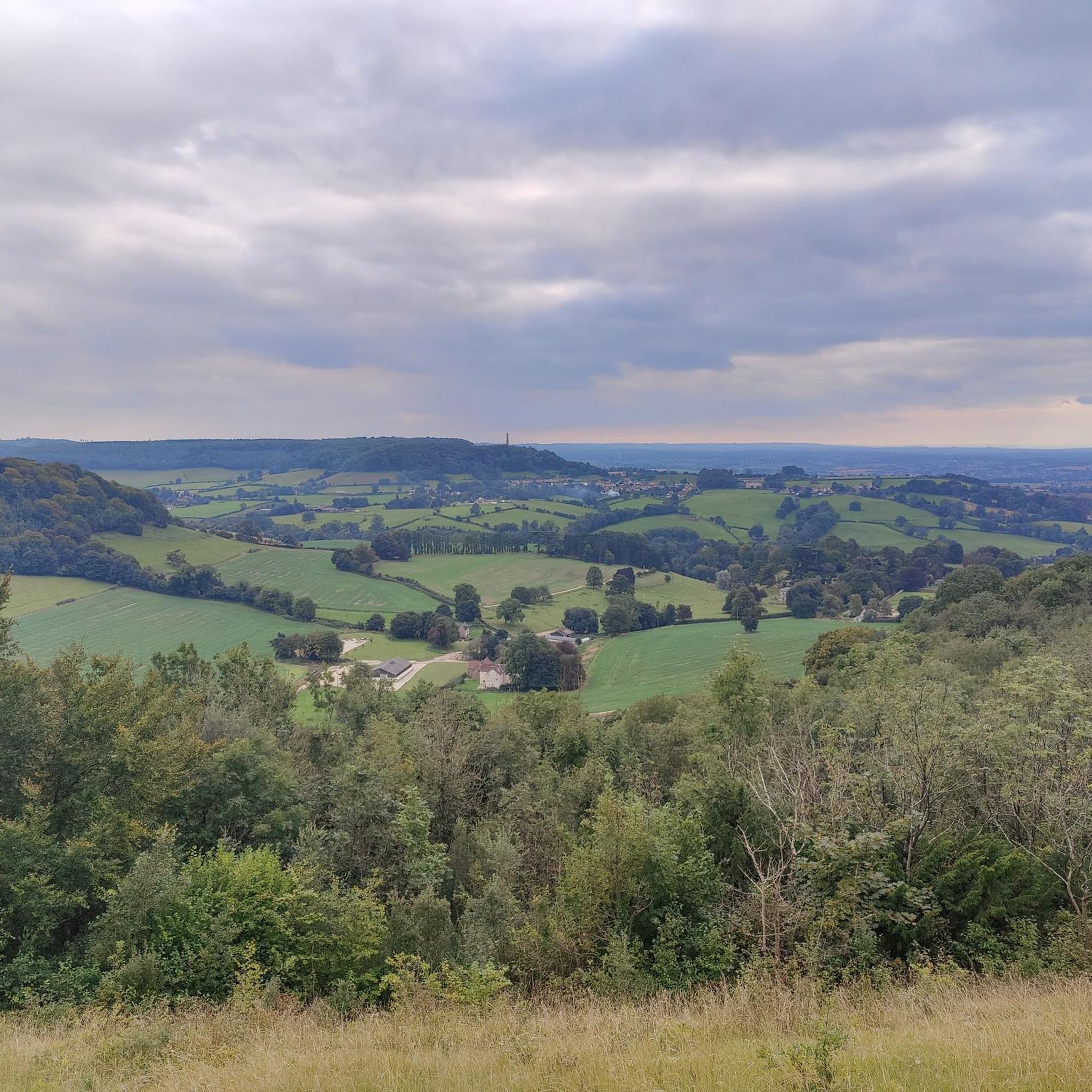
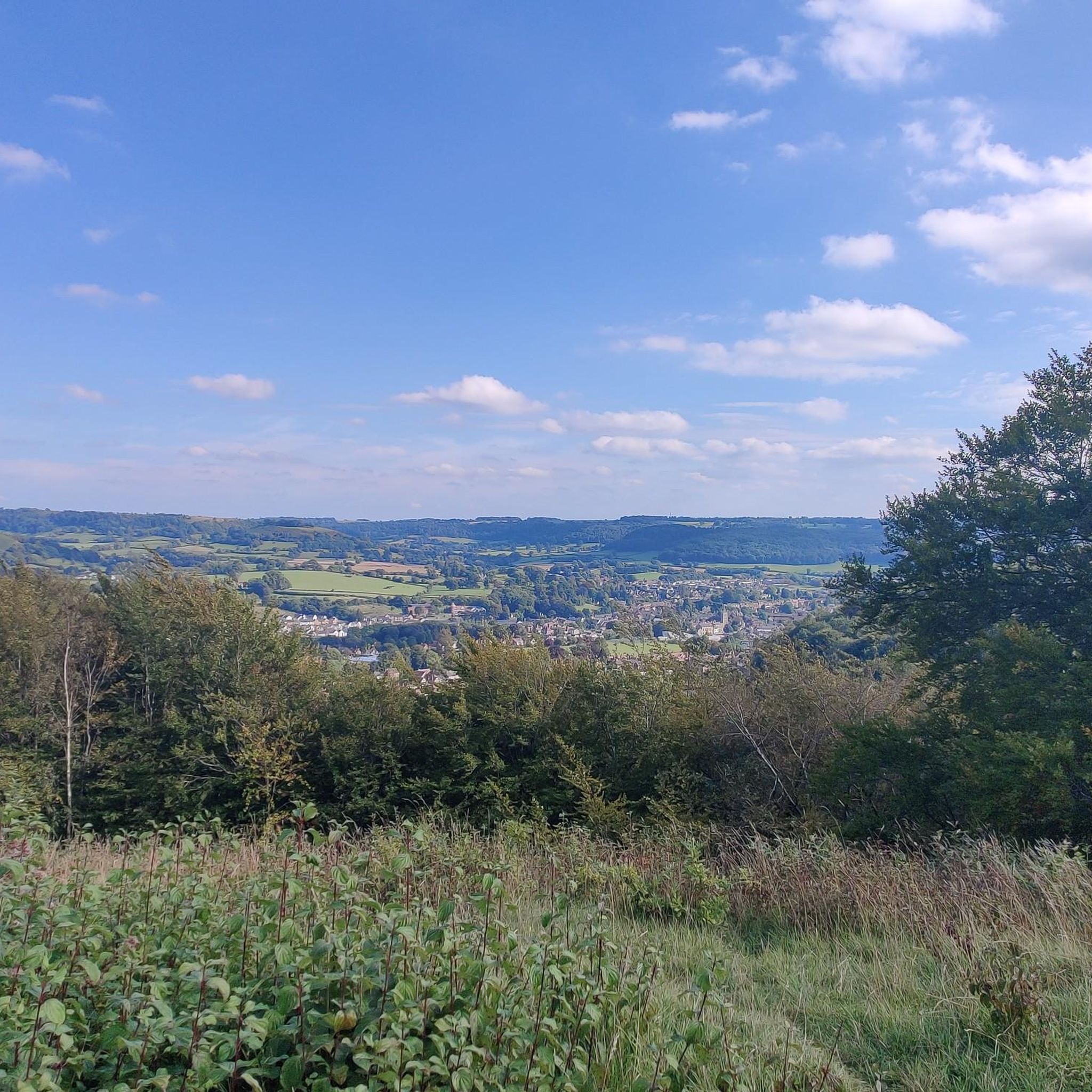
Great views and all bridleway. You can stay at the top or ride a slightly more technical singletrack a level down at the end. You can drop down to lower levels at each corner or complete a lap.
0
0

Steepish track up but then grassy slopes and woods. Pandoramic views from the hill even if you don’t go up the tower.
0
0

The deer are a lot less timid than in the wild, they're almost like sheep in behaviour. Wonderful views to each side of the hill... either the River Severn or the Cotswold Hills.
1
0

Vast parkland with herds of fallow and red deer. Lovely ancient oak trees and views over the River Severn and Gloucestershire.
0
0

Steep walk up the hill but well worth the effort for the fabulous views.
0
0

One of the most beautiful views in the Cotswolds with dozens of possible walking and cycling routes.
0
1
An Iron-age hill fort dating from 300B.C. An easy walking route around its perimeter which provides some spectacular views. The view of Smallpox Hill (Downham Hill) is particularly magnificent.
0
0
Frequently Asked Questions
What are some of the most notable natural monuments to visit around Stinchcombe?
Stinchcombe Hill itself is a significant natural monument, offering panoramic views and diverse habitats. Specific highlights include the William Tyndale Monument, which provides magnificent views from its 111-foot height, and Nympsfield Long Barrow, a Neolithic burial site with incredible views over the Severn Valley. Another prominent site is Uley Bury Iron Age hillfort, known for its spectacular vistas and easy walking perimeter.
What kind of views can I expect from the natural monuments in Stinchcombe?
The natural monuments around Stinchcombe, particularly from Stinchcombe Hill and its various viewpoints like Drakestone Point, offer superb panoramic views. You can see across the Vale to the River Severn, the Forest of Dean, the Cotswold escarpment, and even the Severn Bridges. Highlights such as William Tyndale Monument and Downham Hill are specifically noted for their extensive vistas.
Are there family-friendly natural monuments in the Stinchcombe area?
Yes, several natural monuments are suitable for families. Nympsfield Long Barrow and Uley Bury Iron Age hillfort are both categorized as family-friendly and offer historical interest alongside natural beauty. Whitcliff Deer Park is another excellent family option, where you can observe deer in a vast parkland setting.
What historical or archaeological sites are among the natural monuments?
The region is rich in historical sites. Nympsfield Long Barrow is a Neolithic burial site dating back to around 2800 BCE. Uley Bury Iron Age hillfort, from 300 B.C., features ancient earthworks. Additionally, Downham Hill has historical significance as a former smallpox isolation hospital, and the William Tyndale Monument commemorates the translator of the New Testament.
What is the best time of year to visit the natural monuments around Stinchcombe?
The natural monuments around Stinchcombe can be enjoyed year-round. Spring and summer offer lush greenery and vibrant wildflowers, ideal for walking and enjoying the views. Autumn brings beautiful fall foliage, particularly in areas like Whitcliff Deer Park. Winter visits can provide crisp, clear views, though paths may be muddy or icy.
Are there hiking trails near these natural monuments?
Yes, Stinchcombe is an excellent area for hiking. Public footpaths, including a section of the famous Cotswold Way, circle the top of Stinchcombe Hill. You can find various hiking routes, such as the 'Stinchcombe Hill on the Cotswold Way loop from Dursley' or the 'Jubilee Clump Viewpoint – William Tyndale Monument loop from North Nibley'. For more hiking options, explore the Hiking around Stinchcombe guide.
What other outdoor activities can I do near these natural monuments?
Beyond hiking, the Stinchcombe area offers opportunities for road cycling and running. Cyclists can explore routes like the 'Warren Hill Wooded Descent – Top of Whiteway Hill loop from Stinchcombe'. Runners have options such as the 'Drakestone Point – Sheep Path Woods loop from Stinchcombe'. You can find more details in the Road Cycling Routes around Stinchcombe guide and the Running Trails around Stinchcombe guide.
What geological features characterize the natural monuments in Stinchcombe?
The natural monuments in Stinchcombe are primarily characterized by their Jurassic limestone geology, as the area is part of the Cotswold Edge. This geological composition contributes to the distinctive escarpment landscapes and the calcareous grassland found on Stinchcombe Hill, which is designated as a Site of Special Scientific Interest (SSSI) due to its unique flora and fauna.
What do visitors enjoy most about the natural monuments around Stinchcombe?
Visitors consistently praise the superb panoramic views, especially from points like Drakestone Point and the William Tyndale Monument. The well-maintained public footpaths, including sections of the Cotswold Way, are highly valued for walking and exploring. The rich biodiversity, ancient woodlands, and the historical significance of sites like Uley Bury Iron Age hillfort also contribute to a rewarding experience.
Are there any natural areas to observe wildlife near Stinchcombe?
Yes, Stinchcombe Hill is a biological Site of Special Scientific Interest (SSSI) known for its diverse flora and fauna. The calcareous grasslands host unique and rare plant species, while the oak, ash, and beech woods provide habitats for various wildlife. Whitcliff Deer Park is an excellent spot to observe herds of fallow and red deer in a natural setting.
How long does it take to explore the natural monuments around Stinchcombe?
The time required varies depending on which monuments you visit and the length of your chosen route. A walk around Uley Bury Iron Age hillfort's perimeter is relatively short, while a hike to the William Tyndale Monument and back can take a few hours, especially if you climb to the top. Many circular walks on Stinchcombe Hill range from 2 to 4 hours, allowing you to experience multiple viewpoints and natural features.
Most popular routes around Stinchcombe
Most popular attractions around Stinchcombe

Get inspired with the komoot mobile app


Explore more
Extend your search for the best caves by checking out these guides of the top ones around Stinchcombe:
