Top 5 Natural Monuments around Looe
Best natural monuments around Looe offer diverse landscapes and experiences in Cornwall. This coastal region features prominent headlands, sandy coves, and significant marine conservation areas. The area is characterized by its rugged coastline, wooded valleys, and rich biodiversity, providing varied natural features for exploration. These natural landmarks contribute to the region's appeal for outdoor activities.
Best natural monuments around Looe
- The most popular natural monuments is View of Looe Island, a viewpoint offering views of a marine nature reserve.…
Last updated: August 10, 2026
Lantic Bay
Highlight • Beach
Translated by Google •
Tip by

Dodman Point Daymark
Highlight • Monument
Tip by

Sign up now to discover places like this
Get recommendations on the best single tracks, peaks, & plenty of other exciting outdoor places.
Sign up for free
Hore Stone Point
Highlight • Viewpoint
Tip by

St Keyne's Well
Highlight • Historical Site
Tip by

Start today with a free account
Your next adventure awaits.
Login or Signup
Tips from the Community

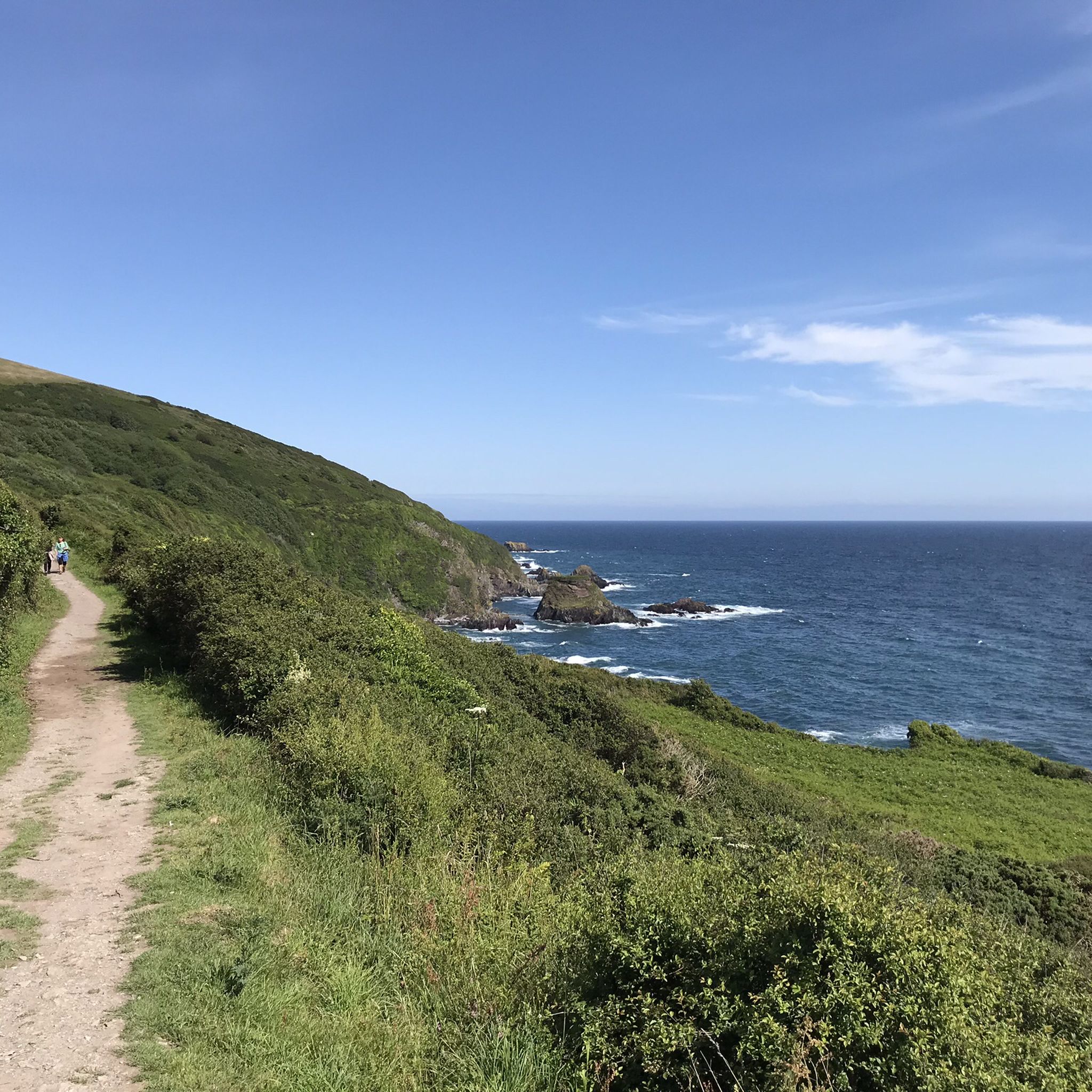
Hore Stone point is on the wonderful section of the SWCP between Looe and Polperro. Great walking and amazing views over Portnadler Bay towards Looe Island.
0
0

Walked it in drizzly conditions, but still great views!
0
0

Managed by the National Trust, Lantic Bay is actually two beaches, Little Lantic and Great Lantic. You can access the sand by a set of steep steps but it is also very popular to visit by boat. Being off the beaten track, dogs are welcome on this beach all year round.
0
0
The white pillar is a navigational aid used by seafarers during the day. Looking west from here on a good day, you can also see the tall red and white stripped daymark at Gribbin Head.
1
0

St Keyne's well is located just outside the village of St Keyne. A stone path takes you down the the well house. Tales say that if two newly-weds drink the water, the first one to drink it will become more dominant in the marriage.
0
0

Beautiful beach. The Daphne Du Maurer trail passes by the beach above the coast. If you have swimming gear with you, you can plunge into the turquoise-blue water. The steep path to and especially from the beach is a bit difficult. Too much swimming / bathing equipment is therefore not recommended.
4
0

Very beautiful coastline with great beaches
2
0
Frequently Asked Questions
What are some prominent natural features to explore around Looe?
The Looe area offers a diverse range of natural features. You can explore the unique marine environment around Looe Island, a designated marine nature reserve. The coastline features dramatic headlands like Rame Head with its sheer cliffs and panoramic views, and long sandy stretches such as Whitsand Bay. Picturesque coves like Millendreath Beach offer sandy shores and rock pools, while Lantic Bay is known for its two distinct sandy areas and turquoise waters.
Are there family-friendly natural monuments in the Looe area?
Yes, several natural monuments around Looe are suitable for families. Millendreath Beach is excellent for children, with its soft sands and abundant rock pools for exploring marine life at low tide, plus a sea pool for safe swimming. Lantic Bay is also popular, though access involves steep steps. The South West Coast Path near places like Hore Stone Point offers family-friendly sections with amazing views.
Which natural monuments are dog-friendly?
Many of the natural monuments in the Looe area are dog-friendly, especially the coastal paths and beaches outside of peak season restrictions. For example, Lantic Bay welcomes dogs all year round due to its off-the-beaten-track location. The South West Coast Path, which traverses areas like Rame Head and Whitsand Bay, is generally dog-friendly, though always keep dogs under control, especially near livestock or wildlife.
What kind of wildlife can I expect to see at these natural monuments?
The natural monuments around Looe are rich in wildlife. Looe Island, a marine nature reserve, is a haven for sea and woodland birds, and its surrounding waters are part of a Marine Conservation Zone teeming with diverse marine life. Rame Head is home to Dartmoor ponies, deer, sheep, cattle, and rare bird species like the Dartford warbler. Whitsand Bay's Marine Conservation Zone protects crucial habitats like eelgrass beds, providing shelter for cuttlefish, pipefish, and seahorses.
Are there historical or cultural sites among the natural monuments?
Yes, some natural monuments in the area have historical or cultural significance. Looe Island has tales of being visited by Jesus and was nicknamed HMS St George during WW2. Rame Head features ancient defensive structures. Within Whitsand Bay, at Sharrow Point, you can find a small cave excavated by a hermit in 1874. Additionally, St Keyne's Well is a historical site with local folklore about newly-weds.
What are the best viewpoints for panoramic scenery?
For breathtaking panoramic scenery, Rame Head offers dramatic views across the English Channel and Whitsand Bay. View of Looe Island provides excellent vistas of the marine nature reserve. Dodman Point Daymark, a prominent white pillar, also serves as a viewpoint offering extensive coastal views. Hore Stone Point, along the South West Coast Path, gives amazing views over Portnadler Bay towards Looe Island.
What are the walking opportunities near these natural monuments?
The South West Coast Path provides extensive walking opportunities, traversing areas like Millendreath Beach, Rame Head, and Whitsand Bay, offering breathtaking cliff-top views. You can find various hiking routes, such as the Polperro to Looe Coast Path or the South West Coast Path: Looe to Talland Bay. For more options, explore the Hiking around Looe guide.
Are there any challenging hikes around the natural monuments near Looe?
Yes, the rugged coastal terrain offers several challenging hikes. The South West Coast Path, particularly sections around Rame Head and Whitsand Bay, can be demanding due to steep ascents and descents. For specific challenging routes, you can check the Hiking around Looe guide, which includes routes like the Polperro Harbour – Lantic Bay loop.
What is the best time of year to visit the natural monuments around Looe?
The natural monuments around Looe can be enjoyed year-round, but spring and autumn often offer the best conditions. Spring brings wildflowers and active wildlife, with daffodils blooming as early as Christmas on Looe Island. Autumn provides pleasant walking temperatures and beautiful coastal colours. Summer is popular for beach activities, though it can be busier. Always check local weather conditions before your visit.
Where can I find unique geological features in the Looe area?
The Looe area is rich in geological interest. Rame Head and Whitsand Bay are part of a Site of Special Scientific Interest (SSSI), recognized for their geological importance, featuring towering cliffs and unique rock formations. The cliffs of Whitsand Bay also protect rare plant species. Exploring the coastline will reveal various geological formations shaped by the sea.
How can I visit Looe Island?
Looe Island (St George's Island) is a designated marine nature reserve. Access is restricted to official organised boat trips to protect its delicate ecosystem. These trips allow visitors to explore self-guided walking trails and experience its tranquility and rich biodiversity. It is not possible to visit the island independently.
What makes Millendreath Beach special?
Millendreath Beach is a picturesque, south-facing sandy cove nestled at the foot of a wooded valley within Looe Bay. Its unique features include an expansion of soft sands and an abundance of rock pools at low tide, perfect for exploring. It's also fringed by rocks and steep cliffs, with a small stream flowing into the sea, and offers a sea pool on its eastern side for safe swimming.
What activities can I do at Whitsand Bay?
Whitsand Bay offers a range of activities amidst its dramatic scenery. It's popular for walking along the South West Coast Path, which runs its entire length, providing breathtaking cliff-top views. The long sandy beaches are great for relaxing, and the bay is also known for surfing. Exploring the rock pools and discovering the hermit's cave at Sharrow Point add to the experience.
Most popular routes around Looe
Most popular attractions around Looe

Get inspired with the komoot mobile app


Explore more
Extend your search for the best caves by checking out these guides of the top ones around Looe:
