Top 14 Natural Monuments around Stithians
Best natural monuments around Stithians encompass a diverse landscape of farmland, moorland, and coastal features. The region offers significant geological formations, natural coves, and historical sites. Visitors can explore unique rock formations and areas of natural beauty. These natural attractions provide opportunities for outdoor activities and geological observation.
Best natural monuments around Stithians
- The most popular natural monuments is Pendennis Point, a coastal point that offers views of the coast and Falmouth Estuary. It is also known for sightings…
Last updated: June 17, 2026
Basset's Cove
Highlight • Natural Monument
Translated by Google •
Tip by

Cadjack Cove
Highlight (Segment) • Beach
Translated by Google •
Tip by
Sign up now to discover places like this
Get recommendations on the best single tracks, peaks, & plenty of other exciting outdoor places.
Sign up for free
Pendennis Point
Highlight • Castle
The name comes the Cornish Pen (Headland) and Dynas (Castle).
Dolphins and …
Tip by

Mirrose Well Cove
Highlight (Segment) • Viewpoint
Translated by Google •
Tip by
Stone Wall of Regional Rocks
Highlight (Segment) • Structure
Translated by Google •
Tip by
Sign up for free to discover even more natural monuments around Stithians.
Sign up for free
Already have an account?
Start today with a free account
Your next adventure awaits.
Login or Signup

Tips from the Community

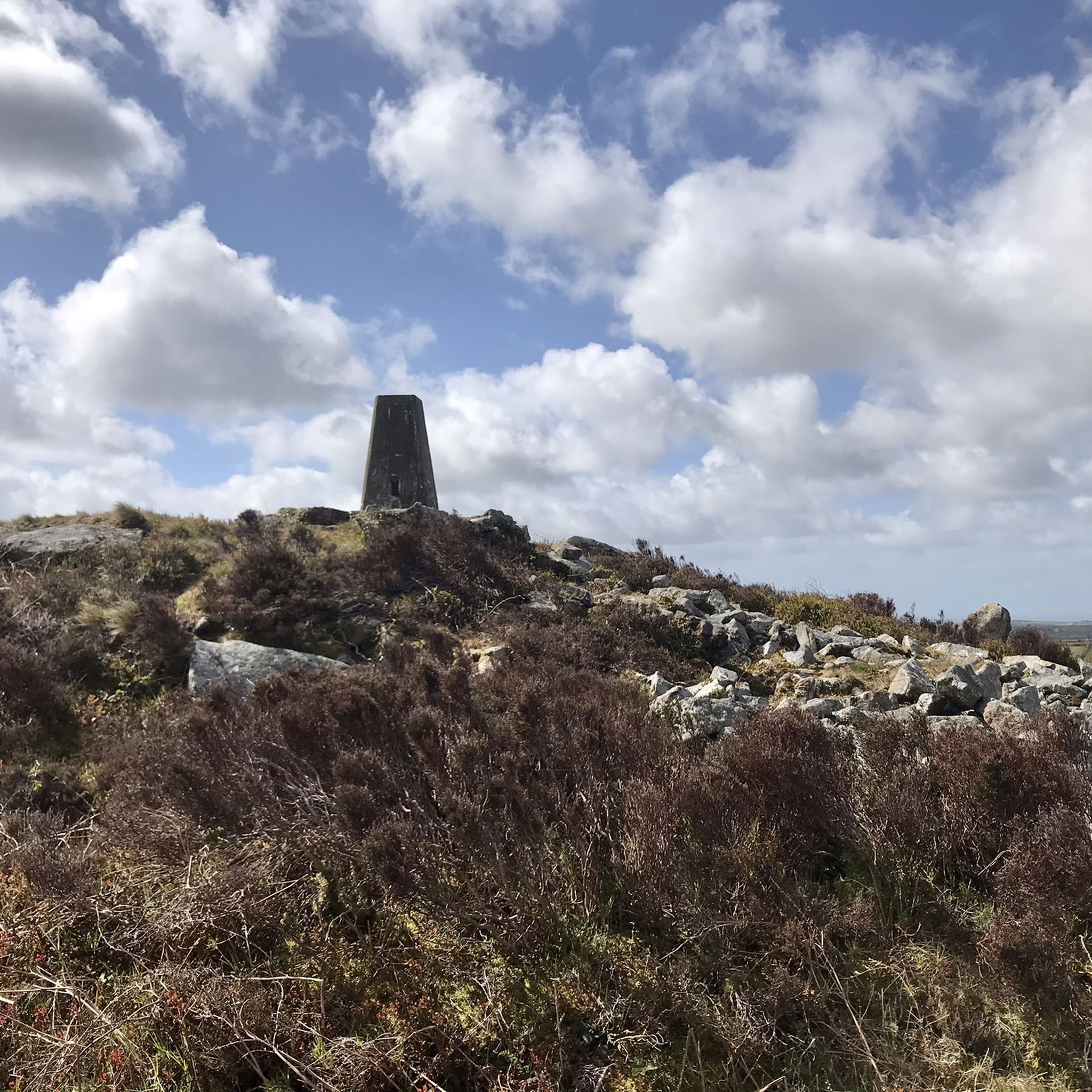
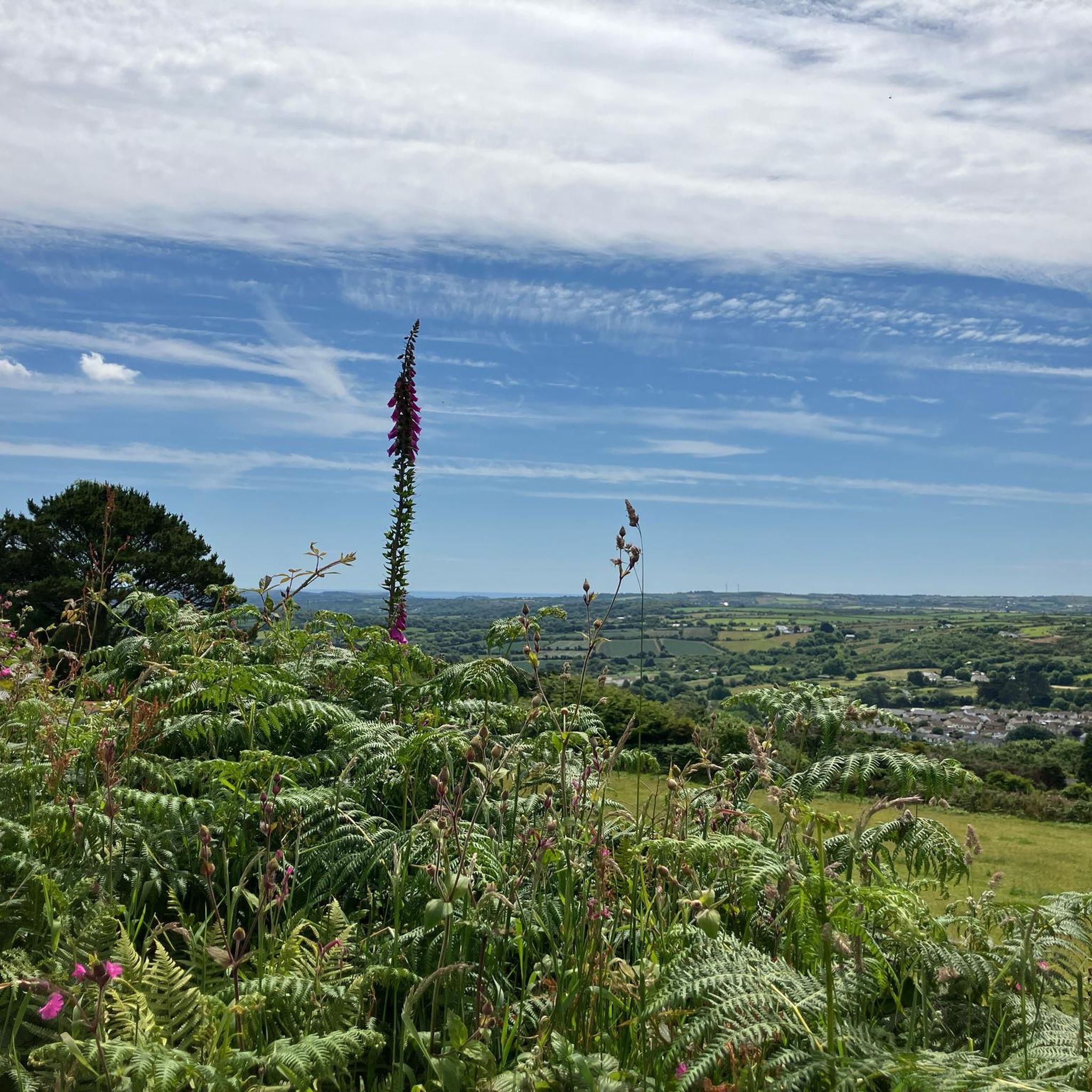
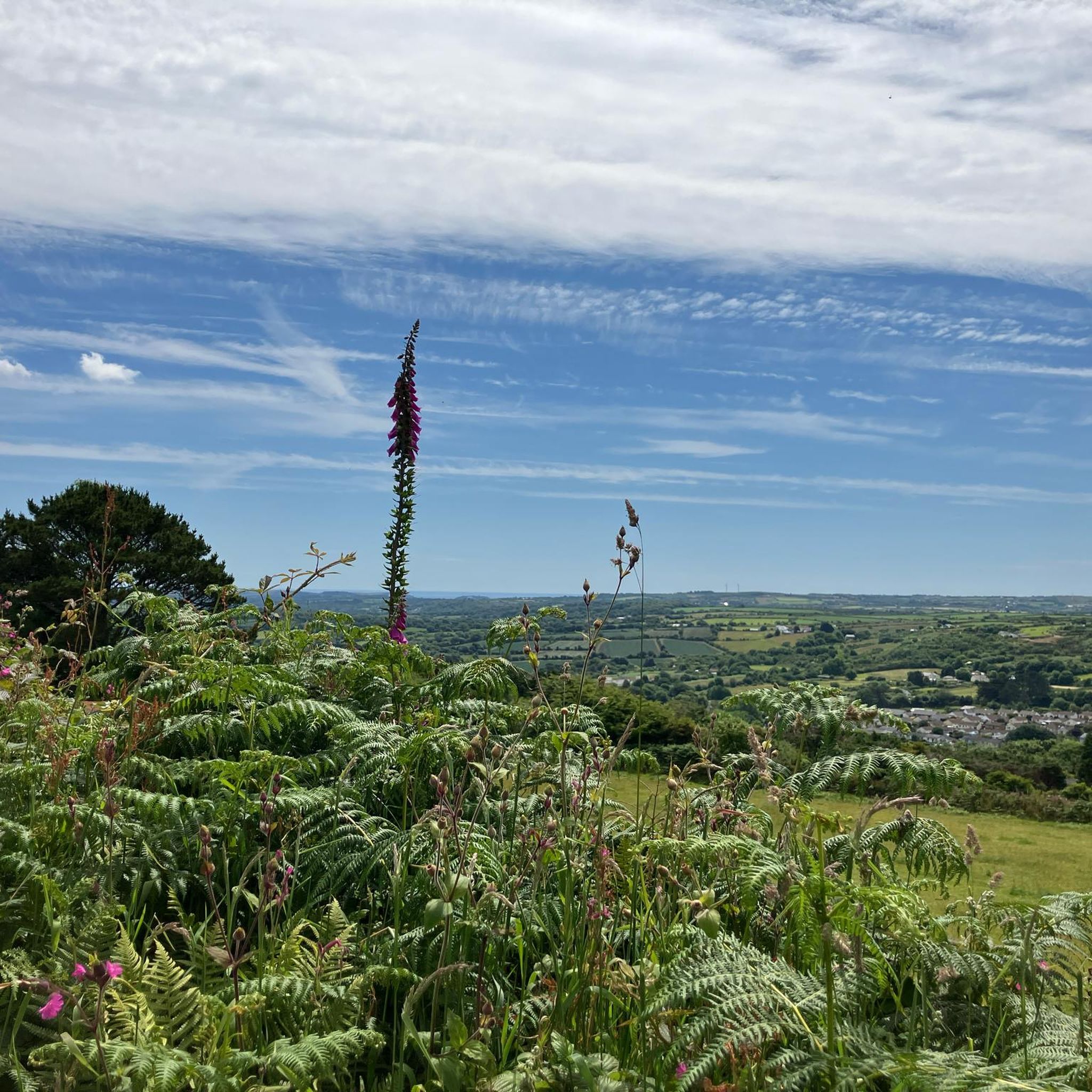
Breathtaking views. Especially when combined with the blooming heather!
0
0


Pendennis point provides beautiful views of the coast and is only a very short distance from busy Falmouth. The name comes the Cornish Pen (Headland) and Dynas (Castle). Dolphins and Basking Sharks have been spotted here along with more frequent visits from seals. Pendennis Castle began life in the 16th Century as a gun fort and has guarded the entrance to Carrick Roads (Falmouth Estuary) since. It is looked after by English Heritage and open to visitors.
0
0

GB: In Cadjack Cove, tectonic features can be seen, such as faults (described in ⑦) and folds, which were formed during the Variscan orogeny as a result of pressure from the south. These folds are formed on different scales and range from a few inches to several hundred feet. In addition, the folds show different openings and curves. Very narrow folds with pointed angles are called kink bands. However, the folds seen in this bay are not the main folds of orogeny but represent folds that are folded in themselves. Another special feature in this bay is the pink to dark red coloring of the rocks. This is caused by iron-rich water that runs down the cliffs. EN: Tectonic phenomena can be seen in Cadjack Cove, such as faults (described in ⑦) and folds, which were formed by pressure from the south during the Variscan Orogeny. These folds are formed at different scales and range from a few centimeters to several meters. The folds also show different openings and curves. Very tight folds with acute angles are called kink bands. However, the folds seen in this bay are not the main folds of the orogeny, but rather represent folds that fold into themselves. Another special feature in this bay is the pink to dark red color of the rocks. This is caused by iron-rich water running down the cliffs.
0
0
The 7.3 km long circular route takes you back to a time when Cornwall was covered by sea and then became a Europe-wide mountain range. The sedimentary rocks of this area around Portreath were deposited in a deep marine environment during the Devonian age (ca. 393 - 373 million years): Greywacken: Gray rock with fine to coarse grains (0.3 - 2 mm; 0.01 - 0.08 inch), consisting of quartz, feldspars and fragments of foreign rocks. In some cases, shiny/shimmering components can be seen (mica), the rocks form layers and banks. Siltstones: Light gray rock with fine grains (<0.063 mm; <0.002 inch) that are not visible to the naked eye. Layers can be recognized based on the color difference. Slate: Gray to black, sometimes slightly red to greenish colored rocks with very fine grains (<0.02 mm, <0.001 inch), the rocks appear foliated with very thin layers, often alternating with greywackes. The originally horizontal sedimentary layers of Cornwall were tectonically overprinted around 323 - 299 million years ago during the Variscan orogeny (mountain formation). During this time, the southern major continent Gondwana collided with the northern major continents Laurentia and Baltica as well as smaller continent fragments (terranes) such as Avalonia and Amorica. The orogeny ended approximately 270 million years ago with the formation of the supercontinent Pangea. Due to the pressure from the south, the sedimentary rocks were compressed, folded and internally transformed under increasing temperatures. This is how slates emerged from the original claystones. There are no deposits in the area for the period between the formation of the Devonian rocks until 3 million years ago. During the Ice Age 3 million years ago, the region of modern-day Cornwall lay in a tundra area south of the glaciers that covered the Northern Hemisphere. Periglacial deposits from this period can be observed on the cliffs.
0
0
GB: In the surrounding area, small walls made of regional rocks, mostly greywackes and clay shales, can be found in several places. The rocks are already described in the geological overview and can be easily distinguished by the following characteristics: Layering/thickness, grain size, sorting, minerals, rock fragments and color. In addition, quartz veins occur in all rocks. These are a form of crystallization of quartz: a hard, transparent to white mineral. EN: In the following area there are small walls made of regional rocks in several places, mostly greywacke and shales. The rocks are already described in the geological overview and can be easily distinguished by the following characteristics: layering/layer thickness, grain size, sorting, minerals, rock fragments and color. In addition, quartz veins occur in all rocks. This is a crystallization form of quartz: a hard, transparent to white mineral.
0
0
GB: In Cadjack Cove, in addition to large faults, many folds can be seen. These folds are formed in different scales ranging from a few inches to several hundred feet. In addition, the folds show different degrees of openings and roundness. Very narrow folds with pointed angles are called "kink bands". Overall, the folds were formed during the Variscan mountain building phase/orogenesis (417 - 200 Ma). The high pressures from the south have deformed the relatively soft rocks. However, the folds seen in this bay are not the main folds but represent folds that are folded within themselves. Another special feature in this bay are the pink to dark red colored rocks. This change in color is caused by iron-rich water running down the cliffs. EN: In addition to large faults, many folds can also be seen in Cadjack Cove. These folds are formed at different scales and range from a few centimeters to several meters. The folds also show different openings and curves. Very tight folds with acute angles are called “kink bands.” Overall, the folds were formed during the Variscan orogeny (417 – 200 Ma). The strong pressure from the south has deformed the relatively soft rocks. However, the folds seen in this bay are not the main folds, but rather represent folds folded into themselves. Another special feature of this bay are the pink to dark red colored rocks. This discoloration is caused by iron-rich water running down the cliffs.
0
0
GB: In the lower Mirrose Well Cove one finds deposits with repeated sequences. In each sequence, a gradation of the layers can be observed, with the grain size decreasing from the bottom to the top. In the case of Mirrose Well Cove, coarser greywackes were deposited first, turning into fine greywackes, and followed by clayey layers. Altogether, the deposits reach a thickness of six to ten feet (2-3 m). This type of deposit is caused by turbidites (massive mud flows). To trigger a turbidite, minimal vibrations or the deposition of further sediment grains are enough. The sediments then flow down the slope in a turbulent stream along the water current - a slope inclination of 2-3° is enough here - and spread out into the deep sea in the form of a fan. In this way, sediments with a thickness of several dozens of feet can form within a few hours. EN: Lower Mirrose Well Cove contains deposits with repeated sequences. In each sequence, a gradation of the layers can be observed, with the grain size decreasing from bottom to top. In the case of Mirrose Well Cove, coarser greywackes were first deposited, which transitioned into fine greywackes, followed by clayey layers. Overall, the deposits reach a thickness of two to three meters. These types of deposits are due to turbidites (powerful turbidity currents). To trigger a turbidite, minimal vibrations or the deposition of further sediment grains are sufficient. The sediments then flow down the slope in a turbulent stream with the water current - here a slope of 2-3° is sufficient - and spread out in the deep sea in the form of a fan. In this way, deposits several tens of meters thick can form within a few hours.
0
0
Frequently Asked Questions
What unique geological features can I explore around Stithians?
The region is rich in geological history. At Basset's Cove, you can observe sedimentary rocks from the Devonian age and formations from the Variscan orogeny. Cadjack Cove showcases impressive tectonic features like folds and faults, with rocks displaying pink to dark red coloring due to iron-rich water. Mirrose Well Cove features unique deposits formed by turbidites, showing repeated sequences of layered sediments.
Are there any natural monuments with historical significance near Stithians?
Yes, Pendennis Point is a coastal natural monument that also hosts Pendennis Castle, a 16th-century gun fort guarding the Falmouth Estuary. Additionally, Kennall Vale is a beautiful woodland reserve with fascinating remnants of its industrial past as a gunpowder factory, offering a blend of natural beauty and historical intrigue. The mysterious Cup-Marked Stones of Stithians, ancient archaeological features, also offer a glimpse into prehistoric times.
What outdoor activities can I do at Stithians Lake?
Stithians Lake, one of Cornwall's largest inland lakes, is a hub for outdoor activities. You can enjoy kayaking, windsurfing, sailing, stand-up paddleboarding, and fly-fishing. Birdwatching is also popular, with hides along the banks. For more information on walking routes around the lake, you can visit Visit Cornwall.
Are there family-friendly natural monuments or activities in the Stithians area?
Stithians Lake is very family-friendly, offering a children's play area and a campsite, alongside various watersports. While not explicitly listed as 'family_friendly' in the data, the circular walk around Stithians Lake is suitable for families. Pendennis Point, with its castle and coastal views, is also a great option for families.
Where can I go for walks or cycling near Stithians' natural monuments?
Stithians Lake offers a circular walk of just under five miles and a cycleway along its northern shore. For more extensive cycling, you can explore various routes, including MTB Trails around Stithians, Road Cycling Routes around Stithians, and Gravel biking around Stithians.
What kind of wildlife can I expect to see at these natural monuments?
At Pendennis Point, visitors often spot dolphins, basking sharks, and seals. Stithians Lake is a haven for birdwatchers, with various species frequenting its diverse habitats of farmland, moorland, and wet woodland.
What makes Kennall Vale a unique natural monument?
Kennall Vale is unique for its combination of natural beauty and industrial heritage. It's a peaceful woodland nature reserve surrounding the River Kennall, but also features fascinating old granite ruins from its past as a gunpowder factory, offering a distinctive blend of nature and history.
Are there any viewpoints offering scenic vistas of the coast or landscape?
Absolutely. Pendennis Point provides beautiful views of the coast and the Falmouth Estuary. Basset's Cove is also known for its breathtaking views, especially when the heather is in bloom. Many of the coastal coves, like Cadjack Cove, offer stunning natural vistas.
What are the Cup-Marked Stones of Stithians?
The Cup-Marked Stones of Stithians are an archaeological natural monument featuring mysterious ancient markings. These stones were uncovered after the valley was flooded, revealing them from beneath layers of soil and vegetation. Their exact purpose remains unknown, adding to their intrigue for those interested in ancient history and natural curiosities.
What do visitors enjoy most about the natural monuments around Stithians?
Visitors frequently highlight the stunning coastal views, the unique geological formations, and the opportunities for wildlife spotting. The blend of natural beauty with historical elements, such as the castle at Pendennis Point or the industrial ruins at Kennall Vale, is also highly appreciated. The komoot community has shown strong engagement, with over 70 upvotes and more than 20 photos shared for these natural monuments.
Can I find examples of local rock types in the area?
Yes, in several places around Stithians, you can find small walls constructed from regional rocks, primarily greywackes and clay shales. These rocks, which often contain quartz veins, showcase the local geology and can be distinguished by their layering, grain size, and color.
Most popular routes around Stithians
Most popular attractions around Stithians

Get inspired with the komoot mobile app


Explore more
Extend your search for the best caves by checking out these guides of the top ones around Stithians:
