Top 20 Natural Monuments around Ludgvan
Best natural monuments around Ludgvan offers a diverse landscape in West Cornwall, serving as a gateway to several notable natural attractions. The area features a mix of naturally formed landmarks and protected natural areas. Visitors can explore coastal features, ancient sites integrated into the natural environment, and designated nature reserves. This region provides opportunities to experience Cornwall's natural beauty and ecological interest.
Best natural monuments around Ludgvan
- The most popular natural monuments is St Michael's Mount, a natural monument…
Last updated: August 24, 2026
St Michael's Mount
Highlight • Castle
Tip by

Godrevy Cove
Highlight • Monument
Translated by Google •
Tip by

Sign up now to discover places like this
Get recommendations on the best single tracks, peaks, & plenty of other exciting outdoor places.
Sign up for free
Man's Head Rock Formation
Highlight • Natural Monument
Tip by

Men-an-Tol Stone Circle
Highlight • Monument
Translated by Google •
Tip by

Lanyon Quoit
Highlight • Natural Monument
Tip by

Sign up for free to discover even more natural monuments around Ludgvan.
Sign up for free
Already have an account?
Start today with a free account
Your next adventure awaits.
Login or Signup
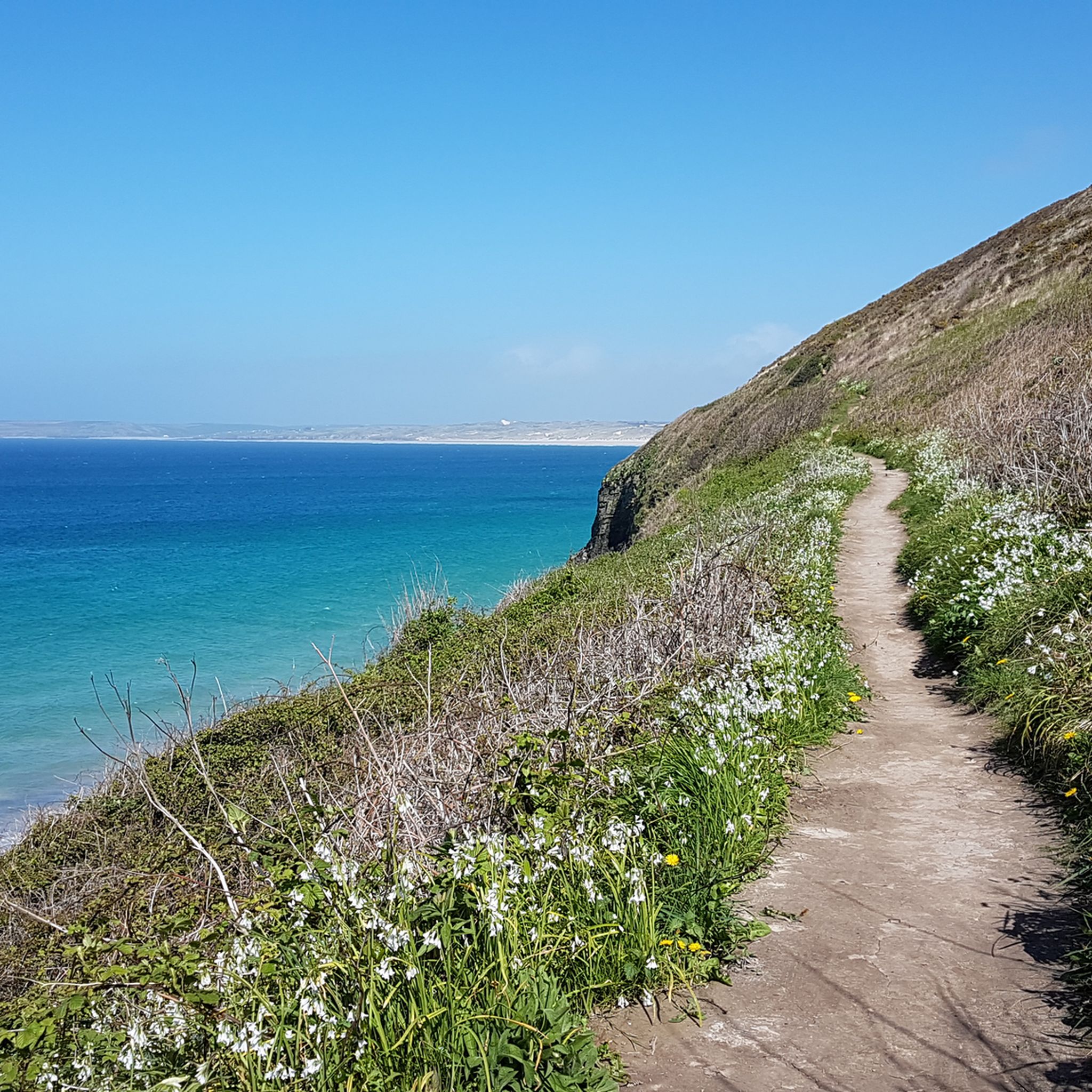
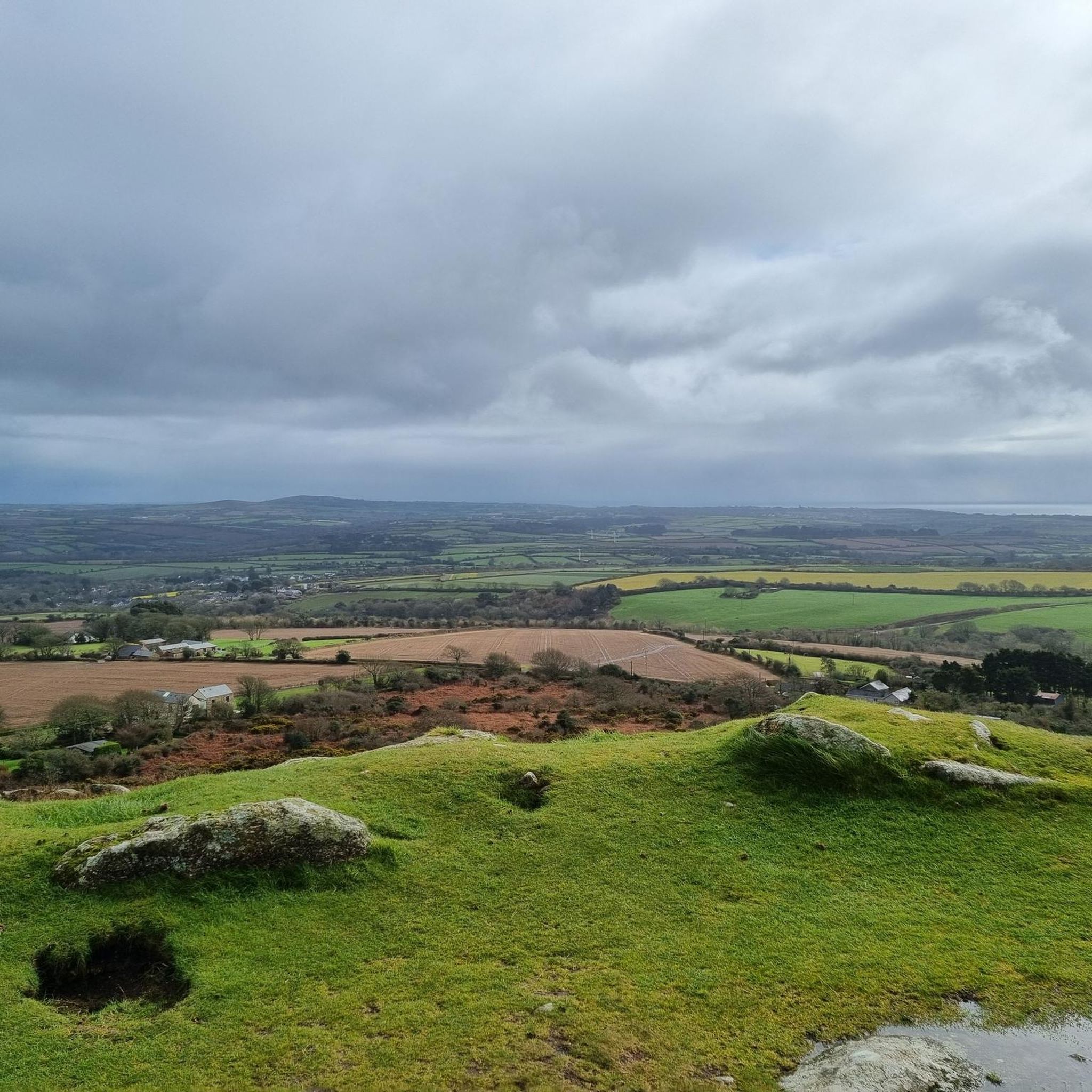
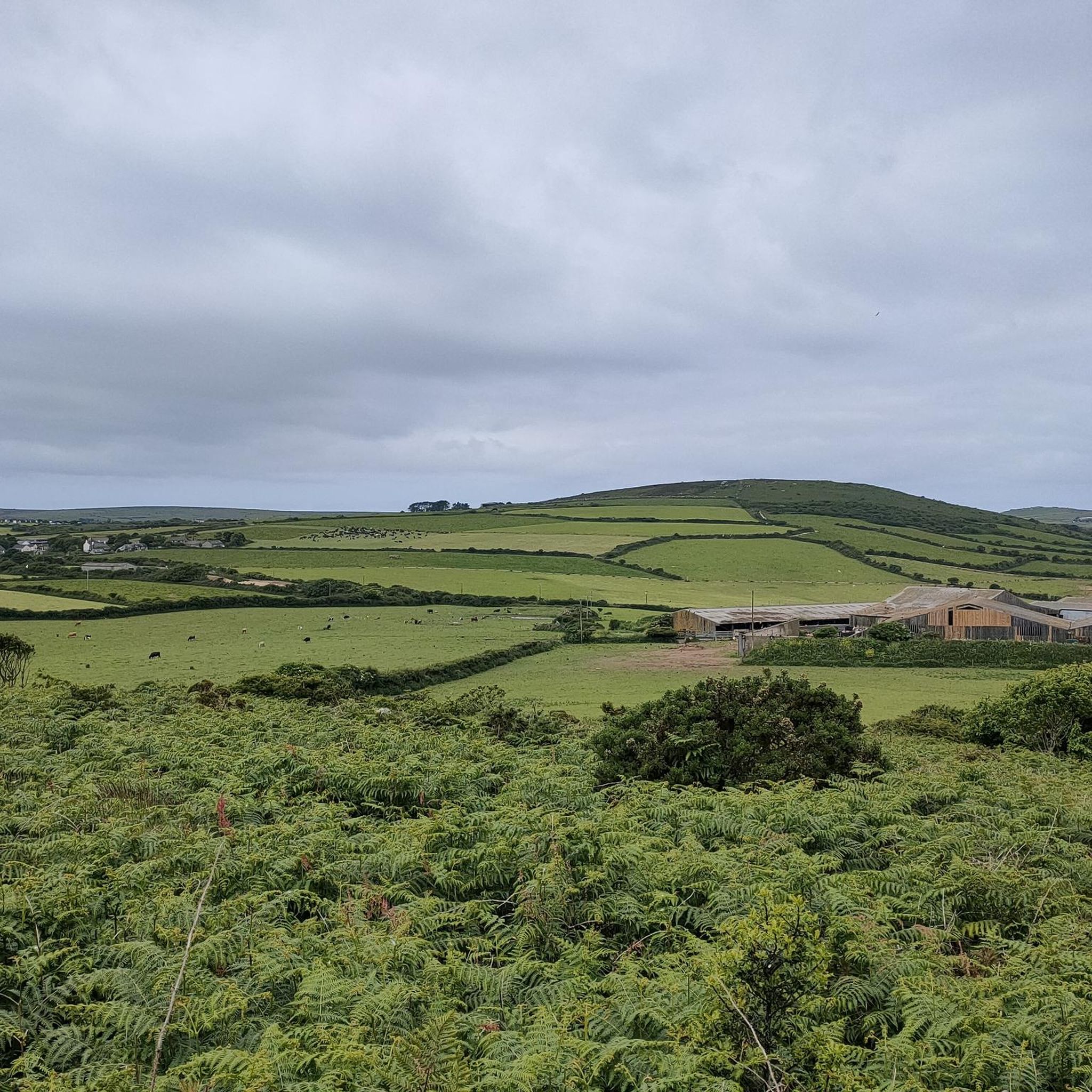
Tips from the Community

Since the lighthouse is associated with the literary work of Virginia Woolf: Tilman Spengler is the man on German television who brings great authors and their works closer to culturally interested viewers. His series "Classics of World Literature" pays tribute to writers from all eras with a 15-minute episode (in German). One of these writers is Virginia Woolf (1882–1941). The segment can be found in the ARD Mediathek (ARD Media Library) at the following link: https://www.ardmediathek.de/video/klassiker-der-weltliteratur/virginia-woolf/ard-alpha/Y3JpZDovL2JyLmRlL3ZpZGVvLzkxODAyOWQ5LTZjOGUtNDEwYi1iODgyLTUwNzNlNTM3MWJiZA
0
0

The "Hole Stone", granite blocks that were erected about 3,000 - 4,000 years ago.
0
0

Lanyon Quoit is a Neolithic dolmen. That said, it collapsed in a storm in 1815 and was re-erected nine years later, it is thought that it is now different from its original appearance. The granite capstone weighs more than 12 tons. The quoit stands at the north end of a long barrow, but the barrow has been damaged and is often overgrown and difficult to see.
0
0

The quoitiest quoit in quiotsville this beautiful quoit sits in a field adjacent to the road with a small stile to access. Great views all around
0
0

Lanyon Quoit is one of Cornwall's best known prehistoric monuments and stands just east of the road from Trevowhan to Madron. Originally built in the neolithic period (3500-2500 BCE), the quoit would have been made up of 4 upright stones. Sadly, due to storm damage, it had to be re-erected in the 19th century and now consists of three granite pillars (1.5m in height) which support a large slab capstone.
0
0

Mên-an-Tol is Cornish language and means hole stone. A special megalithic formation about 1 km of hiking trail off the road.
0
0

The age of this megalithic formation is estimated to be between 3,000 and 4,000 years. There are several legends surrounding this cultural site. For one thing, women can become pregnant if they crawl through the "Devil's Eye" - the hole stone - seven times during a full moon. On the other hand, children are protected from illnesses when they are passed through the hole. Well, no matter what faith you follow, the site is a fascinating place. This site can be visited at any time of the day or night - but one should not be disappointed by the "size" of the site. Although the megaliths appear huge in photos, in reality they are only between 1 m and 1.5 m high.
0
0
Frequently Asked Questions
What types of natural monuments can I explore around Ludgvan?
Around Ludgvan, you can explore a diverse range of natural monuments, from dramatic coastal features and rock formations to ancient sites integrated into the landscape. Highlights include the iconic tidal island of St Michael's Mount, the scenic Godrevy Cove with its lighthouse, and the distinctive Man's Head Rock Formation. The area also features ancient standing stones like Men-an-Tol Stone Circle and Lanyon Quoit, which blend natural and historical significance.
Are there family-friendly natural monuments in the Ludgvan area?
Yes, several natural monuments around Ludgvan are suitable for families. Godrevy Cove is noted as family-friendly, offering beaches and coastal scenery. The Man's Head Rock Formation also provides an engaging walk with great views. Additionally, the ancient Lanyon Quoit is accessible and can be an interesting historical stop for families.
What historical natural monuments can I visit near Ludgvan?
Ludgvan and its surroundings are rich in historical natural monuments. You can visit ancient standing stones like Men-an-Tol Stone Circle, a megalithic formation with local legends, and Lanyon Quoit, a well-known prehistoric monument. These sites offer a glimpse into the ancient past and the enduring relationship between human activity and the natural environment.
What outdoor activities can I do near the natural monuments?
The area around Ludgvan offers various outdoor activities. You can enjoy hiking on routes like the historic St Michael's Way, which crosses the parish. There are also options for gravel biking and cycling, with routes that take you past scenic viewpoints and coastal areas. For birdwatching, the RSPB Marazion Marshes, near St Michael's Mount, is a significant natural area.
Are there any nature reserves or gardens to visit in the area?
Yes, Ludgvan is home to several natural havens. You can explore the Tanglewood Wild Garden, a 9-acre garden and woodland designed to be natural, attracting local flora and fauna. The Baker's Pit Nature Reserve, a former china clay working site, now features heathland and a flooded clay pit, offering unique habitats. Additionally, the RSPB Marazion Marshes, overlooking St Michael's Mount, is a haven for wildlife, especially birds.
What is the best time of year to visit the natural monuments around Ludgvan?
The best time to visit natural monuments around Ludgvan largely depends on your preferred activities. Spring and summer offer pleasant weather for coastal walks and exploring gardens like Tanglewood Wild Garden. Autumn can provide beautiful scenery with changing foliage, while winter is ideal for birdwatching at RSPB Marazion Marshes, where bitterns are regular visitors. Always check tide times if planning to walk to St Michael's Mount.
Can I bring my dog to the natural monuments and trails?
Many outdoor areas and trails around Ludgvan are dog-friendly, but it's always best to check specific regulations for each site. Coastal paths and open natural spaces generally welcome dogs, often requiring them to be on a lead, especially near livestock or wildlife. For nature reserves like RSPB Marazion Marshes, specific rules may apply to protect nesting birds and other wildlife.
What do visitors enjoy most about St Michael's Mount?
Visitors frequently highlight the unique experience of St Michael's Mount as a tidal island with a castle. They appreciate the historical context, coastal views, and the walk across the causeway at low tide. Many recommend visiting either a couple of hours after the announced low-tide time or arriving early to avoid crowds, as it can get very busy.
Are there any lesser-known natural gems or hidden spots near Ludgvan?
Beyond the well-known sites, Ludgvan offers some quieter natural gems. The Tanglewood Wild Garden provides a tranquil escape with its naturalistic planting and ponds. Baker's Pit Nature Reserve, with its unique history as a china clay working site, offers interesting habitats and a large flooded clay pit. These spots provide a blend of managed natural habitats and ecological interest away from the main tourist routes.
Where can I find cafes or pubs near the natural monuments?
You'll find cafes and pubs in nearby towns and villages. For instance, near Godrevy Cove, there's a recommended cafe at the National Trust car park. Marazion, the town closest to St Michael's Mount, also offers various dining options. Exploring the local villages will often reveal charming establishments for refreshments after your outdoor adventures.
What should I bring for a visit to Ludgvan's natural monuments?
When visiting Ludgvan's natural monuments, it's advisable to bring appropriate footwear for walking on varied terrain, especially if you plan to explore coastal paths or ancient sites. Layers of clothing are recommended due to changeable Cornish weather. Sun protection, water, and snacks are also essential. If you're visiting specific attractions like St Michael's Mount, consider bringing money for entry fees.
Are there any specific geological features to look out for?
Yes, the region boasts interesting geological features, particularly along its coastline. The Man's Head Rock Formation is a prime example, known for its distinctive shape. The coastal areas around Godrevy also showcase dramatic rock formations and cliffs shaped by the Atlantic waves. The ancient standing stones, while man-made, are deeply integrated into the natural geology of the landscape.
Most popular routes around Ludgvan
Most popular attractions around Ludgvan

Get inspired with the komoot mobile app


Explore more
Extend your search for the best caves by checking out these guides of the top ones around Ludgvan:
