Top 10 Natural Monuments around Rainworth
Best natural monuments around Rainworth include a diverse landscape of ancient woodlands, nature reserves, and historical sites in Nottinghamshire, England. This area offers opportunities for exploring unique ecosystems and significant natural landmarks. Visitors can find tranquil settings for walks and observe local wildlife. The region combines natural beauty with historical folklore, providing varied outdoor experiences.
Best natural monuments around Rainworth
- The most popular natural monuments is The Major Oak, a natural monument that is located in the heart of…
Last updated: July 1, 2026
The Major Oak
Highlight • Natural Monument
Tip by

Pleasley Pit Colliery and Nature Reserve
Highlight • Natural Monument
Tip by

Sign up now to discover places like this
Get recommendations on the best single tracks, peaks, & plenty of other exciting outdoor places.
Sign up for free
Fountain Dale Ponds
Highlight • Forest
Tip by

Strawberry Hill Heath SSSI Nature Reserve
Highlight • Forest
Tip by

St James' Church and Ancient Yew Tree, Papplewick
Highlight • Historical Site
Tip by
Sign up for free to discover even more natural monuments around Rainworth.
Sign up for free
Already have an account?
Start today with a free account
Your next adventure awaits.
Login or Signup
Tips from the Community

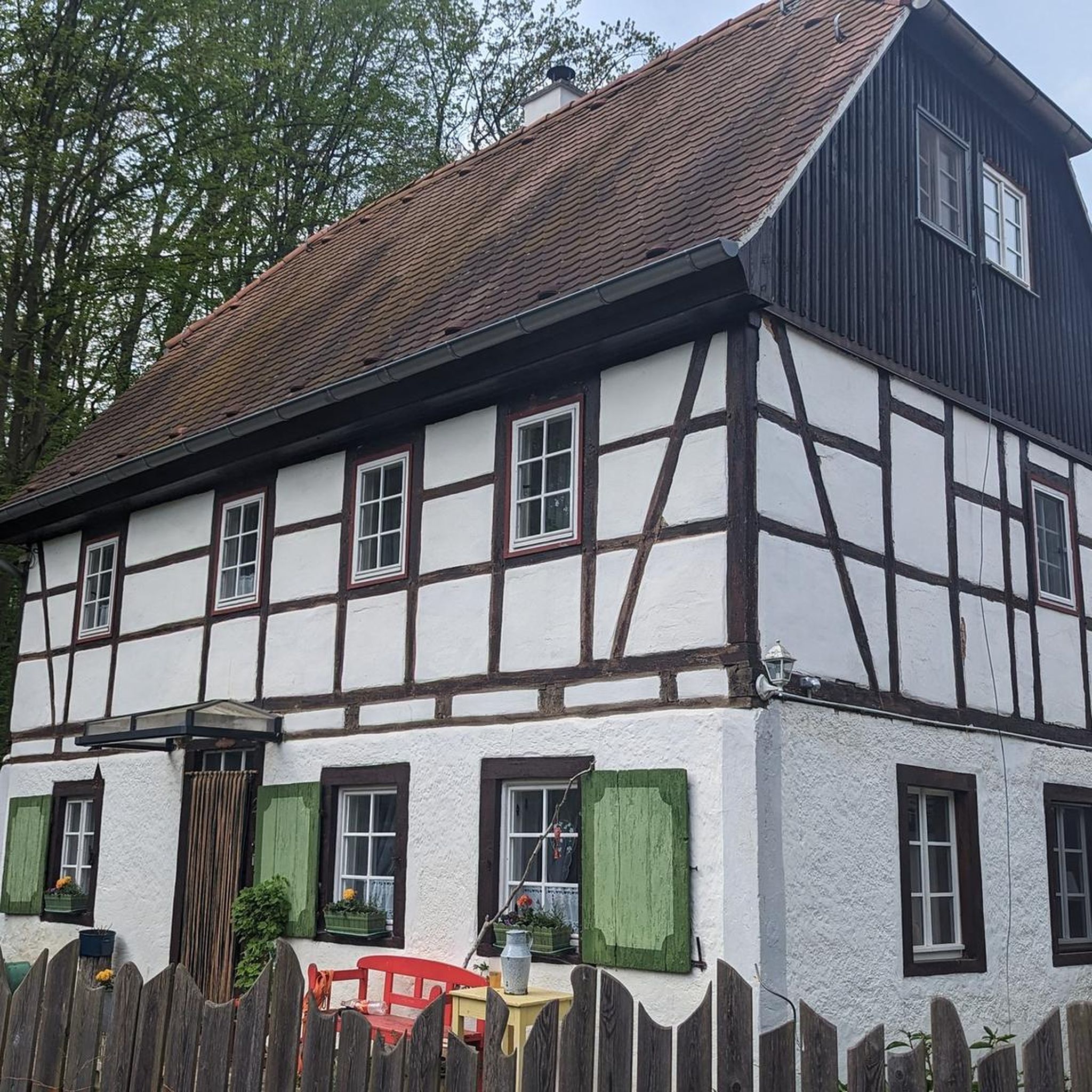
The church is thought to have been built in the 12th century. In the grant made by Henry II to Newstead Priory, part of the endowment was “The Town of Papplewick with the Church of the same name and the Mill.”. Legend has it that Alan A’Dale, one of Robin Hood’s men, was married here. The present tower dates from the 14th century. The nave and chancel were rebuilt by the Right Hon. Frederick Montagu in 1795 (after he had rebuilt the Hall.). In 1855, Papplewick was united with Linby. The Parish is now called ‘the Parish of St. Michael, Linby cum St. James, Papplewick‘. The building was further restored and repaired in 1938 in memory of John Chadburn, son of Mr. C. W. Chadburn who lived in the Parish.
0
0

Due to its venerable age, an old legend has manifested itself on this large oak tree: the story of ROBIN HOOD, which has been told over and over again for many centuries - although by no means historically confirmed - and is known and loved from literature and film far beyond the borders of England. This tree is said to have given him and his loyal followers, whose area of activity is located in Sherwood Forest, shelter here. You may want to believe it or not - the main thing is: the myth lives on!
0
0

Origins in the 12th Century, rebuilt in 1795 & restored in 1940, this Grade I listed building is still in weekly use. The Yew tree outside is 350 years old.
1
0
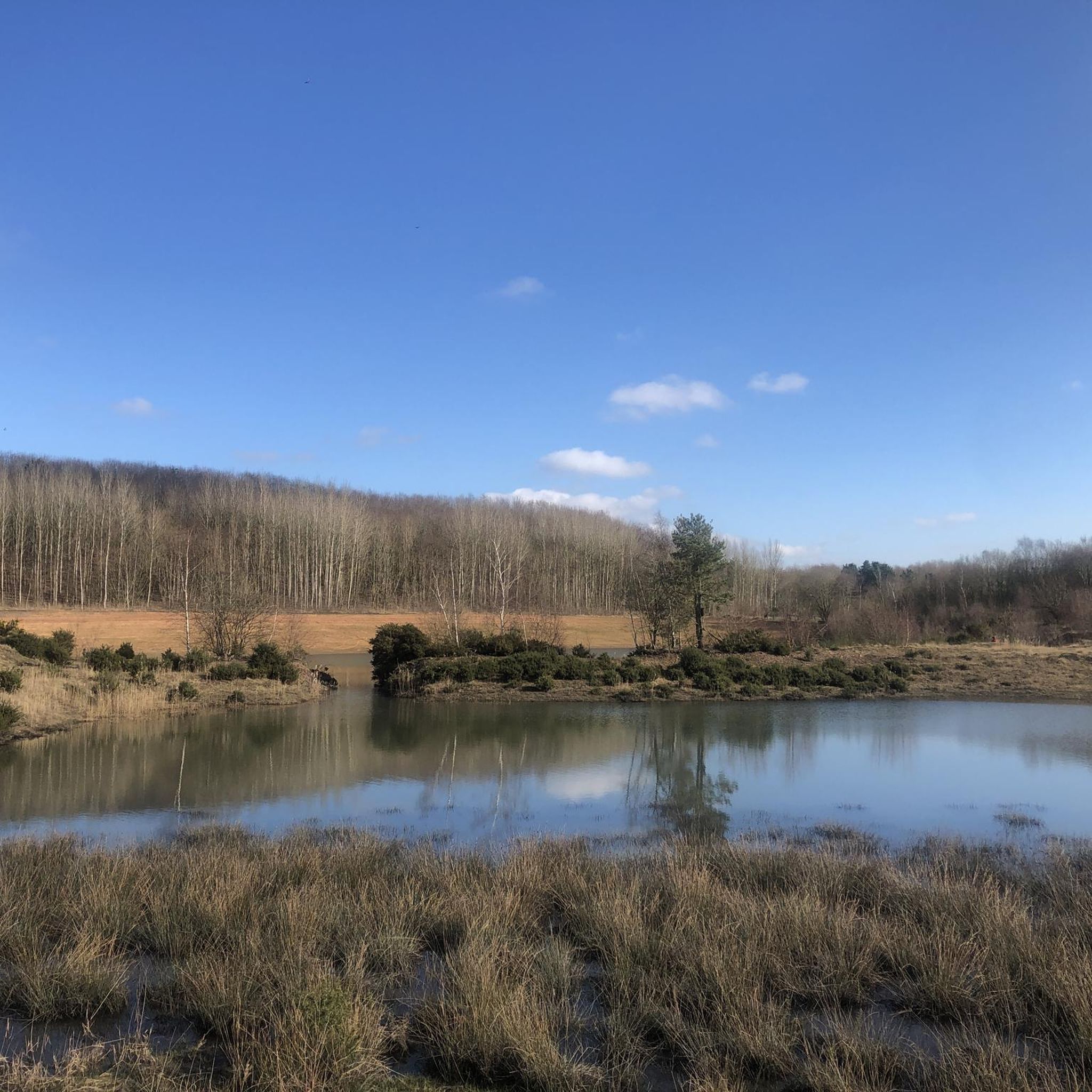
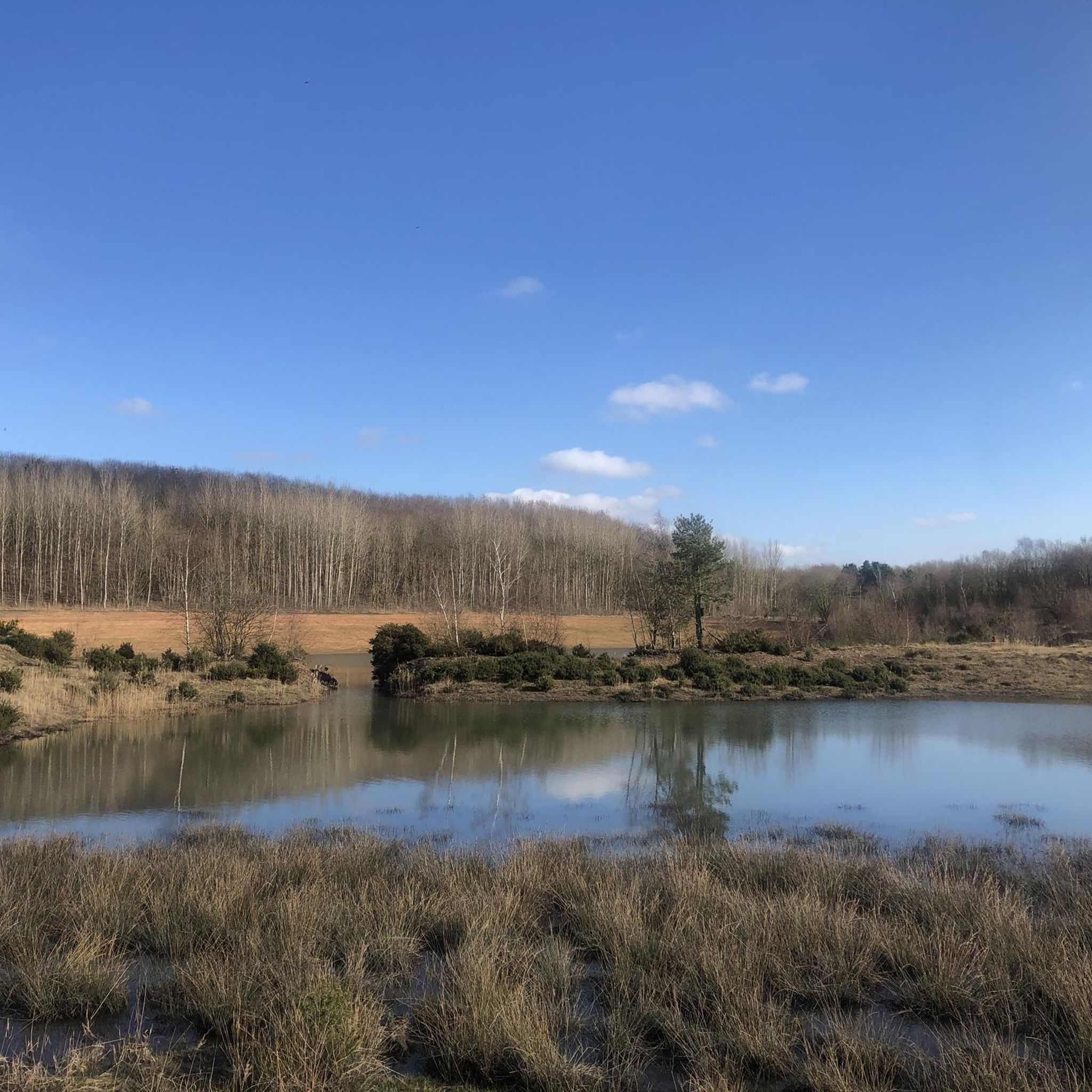
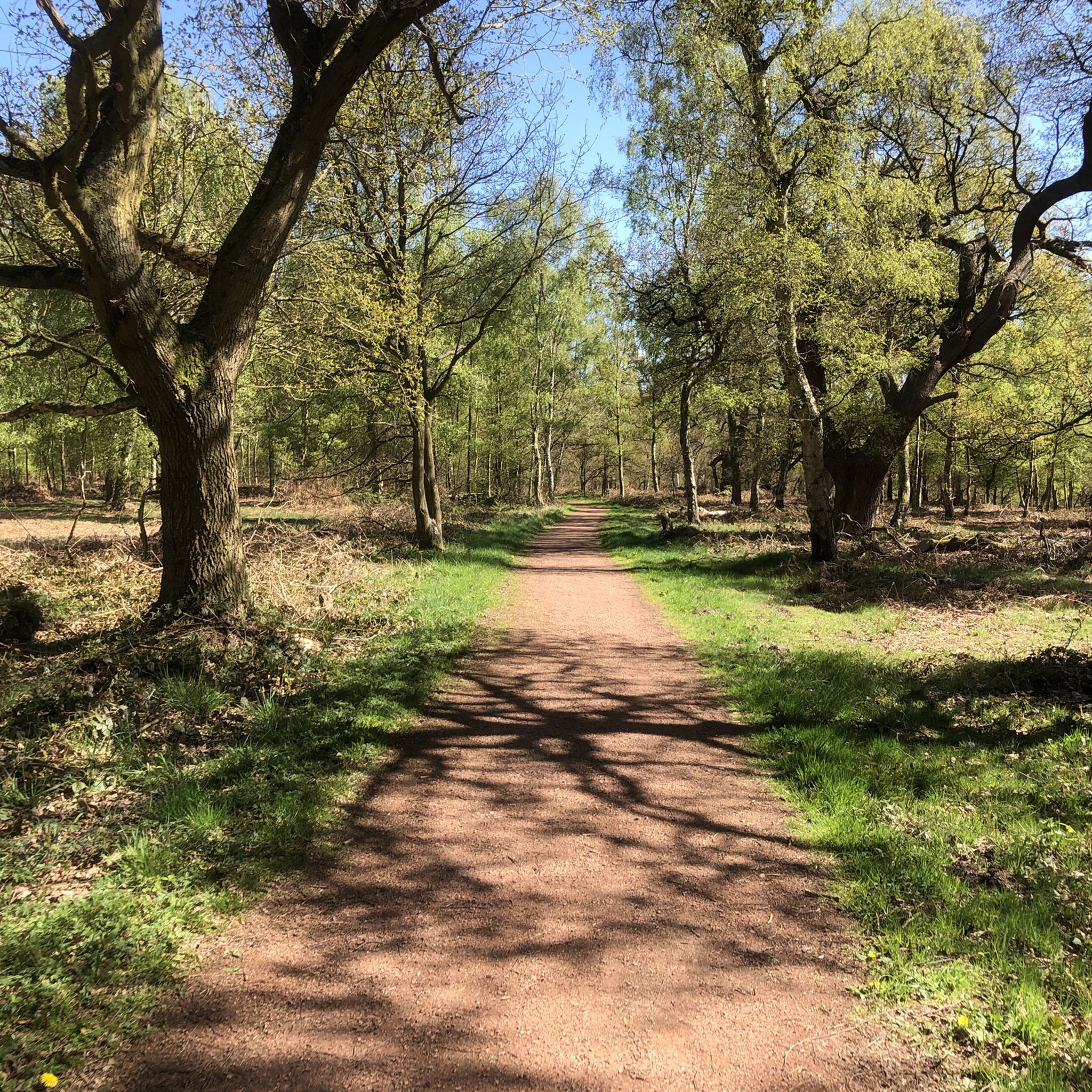
Strawberry Hill Heath SSSI Nature Reserve. What's left of the SW end of once mighty Sherwood Forest as big domestic & industrial developments move in. Great place to explore, lots of paths through the trees. Unfortunately a constant hum of traffic and an attraction for 4X4's & fly-tippers, plus two or three burned-out cars dotted around does spoil it in places.
1
0

Nestled amidst the rolling hills and verdant landscapes of Nottinghamshire, England, lies Strawberry Hill Heath, a captivating nature reserve that offers a glimpse into the region's rich natural history and ecological diversity. This tranquil haven, managed by the Nottinghamshire Wildlife Trust, provides an ideal retreat for nature enthusiasts and outdoor adventurers alike. The heath's origins trace back to the medieval period, when it formed part of the expansive Rainworth and Rufford forests that once blanketed the area. Over time, these ancient woodlands transformed into a mosaic of heathland, scrubland, and woodland habitats, providing refuge for a diverse array of plant and animal species. The heath's signature landscape is characterized by rolling expanses of heather, punctuated by patches of bracken and gorse. These open spaces provide a vital habitat for a variety of birds, including stonechats, whinchats, and skylarks, whose melodious songs fill the air during the warmer months. Beneath the heath's verdant canopy, wildflowers burst into life in the spring, creating a vibrant tapestry of color. Common heathers, bell heather, and bilberry carpet the ground, attracting butterflies and bees that contribute to the heath's rich biodiversity. Strawberry Hill Heath offers an abundance of opportunities for exploring the natural world. A well-maintained circular trail winds through the reserve, providing access to its various habitats. Along the way, visitors can encounter a variety of wildlife, from inquisitive deer to shy rabbits. The heath's tranquil atmosphere and diverse habitats make it an ideal spot for quiet contemplation and relaxation. Visitors can sit by the edge of the heath, surrounded by the sounds of nature, and simply take in the beauty of the landscape. If you're seeking a peaceful escape into the heart of nature, Strawberry Hill Heath is the perfect destination. Its enchanting landscapes, vibrant flora and fauna, and tranquil atmosphere will leave you with a lasting impression of the natural world's beauty and diversity.
1
0

In 2022, the Major Oak was selected as one of 70 ancient trees from around the UK to take their place in the Queen's Green Canopy, a 70th anniversary program to inspire the planting of new trees across the country. This oak is very old and must be supported because of its weight.
11
0

The Major Oak is said to have been the shelter of Robin Hood and his merry men. One thing is certain: It's very old, and is probably Britain's most visited tree.
2
0
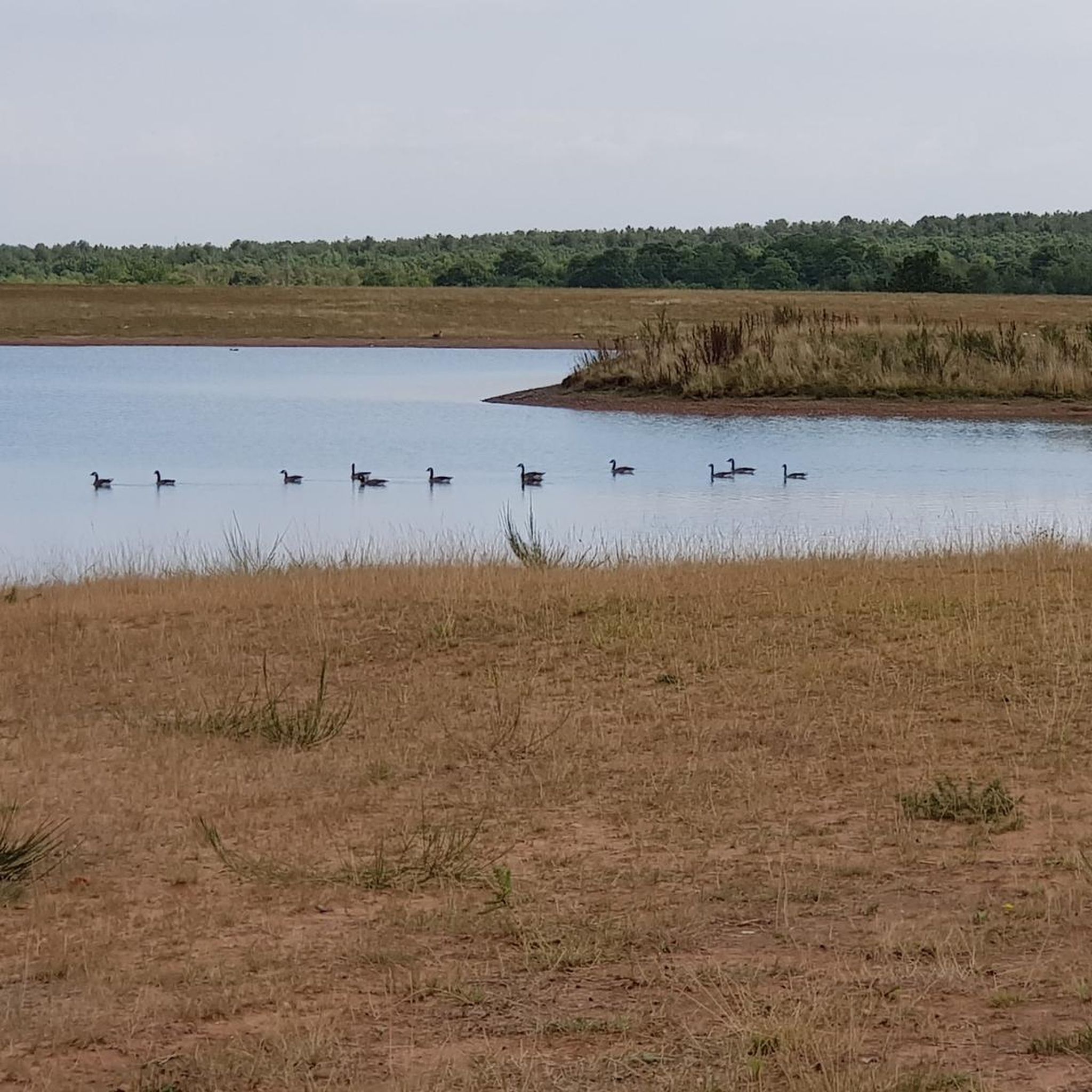
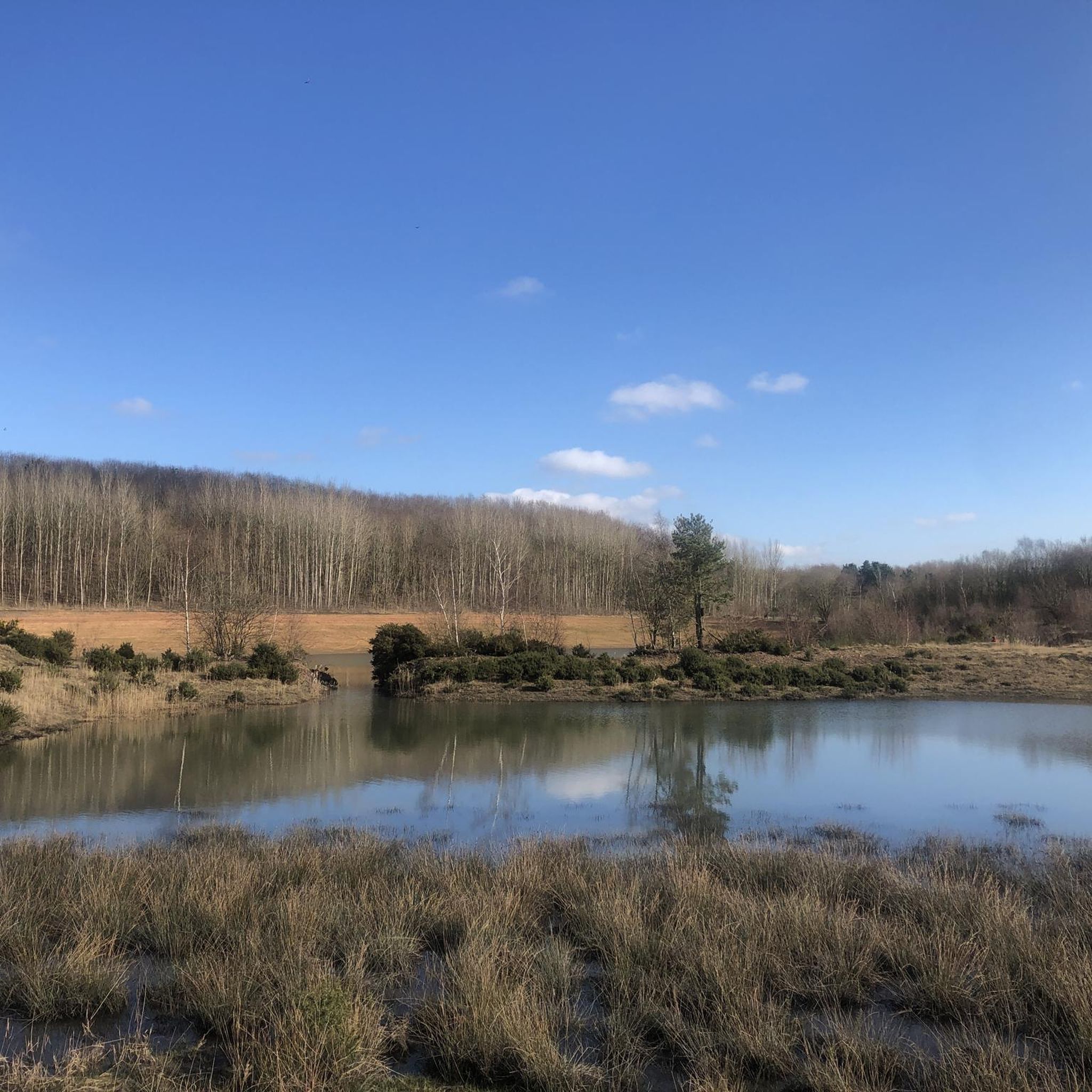
CLAIMED TO BE THE LEGENDARY location where Robin Hood met the feisty Friar Tuck in the famous folktale, the overgrown remains of a 12th-century moat, lodge, and holy well complex persist in this soggy corner of Sherwood Forest. Fountain Dale’s ancient moat is an impressive waterlogged ditch, 40 feet wide, enclosing what was once a large rectangular artificial island. The feature dates to at least 1251, when the moated island was the site of a hunting lodge, the vestiges of which remain hidden beneath centuries of mud and undergrowth. To date, little archaeological investigation at the site has been carried out. This said, the remains of the medieval manse are likely to be well preserved, having remained unusually undisturbed. The moat and its structures are listed as a Scheduled Monument of National Importance by the public heritage organization Historic England.
1
0
Frequently Asked Questions
What kind of natural monuments can I explore around Rainworth?
The area around Rainworth offers a diverse range of natural monuments, from ancient trees and historical sites to unique wetland habitats and heathlands. You can visit iconic landmarks like The Major Oak in Sherwood Forest, explore the transformed landscape of Rainworth Water Local Nature Reserve, or discover the ecological significance of Rainworth Heath.
Are there any natural monuments with historical significance near Rainworth?
Yes, several natural monuments in the area are steeped in history and folklore. The Major Oak is famously associated with Robin Hood. Fountain Dale Ponds is claimed to be where Robin Hood and Friar Tuck first met, featuring the remains of a 12th-century moated island. Additionally, Pleasley Pit Colliery and Nature Reserve combines natural beauty with preserved colliery buildings, offering a glimpse into the region's industrial past.
What outdoor activities can I do near these natural monuments?
The natural monuments around Rainworth are excellent starting points for various outdoor activities. You can find numerous hiking and mountain biking opportunities. For example, there are moderate hiking routes like the "Fountain Dale Ponds – Fountain Dale loop" or the "Sherwood Pines Heathland – Stallon Pond loop" which you can explore. For more options, check out the guides for Hiking around Rainworth and MTB Trails around Rainworth.
Are there family-friendly natural monuments around Rainworth?
Absolutely. Many natural monuments in the area are suitable for families. The Major Oak is a popular choice, offering a touch of folklore. Pleasley Pit Colliery and Nature Reserve has gravel trails and a cafe, making it accessible for various ages. Strawberry Hill Heath SSSI Nature Reserve also provides a circular trail for easy exploration.
What kind of wildlife can I expect to see at these natural monuments?
The natural monuments around Rainworth are rich in wildlife. At Pleasley Pit Colliery and Nature Reserve, you might spot various birds and wetland creatures around its ponds. Rainworth Water Local Nature Reserve is known for dragonflies, damselflies, and dingy skipper butterflies. Rainworth Heath is a prime location for birdwatching, with species like green woodpecker, tree pipit, and even rare nightjar and woodlark, alongside diverse flora.
Are there any natural monuments that are wheelchair accessible?
Yes, The Major Oak in Sherwood Forest is listed as wheelchair accessible, allowing visitors to experience this ancient tree. Pleasley Pit Colliery and Nature Reserve also features gravel trails that are generally suitable for wheelchairs.
What are some lesser-known or 'hidden gem' natural monuments near Rainworth?
While not entirely hidden, Rainworth Water Local Nature Reserve is a valuable wetland habitat transformed from a former colliery, offering a tranquil escape and unique wildlife spotting opportunities. Rainworth Heath, one of the last remaining heathlands in Nottinghamshire, also provides a unique ecosystem for those looking to explore beyond the most famous sites.
Can I find cafes or facilities near these natural monuments?
Yes, Pleasley Pit Colliery and Nature Reserve has a cafe on-site, along with a museum. Sherwood Pines, while a managed forest, also offers facilities including cafes and play areas, making it a convenient stop during your visit to the wider Sherwood Forest area.
What is the best time of year to visit the natural monuments around Rainworth?
Spring and summer are ideal for experiencing the vibrant flora and fauna, with wildflowers blooming at Strawberry Hill Heath and increased bird activity. Autumn offers beautiful foliage, especially in forested areas like Sherwood Pines. Even in winter, the ancient trees and historical sites retain their charm, providing peaceful walks, though some trails might be muddy.
Are the natural monuments around Rainworth dog-friendly?
Many natural monuments and their surrounding trails are dog-friendly, especially those with open spaces and woodlands. Always ensure dogs are kept under control, particularly in nature reserves where wildlife is present, and check for specific signage at each location regarding leash requirements or restricted areas.
How long should I plan to spend at the natural monuments?
The time you spend can vary greatly depending on the site and your interests. For a quick visit to The Major Oak, an hour might suffice. However, exploring Pleasley Pit Colliery and Nature Reserve or Strawberry Hill Heath with their trails and facilities could easily take 2-4 hours. If you plan to combine multiple sites or undertake longer hikes, a full day or more would be recommended.
Are there circular walks available at these natural monuments?
Yes, Strawberry Hill Heath SSSI Nature Reserve features a well-maintained circular trail. Many other natural areas and forests, including Sherwood Pines, also offer a network of paths that can be combined to create circular routes of varying lengths and difficulties. You can find specific circular hiking routes in the Hiking around Rainworth guide.
Most popular routes around Rainworth
Most popular attractions around Rainworth

Get inspired with the komoot mobile app


Explore more
Extend your search for the best caves by checking out these guides of the top ones around Rainworth:
