Top 10 Natural Monuments around Pitminster
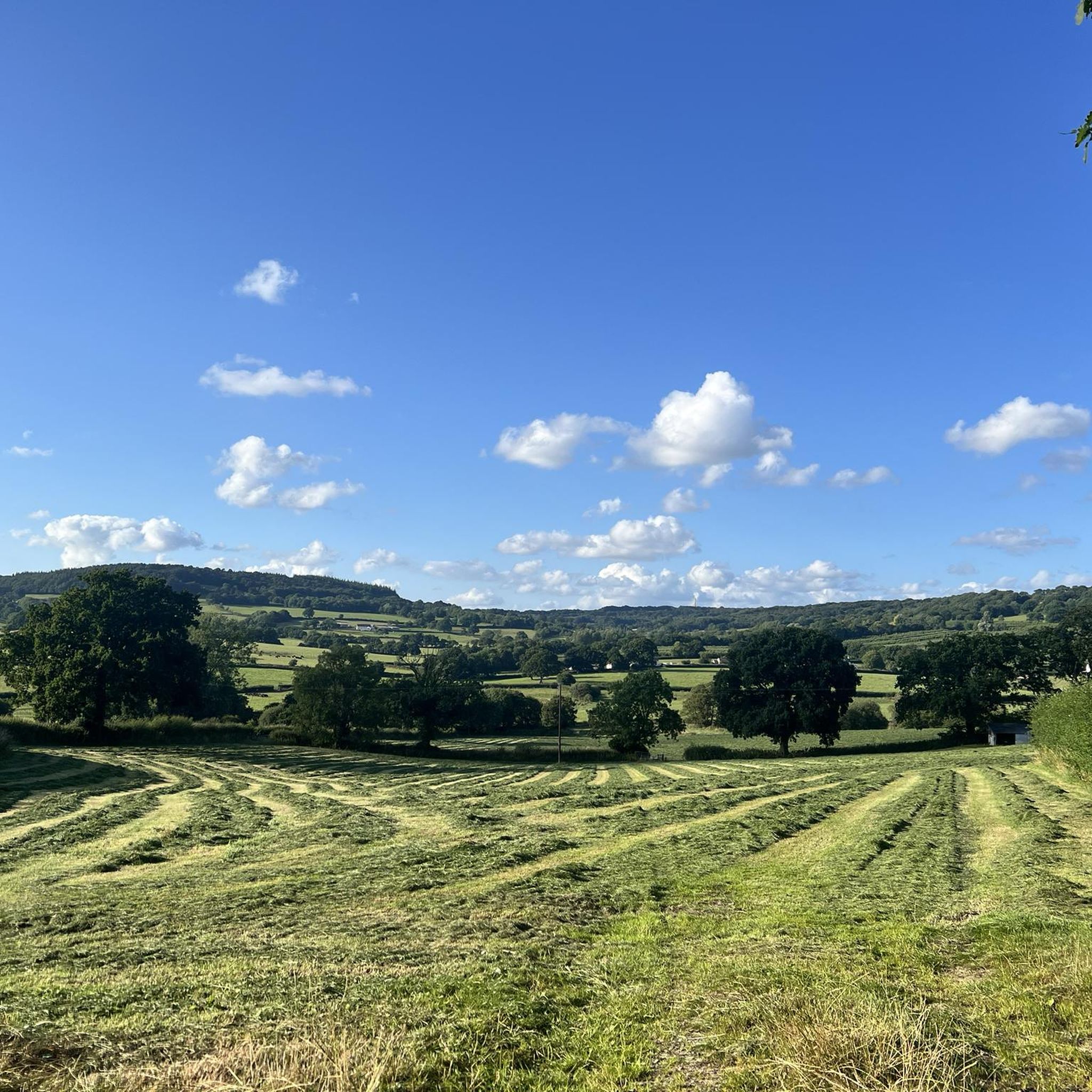
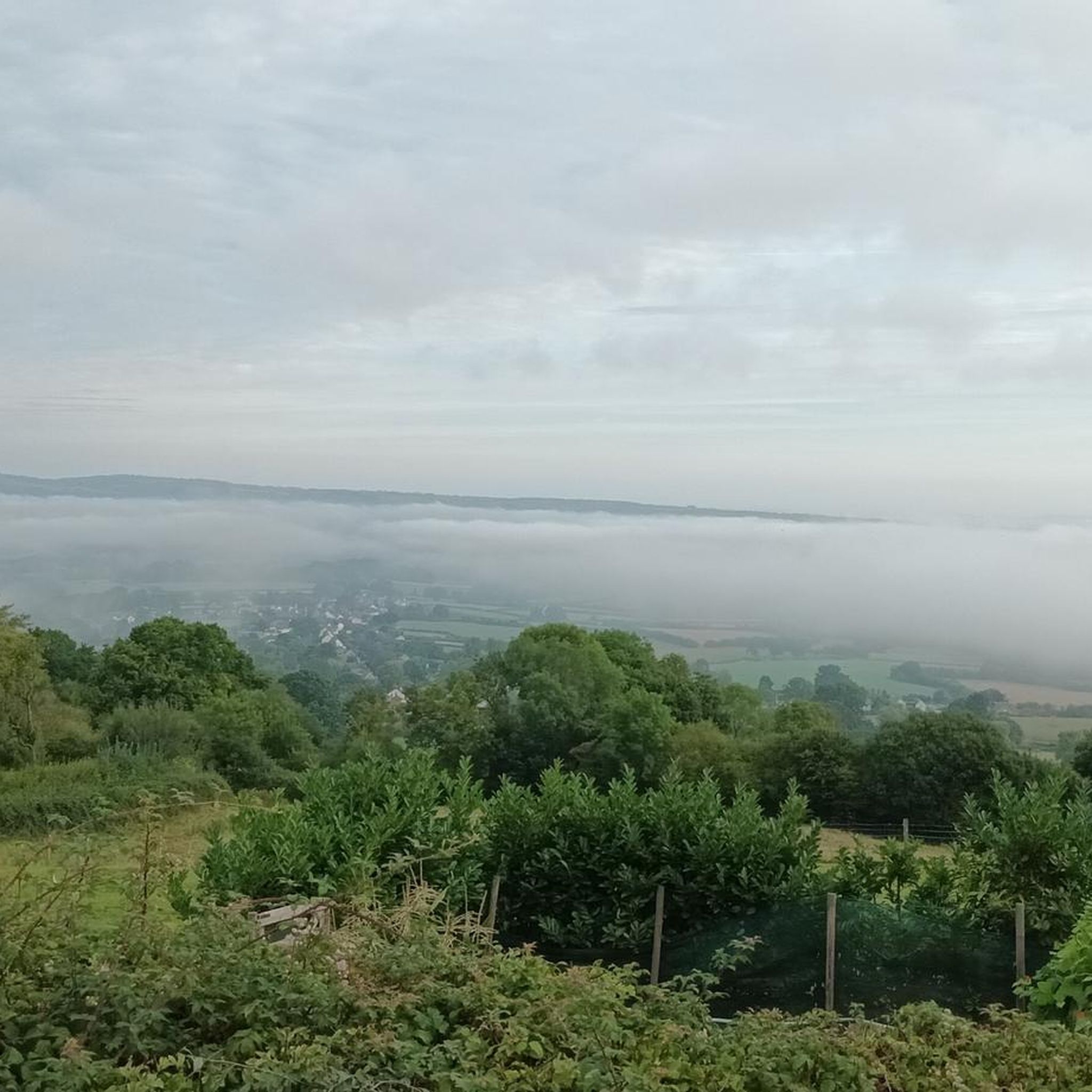
Best natural monuments around Pitminster are found within the Blackdown Hills National Landscape, an area characterized by its natural beauty. This region features unspoiled rolling hills, steep wooded escarpments, and tranquil river valleys. The diverse terrain supports a rich mosaic of habitats, including ancient woodlands, heathlands, and unique springline mires. The area offers extensive views and a peaceful setting for outdoor activities.
Best natural monuments around Pitminster
- The most popular natural monument is Culmstock Beacon Viewpoint, a historical site…
Last updated: October 17, 2026
Wellington Monument
Highlight • Natural Monument
Tip by

Nynehead Hollow
Highlight • Structure
Tip by

Sign up now to discover places like this
Get recommendations on the best single tracks, peaks, & plenty of other exciting outdoor places.
Culmstock Beacon Viewpoint
Highlight • Historical Site
The beacon …
Tip by

Otterhead Lakes
Highlight • River
Tip by

Giant Oak Tree
Highlight • Natural Monument
Tip by
Sign up for free to discover even more natural monuments around Pitminster.
Already have an account?
Start today with a free account
Your next adventure awaits.


Tips from the Community

Nynehead Hollow is a super cool landmark on the outskirts of Nynehead Village. The road has literally been roughly carved through solid rock, with high walls and trees growing above.
0
0


Great walks there is many ways to get to the Beacon, it's very cold up there and the ground was rocky wet and very muddy, good boots needed, you can see Dartmoor Exmoor and Somerset on a clear day.
3
0

A good few tracks and paths up here to explore, it never gets old
1
0

Moderate trail for everyone to explore and enjoy
1
1
The Wellington Monument is a 175-foot-high triangular obelisk located on a point of the Blackdown Hills, 3 km south of Wellington in the English county of Somerset. It is a grade II* listed building and is the tallest three-sided obelisk in the world.
2
0
Culmstock Beacon provides a stunning viewpoint south to the River Culm valley and the historic village of Culmstock. The Beacon is on Black Down
2
1
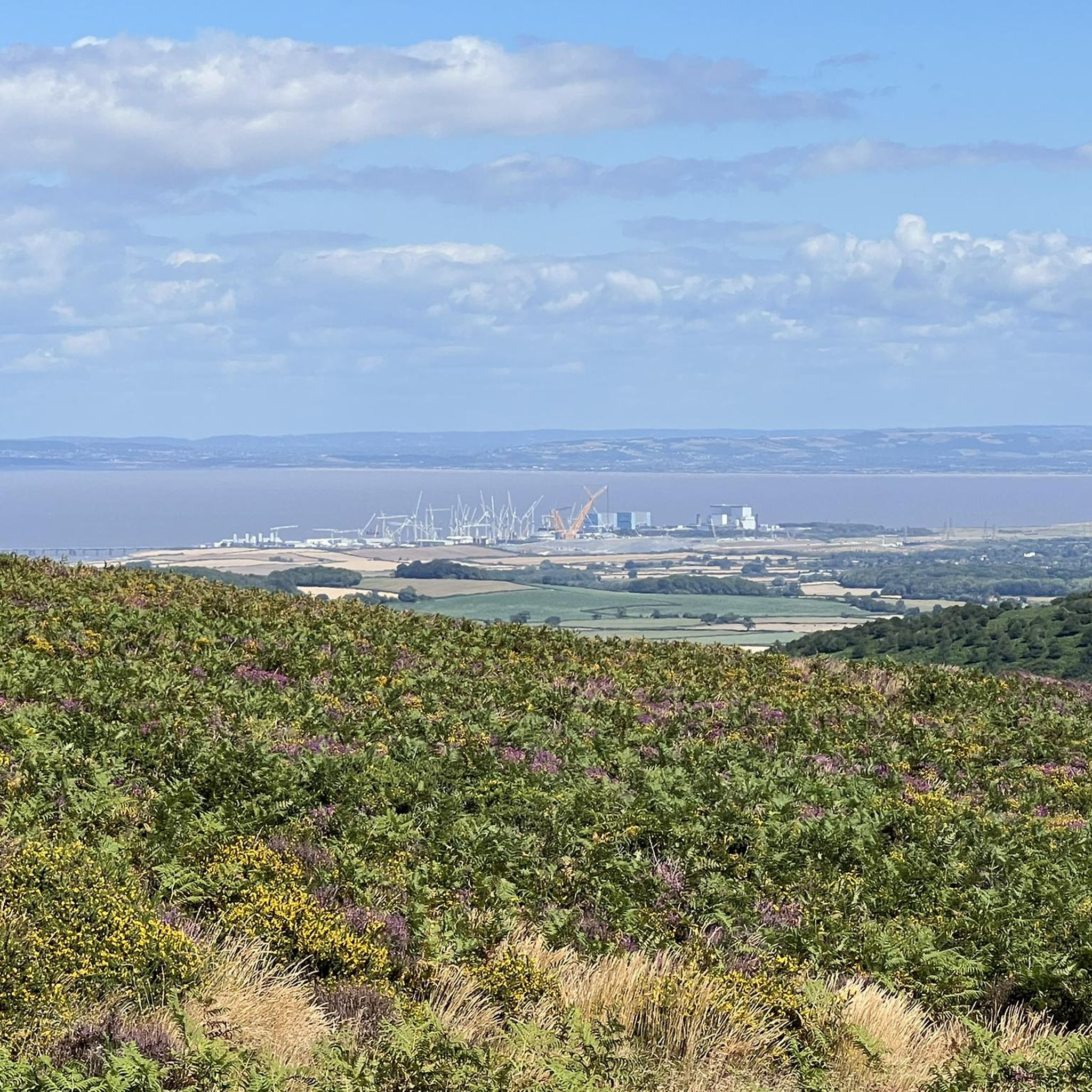
High on the southwest point of Blackdown Common is Culmstock Beacon. It is one of a chain of Elizabethan beacons used for lighting fires to warn of advancing enemies, for example, The Spanish Armada. The beehive-shaped structure was built of flint. It was rebuilt in 1870 after the collapse of the earlier one. Culmstock Beacon is a wildlife haven with stunning views, particularly in the late summer when the bell-heather is in bloom. Access via public bridleway.
3
0
Frequently Asked Questions
What kind of natural landscapes can I expect to see around Pitminster?
The area around Pitminster is characterized by the natural beauty of the Blackdown Hills National Landscape. You'll find unspoiled rolling hills, steep wooded escarpments, and tranquil river valleys. This diverse terrain supports a rich mosaic of habitats, including ancient woodlands, open fields, heathlands, grasslands, and unique springline mires.
Are there any unique geological features or habitats in the Blackdown Hills near Pitminster?
Yes, the Blackdown Hills are known for their unique geological features, including chert stone and Upper Greensand, which contribute to the distinctive terrain. You can explore specific nature reserves like Ashculm Turbary, Gotleigh and Southey Moors, and Brimley Hill Mire, which are excellent examples of springline mires. These wetlands support rare bog-loving plants such as round-leaved sundew and pale butterwort. Heathlands like Blackdown and Sampford Commons are also prominent, especially when heather blooms in late summer.
Where can I find the best panoramic views in the Pitminster area?
For extensive views, consider visiting Culmstock Beacon Viewpoint, which offers far-reaching vistas across the Culm Valley, potentially as far as Exeter on a clear day. The rolling hills and elevated points throughout the Blackdown Hills generally provide many opportunities for scenic outlooks.
What outdoor activities are popular near the natural monuments around Pitminster?
The Blackdown Hills offer a vast network of footpaths and bridleways, making it an excellent destination for walking, cycling, and horse riding. You can find various routes for different sports, such as road cycling, running, and hiking. For example, there are moderate road cycling routes like the "Wellington Monument – Braziers Coffee Roasters loop" and hiking trails such as the "Herepath Trail - Blagdon Hill Loop." You can explore more options in the hiking guide, road cycling guide, and running guide for Pitminster.
Are there family-friendly natural monuments or activities around Pitminster?
Yes, several spots are suitable for families. Otterhead Lakes is a beautiful nature reserve with two lakes, a river, and grasslands, perfect for wildlife spotting. You can also find the Giant Oak Tree, which offers a lovely shady spot for a break. Many of the easier walking trails in the Blackdown Hills are also suitable for families.
What kind of wildlife can I spot in the Blackdown Hills near Pitminster?
The varied habitats of the Blackdown Hills support a rich array of plant and animal life. It's a prime location for wildlife spotting, with opportunities to see rare species such as dormice, otters, and nightjars. Birdwatchers might spot kingfishers, dippers, and wagtails around water bodies like Otterhead Lakes. The heathlands are also important for various butterfly species and heathland birds.
Is the Pitminster area good for stargazing?
Yes, the Blackdown Hills National Landscape is recognized as the fifth darkest National Landscape in England. This makes it an excellent location for stargazing enthusiasts, offering breathtaking celestial views away from light pollution.
What is the best time of year to visit the natural monuments around Pitminster?
The Blackdown Hills offer beauty year-round. Spring brings wildflower meadows bursting with orchids, violets, and primroses. Late summer is particularly stunning when the heather blooms across the heathlands. Clear days in any season can offer rewarding views, but be prepared for potentially muddy conditions on trails, especially in wetter months.
Are there any historical sites that are also considered natural monuments in the area?
While many sites are primarily historical, some blend natural beauty with historical significance. Culmstock Beacon Viewpoint is a historical site featuring a flint structure that was part of an Elizabethan early warning system, offering expansive natural views. The Wellington Monument, though man-made, is a prominent landmark set within the natural landscape, commemorating the Duke of Wellington’s victory at Waterloo.
Are there dog-friendly walks near the natural monuments around Pitminster?
Many of the footpaths and bridleways throughout the Blackdown Hills National Landscape are dog-friendly. It's generally advised to keep dogs under control, especially around livestock or wildlife, and to follow local signage regarding leash requirements. Always remember to clean up after your dog.
What is Nynehead Hollow and why is it notable?
Nynehead Hollow is a scenic lane that has been impressively carved through solid rock. It features high walls and trees growing above, creating a unique and atmospheric passage. It forms part of NCN 3 and is a notable feature for cyclists and walkers alike.
Are there options for food and drink near the natural monuments in the Pitminster area?
While specific cafes or pubs might not be directly adjacent to every natural monument, the villages within and around the Blackdown Hills, including Pitminster itself, offer options for refreshments and accommodation. It's a good idea to check local listings for cafes, pubs, and restaurants in nearby towns like Wellington or Taunton.
Most popular routes around Pitminster
Most popular attractions around Pitminster

Get inspired with the komoot mobile app


Explore more
Extend your search for the best caves by checking out these guides of the top ones around Pitminster:
